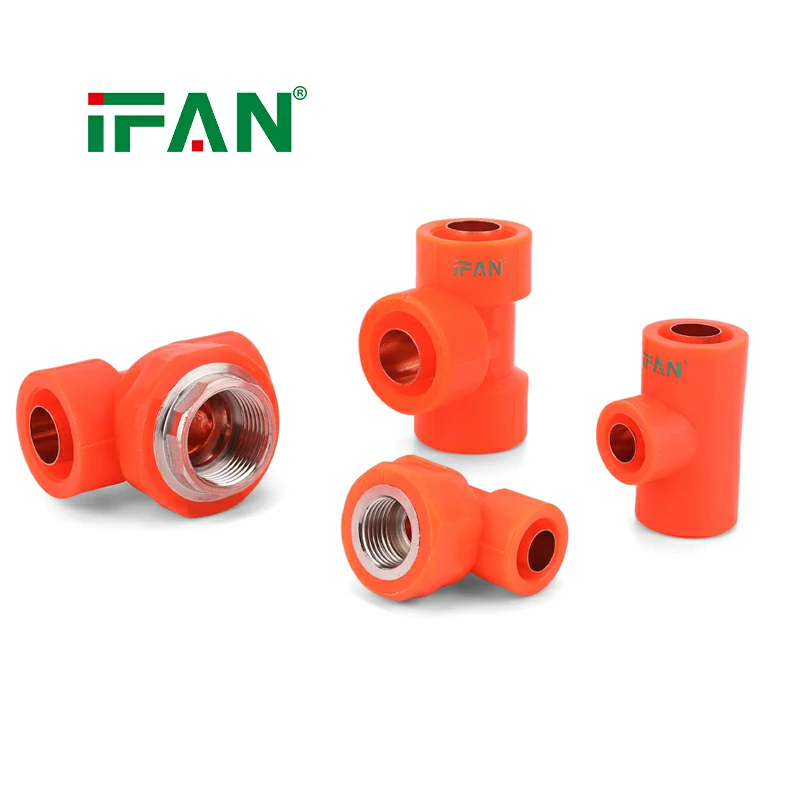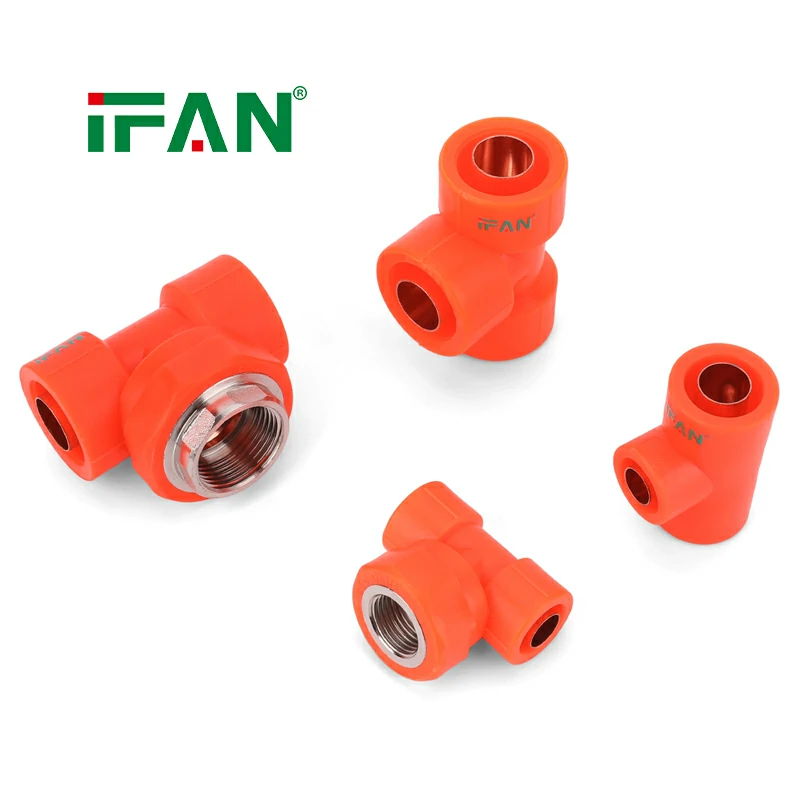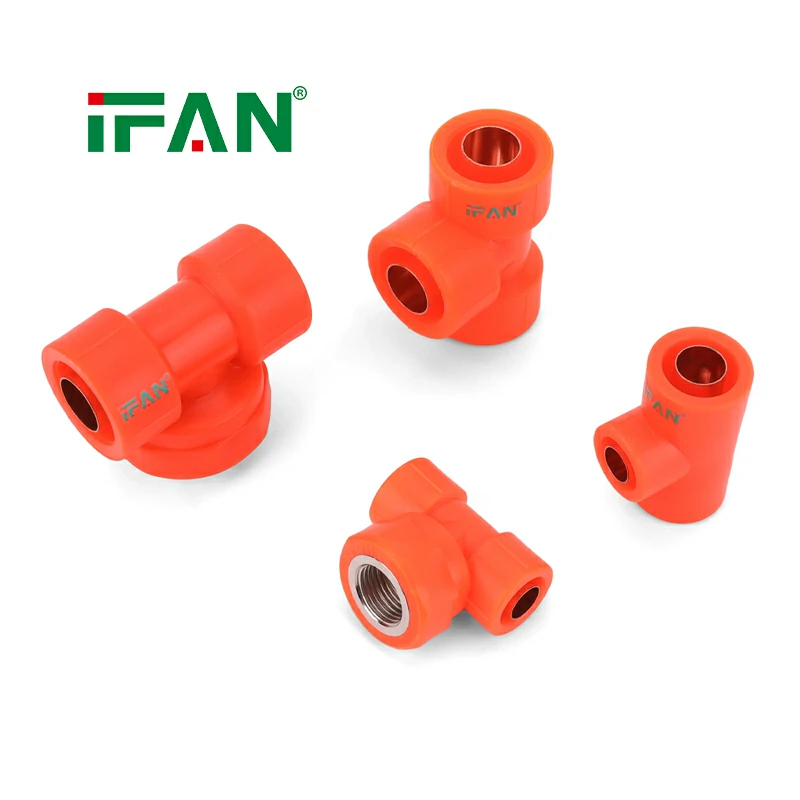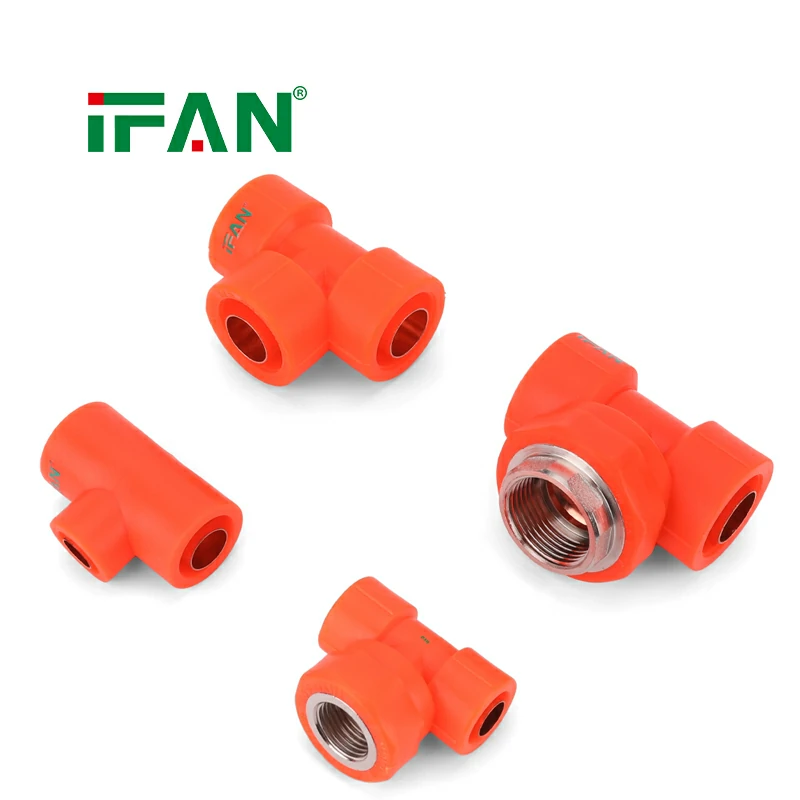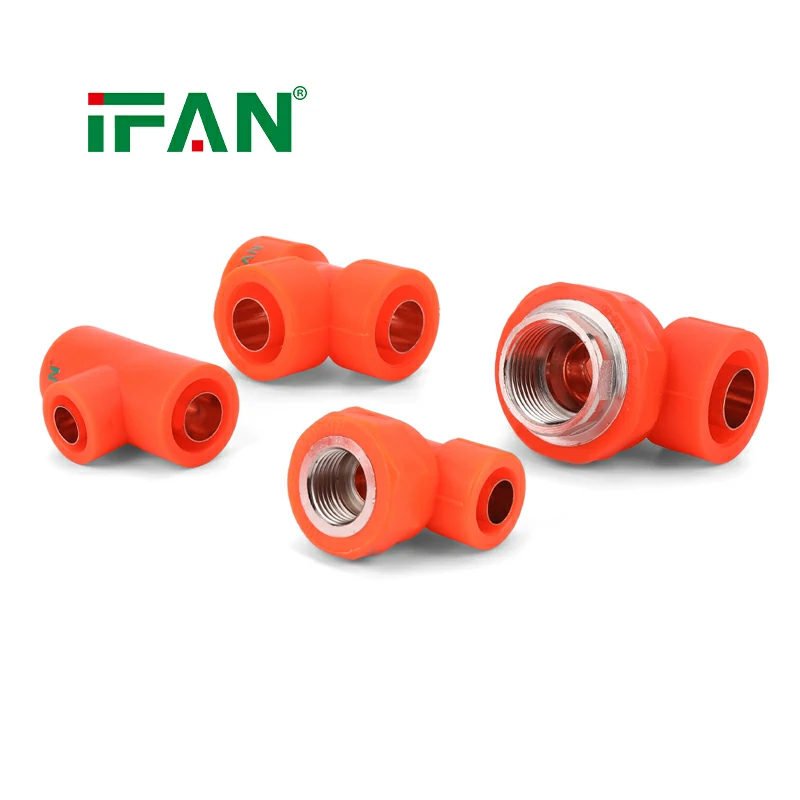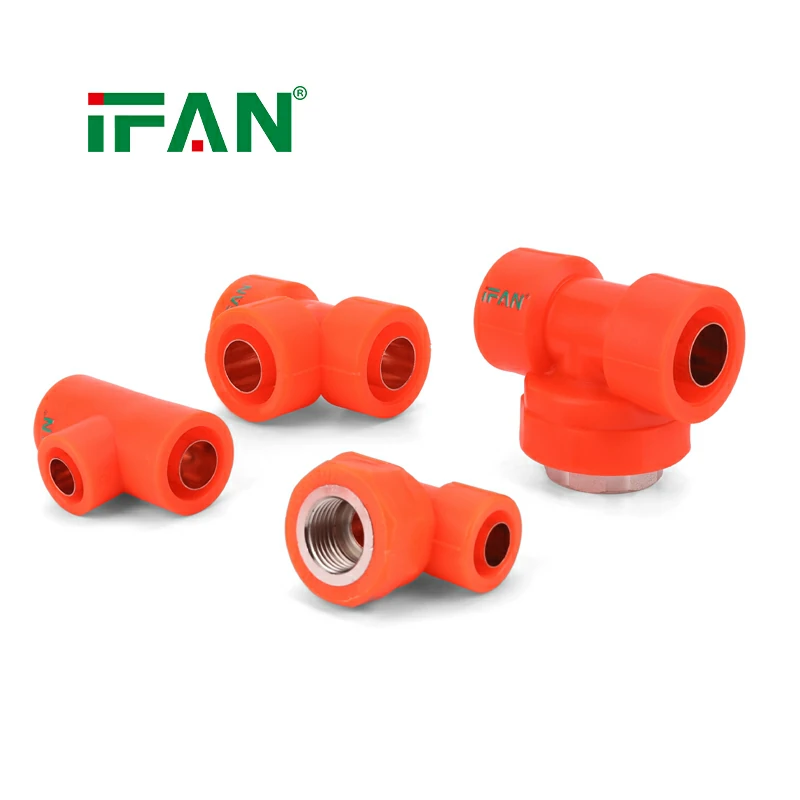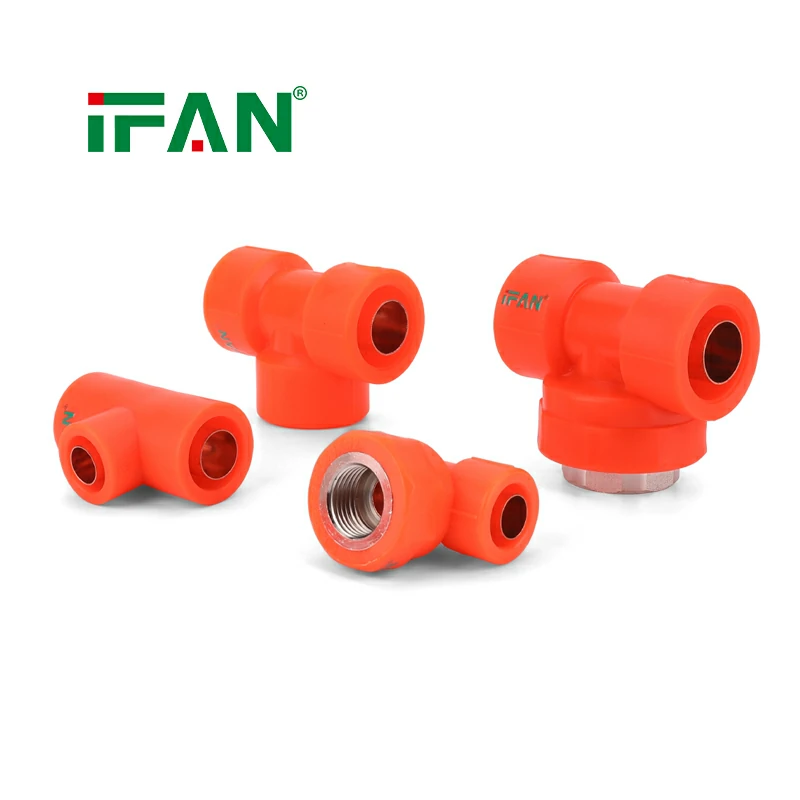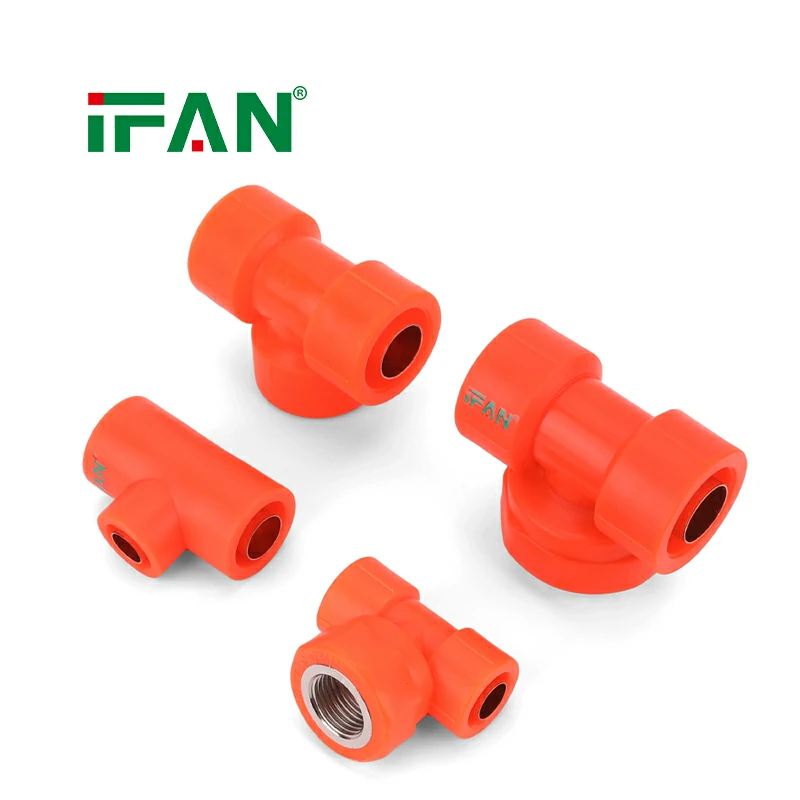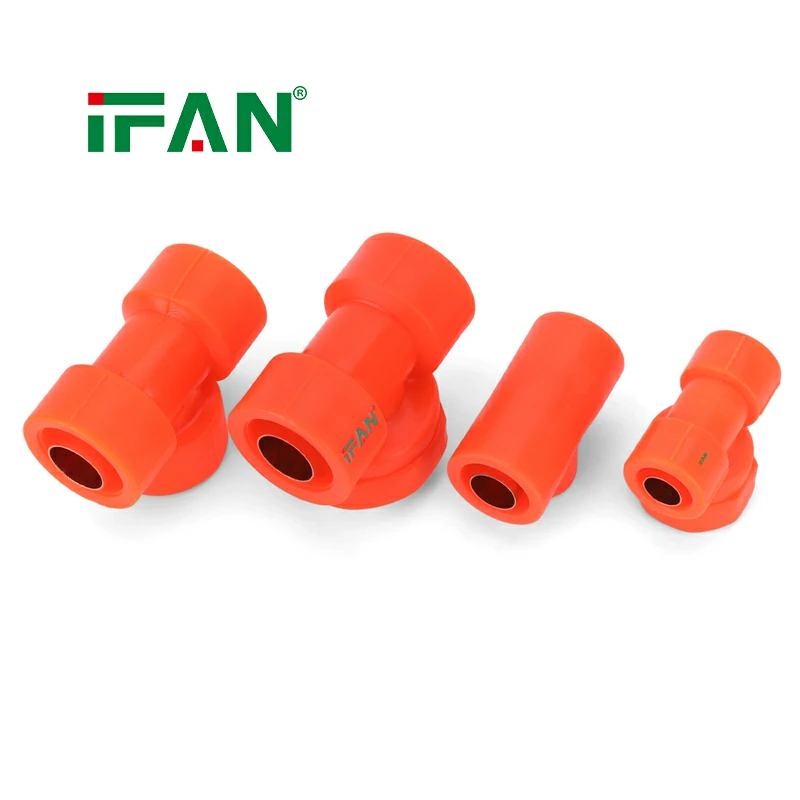


PPR (Polypropylene Random Copolymer) pipe fittings have become a top choice for modern plumbing systems. One of their most important advantages is their ability to provide leak-free connections. This article explores how PPR fittings prevent leaks, the technology behind their sealing strength, and the long-term benefits they offer to plumbing infrastructure.
Fusion Welding Creates Seamless Joints
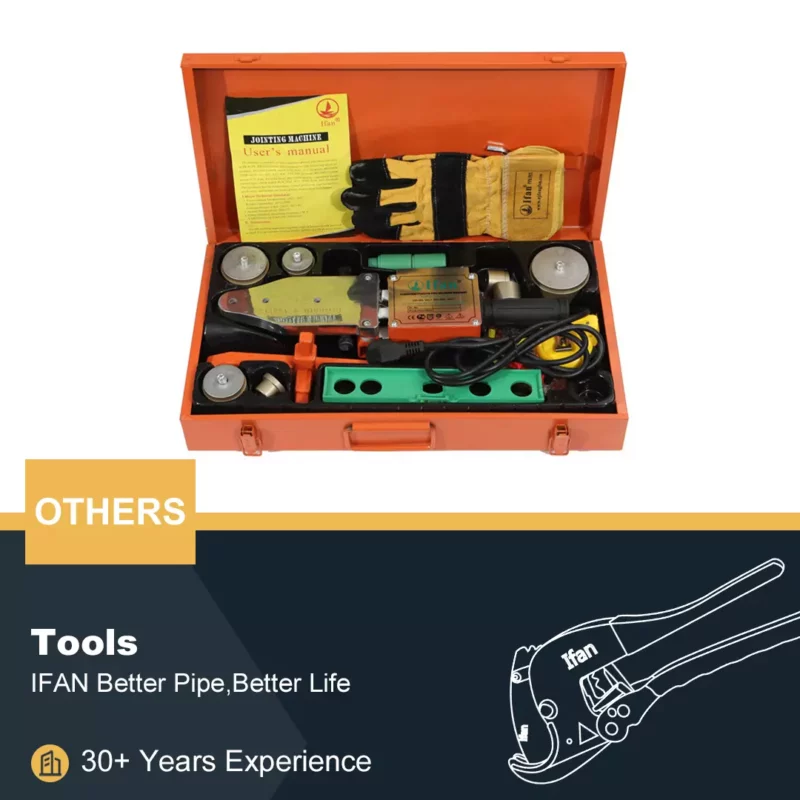
The key to leak-free PPR systems lies in the heat fusion joining method. During installation, both the pipe and fitting are heated and then fused together. This process melts the material surfaces, which then cool and harden as a single unit. No adhesives, gaskets, or mechanical connectors are needed. The result is a homogenous, permanent joint with no weak points. These fusion joints are as strong as the pipe itself. They eliminate the risk of leaks at the connection, even under pressure. Compared to threaded or glued joints, fusion-welded PPR fittings provide superior long-term sealing performance in all kinds of plumbing systems.
Precision Engineering Improves Connection Accuracy
PPR pipe fittings are manufactured using high-precision molding technology. This ensures consistent dimensions, perfect roundness, and smooth surfaces. Precision plays a key role in creating tight, leak-proof joints. Accurate sizing allows for uniform heat distribution during fusion, which ensures the pipe and fitting bond evenly. High-quality PPR fittings also maintain a consistent wall thickness. This structural consistency strengthens the connection and prevents stress points. In contrast, poorly molded fittings may result in weak joints that can leak under pressure. With PPR systems, the quality of engineering directly contributes to reliable, leak-free performance over the long term.
Thermal Expansion Compatibility Prevents Joint Stress
One challenge in plumbing is handling temperature changes without damaging the connections. PPR pipes and fittings expand and contract at the same rate. This thermal compatibility means there is no stress or shifting between the pipe and fitting during temperature changes. In systems using different materials, unequal expansion can loosen connections over time. With PPR, the pipe and fitting move together as one unit. This stability maintains the seal and helps prevent leaks caused by long-term thermal cycling. That makes PPR an excellent choice for hot and cold water applications, including underfloor heating and pressurized systems.
Resistant to Vibration and Water Hammer
In many plumbing systems, water flow can cause vibration or pressure surges. These forces can loosen traditional fittings or cause microcracks. PPR pipe fittings are highly resistant to both vibration and water hammer. Their fusion joints eliminate gaps where pressure can escape. The flexibility of the material also absorbs shock, reducing stress on connections. In commercial or industrial systems, where pressure changes are frequent, PPR fittings maintain their integrity. This resistance helps prevent leaks caused by mechanical wear, sudden force, or pipe movement. Over time, the reliability of PPR in dynamic environments leads to fewer failures and repairs.
No Risk of Corrosion or Internal Leakage
Metal fittings can corrode over time, leading to leaks at joints or seams. PPR is naturally corrosion-resistant and does not react with water or most chemicals. This makes it especially suitable for potable water systems, chemical lines, and HVAC installations. Because PPR does not degrade internally, there is no risk of internal leakage caused by rust, scaling, or mineral buildup. The smooth interior of PPR fittings also reduces friction and prevents clogging. This ensures consistent water pressure and flow. In corrosive environments, such as coastal regions or industrial zones, PPR systems offer a safer, longer-lasting alternative.
Proper Installation Ensures Lasting Leak Protection
Even with high-quality materials, proper installation is critical to preventing leaks. PPR systems are easy to install, but they require attention to detail. Fusion equipment must be set to the correct temperature. Pipes and fittings must be cleaned and aligned properly before joining. Following recommended cooling times is also important for joint strength. When installed by trained professionals, PPR pipe fittings form durable, leak-proof connections that can last over Long-term durability according to standards. Their simplicity and consistency reduce the chance of human error compared to soldered or threaded joints. A well-installed PPR system minimizes leaks from the start.
Ideal for Concealed Plumbing Installations
Leak prevention is especially important in concealed installations, such as walls, floors, or ceilings. Hidden leaks can go unnoticed for long periods, causing structural damage and high repair costs. PPR fittings are ideal for these applications because of their leak-free fusion joints and long service life. Once installed, the system requires little to no maintenance. This reduces the risk of future disruption or costly renovations. In residential buildings, hospitals, hotels, and office towers, PPR systems help maintain reliability and safety. Their strong sealing properties make them the preferred choice for concealed plumbing in new construction and renovations.
Performance Under High Pressure and Flow
In high-demand systems, consistent sealing is critical. PPR pipe fittings are built to withstand high pressure without leakage. Systems with pumps, booster stations, or long piping networks often operate at elevated pressure levels. PPR’s fusion joints can handle these conditions without weakening over time. The uniform wall thickness and material strength ensure the fittings do not deform under pressure. Even with high flow rates, the seamless interior design maintains consistent flow while protecting the joint seal. For municipal water systems, industrial facilities, or multi-story buildings, PPR fittings provide reliable leak protection under demanding pressure conditions.
Long-Term Cost Savings Through Leak Prevention
Leaks not only waste water but also lead to costly damage, mold growth, and increased utility bills. Preventing leaks from the start is more cost-effective than dealing with consequences later. PPR pipe fittings significantly reduce the risk of leakage, lowering maintenance and repair expenses. Their longevity means fewer system failures, reducing disruption in both residential and commercial settings. Over decades of use, the savings add up. Water conservation is another benefit, particularly in regions where supply is limited or expensive. With PPR, both environmental and financial costs of leakage are minimized over the system’s lifetime.
Conclusion: PPR Delivers Secure, Leak-Free Solutions
PPR pipe fittings are engineered to provide long-term, leak-free connections in plumbing systems. Their fusion welding technology creates seamless joints that outperform traditional connection methods. The precision engineering, thermal compatibility, and impact resistance of PPR ensure consistent performance even in demanding conditions. By eliminating risks from corrosion, pressure changes, and installation errors, PPR systems maintain strong seals for decades. Whether in homes, offices, hospitals, or factories, PPR fittings help protect buildings from the damage and expense of leaks. For professionals seeking durability, safety, and efficiency, PPR offers a proven solution for leak-proof plumbing infrastructure.
If you have read this article and have any questions, please feel free to contact IFAN. Below is our contact information:
Whatsapp:+86 13373827623
Email:[email protected]