
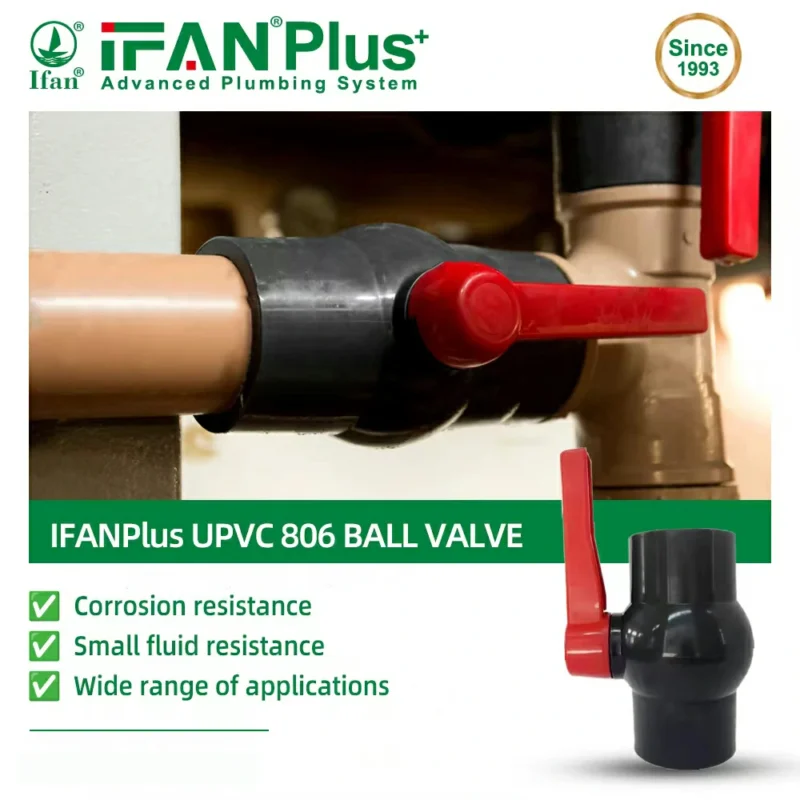
Introduction to UPVC Ball Valves
UPVC ball valves are gaining popularity in industries that require chemical resistance. UPVC stands for unplasticized polyvinyl chloride. This material is known for strength, corrosion resistance, and long service life. Ball valves made from UPVC are reliable, lightweight, and affordable. These valves use a simple quarter-turn mechanism for control. They can start or stop flow quickly and effectively. Because of their excellent chemical resistance, they are widely used in chemical industries. They offer an ideal solution for managing corrosive fluids. UPVC valves can handle various aggressive media without degrading. They are also easy to install and maintain.
Why Chemical Applications Need Special Valves
Chemical industries deal with reactive and corrosive substances daily. Not all valves can withstand these harsh chemicals. Metal valves often corrode over time. This leads to leaks and system failures. Even stainless steel can fail with strong acids or bases. Valves used in chemical processing must be chemically compatible. They should also be safe, reliable, and durable. UPVC ball valves offer excellent resistance to many aggressive chemicals. This makes them suitable for acid, alkali, and salt solutions. Their design minimizes contact with the external environment. This ensures long-term safety and functionality in chemical applications.
Chemical Resistance of UPVC Material
UPVC material is chemically inert. It does not react with most chemicals found in industrial processes. It resists acids, bases, and salts better than many metals. Unlike metals, UPVC does not rust or corrode. It is also immune to electrochemical reactions. This makes it ideal for transporting aggressive fluids. For example, UPVC ball valves can handle hydrochloric acid, sodium hydroxide, and chlorine solutions. They are also effective with cleaning agents, fertilizers, and wastewater. Always check a chemical compatibility chart before selecting UPVC for a specific application. In most cases, it performs well in diverse chemical environments.
Temperature and Pressure Limitations
While UPVC is durable, it has temperature and pressure limits. It generally performs best in temperatures between 0°C and 60°C. Exceeding this range may weaken the material. Pressure ratings vary by size and design but are usually around 150 PSI. Chemical processes must be evaluated carefully to match these limits. High-temperature or high-pressure systems may require alternative materials like CPVC or PVDF. However, for moderate conditions, UPVC is more than sufficient. It offers a reliable solution with minimal maintenance. Proper selection ensures the valve functions safely and efficiently over time.
Design and Operation
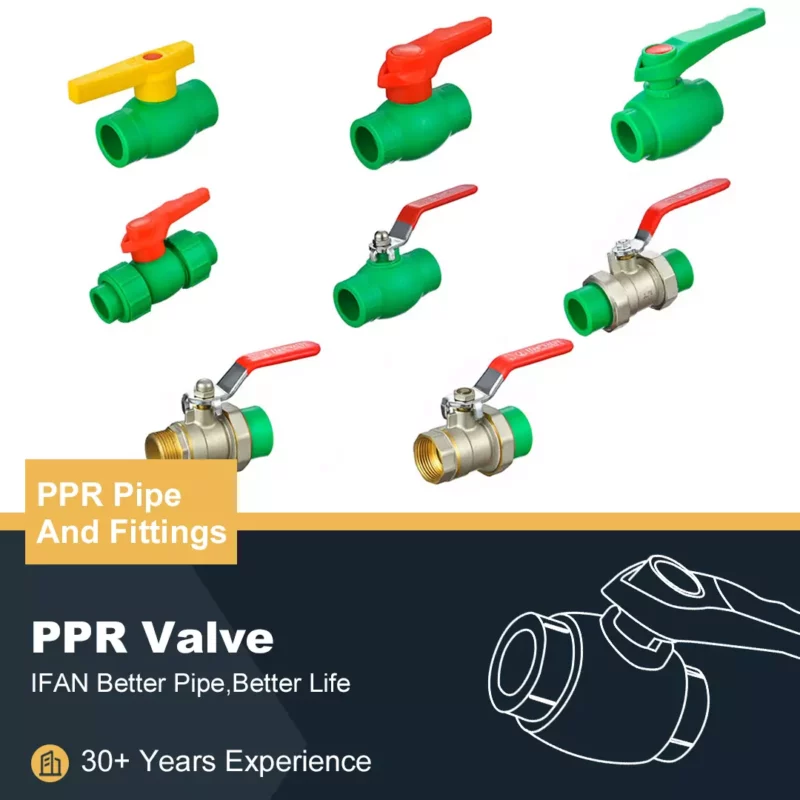
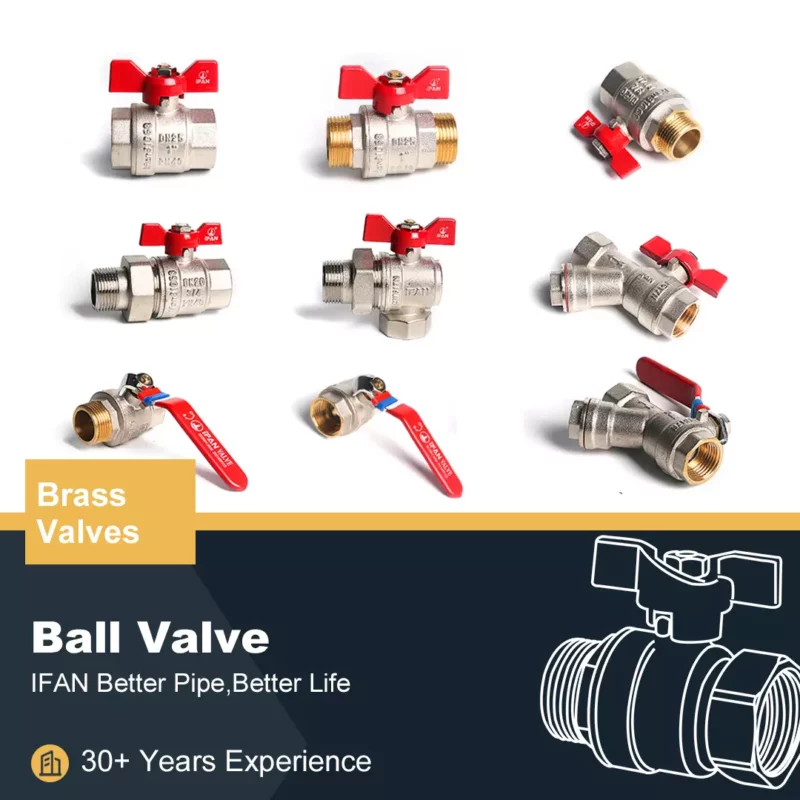
UPVC ball valves use a quarter-turn mechanism. The valve handle turns 90 degrees to open or close the flow. Inside the valve, a ball with a hole allows or blocks liquid passage. When aligned, fluid flows freely. When turned, the hole closes, stopping flow. The design is simple, effective, and reliable. Most UPVC ball valves are full-port, which means they allow maximum flow. Their internal surfaces are smooth, reducing turbulence and pressure loss. They can also include seals and seats made from PTFE or EPDM. These materials improve sealing and enhance chemical resistance.
Easy Installation and Maintenance
UPVC ball valves are lightweight, which makes installation easy. They can be connected using threaded or solvent-welded ends. This allows flexibility for different piping systems. The valves are also simple to disassemble for cleaning or inspection. Unlike metal valves, they don’t require special tools or heavy lifting. Maintenance is minimal if installed correctly. Their resistance to scale, rust, and corrosion reduces the need for regular servicing. In most cases, simply turning the valve periodically keeps it in good working condition. If needed, seals and seats can be replaced to extend service life.
Applications in the Chemical Industry
UPVC ball valves are used across many chemical applications. They control flow in acid storage tanks, mixing lines, and chemical delivery systems. They are also found in fertilizer production, water treatment plants, and laboratory pipelines. In food and beverage processing, UPVC valves help handle cleaning chemicals. In mining and metal refining, they manage corrosive slurries. In all these cases, chemical resistance and reliability are key. UPVC valves provide safe, leak-free control under tough conditions. Their durability helps reduce downtime and repair costs. For many chemical industries, UPVC is a cost-effective and dependable solution.
Cost Efficiency
UPVC ball valves offer excellent value. They are much cheaper than metal or exotic polymer valves. Despite their lower price, they perform reliably in many chemical environments. Their long service life reduces replacement frequency. Their light weight also saves on shipping and handling costs. Installation is quick and requires fewer tools. All these factors reduce total project costs. UPVC ball valves offer a strong return on investment. For facilities needing many valves, the savings are significant. The low maintenance requirement further enhances cost efficiency. For budget-conscious operations, UPVC is a smart choice.
Environmental Benefits
UPVC ball valves support sustainable operations. The material is non-toxic and safe for water and air systems. It does not leach harmful substances. Unlike metal valves, it requires no coatings or paints. This reduces the release of volatile chemicals. UPVC can also be recycled after use. Lower maintenance needs mean less waste from repairs or part replacement. Additionally, their tight seals prevent leaks, which reduces chemical loss and environmental risk. Using UPVC valves in chemical systems helps meet environmental regulations. This supports safer and greener industrial processes overall.
Selecting the Right UPVC Ball Valve
Choosing the right UPVC ball valve requires careful planning. First, identify the chemicals being used. Then, check temperature and pressure requirements. Confirm compatibility with seals and seat materials like EPDM or PTFE. Select a valve size that supports your flow needs. Consider whether threaded or solvent weld connections are best. For added safety, choose valves with locking handles or double unions. Always buy from a trusted supplier to ensure quality. Poor-quality valves may fail early and cause safety risks. Proper selection ensures long-term performance in chemical applications.
Conclusion: A Reliable Solution for Chemical Use
UPVC ball valves are ideal for handling a wide range of chemicals. Their chemical resistance, ease of use, and affordability make them a top choice. These valves perform well in tough environments while requiring little maintenance. They support efficient, safe, and clean fluid control. With proper selection and installation, they can last for many years. For chemical plants, labs, or water treatment facilities, UPVC valves provide long-term value. They help reduce costs, prevent leaks, and support safer operations. As demand grows for reliable, chemical-resistant components, UPVC ball valves continue to prove their worth.
If you have read this article and have any questions, please feel free to contact IFAN. Below is our contact information:
Whatsapp:+86 13373827623
Email:[email protected]