

























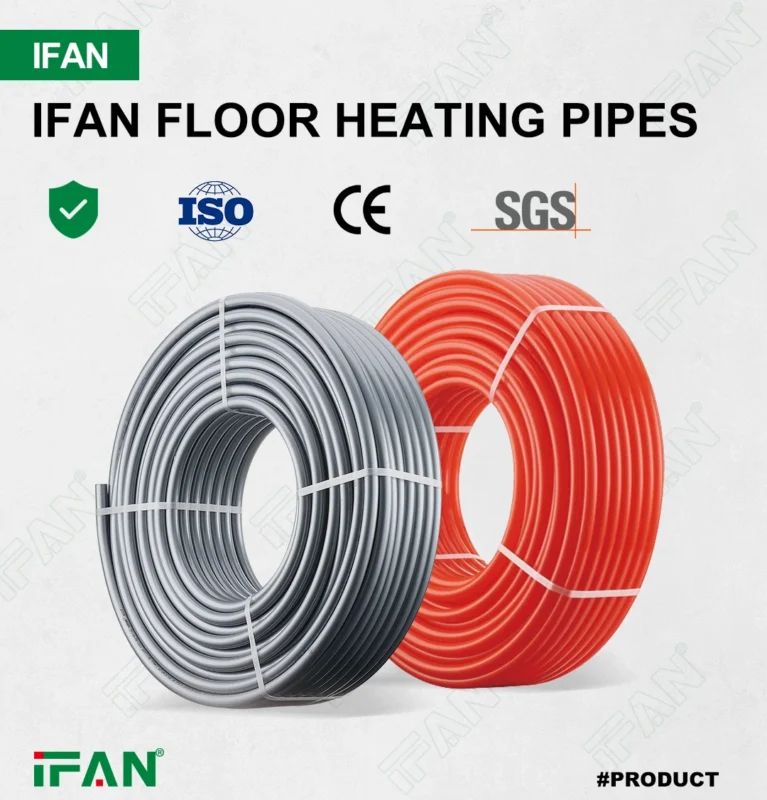
Introduction to Floor Heating Systems
Modern homes focus on comfort, efficiency, and clean design. Floor heating systems perfectly match these needs. They use hidden pipes beneath the floor surface to warm rooms evenly. This system replaces bulky radiators and vents. Instead of heating the air, it warms the floor directly. The result is a cozy, consistent temperature from the ground up. People love walking on warm floors in winter. This method also eliminates cold spots in rooms. As demand grows for energy-efficient heating, floor heating pipes have become essential. They offer comfort and performance while keeping the space open and clean.
How Floor Heating Pipes Work
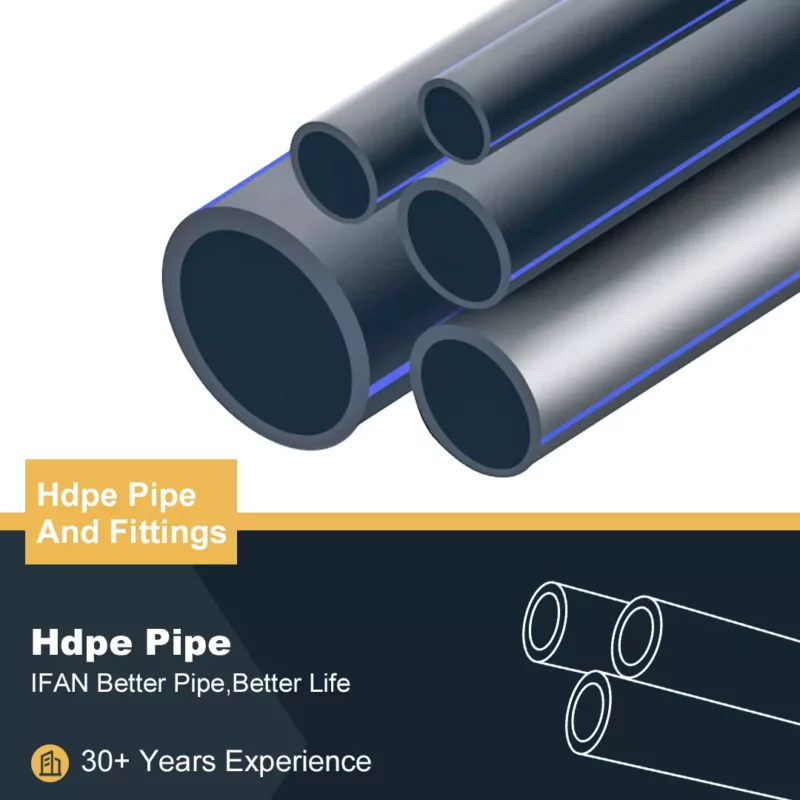
The system uses flexible pipes installed under the floor. These pipes carry warm water from a boiler or heat pump. The heat radiates upward through the floor surface. The warmth is gentle and even, unlike forced-air systems. The most common material for these pipes is cross-linked polyethylene, or PEX. It’s durable, flexible, and resistant to corrosion. The water flows through loops that cover the room area. Thermostats control the water temperature for maximum efficiency. Once installed, the system runs quietly and invisibly. There are no moving parts in the living space, making it safe and low-maintenance.
Energy Efficiency Advantages
Floor heating pipes are more energy-efficient than traditional systems. They operate at lower water temperatures. This reduces energy consumption without sacrificing comfort. The even heat distribution means no overheating in one area. It also allows for lower thermostat settings overall. That leads to lower energy bills year-round. Combined with modern insulation and controls, energy savings can be significant. These systems work well with renewable sources like solar thermal panels or heat pumps. Using sustainable energy further reduces the carbon footprint. Floor heating is ideal for environmentally conscious homeowners seeking better energy performance.
Health and Comfort Benefits
Traditional heating systems can stir up dust and allergens. Floor heating eliminates that issue. There are no fans or vents to move particles around. This creates cleaner indoor air and reduces allergy symptoms. The system is also silent, without the noise of blowing air or clanking radiators. Even temperatures mean no sudden chills or overheating. People feel more comfortable at lower room temperatures. The warmth rises gently and naturally. This enhances well-being and reduces dryness caused by other heating systems. For families with children or elderly members, the safe and even heat is ideal.
Design and Aesthetic Freedom
Modern interior design favors clean lines and open space. Floor heating supports this style. There are no visible radiators or vents to work around. Designers can place furniture wherever they like. This opens up more layout options. Wall space becomes more usable. It’s easier to achieve a minimalist or contemporary look. Kitchens, bathrooms, and open living areas all benefit from unobstructed walls. The system remains completely hidden. Homeowners enjoy stylish interiors without compromising on comfort. Floor heating pipes also work with most flooring materials, including tile, wood, vinyl, and laminate. This flexibility adds to the design possibilities.
Ideal for Smart Homes
Floor heating systems integrate well with smart home technology. Smart thermostats can manage room-by-room temperature control. Users can adjust heating from their phones or voice assistants. This adds both convenience and efficiency. Timers and sensors help reduce energy waste. For example, heating can turn off automatically when no one is home. Learning thermostats adapt to your schedule for maximum comfort. These features are perfect for modern living. With proper setup, homeowners can monitor energy use in real time. Combining smart controls with efficient piping creates a truly advanced heating solution.
Installation Considerations
Floor heating is easiest to install during new construction. However, it can also be retrofitted in many existing homes. The process involves laying pipes in a special layer below the flooring. The system must be carefully planned for each room’s layout. Pipe spacing, insulation, and water flow all affect performance. Experienced installers follow strict guidelines to ensure safety and efficiency. Modern PEX piping simplifies the process. It bends easily and resists cracking or leaks. Some systems use pre-formed panels to speed up installation. While upfront costs may be higher, long-term savings and comfort make it worthwhile.
Maintenance and Longevity
Floor heating systems require minimal maintenance. The pipes themselves are designed to last Long-term durability according to standards or more. They are protected beneath the floor and rarely need repairs. The main component to maintain is the boiler or heat pump. Regular checks ensure the system operates efficiently. Some systems include filters or air separators to keep water clean. Leaks are rare with quality PEX pipes and proper installation. Homeowners should monitor their system occasionally for performance. Most issues can be detected early with smart controls. With basic care, floor heating systems offer decades of reliable service.
Cost vs. Value
Initial costs for floor heating can be higher than other systems. However, the long-term value is greater. Lower energy bills, improved comfort, and higher property value all add up. Floor heating adds a modern feature that appeals to buyers. Homes with underfloor heating often sell faster and at a premium. The system also pays for itself over time through energy savings. When combined with solar energy or heat pumps, the return on investment increases. Smart controls further optimize performance and reduce waste. For homeowners planning to stay long-term, the added comfort and savings are well worth the cost.
Best Flooring Options for Heat Transfer
Some floor materials conduct heat better than others. Tile, stone, and concrete are excellent choices. They allow heat to move quickly and evenly into the room. These materials are ideal for bathrooms and kitchens. Engineered wood and vinyl also work well when properly installed. Carpet can be used, but it insulates more and may reduce efficiency. If using carpet, choose low-pile options with suitable underlay. It’s important to consult the floor heating manufacturer for compatibility. Proper flooring enhances performance and improves heating response time. Choosing the right surface helps maximize comfort and energy efficiency.
Conclusion: A Smart Choice for Modern Living
Floor heating pipes offer a superior way to heat modern homes. They combine comfort, efficiency, and design freedom. With no special maintenance and high durability, they suit today’s busy lifestyles. The system delivers clean, silent warmth throughout every room. It fits well with smart home systems and renewable energy sources. Though the initial cost is higher, the long-term benefits are clear. Floor heating supports healthy living and eco-conscious choices. For homeowners looking to upgrade their comfort and home value, it’s an ideal solution. In the future of modern housing, floor heating is already a key feature.
If you have read this article and have any questions, please feel free to contact IFAN. Below is our contact information:
Whatsapp:+86 13373827623
Email:[email protected]