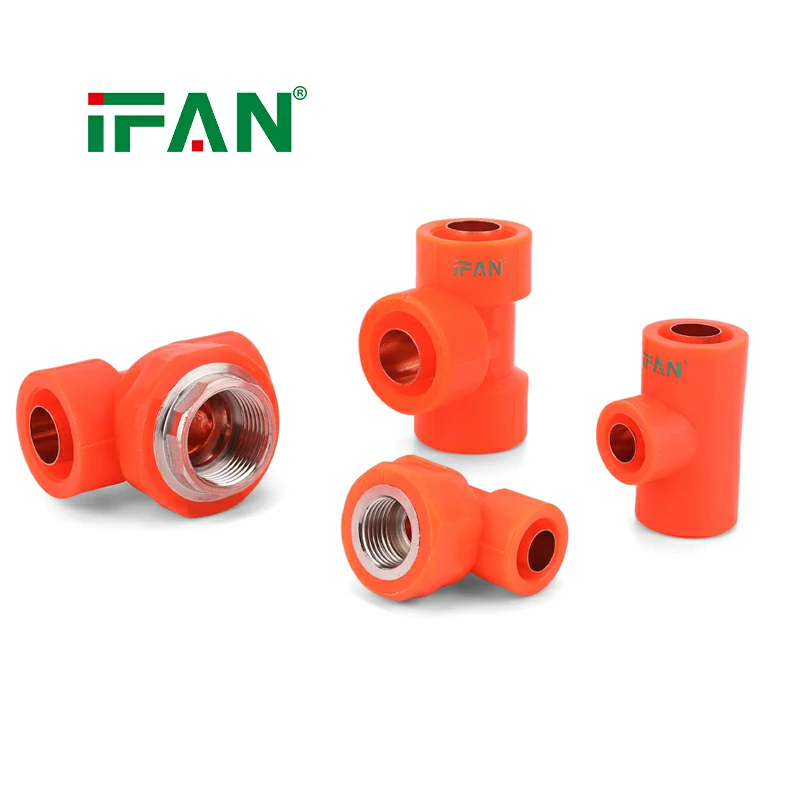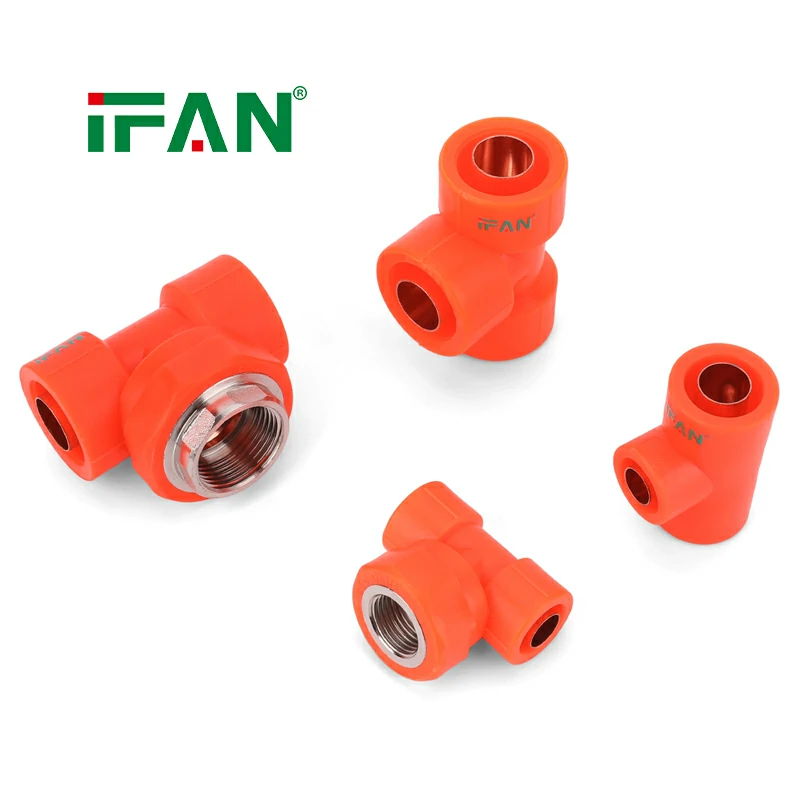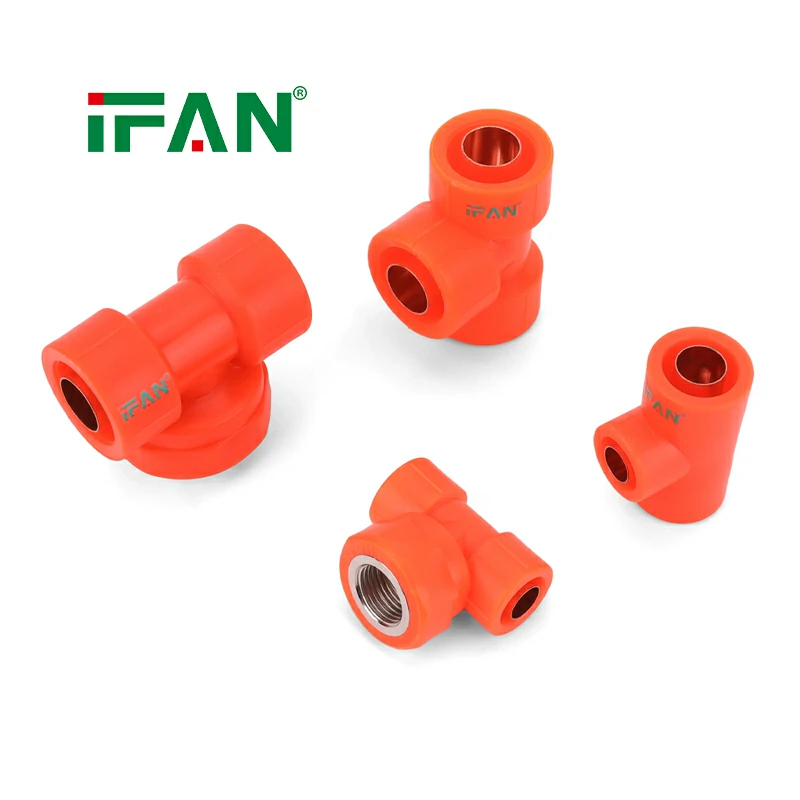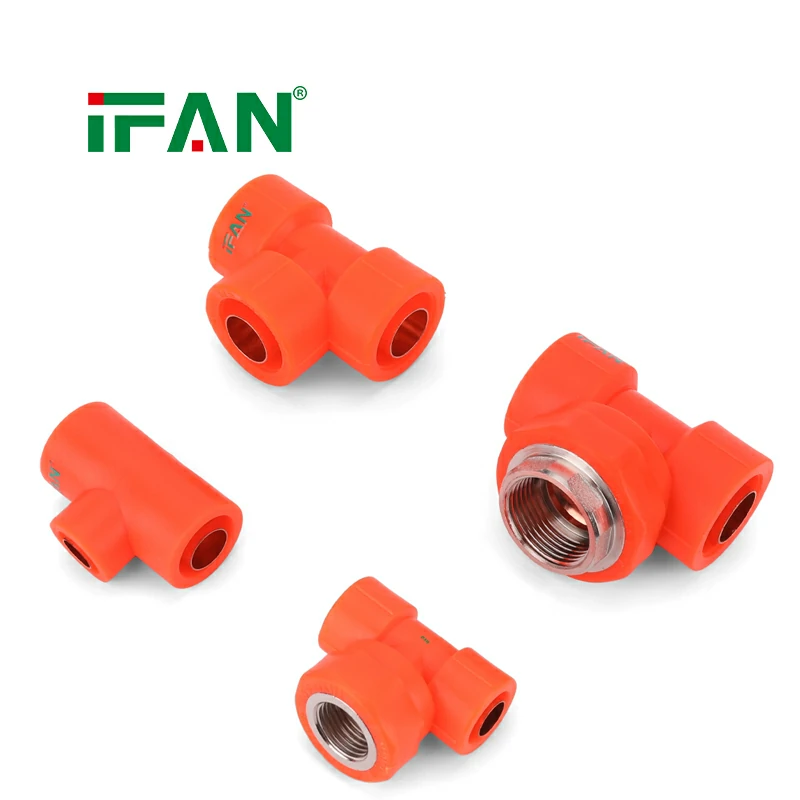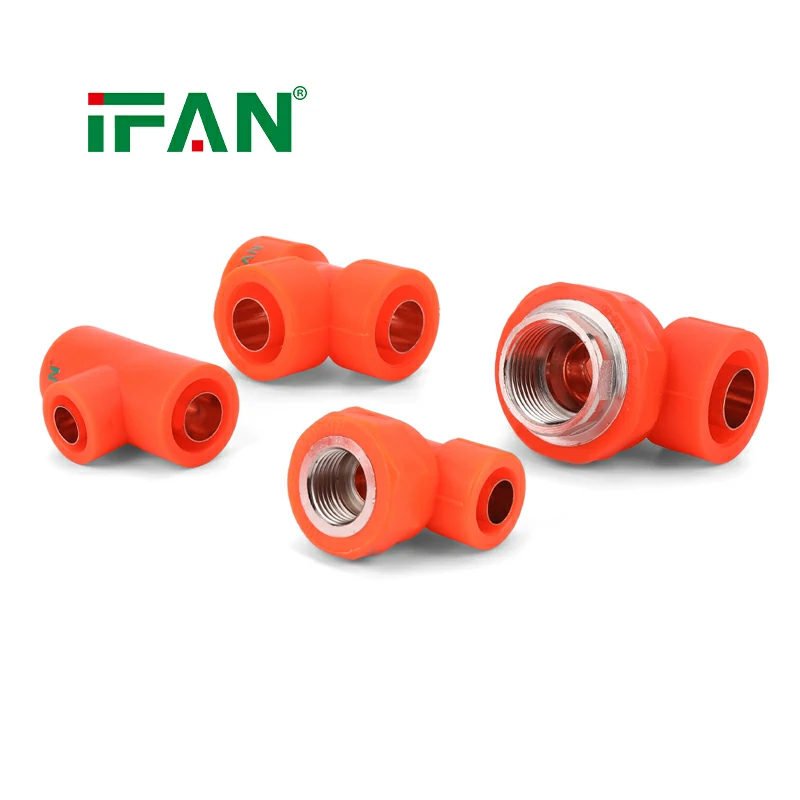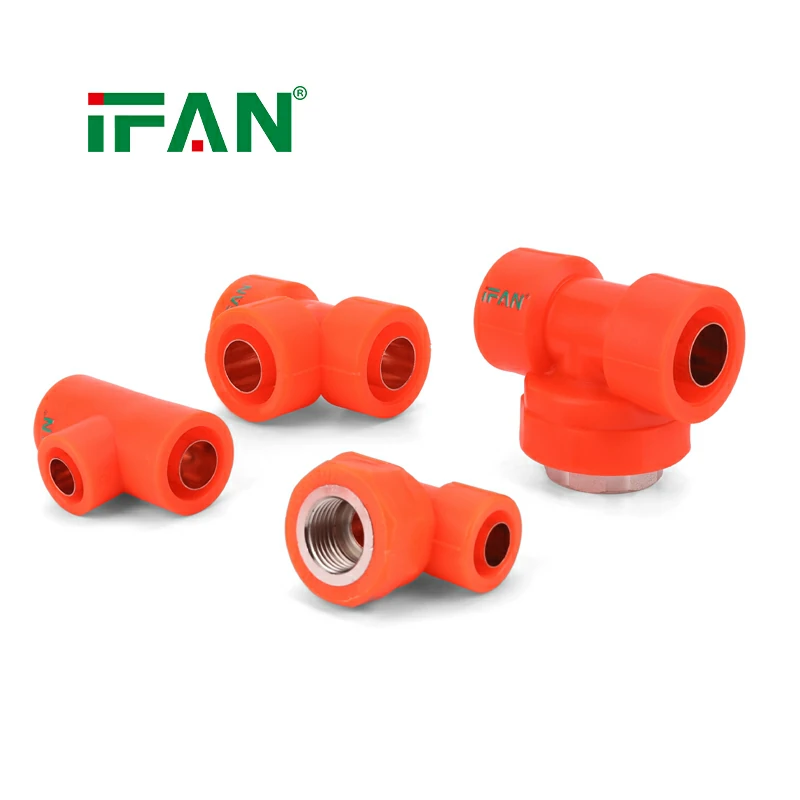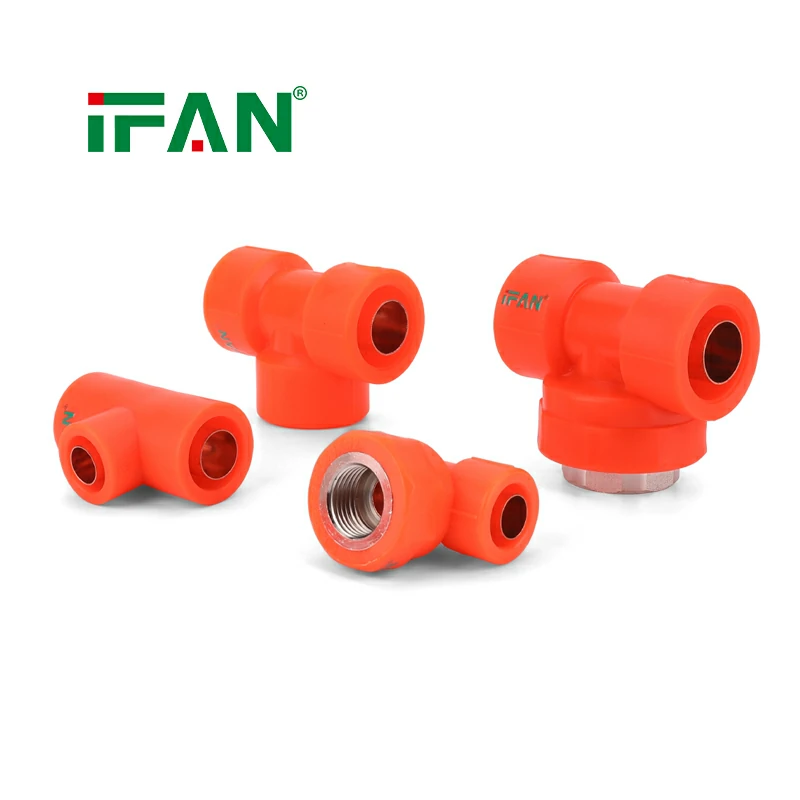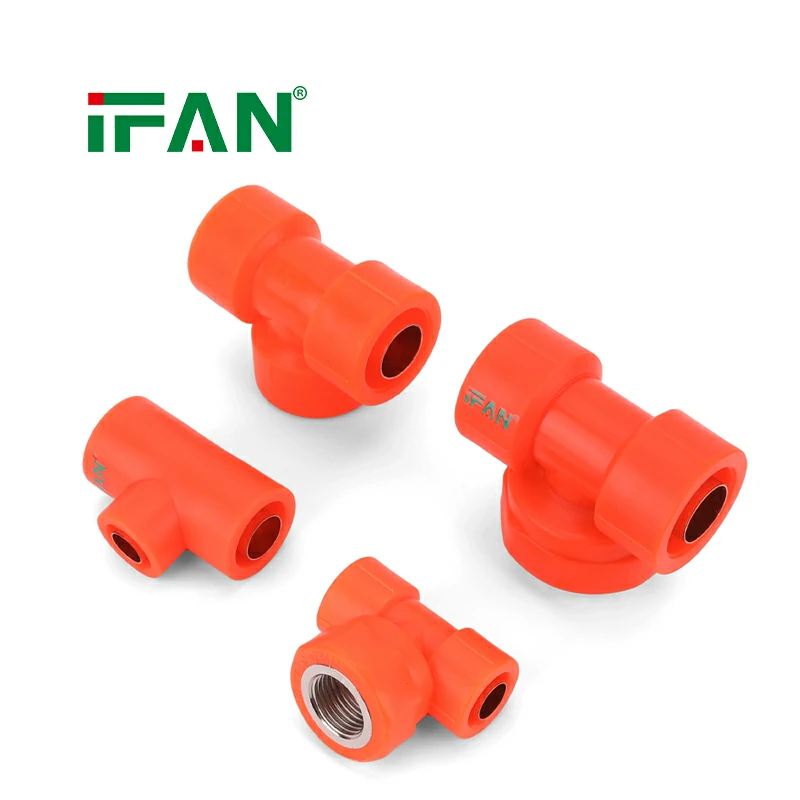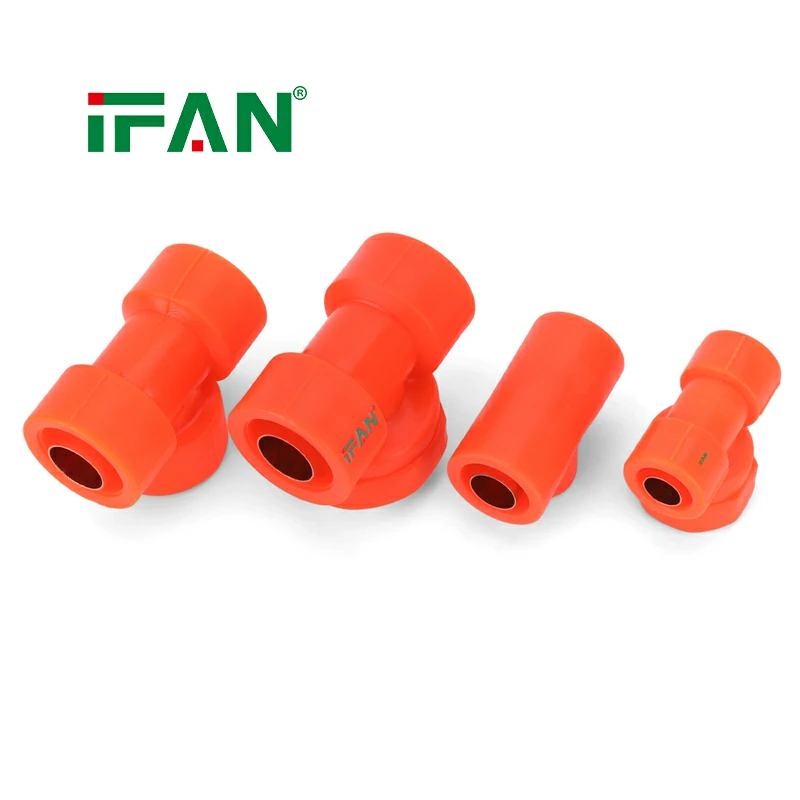
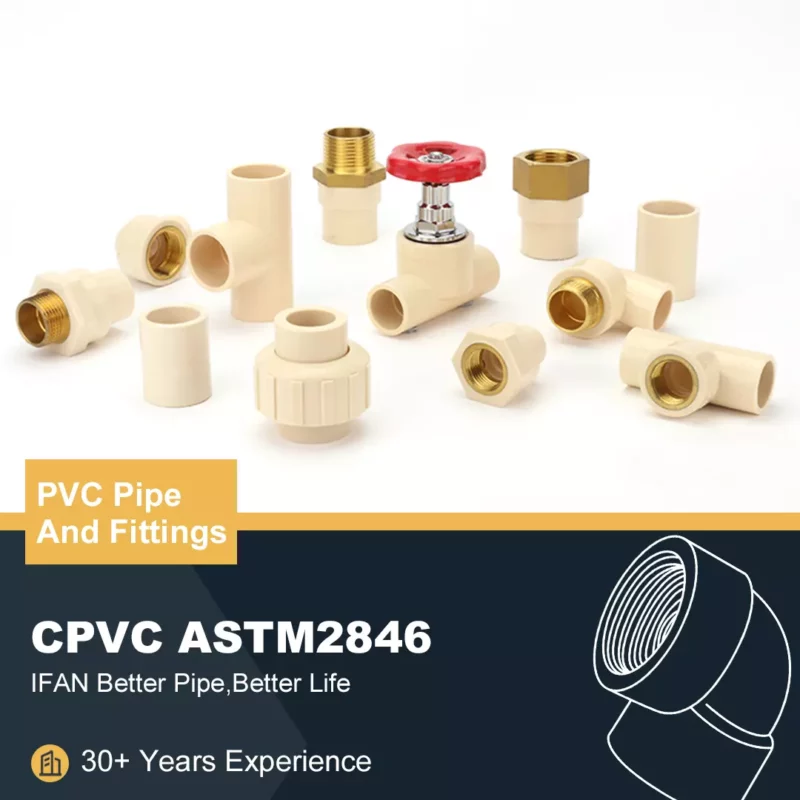
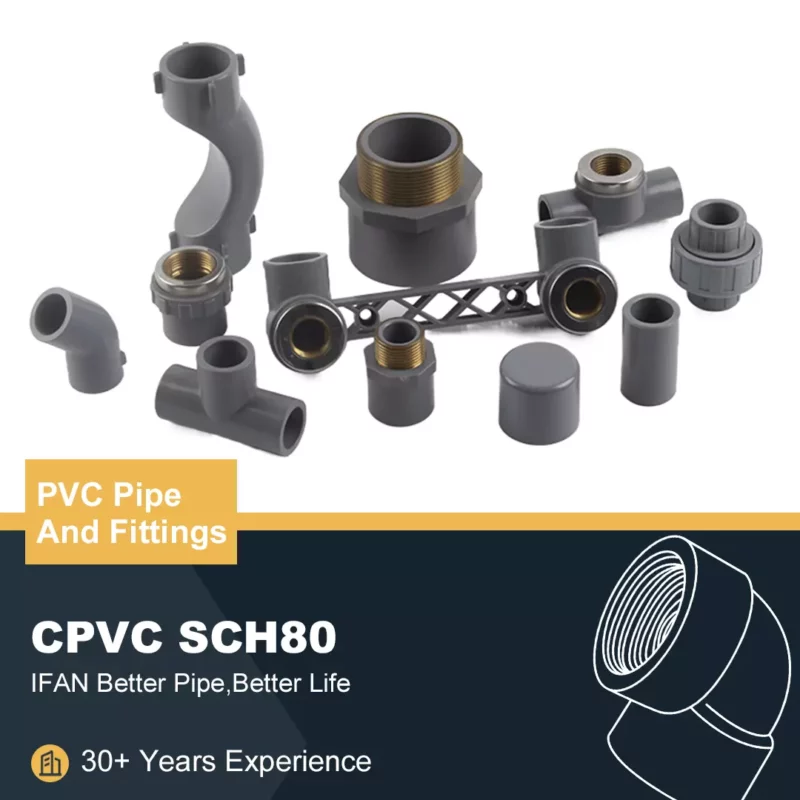
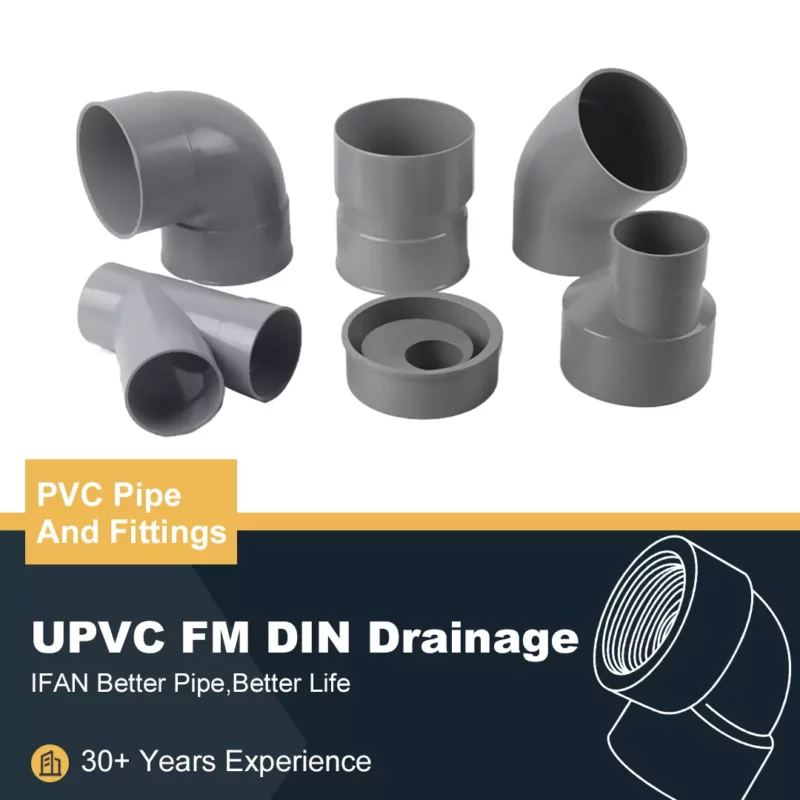
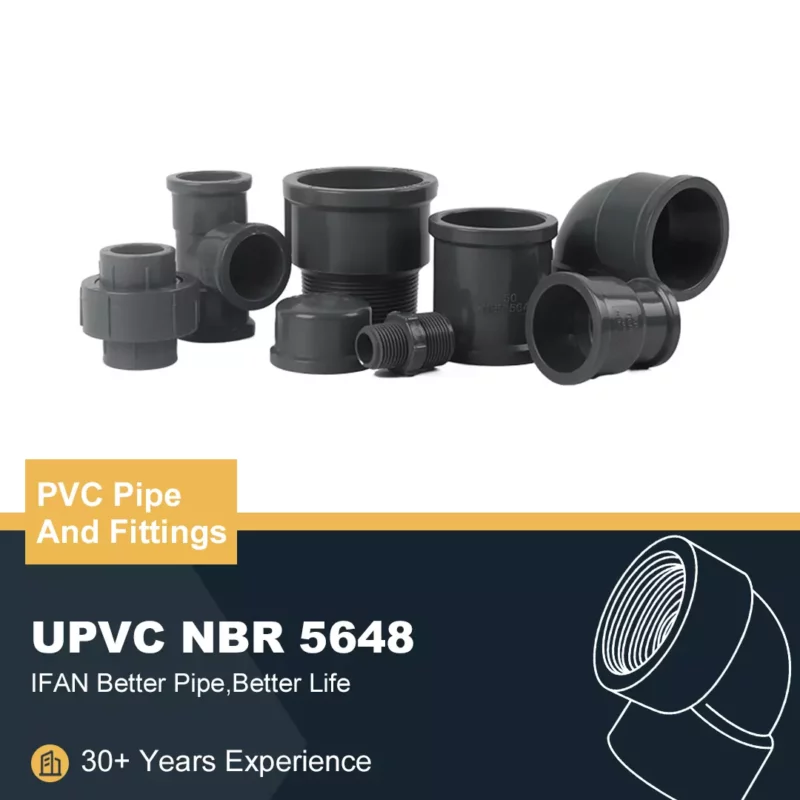
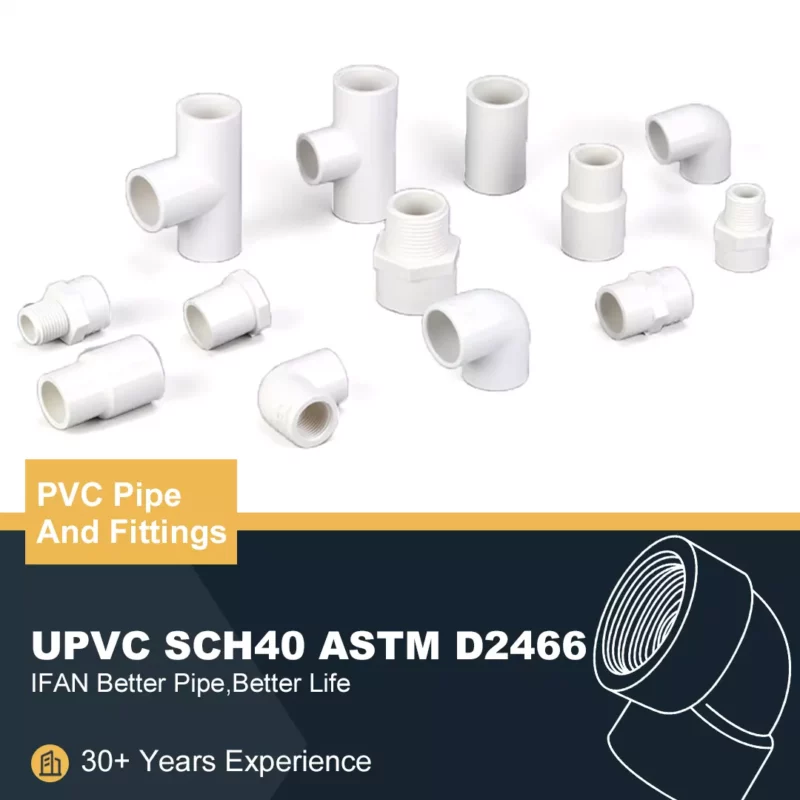
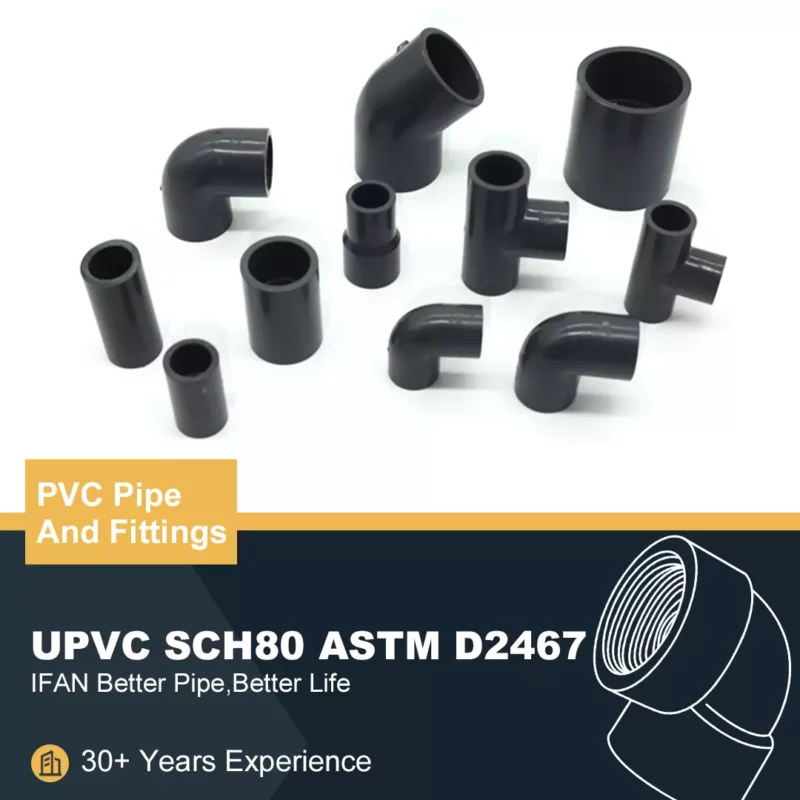
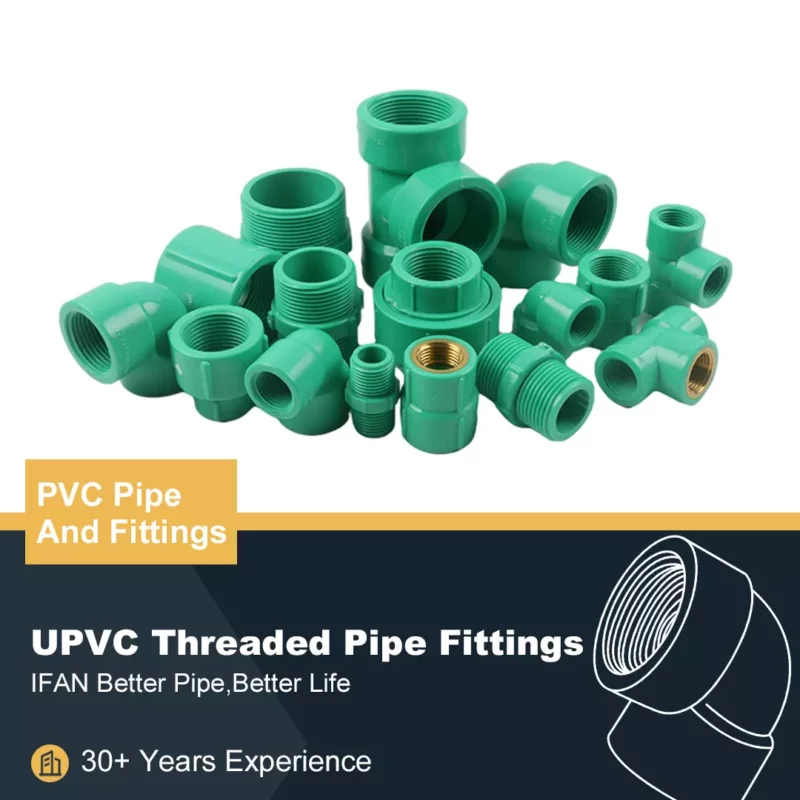
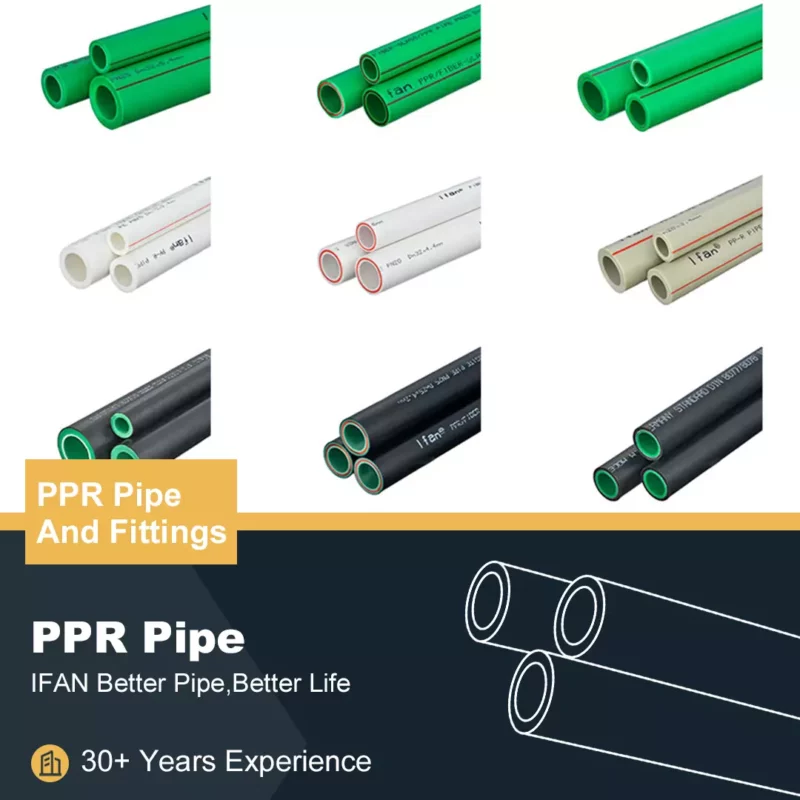
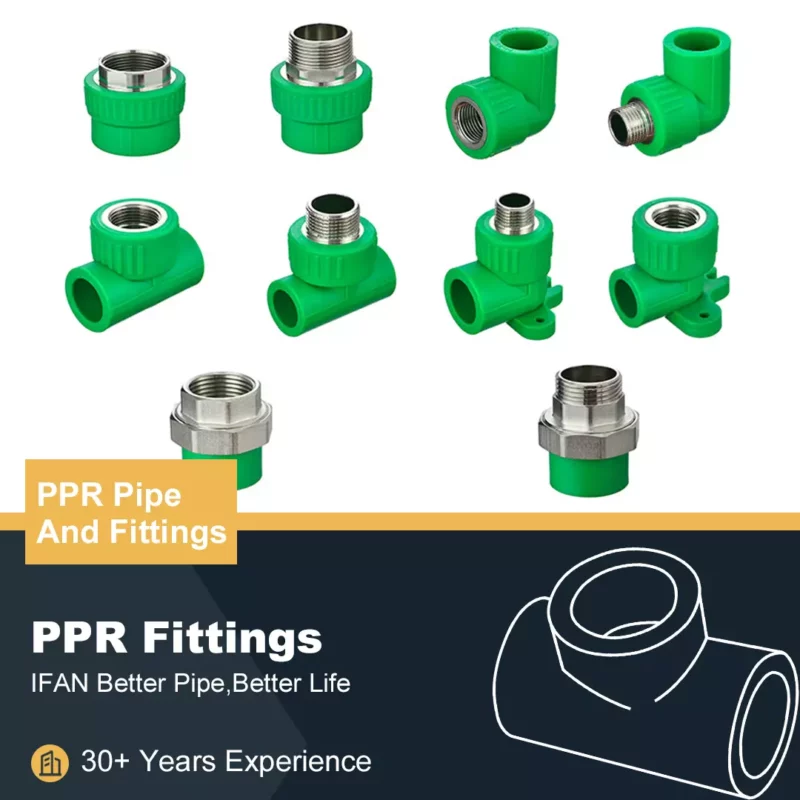
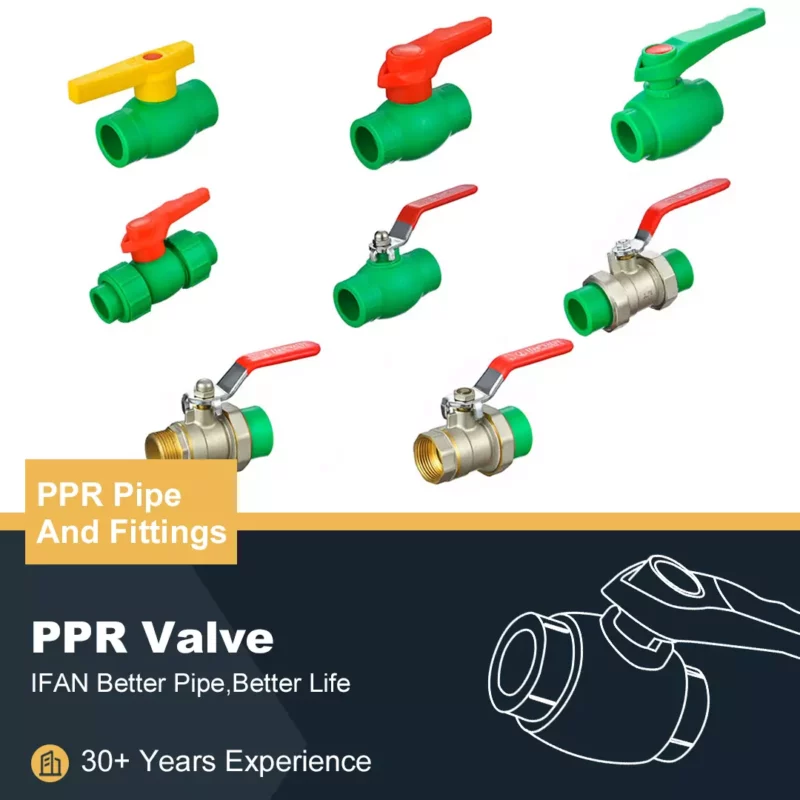
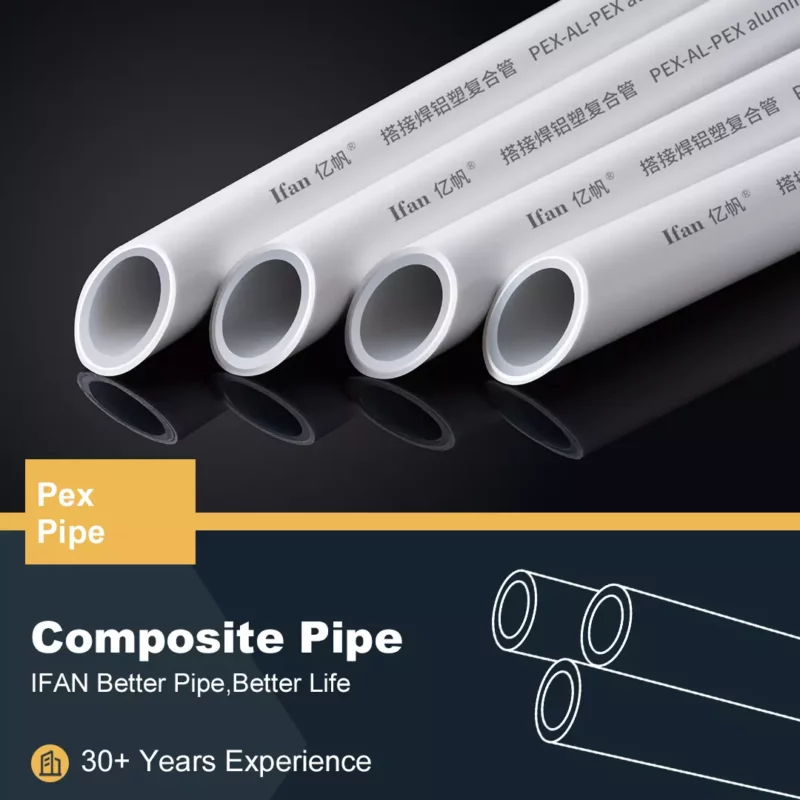
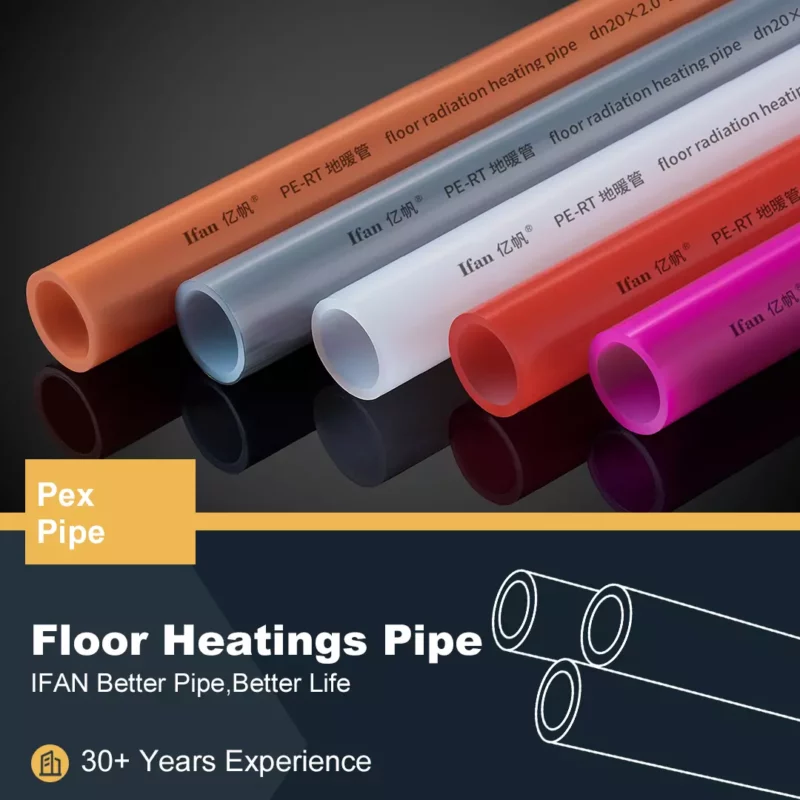
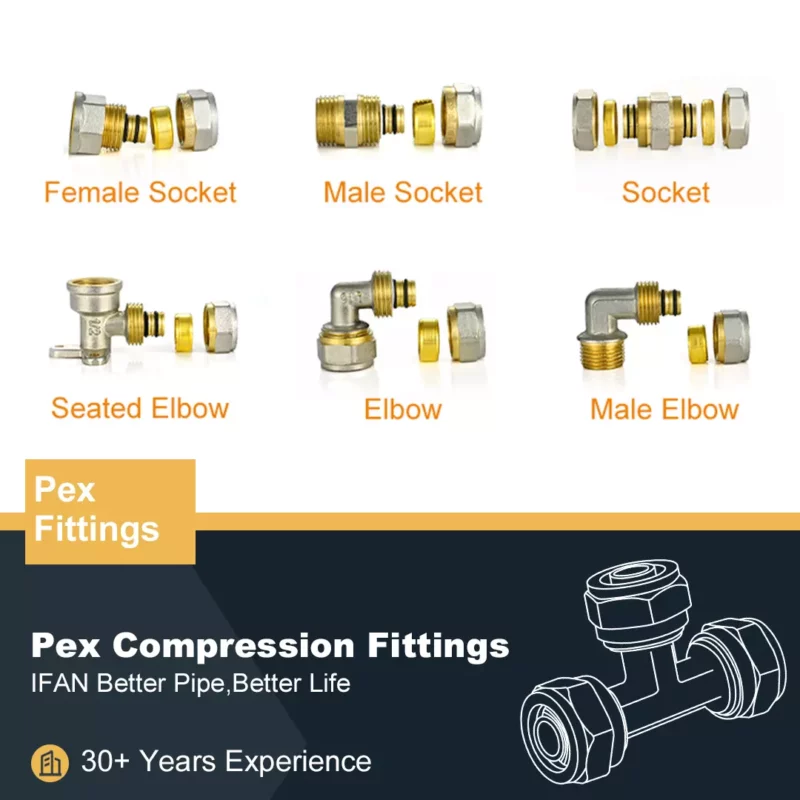
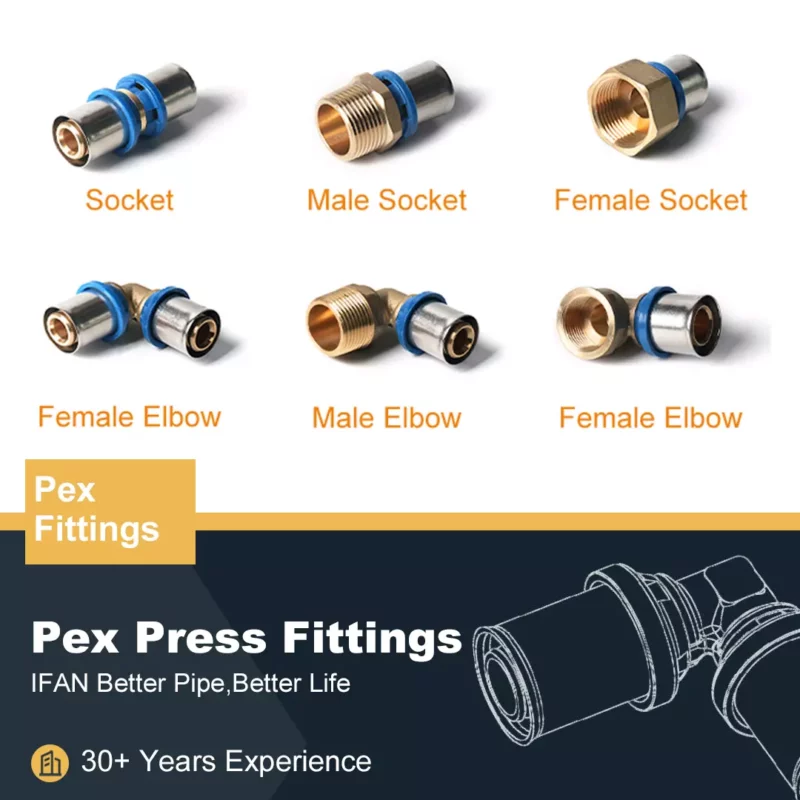
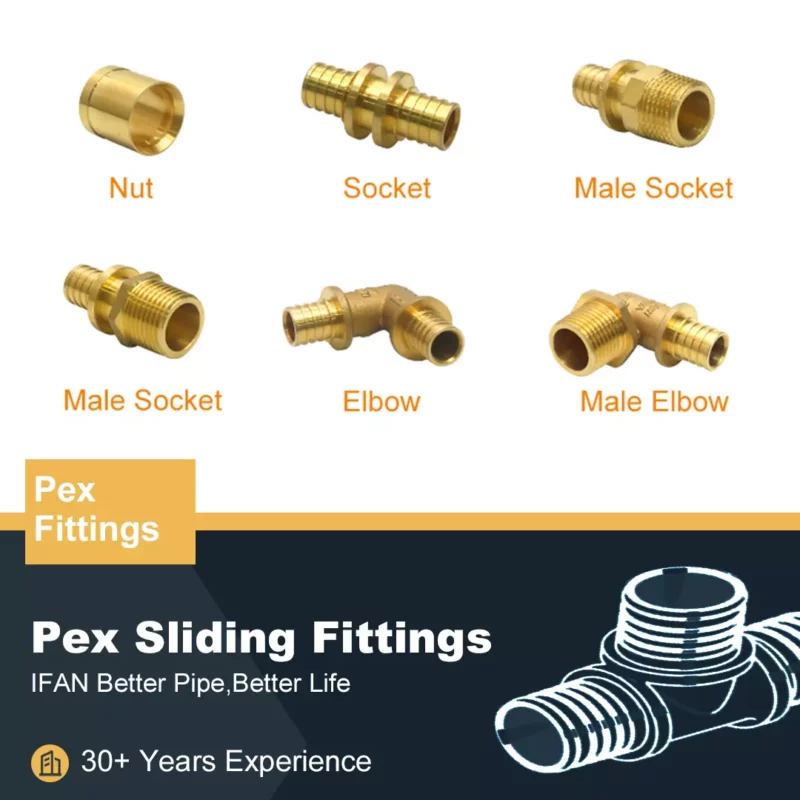
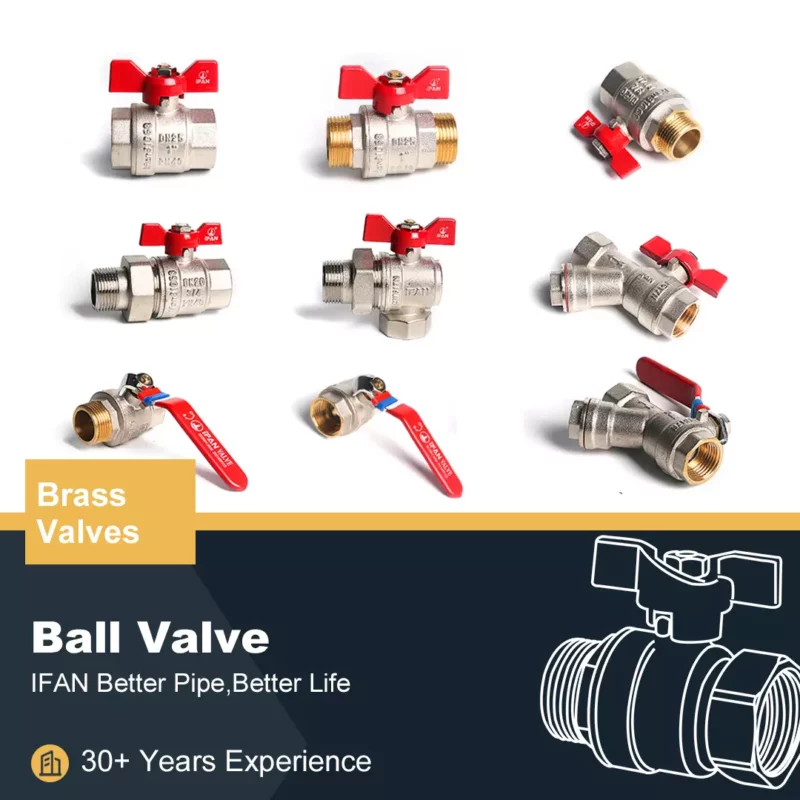
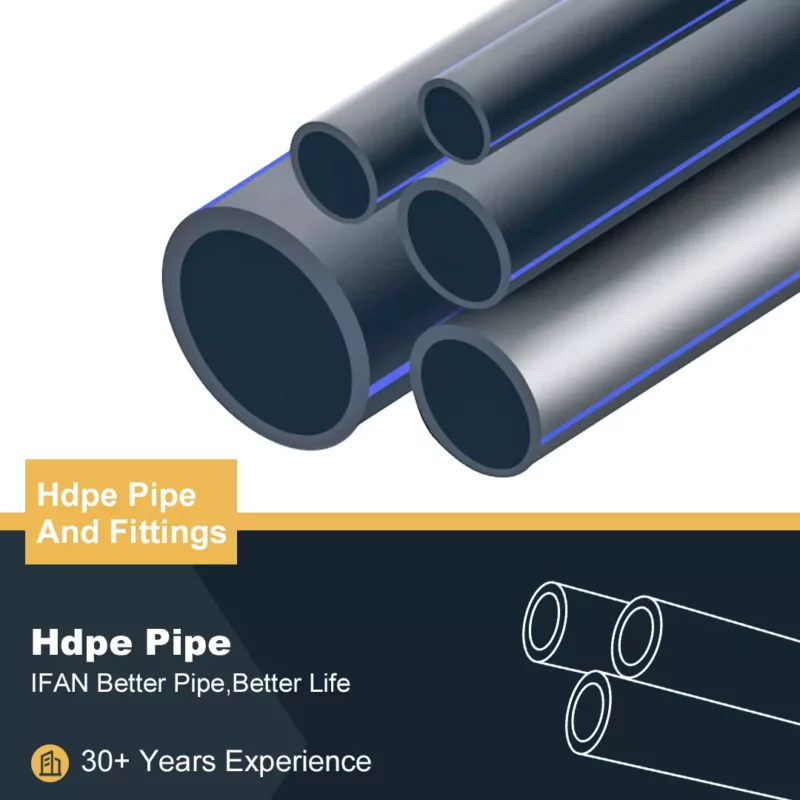
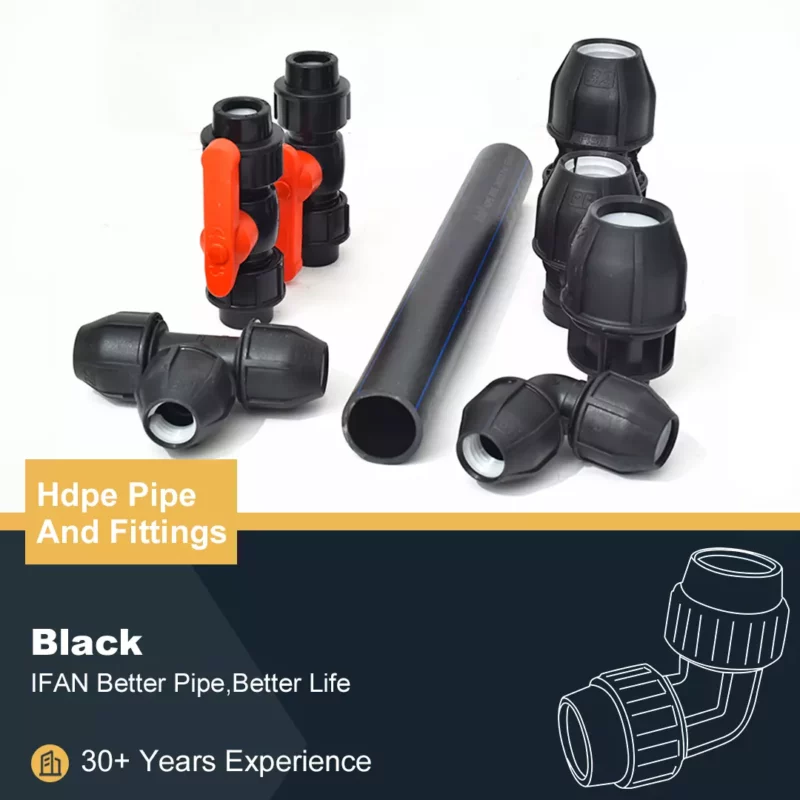
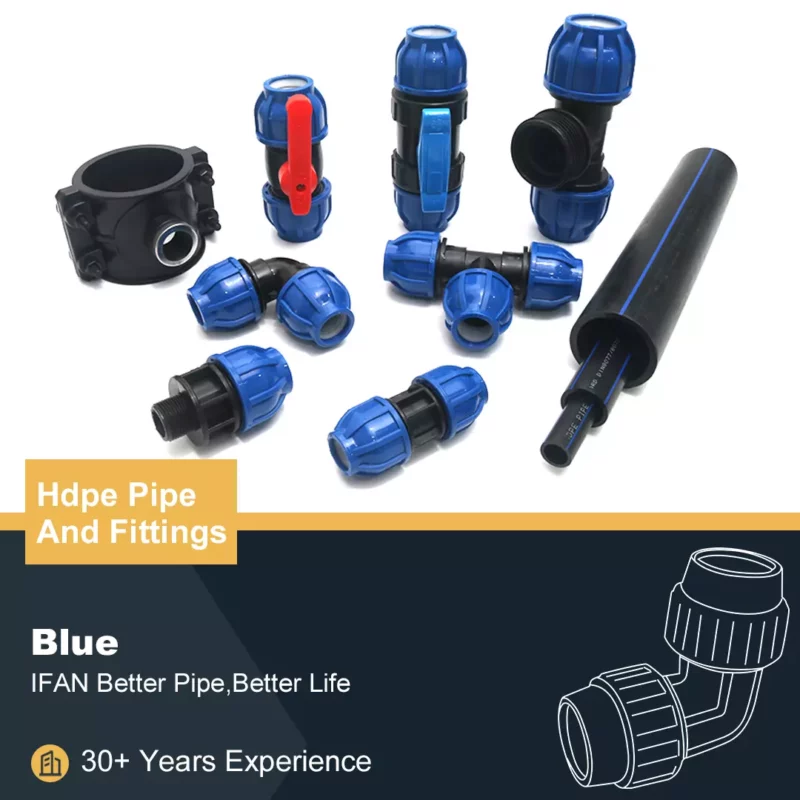
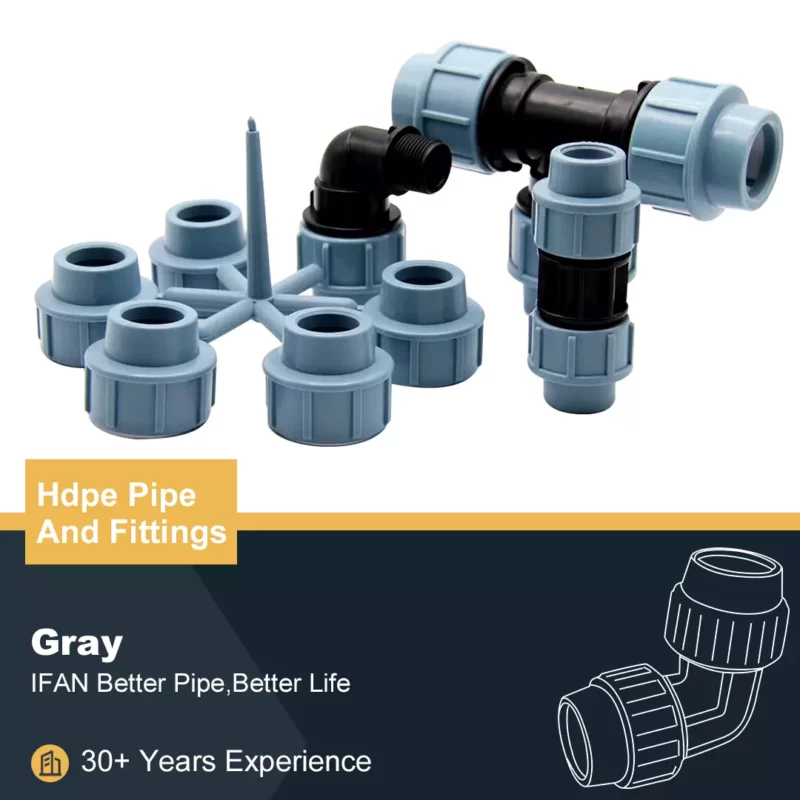

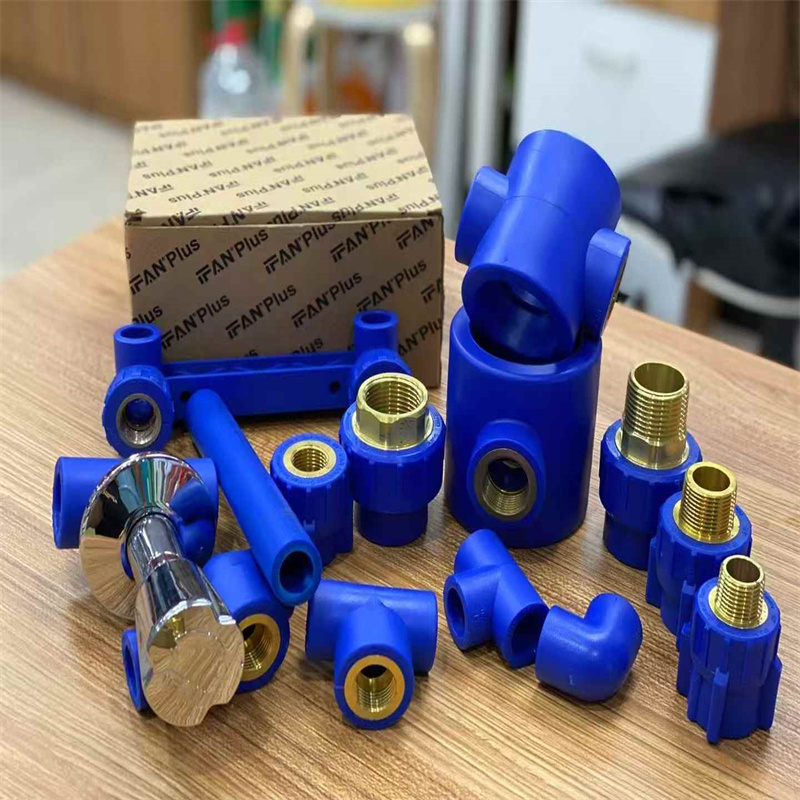
Manufacturers create blue PPR pipe fittings using random copolymer polypropylene material. These fittings show strong chemical resistance and temperature stability. Engineers select blue color to signify cold water applications in piping systems. Each fitting features high clarity in size, thread, and seal design.
Material Structure and Color Purpose
Blue PPR fittings use food-grade plastic with high molecular weight. The blue dye resists fading during extended use. Manufacturers stabilize color by using UV-resistant components. Installers recognize blue parts quickly in complex plumbing networks.
External Surface Features
Blue PPR pipe fittings include smooth outer surfaces for secure grip. Each fitting includes a ridge-free cylindrical shape. Workers hold and rotate these fittings easily during assembly. The design reduces slippage and fitting damage.
Internal Channel Design
The internal diameter of blue PPR fittings remains uniform. Manufacturers avoid sharp turns or obstructions in the inner pathway. Water flows through each fitting without turbulence or restriction. This design improves system efficiency and pressure control.
Thread Formation and Integrity
Some blue PPR fittings include metal or plastic threads. Factories machine each thread precisely to match standard pipe sizes. Threads maintain uniform pitch and depth across production batches. Technicians achieve strong mechanical connections during installation.
Joint and Socket Integration
Blue PPR fittings often feature socket ends for welding. Sockets have a consistent diameter and wall thickness. Installers use thermal fusion to join pipe and fitting. The fusion area shows no gaps or irregular melting.
Weight and Wall Thickness
Each blue PPR fitting includes balanced wall thickness. The product avoids deformation under external pressure. Lighter fittings still maintain high mechanical strength. Engineers design thickness to match flow capacity and working pressure.
Resistance to Chemicals and Scale
Blue PPR fittings resist mineral scaling and corrosion. The inner surface stays clean over extended service periods. Chemicals in tap water do not alter the polymer. Households use these fittings for long-lasting water quality.
Labeling and Product Codes
Manufacturers print technical information directly on each fitting. Labels include size, pressure rating, and production date. Some fittings show QR codes for batch tracking. These markings help quality control during storage and installation.
Packaging and Delivery Standards
Factories pack blue PPR fittings in plastic or cardboard boxes. Packaging prevents deformation and surface damage. Labels on boxes indicate type, size, and quantity. Distributors store them under dry, shaded conditions.
Color Stability and Shelf Life
Blue PPR fittings retain color without fading for several years. UV-resistant additives slow discoloration from light exposure. Shelf life exceeds five years if stored properly. Consumers trust the fittings for indoor and outdoor projects.
If you have read this article and have any questions, please feel free to contact IFAN. Below is our contact information:
Whatsapp:+86 13373827623
Email:[email protected]