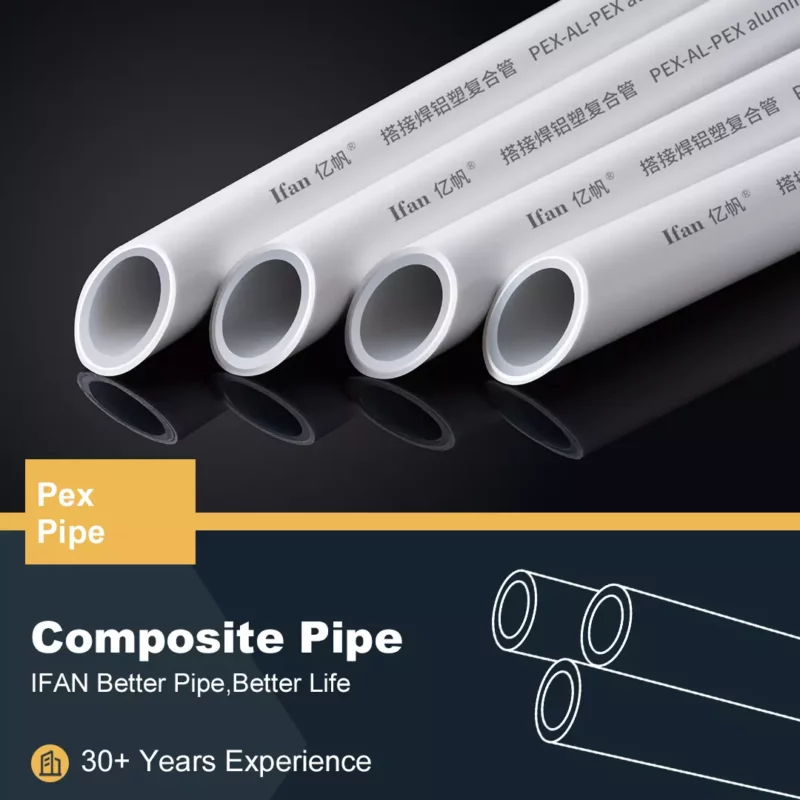
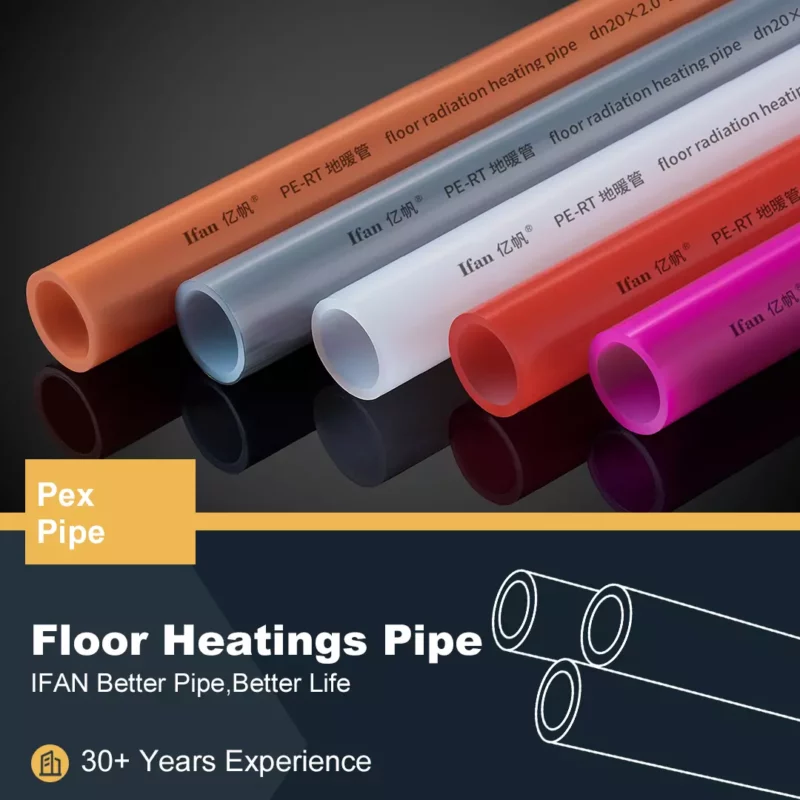
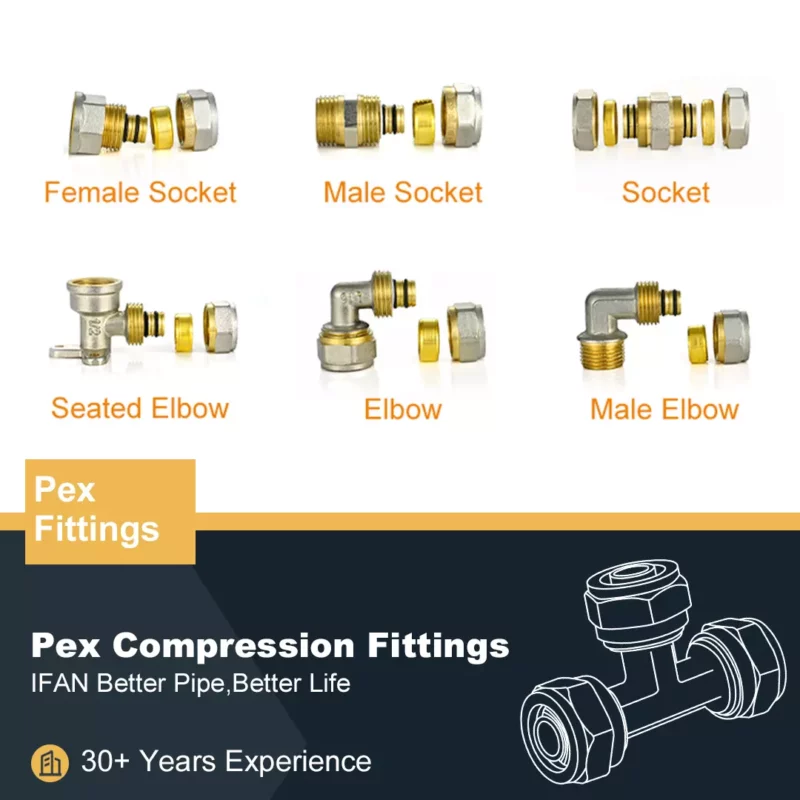
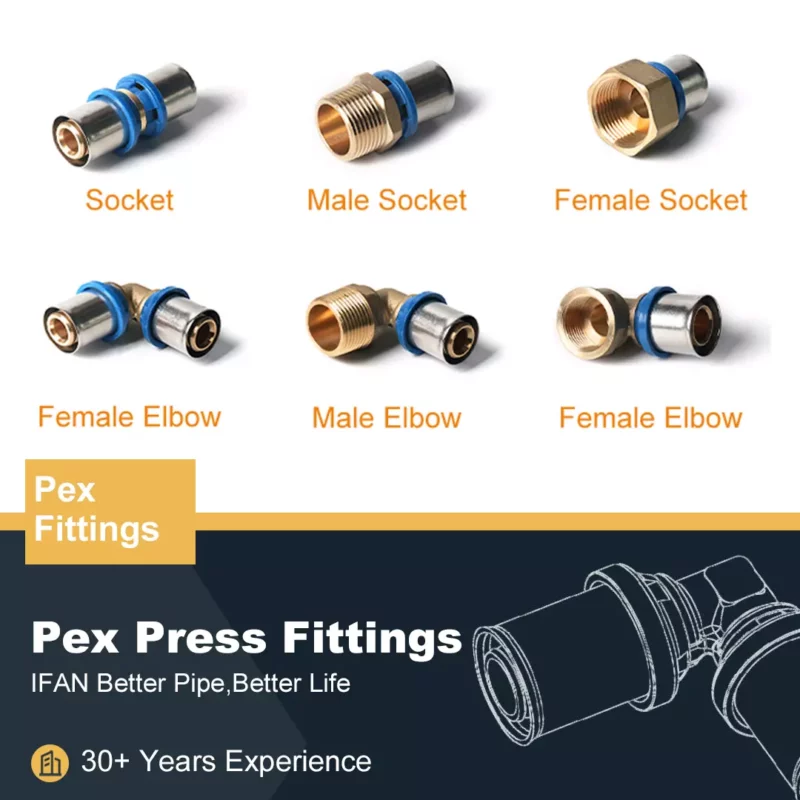




Engineers use PEX insulation pipes for chilled water distribution. These pipes reduce temperature gain along the route. Technicians prefer them in data centers, hotels, and hospitals. The pipe maintains steady temperature delivery. Water stays cool from source to endpoint.
Pipe Structure and Insulation
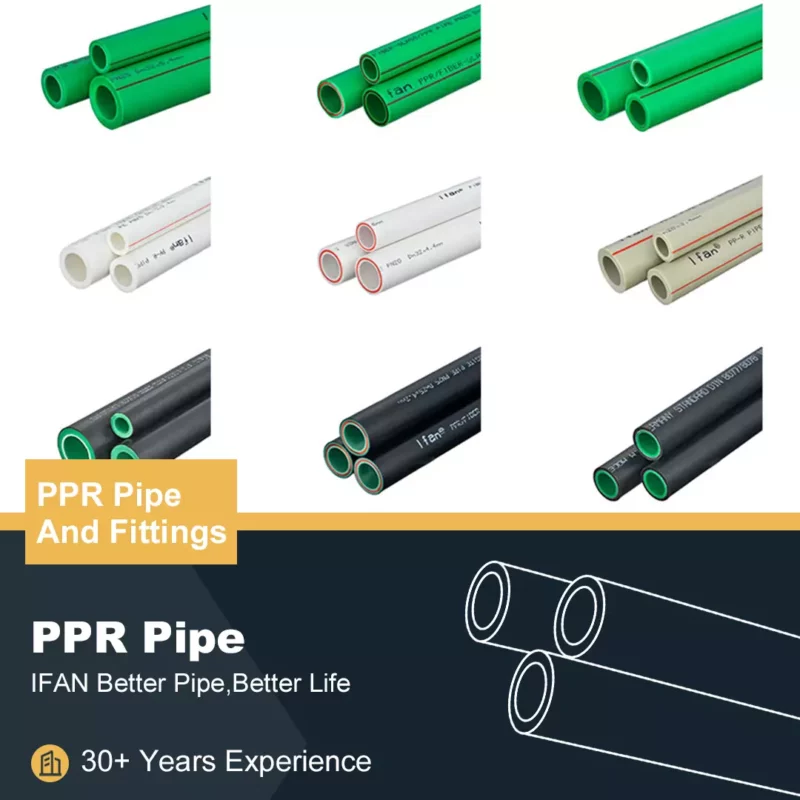
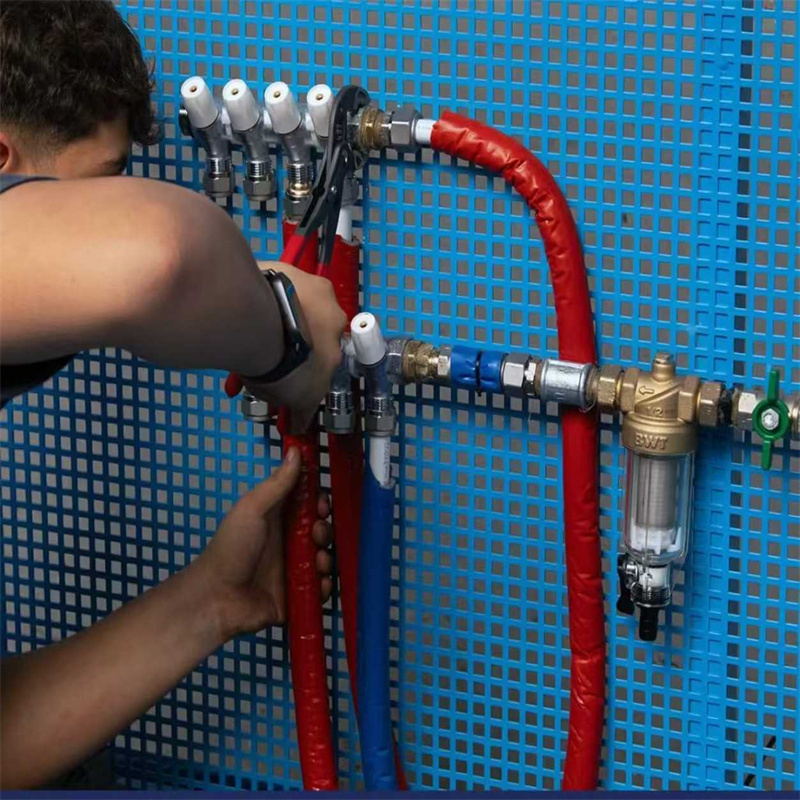
Manufacturers design these pipes with three functional layers. The inner PEX layer transports chilled water. The middle foam insulation blocks ambient heat. The outer jacket protects the pipe from physical damage. The pipe structure ensures constant insulation performance.
Insulation Against Condensation
Installers select PEX insulation pipe to prevent condensation on surfaces. Moisture does not form on pipe exteriors. The insulation stops humid air from touching the cold pipe. Surrounding structures stay dry and mold-free. Interior walls remain safe from water damage.
Ceiling and Duct Installations
Contractors route PEX insulation pipe inside ceilings and ducts. These spaces lack enough ventilation for uninsulated pipes. The insulation maintains performance despite hot ambient conditions. Workers support pipes with brackets spaced at standard intervals. Joints must remain tightly sealed.
Fire-Rated Outer Jackets
Engineers choose fire-rated jackets for high-risk environments. These jackets resist flame spread and smoke emission. Installers match jacket rating with building code requirements. Pipes with certified jackets increase project safety. Use certified clamps and sealants during installation.
Thermal Conductivity Testing
Quality inspectors test insulation performance using thermal conductivity meters. Lower conductivity indicates better insulation. Technicians compare readings to specifications before acceptance. Any underperforming pipe section gets replaced. Testing ensures all sections meet project standards.
Replacement and Upkeep Steps
Operators shut off water before cutting damaged pipe sections. They remove damaged parts and prepare new ends. Installers use couplings with matching insulation thickness. After reconnecting, they reseal the insulation layer. Teams always retest pressure and temperature after repairs.
If you have read this article and have any questions, please feel free to contact IFAN. Below is our contact information:
Whatsapp:+86 13373827623
Email:[email protected]