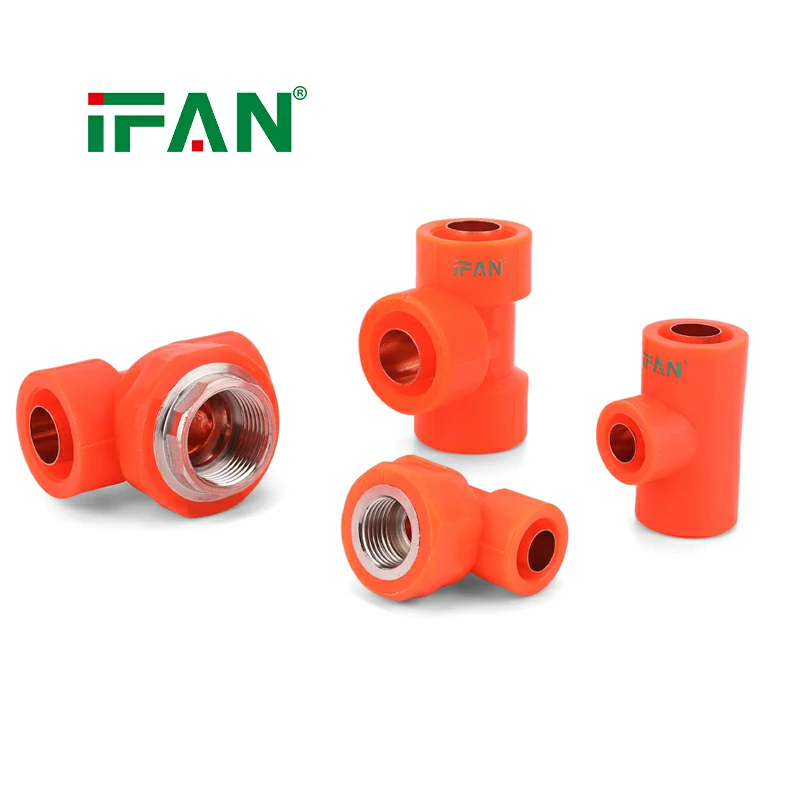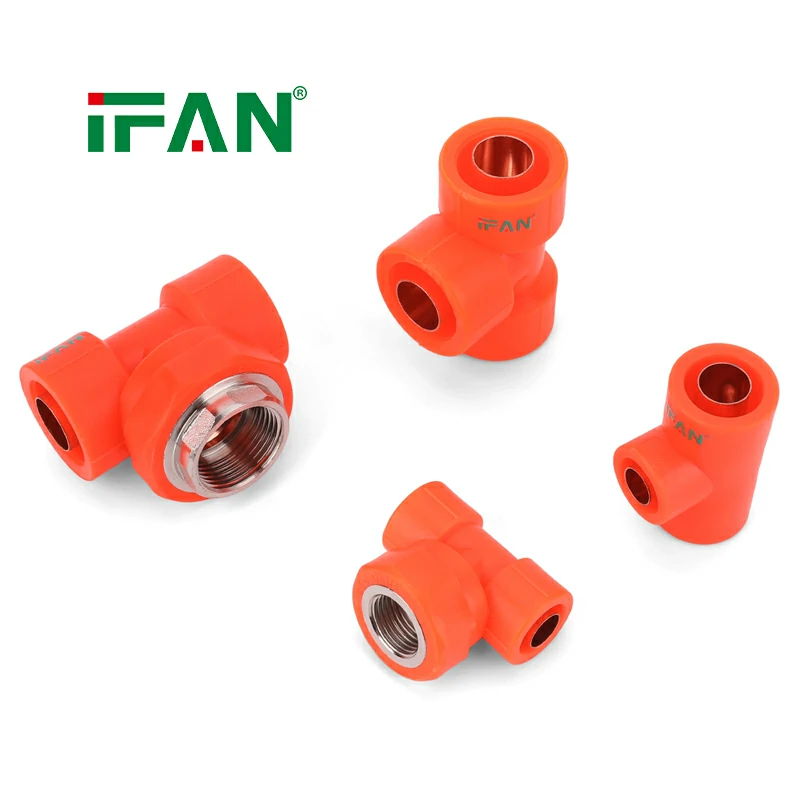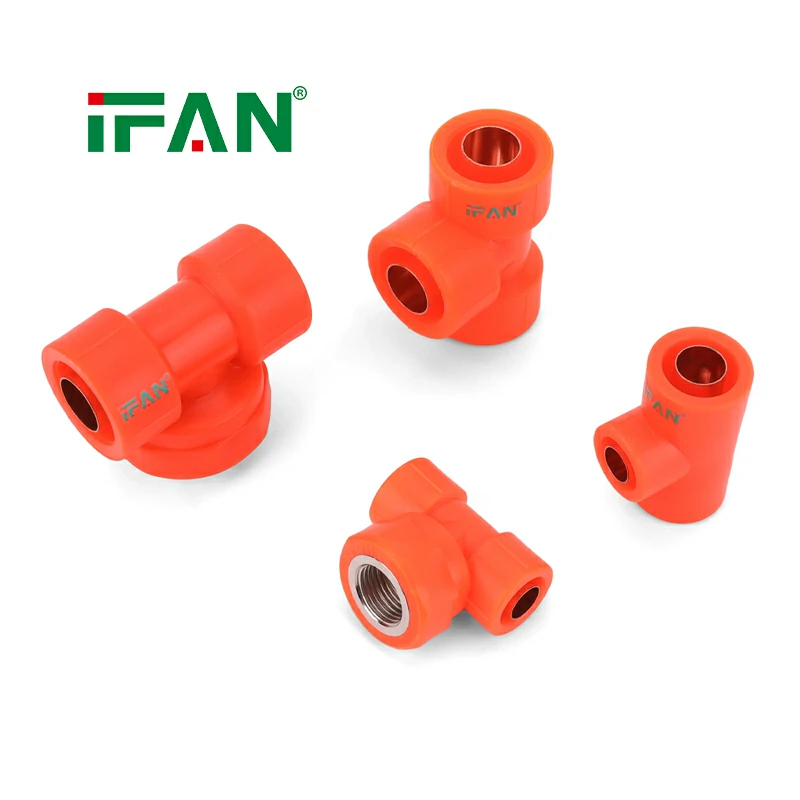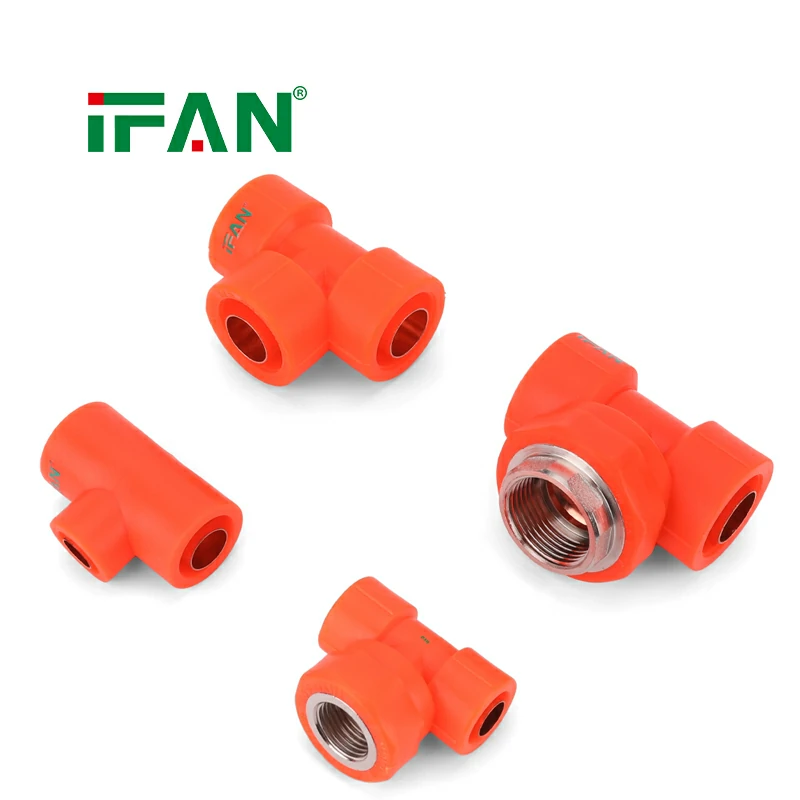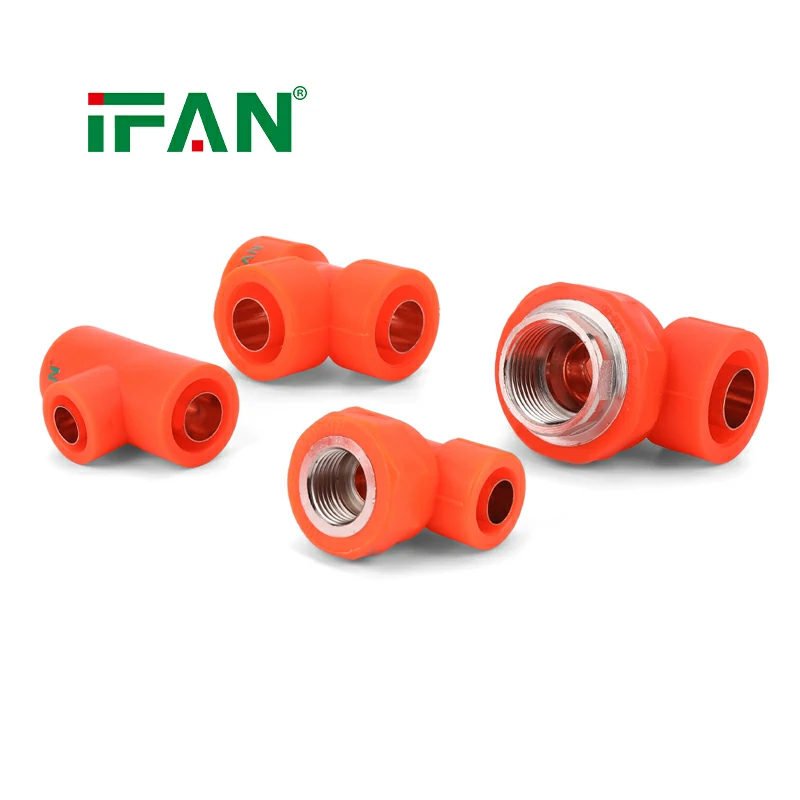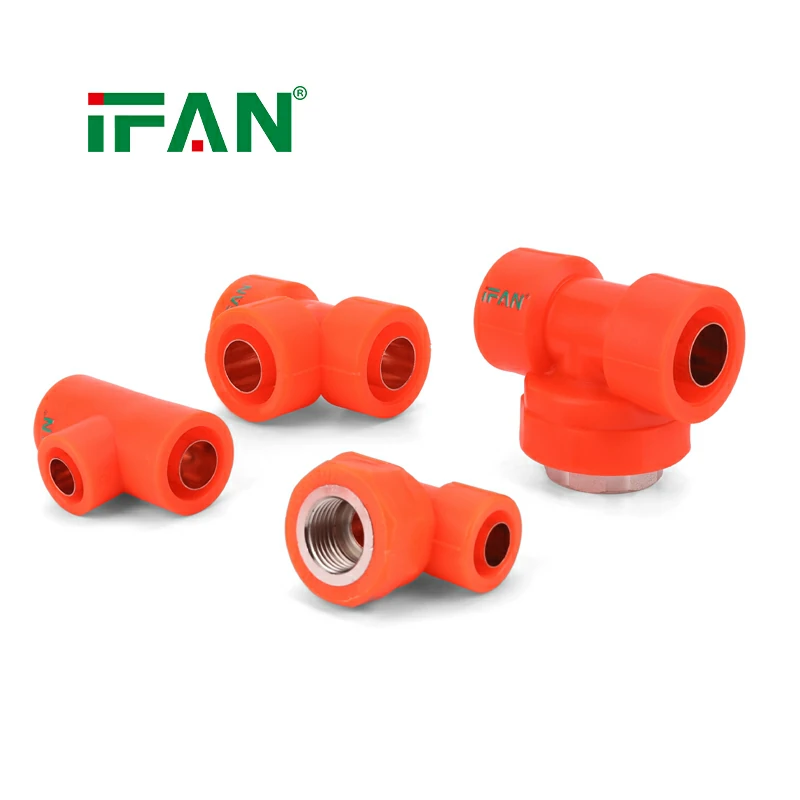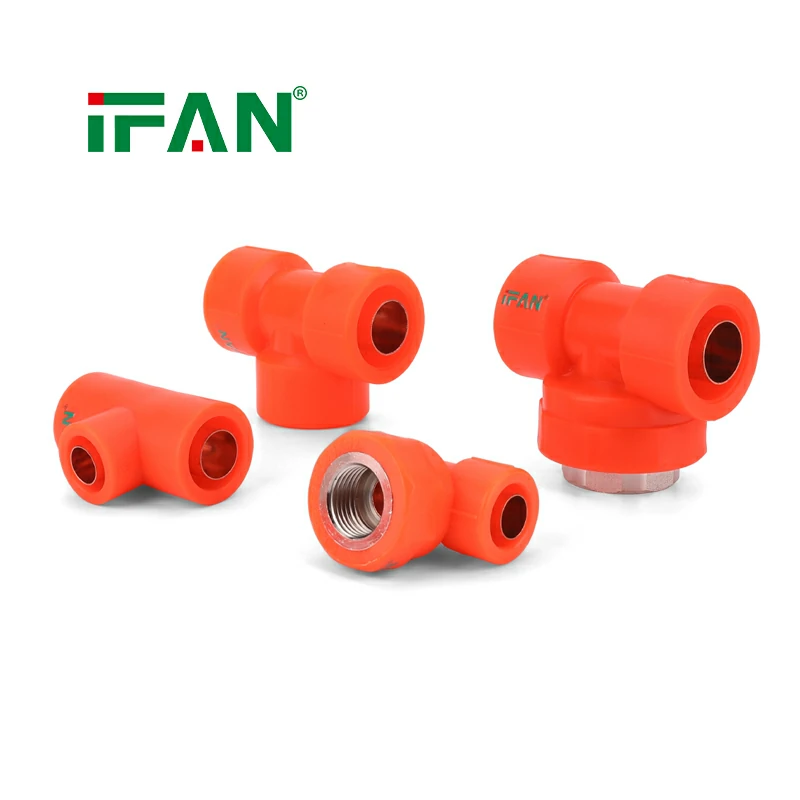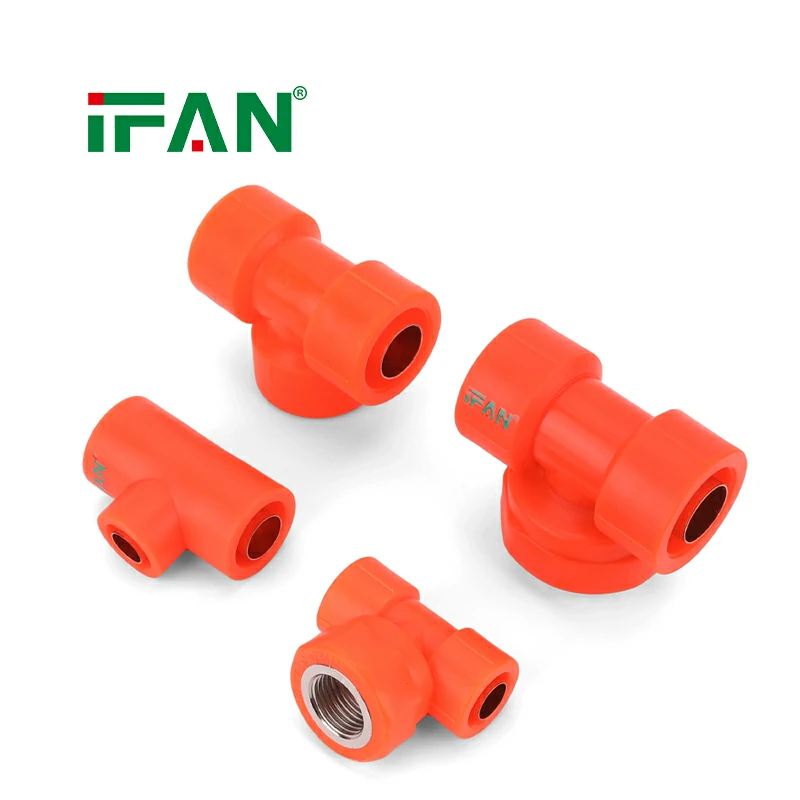
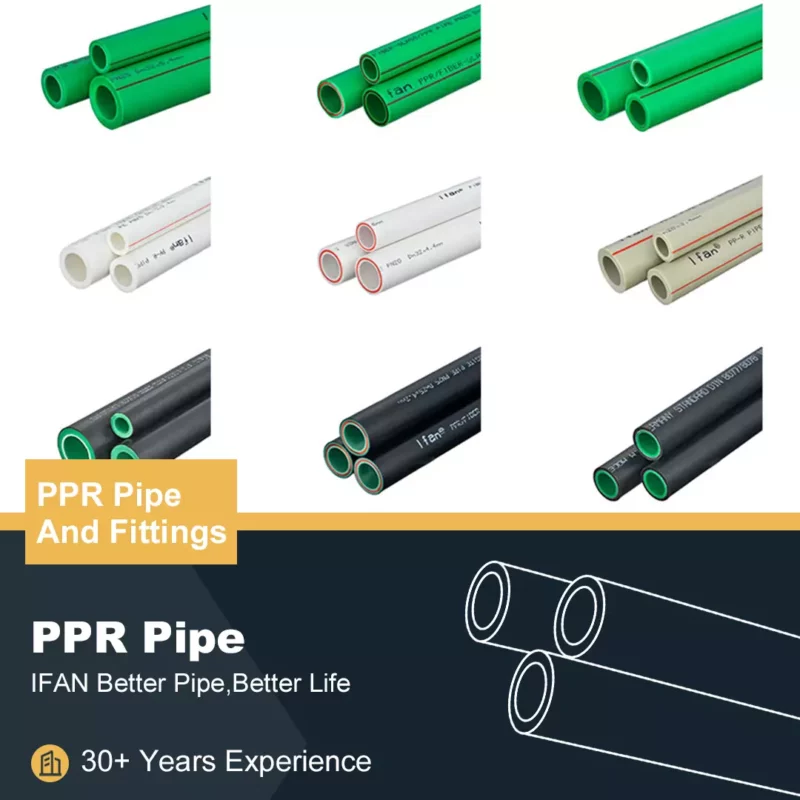
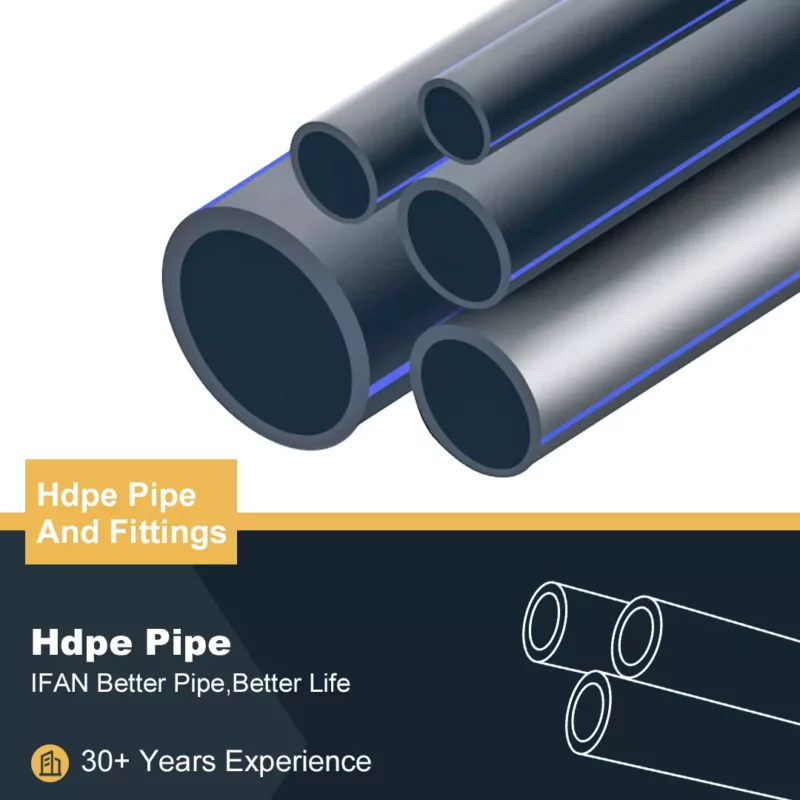
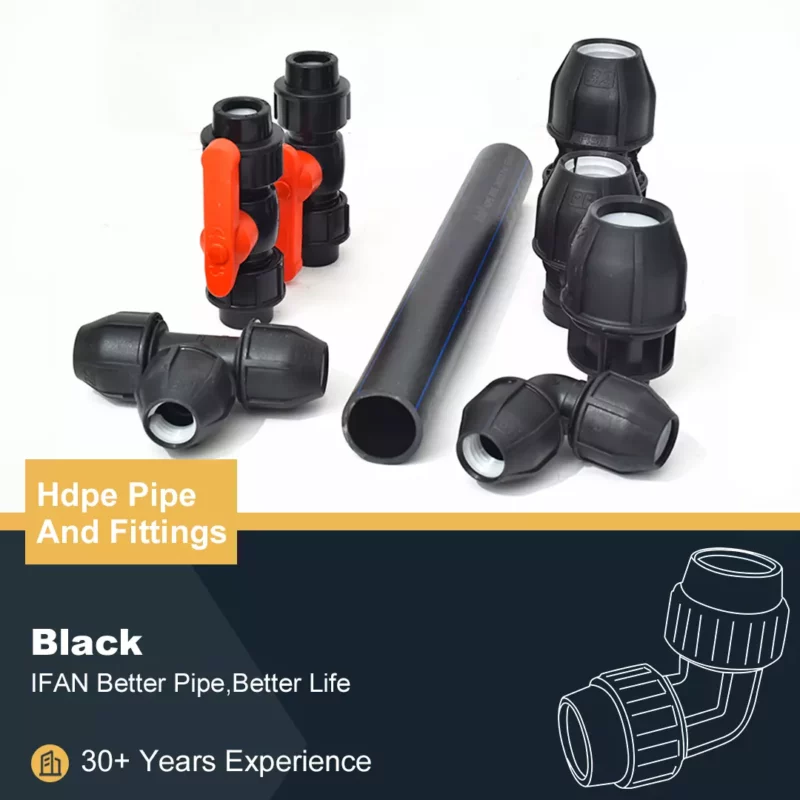
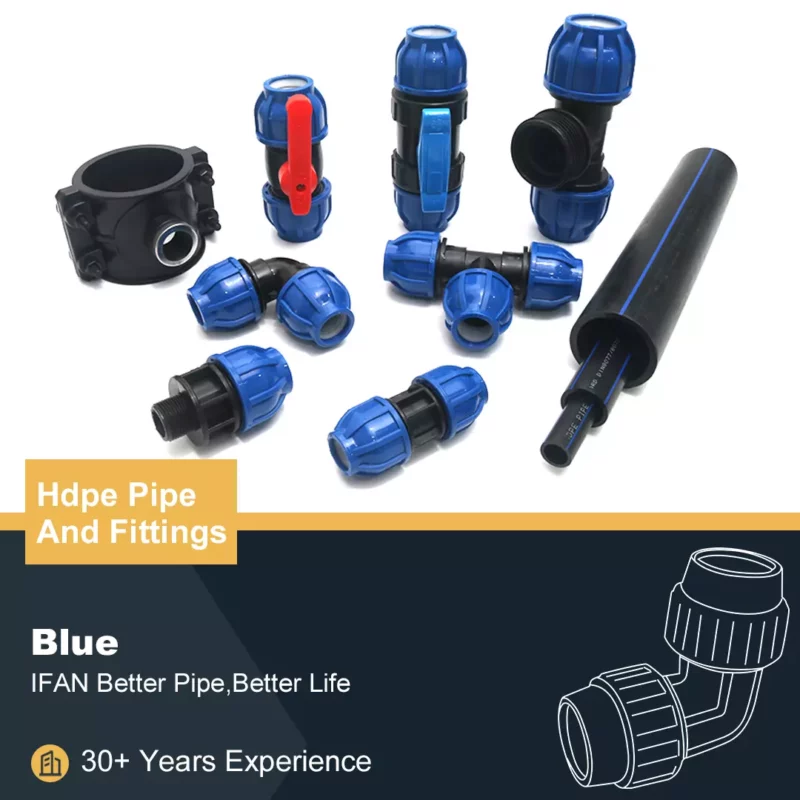
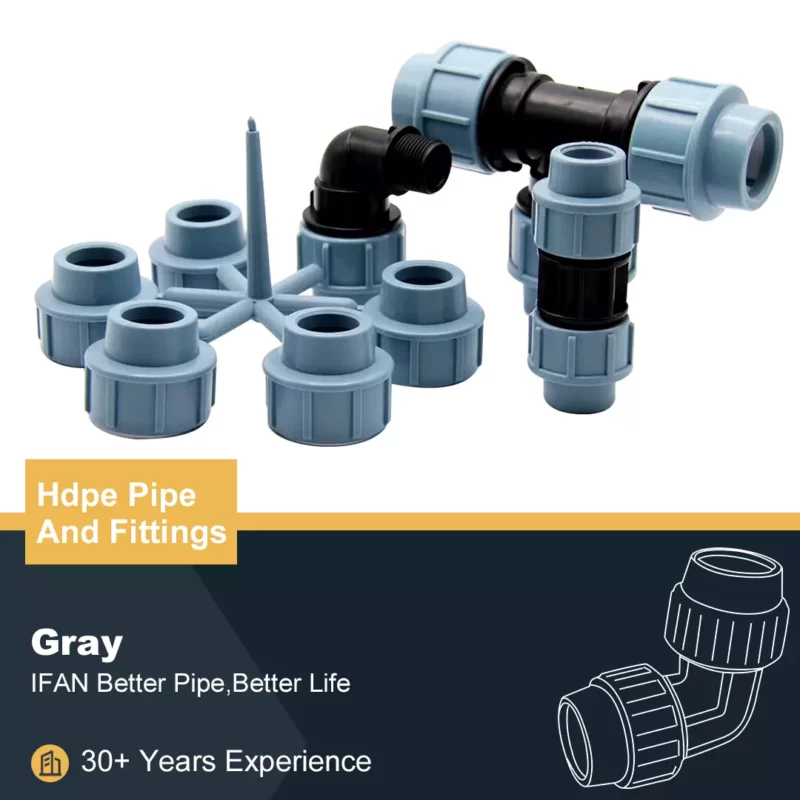




PPH stands for Polypropylene Homopolymer. Manufacturers create it using high-purity polypropylene materials. This thermoplastic offers superior chemical resistance. Industries use PPH pipes and fittings in harsh environments. Engineers install these systems in chemical plants and water treatment facilities. PPH systems transport corrosive and high-temperature fluids safely. The material also resists abrasion and physical stress. Installers can connect PPH components using heat fusion techniques. These joints provide leak-free and durable connections. PPH pipes support industrial and municipal fluid transport needs.
Understanding the Material Properties
PPH exhibits high tensile strength and thermal resistance. These features ensure durability in tough operating conditions. The material handles temperatures up to 100°C. It also performs under high internal pressure. PPH does not corrode like metal pipes. This resistance extends the service life of systems. PPH also resists scale buildup inside the pipes. Fluids flow smoothly through the clean inner surface. The pipe does not react with acids or alkalis. This chemical stability increases system safety.
Fittings and Their Functional Roles
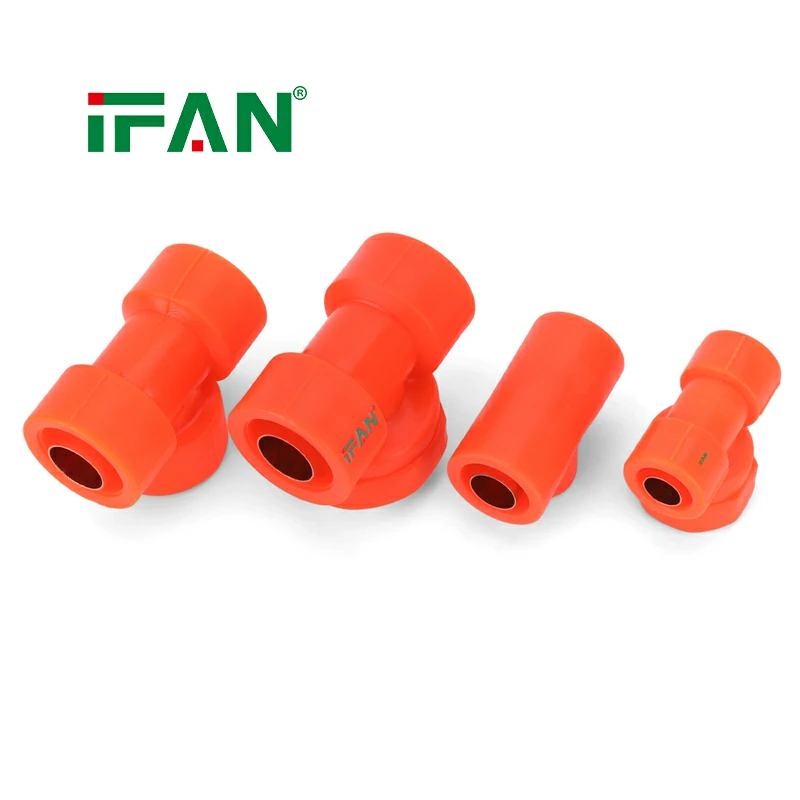
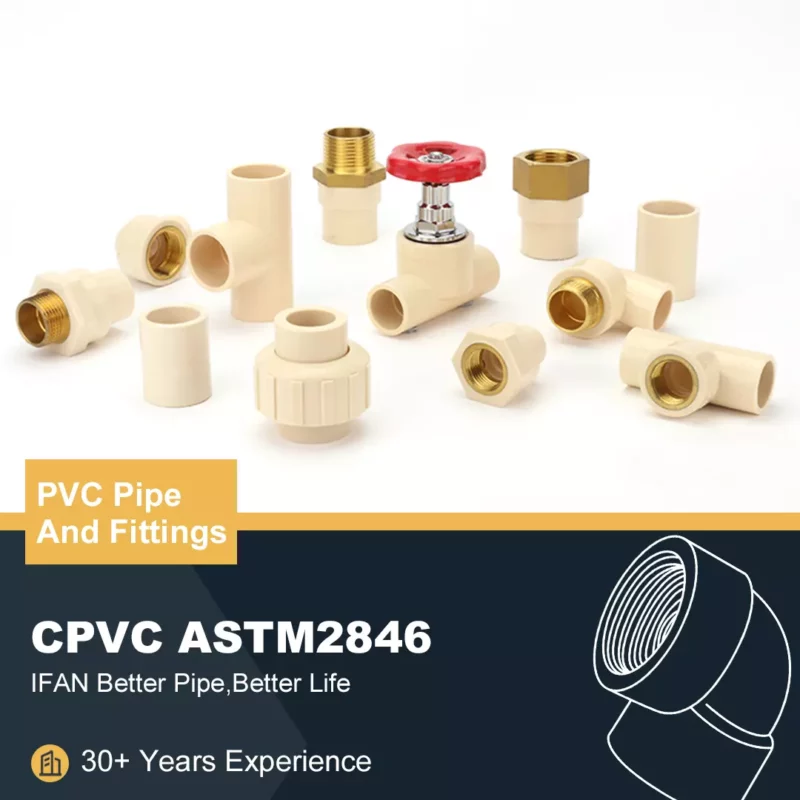
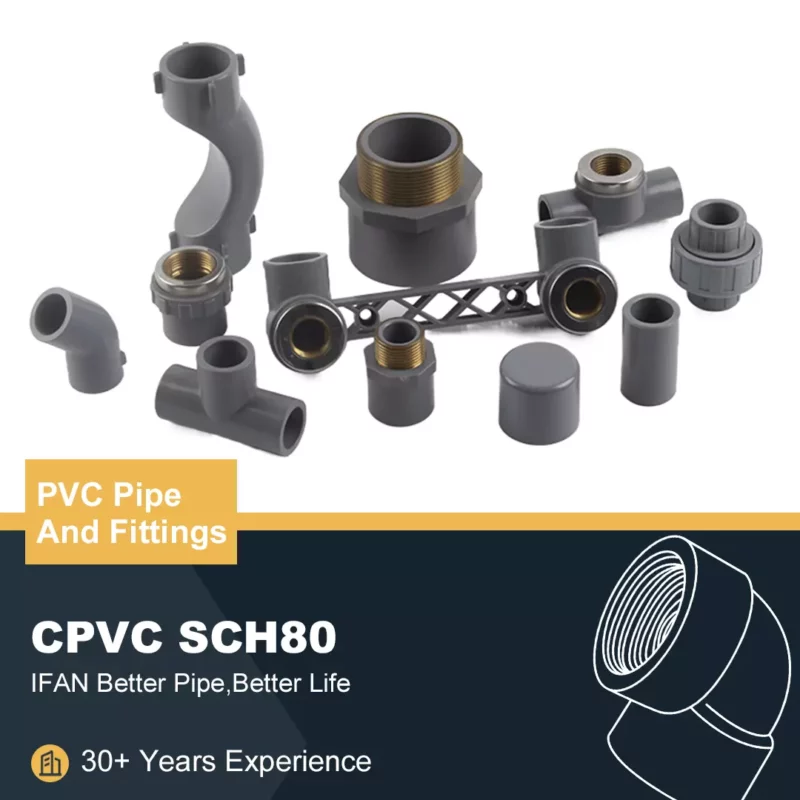
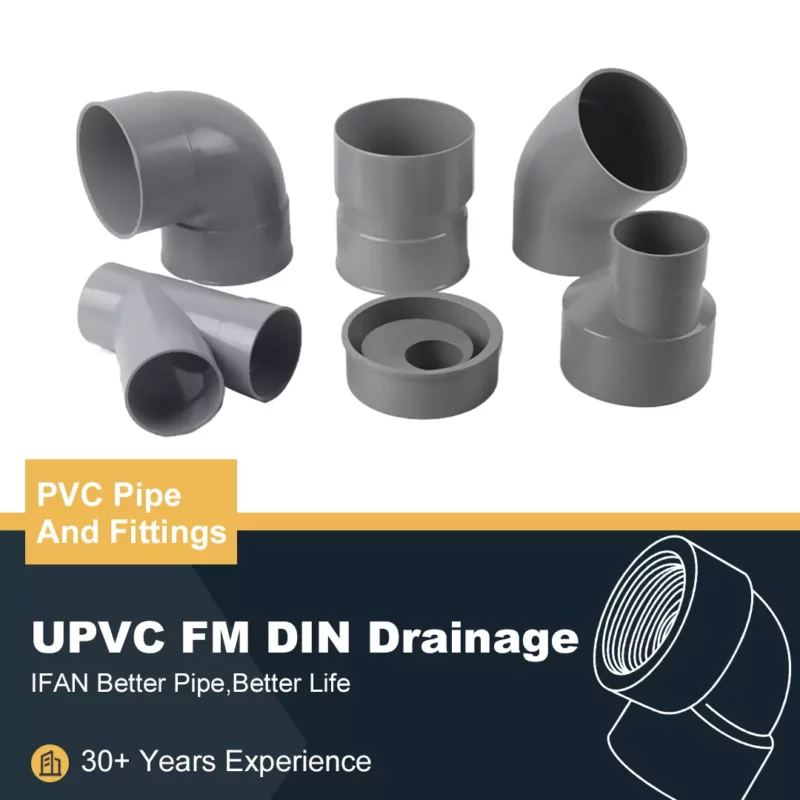
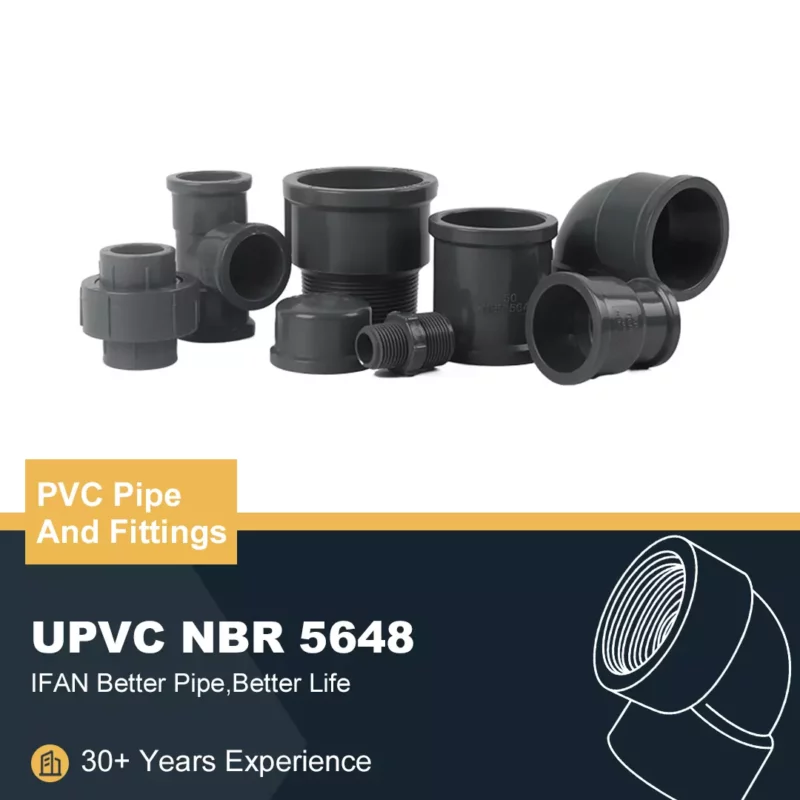
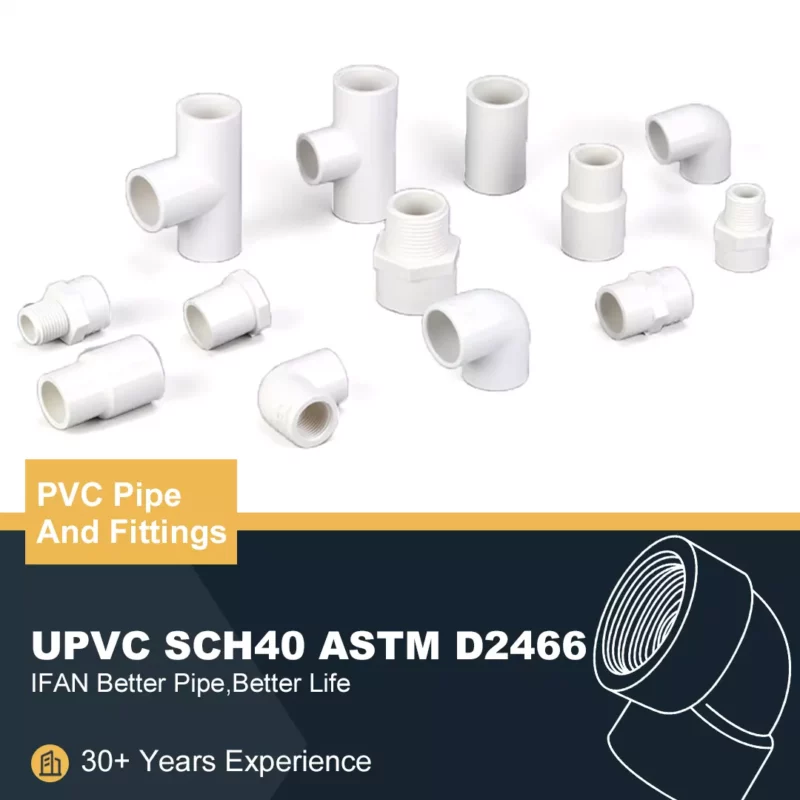
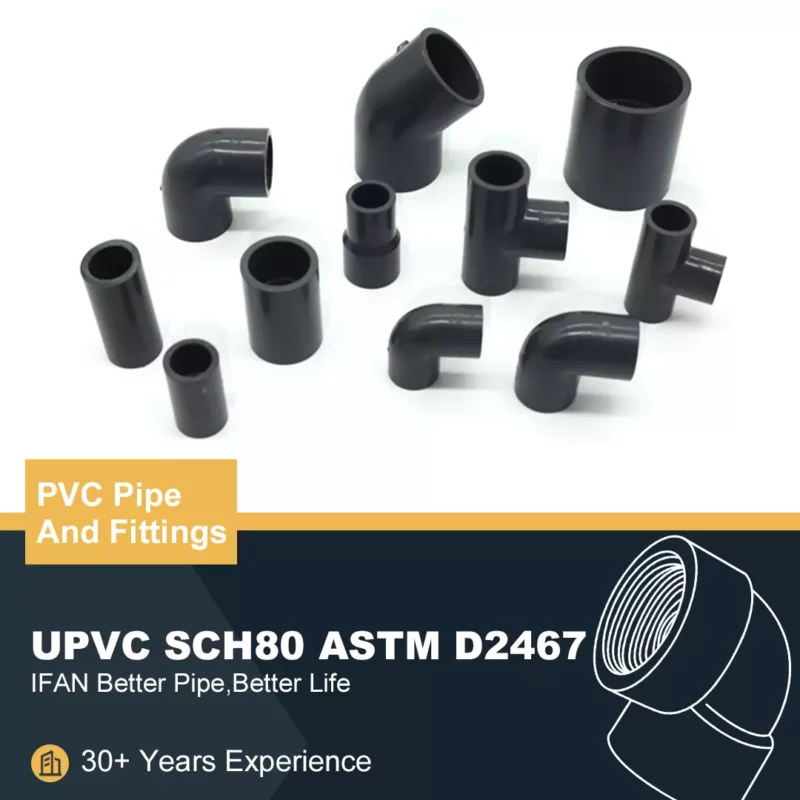
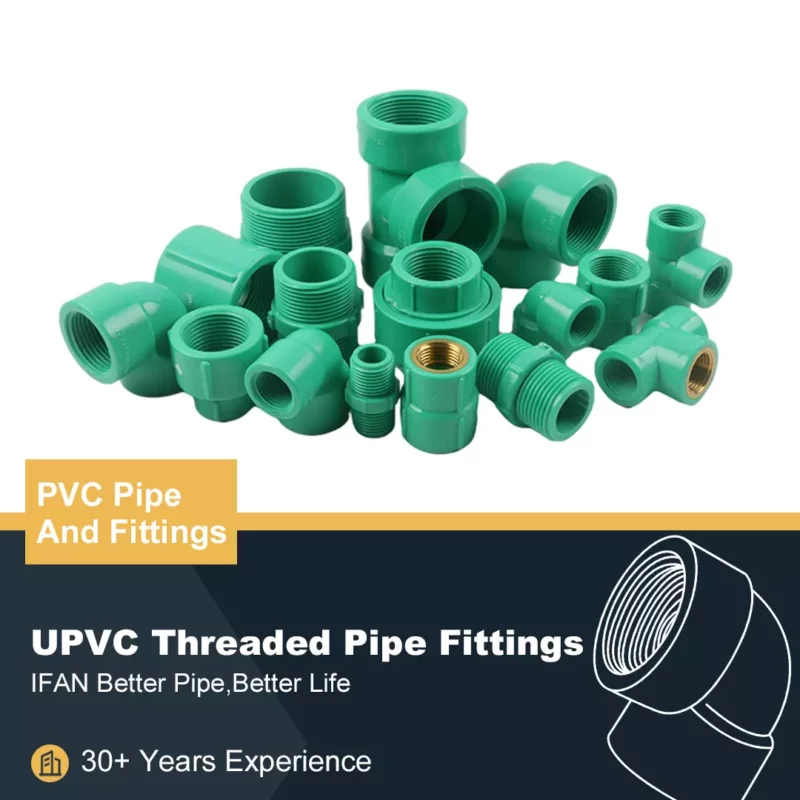
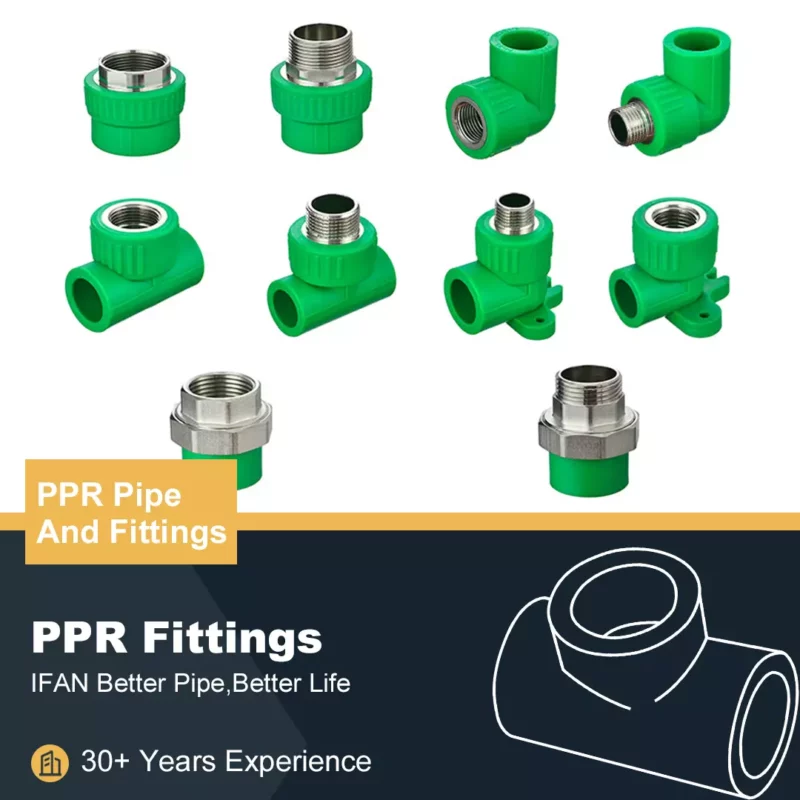
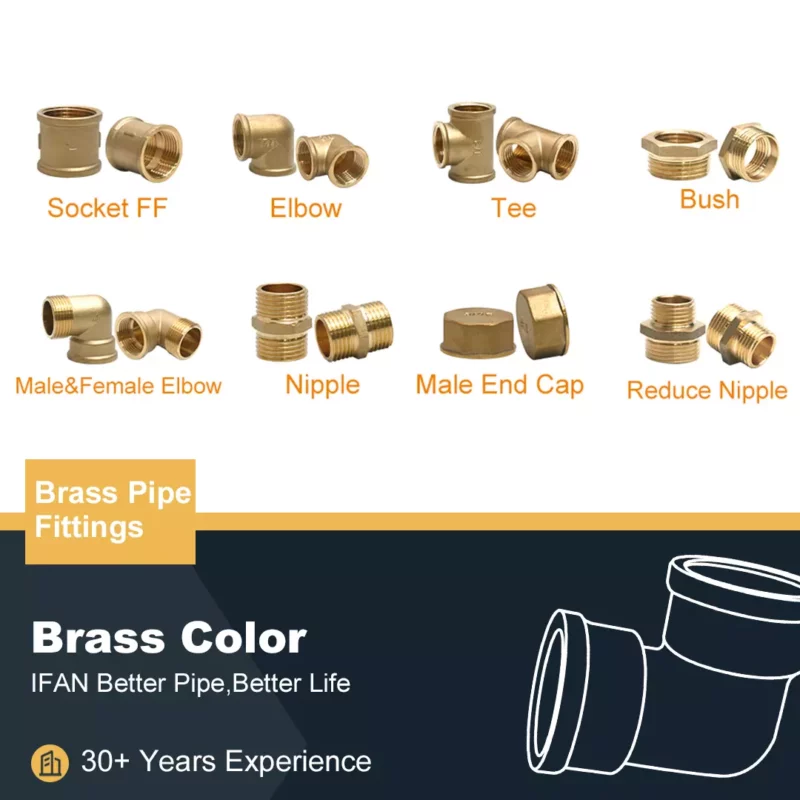
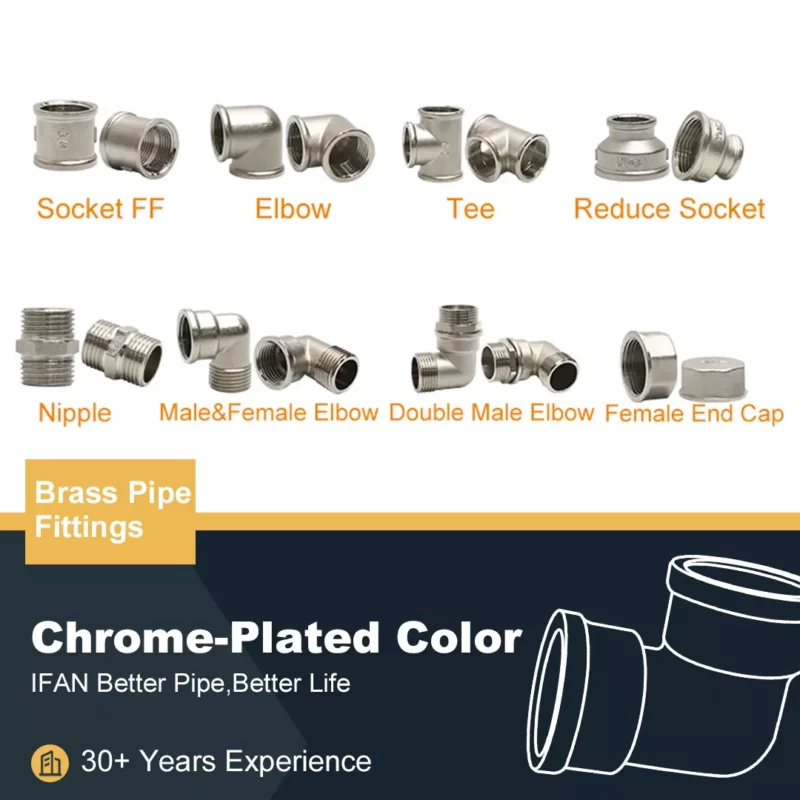
PPH fittings include elbows, tees, reducers, and flanges. Each part serves a specific purpose in a system. Elbows change the direction of flow smoothly. Tees split or merge different pipe sections. Reducers connect pipes of different diameters. Flanges allow for detachable and secure connections. Engineers use fittings to adjust system layout easily. Installers join fittings to pipes using heat fusion. This process forms a continuous, strong, and leak-free path. The fittings maintain full chemical and thermal resistance.
Installation Techniques and Tools
Workers install PPH pipes using butt fusion or socket welding. These methods ensure solid and tight joints. Technicians use special heating tools for the job. The process requires clean cuts and precise alignment. The welded joints become the strongest part of the system. Installers need only basic training and tools. PPH systems reduce labor time and complexity. No adhesives or mechanical fasteners are needed. This advantage increases system reliability and safety. Workers can test and operate the system quickly.
Common Applications Across Industries
Chemical factories rely on PPH for aggressive fluid transport. It handles strong acids, bases, and solvents effectively. Electroplating plants also use PPH for chemical baths. Water treatment plants install PPH for disinfection processes. Food and pharmaceutical companies value its purity. PPH does not leach any harmful substances. It supports clean and hygienic operations in these industries. Laboratories also use PPH for chemical waste systems. The material resists contamination and offers easy maintenance.
Thermal and Pressure Performance
PPH maintains strength during rapid temperature changes. It handles both cold and hot fluid conditions. The material absorbs pressure without cracking. PPH pipes support pressures up to 16 bar. Engineers rely on this strength for long pipelines. PPH insulation options reduce heat loss during transfer. The system becomes energy-efficient and stable. Thermal resistance helps avoid damage during peak operations. PPH offers safety and consistency in high-demand environments.
System Longevity and Maintenance Needs
PPH systems last over 25 years with proper use. Their resistance to corrosion reduces repair frequency. The fusion joints do not leak or weaken over time. Maintenance teams inspect systems using standard tools. Cleaning does not require harsh chemicals or special equipment. PPH pipes support easy replacement of damaged parts. Operators avoid long downtimes and costly repairs. These features lower the total cost of ownership. System reliability supports continuous industrial operations.
Comparison with Other Piping Materials
PPH outperforms PVC in high-temperature environments. It handles more stress than standard polypropylene. PPH weighs less than metal pipes like steel. This reduces shipping and handling costs. PPH also avoids corrosion and scaling issues. It outlasts iron and copper in chemical systems. Unlike glass pipes, PPH resists breaking on impact. The material offers flexibility and strength in one solution. PPH systems outperform traditional materials in performance and cost.
Environmental and Economic Advantages
Manufacturers produce PPH using fewer resources. This lowers the environmental impact of pipe production. PPH materials can be recycled after use. The system reduces chemical waste through leak-proof transport. Energy-efficient systems improve operational sustainability. Companies reduce maintenance, water loss, and energy costs. These savings increase profitability and support green goals. Engineers choose PPH for both performance and environmental responsibility. This balance makes it a smart choice for industries.
Conclusion: A Complete Piping Solution
PPH pipes and fittings serve many industrial needs. They offer chemical resistance, thermal stability, and long life. These features support safe and efficient fluid transport. Installers enjoy easy handling and fast setup. Maintenance teams appreciate minimal upkeep. Engineers trust PPH for high-performance systems. The material handles heat, pressure, and corrosive substances. PPH stands as a reliable choice for modern piping systems.
If you have read this article and have any questions, please feel free to contact IFAN. Below is our contact information:
Whatsapp:+86 13373827623
Email:[email protected]