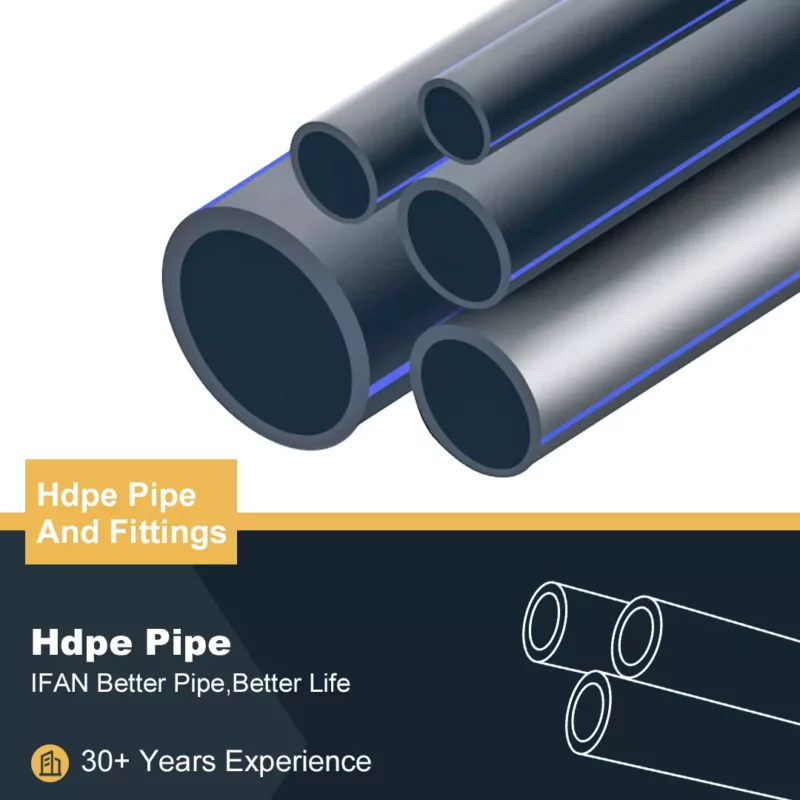


PPH stands for Polypropylene Homopolymer.
Manufacturers use it to create durable and chemical-resistant pipes.
PPH Pipes and Fittings handle high-temperature fluids with ease.
Industries trust PPH for its strength and long service life.
The pipe remains stable under tough operating conditions.
PPH performs well in both pressure and non-pressure systems.
You can find PPH in water treatment and chemical processing.
It also works well in ventilation and exhaust systems.
Its low weight allows easy transportation and quick installation.
PPH resists corrosion and protects the pipe from leaks.
Key Benefits of PPH Pipes
PPH provides strong resistance to aggressive chemicals.
This resistance makes it ideal for industrial fluid systems.
The pipe maintains strength under heat and mechanical stress.
You can use PPH in both hot and cold systems.
PPH provides excellent performance in high-pressure situations.
It withstands high flow rates without cracking or bending.
The material prevents buildup and blocks scale formation.
Its smooth surface keeps fluid flow clean and stable.
PPH offers long-lasting service with minimal maintenance needs.
It provides excellent value over its operating lifespan.
Common Applications of PPH Pipes
PPH supports chemical transportation in factories and plants.
You can install PPH in wastewater treatment facilities.
It plays a key role in process water piping.
PPH safely handles strong acids and alkalis in labs.
You can find PPH in air exhaust and fume systems.
Food and beverage plants also benefit from PPH systems.
They use it to transport water and cleaning solutions.
PPH helps ensure hygiene and system efficiency together.
Pharmaceutical companies also choose PPH for safe operations.
Its reliability makes it a top choice in sensitive environments.
PPH Fittings: Essential Accessories
Fittings join pipe segments and direct the flow.
PPH fittings match the pipe in strength and safety.
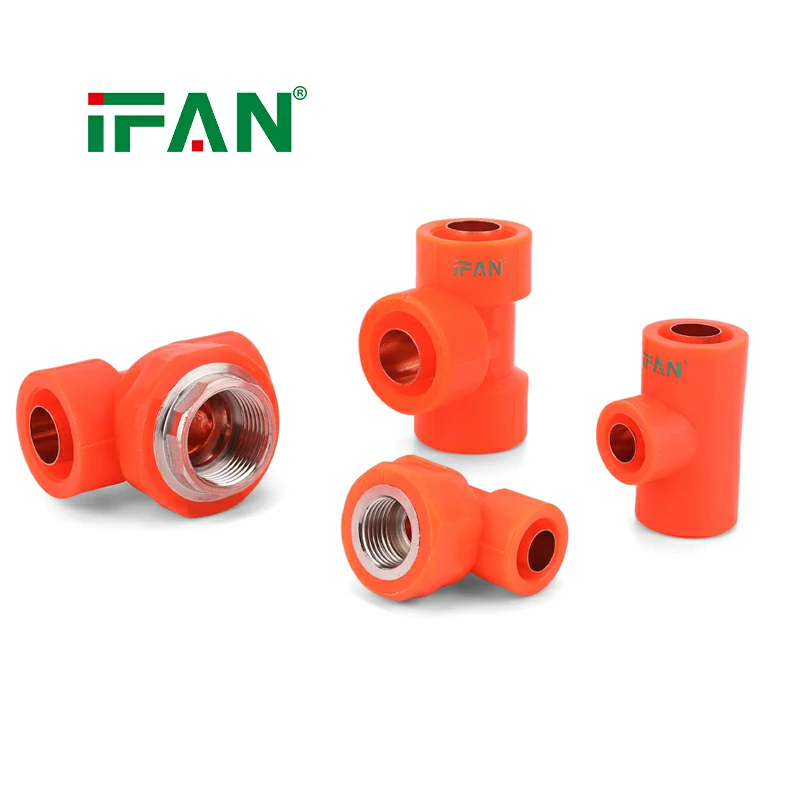
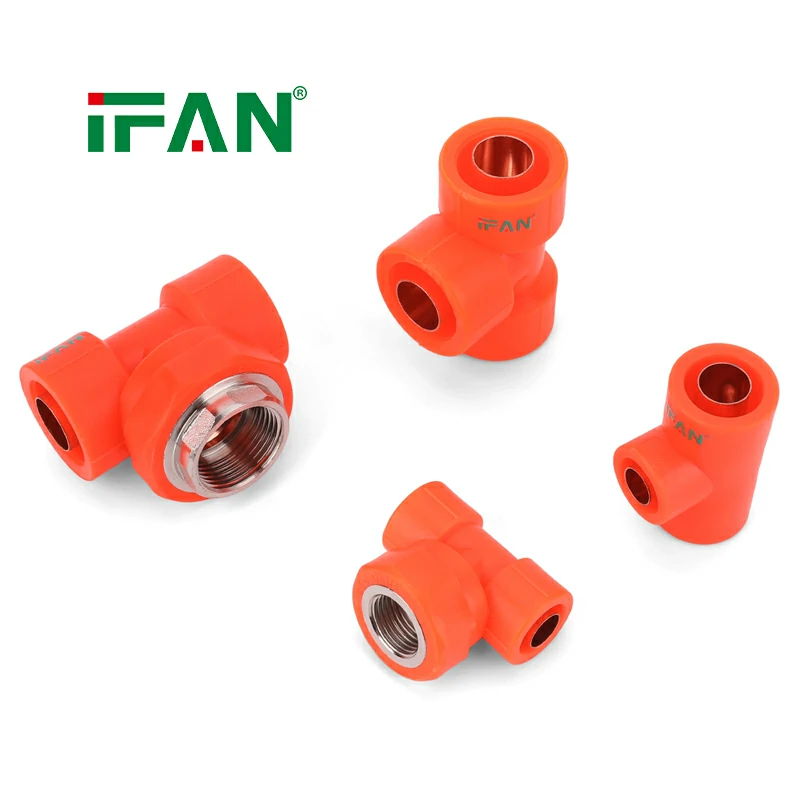
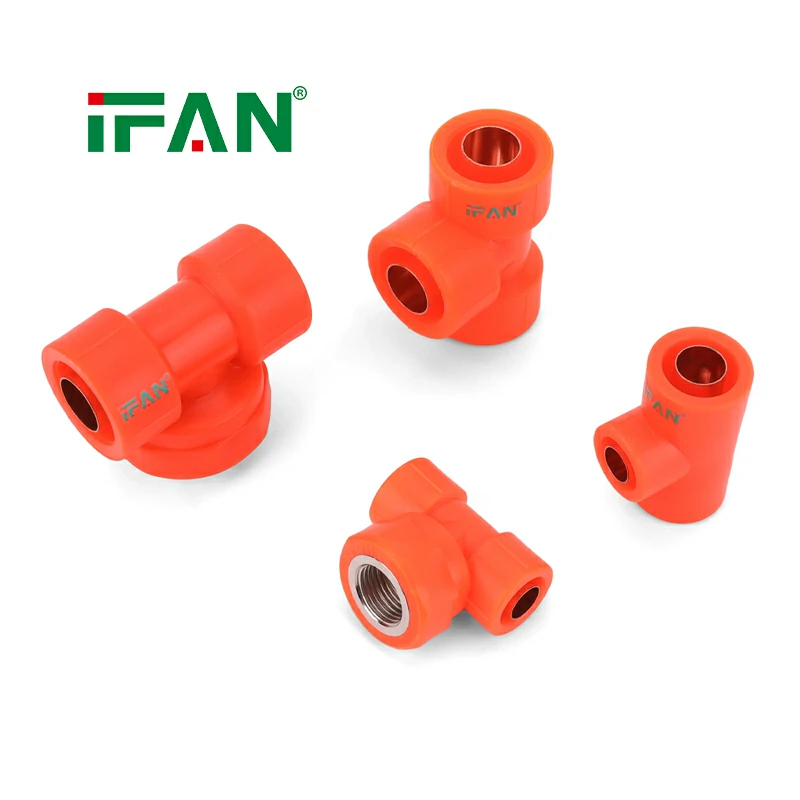
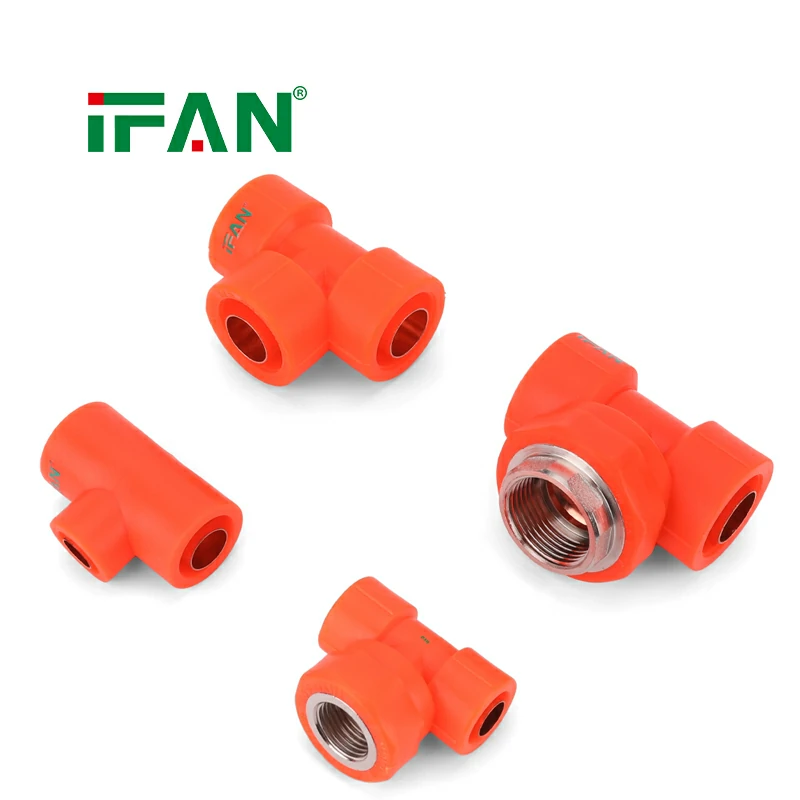
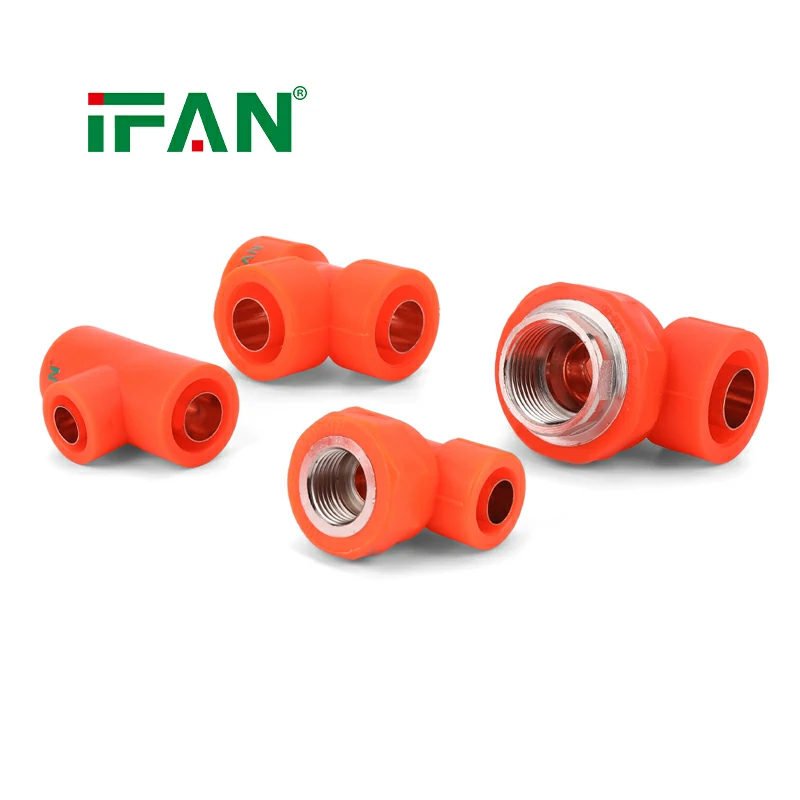
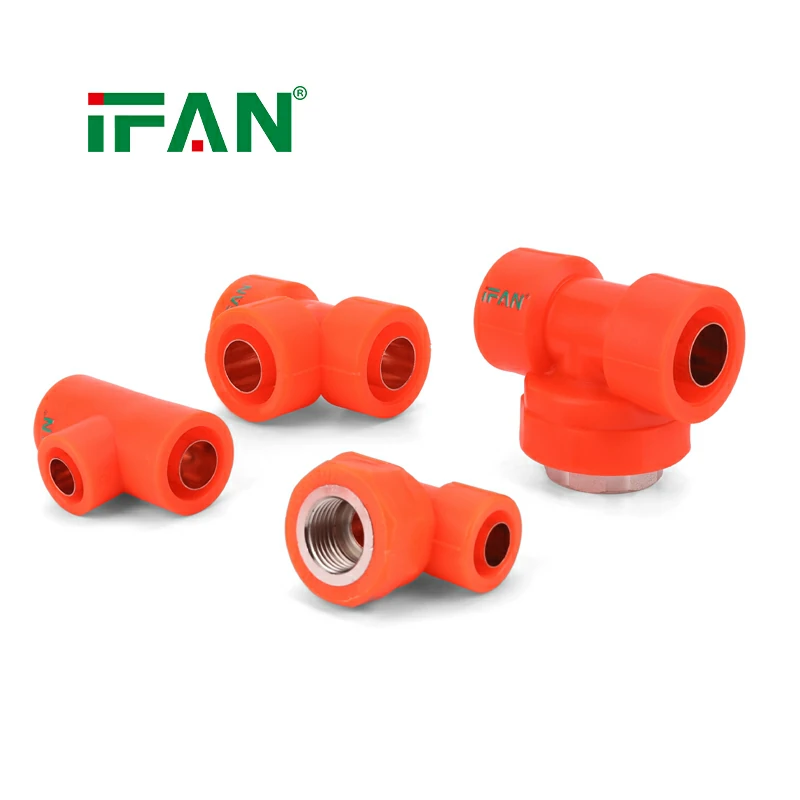
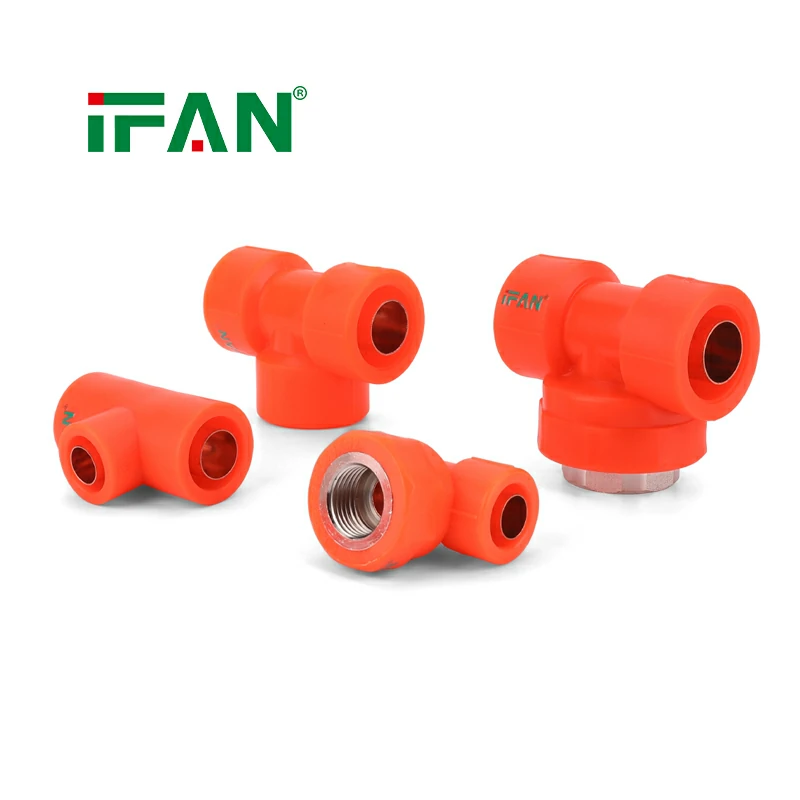
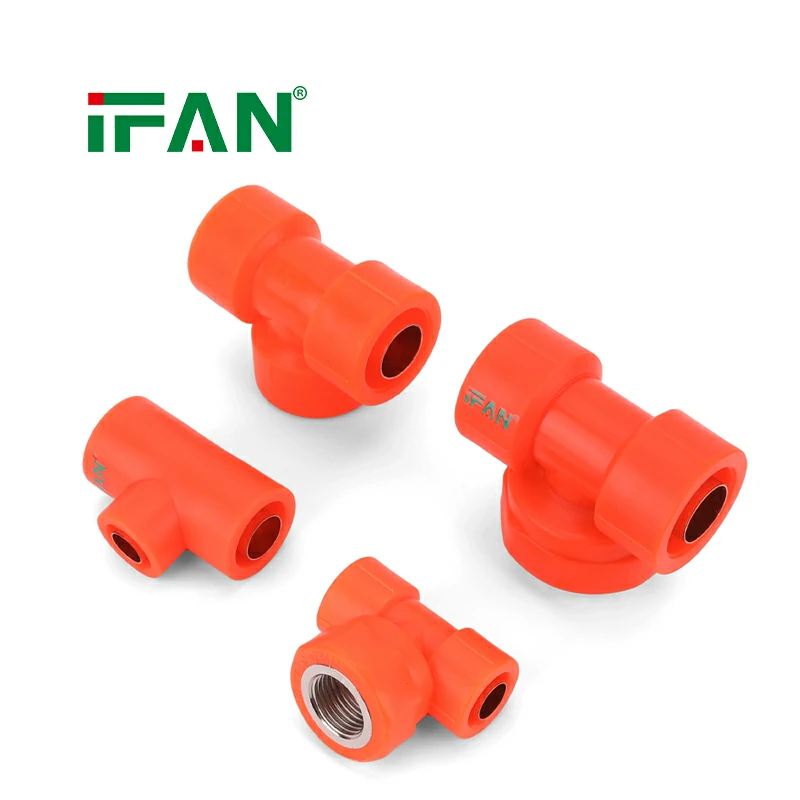
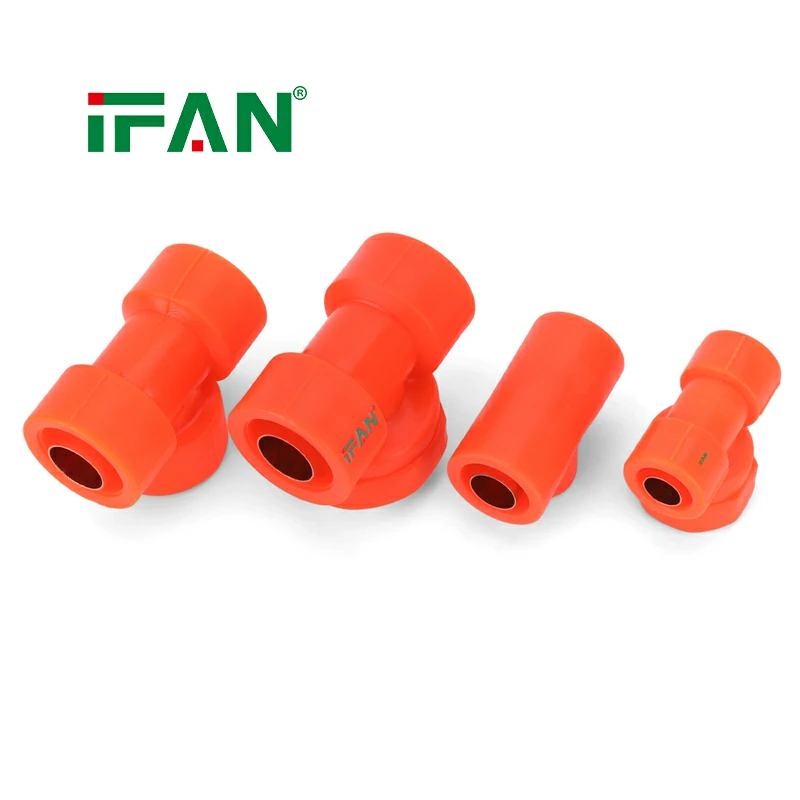
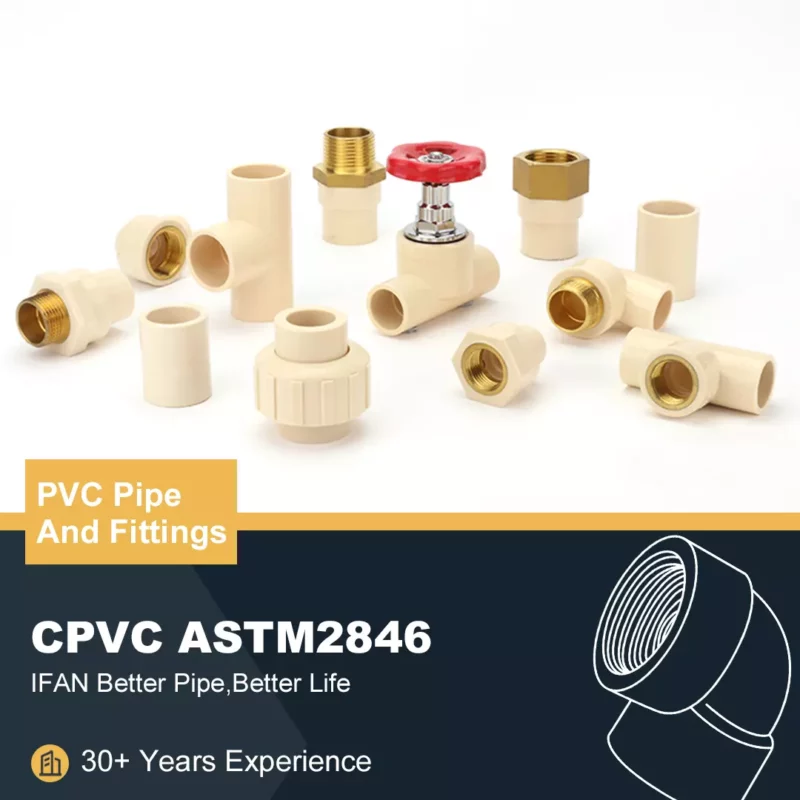
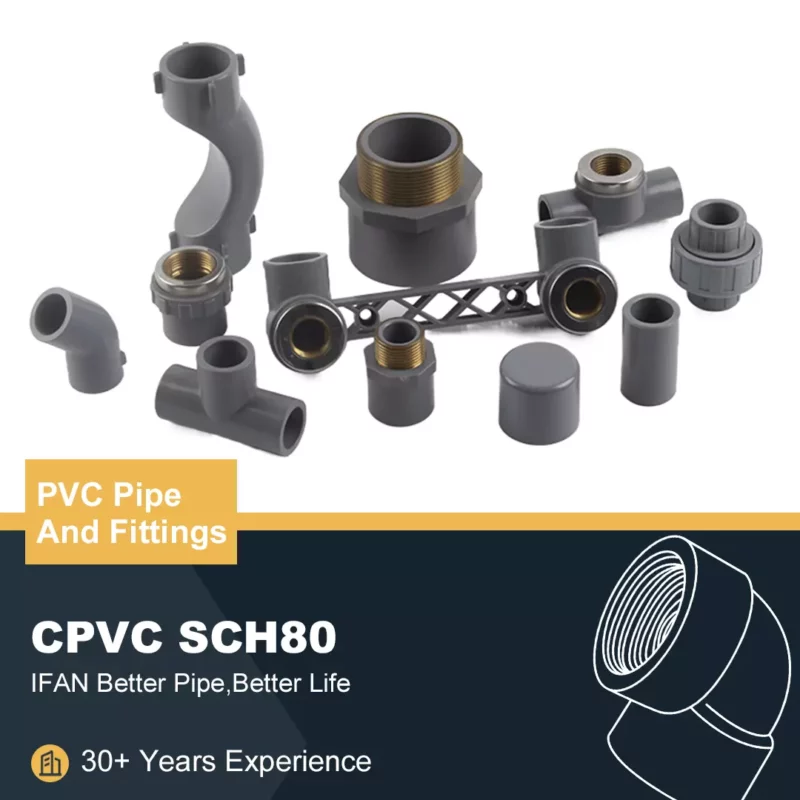
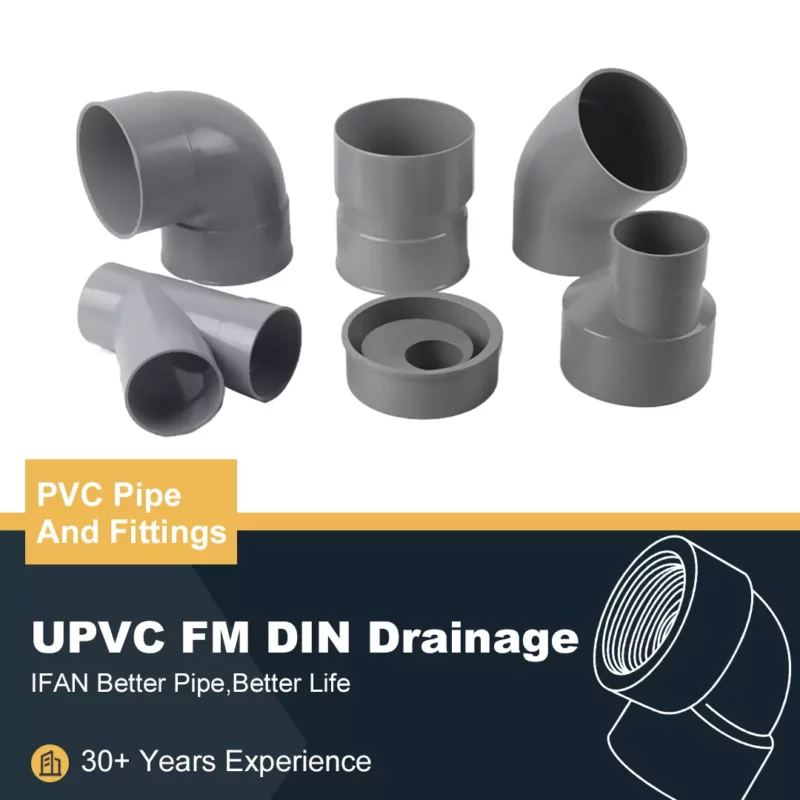
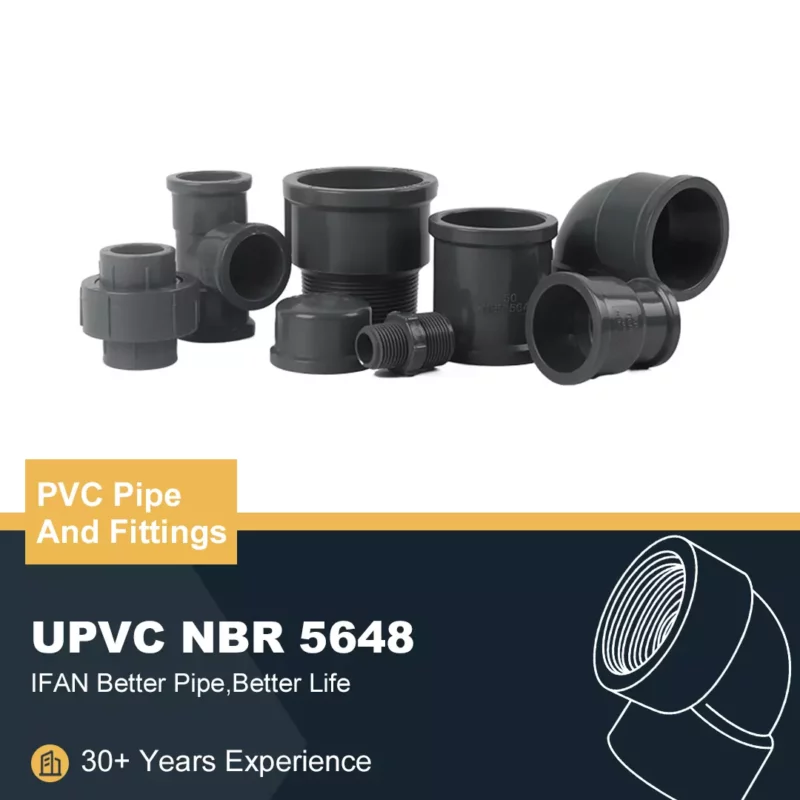
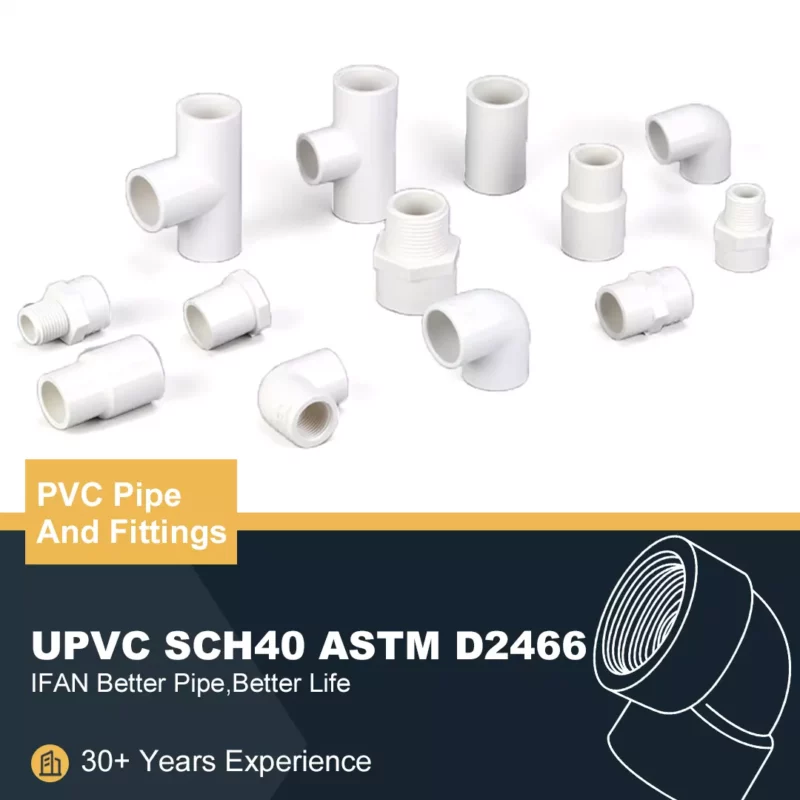
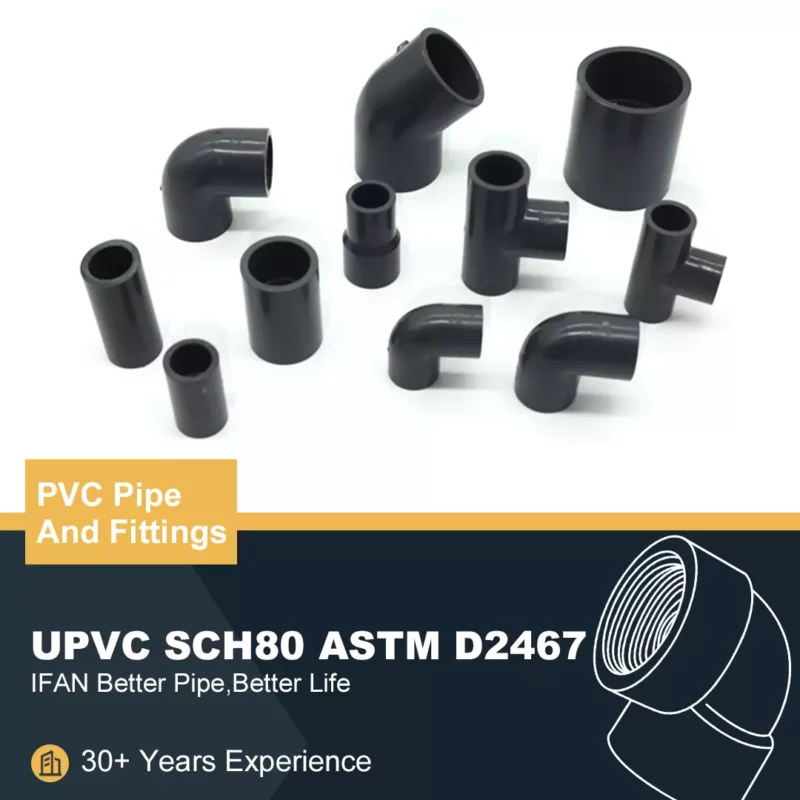
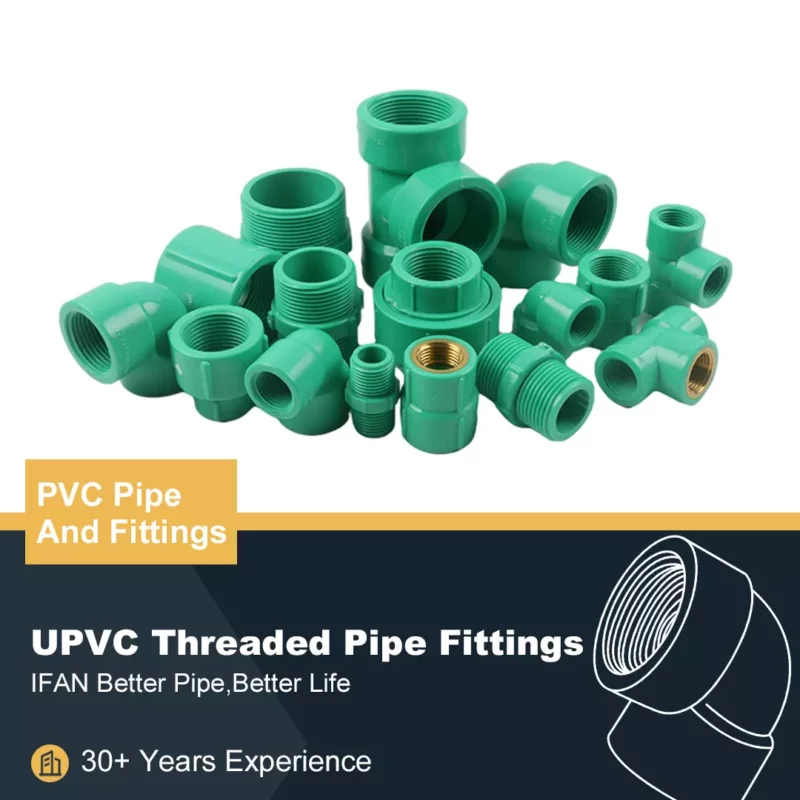
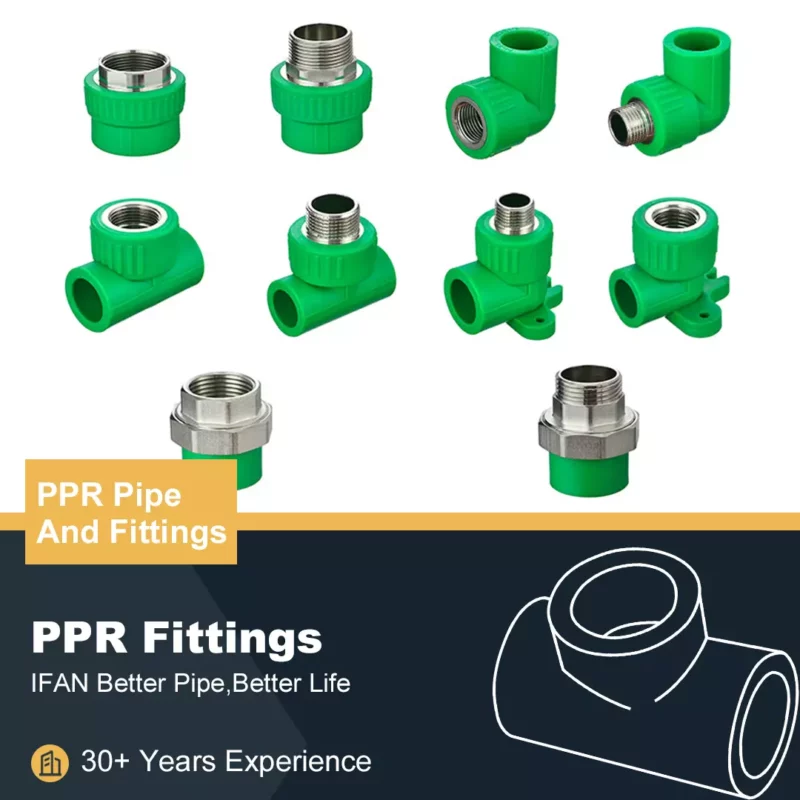
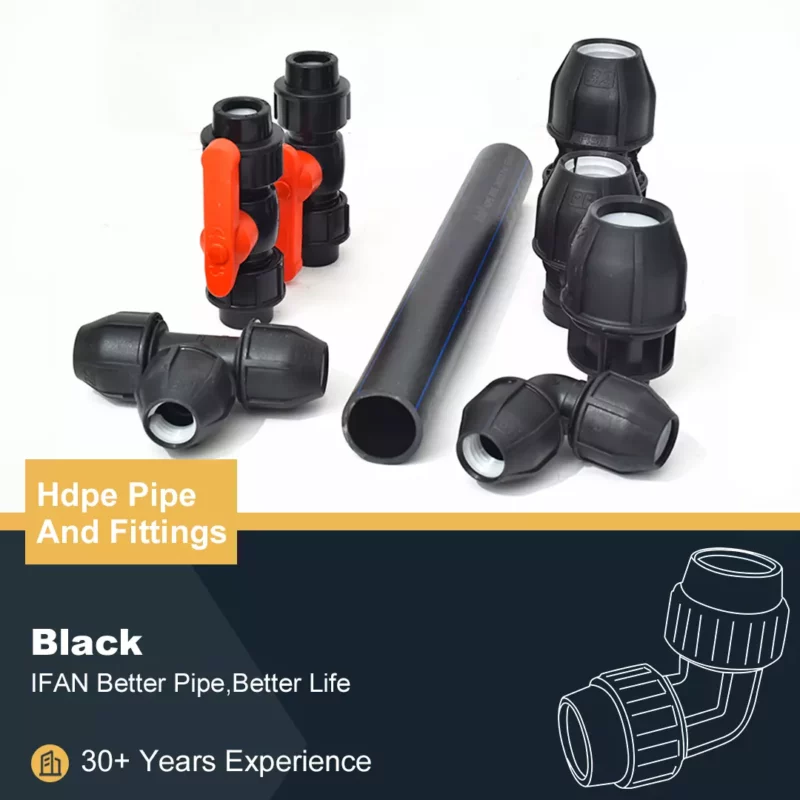
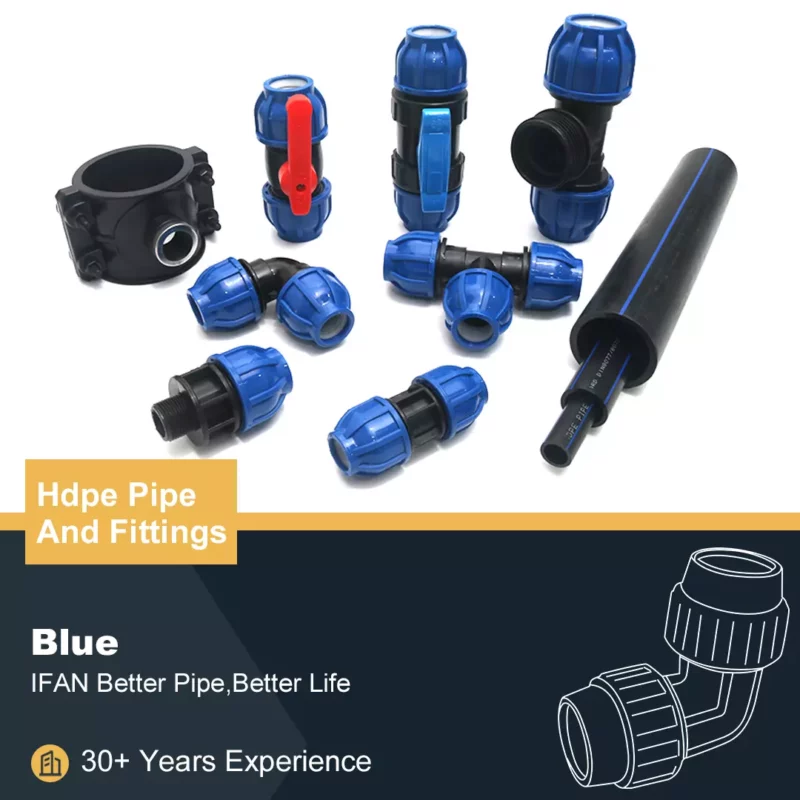
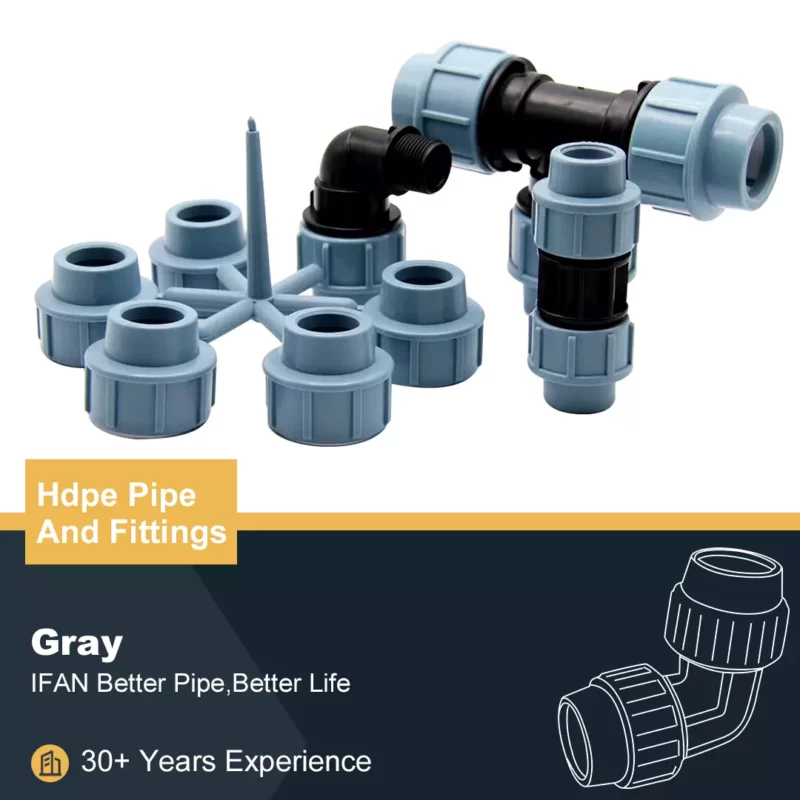
You can find tees, elbows, reducers, and couplings.
These fittings create efficient and leak-free piping networks.
PPH fittings also resist high temperatures and harsh chemicals.
Installers can cut and connect fittings with ease.
You can weld PPH fittings for added strength.
The uniform design ensures seamless and safe fluid movement.
PPH fittings prevent blockages and maintain flow consistency.
They also reduce vibration and pressure surges inside the pipe.
Installation Process Simplified
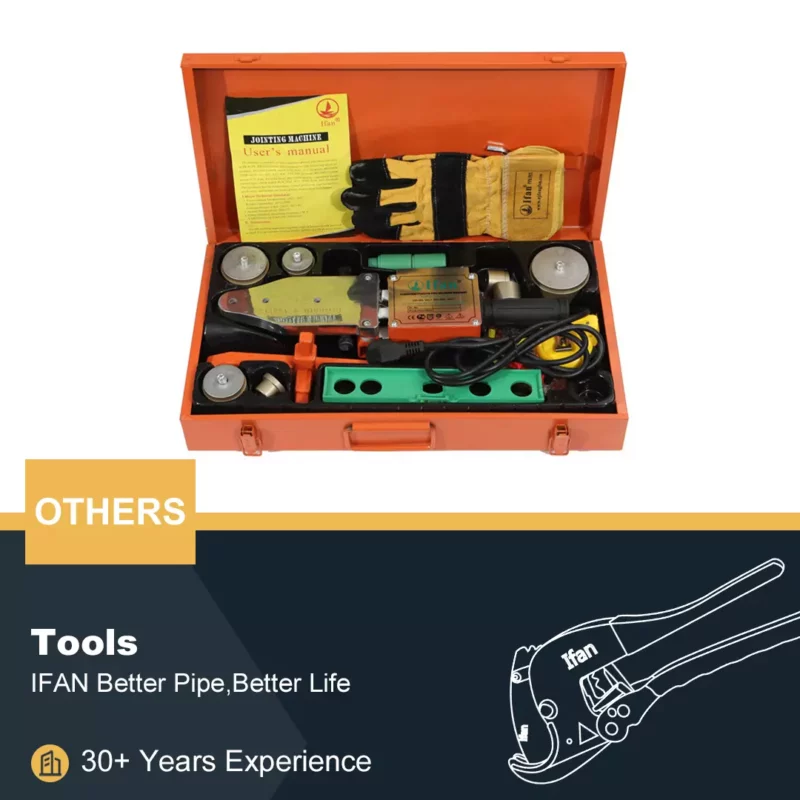
You can install PPH pipes using socket fusion welding.
This method creates strong, tight, and leak-proof joints.
Installers heat the pipe and fitting before joining.
They push the parts together for a secure bond.
Welded joints hold firm under pressure and heat.
Installers must follow recommended time and temperature guidelines.
PPH pipes support both horizontal and vertical installations.
Brackets help maintain pipe alignment and reduce movement.
Ensure proper spacing to allow thermal expansion.
The lightweight design allows quick and efficient installation.
Durability and Longevity of PPH
PPH pipes last for decades with proper maintenance.
The material resists rust, decay, and chemical wear.
PPH handles impact without cracking or breaking.
It stays strong in extreme indoor and outdoor environments.
Even after years, the pipe retains its shape.
It resists UV light when installed with proper shielding.
You can use insulation for added protection and durability.
PPH systems perform well in cleanroom and sterile conditions.
The material does not support bacterial growth or contamination.
It meets strict safety and quality industry standards.
Cost Efficiency Over Time
PPH systems cost less than metal piping alternatives.
Installation takes less time and reduces labor expenses.
Maintenance costs stay low due to strong material properties.
You won’t need frequent replacements or repairs.
PPH systems offer excellent return on investment.
The pipe’s long life saves money in the long term.
It avoids downtime due to system failures.
Its strength also reduces risk of leaks or damage.
Industrial users choose PPH to control operating costs.
It combines low initial and maintenance costs effectively.
Environmental Benefits of PPH
PPH piping contributes to sustainable construction practices.
Manufacturers use recyclable and eco-friendly materials.
PPH production consumes less energy than metal pipes.
It produces fewer emissions during manufacturing and use.
The long service life reduces waste and disposal needs.
Installers can recycle old PPH systems responsibly.
PPH systems prevent fluid leakage into the environment.
It ensures safe chemical transport without contamination risk.
Users can trust it for clean and responsible operation.
PPH helps industries meet environmental and safety goals.
Conclusion: A Smart Choice for Industry
PPH pipes and fittings serve multiple industrial needs.
They offer strength, safety, and cost-effectiveness together.
Their chemical resistance ensures long-term reliability.
Users enjoy smooth operation without frequent intervention.
Easy installation helps save time and money.
PPH fits high-demand environments without performance drops.
Fittings add flexibility to custom system designs.
PPH piping supports safety and environmental responsibility.
Industries around the world trust PPH for results.
Make PPH your choice for strong and smart piping.
If you have read this article and have any questions, please feel free to contact IFAN. Below is our contact information:
Whatsapp:+86 13373827623
Email:[email protected]