


Introduction to CPVC Pipe Fittings
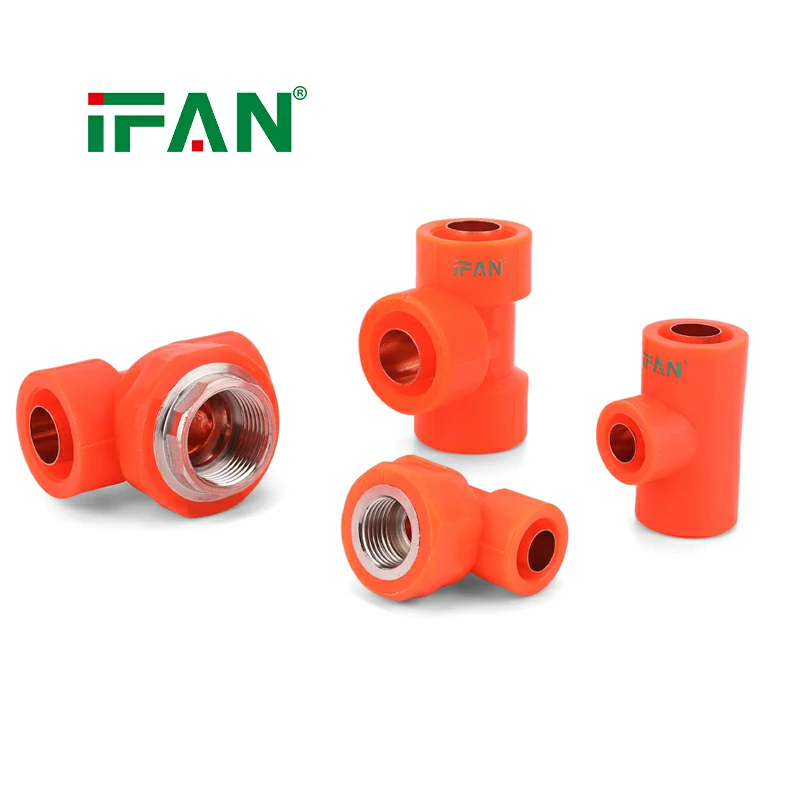
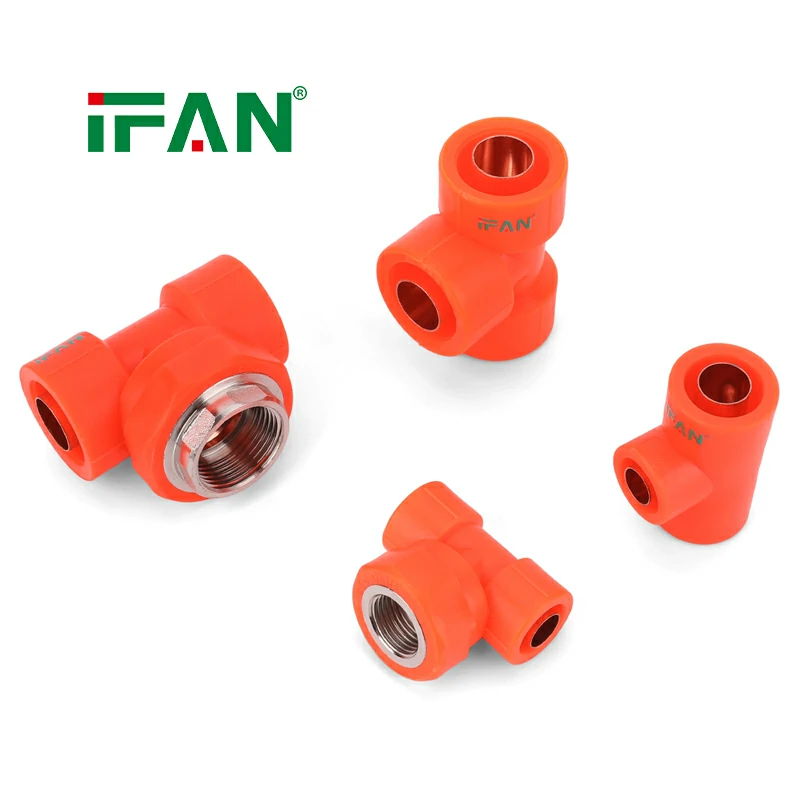
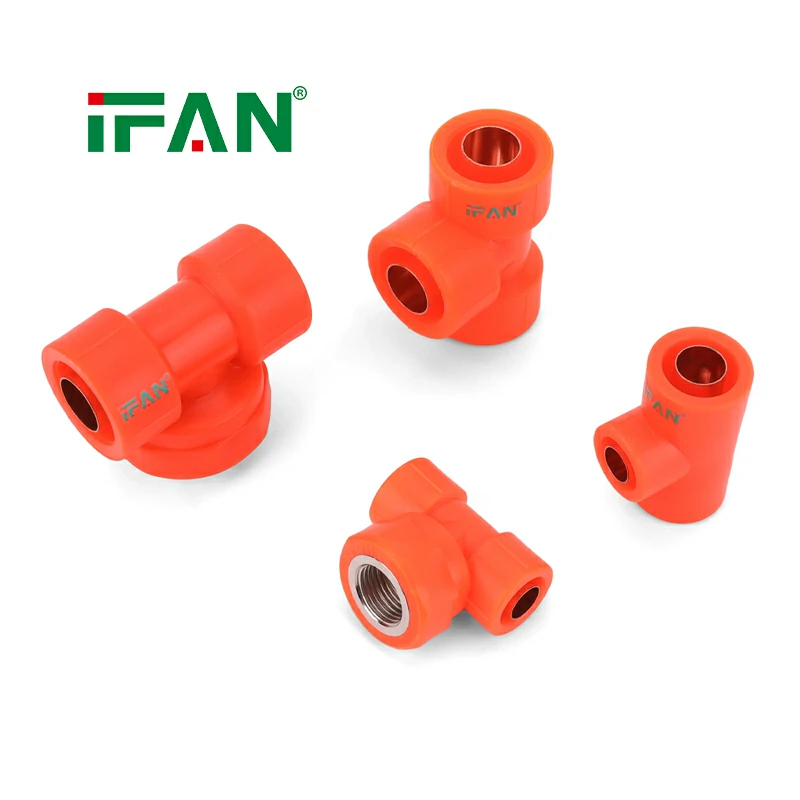
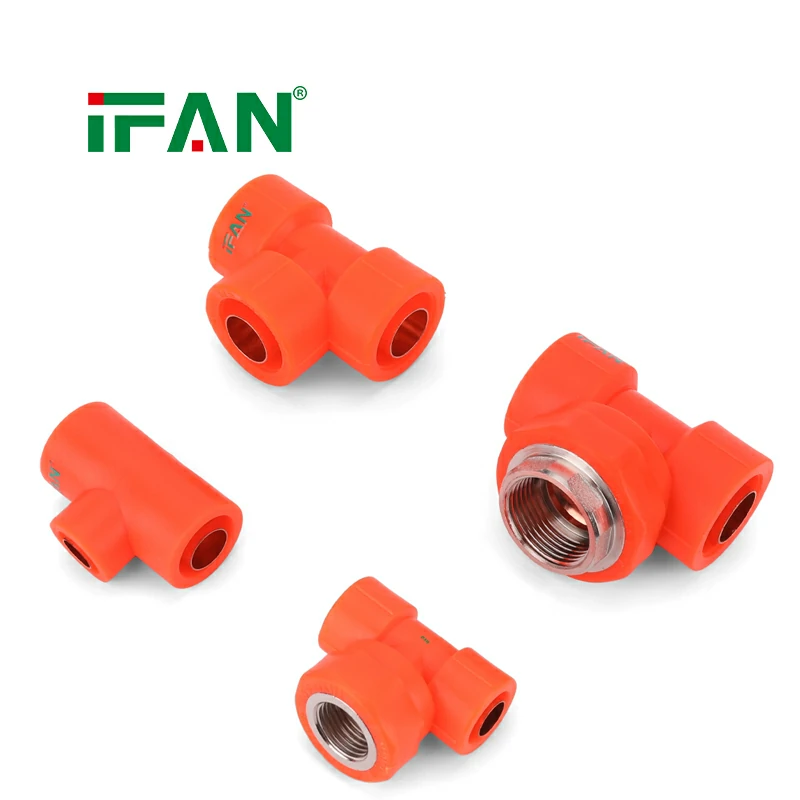
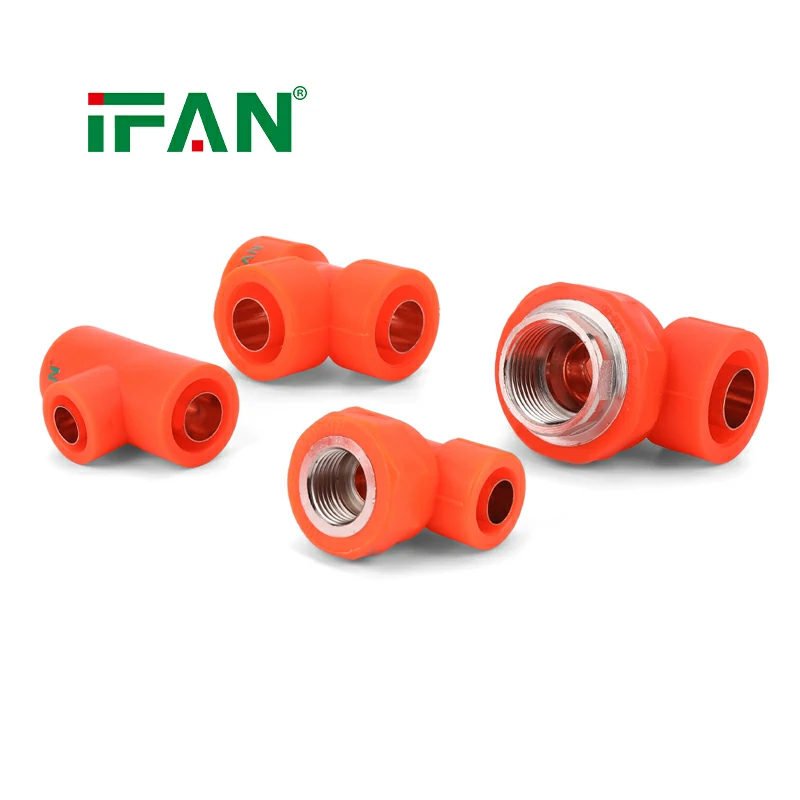
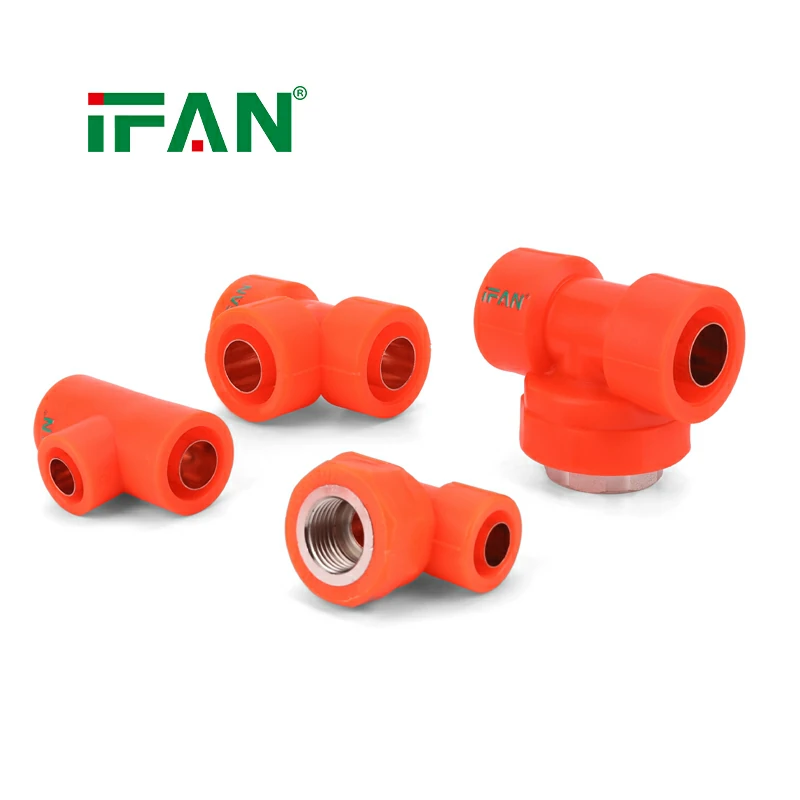
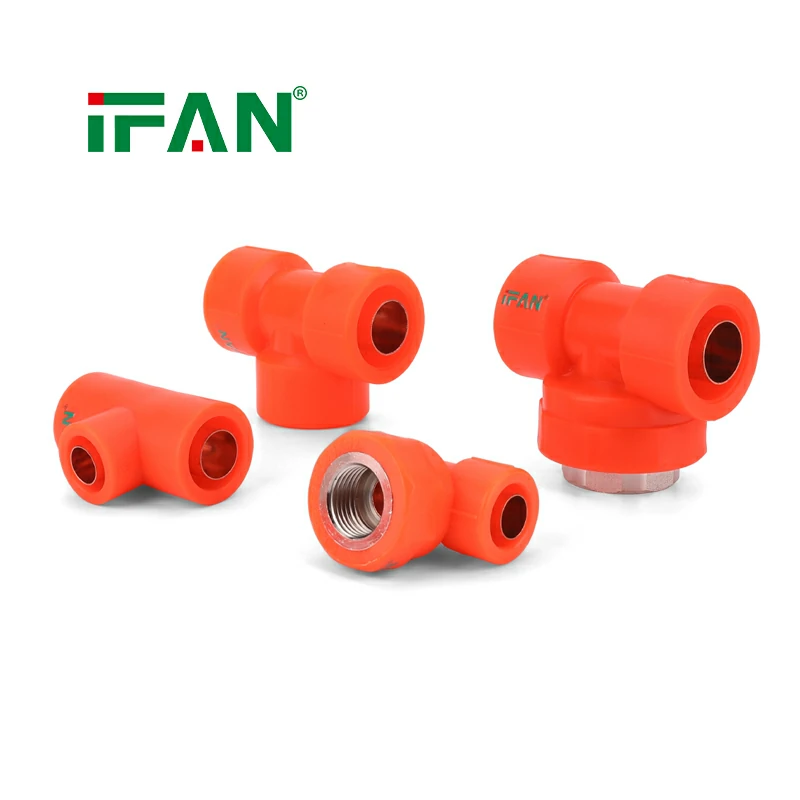
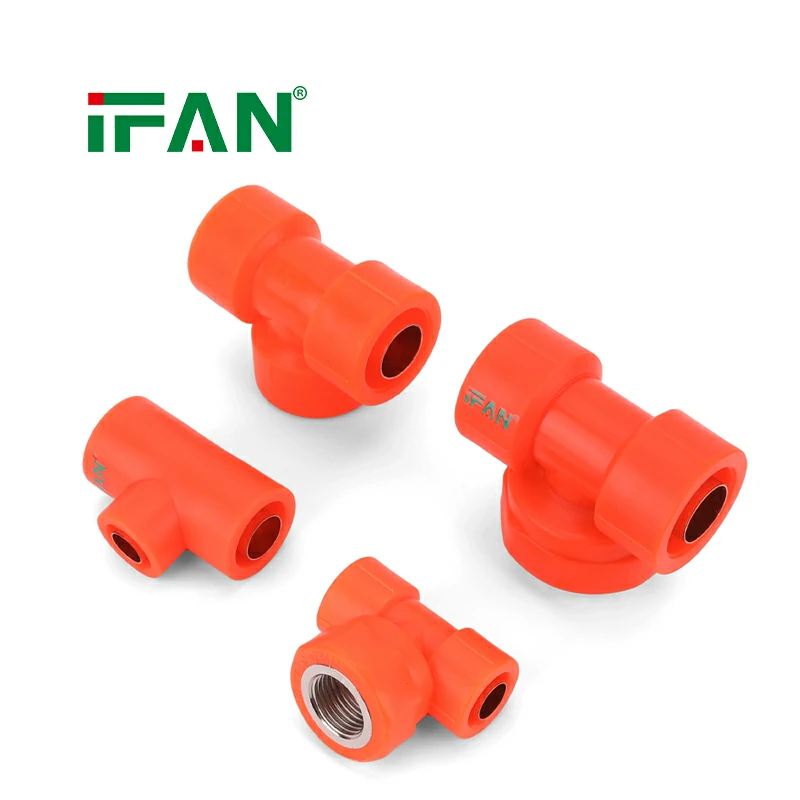
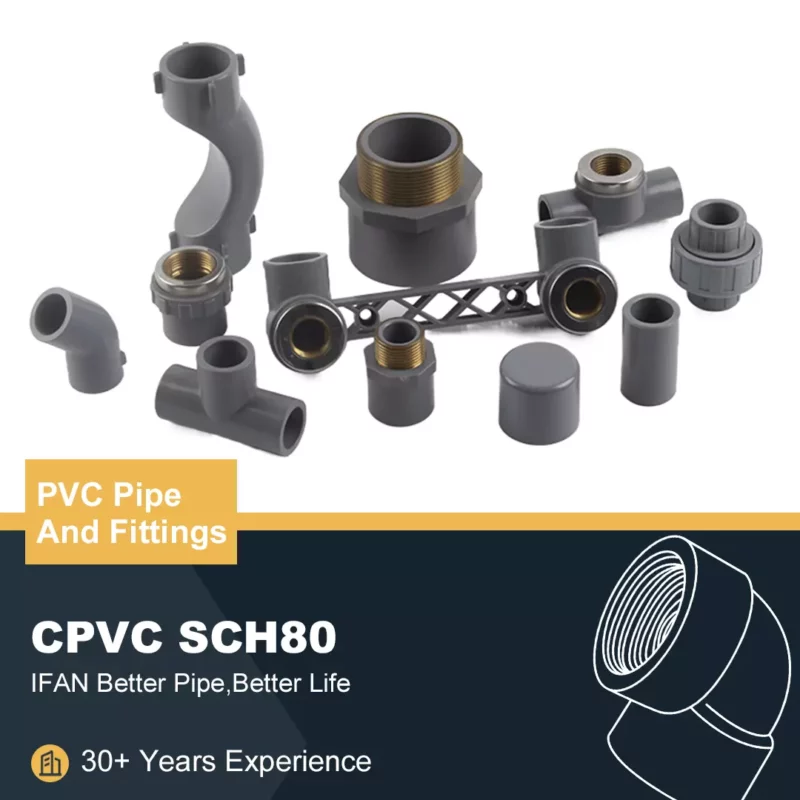
CPVC pipe fittings are essential components in plumbing systems that use chlorinated polyvinyl chloride pipes. These fittings connect sections of pipe, change flow direction, or transition between different pipe types or sizes. CPVC pipe fittings are widely used in hot water systems due to their excellent temperature resistance, durability, and ease of installation. They offer a cost-effective alternative to traditional metal fittings. Their corrosion resistance ensures long-term reliability and safety in both residential and commercial systems. CPVC fittings are designed to handle high temperatures and pressures without warping, leaking, or degrading over time. This makes them ideal for plumbing systems where consistent hot water delivery is essential.
Why CPVC Pipe Fittings Are Ideal for Hot Water
Hot water systems require materials that can handle high temperatures without breaking down. CPVC pipe fittings are engineered specifically for such conditions. They can withstand water temperatures up to 200°F (93°C), making them suitable for domestic and industrial hot water use. Unlike metal fittings, CPVC does not corrode or conduct heat easily. This helps maintain water temperature and reduces energy waste. CPVC pipe fittings also resist scaling, ensuring clean and unobstructed flow over time. They meet health and safety standards for potable water, making them a safe choice for kitchen and bathroom installations. These features make CPVC fittings an efficient and reliable option for hot water systems.
Types of CPVC Pipe Fittings
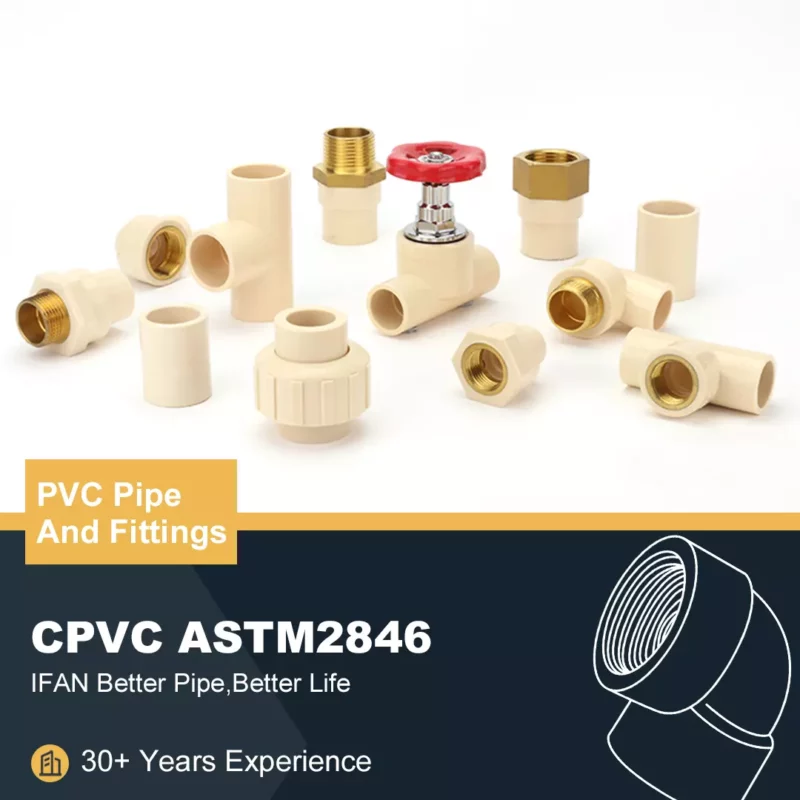
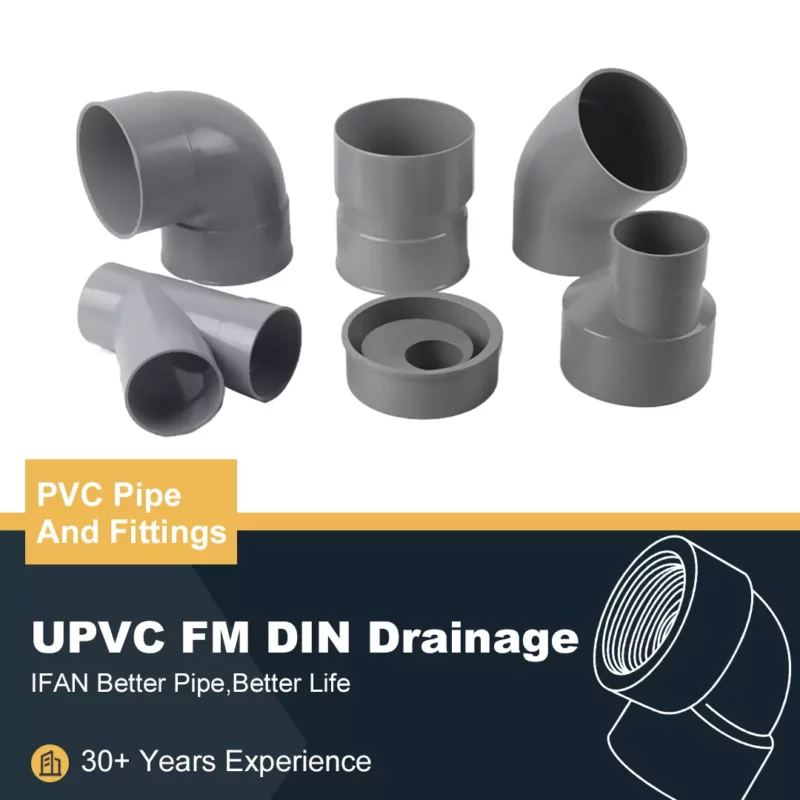
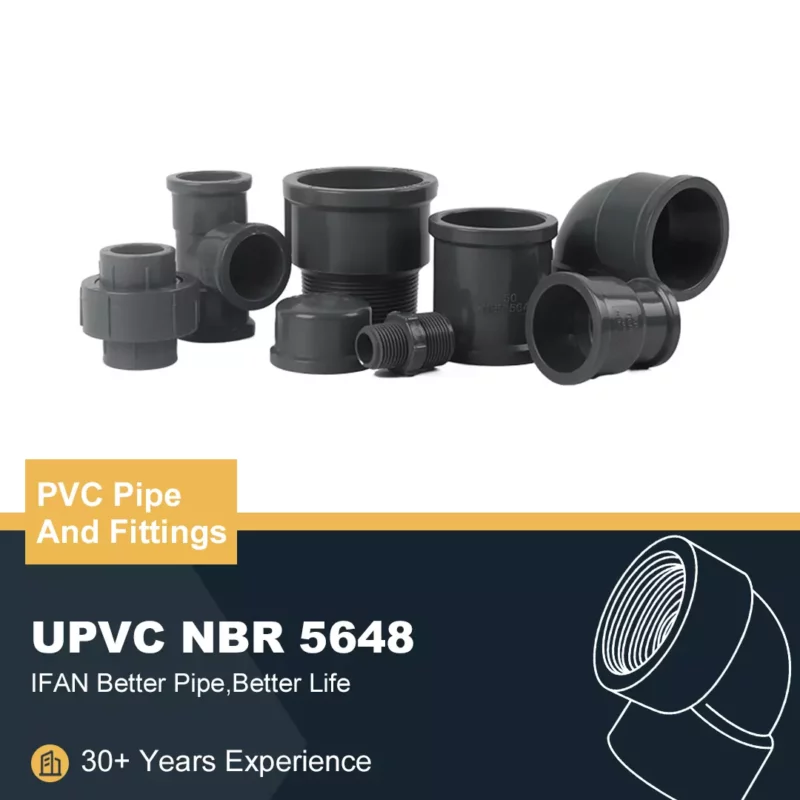
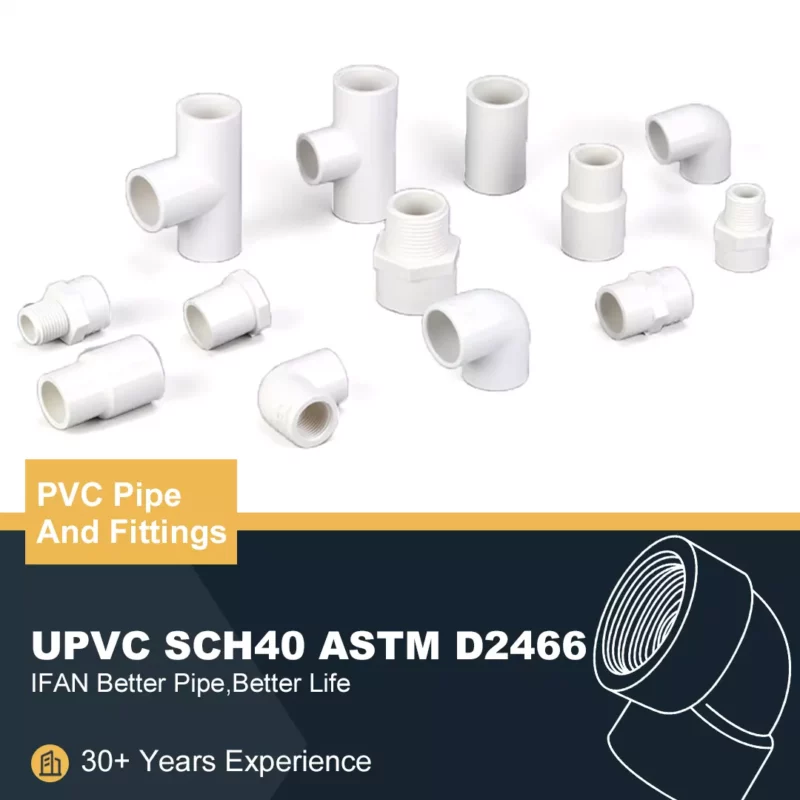
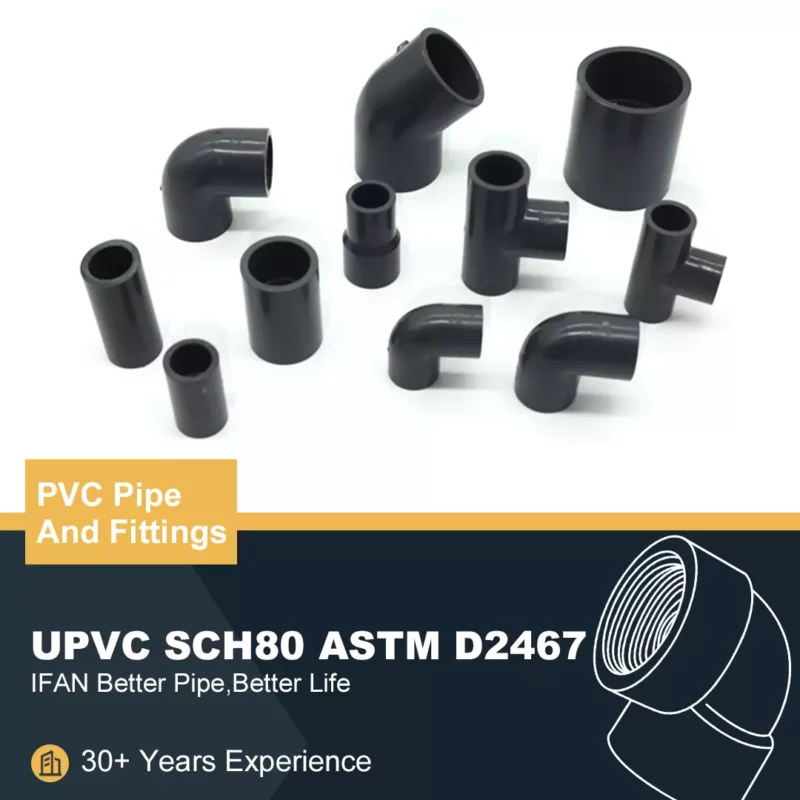
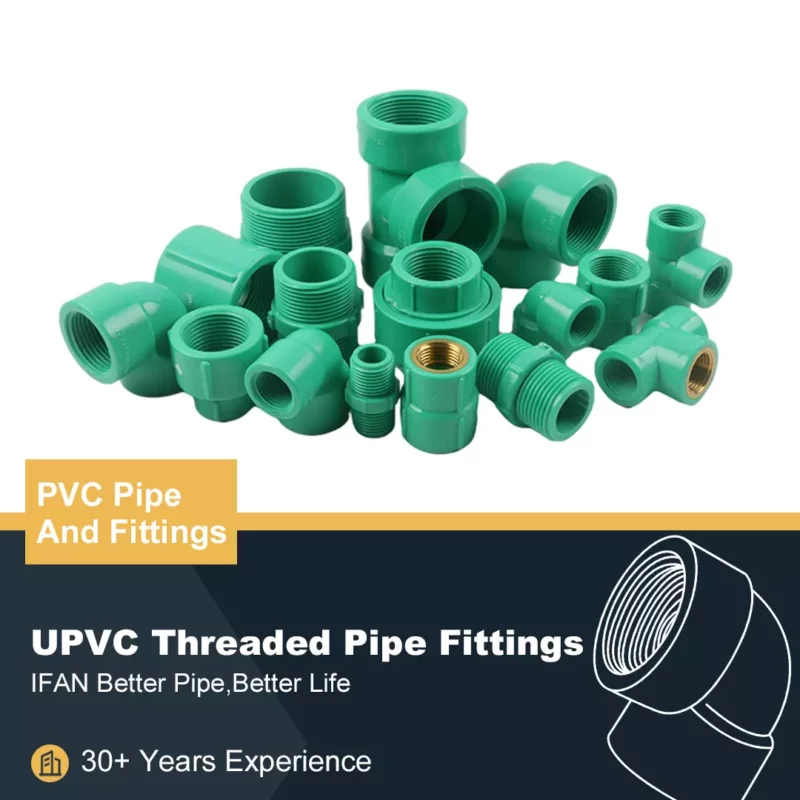
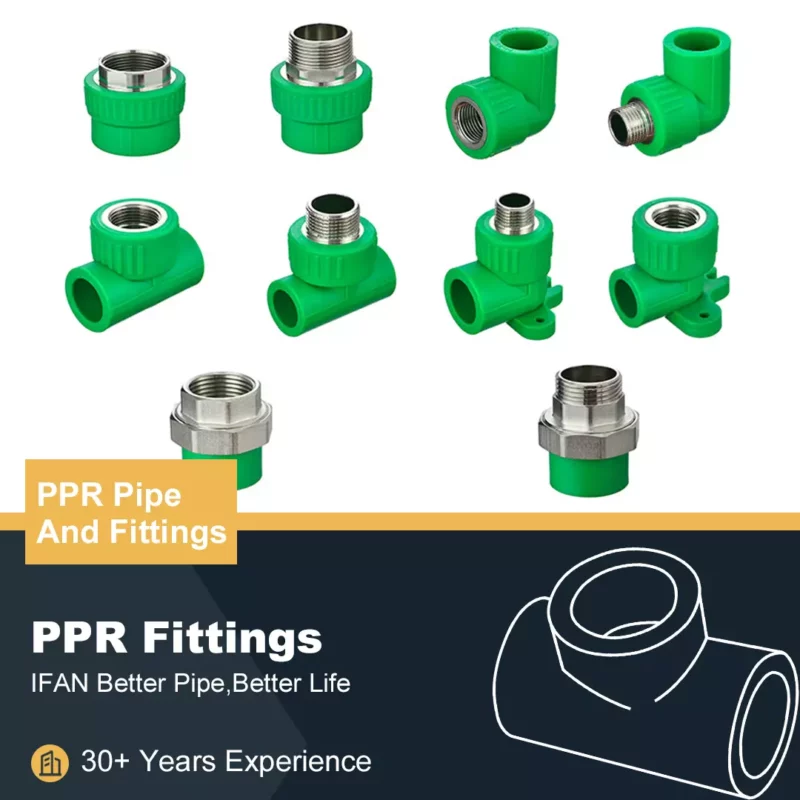
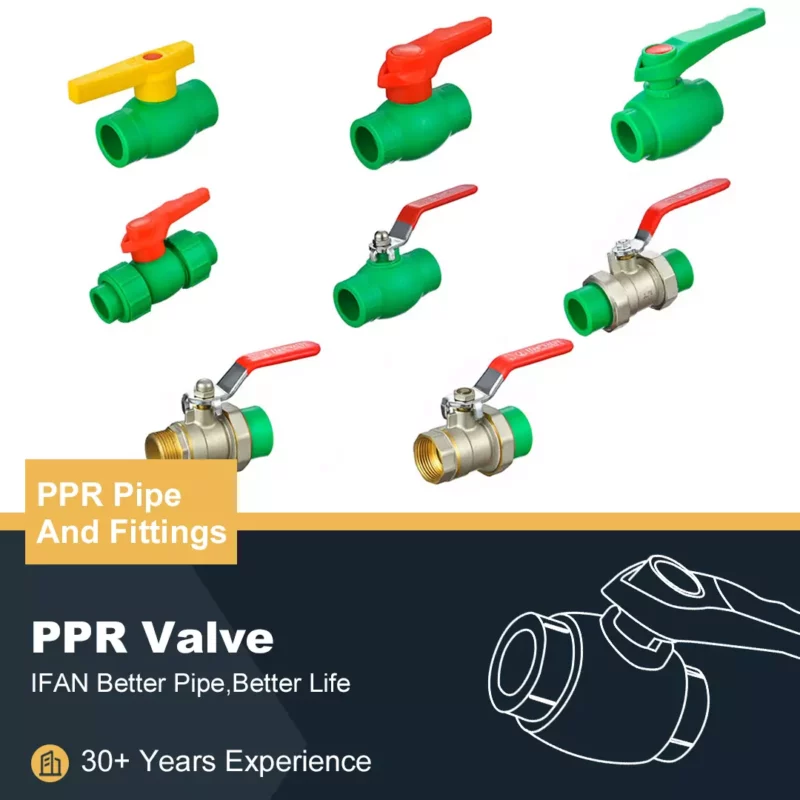
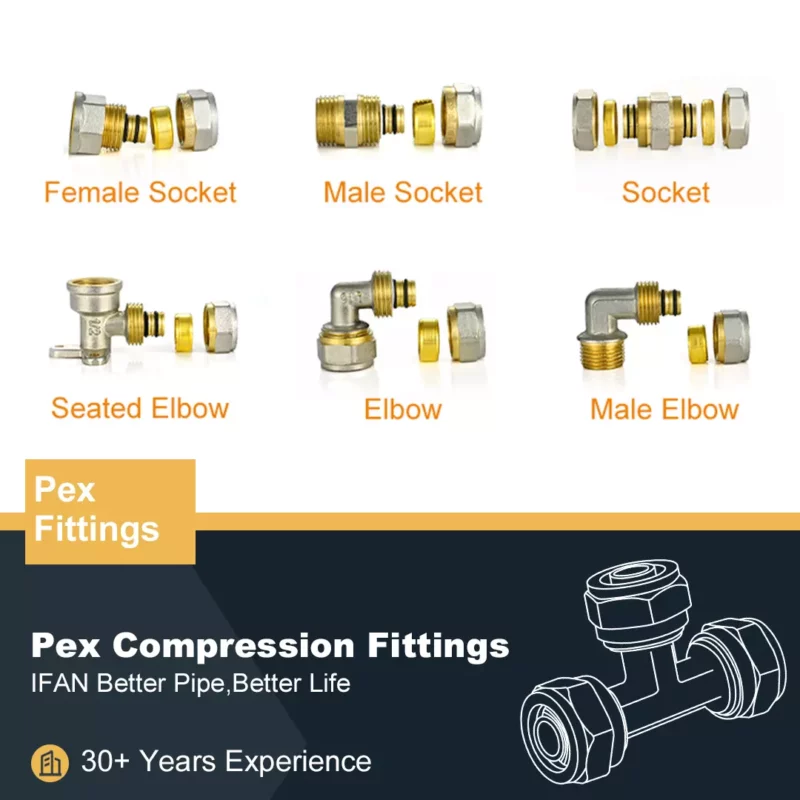
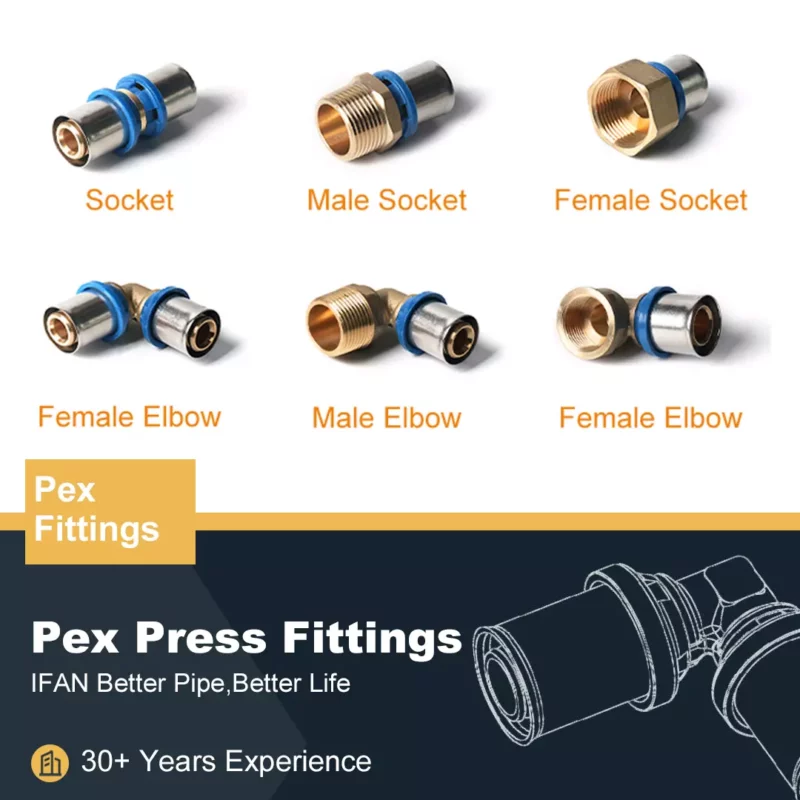
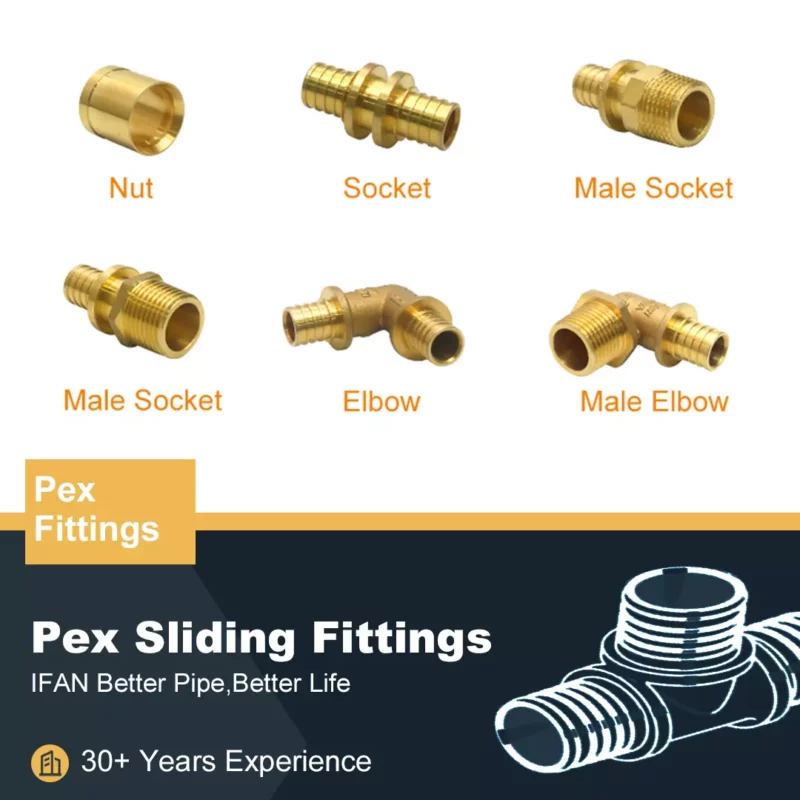
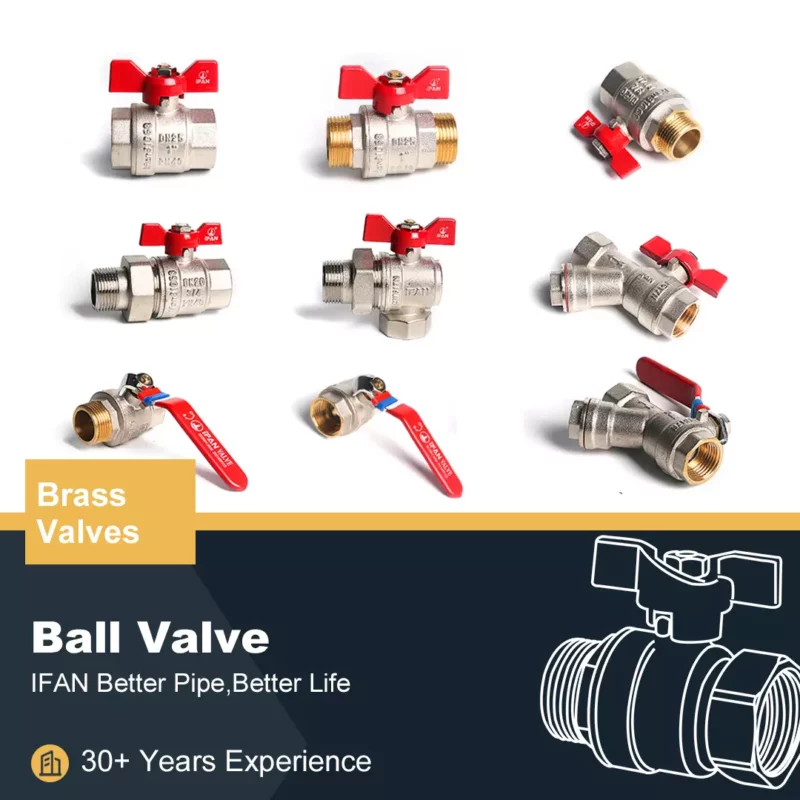
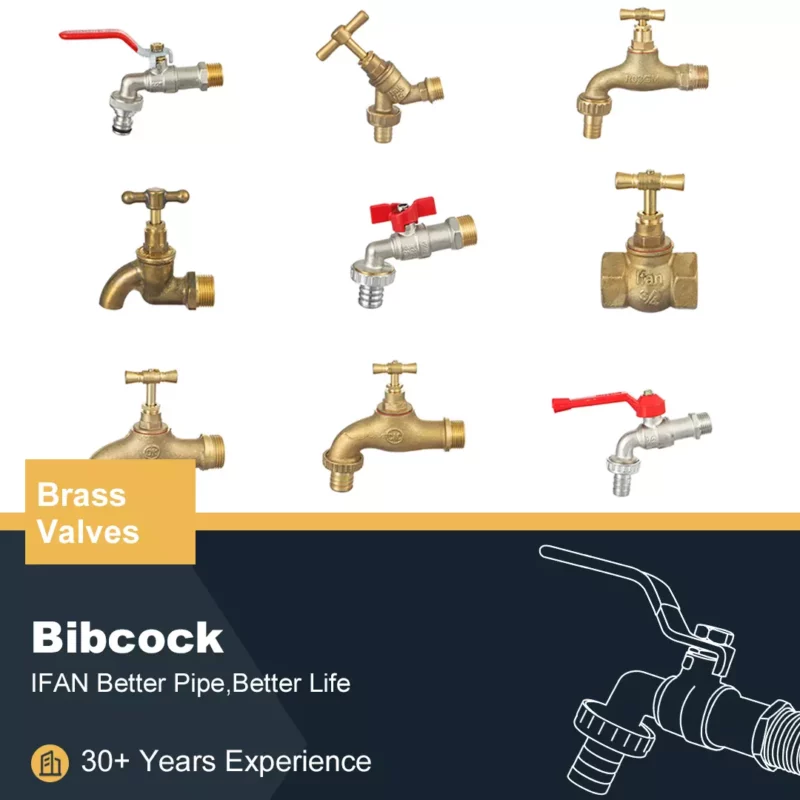
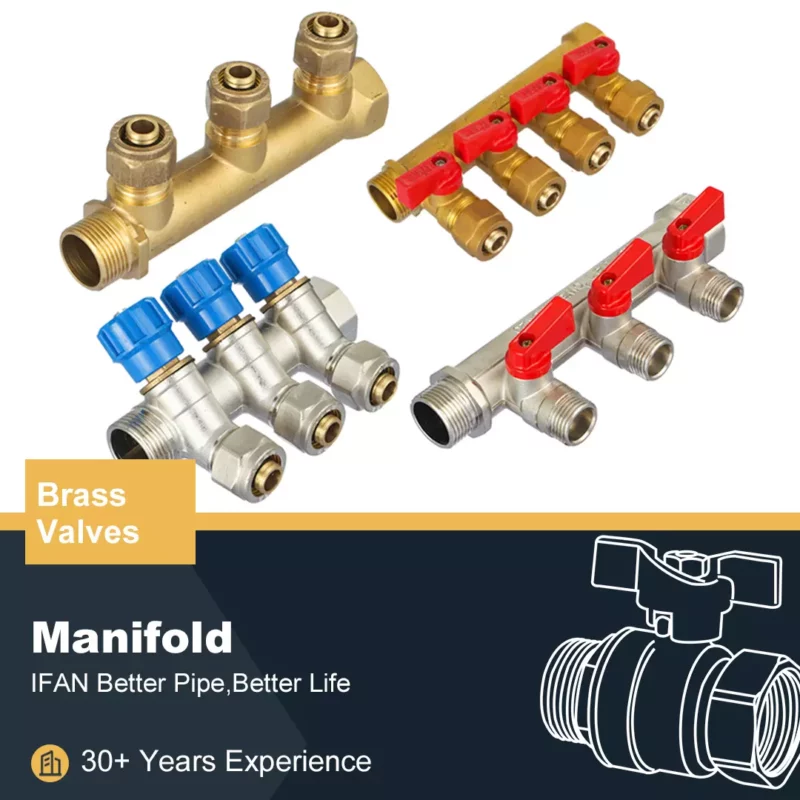
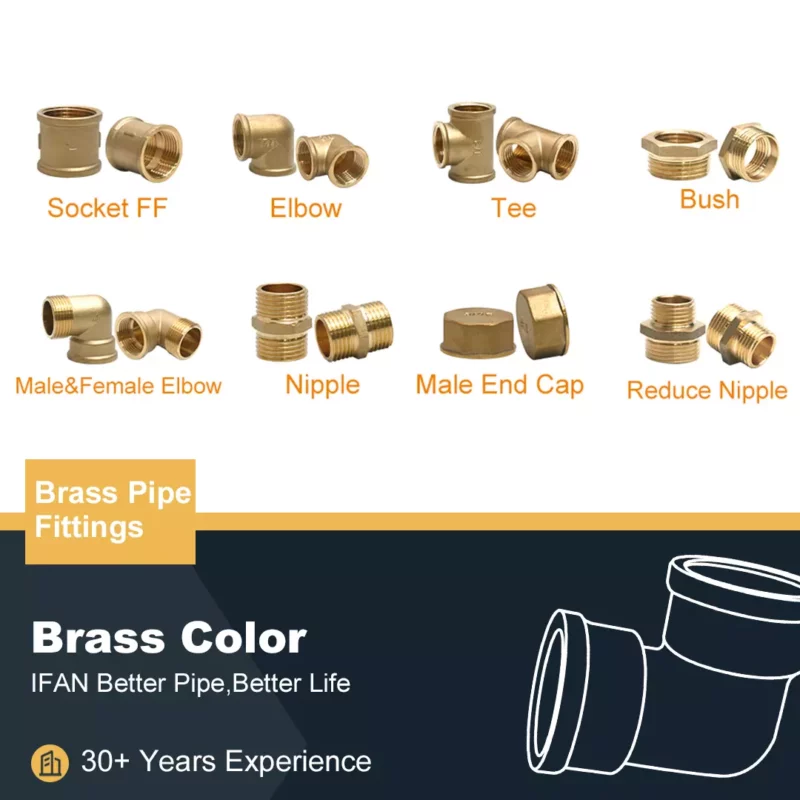
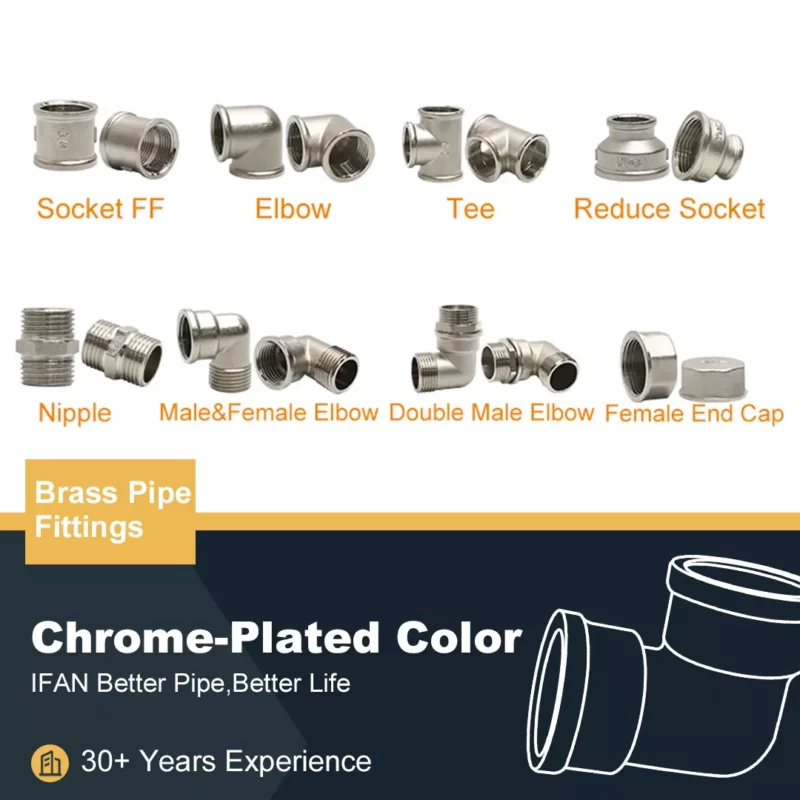
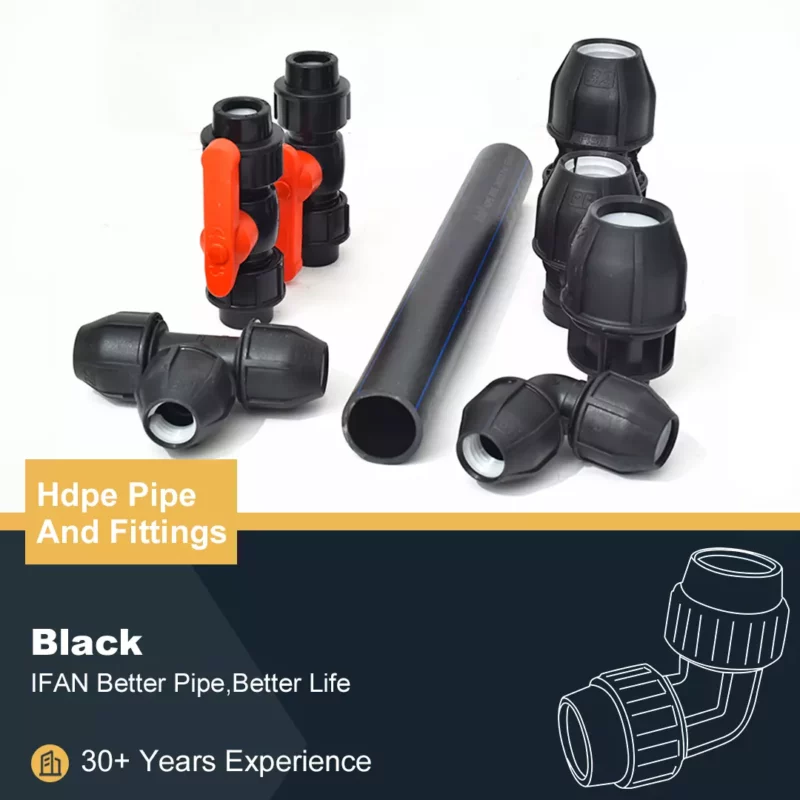
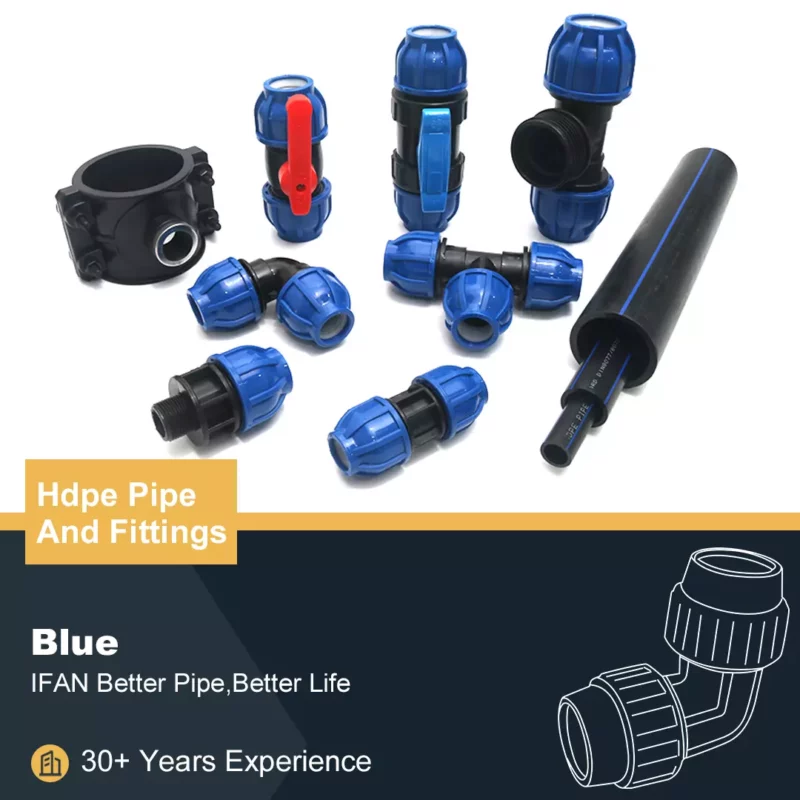
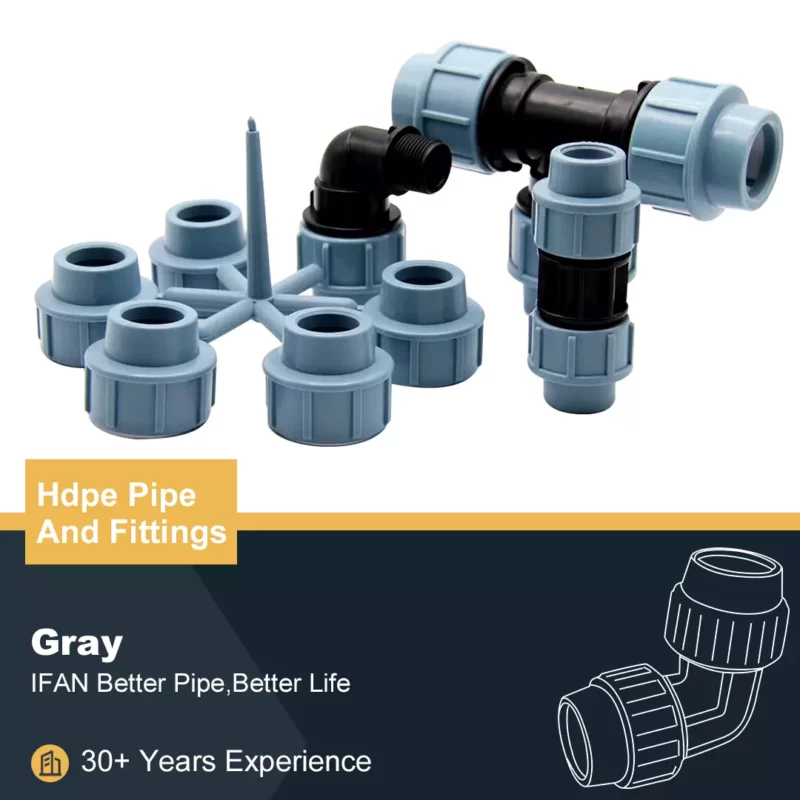
There are several types of CPVC pipe fittings available to meet different plumbing needs. Common types include elbows, tees, couplings, unions, adapters, and valves. Elbows allow the pipe to change direction, typically at 90 or 45 degrees. Tees are used to branch a line into two or more directions. Couplings connect two straight pieces of pipe and come in slip or threaded versions. Unions make it easy to disconnect pipes for repair or maintenance. Adapters connect CPVC pipes to other materials like metal or PEX. Valves control the flow of water and are essential for safety and maintenance. Each fitting is designed for a specific function, ensuring the system works efficiently and reliably.
Installation Process of CPVC Pipe Fittings
Installing CPVC pipe fittings is a straightforward process that requires a few basic tools. First, measure and cut the pipe to the required length using a fine-toothed saw. Then, smooth the cut ends with sandpaper or a deburring tool. Apply CPVC primer to both the fitting and the pipe. Once the primer dries, apply solvent cement to both surfaces. Push the pipe into the fitting with a slight twist and hold it for about 30 seconds. Allow the joint to cure for at least 15 minutes before moving or pressurizing. For hot water systems, a curing time of at least 2 hours is recommended. Following these steps ensures a strong, leak-free connection that will last for decades.
Benefits of Using CPVC Pipe Fittings
CPVC pipe fittings provide many benefits in hot water systems. They are lightweight, making them easy to handle and install. They require fewer support brackets than metal fittings, reducing material costs. CPVC is also chemically resistant, meaning it will not degrade in chlorinated or hard water environments. The smooth interior surface of CPVC fittings prevents sediment buildup, improving water flow and system efficiency. Because they are thermoplastic, CPVC pipe fittings absorb less heat than metal, reducing energy loss. They also reduce the risk of pipe sweating in humid environments. All these features contribute to a longer-lasting, lower-maintenance plumbing system.
Durability and Long-Term Performance
CPVC pipe fittings are known for their strength and longevity. When properly installed, they can last more than Long-term durability according to standards. They resist corrosion, scaling, and chemical attacks better than many metal alternatives. CPVC does not rust or develop pinholes like copper and steel pipes. It also handles pressure changes well, maintaining system integrity during temperature fluctuations. Because of their low maintenance needs, CPVC pipe fittings reduce repair costs over time. They are also UV-resistant when painted or protected, making them suitable for exposed installations. For anyone looking for a long-term plumbing solution, CPVC offers dependable performance and peace of mind.
CPVC Pipe Fittings vs Other Materials
When compared to other materials like copper, PEX, and PVC, CPVC pipe fittings offer several advantages. Unlike copper, CPVC does not corrode or conduct electricity. It is also more affordable and easier to install. Compared to PEX, CPVC handles higher temperatures better and doesn’t expand as much under pressure. While PVC is similar, it is not suitable for hot water due to its lower temperature limit. Steel and iron fittings are strong but prone to rust and heavy to handle. CPVC pipe fittings combine the best of strength, affordability, and thermal resistance. This makes them a top choice for modern plumbing systems.
Safety and Compliance
CPVC pipe fittings are designed with safety in mind. They are certified for use with drinking water and meet global plumbing standards. CPVC does not release harmful chemicals under normal usage. It is also resistant to microbial growth inside the pipe system. This makes it ideal for hospitals, schools, and food-related facilities. During installation, it is important to work in a well-ventilated area due to solvent cement fumes. Wear protective gloves and safety glasses when handling primer and cement. Always follow local plumbing codes and manufacturer instructions to ensure proper installation and compliance. With the right precautions, CPVC systems are safe, clean, and efficient.
Environmental Impact of CPVC Pipe Fittings
CPVC pipe fittings are an environmentally friendly choice in many ways. They last for decades, reducing material waste. Their thermal efficiency helps conserve energy in water heating systems. Unlike metal fittings, CPVC production generates fewer greenhouse gases. CPVC is also recyclable at certain facilities. Its lightweight nature reduces fuel consumption during transport. Because they reduce leaks and water waste, CPVC systems contribute to sustainable water use. Choosing CPVC pipe fittings helps builders and homeowners meet green building standards. While not biodegradable, proper disposal and recycling help minimize environmental impact. For eco-conscious plumbing systems, CPVC is a smart option.
Conclusion
CPVC pipe fittings are a reliable and cost-effective solution for hot water systems. They resist heat, pressure, and corrosion better than many other materials. Their ease of installation and long-term durability make them a favorite among plumbers and contractors. From homes to hospitals, CPVC fittings ensure clean, safe, and efficient water delivery. With a wide range of fitting types, they can support any system design. By choosing CPVC pipe fittings, users gain performance, safety, and peace of mind. For anyone building or upgrading a hot water system, CPVC is a smart, future-ready choice.
If you have read this article and have any questions, please feel free to contact IFAN. Below is our contact information:
Whatsapp:+86 13373827623
Email:[email protected]