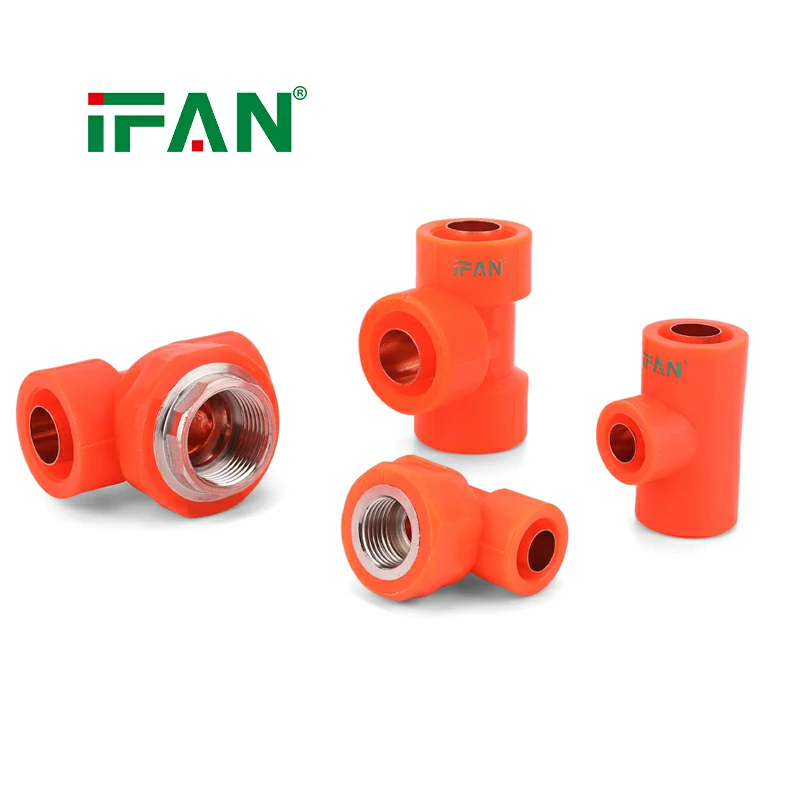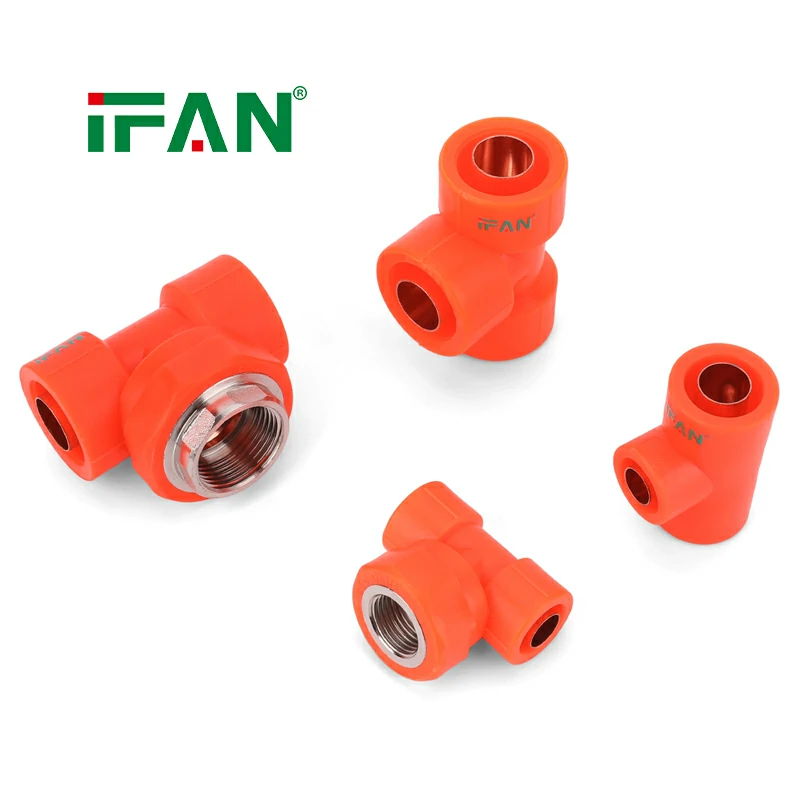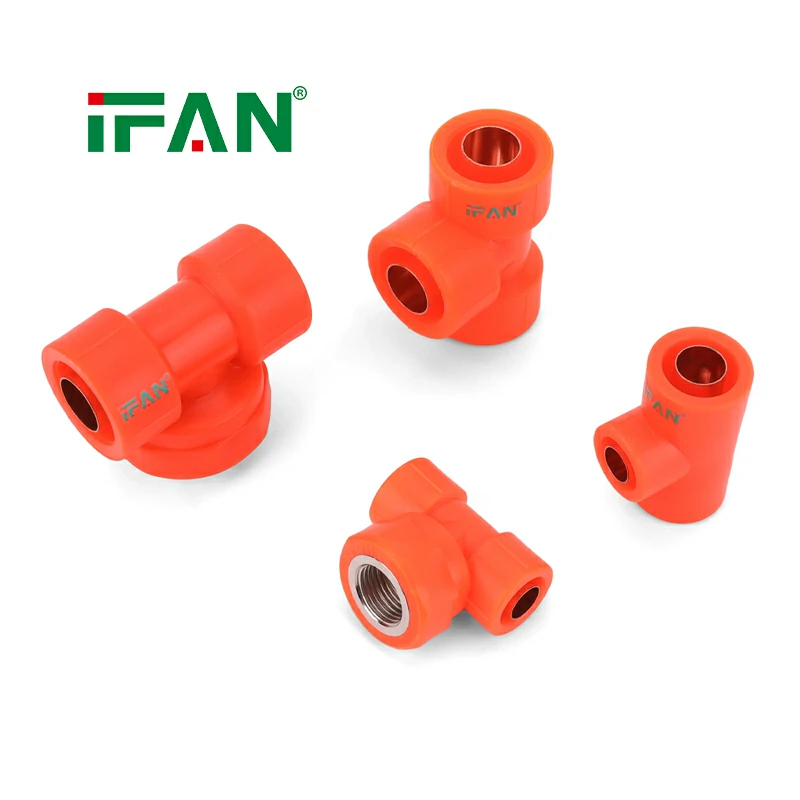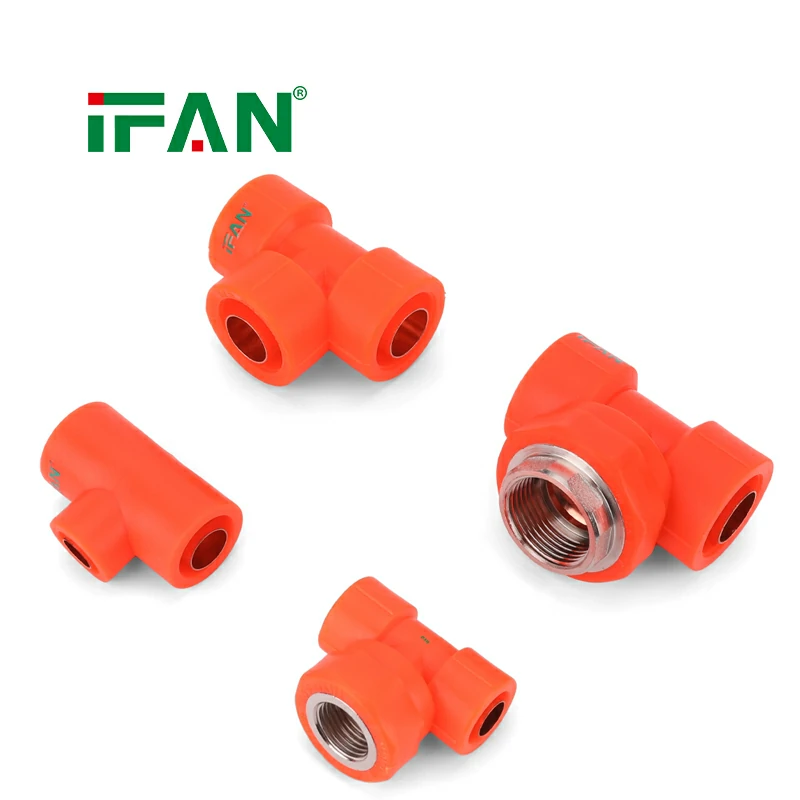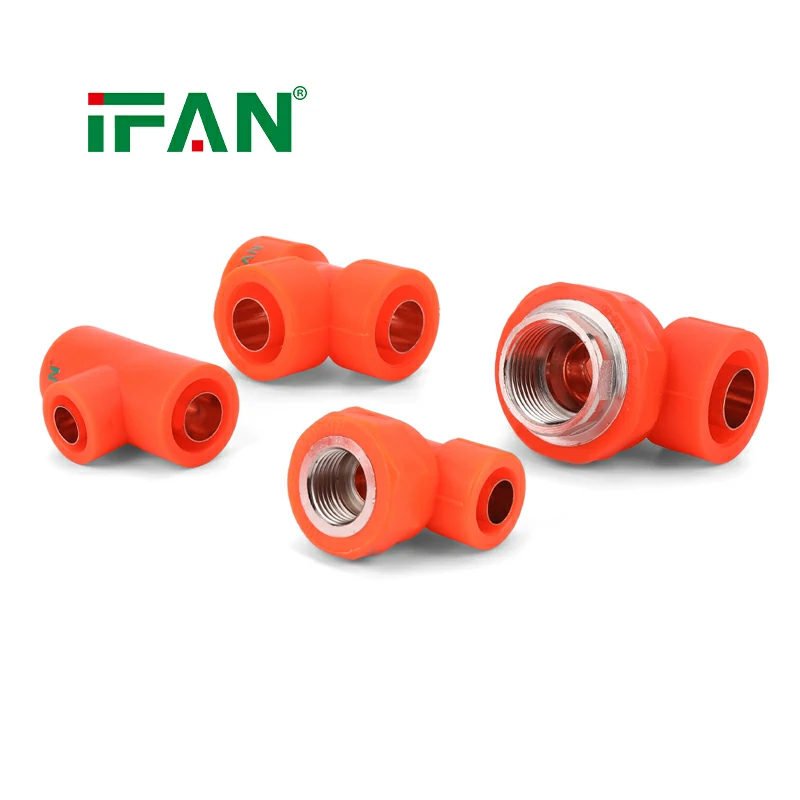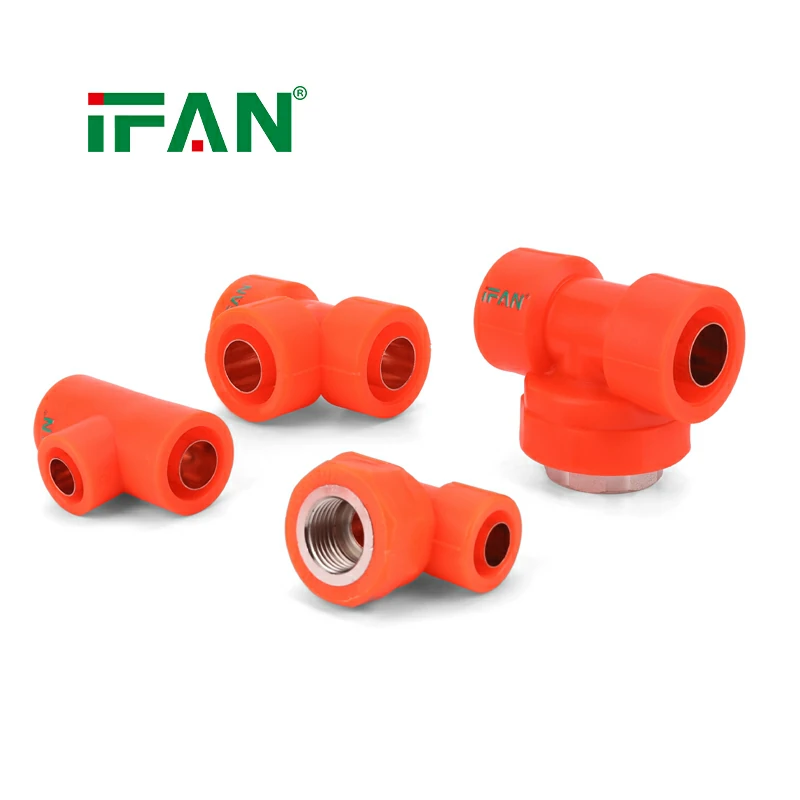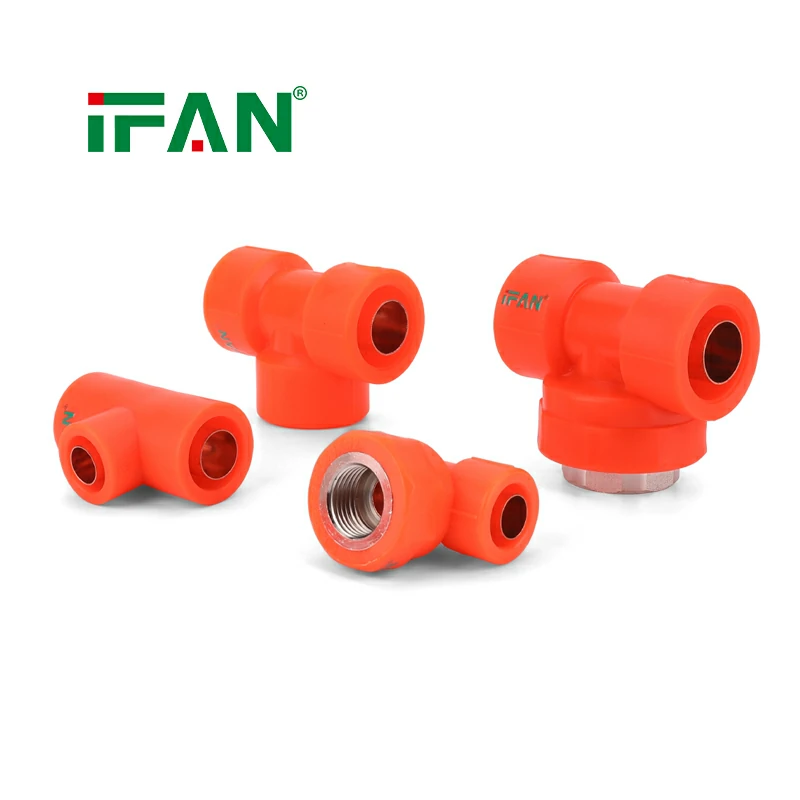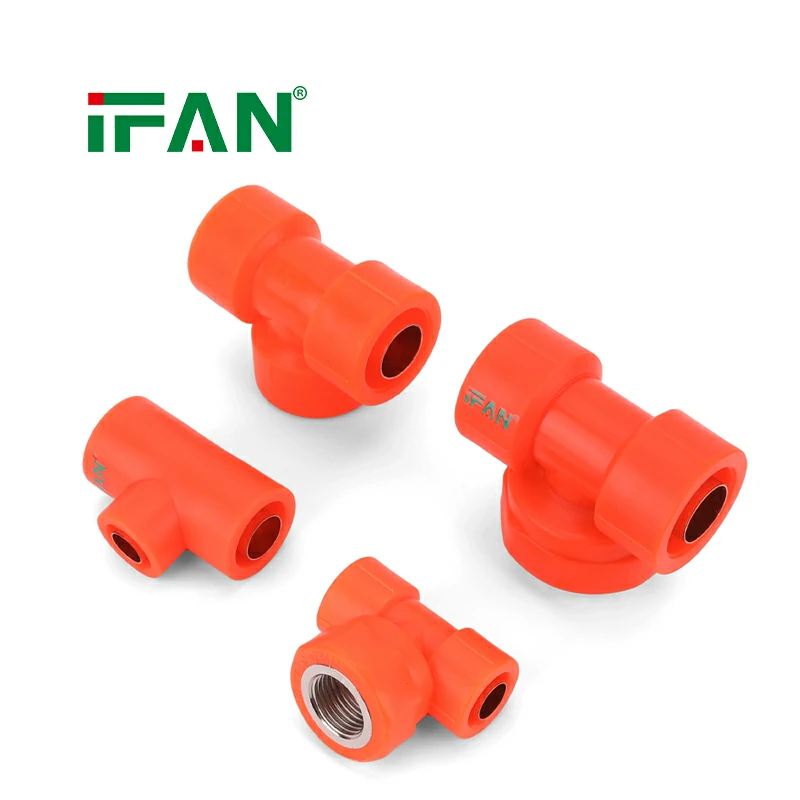
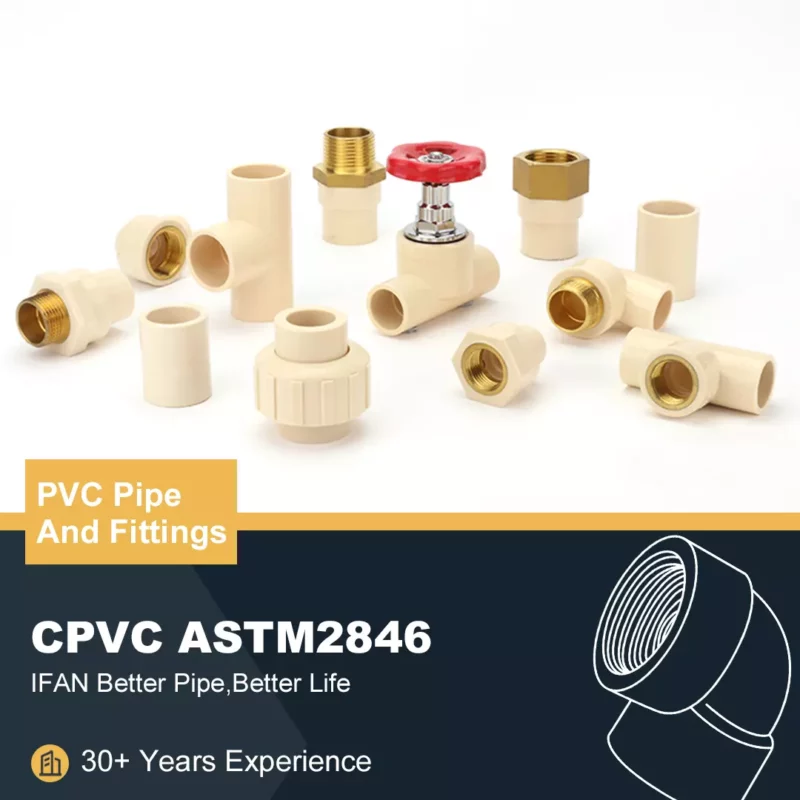
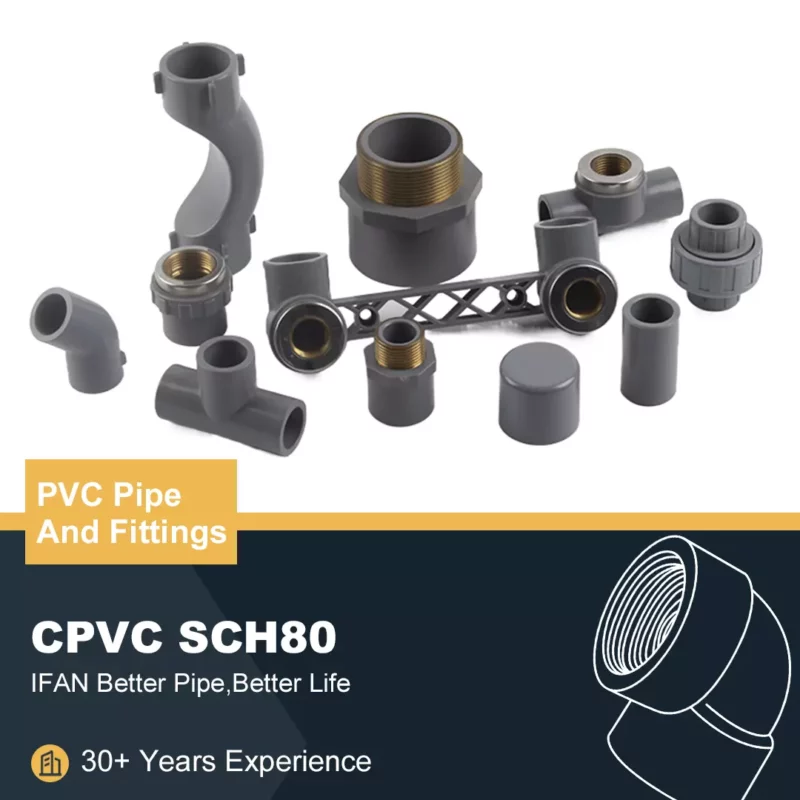
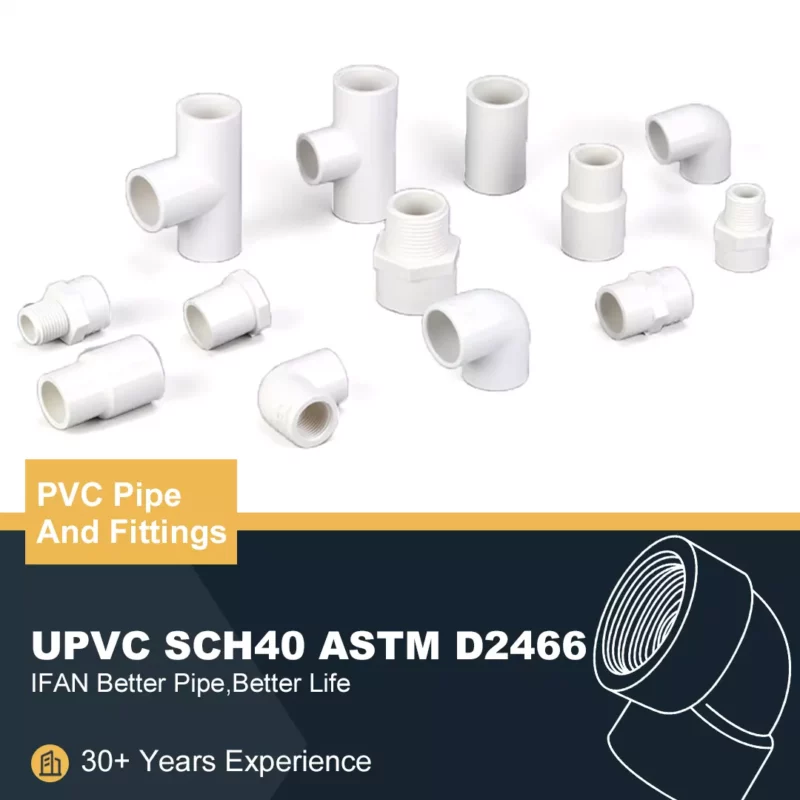
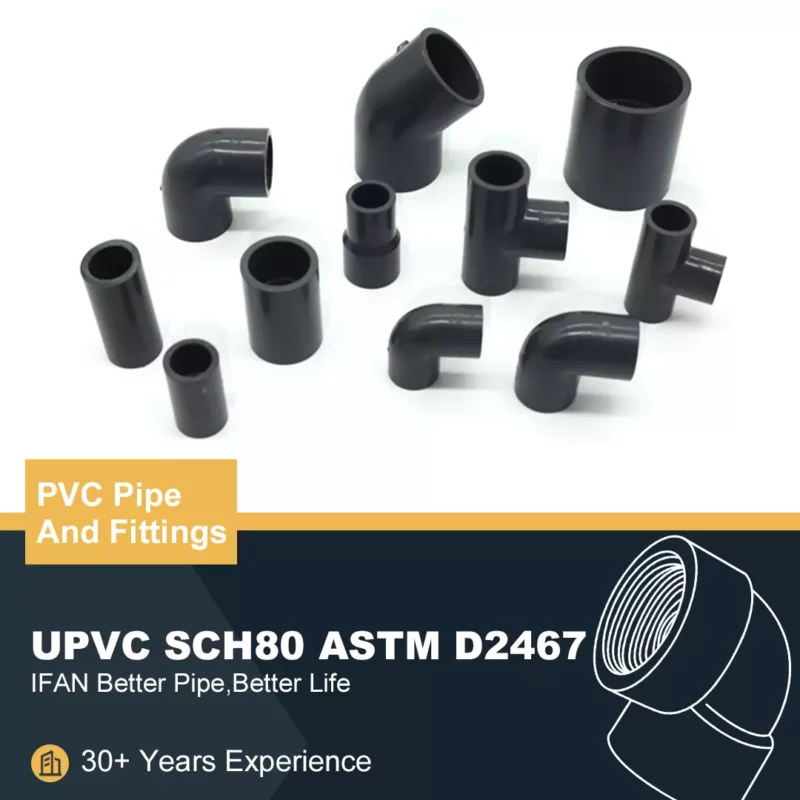
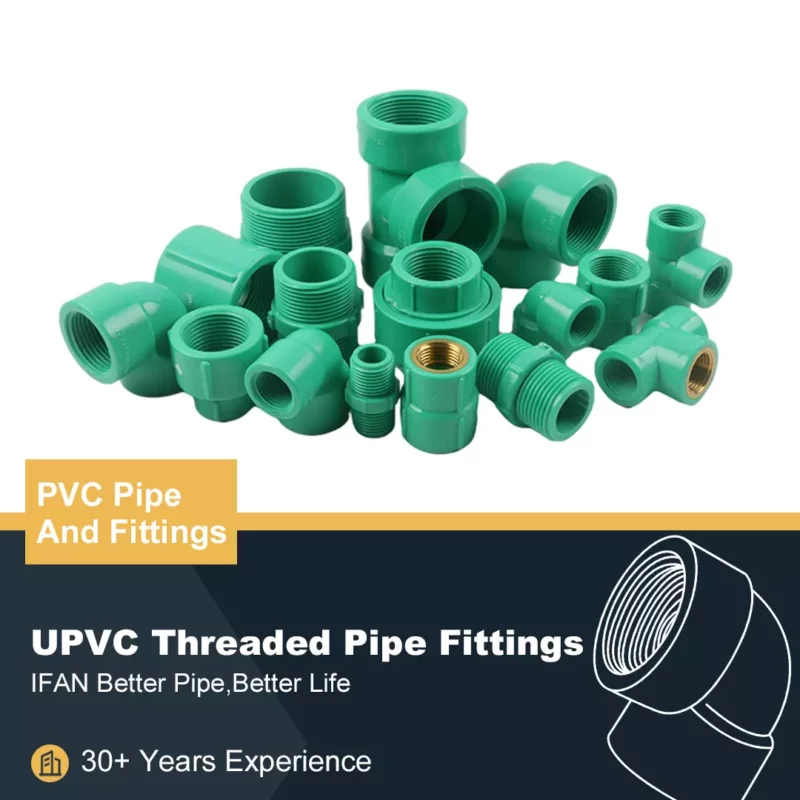
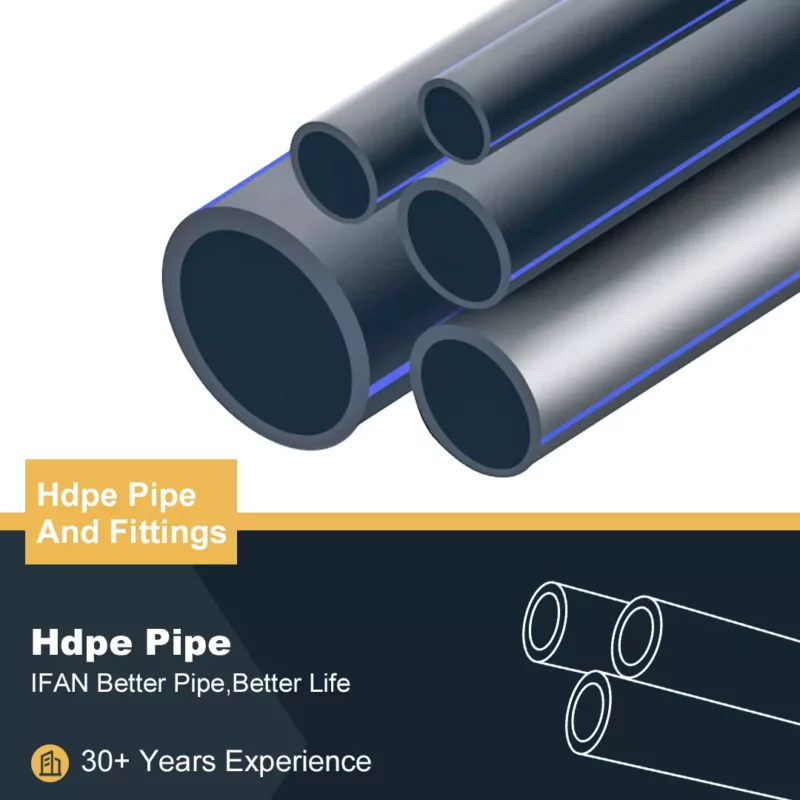
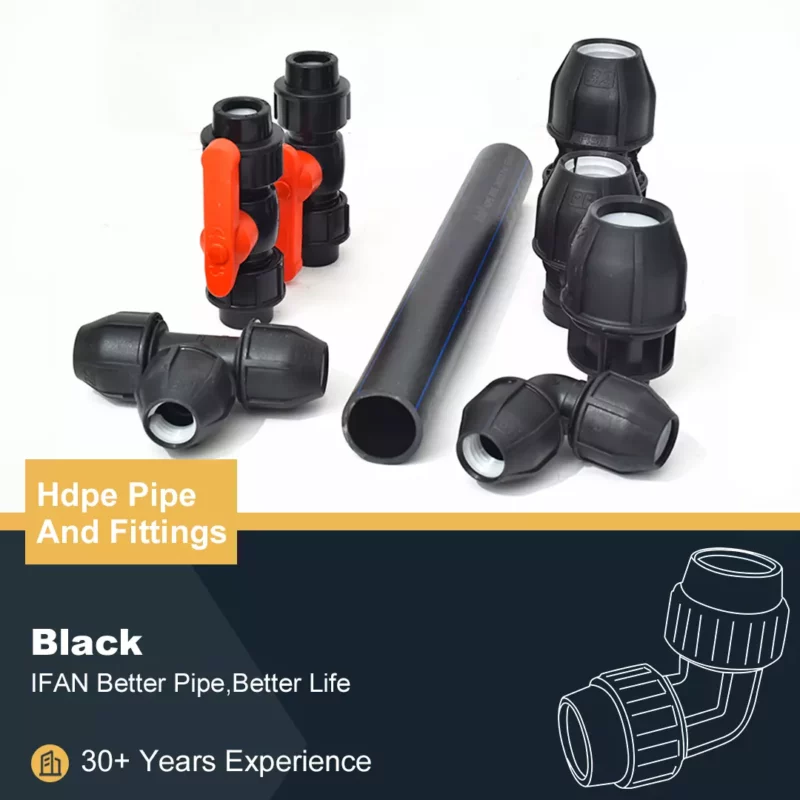
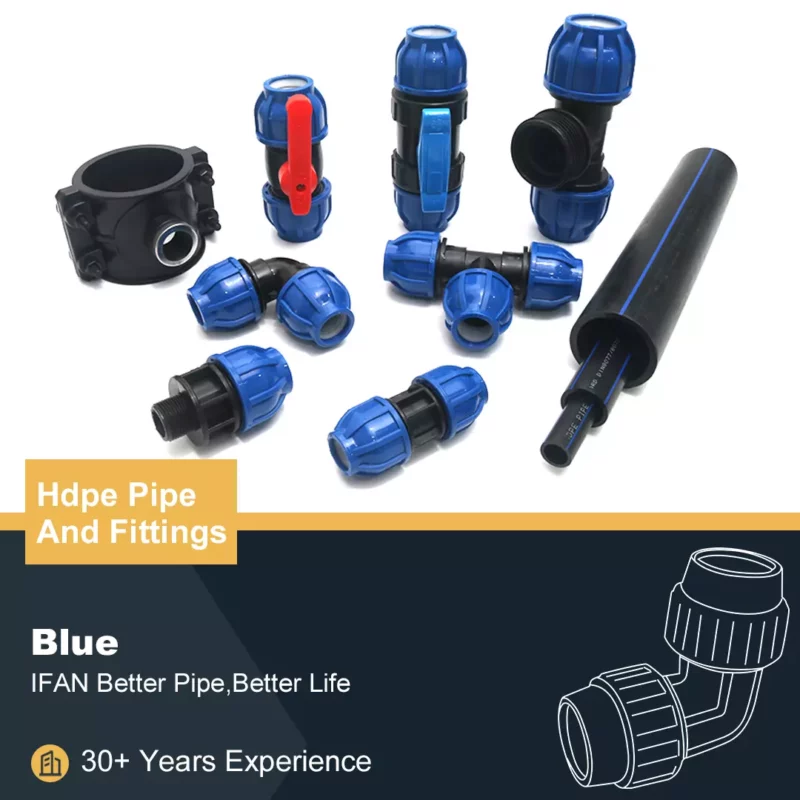
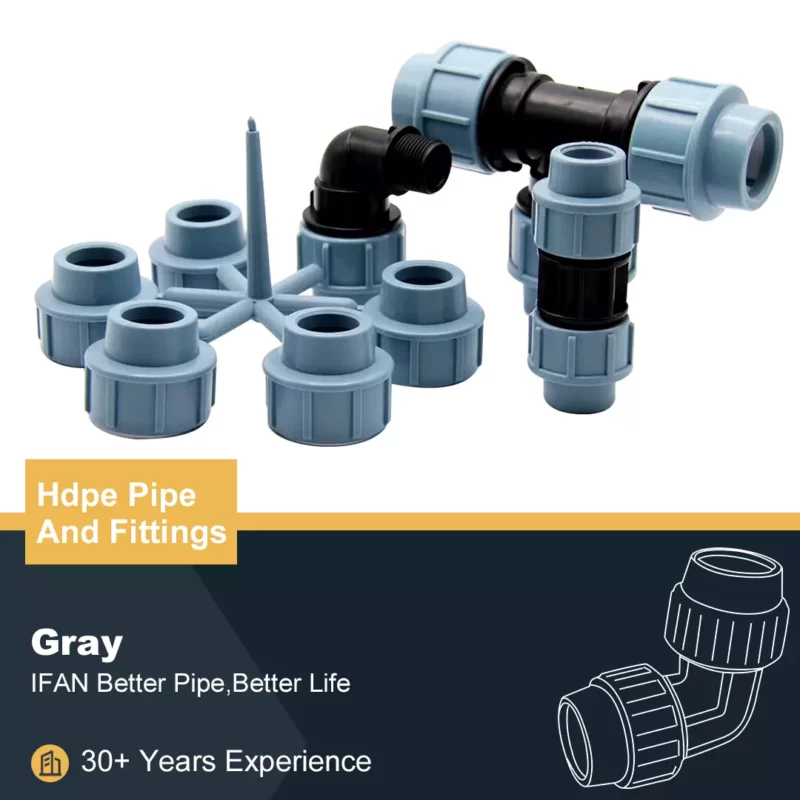



Introduction to CPVC Pipe Fittings
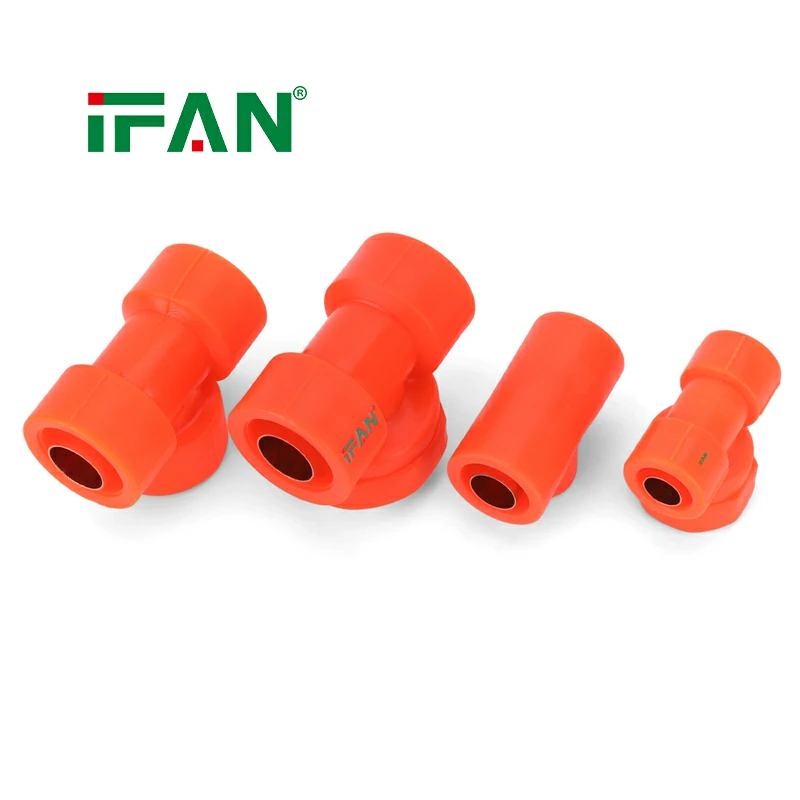
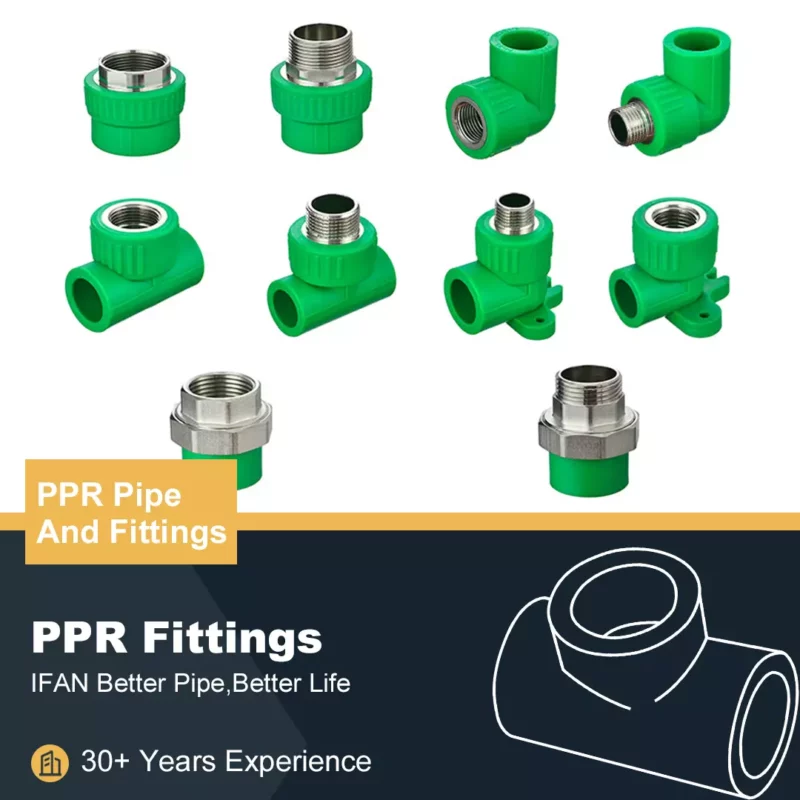
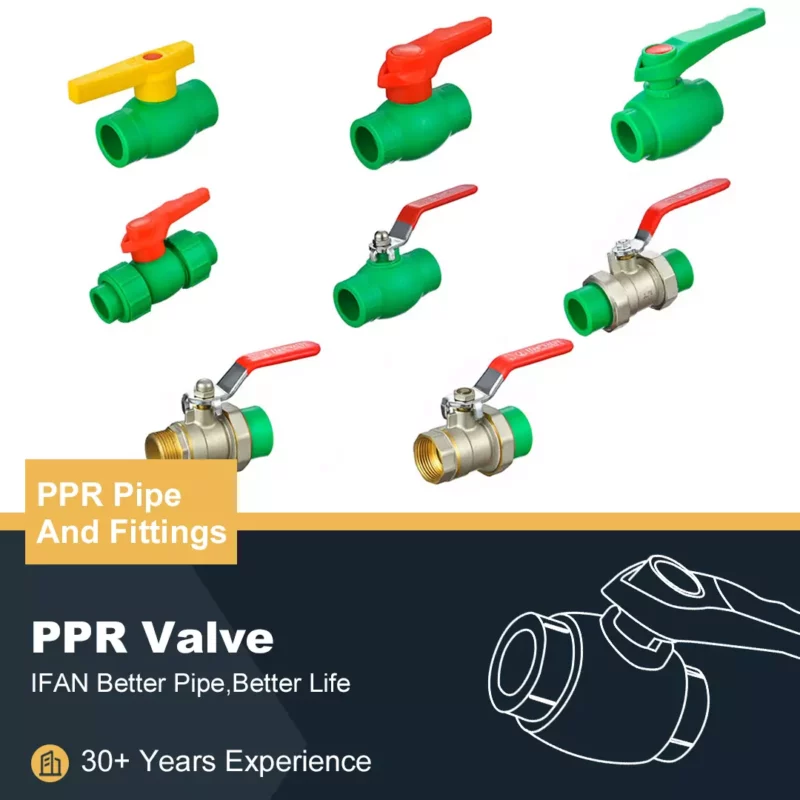
Chlorinated Polyvinyl Chloride (CPVC) is a type of thermoplastic widely used for plumbing and piping applications. CPVC pipe fittings are specifically designed to withstand high-temperature fluids, making them ideal for a variety of industrial, commercial, and residential applications. These fittings are commonly used in systems that carry hot water, chemical solutions, and other heated fluids. Unlike traditional PVC, CPVC is modified with chlorine, which enhances its ability to handle higher temperatures and offers superior resistance to heat. This article explores the benefits and features of CPVC pipe fittings and their resistance to high-temperature fluids.
What Makes CPVC Resistant to High Temperatures?
CPVC pipe fittings are engineered to resist temperatures up to 200°F (93°C), significantly higher than standard PVC, which can only handle temperatures around 140°F (60°C). The chlorine content in CPVC enhances its thermal stability, making it more suitable for hot water lines, industrial applications, and heating systems. CPVC’s molecular structure is also more robust compared to PVC, which helps it maintain its integrity and prevent degradation at higher temperatures. This resistance is crucial for systems where hot fluids must flow continuously without compromising the piping material.
Applications of CPVC Pipe Fittings in High-Temperature Systems
CPVC pipe fittings are extensively used in various high-temperature fluid applications. One of the most common uses is in hot water distribution systems in both residential and commercial buildings. They are also used in industrial processes where high-temperature fluids need to be transported, such as in chemical plants or food processing facilities. CPVC is an excellent choice for systems carrying fluids like hot water, steam, and even some aggressive chemicals that are used at elevated temperatures. Its ability to withstand high temperatures without degrading makes it a preferred material for such applications.
Benefits of CPVC for Hot Water Systems
CPVC pipe fittings provide several advantages when used in hot water systems. First, their ability to handle higher temperatures without compromising strength ensures the system operates efficiently and safely. CPVC also resists scaling and corrosion, which are common issues in metal pipes exposed to hot water over time. This resistance to wear and tear prolongs the lifespan of the system and reduces maintenance costs. Moreover, CPVC’s non-corrosive nature ensures that it will not leach harmful substances into the water, maintaining the quality and safety of the water supply.
Improved Durability in Harsh Environments
The durability of CPVC pipe fittings in high-temperature environments is another reason they are widely used in industrial settings. In industries where chemicals and hot fluids are often transferred through pipes, CPVC provides a reliable solution. The material’s resistance to high temperatures, combined with its resistance to a wide range of chemicals, makes it an ideal choice for systems that deal with corrosive substances at elevated temperatures. Unlike metal pipes, CPVC does not rust or corrode, ensuring that it performs reliably in challenging environments.
Cost-Effectiveness of CPVC Pipe Fittings
While CPVC may have a higher upfront cost compared to some other materials, its long-term cost-effectiveness is undeniable. CPVC’s resistance to heat means it does not need frequent replacement, as is often the case with metal pipes that corrode or deteriorate when exposed to high temperatures. Additionally, CPVC’s easy installation process further contributes to its cost-effectiveness. It is lightweight, reducing shipping costs, and its flexibility allows for quick and easy installation without specialized tools. The savings in labor and maintenance costs make CPVC a cost-effective choice for both residential and industrial applications.
Compatibility with Other Plumbing Materials
CPVC pipe fittings are compatible with a variety of other materials commonly used in plumbing systems, such as copper and PVC. This makes them ideal for retrofitting older systems or combining with other pipe types in modern plumbing projects. CPVC fittings often come with specialized adapters and connectors that allow them to be joined seamlessly with different pipe materials. This versatility ensures that CPVC can be used in various applications without the need for complete system overhauls.
Resistance to Chemical Exposure
In addition to resisting high temperatures, CPVC is highly resistant to a range of chemicals, including acids, alkalis, and salts. This resistance is particularly important in industrial settings where pipes are exposed to aggressive chemicals. CPVC’s ability to withstand chemical exposure without deteriorating is one of the key reasons it is used in chemical processing plants, pharmaceutical facilities, and other industries that handle corrosive substances. The ability of CPVC fittings to maintain their integrity under both high temperature and chemical stress makes them ideal for these demanding environments.
CPVC vs. Other Materials: Why Choose CPVC?
Compared to other materials like metal or standard PVC, CPVC offers several unique advantages. Metal pipes, such as copper or steel, are prone to corrosion and scale build-up when exposed to hot water or chemicals over time. Additionally, metals can lose their strength at higher temperatures, leading to leaks or pipe failures. Standard PVC is not suitable for high-temperature systems, as it can deform or crack when exposed to heat. CPVC, however, provides the perfect balance of heat resistance, durability, and chemical stability, making it a superior option for hot water and high-temperature fluid systems.
Environmental Benefits of CPVC Pipe Fittings
CPVC pipe fittings are also considered environmentally friendly. The material is recyclable, and its long service life reduces the need for frequent replacements. Moreover, CPVC does not leach harmful chemicals into the environment, ensuring that it remains safe for both human and environmental health. The production process of CPVC is energy-efficient, and the material’s low maintenance requirements contribute to a lower environmental footprint over time. Choosing CPVC for plumbing systems not only provides high performance but also supports sustainable practices in construction and industrial projects.
Ease of Installation and Maintenance
CPVC pipe fittings are easy to install, which reduces labor costs and the likelihood of errors during installation. Unlike metal pipes that require welding or soldering, CPVC fittings are connected using solvent cement, making the process faster and safer. The lightweight nature of CPVC makes handling and transportation easier, reducing the overall effort involved in the installation. Furthermore, CPVC requires minimal maintenance throughout its lifespan. As it does not corrode or accumulate scale, there is less need for routine cleaning or repairs, making it a low-maintenance option for both residential and industrial systems.
Conclusion: Why CPVC Pipe Fittings Are the Ideal Choice for High-Temperature Fluids
CPVC pipe fittings offer a range of benefits that make them ideal for systems carrying high-temperature fluids. Their ability to resist heat, chemicals, and corrosion ensures long-lasting and reliable performance. CPVC is a cost-effective, durable, and environmentally friendly solution for residential, commercial, and industrial applications. Whether for hot water distribution systems or chemical processing plants, CPVC fittings provide the strength and stability needed to ensure a safe and efficient piping system. With their easy installation and minimal maintenance, CPVC pipe fittings are the go-to choice for high-temperature fluid systems.
If you have read this article and have any questions, please feel free to contact IFAN. Below is our contact information:
Whatsapp:+86 13373827623
Email:[email protected]