

Introduction to UPVC Pipe Fittings
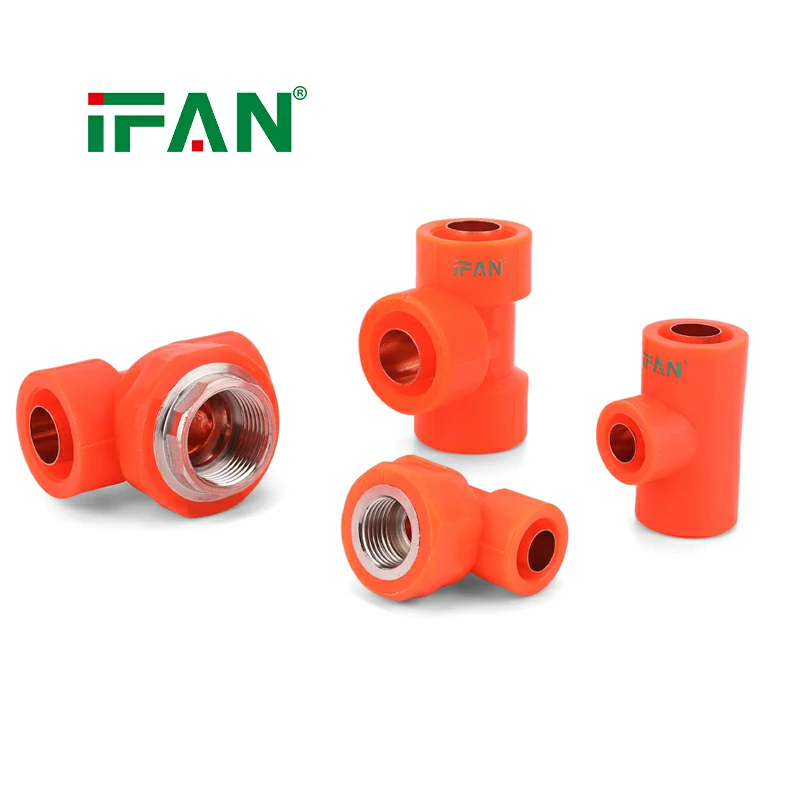
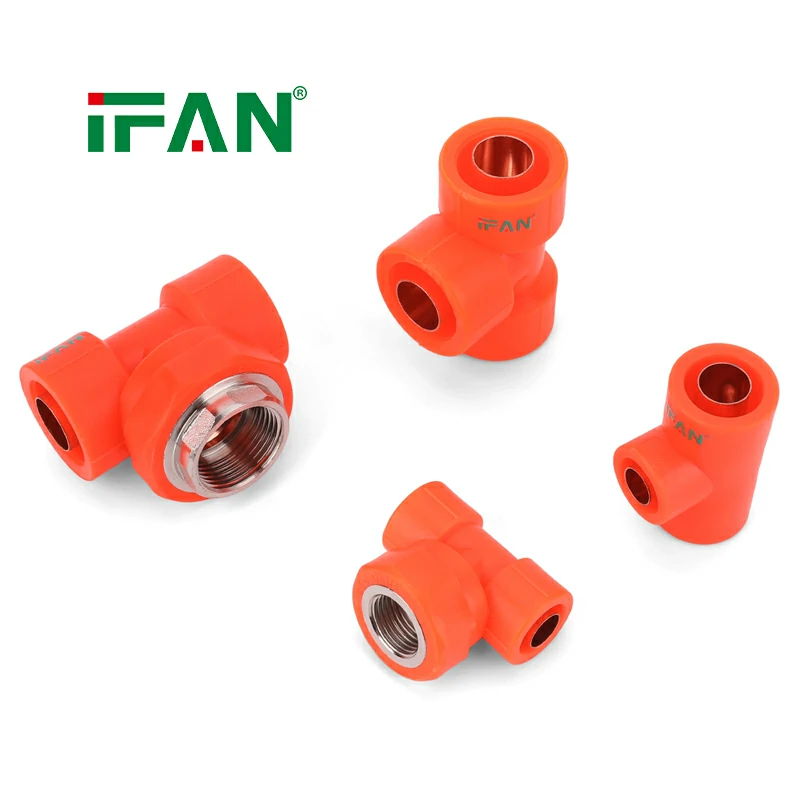
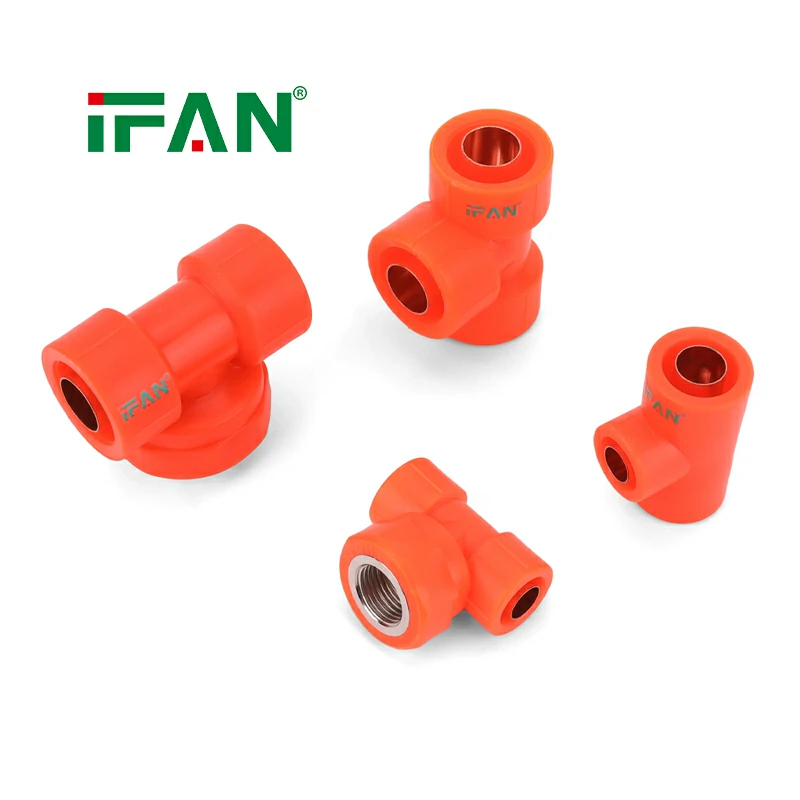
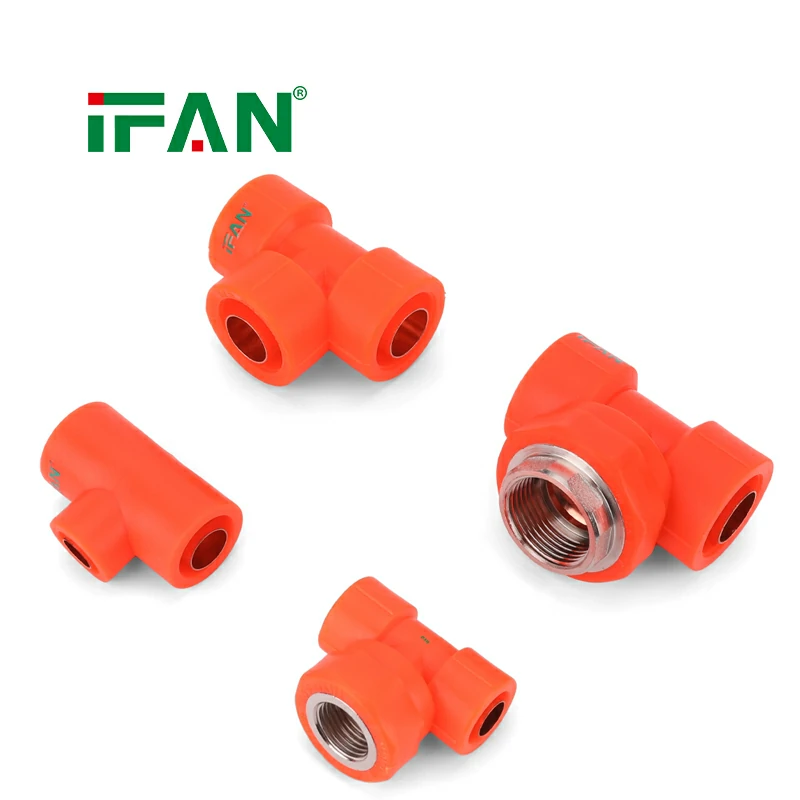
UPVC (Unplasticized Polyvinyl Chloride) pipe fittings are widely used in plumbing systems for their reliability, durability, and ease of installation. These fittings are essential for connecting various pipes in water supply and drainage systems. Unlike other materials, UPVC is lightweight, cost-effective, and resistant to corrosion, making it a popular choice for both residential and commercial plumbing projects. The simplicity of installation, combined with long-lasting performance, makes UPVC pipe fittings an excellent solution for a variety of applications.
Advantages of UPVC Pipe Fittings
One of the key advantages of UPVC pipe fittings is their ease of installation. Since UPVC is lightweight, handling and positioning pipes and fittings is straightforward. Additionally, UPVC is resistant to corrosion, meaning the fittings will maintain their integrity over time. The material also does not require welding, which can be time-consuming and complicated with other types of pipes. This makes UPVC an ideal choice for both novice and professional plumbers. Furthermore, UPVC is a non-toxic material, ensuring the safety of water transported through the system.
Types of UPVC Pipe Fittings
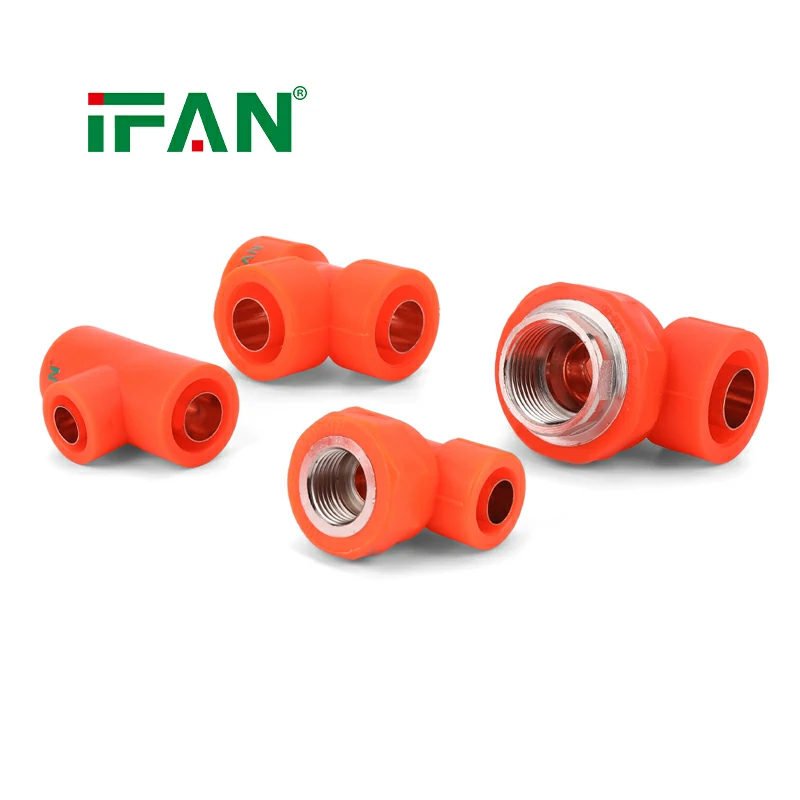
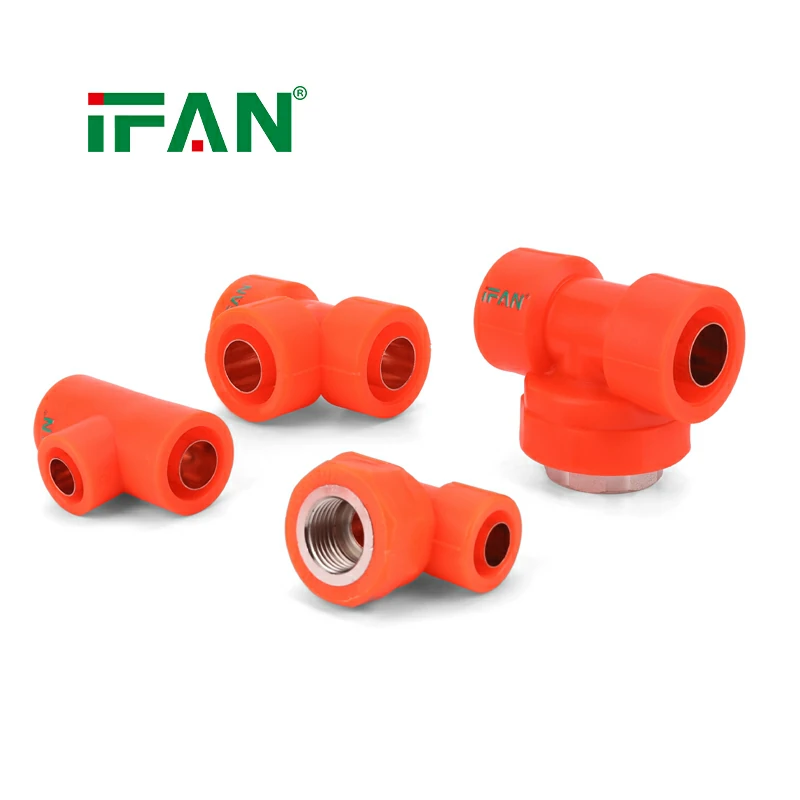
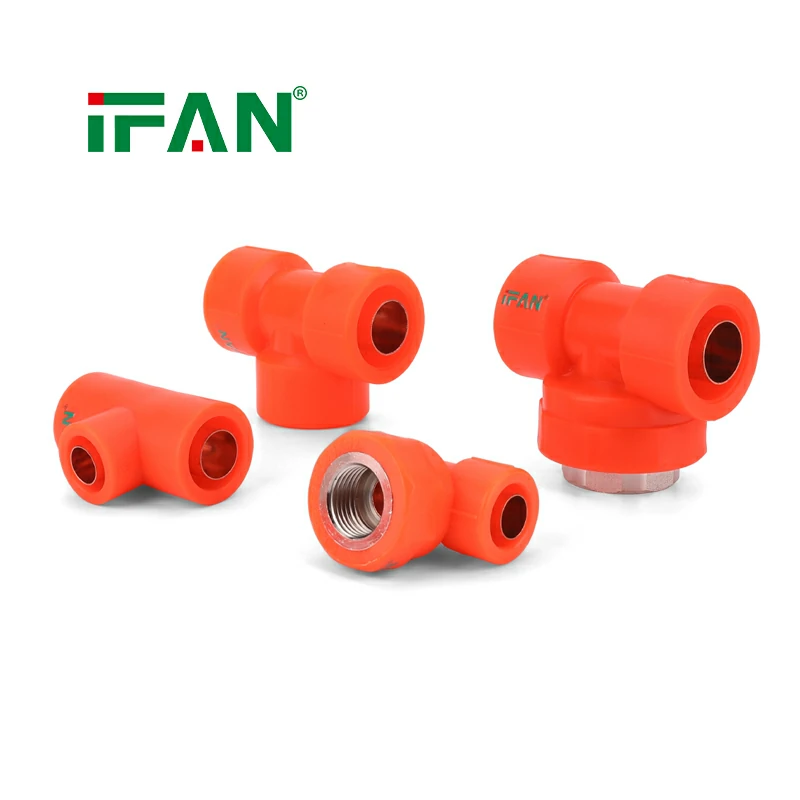
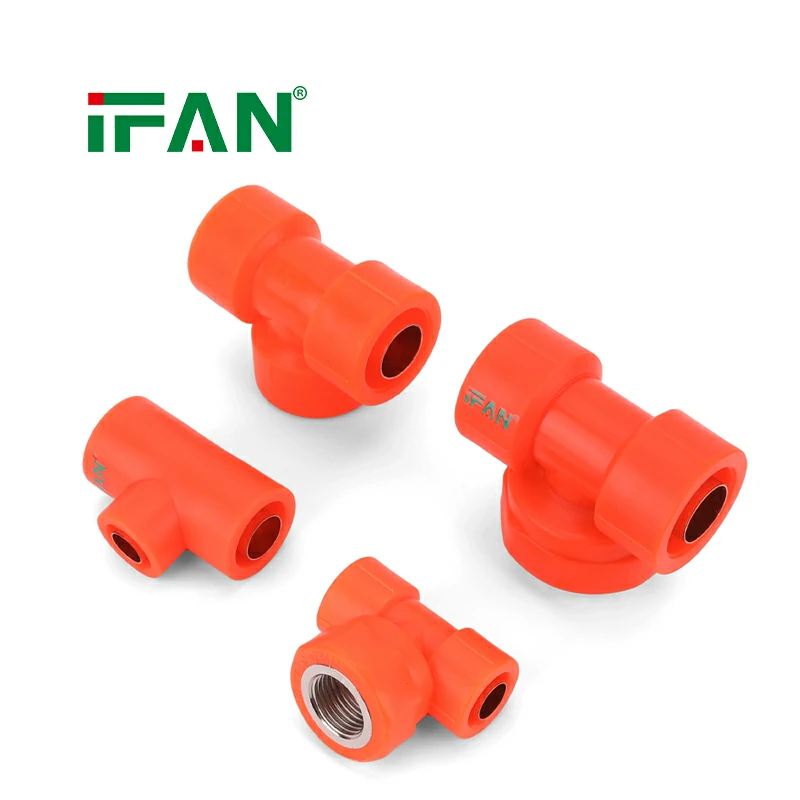
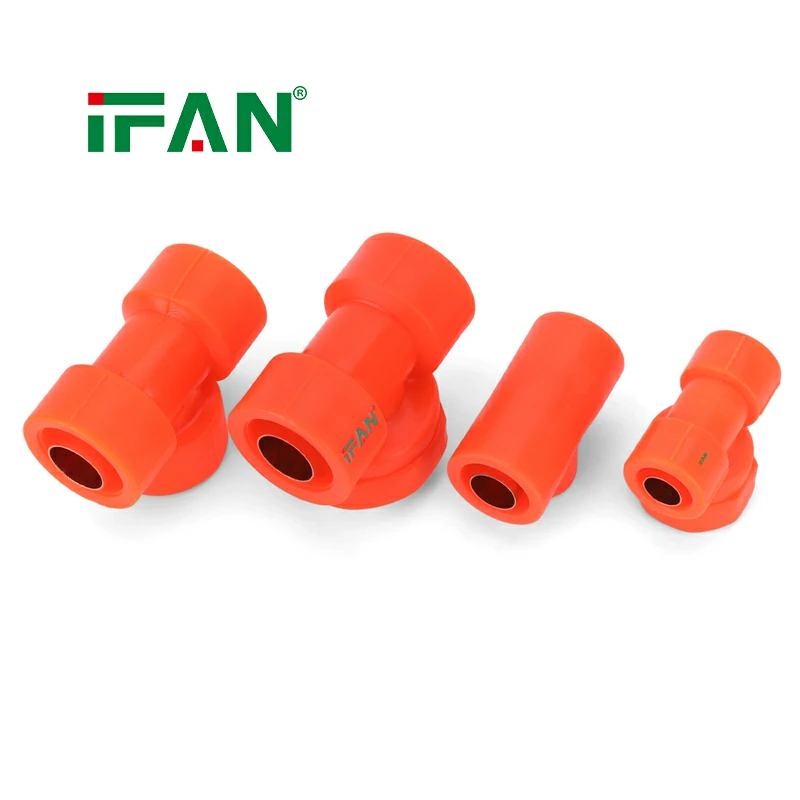
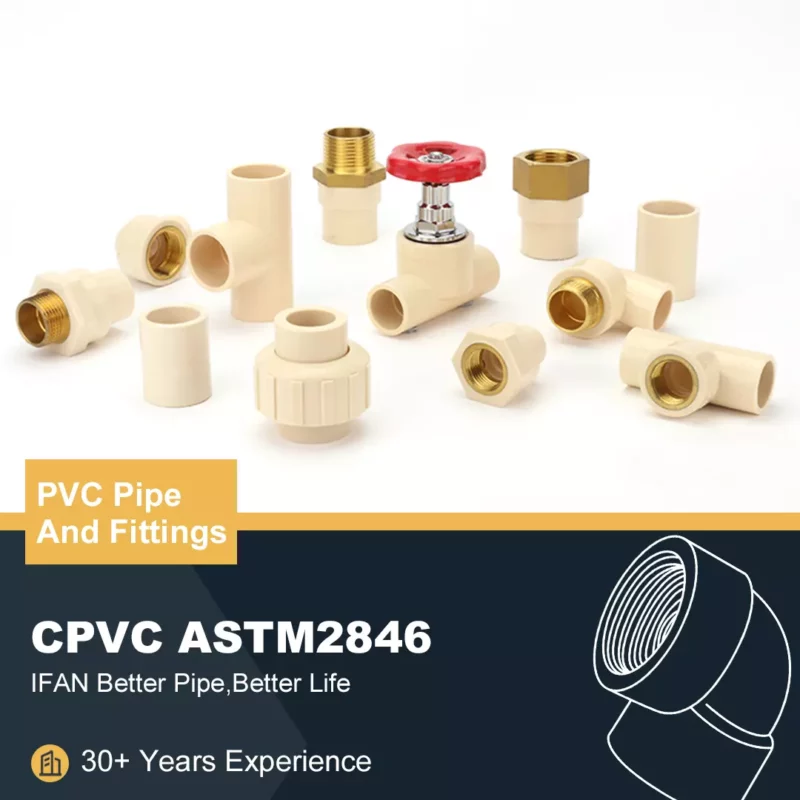
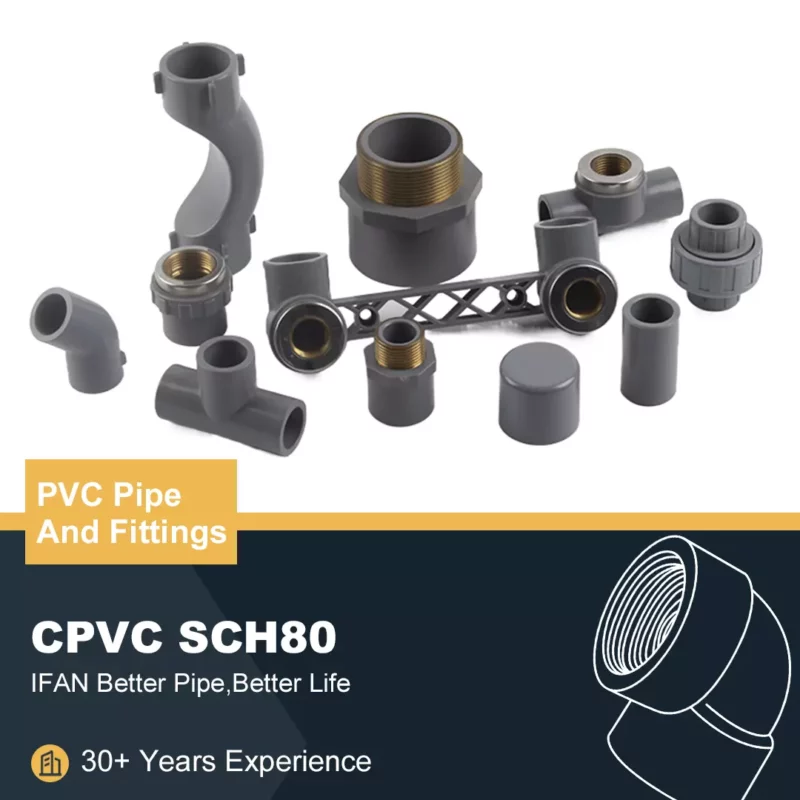
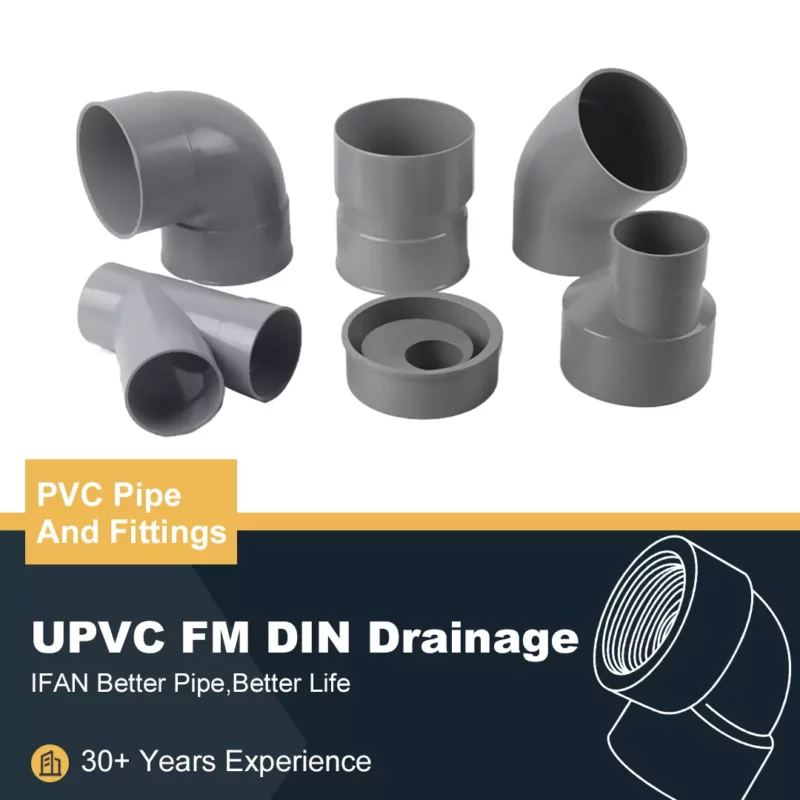
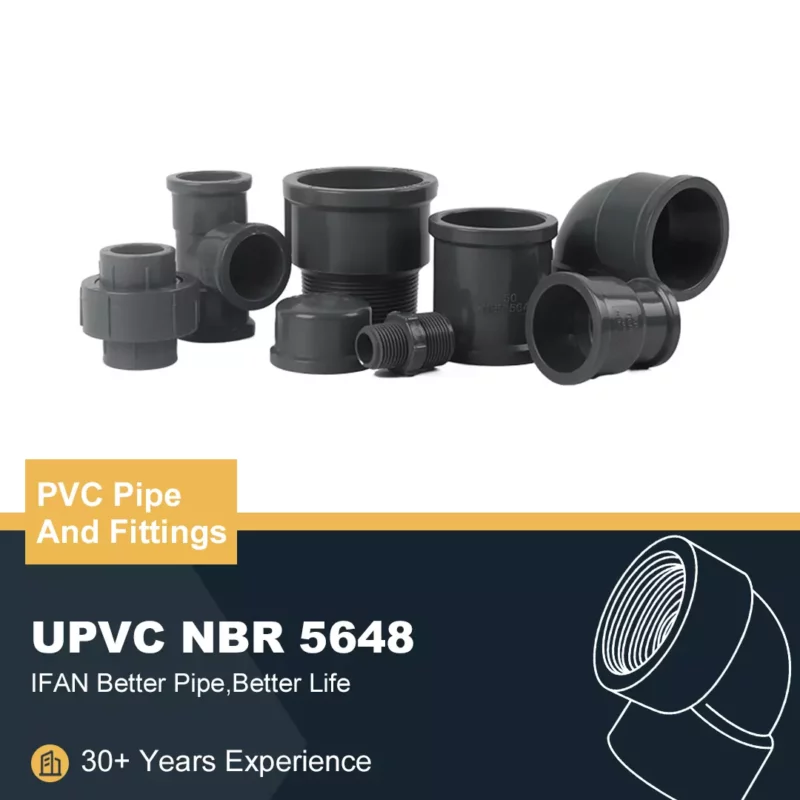
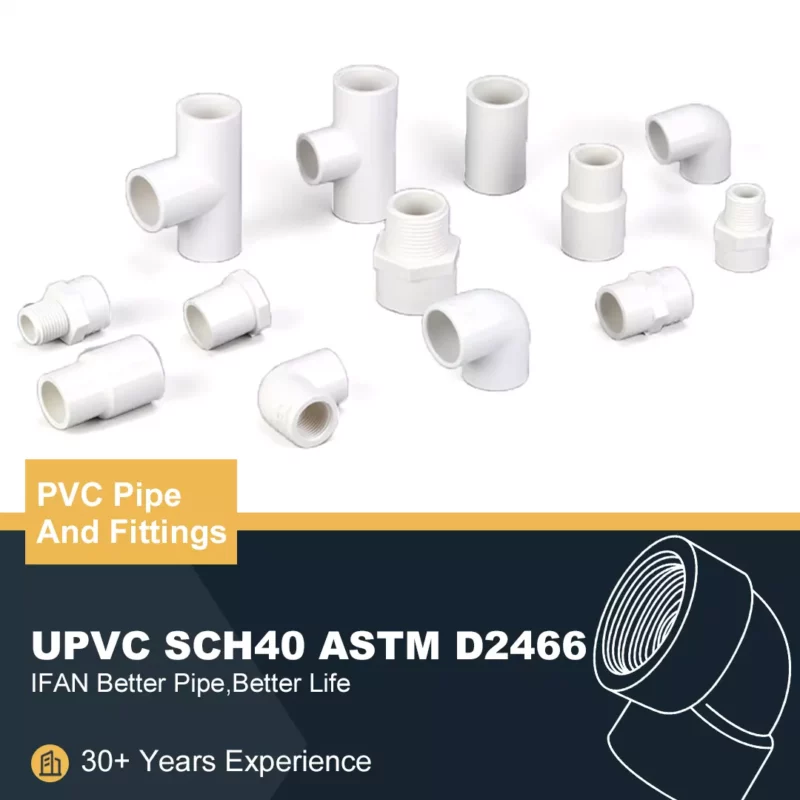
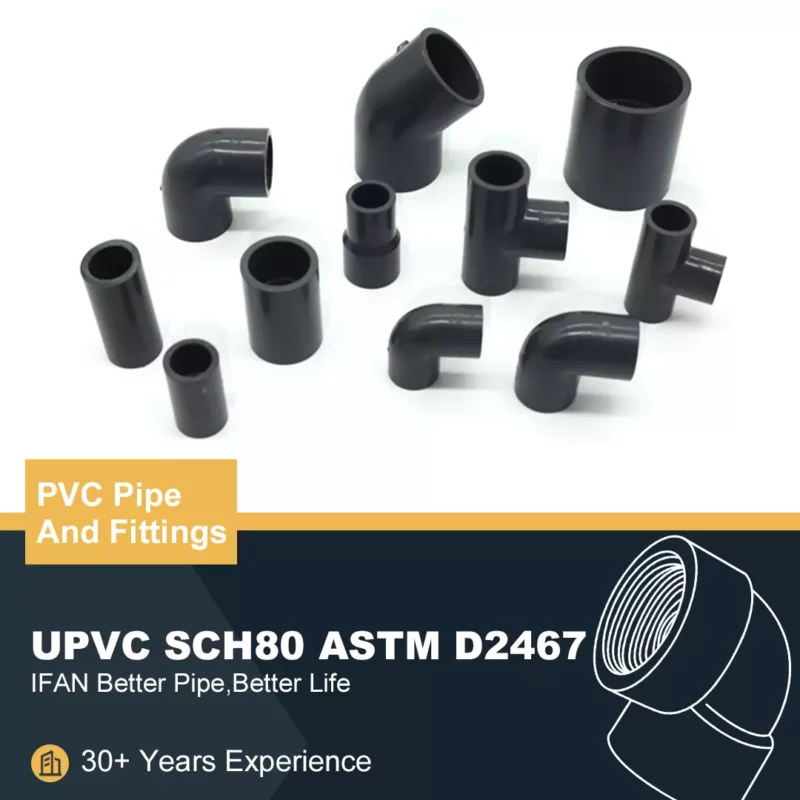
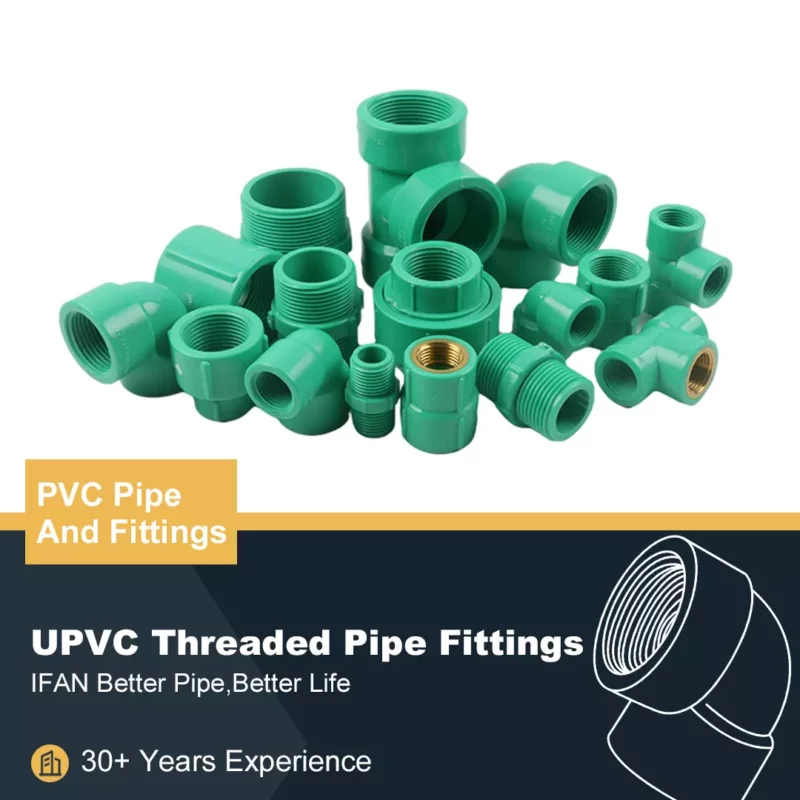
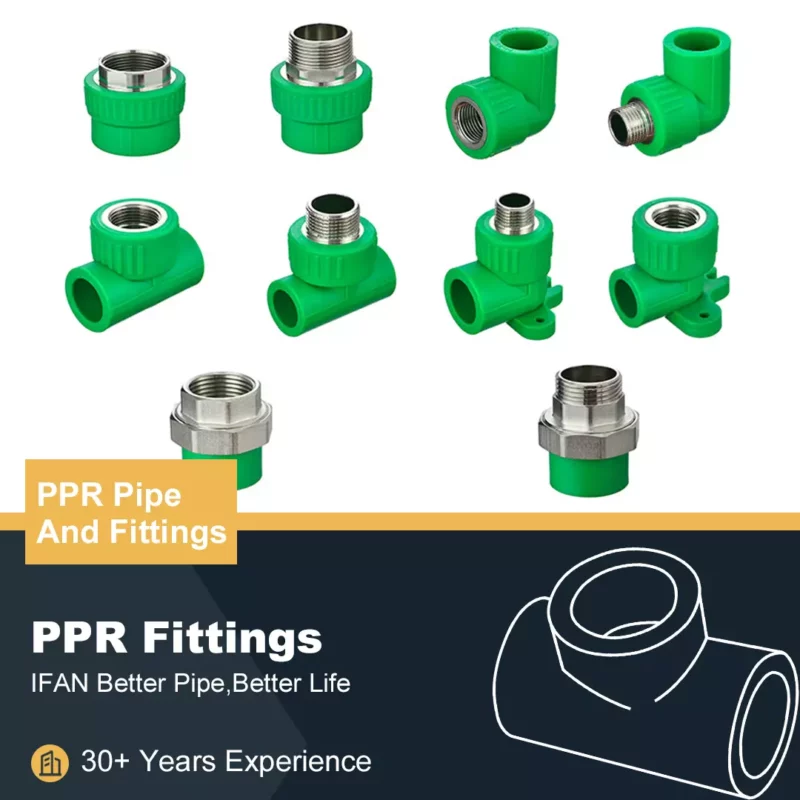
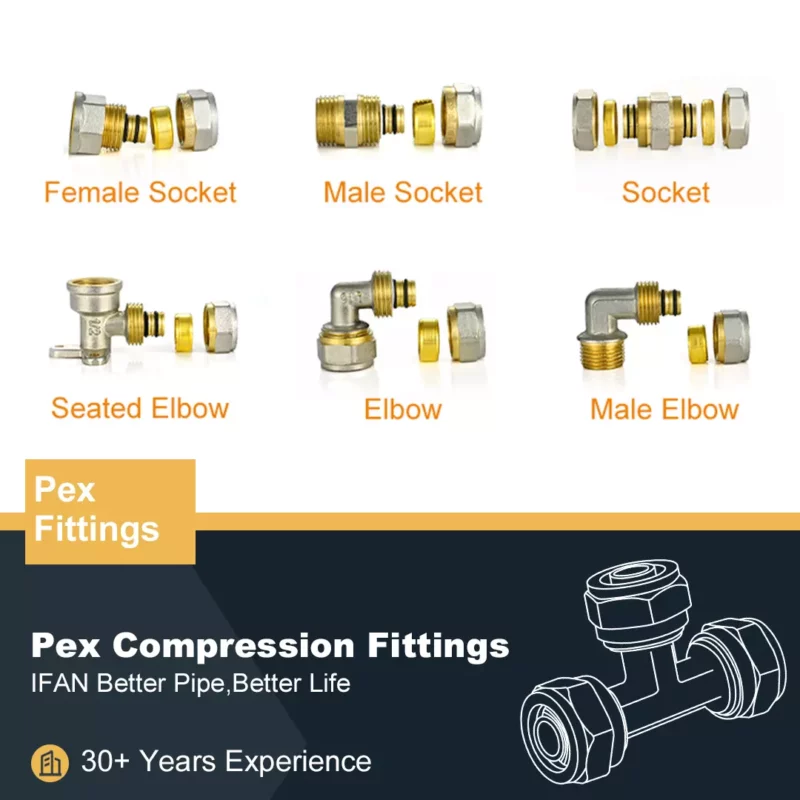
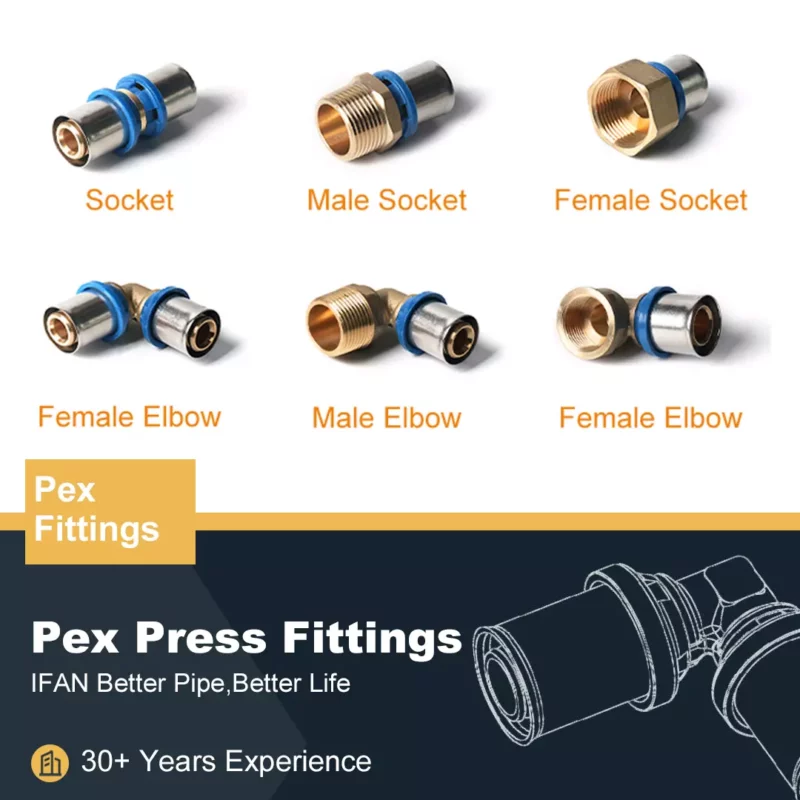
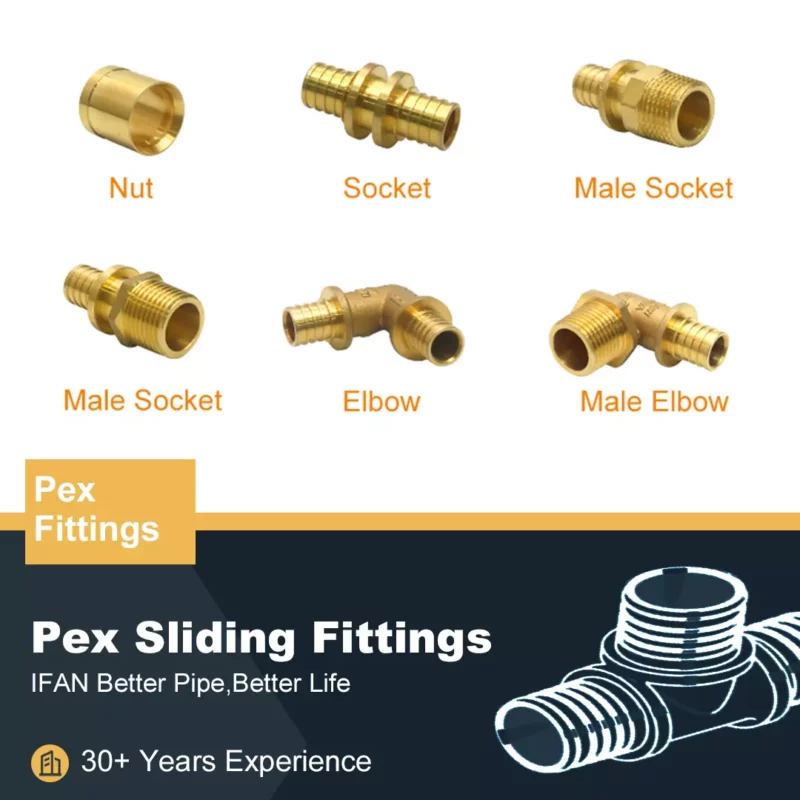
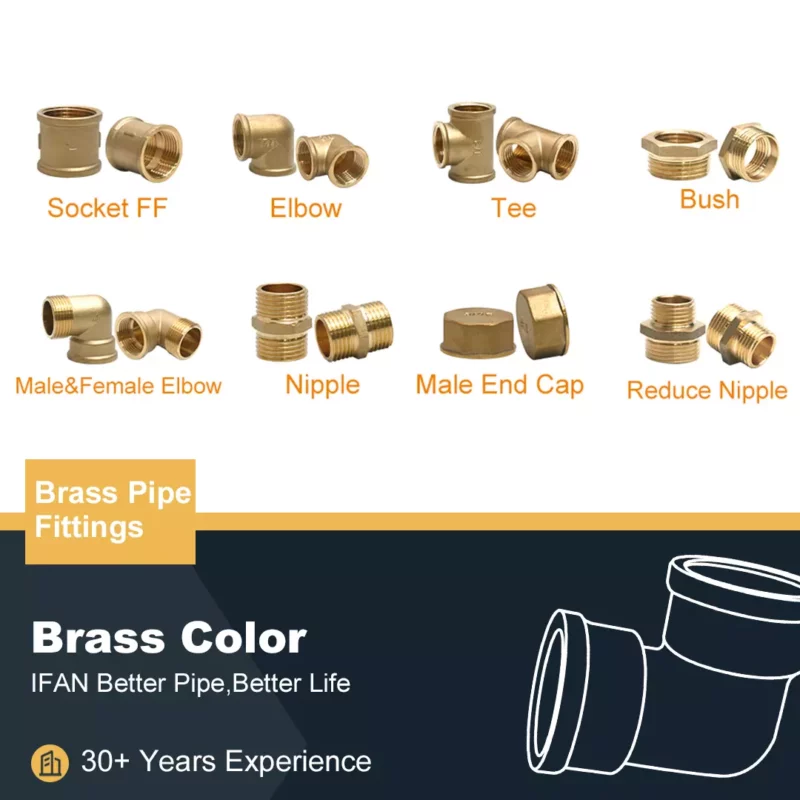
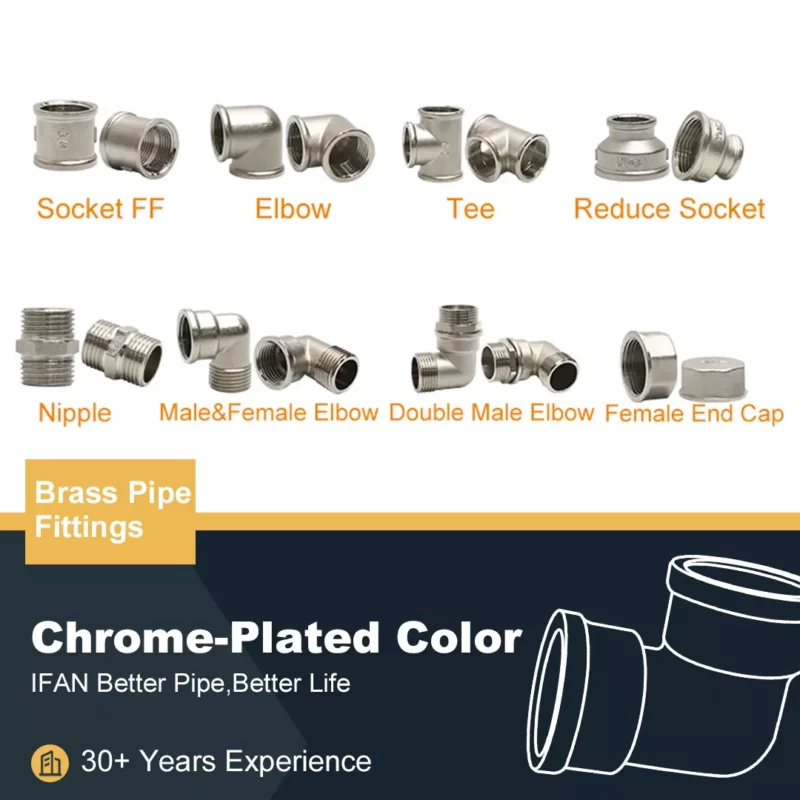
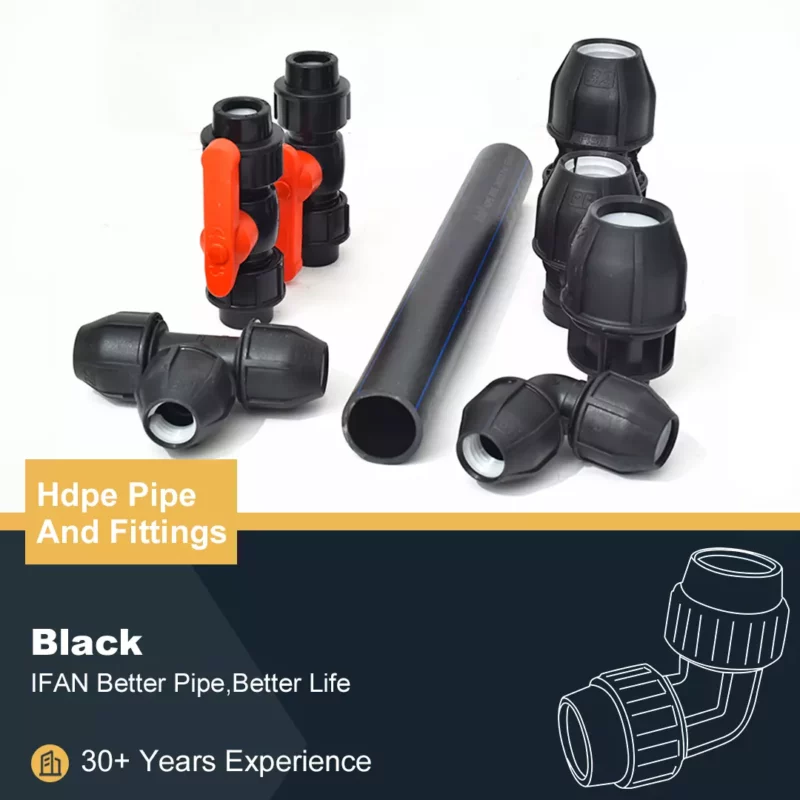
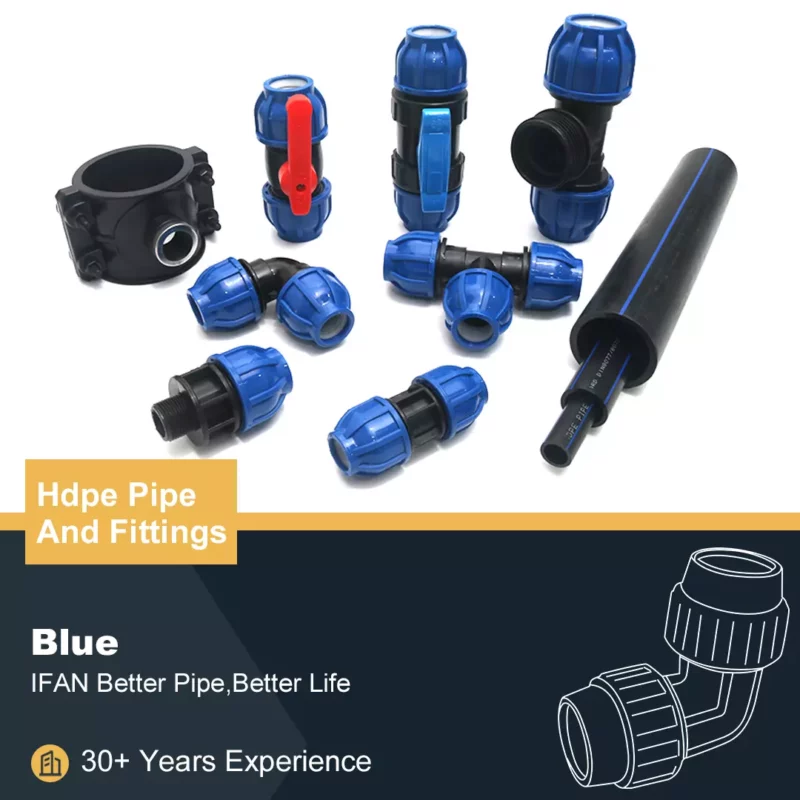
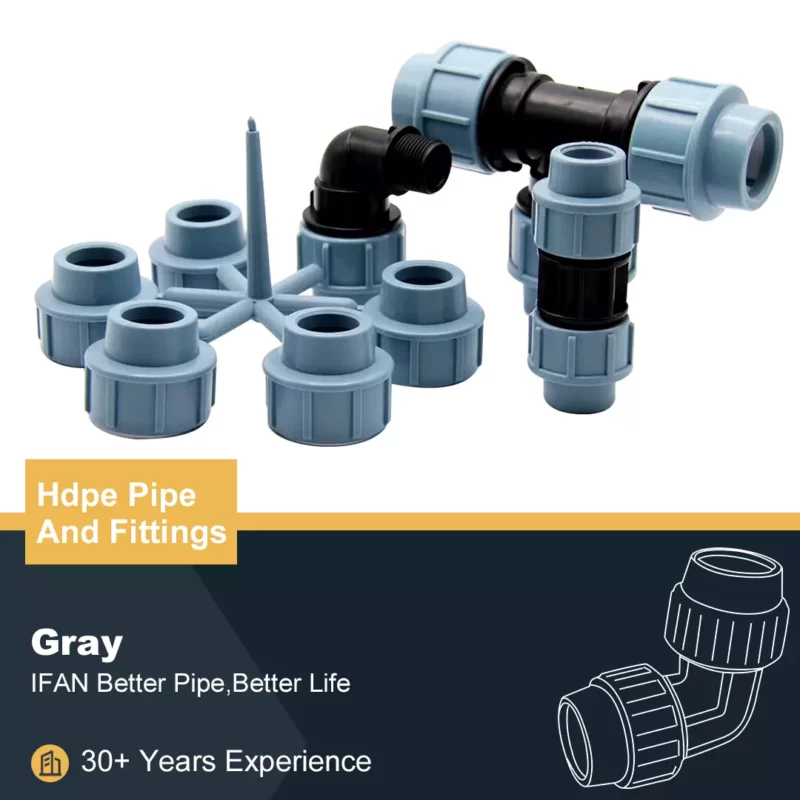
UPVC pipe fittings come in a wide range of types, each designed for specific plumbing needs. Some of the most common fittings include elbows, tees, couplings, reducers, and unions. Elbows are used to change the direction of pipes, while tees allow for branching connections. Couplings connect two pieces of pipe, and reducers are used to join pipes of different diameters. Unions provide quick and easy disconnections for maintenance or repairs. The availability of such a diverse selection of fittings ensures that any plumbing system can be easily customized for optimal water flow and performance.
Simple Installation Process
The installation process for UPVC pipe fittings is simple and requires minimal tools and expertise. The first step is measuring and cutting the pipes to the correct length using a pipe cutter or hacksaw. Once the pipes are cut, the fittings are connected by applying solvent cement to the joints. The solvent cement dissolves the surface of the pipe and fitting, allowing them to fuse together. After aligning the pipe and fitting, the joint should be held in place for a few seconds to ensure a secure bond. This easy-to-follow process results in a strong, leak-free connection in a short amount of time.
Tools Required for Installation
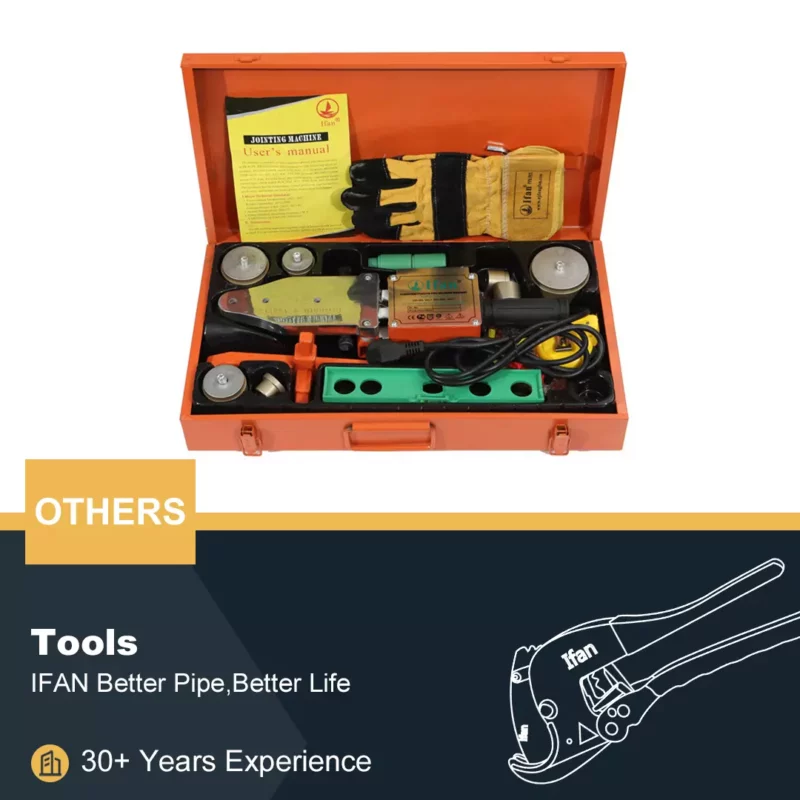
Installing UPVC pipe fittings does not require specialized or expensive tools. The basic tools needed include a pipe cutter or saw for cutting pipes, a deburring tool to smooth the edges of the cut pipes, and solvent cement for bonding the pipes and fittings. Additionally, a pipe reamer or chamfer tool may be helpful to remove sharp edges and prevent leaks. With these simple tools, the installation of UPVC pipe fittings can be completed quickly and efficiently, making it a cost-effective solution for homeowners and plumbers alike.
Steps for Proper Installation
To ensure a secure and leak-free installation, it is important to follow the correct steps when installing UPVC pipe fittings. First, measure and mark the pipes to the desired length. Cut the pipes carefully to avoid any jagged edges. Next, use a deburring tool to smooth the edges and ensure a snug fit. Apply solvent cement to both the pipe and the fitting, making sure to cover the surfaces evenly. Insert the pipe into the fitting and twist slightly to ensure the joint is secure. Hold the pipe and fitting together for a few seconds to allow the bond to form. Finally, check the system for leaks once the cement has dried.
Ensuring Proper Seals
One of the most important aspects of installing UPVC pipe fittings is ensuring that the seals are tight and secure. A poor seal can lead to leaks and water damage. To prevent this, it is essential to apply the correct amount of solvent cement to both the pipe and fitting. Too much cement can cause a mess and weaken the joint, while too little can result in an inadequate bond. Additionally, make sure that the pipe is fully inserted into the fitting, as any gap can compromise the seal. Proper alignment and handling during installation will ensure that the system is watertight and performs efficiently.
Common Mistakes to Avoid
While UPVC pipe fittings are easy to install, there are a few common mistakes that should be avoided. One of the most frequent errors is failing to clean the pipe and fitting before applying the solvent cement. Dirt, dust, or oil can prevent the cement from bonding properly, leading to leaks. Another mistake is not properly aligning the pipe and fitting before applying cement. Misalignment can create gaps in the joint, resulting in an insecure connection. Lastly, it is important to avoid over-tightening or forcing the pipe into the fitting, as this can damage the fitting and cause leaks.
Benefits of DIY Installation
One of the key advantages of UPVC pipe fittings is that they can be easily installed by homeowners as a DIY project. With minimal tools and knowledge, anyone can successfully install UPVC plumbing systems. DIY installation not only saves on labor costs but also provides a sense of accomplishment. Additionally, the simple and straightforward installation process allows for quick repairs and modifications to existing plumbing systems. Homeowners can easily replace damaged fittings or add new connections without needing to hire a professional plumber.
Maintenance of UPVC Plumbing Systems
While UPVC plumbing systems are low-maintenance, it is still important to perform regular inspections to ensure that the system continues to function properly. Check for any signs of wear or damage, such as cracks or leaks around the fittings. Ensure that the pipes remain securely connected and that there is no buildup of debris within the system. Periodic cleaning and testing for leaks will help maintain the system’s efficiency. Regular maintenance can extend the lifespan of the plumbing system and prevent costly repairs in the future.
Conclusion
UPVC pipe fittings are an excellent choice for anyone looking for easy installation, durability, and reliability in their plumbing systems. The simple installation process, combined with the lightweight nature of UPVC, makes it a great option for both professionals and DIY enthusiasts. The range of available fittings allows for a customizable plumbing system that ensures efficient water flow and leak-free connections. With proper installation and occasional maintenance, UPVC pipe fittings can provide a long-lasting solution for water supply and drainage systems. Whether you’re upgrading an existing system or installing a new one, UPVC pipe fittings offer a practical and cost-effective choice for safe and reliable plumbing.
If you have read this article and have any questions, please feel free to contact IFAN. Below is our contact information:
Whatsapp:+86 13373827623
Email:[email protected]