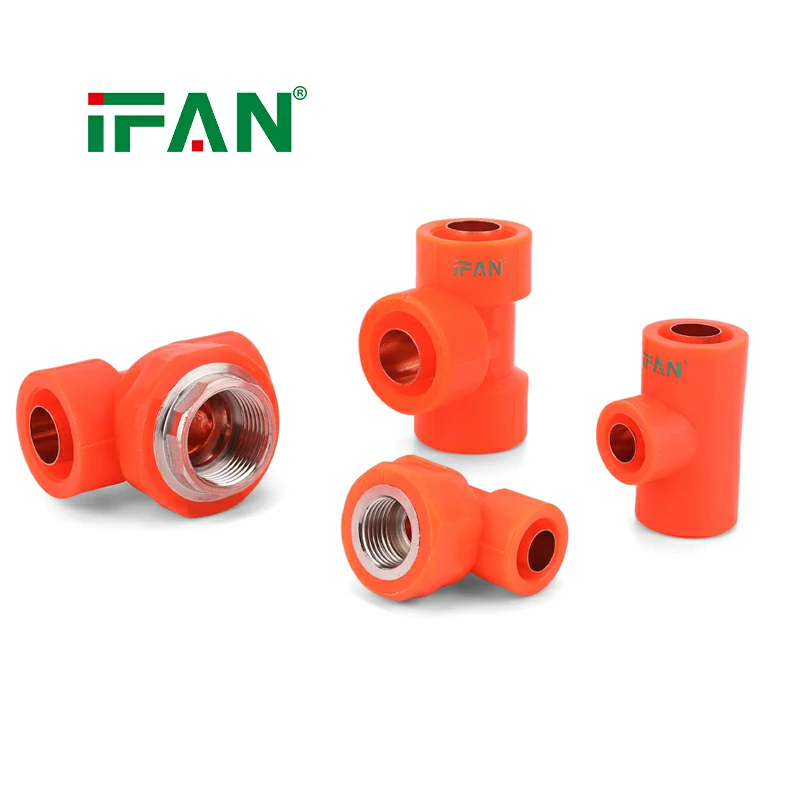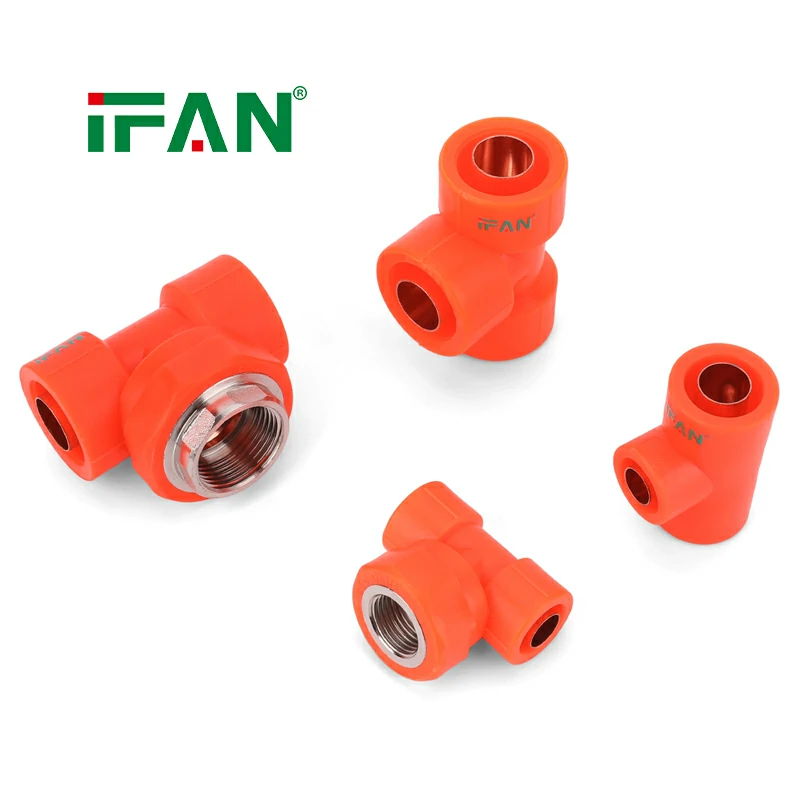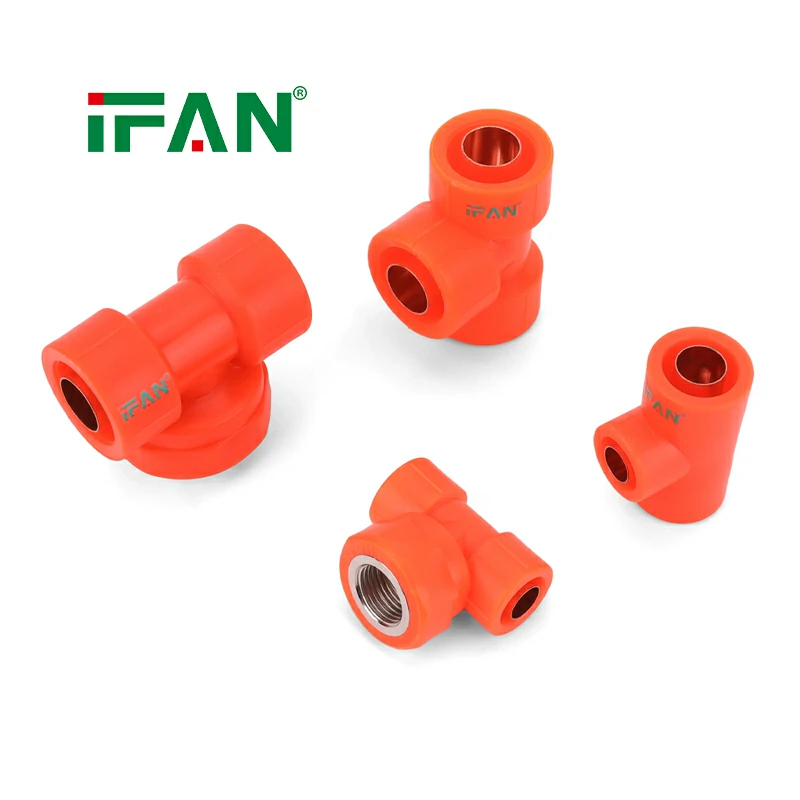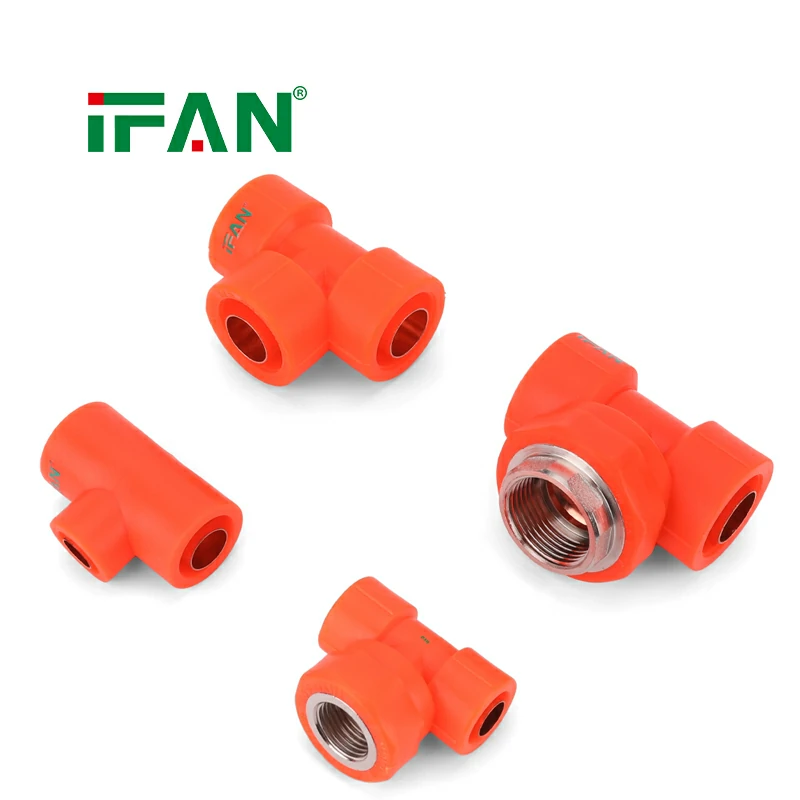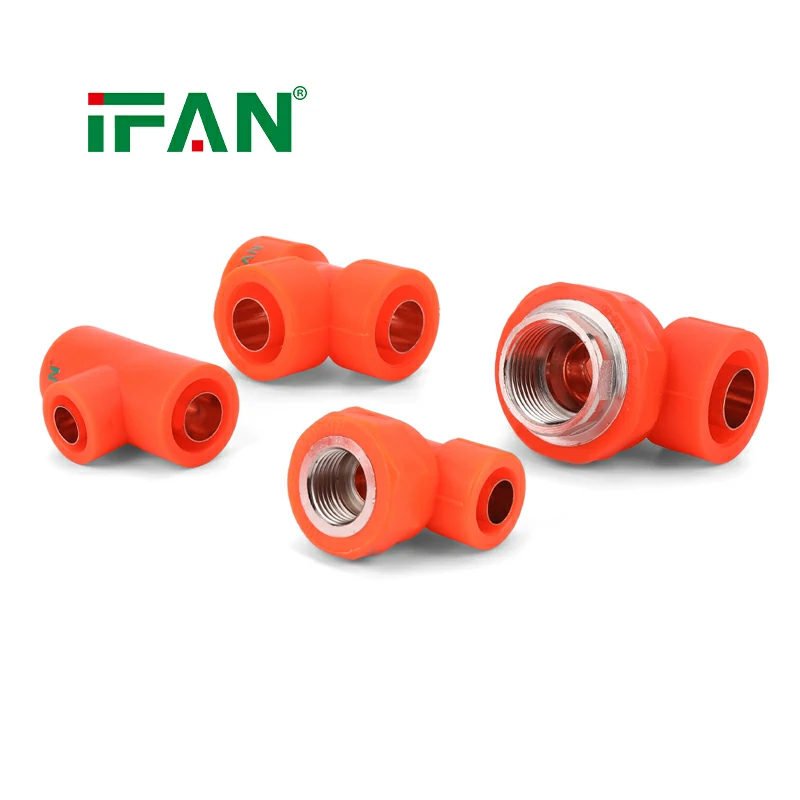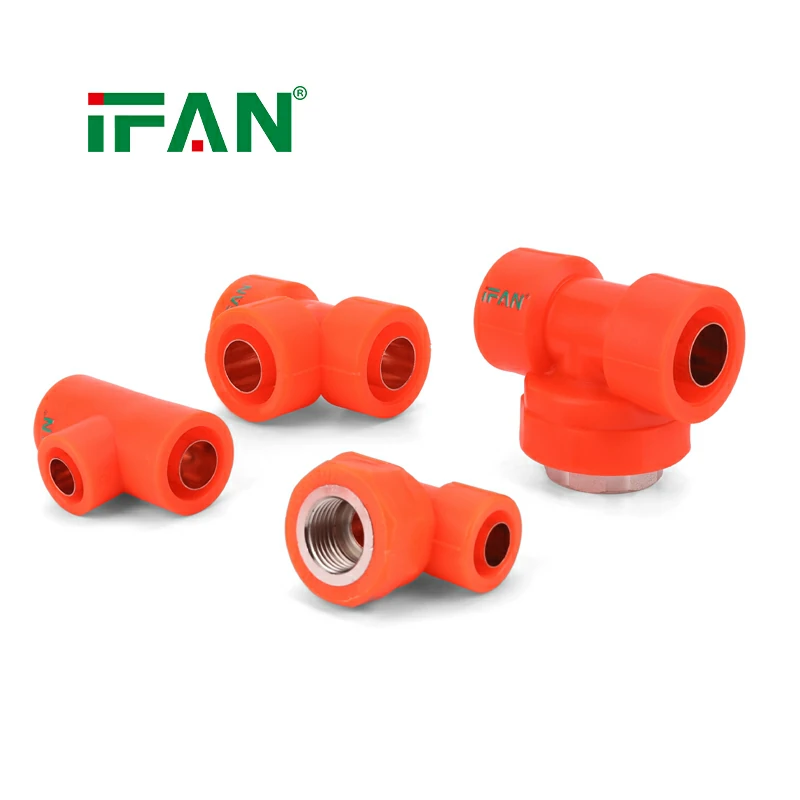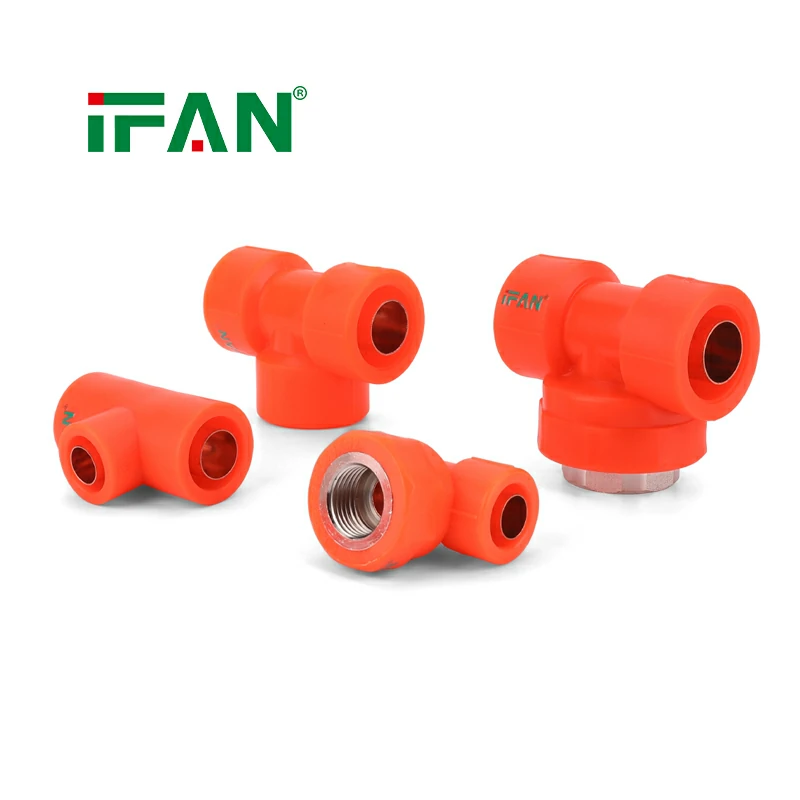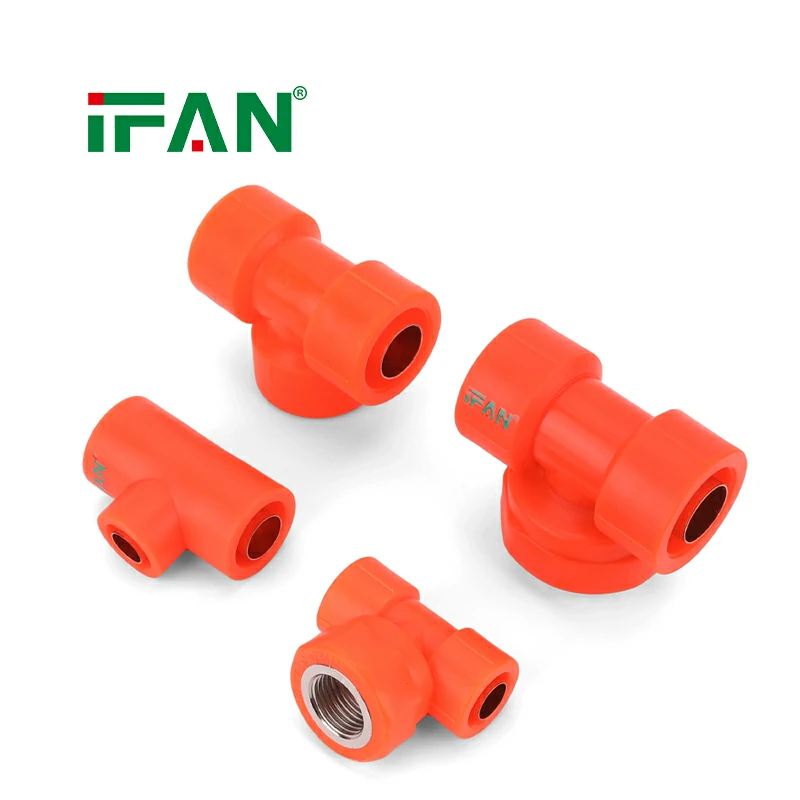
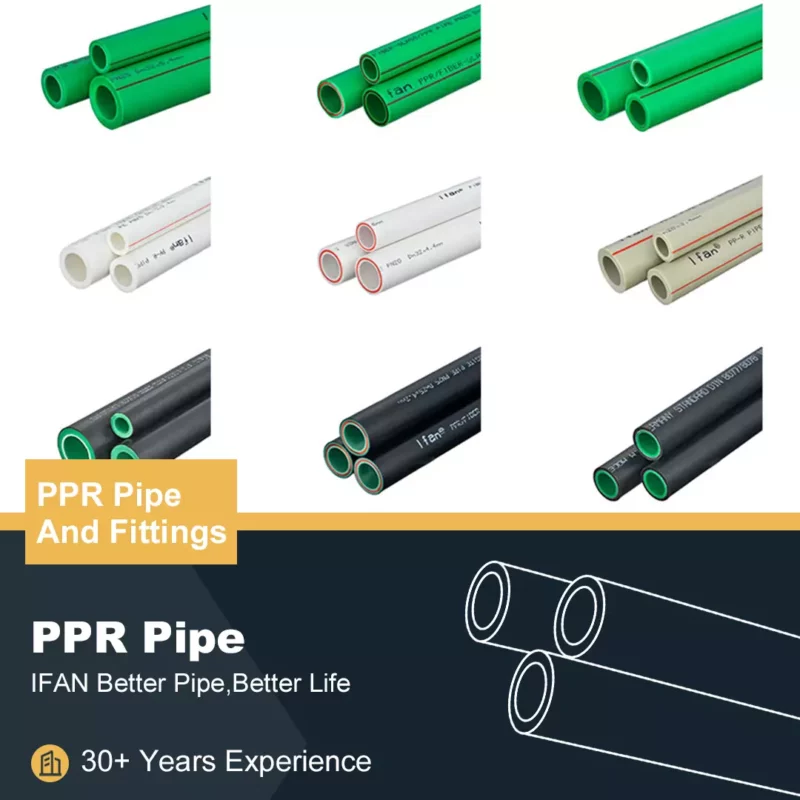


Introduction to UPVC Pipe Fittings
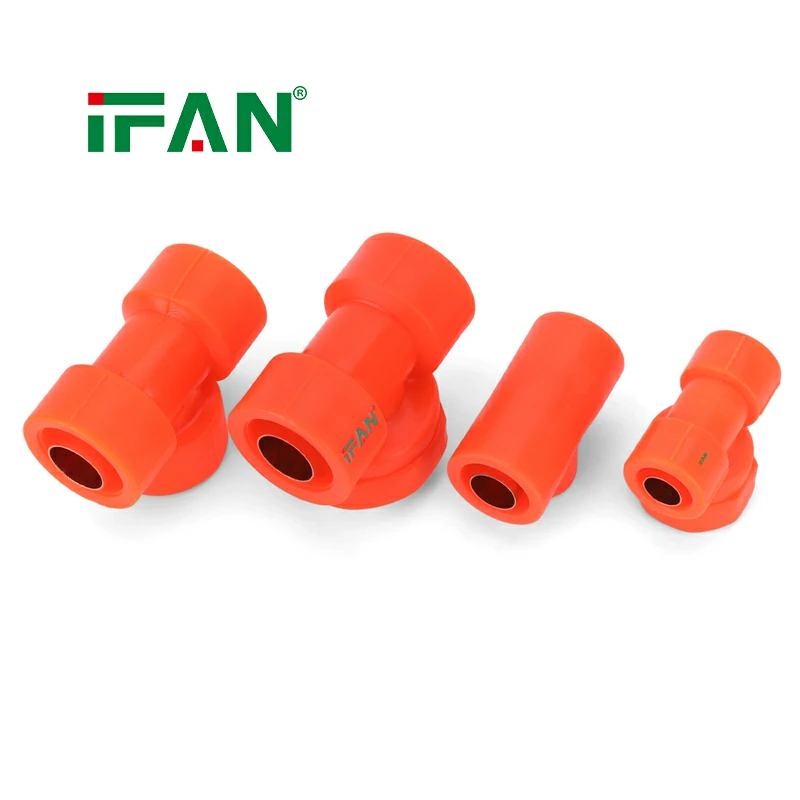
UPVC (Unplasticized Polyvinyl Chloride) pipe fittings are widely used in modern plumbing systems for both residential and industrial applications. These fittings are valued for their lightweight nature and strength, offering a reliable solution for water distribution and waste management. UPVC is a rigid material that resists corrosion and is more durable than traditional metal piping. This combination of light weight and high strength makes UPVC pipe fittings an excellent choice for a wide variety of plumbing systems, ensuring efficiency and longevity.
Benefits of Lightweight UPVC Pipe Fittings
One of the primary benefits of UPVC pipe fittings is their lightweight design. Unlike heavy metal pipes, UPVC pipes and fittings are easy to transport, handle, and install. The reduced weight of UPVC fittings minimizes the risk of installation errors, saving both time and labor costs. Furthermore, lightweight materials reduce the overall weight of the plumbing system, which is especially beneficial in multi-story buildings or other complex installations. Their ease of handling also allows for quick and hassle-free repairs, which reduces downtime and maintenance costs.
Strength and Durability of UPVC Fittings
While UPVC pipe fittings are lightweight, they do not compromise on strength. UPVC is known for its durability and ability to withstand high pressure and temperature fluctuations. These fittings are resistant to physical stress, impact, and chemical degradation, making them ideal for use in both residential and industrial plumbing systems. UPVC’s strength ensures that the fittings can maintain their integrity for many years, even when exposed to harsh conditions. Whether in hot or cold water systems, UPVC pipe fittings provide reliable and long-lasting performance.
Resistance to Corrosion and Chemicals
Another major advantage of UPVC pipe fittings is their resistance to corrosion and chemicals. Unlike metal pipes, which are prone to rusting over time, UPVC does not corrode or degrade, even in environments with high humidity or exposure to chemicals. This resistance to corrosion significantly extends the lifespan of UPVC plumbing systems. Moreover, UPVC fittings are also resistant to chemical reactions with water or other substances, making them ideal for both potable water supply systems and drainage applications where chemical exposure is common.
Cost-Effectiveness of UPVC Pipe Fittings
UPVC pipe fittings are a cost-effective choice for plumbing systems due to their affordable material and simple installation process. The lightweight nature of UPVC reduces transportation costs, while the ease of installation lowers labor costs. Additionally, the durability and resistance to corrosion mean fewer repairs and replacements are needed over time, saving homeowners and businesses money in the long run. The low cost of maintenance, combined with the reliability of UPVC, makes it an excellent investment for both new installations and system upgrades.
Wide Range of UPVC Pipe Fittings
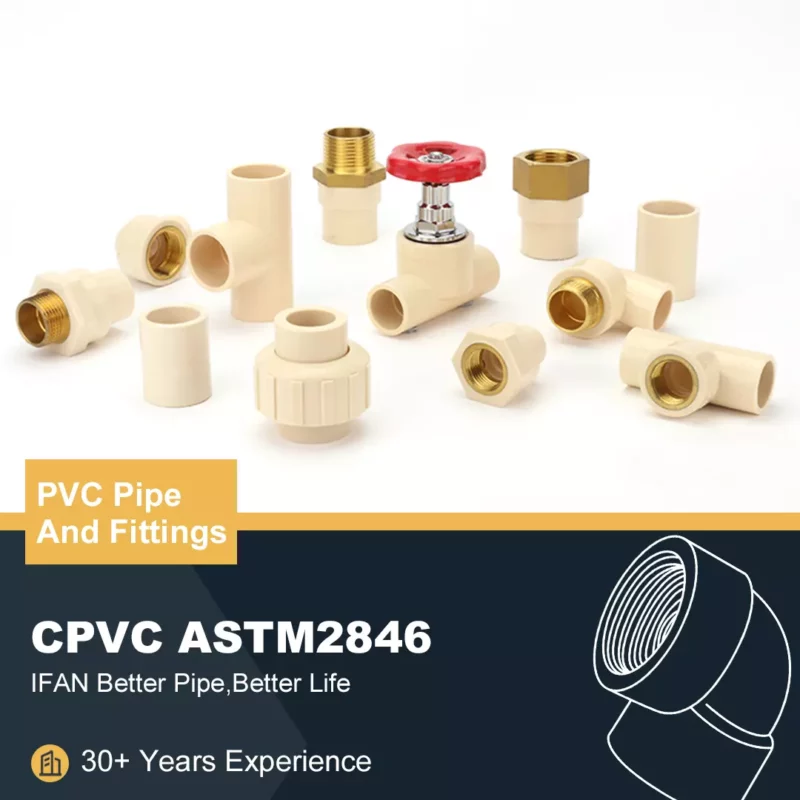
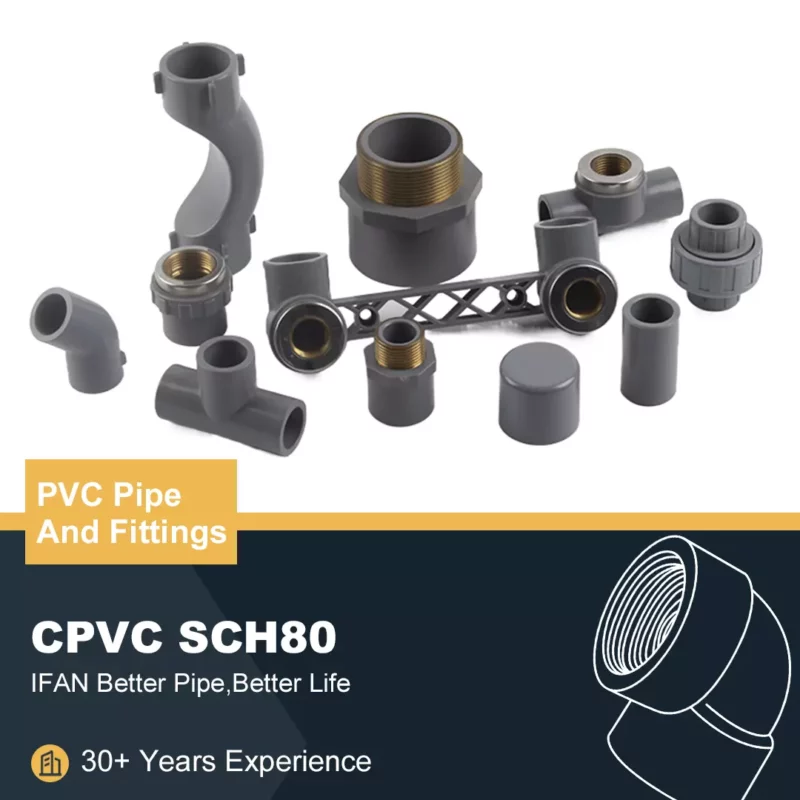
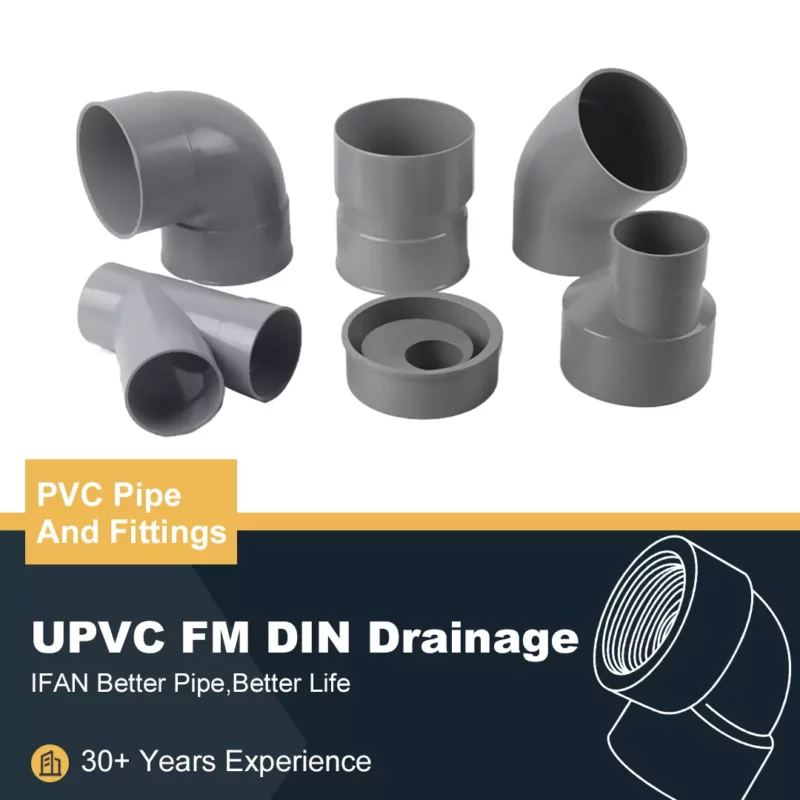
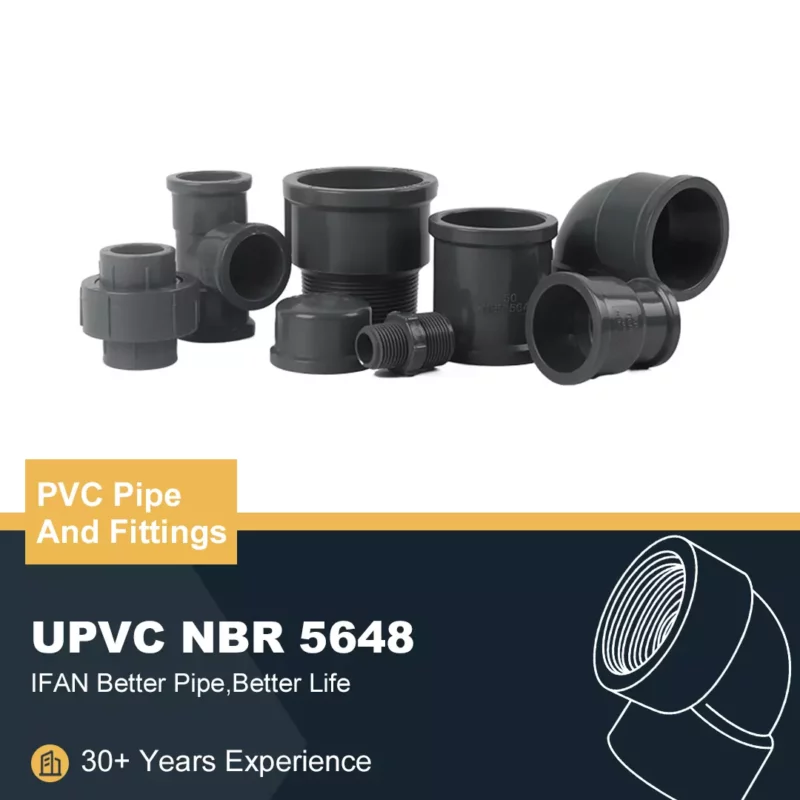
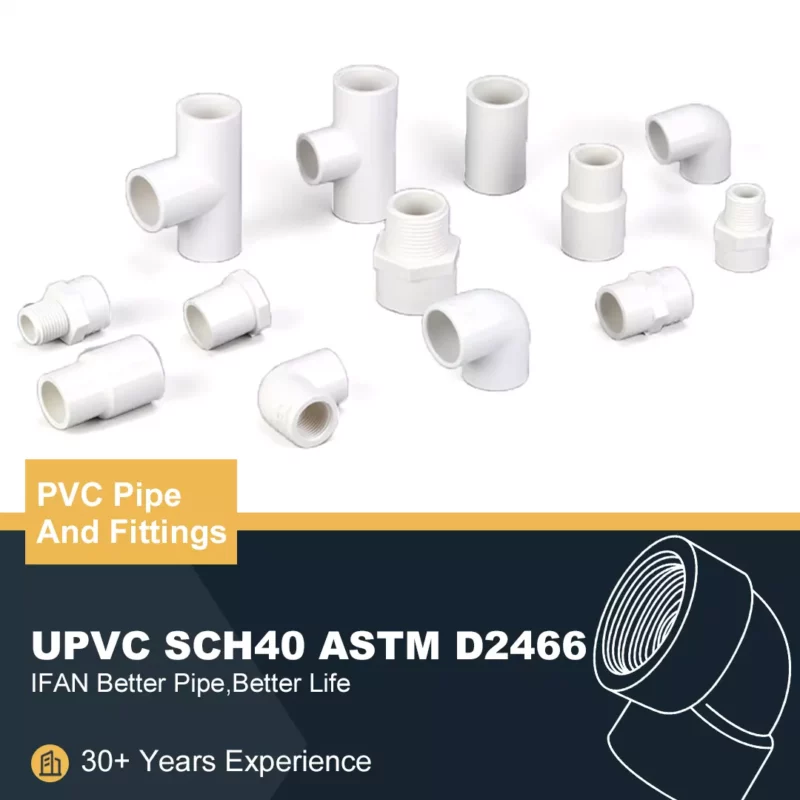
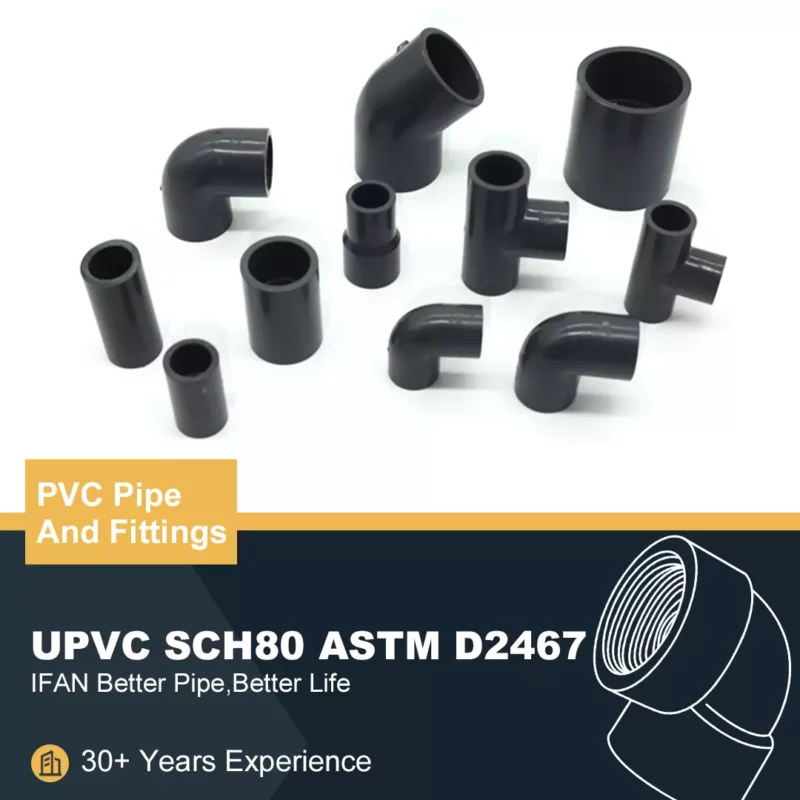
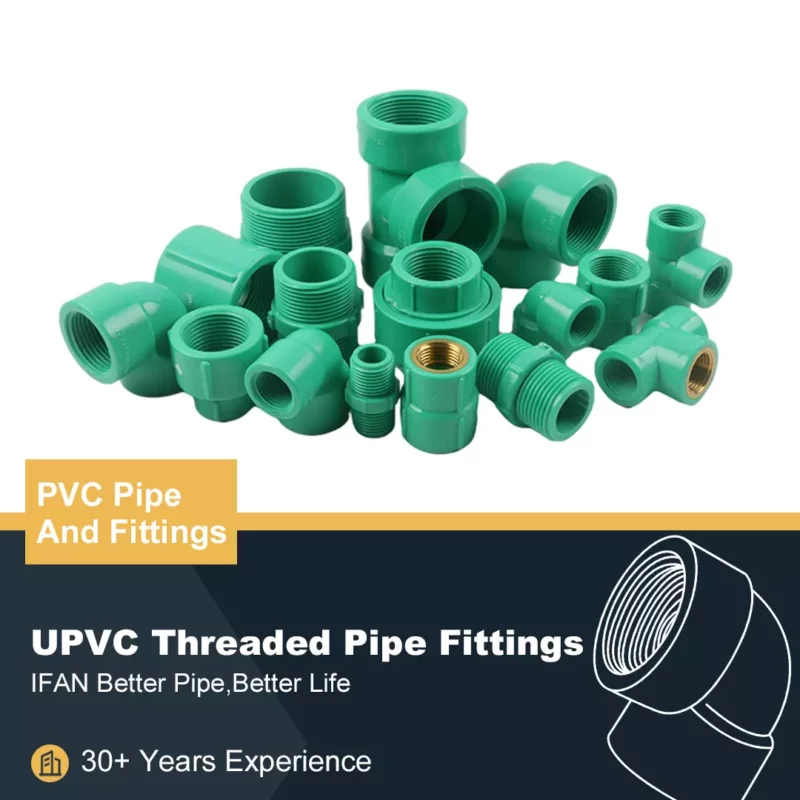
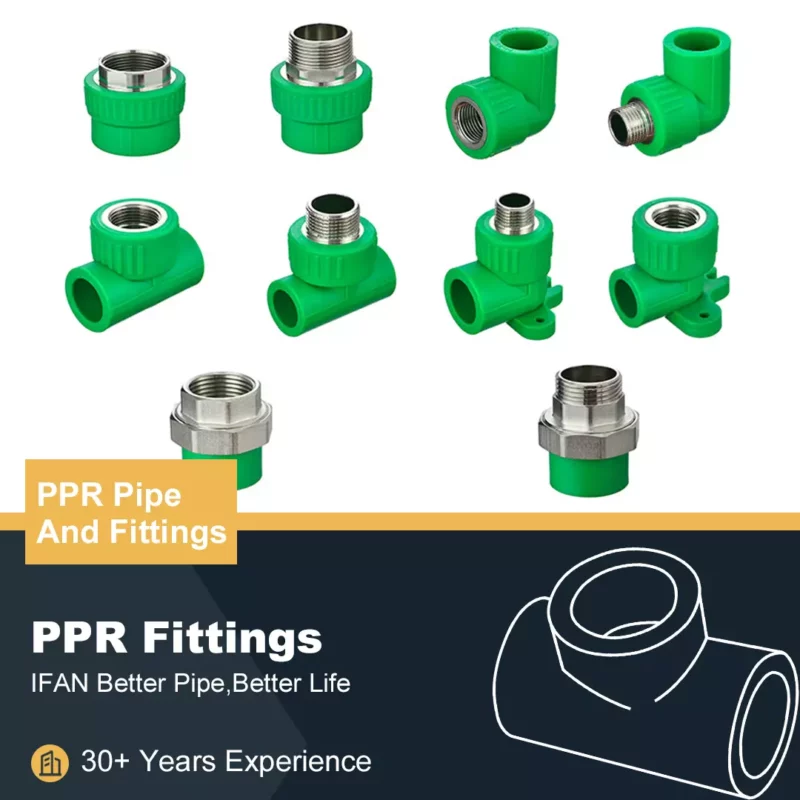
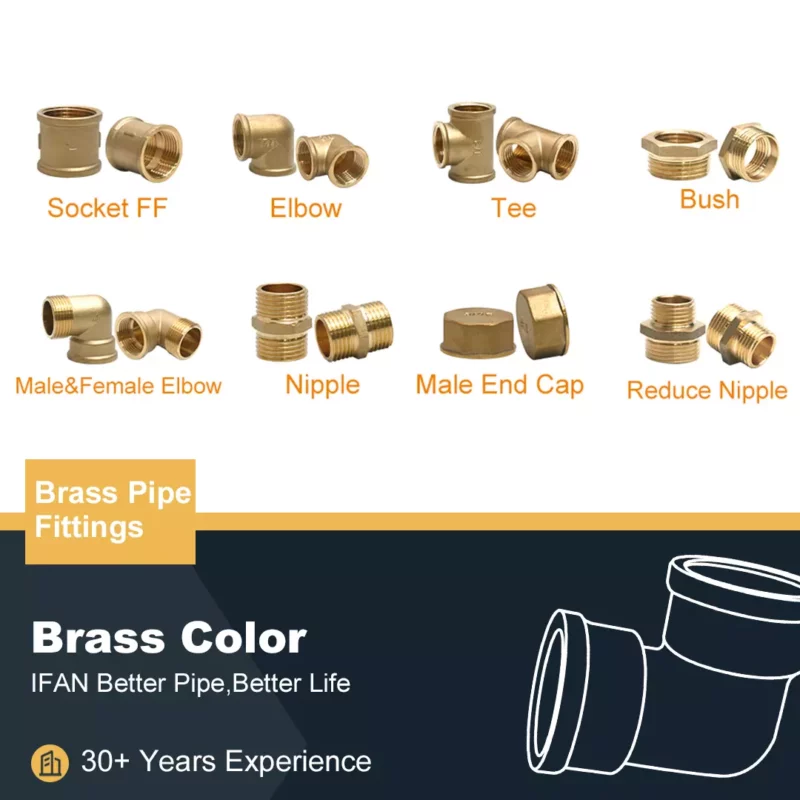
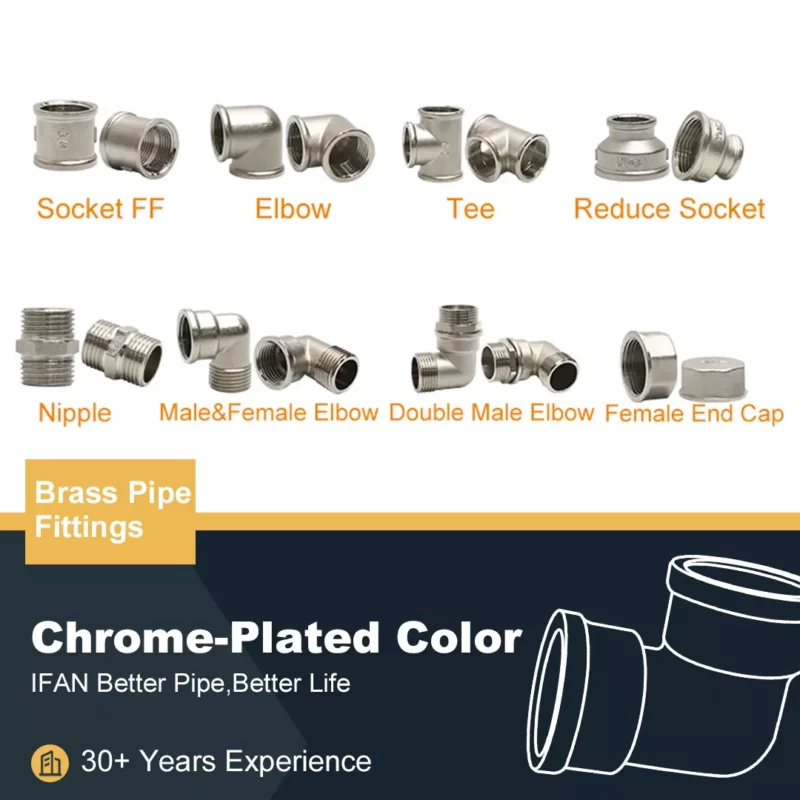
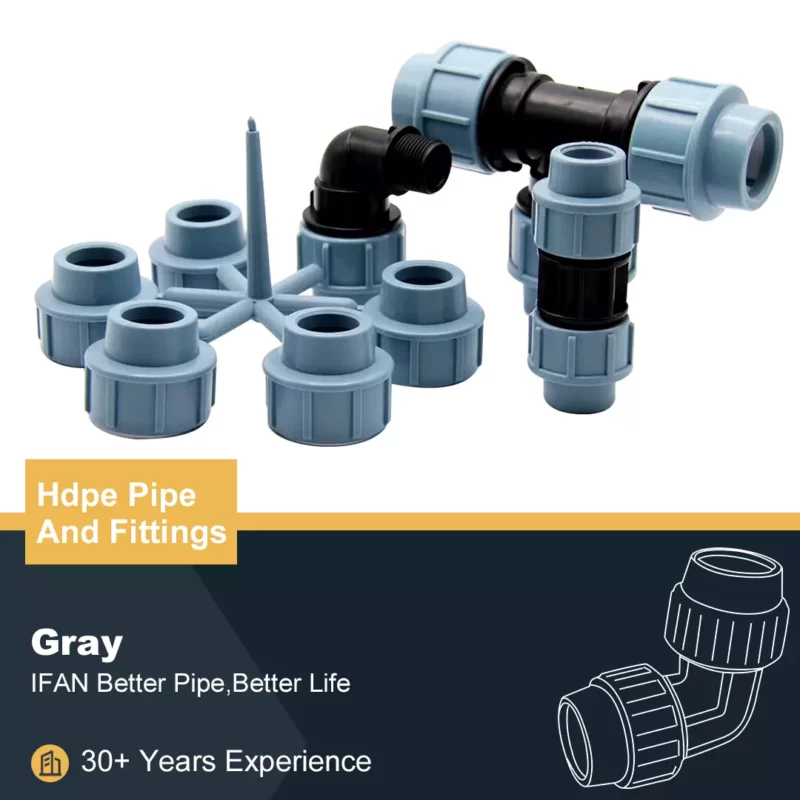
UPVC pipe fittings come in a wide variety of shapes, sizes, and types to suit different plumbing needs. Common types of UPVC fittings include elbows, tees, couplings, reducers, and unions. Elbows are used to change the direction of water flow, while tees allow for branching connections. Couplings are used to join two pipes together, and reducers connect pipes of different sizes. Unions allow for quick disconnections and are commonly used in maintenance or modification scenarios. With such a broad range of fittings, UPVC ensures that plumbing systems can be customized to meet specific requirements and provide optimal performance.
Ease of Installation with UPVC Fittings
Installing UPVC pipe fittings is a straightforward process that requires minimal tools and expertise. The lightweight design of the pipes and fittings makes them easy to transport and handle during installation. Solvent cement is commonly used to bond UPVC pipes and fittings, ensuring a tight, leak-free seal. The solvent cement melts the surface of the UPVC material, allowing the pipe and fitting to fuse together securely. Since no welding or specialized equipment is required, UPVC fittings can be installed quickly, making them an ideal solution for both professionals and DIY enthusiasts.
Maintenance of UPVC Plumbing Systems
UPVC plumbing systems are low-maintenance but still require occasional inspections to ensure optimal performance. Regular checks for signs of damage, such as cracks or leaks, can prevent costly repairs in the future. Although UPVC is highly resistant to corrosion, it is still important to keep the system free of debris that may cause blockages. Cleaning the pipes periodically and ensuring that fittings remain securely connected will help maintain the efficiency of the plumbing system. With proper care, a UPVC plumbing system can provide reliable service for many years.
Environmental Impact of UPVC Fittings
UPVC is an environmentally friendly material compared to metals and other alternatives used in plumbing systems. The production of UPVC pipe fittings involves fewer raw materials and generates less pollution. Additionally, UPVC is fully recyclable, which helps reduce waste and supports a circular economy. The long lifespan of UPVC fittings also means fewer replacements are needed, contributing to a reduction in overall environmental impact. By choosing UPVC, both homeowners and businesses can contribute to sustainability while benefiting from a durable, cost-effective plumbing solution.
Safety of UPVC Pipe Fittings
Safety is a key concern in any plumbing system, and UPVC pipe fitting meet high standards for safety and reliability. UPVC is non-toxic and does not leach harmful substances into the water supply, making it safe for drinking water systems. Additionally, UPVC is resistant to bacterial growth, which is critical in preventing contamination in water systems. The strength and durability of UPVC also ensure that it can withstand pressure without breaking or causing leaks, providing a secure solution for water flow. By choosing UPVC fittings, you are investing in a safe and reliable plumbing system.
Applications of UPVC Pipe Fittings
UPVC pipe fittings are used in a wide range of plumbing applications, from residential homes to industrial facilities. They are commonly used in cold water systems, drainage systems, and sewage systems, where their resistance to chemicals and corrosion is especially valuable. In commercial buildings, UPVC is often used for air conditioning systems and heating systems due to its ability to handle pressure and temperature variations. The versatility of UPVC pipe fitting makes them an ideal choice for a variety of systems, providing flexibility and reliability in many different environments.
Conclusion
Lightweight and strong, UPVC pipe fittings offer an excellent solution for modern plumbing systems. Their ease of installation, resistance to corrosion, and durability make them a popular choice for both residential and commercial plumbing projects. UPVC fittings provide long-lasting performance, reducing the need for repairs and replacements. They are also environmentally friendly, cost-effective, and safe for use in potable water systems. Whether you’re building a new system or upgrading an existing one, UPVC pipe fittings offer the perfect combination of strength and ease of use for a reliable plumbing solution.
If you have read this article and have any questions, please feel free to contact IFAN. Below is our contact information:
Whatsapp:+86 13373827623
Email:[email protected]