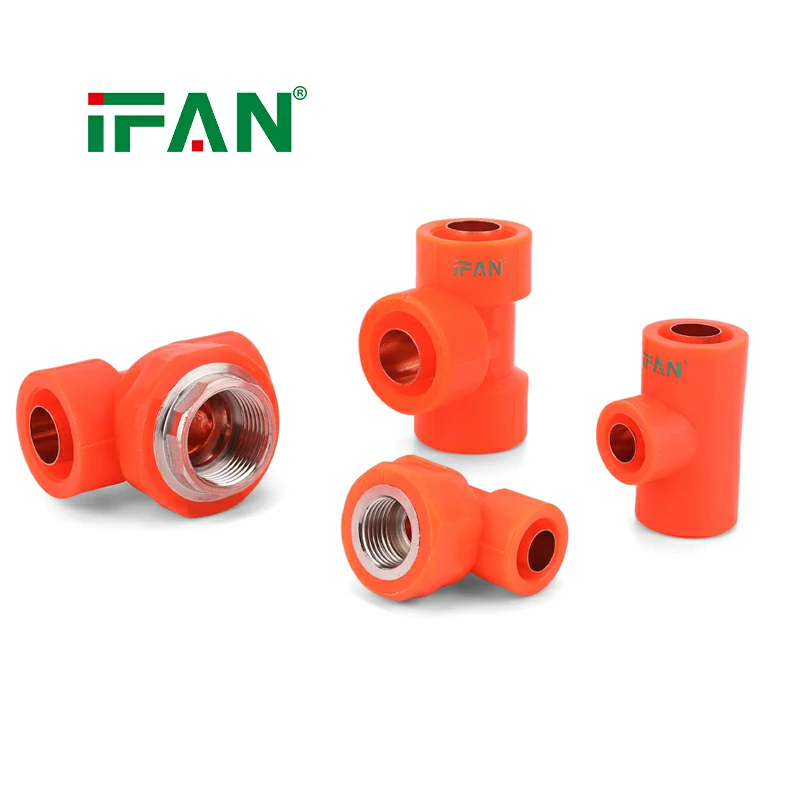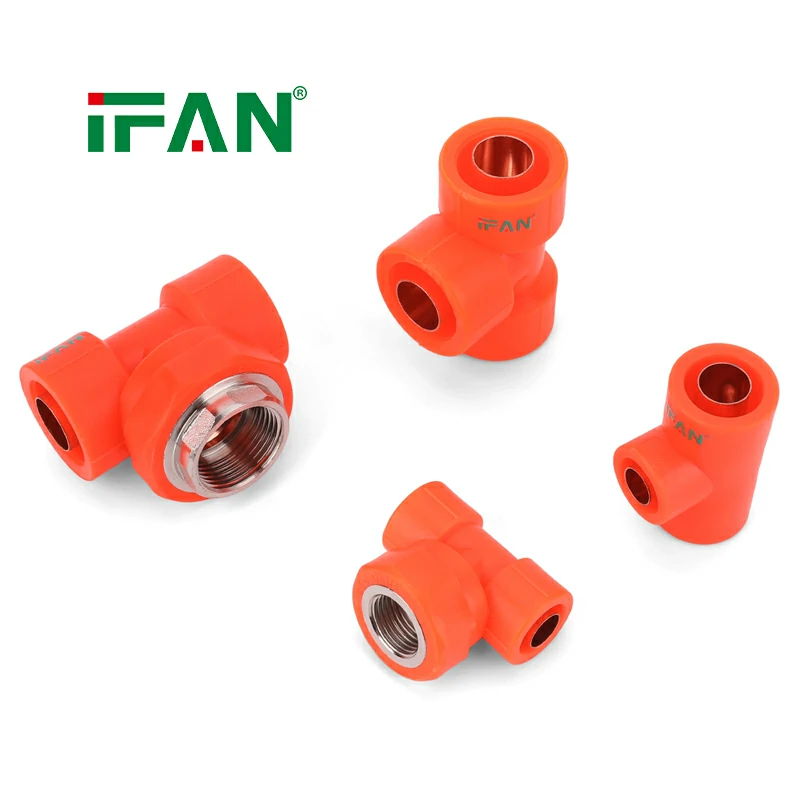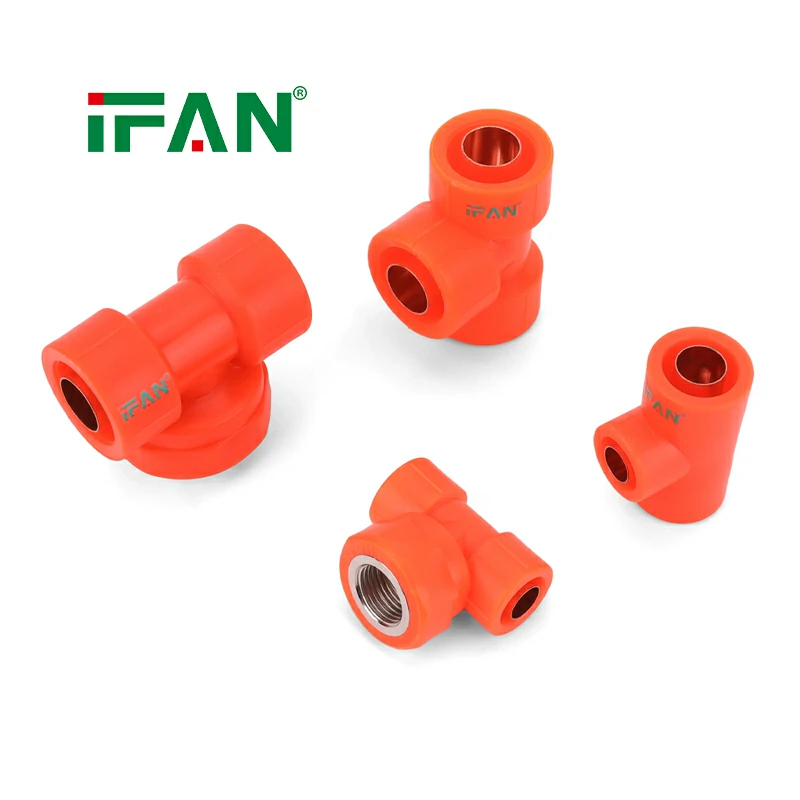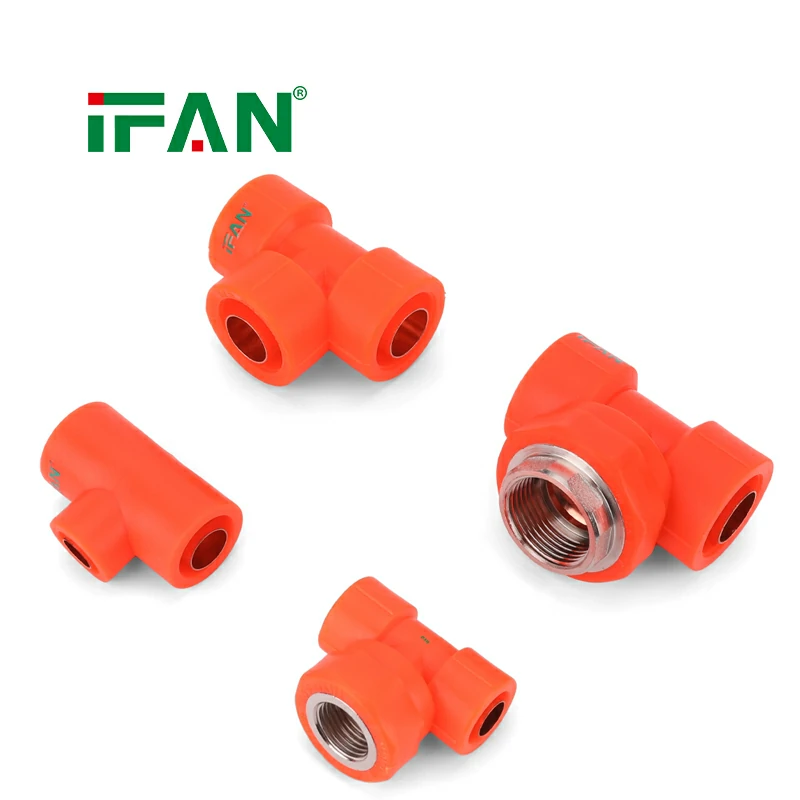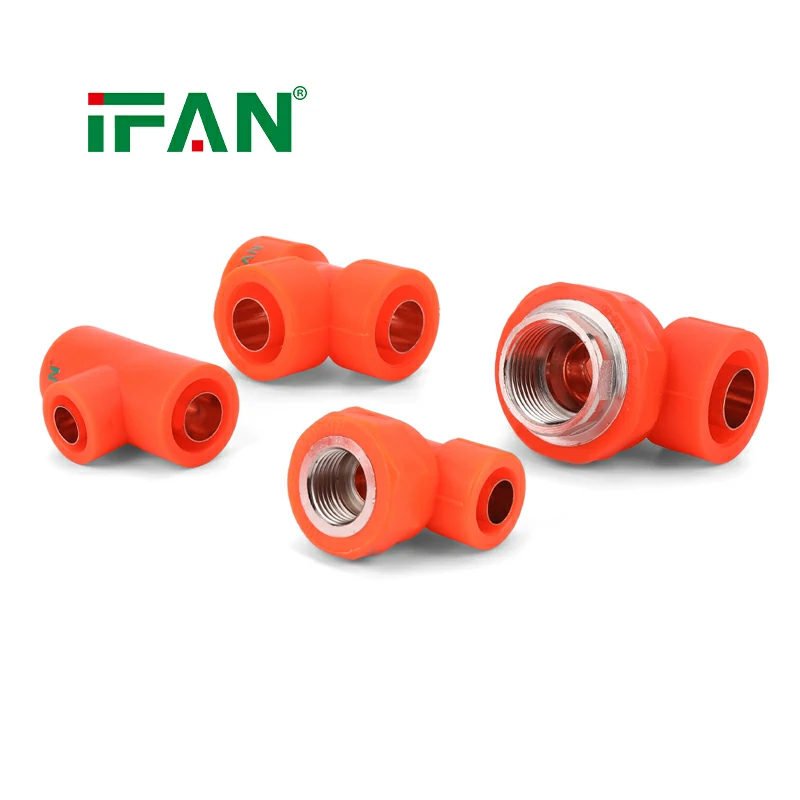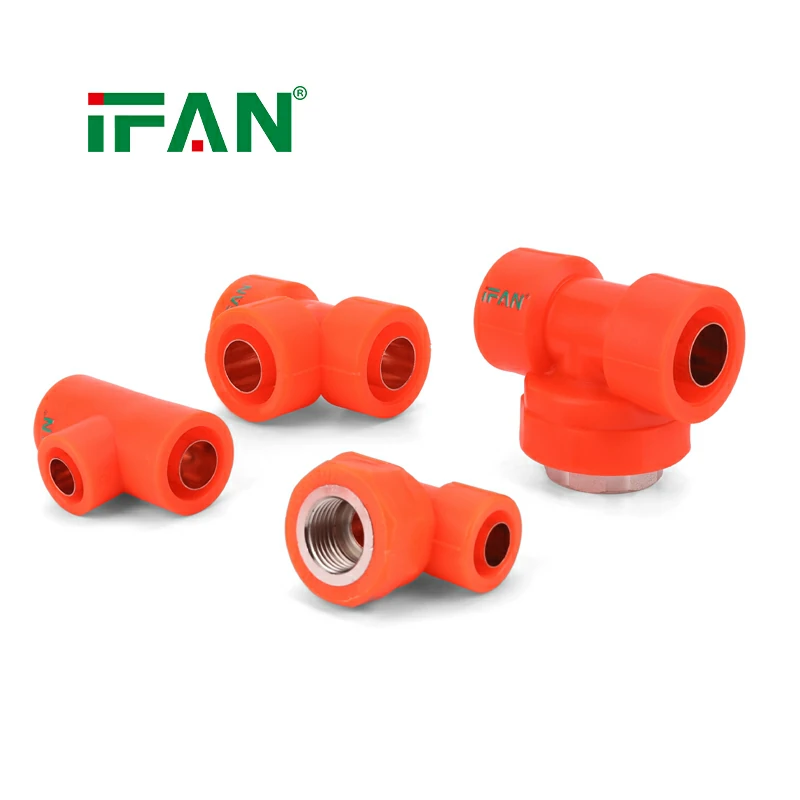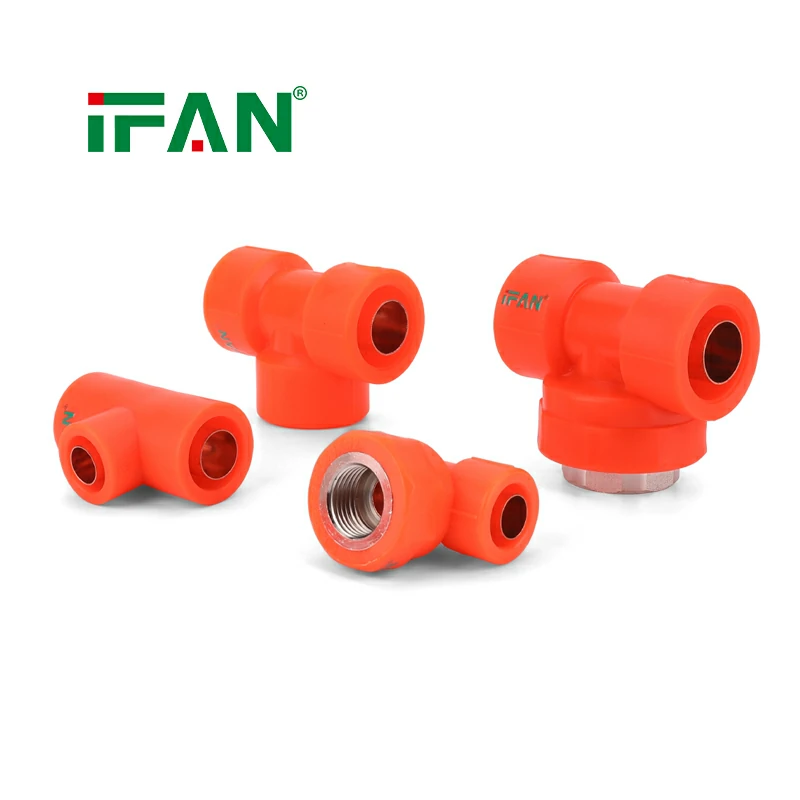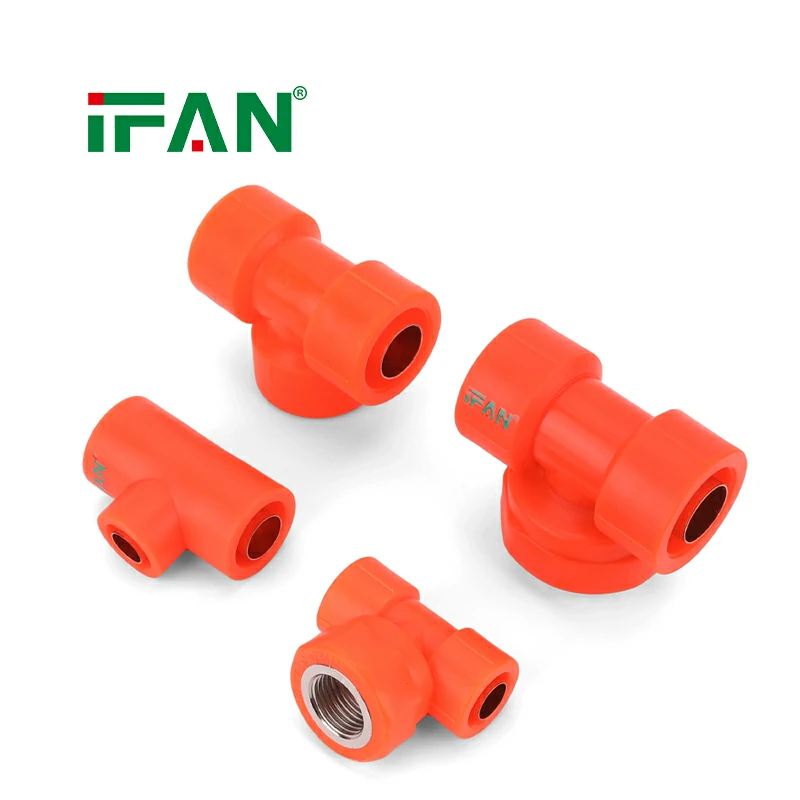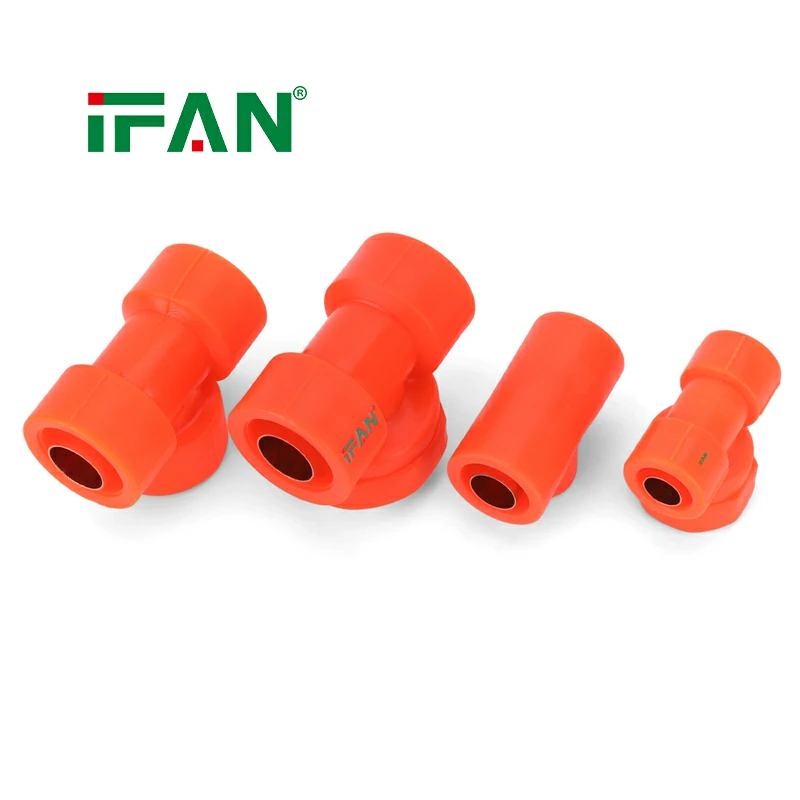
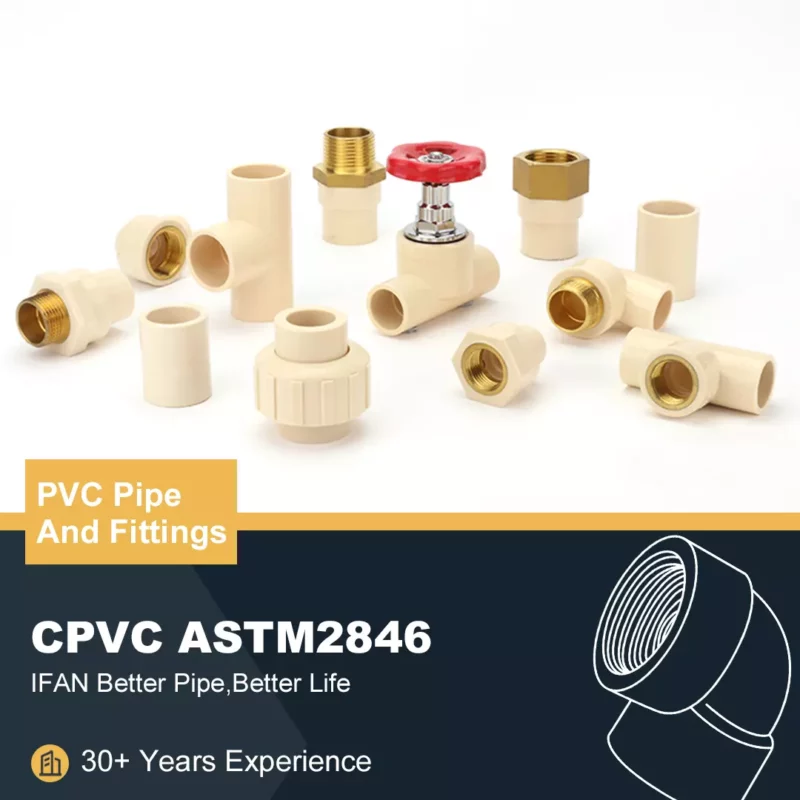
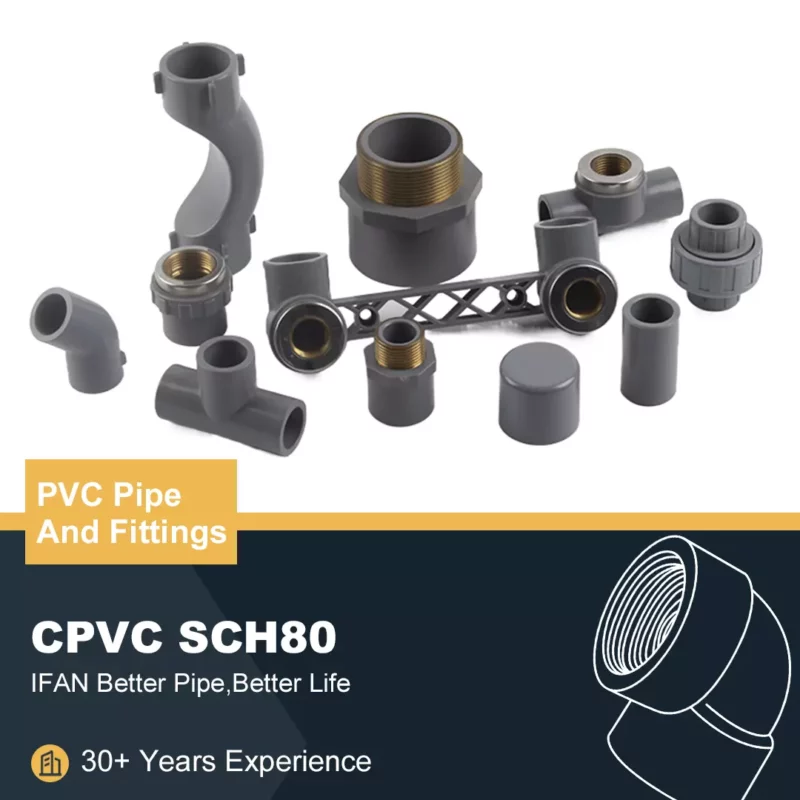
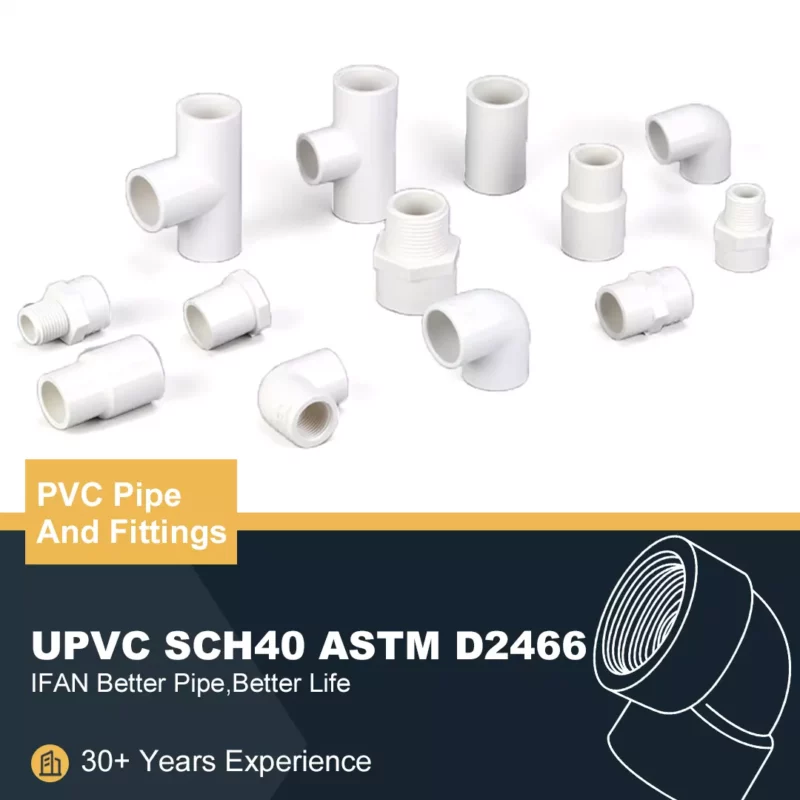
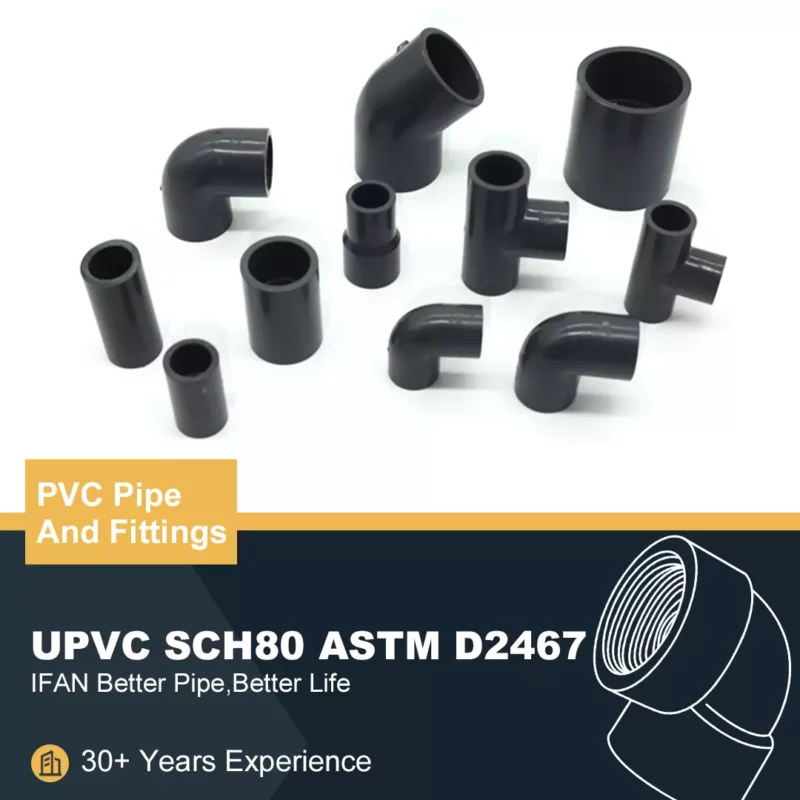
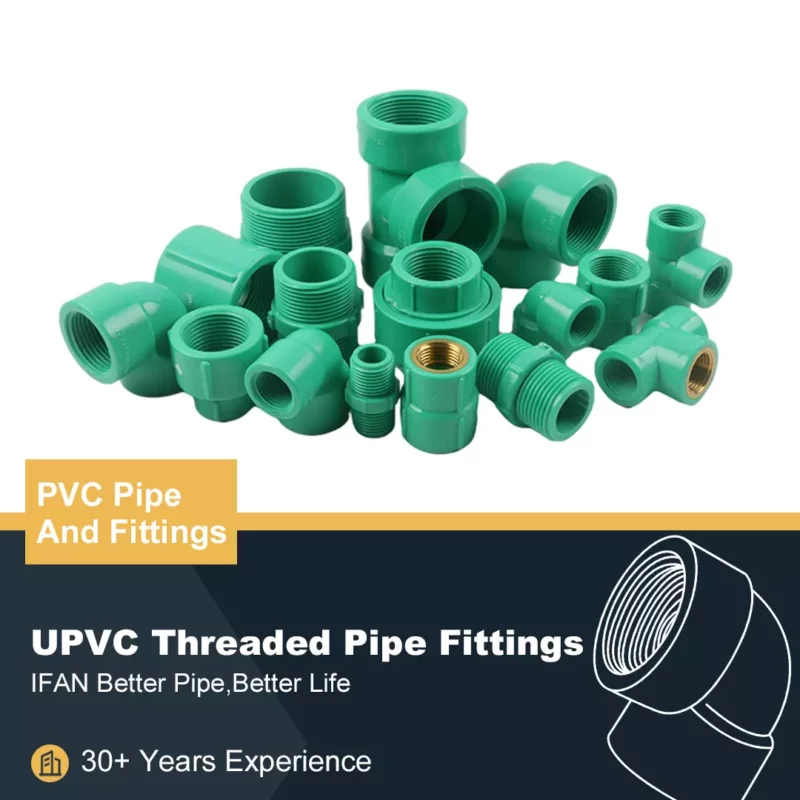
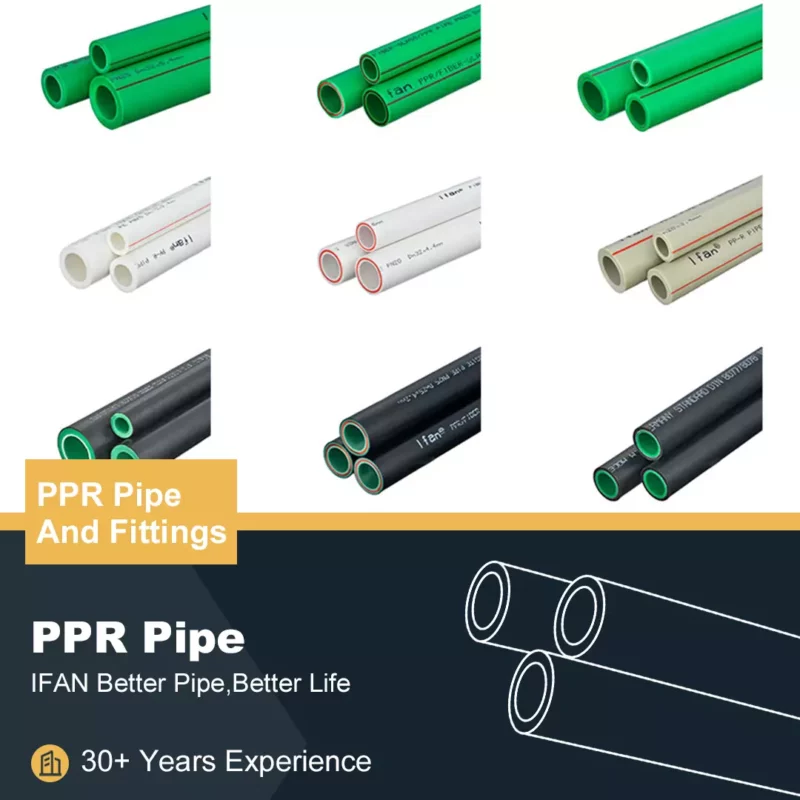
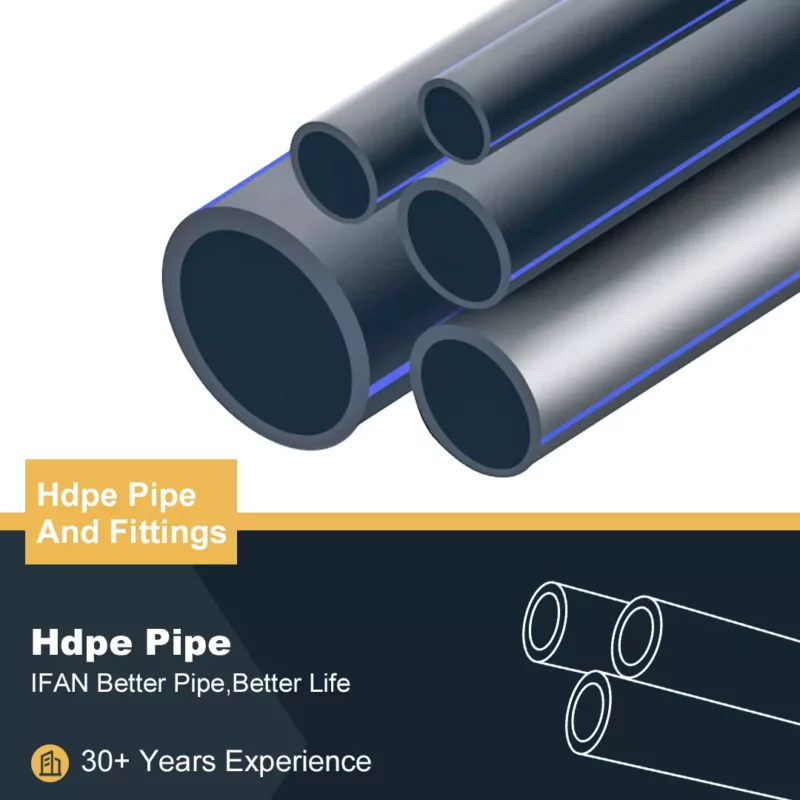
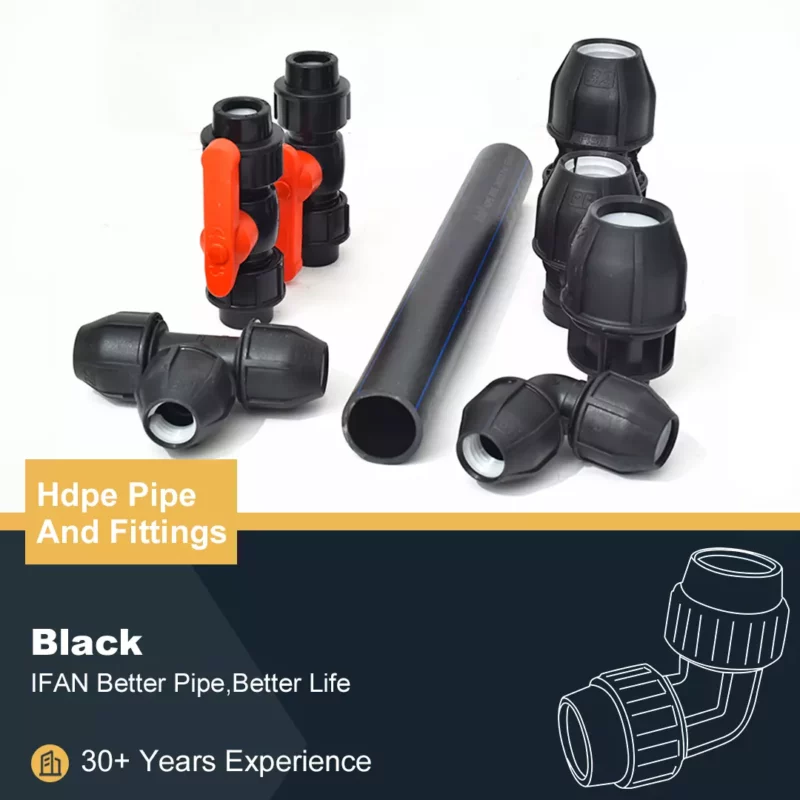
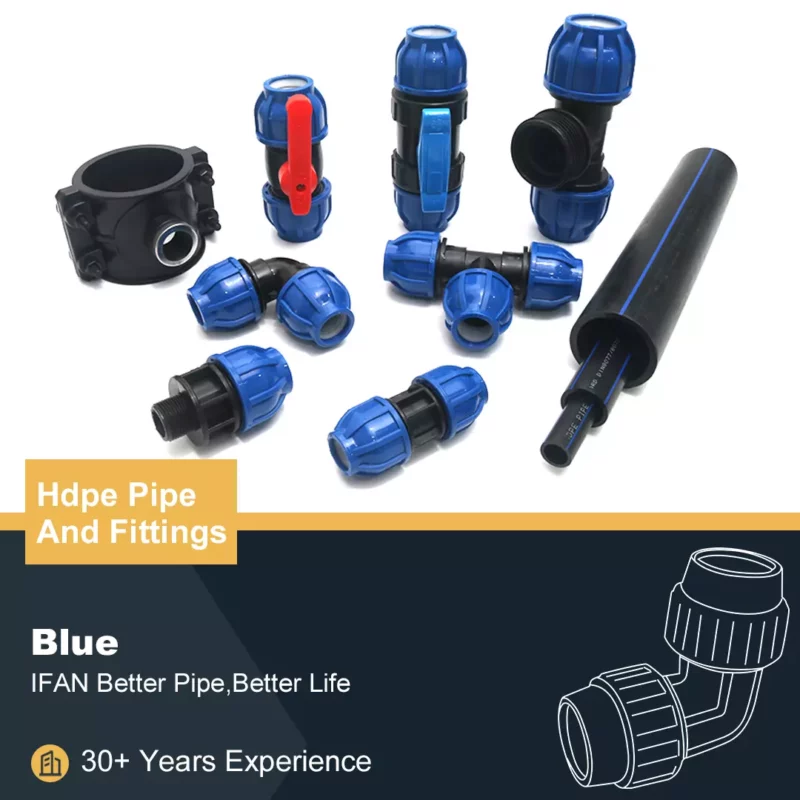
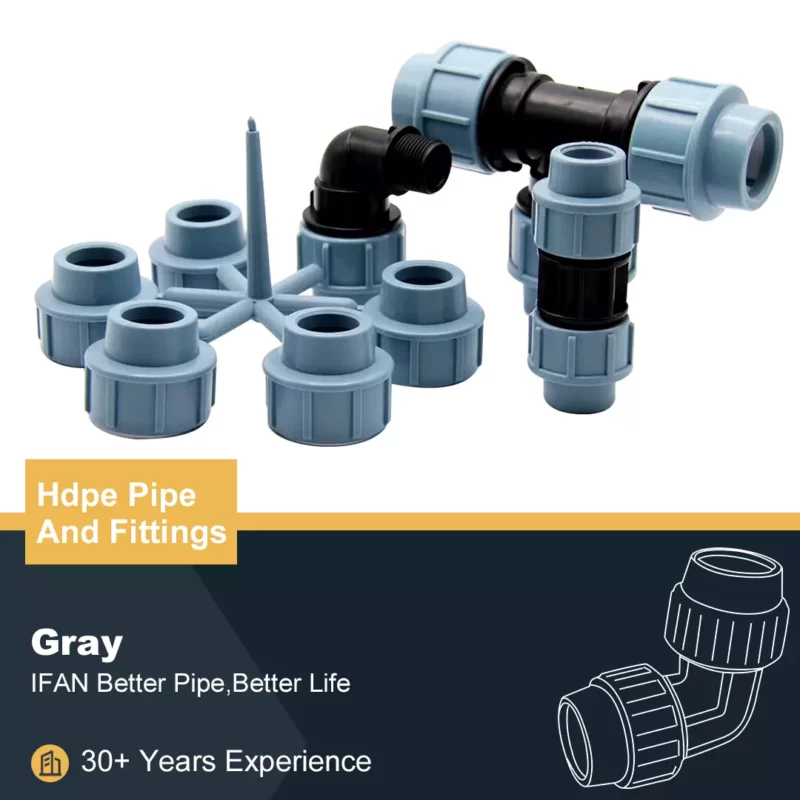

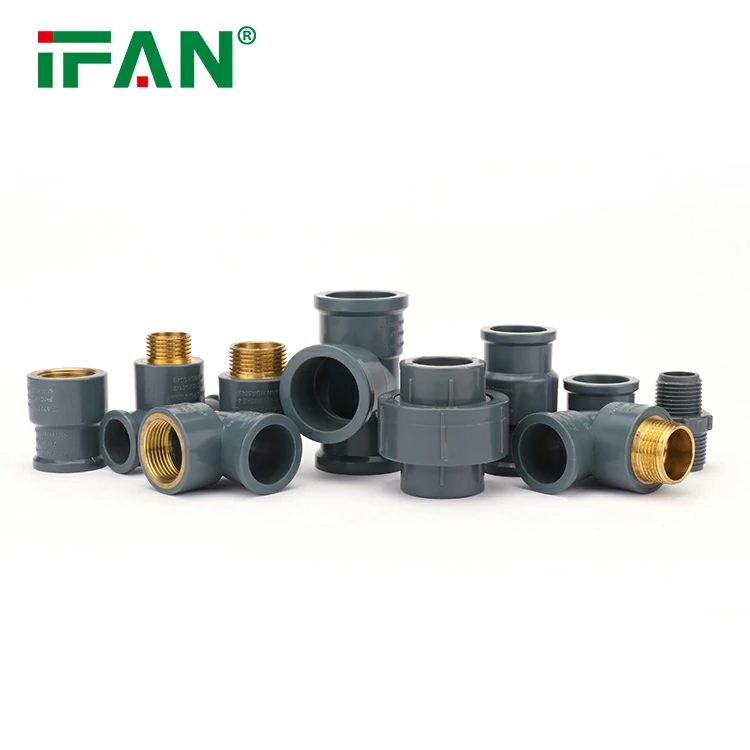
CPVC (Chlorinated Polyvinyl Chloride) pipe fittings are widely recognized for their durability, versatility, and ability to provide reliable, leak-proof plumbing systems. In both residential and commercial applications, the prevention of leaks is a critical factor for ensuring the longevity and effectiveness of a plumbing system. CPVC pipe fittings are engineered to offer a tight, secure fit that resists leakage under various conditions. This article explores the leak-proof qualities of CPVC pipe fittings, focusing on their benefits, installation process, and long-term reliability.
Superior Sealing Capabilities
CPVC pipe fittings are designed to create secure, leak-proof joints through a simple and effective joining process. Unlike metal or PEX pipes, which often require complex welding, threading, or clamping, CPVC pipes are connected using solvent cement. This bonding method creates a strong chemical bond between the pipe and fitting, forming a permanent seal that is resistant to leaks.
The solvent cement dissolves a small layer of the pipe’s outer surface, allowing the fitting and pipe to fuse together. Once the bond has set, the connection is durable and tightly sealed, significantly reducing the risk of leaks. This method is quick, reliable, and ensures that the joint is resistant to pressure and water flow over time.
Resistance to High Pressure
CPVC pipe fittings are engineered to withstand high-pressure conditions, making them ideal for both residential and industrial plumbing systems. Unlike some materials that can fail or leak under pressure, CPVC pipes maintain their integrity even in systems that experience significant water pressure.
The leak-proof qualities of CPVC fittings are crucial for applications where maintaining water pressure is necessary. In both cold and hot water systems, CPVC pipes can handle pressure without the risk of leaks or pipe bursts. This resistance to high pressure ensures that CPVC pipe systems remain functional and reliable for many years, even under demanding conditions.
Resistance to Corrosion
One of the primary causes of leaks in traditional plumbing systems is corrosion. Metal pipes, such as copper and steel, are prone to rust and corrosion over time, leading to the formation of weak spots where leaks can develop. CPVC pipe fittings, on the other hand, are immune to corrosion.
CPVC is highly resistant to the elements that typically cause corrosion in other materials, such as moisture, air, and chemicals. This resistance to corrosion ensures that CPVC pipes and fittings retain their strength and leak-proof performance for much longer. As a result, CPVC systems are less likely to develop leaks caused by rust or deterioration, making them a durable and reliable choice for long-term plumbing needs.
Chemical Resistance
CPVC pipe fittings are also known for their excellent resistance to a wide range of chemicals. Many industrial applications involve the transport of corrosive or aggressive fluids, and any leaks in these systems can have serious consequences. CPVC fittings, with their high chemical resistance, prevent leakage in such environments by maintaining their integrity even when exposed to harsh chemicals.
This chemical resistance makes CPVC pipe systems ideal for environments where metal pipes might degrade due to chemical exposure. The ability of CPVC to maintain its structural integrity without cracking or leaking under exposure to chemicals makes it a dependable choice for systems that handle aggressive fluids.
Thermal Expansion Resistance
One of the potential causes of leaks in plumbing systems is the expansion and contraction of pipes due to temperature fluctuations. CPVC pipes are designed to resist the effects of thermal expansion and contraction, which are common in hot water systems.
While metal pipes expand and contract with temperature changes, leading to stress on joints and potential leaks, CPVC pipes maintain their shape and strength despite temperature variations. This stability prevents the development of gaps or weak points where leaks could occur. As a result, CPVC pipe systems offer leak-proof performance even in systems that experience fluctuating temperatures.
Simple and Secure Installation
The installation of CPVC pipe fittings contributes significantly to their leak-proof performance. The solvent welding process creates a seamless, uniform connection that is resistant to leaks. This method requires minimal tools and expertise, making it an accessible solution for both professional plumbers and DIY installers.
The process begins with cleaning the pipe and fitting surfaces, applying the solvent cement, and then joining the two parts together. Once the cement cures, the bond is tight and secure. The simplicity of this installation process reduces the risk of human error, ensuring that each joint is sealed properly to prevent leaks.
Furthermore, the bonding process forms a smooth, continuous surface inside the pipe, reducing the risk of buildup or clogs that can lead to leaks. This efficient installation method ensures that CPVC systems remain leak-free over time, even with regular use and exposure to pressure.
Leak-Resistant in Freezing Conditions
In colder climates, pipes are at risk of freezing, which can cause them to crack and leak. CPVC pipe fittings are more resistant to freezing than traditional metal pipes, which are prone to bursting when water inside them freezes and expands.
CPVC’s flexibility allows it to handle some degree of expansion without cracking or splitting. While no pipe is entirely immune to freezing, CPVC offers better performance in colder conditions. This resistance to freezing helps reduce the likelihood of leaks caused by winter weather, making CPVC a reliable option for plumbing systems in regions with freezing temperatures.
Long-Term Leak Prevention
The long-term leak-proof nature of CPVC pipe fittings is one of the main reasons they are preferred for plumbing systems. Over time, pipes can degrade or weaken, leading to leaks. However, CPVC pipe systems are built to last for decades without significant degradation.
The material’s resistance to corrosion, thermal expansion, chemical exposure, and physical impact ensures that CPVC pipes maintain their leak-proof integrity throughout their lifespan. Regular maintenance is minimal, and the risk of leaks is low, making CPVC pipe systems a low-maintenance and reliable choice for long-term use.
Additionally, CPVC pipes and fittings do not experience the wear and tear common with metal or flexible plastic systems, which can develop weak points or joints that fail over time. The leak-resistant properties of CPVC are a major factor in its long-term success and reliability in a variety of applications.
Cost Savings from Leak Prevention
One of the significant benefits of leak-proof CPVC pipe fittings is the potential cost savings over time. Leaks can lead to water damage, increased utility bills, and costly repairs. By choosing CPVC, property owners can reduce the risk of leaks and the associated costs.
Additionally, the durability and longevity of CPVC systems mean that fewer replacements or repairs are necessary over the years. This cost-effectiveness, combined with CPVC’s ease of installation, makes it an excellent choice for anyone looking to minimize both upfront and long-term plumbing expenses.
Environmental Impact
Another advantage of CPVC’s leak-proof properties is the environmental benefit it provides. A leak-free system reduces water waste, which is crucial for conserving water resources. CPVC’s long lifespan means fewer materials need to be replaced, reducing the overall environmental footprint of plumbing systems.
Additionally, CPVC is recyclable, ensuring that old pipes and fittings can be repurposed rather than ending up in a landfill. This sustainability is an important consideration for both residential and commercial users seeking eco-friendly plumbing solutions.
Conclusion
In conclusion, CPVC pipe fittings are an excellent choice for creating leak-proof plumbing systems. Their ability to resist corrosion, high pressure, thermal expansion, and chemical damage makes them reliable in a wide range of environments. The solvent cement joining process ensures a secure, leak-resistant bond that can withstand harsh conditions for years. Additionally, CPVC pipes offer excellent freeze resistance, low maintenance needs, and long-term reliability, further enhancing their suitability for leak-free performance. Whether for residential, commercial, or industrial applications, CPVC pipe fittings provide a durable, cost-effective solution for preventing leaks and ensuring efficient plumbing systems.
If you have read this article and have any questions, please feel free to contact IFAN. Below is our contact information:
Whatsapp:+86 13373827623
Email:[email protected]