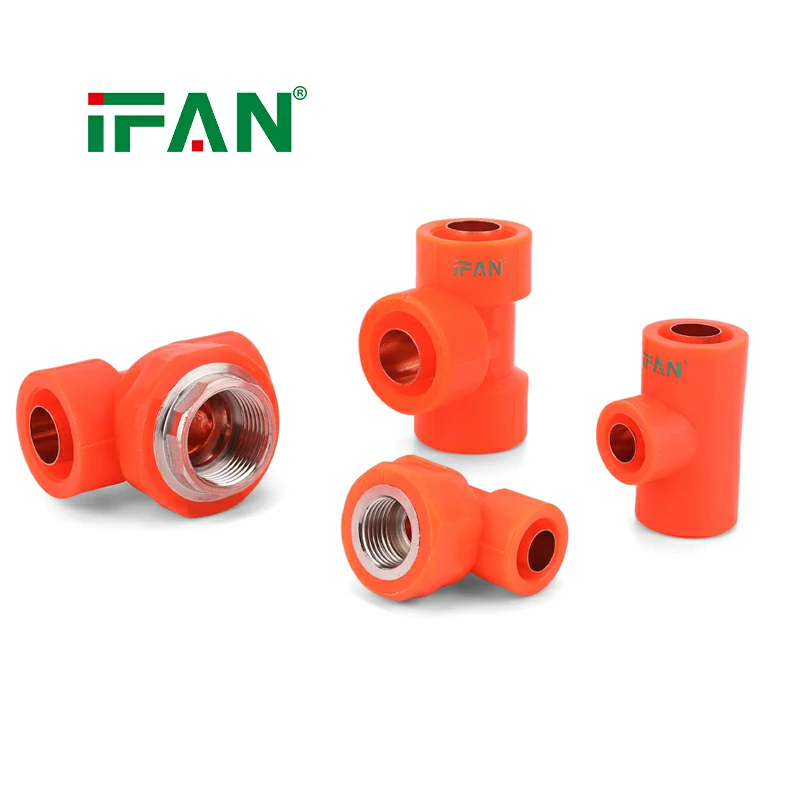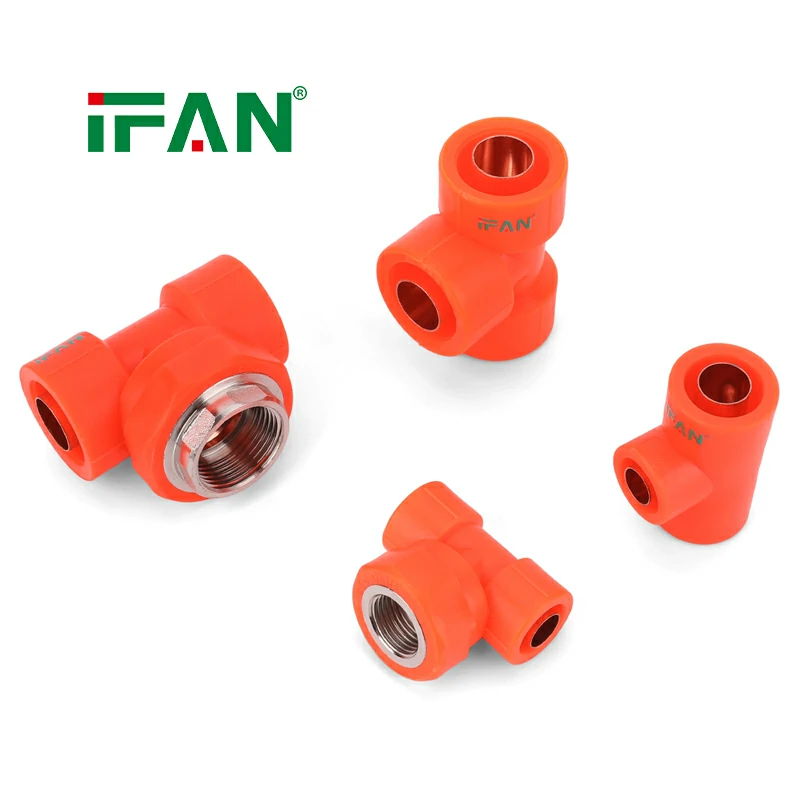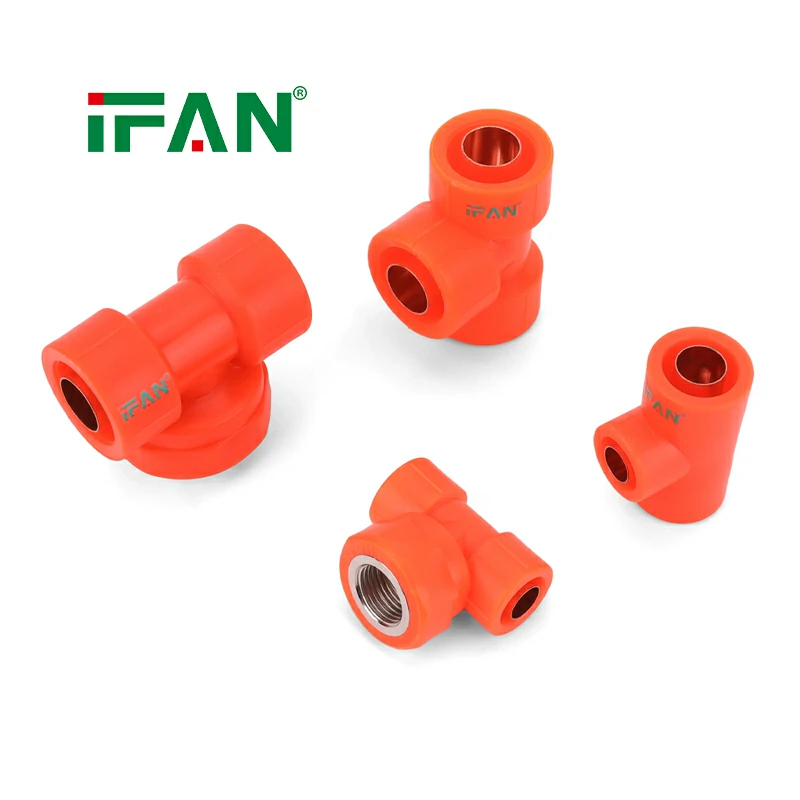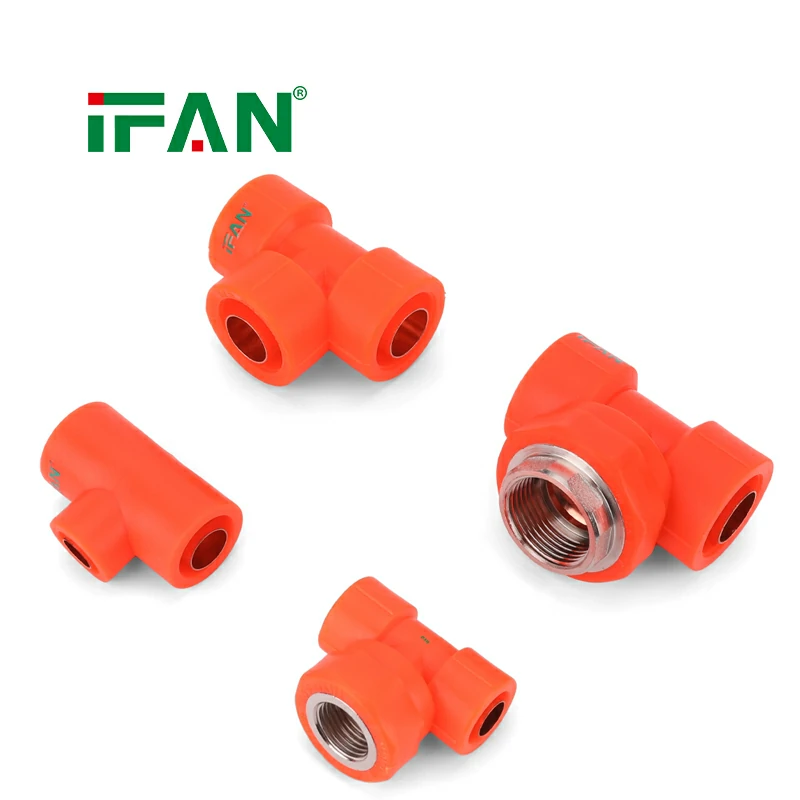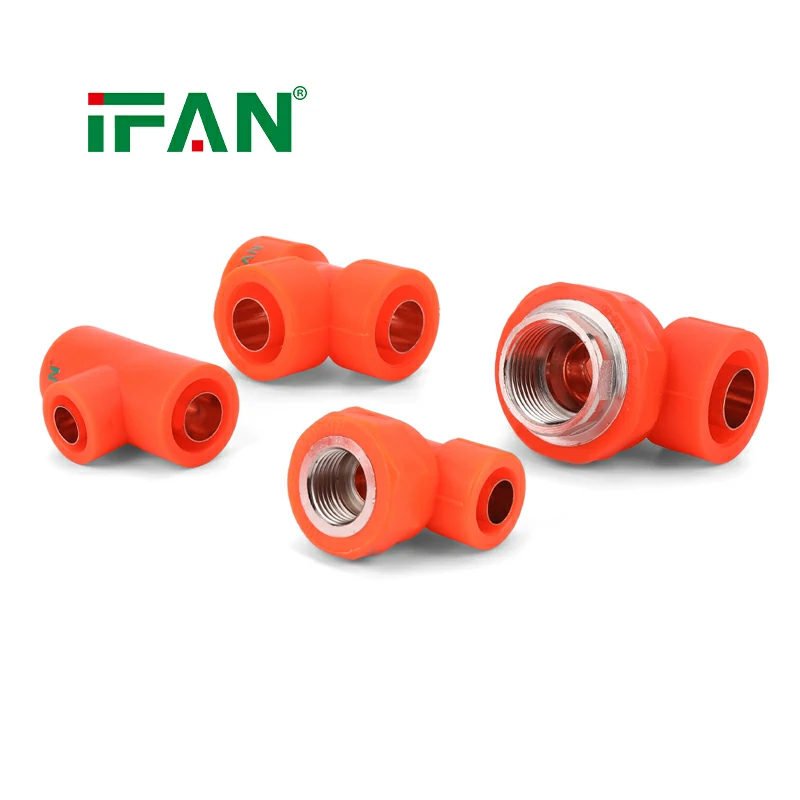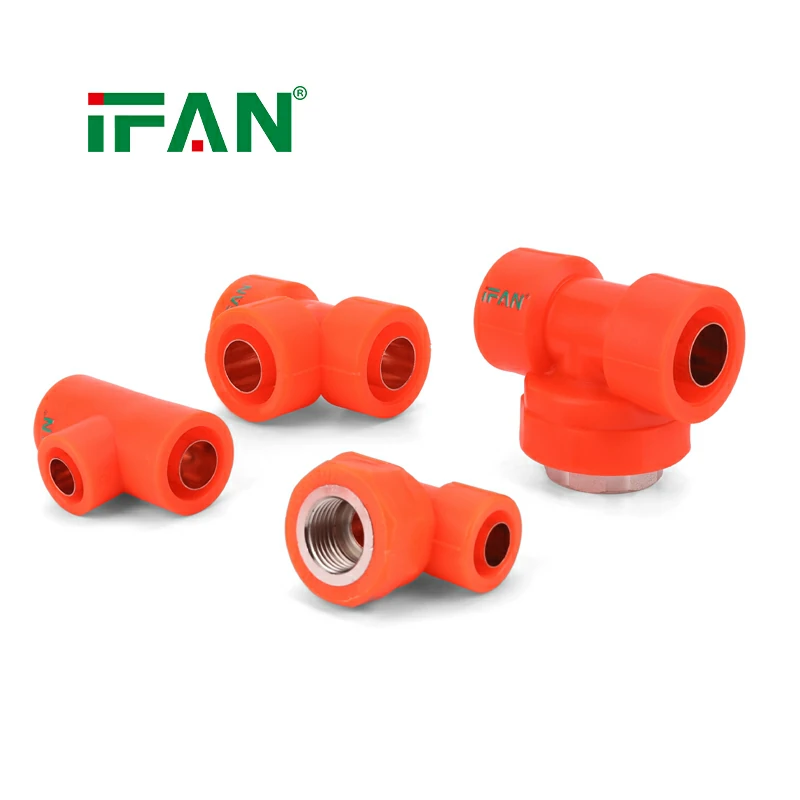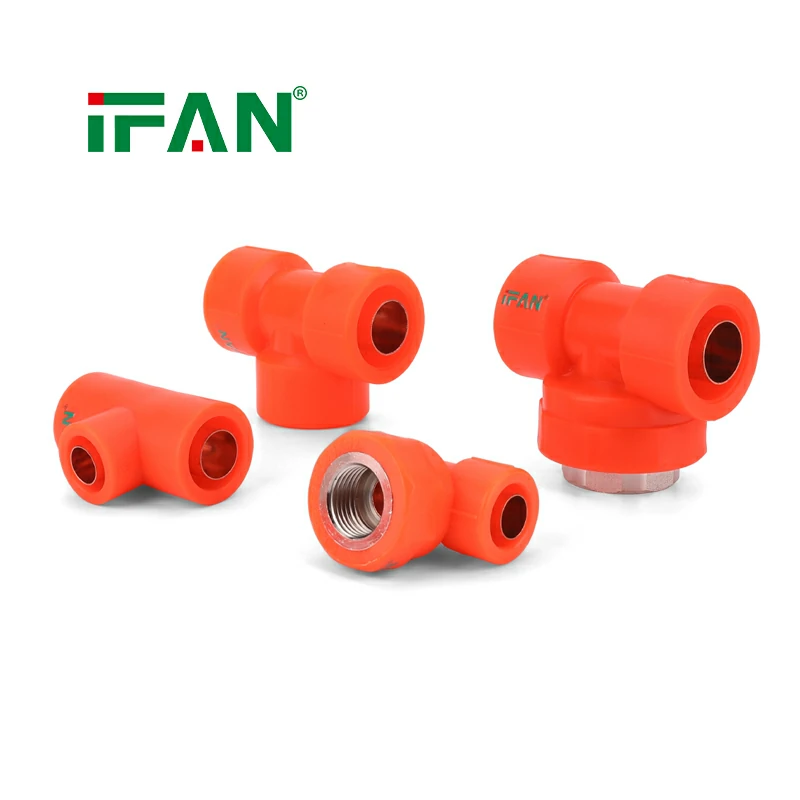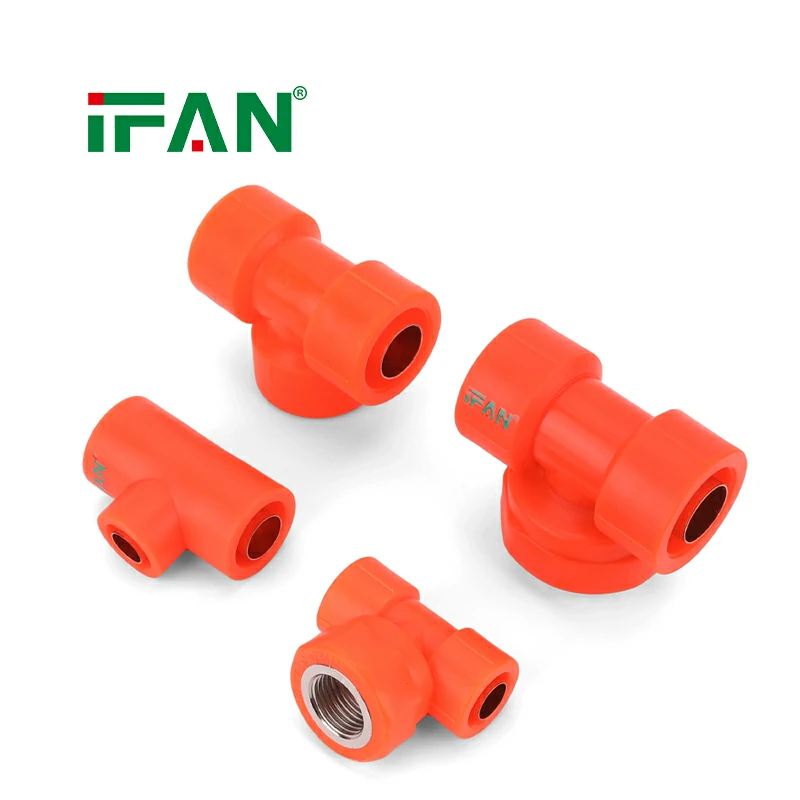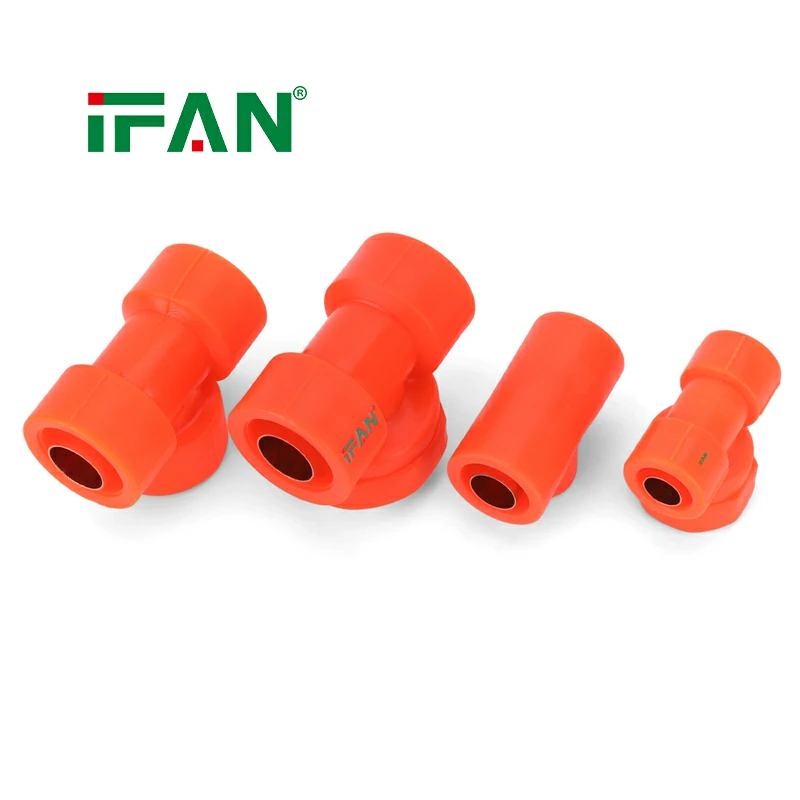
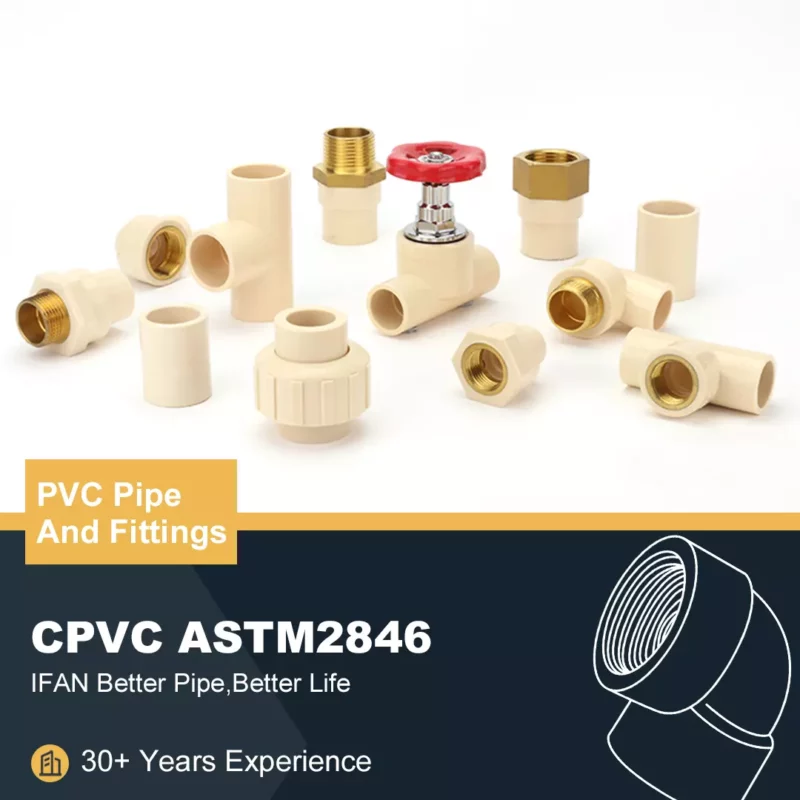
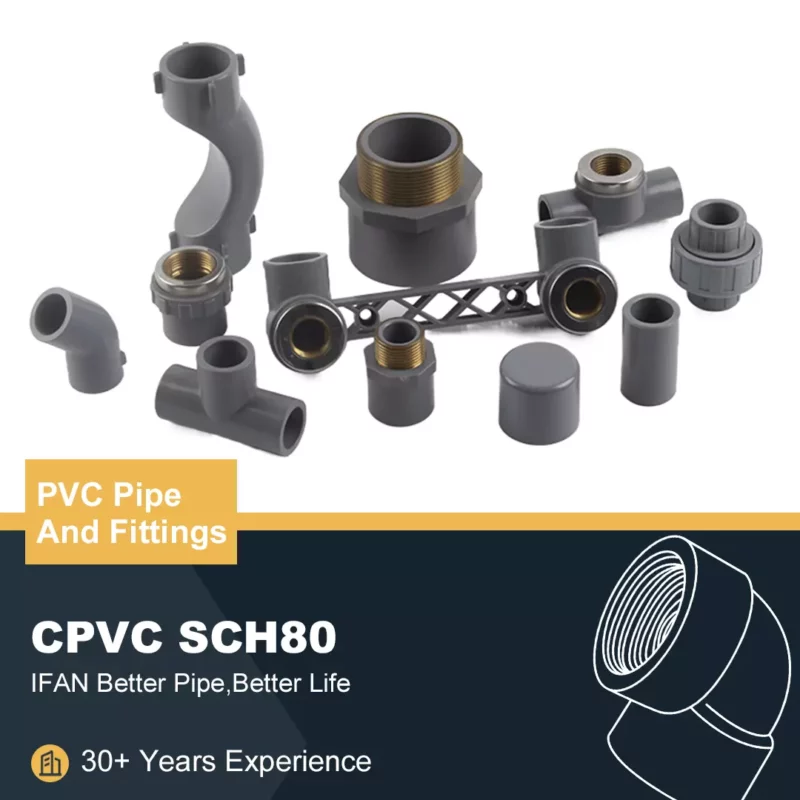
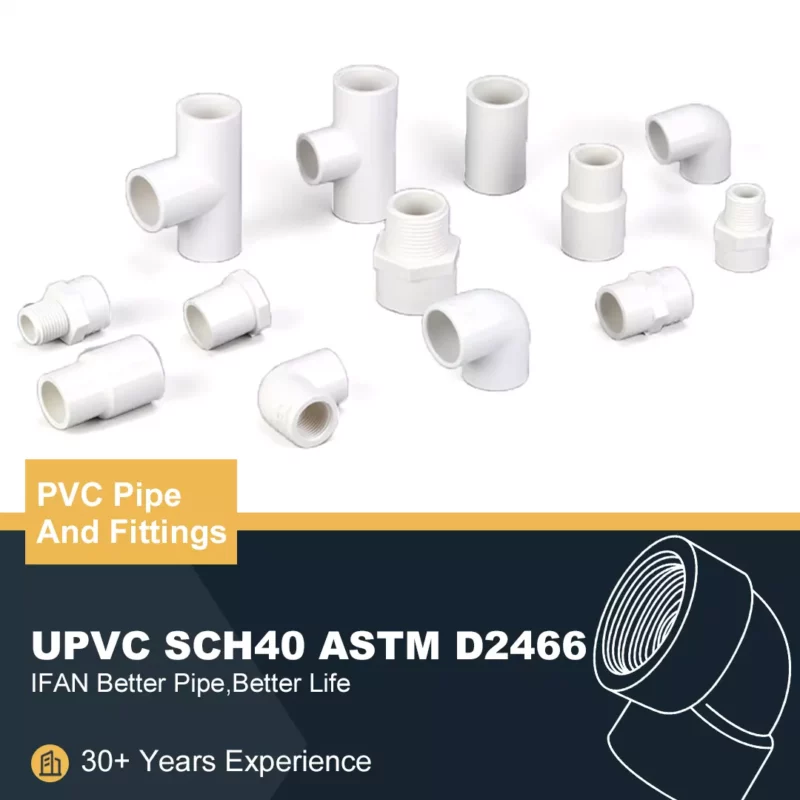
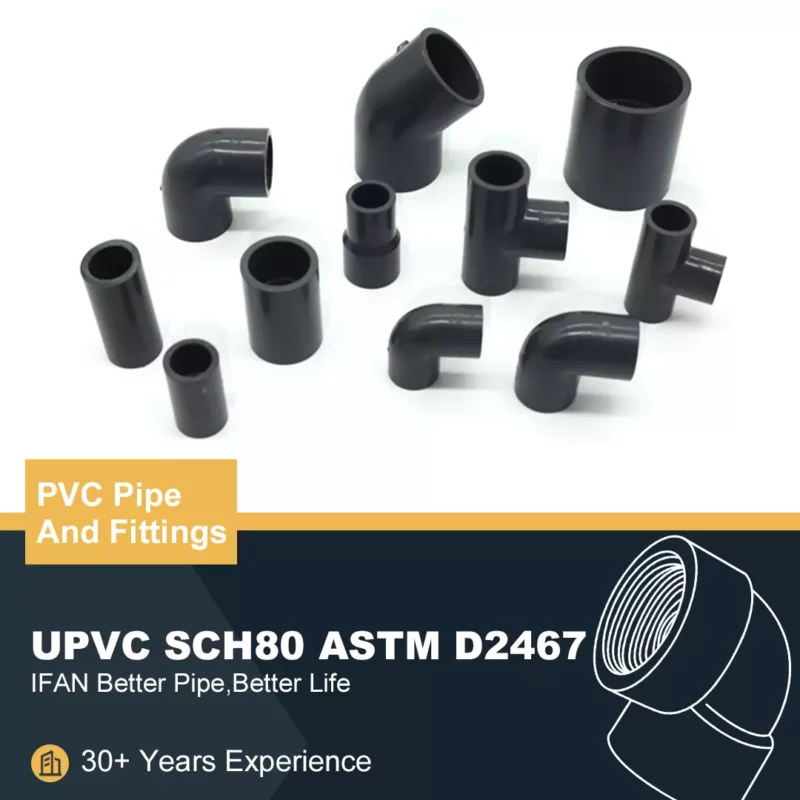
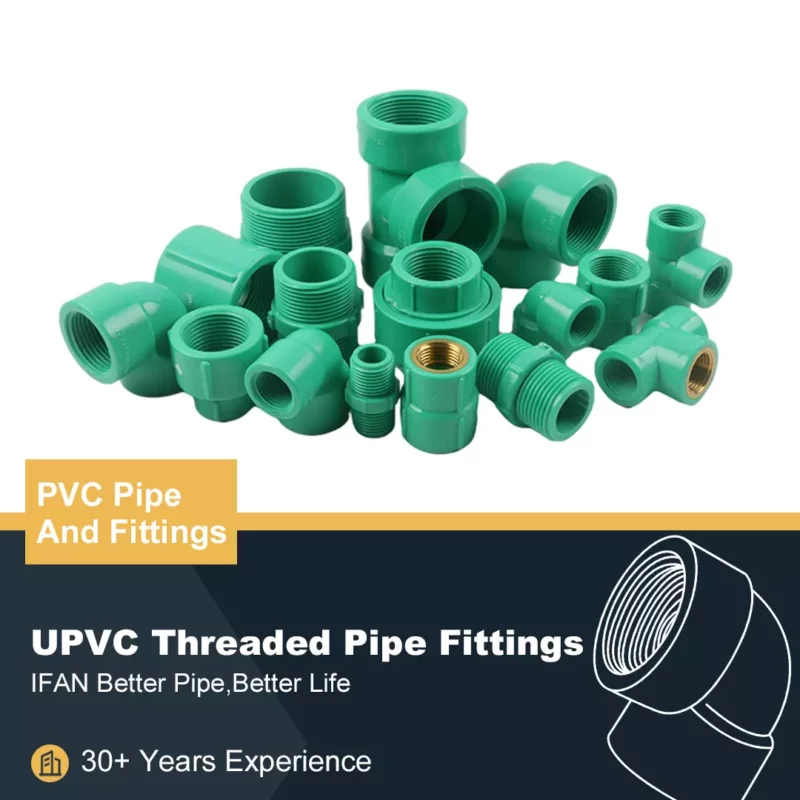
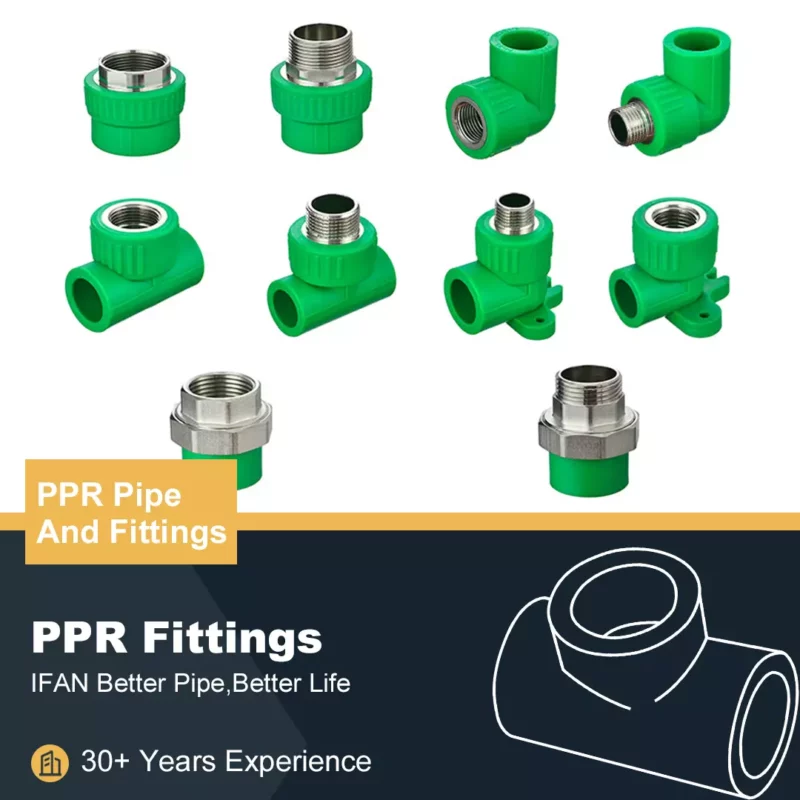
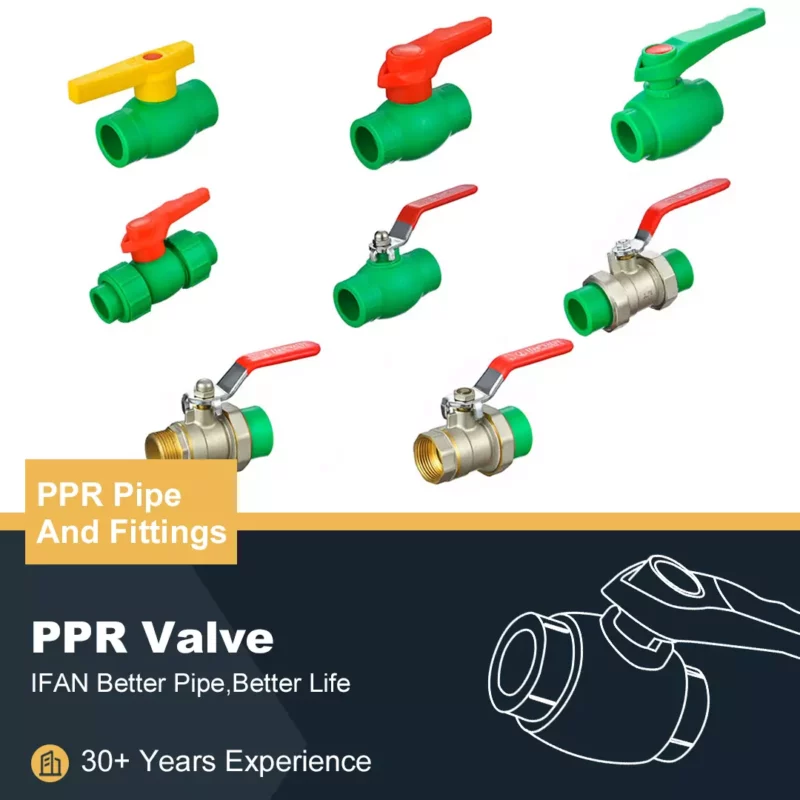
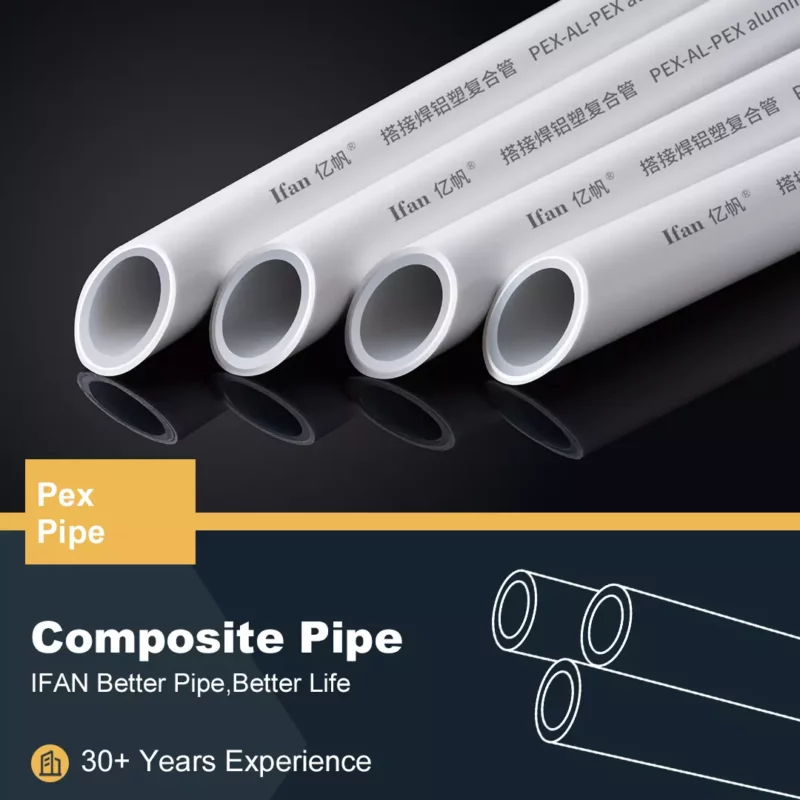
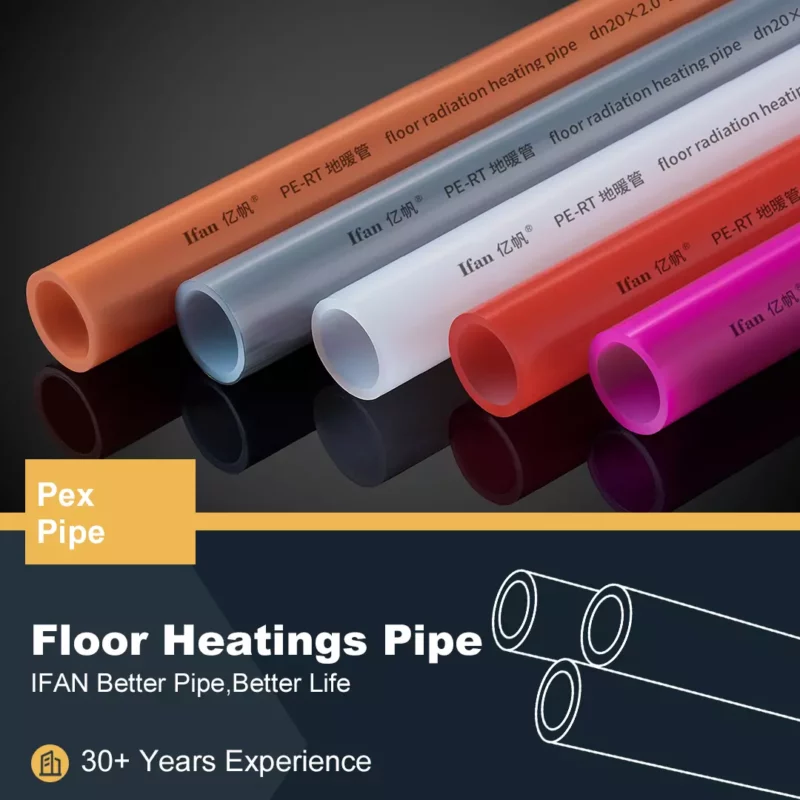



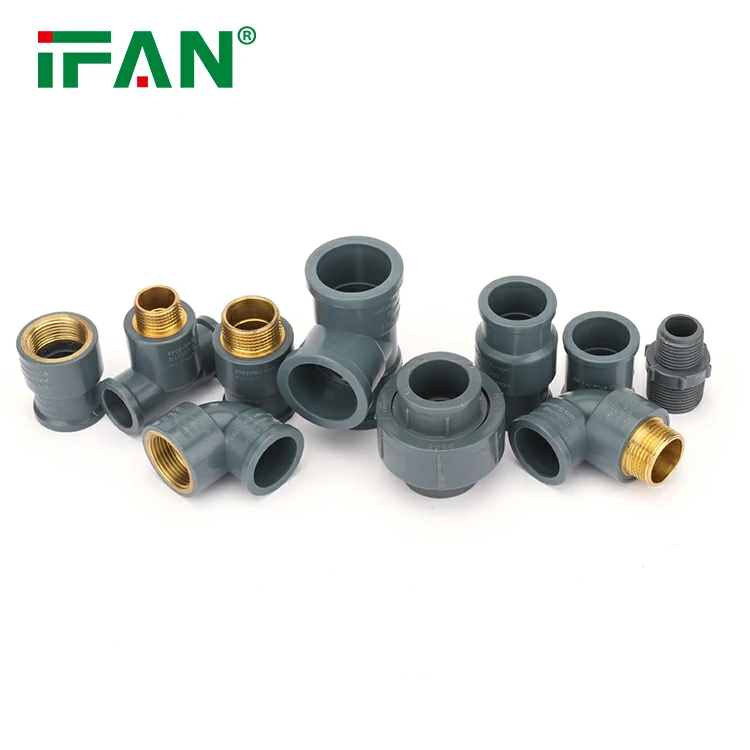
CPVC (Chlorinated Polyvinyl Chloride) pipe fittings are well known for their excellent chemical resistance, making them a superior choice for plumbing systems in environments where exposure to harsh chemicals is common. From residential plumbing systems to complex industrial applications, CPVC offers reliable protection against chemical degradation. This article explores the chemical resistance of CPVC pipe fittings, highlighting their benefits, applications, and long-term performance.
What is CPVC?
CPVC is a thermoplastic material made by chlorinating PVC (Polyvinyl Chloride). This chemical modification enhances its properties, particularly its resistance to high temperatures and a wide range of chemicals. Unlike traditional PVC, CPVC is suitable for hot water applications and can withstand higher temperatures without losing structural integrity. It is also chemically resistant, making it an ideal material for various industrial and residential plumbing systems.
The versatility and durability of CPVC pipe fittings have led to their widespread adoption in various sectors, including residential plumbing, chemical processing, and manufacturing. Its ability to resist chemical corrosion makes it a popular choice for transporting corrosive substances without compromising the integrity of the system.
Chemical Resistance Properties of CPVC
One of the primary advantages of CPVC pipe fittings is their resistance to a broad spectrum of chemicals. CPVC is highly resistant to acids, alkalis, salts, and a variety of solvents. This makes it suitable for applications where pipes are exposed to aggressive chemicals, including those used in industrial processes.
CPVC is often used in systems that handle chemicals like hydrochloric acid, sulfuric acid, and sodium hydroxide, which would quickly degrade other materials. Its high chemical resistance ensures that CPVC pipes and fittings maintain their strength and function over time, reducing the risk of leaks, ruptures, or failures in environments with corrosive substances.
Protection Against Corrosive Environments
Corrosion is a major concern in plumbing systems, especially when metals such as steel or copper are used. These materials degrade over time when exposed to water, air, and chemicals, leading to leaks and failures. In contrast, CPVC pipe fittings are inherently resistant to corrosion.
Even in highly acidic or alkaline environments, CPVC maintains its structural integrity. This corrosion resistance is especially important in industries such as chemical manufacturing, pharmaceuticals, and food processing, where pipes come into contact with corrosive fluids. CPVC’s resistance to chemical attack ensures that the pipes will not rust, weaken, or cause contamination, making it a reliable choice for long-term use in these applications.
CPVC in Industrial Applications
Industrial environments often require materials that can withstand exposure to a variety of harsh chemicals and high temperatures. CPVC pipe fittings are well-suited for such conditions. They are commonly used in industries such as chemical processing, water treatment, and power generation. In these sectors, CPVC provides reliable protection for systems transporting chemicals, acids, and solvents.
For example, in a chemical processing plant, CPVC pipes and fittings are used to transport corrosive chemicals like sulfuric acid, chlorine, or nitric acid. These substances can cause significant damage to traditional materials like metal, but CPVC remains unaffected, ensuring the safety and efficiency of the system.
Additionally, CPVC’s ability to withstand high temperatures makes it ideal for hot chemical processing applications. This combination of chemical resistance and heat tolerance makes CPVC a versatile material for industrial use.
Applications in Residential Plumbing Systems
CPVC pipe fittings are also widely used in residential plumbing systems, particularly for hot water supply lines. Hot water systems, which often involve higher temperatures and chemical additives like chlorine, require materials that can withstand these conditions without degrading. CPVC offers excellent performance in these systems, ensuring the pipes remain intact and leak-free for many years.
In residential settings, CPVC pipe fittings are often used for both potable water and non-potable water systems. Their resistance to chlorine and other disinfectants commonly used in municipal water treatment makes CPVC an ideal choice for residential applications. Unlike metal pipes, which can corrode and contaminate the water supply, CPVC ensures clean, safe water with minimal maintenance.
Resistance to Biological Contaminants
In addition to chemical resistance, CPVC pipe fittings are also resistant to biological contaminants. Mold, mildew, and algae can accumulate inside pipes, leading to blockages or contamination. However, CPVC’s smooth inner surface prevents the growth of these organisms, ensuring clean and safe water flow.
This resistance to biological buildup is particularly important in systems that transport water for drinking, cooking, or cleaning purposes. By preventing bacterial or fungal growth, CPVC ensures that the water supply remains safe and free from contaminants.
Benefits of Using CPVC for Chemical Resistance
Using CPVC pipe fittings offers several advantages for both industrial and residential applications. One of the primary benefits is their long-term reliability. CPVC is a durable material that does not require frequent maintenance or replacement, even when exposed to harsh chemicals. This reduces the long-term cost of maintaining the plumbing system.
Additionally, CPVC’s chemical resistance helps prevent leaks and ruptures caused by chemical degradation. Since CPVC pipes are not susceptible to corrosion, they maintain their strength and performance over time. This ensures a safer, more reliable plumbing system, reducing the risk of contamination, water damage, and costly repairs.
CPVC’s lightweight nature is another advantage. Unlike metal pipes, CPVC is easy to transport and install, which lowers both labor and material costs. Its ease of handling and installation also reduces the risk of installation errors that could lead to leaks or failures in the system.
CPVC vs. Other Materials
When compared to other materials, CPVC stands out for its superior chemical resistance. For instance, while metals like copper and steel are prone to corrosion when exposed to chemicals, CPVC remains intact and unaffected. PEX, another popular material, offers flexibility but does not provide the same level of chemical resistance as CPVC.
In highly corrosive environments, such as in chemical plants or water treatment facilities, CPVC outperforms materials like PVC, which may degrade when exposed to certain chemicals. Additionally, CPVC’s ability to handle higher temperatures than regular PVC makes it a more suitable option for both hot water and chemical systems.
Sustainability and Environmental Impact
CPVC pipe fittings also offer environmental benefits due to their long lifespan and low maintenance needs. Since CPVC pipes are resistant to chemical degradation, they do not require frequent replacements, which reduces the demand for raw materials. Moreover, CPVC is recyclable, contributing to sustainable practices in construction and industrial projects.
The durability of CPVC pipe fittings reduces the amount of waste produced over time. Unlike materials that corrode or degrade and need to be replaced more often, CPVC helps conserve resources by lasting longer and requiring fewer replacements. This eco-friendly characteristic is a significant consideration for those looking to minimize their environmental footprint.
The Cost-Effectiveness of CPVC
While CPVC pipe fittings may have a slightly higher initial cost compared to some other materials, their chemical resistance and durability make them a cost-effective choice in the long term. The reduced need for repairs, maintenance, and replacements ensures that CPVC systems remain affordable over time.
In industrial settings where chemical exposure is frequent, the cost of replacing pipes due to corrosion can be significant. CPVC, by offering superior chemical resistance, prevents these expenses, making it a wise investment for systems that handle aggressive substances.
Conclusion
In conclusion, CPVC pipe fittings offer excellent chemical resistance, making them a reliable and durable option for a wide range of plumbing and industrial applications. Their resistance to corrosion, chemicals, and high temperatures ensures that they can perform reliably over long periods without degradation. From industrial chemical processing to residential plumbing systems, CPVC provides a safe, cost-effective, and sustainable solution. By choosing CPVC pipe fittings, industries and homeowners alike can benefit from a robust and long-lasting plumbing system that resists chemical damage and minimizes the need for maintenance and replacements.
If you have read this article and have any questions, please feel free to contact IFAN. Below is our contact information:
Whatsapp:+86 13373827623
Email:[email protected]