

















Flow control is a critical factor in any plumbing, heating, or cooling system. Whether it’s ensuring the right water flow in a radiant heating system or balancing air flow in HVAC systems, precision matters. Brass manifolds are widely regarded as one of the best solutions for this task. Known for their durability, corrosion resistance, and ability to offer precise flow control, brass manifolds provide an efficient way to manage fluid distribution in various applications. This article will delve into the importance of precise flow control, the features of brass manifolds that make them suitable for this purpose, and the benefits they offer in different systems.
What is a Brass Manifold?
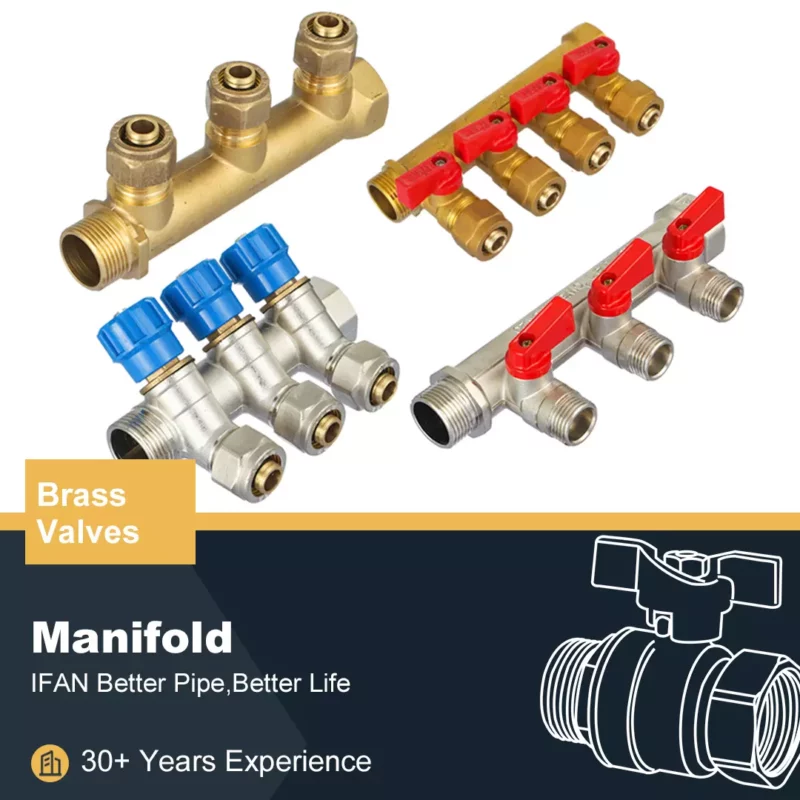
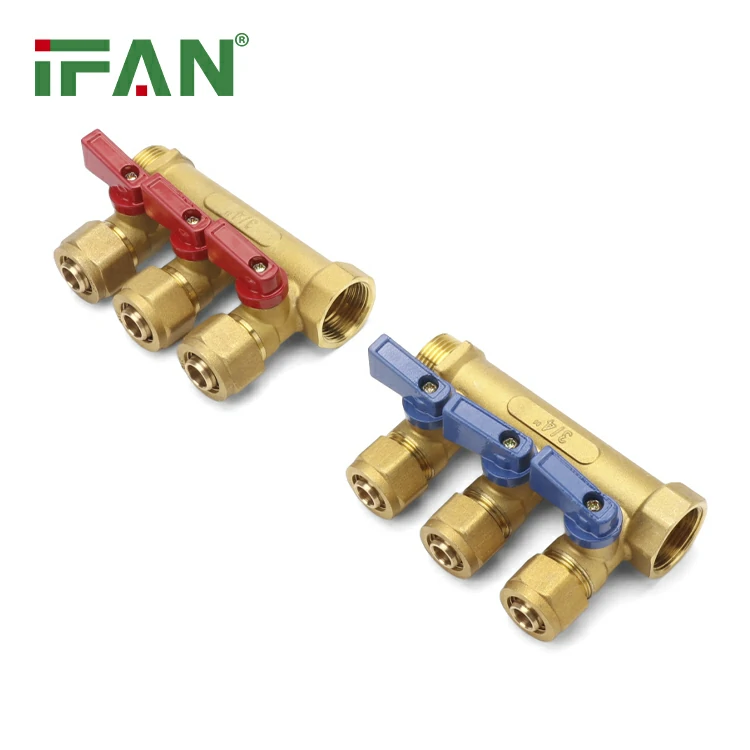
A brass manifold is a distribution device used in plumbing, heating, and cooling systems. It features one central inlet where fluid enters and multiple outlets that distribute the fluid to various points in the system. Brass is an ideal material for manifolds because it is strong, durable, and highly resistant to corrosion, which helps it withstand harsh conditions.
Brass manifolds are used to distribute various types of fluids, including hot water, chilled water, or air, throughout HVAC, radiant heating, and other plumbing systems. They help maintain a balanced flow, ensuring that each zone or loop receives the right amount of fluid for efficient system operation.
The Importance of Precise Flow Control
Flow control refers to regulating the amount of fluid that moves through a system. In HVAC, plumbing, or heating systems, precise flow control is crucial to ensure the system functions efficiently and effectively.
For example, in radiant floor heating systems, it is essential that each loop receives the right amount of hot water. Too much or too little flow can result in uneven heating, causing discomfort and wasting energy. In HVAC systems, proper flow control ensures that air or water is delivered evenly throughout a building, improving both comfort and energy efficiency.
Without precise flow control, a system can face several issues, including inefficient energy use, uneven heating or cooling, and premature system wear. Brass manifolds, with their built-in features like flow meters and balancing valves, help avoid these issues by maintaining balanced and consistent fluid distribution.
Why Brass Manifolds Are Ideal for Flow Control
Brass is widely used for manifolds because of its durability and corrosion resistance, two qualities that are essential for efficient flow control. These qualities ensure the manifold performs well even under challenging conditions, such as fluctuating temperatures or exposure to moisture.
Brass also has excellent thermal conductivity, which allows it to effectively manage the temperatures in heating or cooling systems. This is important because the manifold must remain stable even when exposed to high or low temperatures.
Moreover, brass manifolds can be equipped with various flow control features like flow meters, balancing valves, and pressure regulators. These components enable precise control of the water or air flow, making brass manifolds highly versatile in different applications.
Features of Brass Manifolds for Precise Flow Control
- Flow Meters: Flow meters are crucial in providing a precise reading of the fluid passing through the manifold. These devices measure the flow rate of water or air, allowing for adjustments to be made when necessary. With flow meters, the system can be adjusted for optimal efficiency, ensuring that the fluid is distributed accurately.
- Balancing Valves: Balancing valves are essential for controlling the flow rate to different parts of the system. By adjusting the valves, the flow of fluid can be balanced across the system to ensure each zone or loop receives the correct amount of fluid.
- Pressure Regulators: Pressure regulators help maintain the correct pressure throughout the system. By controlling the pressure, brass manifolds ensure that the system operates within safe and optimal limits. This is especially important in systems with varying fluid demands or pressure fluctuations.
- Corrosion Resistance: Brass’s inherent corrosion resistance ensures that the manifold remains in good condition over time. This property is essential for maintaining the accuracy and longevity of the flow control features, as corrosion can lead to blockages, leaks, or malfunctions.
Benefits of Precise Flow Control with Brass Manifolds
Brass manifolds offer several advantages when it comes to precise flow control:
- Enhanced Efficiency: Brass manifolds help maintain a balanced and consistent flow of fluid, leading to improved system efficiency. When the system is balanced, it operates more smoothly, reducing energy consumption and waste.
- Energy Savings: By ensuring that the system runs efficiently, brass manifolds contribute to lower energy consumption. With precise flow control, systems can be optimized to deliver the required fluid flow without overworking, leading to reduced energy bills.
- Increased Comfort: Whether it’s in heating or cooling systems, brass manifolds ensure that the desired temperature is evenly distributed throughout the system. This leads to consistent comfort across different zones, eliminating hot or cold spots.
- Prolonged System Life: Proper flow control reduces the stress on the system, which can result in extended system life. With a balanced flow, the system’s components are less likely to wear out prematurely, reducing the need for repairs or replacements.
- Reduced Maintenance Costs: Brass manifolds are designed for durability, and with their precise flow control features, they help minimize the need for frequent maintenance. By preventing issues like pressure imbalances or uneven fluid flow, these manifolds reduce the likelihood of system breakdowns and costly repairs.
Applications of Brass Manifolds for Precise Flow Control
Brass manifolds are widely used in various systems where precise flow control is essential. Some of the key applications include:
- Radiant Floor Heating Systems: Brass manifolds are commonly used in radiant floor heating systems, where they distribute heated water to loops in the floor. Precise flow control ensures even heat distribution, leading to optimal comfort and energy efficiency.
- Hydronic Heating Systems: In hydronic heating systems, water is heated and circulated through a network of pipes to provide warmth. Brass manifolds are used to regulate the flow of hot water to each zone, ensuring uniform heating throughout the space.
- HVAC Systems: In HVAC systems, brass manifolds help control the flow of air or water to different zones. By adjusting the flow, the system can maintain consistent temperature control and air quality, improving both comfort and energy efficiency.
- Irrigation Systems: Brass manifolds are also used in irrigation systems, where they distribute water evenly to various zones in a garden or agricultural field. Precise flow control ensures that each area receives the appropriate amount of water, helping conserve resources while promoting healthy plant growth.
- Cooling Systems: In cooling systems, especially in commercial buildings or industrial applications, brass manifolds regulate the flow of chilled water to different areas. This helps maintain a consistent temperature and prevents areas from becoming too warm.
Installation of Brass Manifolds for Flow Control
Installing a brass manifold is a relatively straightforward process, but it requires attention to detail to ensure optimal flow control. The following steps outline the typical installation process:
- Locate the Manifold: The manifold should be installed in an easily accessible area near the central fluid source. This could be near a boiler, chiller, or pump.
- Connect the Inlet: The manifold’s inlet port should be securely connected to the central supply of water or air. Ensure that all connections are sealed properly to prevent leaks.
- Connect the Outlet Ports: The manifold’s outlet ports should be connected to the individual pipes or loops in the system. Each connection must be tight to prevent leakage and ensure smooth flow.
- Install Flow Control Components: If the manifold has flow meters, balancing valves, or pressure regulators, install them according to the manufacturer’s instructions. These components are essential for precise flow control.
- Test the System: After installation, test the system for leaks and verify that the flow is balanced. Adjust the flow control components as needed to achieve the desired flow rate and pressure.
Maintenance of Brass Manifolds
Maintaining brass manifolds is relatively simple, as they require minimal upkeep. However, regular checks are necessary to ensure they continue functioning optimally:
- Inspect for Leaks: Regularly inspect the manifold and its connections for any signs of leaks. Even small leaks can lead to energy loss and reduced system efficiency.
- Monitor Flow and Pressure: Periodically check the flow meters and pressure gauges to ensure that the system is operating within the desired parameters. Adjust the flow control components if necessary.
- Clean the Manifold: Brass manifolds should be kept clean to ensure proper fluid flow. Remove any debris or mineral buildup that may obstruct the flow.
- Check Valves and Meters: Ensure that the valves and flow meters are functioning correctly. Replace any damaged or malfunctioning components to maintain precise flow control.
Conclusion
Brass manifolds are essential components in systems that require precise flow control. Their durability, corrosion resistance, and ability to distribute fluid efficiently make them an ideal choice for HVAC, heating, and plumbing systems. With built-in flow meters, balancing valves, and pressure regulators, brass manifolds ensure that fluid is distributed evenly and efficiently, leading to improved system performance, energy savings, and increased comfort.
Incorporating brass manifolds into a system enhances overall efficiency, reduces maintenance costs, and prolongs the lifespan of the system. Whether in radiant floor heating, hydronic systems, or HVAC applications, brass manifolds are an effective solution for precise flow control and optimal performance.
If you have read this article and have any questions, please feel free to contact IFAN. Below is our contact information:
Whatsapp:+86 13373827623
Email:[email protected]