



















In HVAC (Heating, Ventilation, and Air Conditioning) systems, ensuring the efficient distribution of water and air is crucial for maintaining optimal comfort and performance. A critical component that helps achieve this is the brass manifold. Brass manifolds play a significant role in distributing water, air, and other fluids throughout HVAC systems. Due to their durability, corrosion resistance, and efficient performance, brass manifolds have become a preferred choice in HVAC applications. This article will explore the role of brass manifolds in HVAC systems, their benefits, and the reasons they are so effective in these environments.
What is a Brass Manifold?
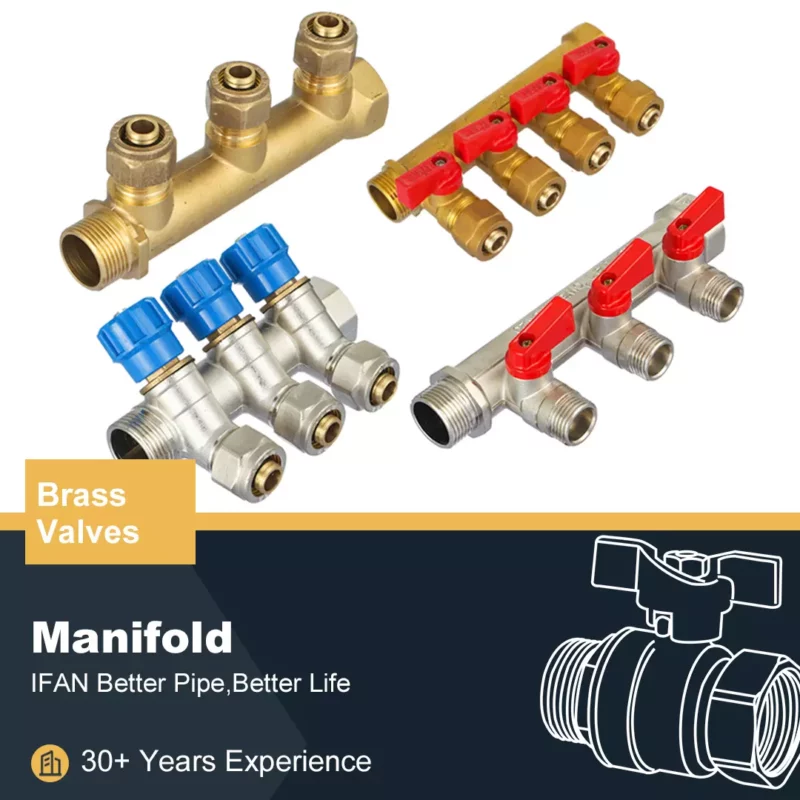
A brass manifold is a distribution unit used in plumbing, heating, and cooling systems. It has one inlet port that connects to a central source, such as a boiler or chiller, and multiple outlet ports that distribute the fluid to different zones or loops within the system. Brass is the material of choice for manifolds because it is durable, resistant to corrosion, and can withstand the high temperatures and pressures typically found in HVAC systems.
In HVAC systems, brass manifolds are primarily used to control the flow of water through the pipes, which carry heated or cooled fluids. By regulating this flow, they ensure that each part of the system receives the correct amount of fluid for proper temperature regulation.
The Role of Brass Manifolds in HVAC Systems
Brass manifolds serve several important functions in HVAC systems. One of the primary roles is fluid distribution. In heating and cooling systems, fluid must be evenly distributed to various zones or areas of a building. A brass manifold ensures that the right amount of heated or cooled fluid flows to each section, maintaining consistent temperature control.
In addition to distribution, brass manifolds also provide pressure regulation. They can be equipped with flow meters, balancing valves, and pressure gauges to ensure the correct pressure and flow rate throughout the system. This level of control helps prevent issues such as airlocks, uneven heating or cooling, and system inefficiencies.
Why Brass is Used in HVAC Manifolds
Brass is a preferred material for HVAC manifolds due to its corrosion resistance and durability. HVAC systems often operate in environments with high moisture levels or fluctuating temperatures, which can lead to corrosion in less durable materials. Brass, however, is highly resistant to corrosion, ensuring that the manifold remains effective over time.
Additionally, brass is an excellent conductor of heat, which is essential in HVAC applications where efficient heat transfer is necessary. It also has a high tensile strength, which allows it to withstand the pressure changes that are common in HVAC systems.
Benefits of Brass Manifolds in HVAC Applications
Brass manifolds offer numerous advantages that make them ideal for HVAC systems. Some of the primary benefits include:
- Corrosion Resistance: Brass is highly resistant to rust and corrosion, making it a long-lasting choice for HVAC systems. This ensures that the manifold will remain in good condition, even in environments with high humidity or exposure to moisture.
- Durability: Brass is a strong material that can withstand the pressure and temperature fluctuations that occur in HVAC systems. It is less likely to crack or fail compared to other materials, leading to a longer lifespan for the manifold.
- Efficiency: Brass manifolds provide efficient distribution of water or air throughout the system. By ensuring even flow, they help optimize the performance of the HVAC system, reducing energy consumption and improving comfort levels.
- Ease of Maintenance: Brass manifolds require less maintenance than other types of manifolds. Their resistance to corrosion and wear reduces the frequency of repairs or replacements, lowering the overall cost of system upkeep.
- Versatility: Brass manifolds can be used in various HVAC applications, including both heating and cooling systems. They are compatible with a range of systems, from radiant floor heating to chilled water cooling systems.
How Brass Manifolds Improve HVAC System Efficiency
In HVAC systems, achieving efficient fluid flow is essential for maintaining consistent temperatures and minimizing energy consumption. Brass manifolds improve efficiency in several ways:
- Balanced Distribution: Brass manifolds ensure that the heated or cooled fluid is evenly distributed throughout the system. This eliminates temperature imbalances, such as cold spots or areas of excess heat, that can reduce the effectiveness of the HVAC system.
- Optimized Flow Control: Brass manifolds are equipped with flow meters and balancing valves that allow for precise adjustments to the fluid flow. This ensures that each zone of the system receives the correct amount of fluid, optimizing energy use and maintaining comfortable temperatures.
- Prevention of Pressure Loss: HVAC systems rely on consistent pressure to maintain fluid flow. Brass manifolds help prevent pressure loss by ensuring that the system remains balanced, reducing the risk of inefficiencies such as airlocks or uneven fluid distribution.
- Energy Savings: By improving the efficiency of fluid flow and temperature regulation, brass manifolds can help reduce the overall energy consumption of the HVAC system. This leads to lower utility bills and a more sustainable system.
Applications of Brass Manifolds in HVAC Systems
Brass manifolds are used in a variety of HVAC applications due to their resilience and efficiency. Some of the most common uses include:
- Hydronic Heating Systems: Brass manifolds are commonly used in hydronic heating systems, where hot water or steam is circulated through pipes to provide warmth. The manifold helps distribute the water evenly throughout the system, ensuring that each zone is heated to the desired temperature.
- Radiant Floor Heating: In radiant floor heating systems, brass manifolds are used to distribute hot water through the pipes embedded in the floor. This ensures even heat distribution across the floor, providing comfort and energy efficiency.
- Chilled Water Systems: Brass manifolds are also used in chilled water systems, where they help distribute cooled water to air handlers or fan coils. This allows for efficient cooling and helps maintain consistent indoor temperatures.
- Cooling Towers: In commercial HVAC systems, brass manifolds are used in cooling towers to distribute water throughout the system. They ensure that the system operates efficiently, maintaining the required cooling capacity.
- HVAC Zones: For buildings with multiple zones, brass manifolds are used to control the flow of air or water to each zone. This allows for temperature control in different areas of the building, improving comfort and energy efficiency.
Installation of Brass Manifolds in HVAC Systems
Installing a brass manifold in an HVAC system requires careful planning and professional installation. Here are the general steps involved in the installation process:
- Determine the Manifold Location: The manifold should be installed in an accessible location near the boiler, chiller, or heat pump. This ensures easy maintenance and adjustments when needed.
- Connect the Inlet: The inlet of the manifold is connected to the central fluid supply, whether hot water, chilled water, or air. It is essential to ensure a secure and leak-proof connection.
- Install the Outlet Ports: Each outlet port on the manifold is connected to a separate pipe or loop in the system. These connections should be tight and properly sealed to prevent leaks.
- Install Flow Meters and Balancing Valves: Many brass manifolds come with built-in flow meters and balancing valves that allow for precise control over fluid distribution. These components should be properly installed and calibrated to ensure efficient operation.
- Test the System: Once the manifold is installed, the system should be tested for leaks and proper flow. Adjust the flow rates and pressure as necessary to ensure that the HVAC system operates efficiently.
Maintenance of Brass Manifolds
Brass manifolds are low-maintenance components, but regular checks are necessary to ensure that the system continues to function optimally. Here are some maintenance tips:
- Check for Leaks: Periodically inspect the manifold and surrounding pipes for leaks. Even small leaks can lead to energy waste and system inefficiency.
- Monitor Flow and Pressure: Regularly check the flow rates and pressure in the system. Adjust the flow meters and balancing valves as necessary to maintain optimal performance.
- Clean the Manifold: While brass is resistant to corrosion and buildup, it’s still a good idea to clean the manifold occasionally to remove any debris or mineral deposits that could affect performance.
- Inspect Valves and Meters: Ensure that all valves and flow meters are functioning correctly. Replace any faulty components to maintain system efficiency.
Conclusion
Brass manifolds are a critical component in HVAC systems, offering numerous benefits, including corrosion resistance, durability, and efficient fluid distribution. Their ability to withstand high temperatures, pressure fluctuations, and harsh environments makes them an ideal choice for both heating and cooling applications.
Incorporating brass manifolds into HVAC systems ensures optimal performance, energy efficiency, and long-term reliability. Their versatility and ease of maintenance further contribute to their growing popularity in residential, commercial, and industrial HVAC systems. As the demand for efficient and sustainable HVAC solutions increases, the role of brass manifolds in ensuring system performance will continue to be vital.
If you have read this article and have any questions, please feel free to contact IFAN. Below is our contact information:
Whatsapp:+86 13373827623
Email:[email protected]