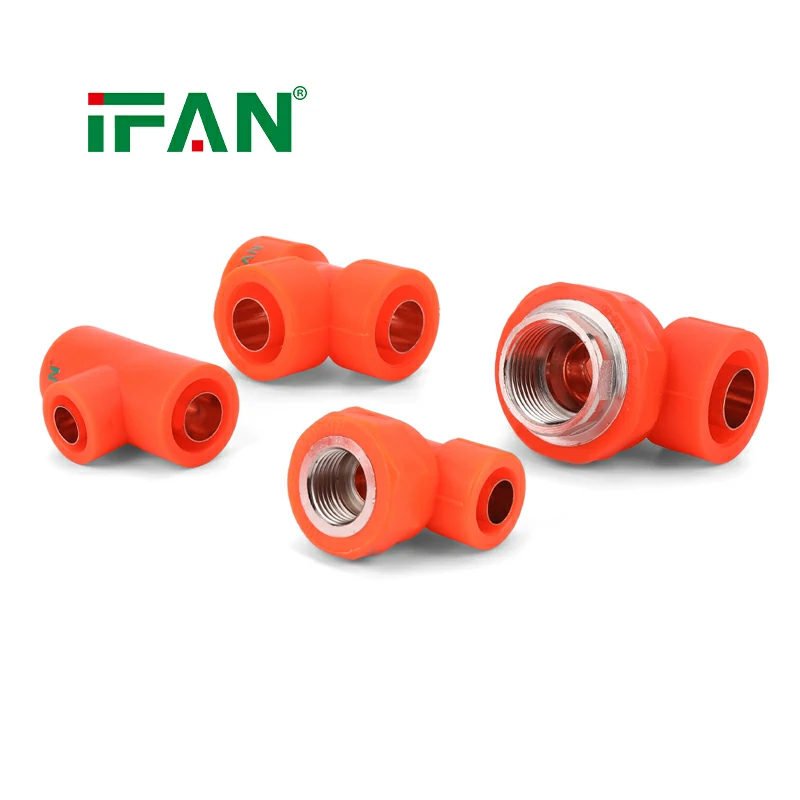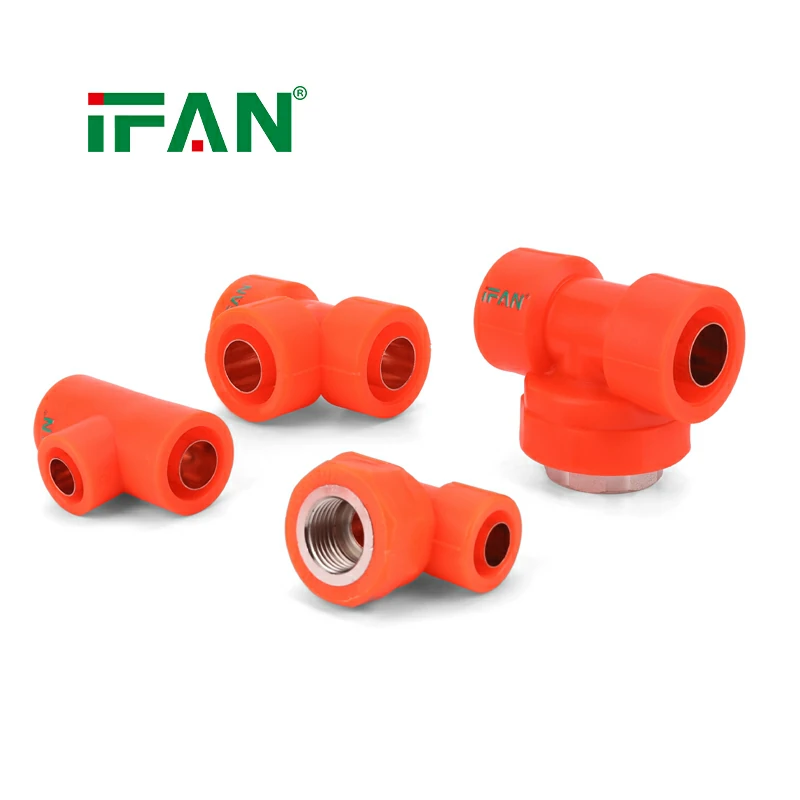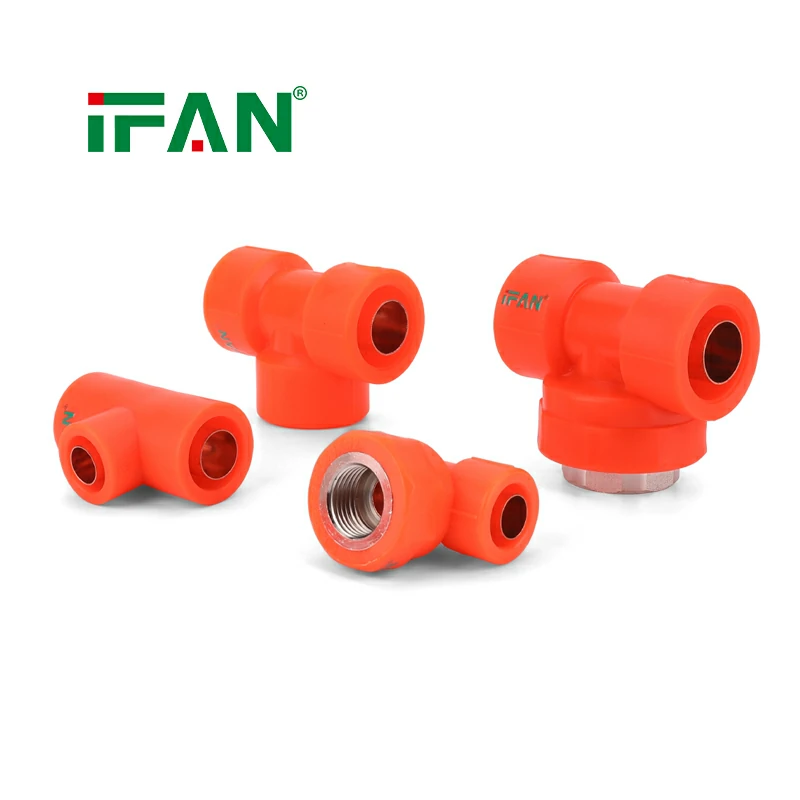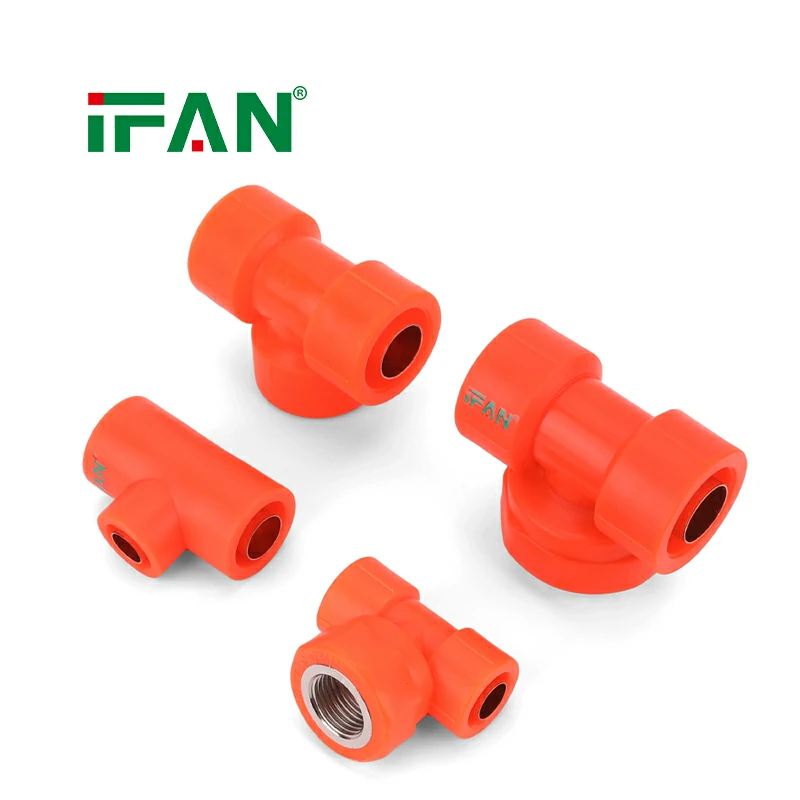
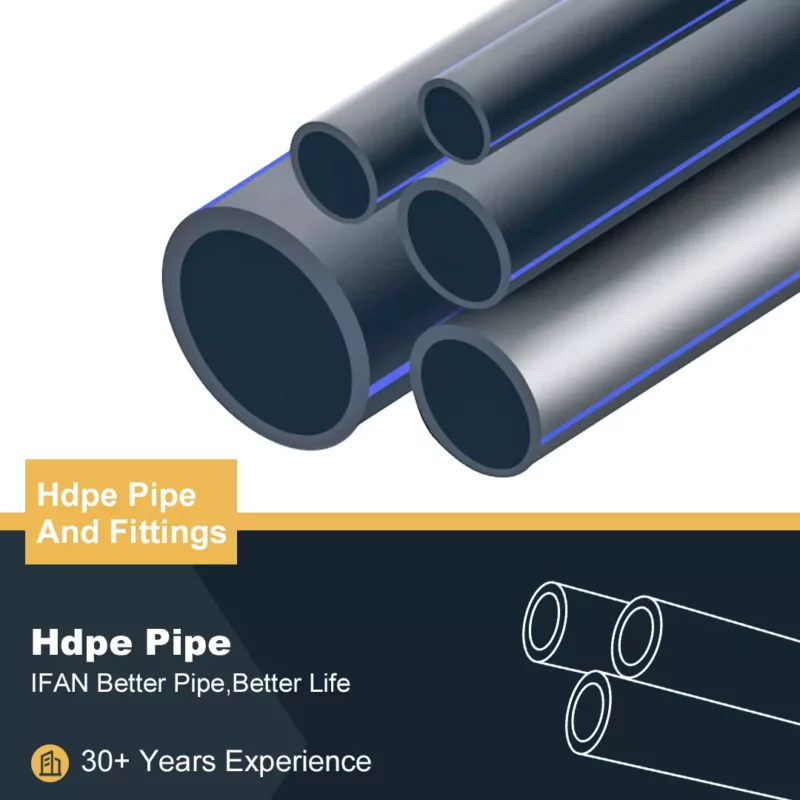
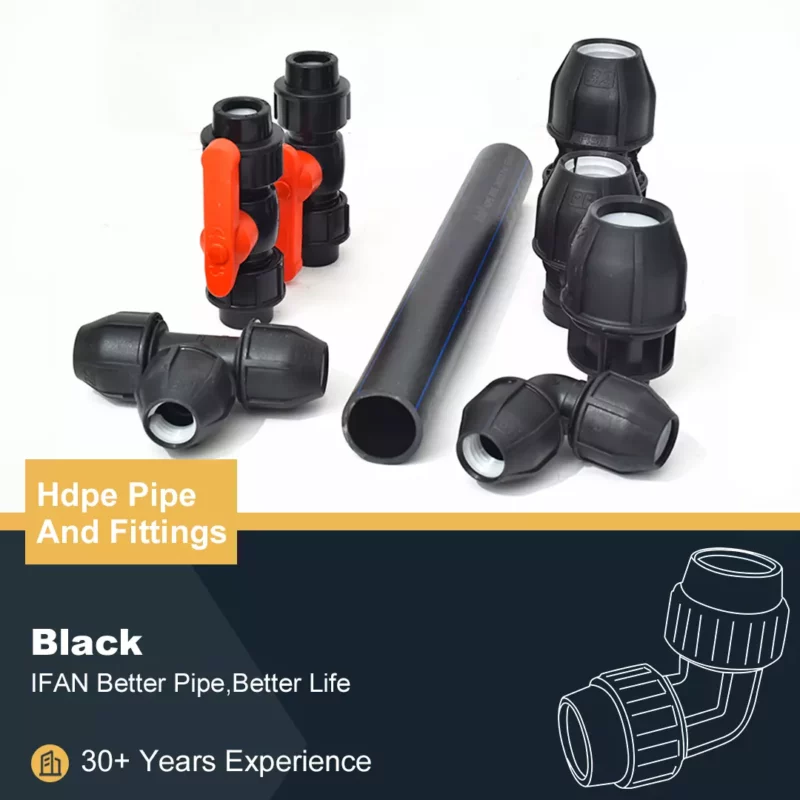
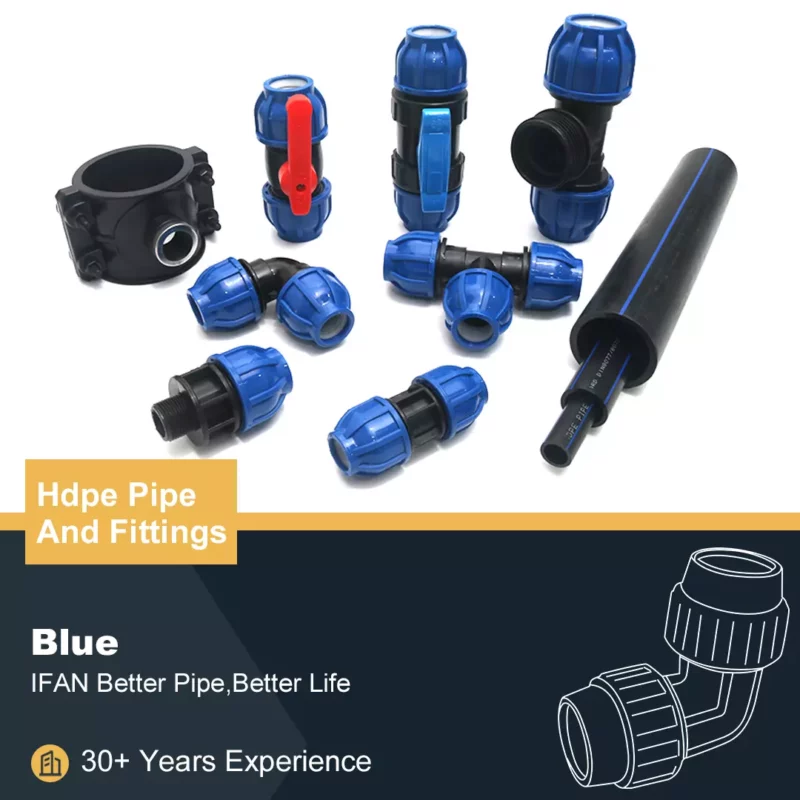
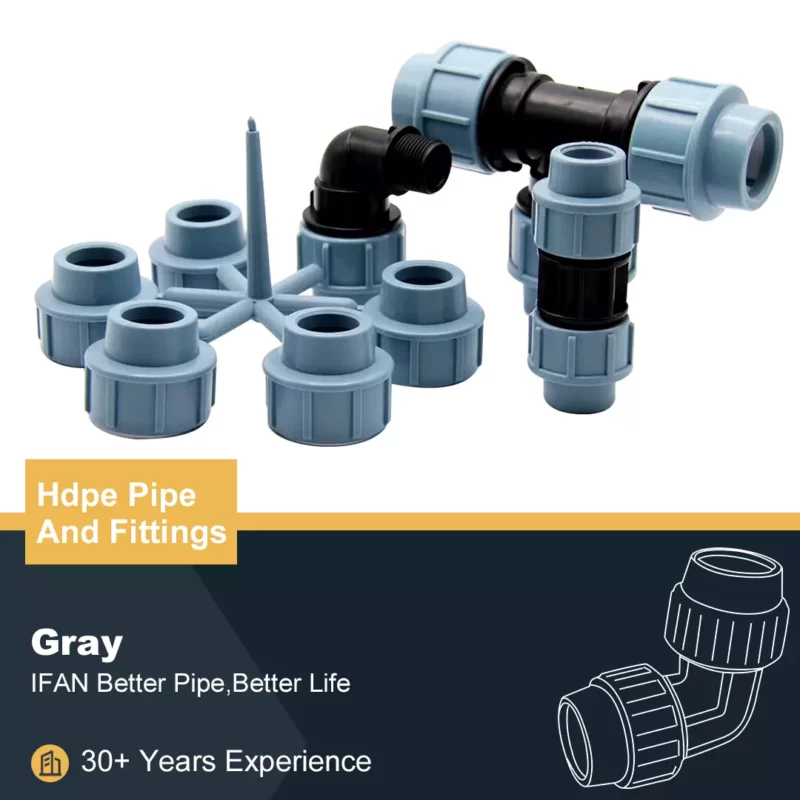



PPR (Polypropylene Random Copolymer) pipes and fittings are widely used in plumbing systems due to their exceptional durability, cost-effectiveness, and ease of installation. These pipes are made from a type of plastic known for its resistance to corrosion, high temperatures, and various chemicals. As a result, PPR pipe fittings play a crucial role in ensuring the longevity and efficiency of plumbing systems in both residential and commercial applications.
Characteristics of PPR Pipes and Fittings
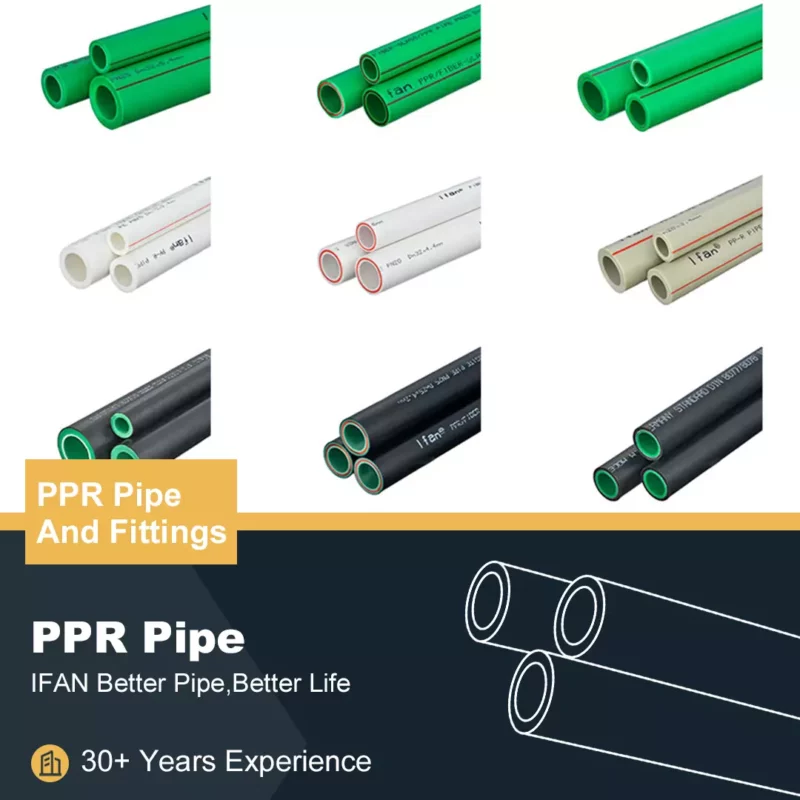
PPR pipes are lightweight yet sturdy, making them easy to handle and install. The fittings, which come in various shapes and sizes, are designed to connect these pipes securely. The versatility of PPR pipes and fittings is one of their most notable features, allowing for a wide range of plumbing applications. They are resistant to scaling, rust, and chemical degradation, ensuring that the pipes maintain their integrity even under harsh conditions.
Additionally, PPR fittings offer an excellent resistance to high water temperatures, making them ideal for both hot and cold water supply systems. This property also allows PPR pipes to be used for underfloor heating and cooling systems. The connection between the pipes and fittings is usually made using heat fusion, which creates a strong, seamless bond.
Advantages of PPR Pipe Fittings
One of the primary advantages of PPR pipes and fittings is their durability. Unlike traditional metal pipes, PPR materials do not corrode over time. They also have a longer service life, often lasting up to Long-term durability according to standards or more with proper maintenance. This makes them a cost-effective solution in the long run, reducing the need for frequent replacements or repairs.
PPR fittings are also highly resistant to chemical reactions, meaning they will not degrade when exposed to various acids, alkalis, or salts. This makes them particularly useful in industrial and commercial plumbing systems, where the water supply might contain harmful substances. Additionally, the fittings are non-toxic, making them safe for use in drinking water systems.
Another benefit is the ease of installation. PPR fittings are lightweight, which reduces labor costs and installation time. The heat fusion method used to join the pipes and fittings eliminates the need for special tools or complicated techniques. This makes PPR plumbing systems ideal for both professionals and DIY enthusiasts.
Types of PPR Pipe Fittings
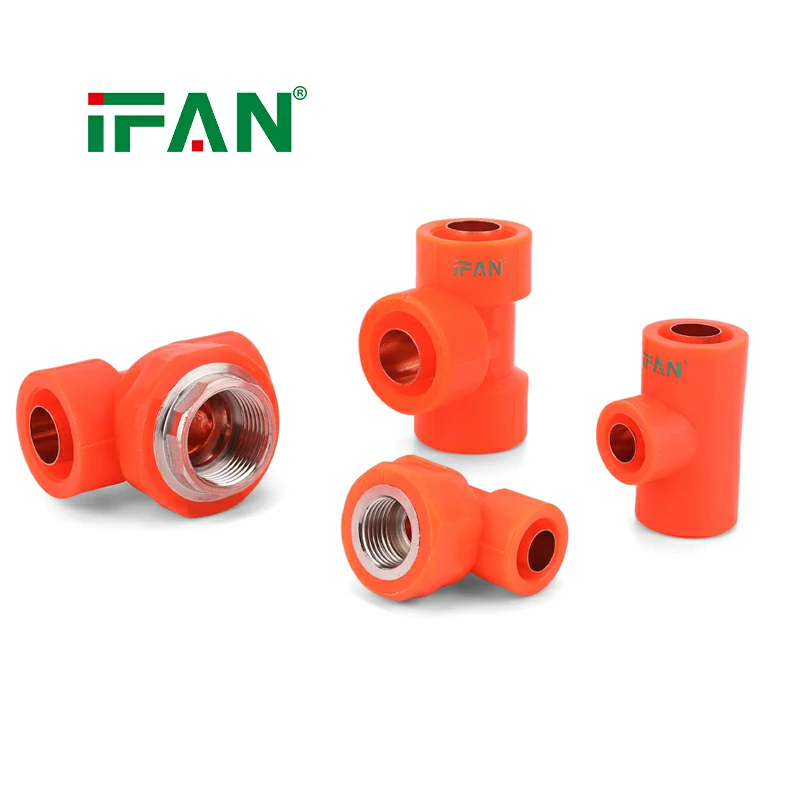
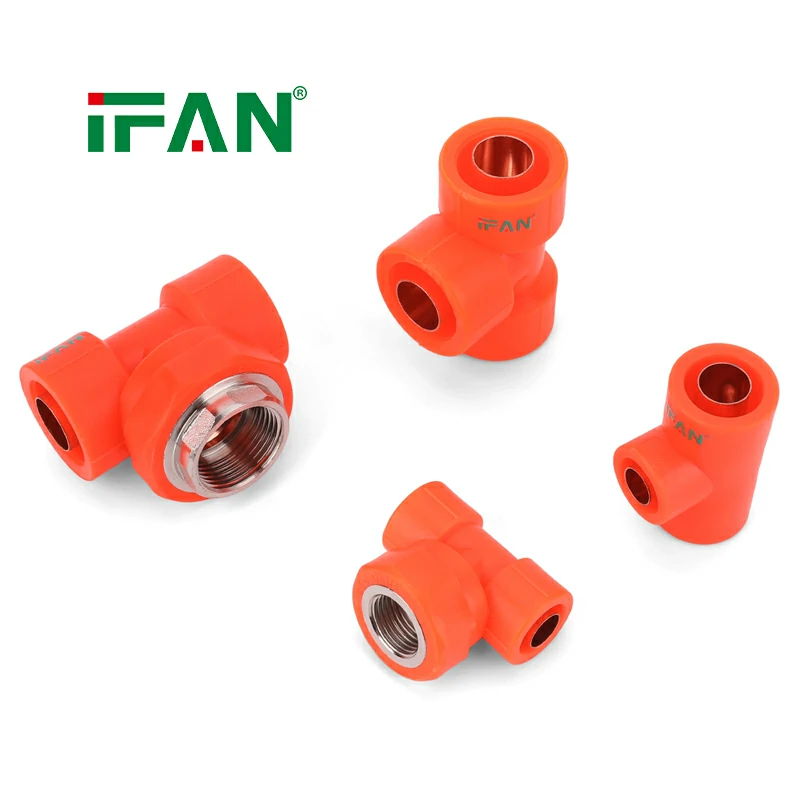
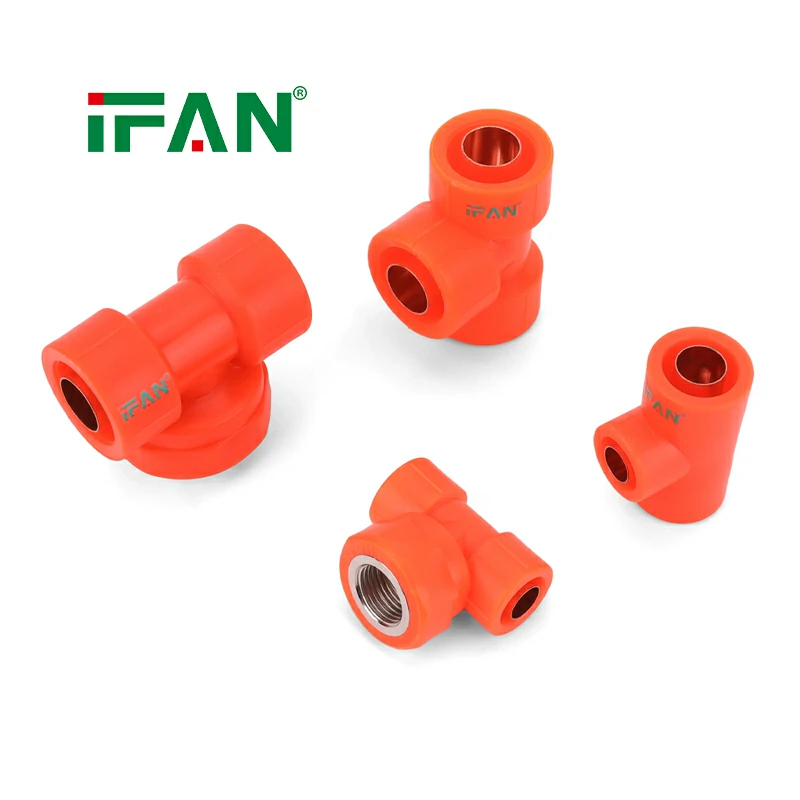
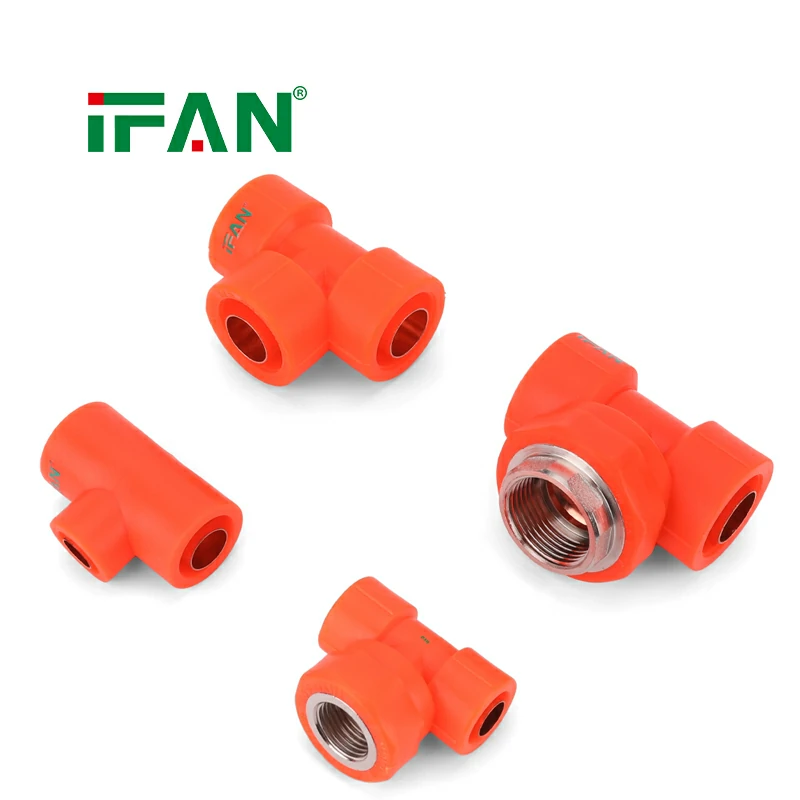
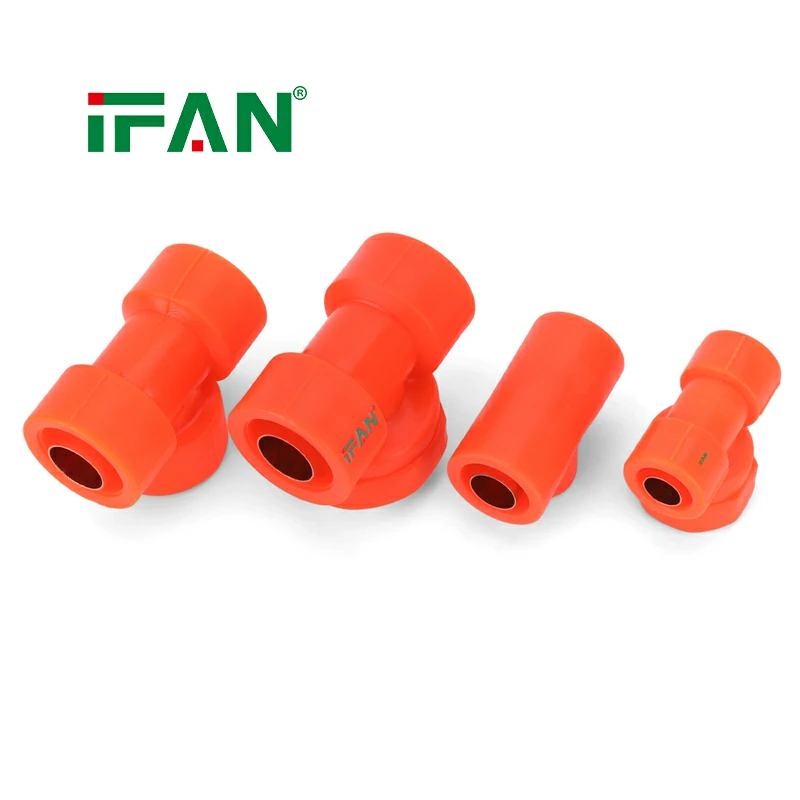
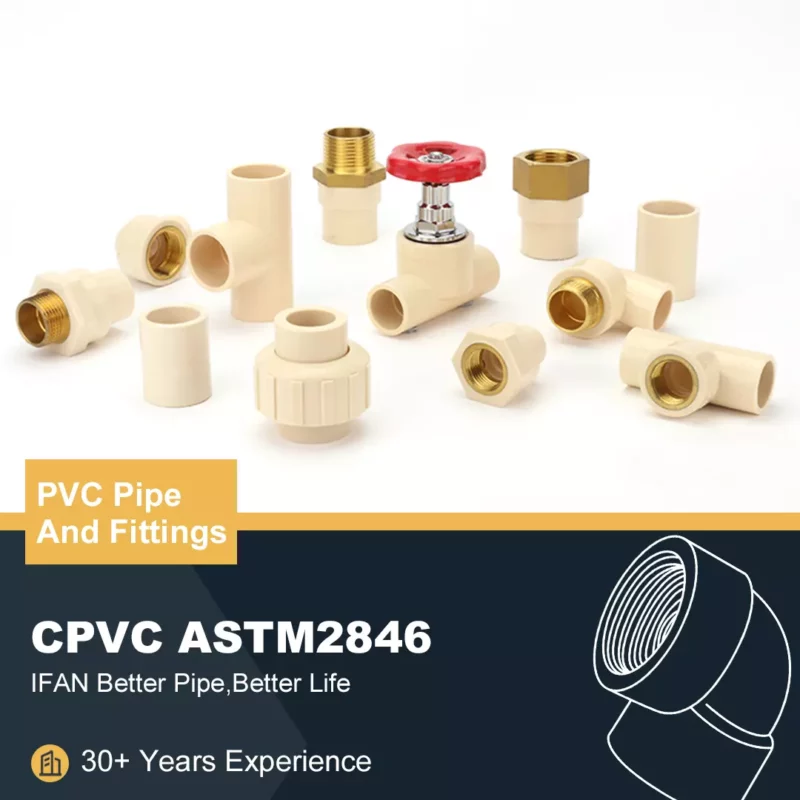
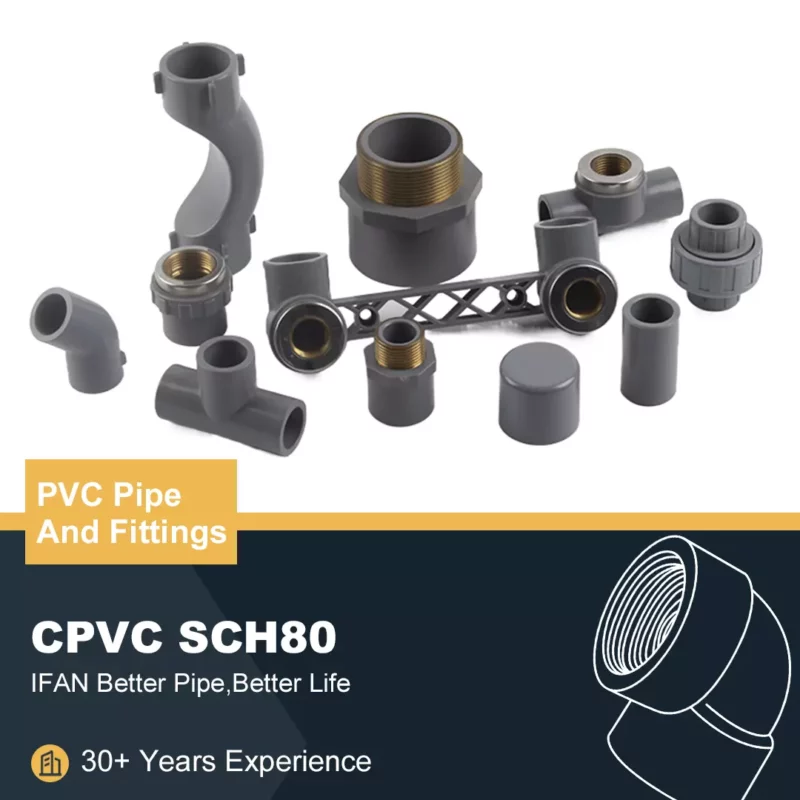
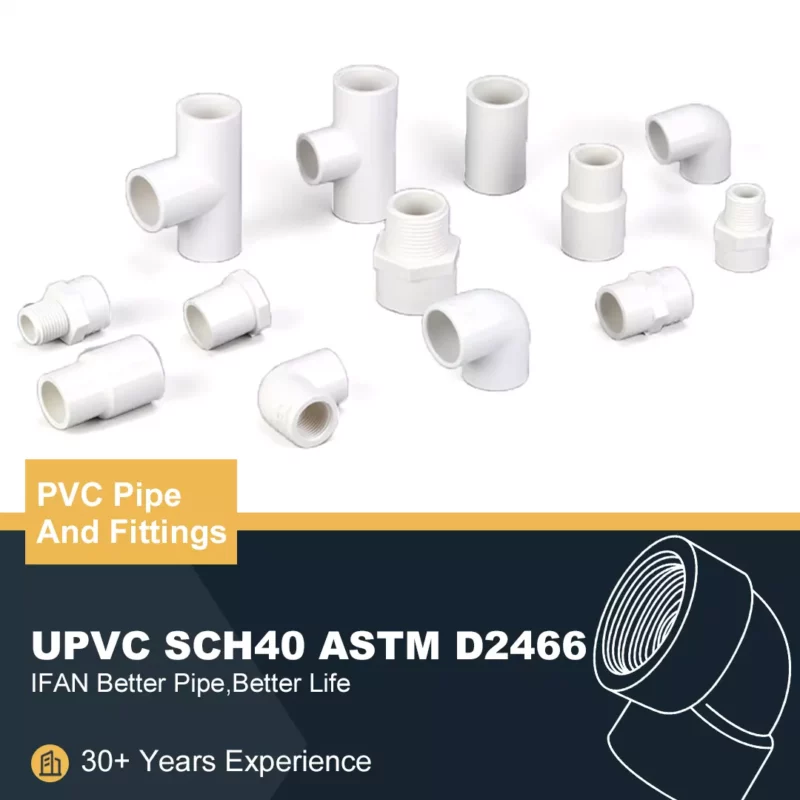
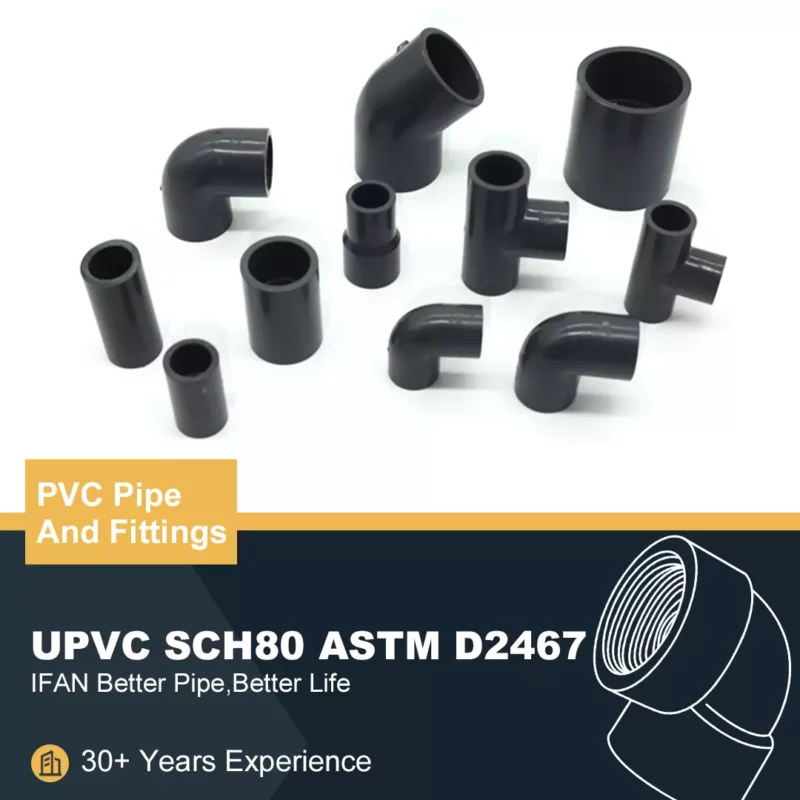
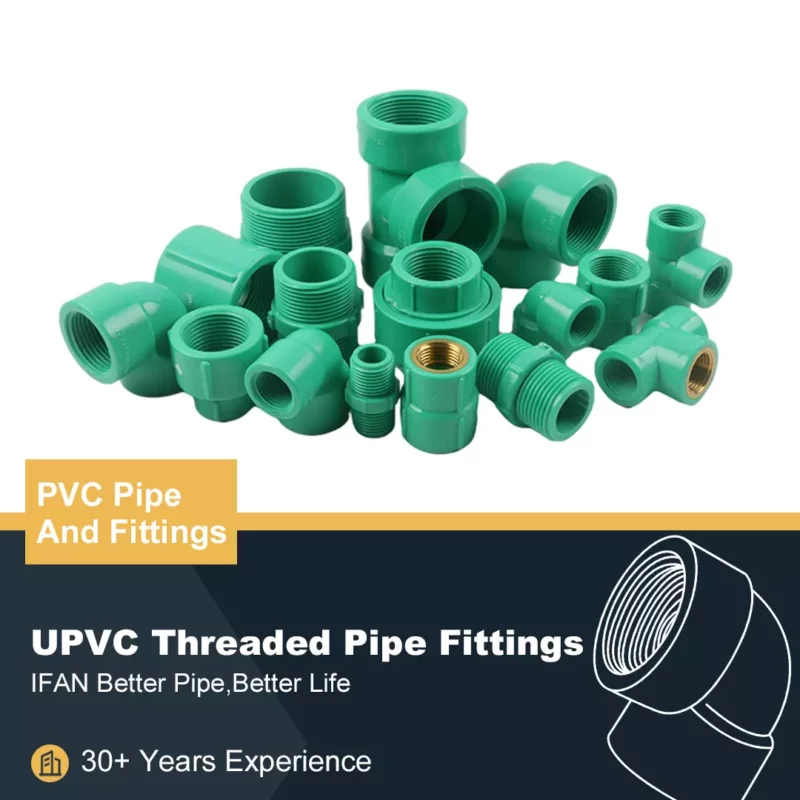
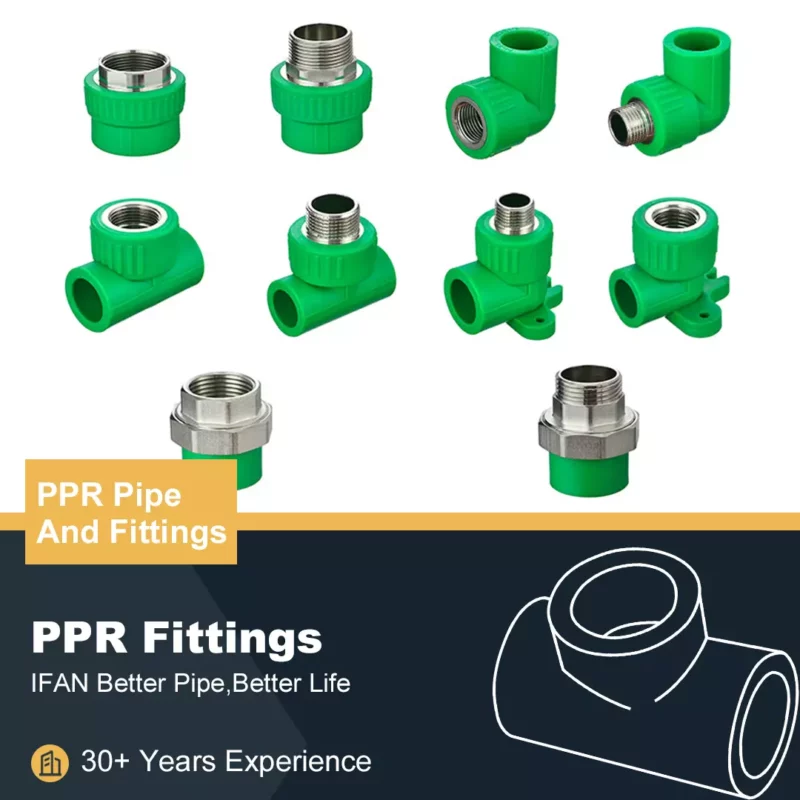
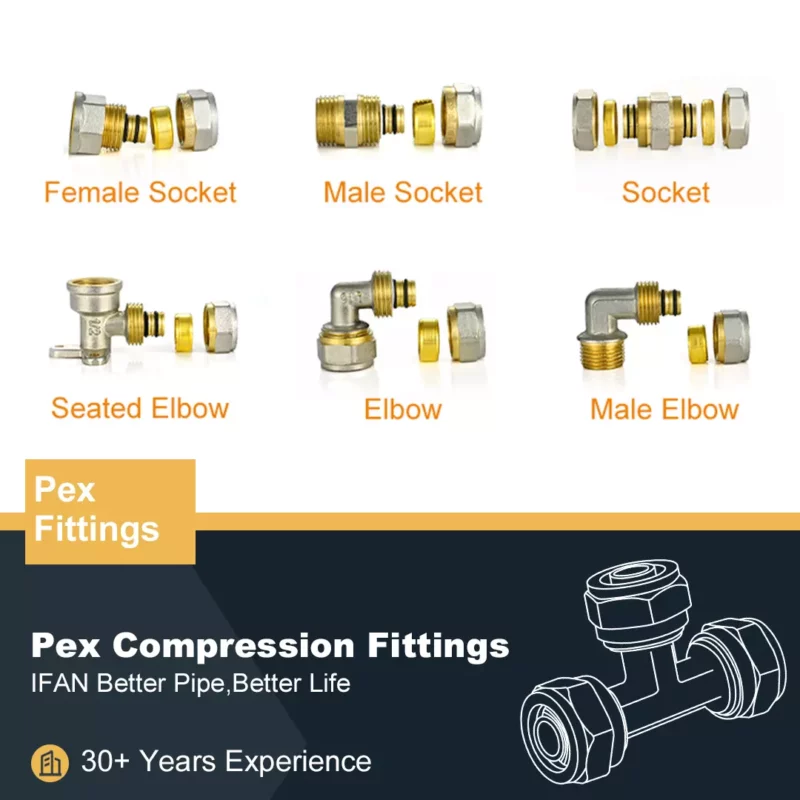
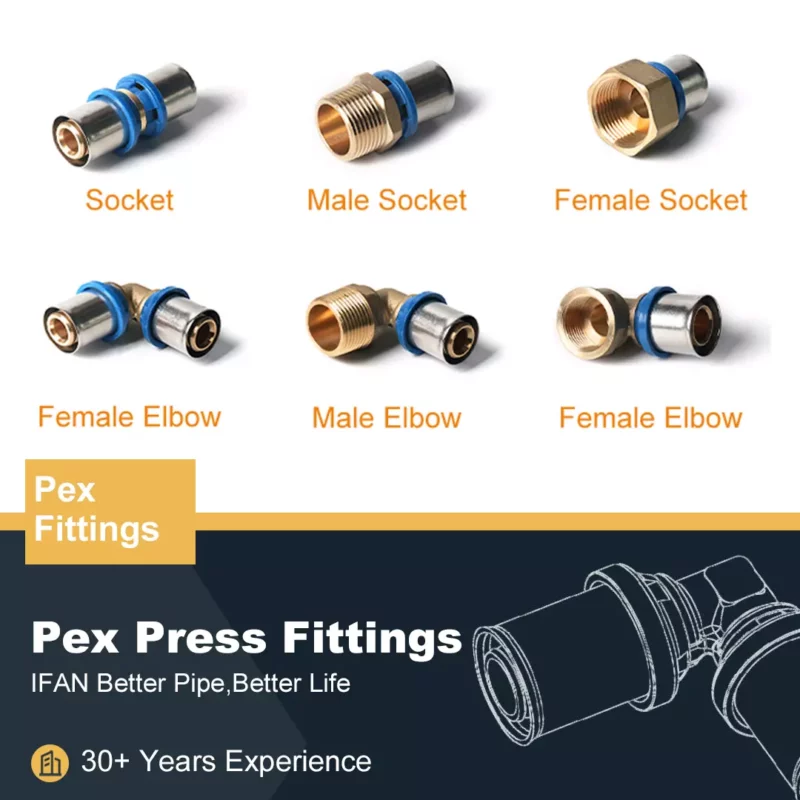
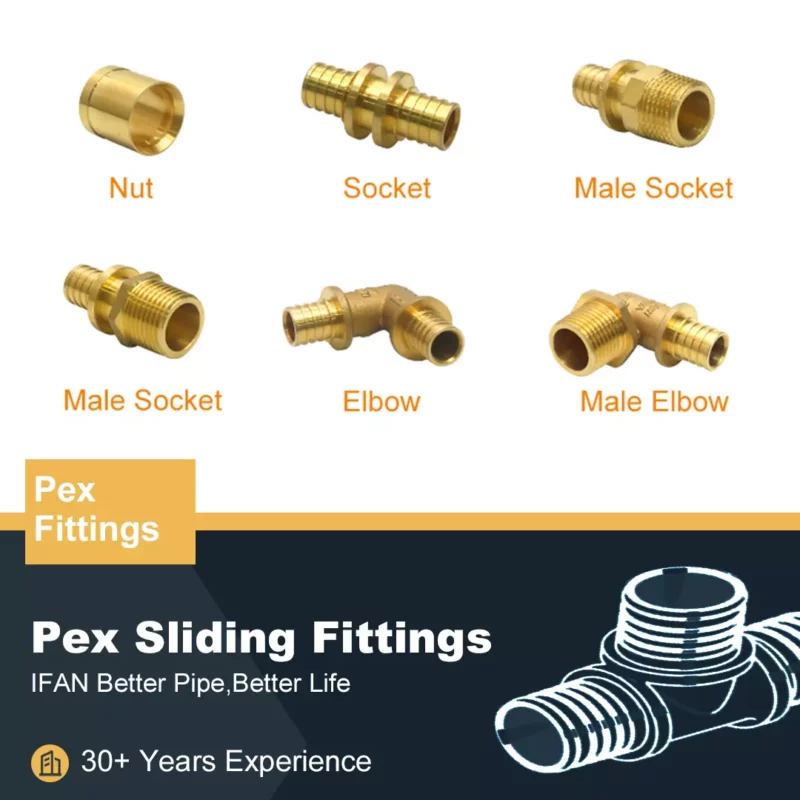
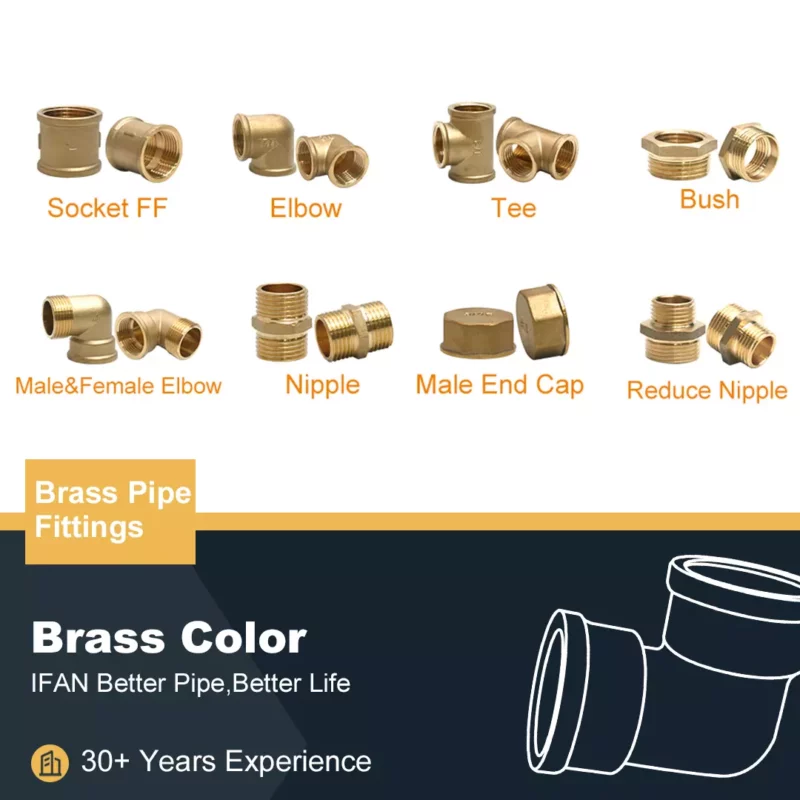
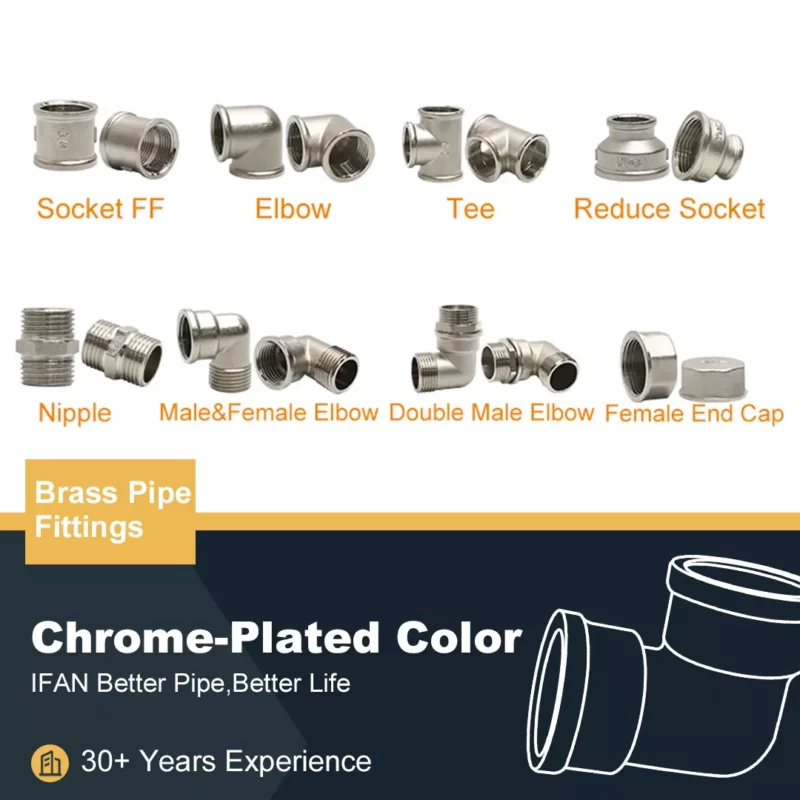
There are several types of PPR pipe fittings, each designed for specific plumbing needs. Common types include elbows, tees, reducers, couplings, and end caps. Elbows are used to change the direction of the pipes, while tees allow for branching off the main pipeline. Reducers are used to join pipes of different sizes, and couplings are used to connect two pipes of the same size. End caps are used to seal the ends of pipes in a system.
PPR fittings come in both standard and high-temperature versions. Standard fittings are suitable for general plumbing applications, while high-temperature fittings are designed for systems that will carry hot water. The high-temperature fittings are designed to withstand the thermal expansion of the pipes without compromising their integrity.
Applications of PPR Pipe Fittings
PPR pipe fittings are used in a wide range of plumbing applications. In residential plumbing, they are commonly used for both hot and cold water supply systems. The resistance of PPR pipes to high temperatures and pressure makes them ideal for water heaters, boilers, and other household appliances.
In commercial applications, PPR fittings are used for larger-scale plumbing systems, such as those found in hotels, hospitals, and office buildings. The ability to resist corrosion and chemical degradation makes them a preferred choice for water distribution systems in these settings. Moreover, PPR pipes are also used in industrial settings for transporting chemicals, gases, and other substances.
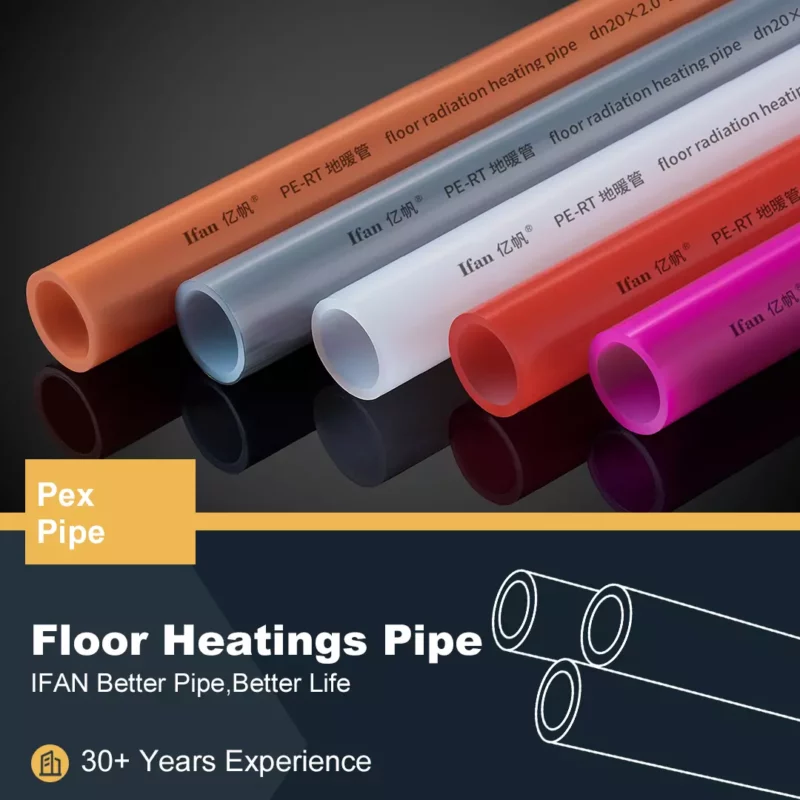
Another important application is in underfloor heating systems. PPR pipes and fittings are commonly used in these systems due to their excellent heat resistance and thermal efficiency. The ability of PPR to maintain consistent temperatures over time helps improve energy efficiency and reduce heating costs.
IFAN International Standard for PPR
IFAN’s PPR series meets multiple international standards, ensuring high quality and reliability for various applications. The products comply with ISO 15874 and EN 15874, guaranteeing excellent performance in hot and cold water systems. They also adhere to ASTM F2389, meeting North American requirements, and DIN 8077/8078, ensuring precision and durability in German standards. Additionally, IFAN’s PPR fittings conform to GB/T 18742, the Chinese national standard, and NBR 15884, the Brazilian standard, making them suitable for global markets. These certifications demonstrate IFAN’s commitment to producing safe, durable, and high-performance PPR pipe fittings.
Installation Process of PPR Pipe Fittings
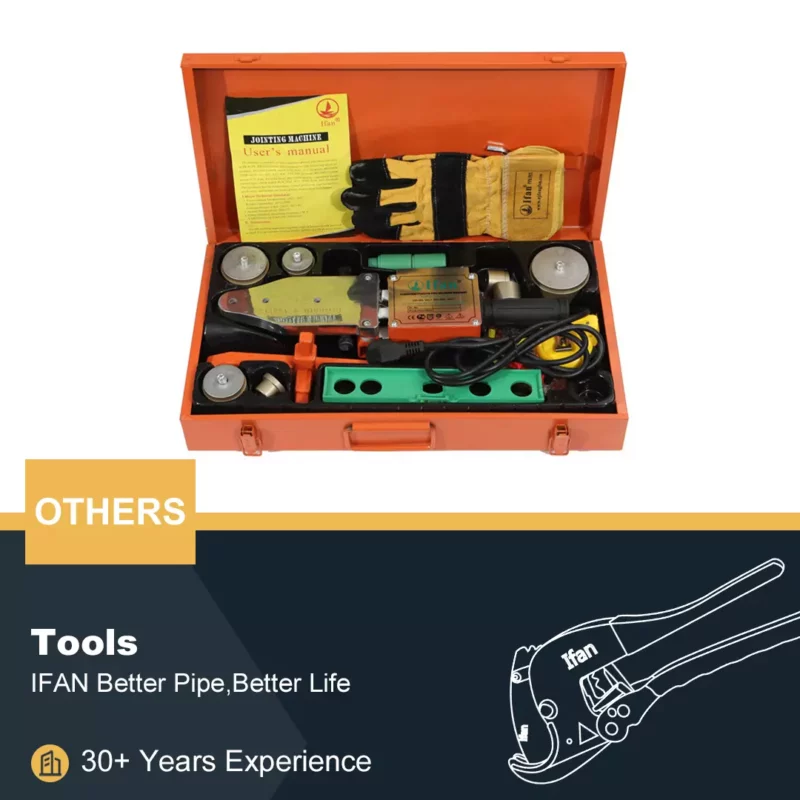
The installation of PPR pipe fittings is relatively simple and requires minimal tools. The process typically involves cutting the pipes to the required length, heating the ends of the pipes and fittings using a specialized fusion tool, and then joining them together. The heat fusion method creates a strong, leak-free bond between the pipes and fittings.
Before installation, it is essential to ensure that the pipes and fittings are clean and free of debris. Any dirt or dust on the pipe surface can affect the quality of the fusion. Once the pipe and fitting are properly aligned and fused, they must be allowed to cool and solidify for a few minutes before being used in the plumbing system.
For larger plumbing systems, it is advisable to hire a professional plumber with experience in working with PPR pipes and fittings. However, the ease of installation also allows for DIY installation, making PPR fittings an attractive option for homeowners and small contractors.
Maintenance of PPR Pipe Fittings
One of the significant advantages of PPR pipe fittings is their low maintenance requirements. Since the material is resistant to corrosion, scaling, and chemical degradation, the fittings generally require little to no upkeep. However, like all plumbing systems, periodic inspections are necessary to ensure that everything is functioning properly.
Regular inspections should include checking for any visible signs of damage, such as cracks or leaks, and ensuring that the pipes are properly aligned. It is also important to check the pressure levels in the plumbing system, as excessive pressure can strain the pipes and fittings. In the event of a leak or breakage, repairing PPR fittings is simple and involves cutting out the damaged section and replacing it with new parts.
For systems that carry hot water, it is important to periodically check the temperature settings to avoid excessive heat that could damage the fittings over time. However, with proper installation and care, PPR pipe fittings can provide a reliable, long-lasting plumbing solution.
Conclusion
PPR pipe fittings are a reliable and cost-effective choice for plumbing systems. Their durability, resistance to corrosion, and ability to withstand high temperatures make them suitable for a wide range of applications. From residential water supply systems to large-scale industrial plumbing, PPR fittings ensure the safe and efficient transport of water and other substances.
The easy installation process, combined with the low maintenance needs, makes PPR fittings a popular choice among homeowners, contractors, and plumbers alike. As the demand for sustainable and long-lasting plumbing solutions continues to grow, PPR pipe fittings will remain a top choice for modern plumbing systems.
If you have read this article and have any questions, please feel free to contact IFAN. Below is our contact information:
Whatsapp:+86 13373827623
Email:[email protected]