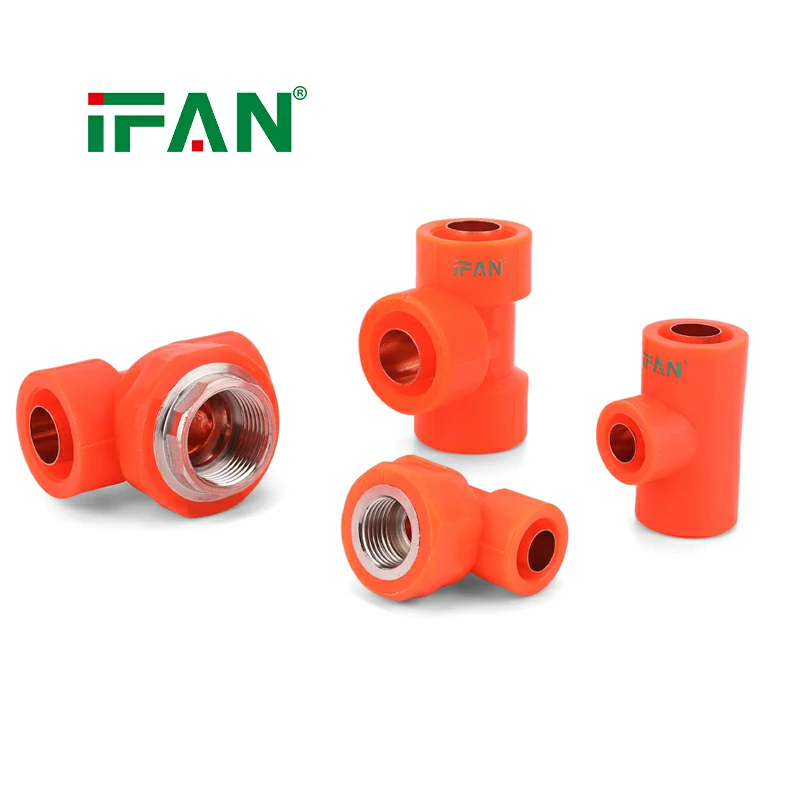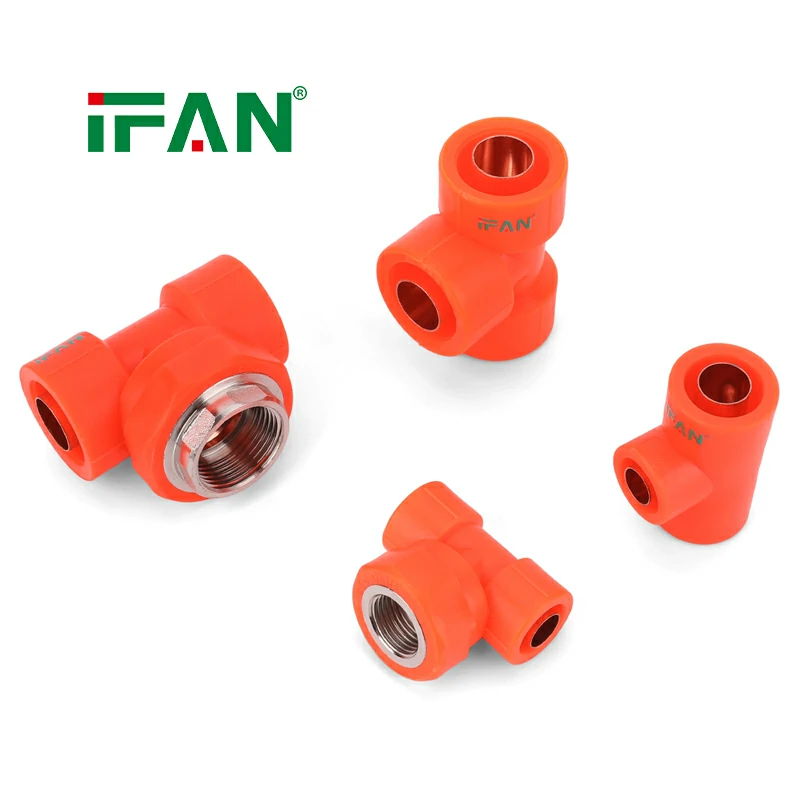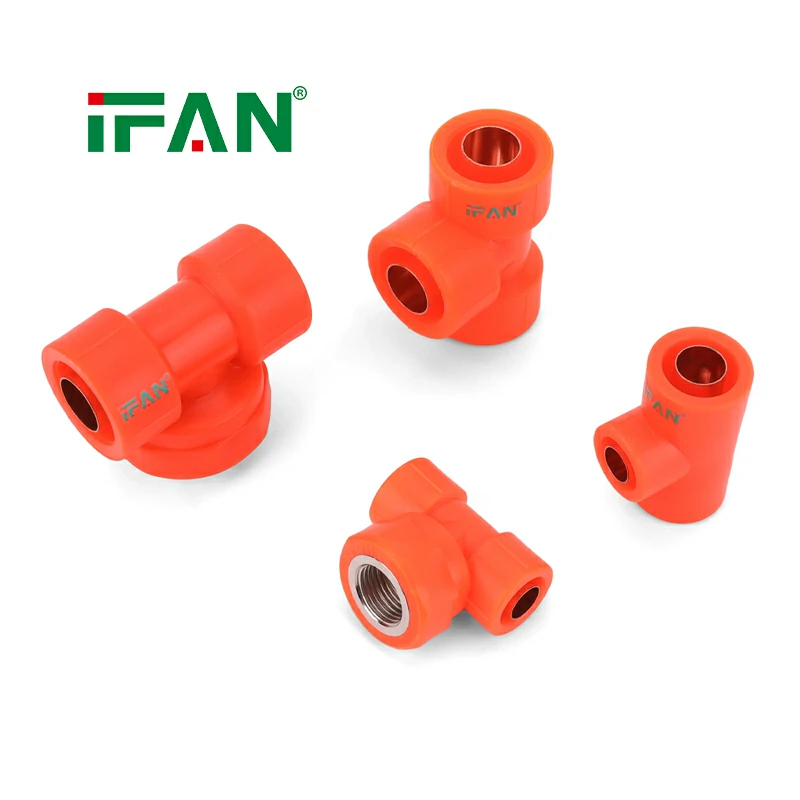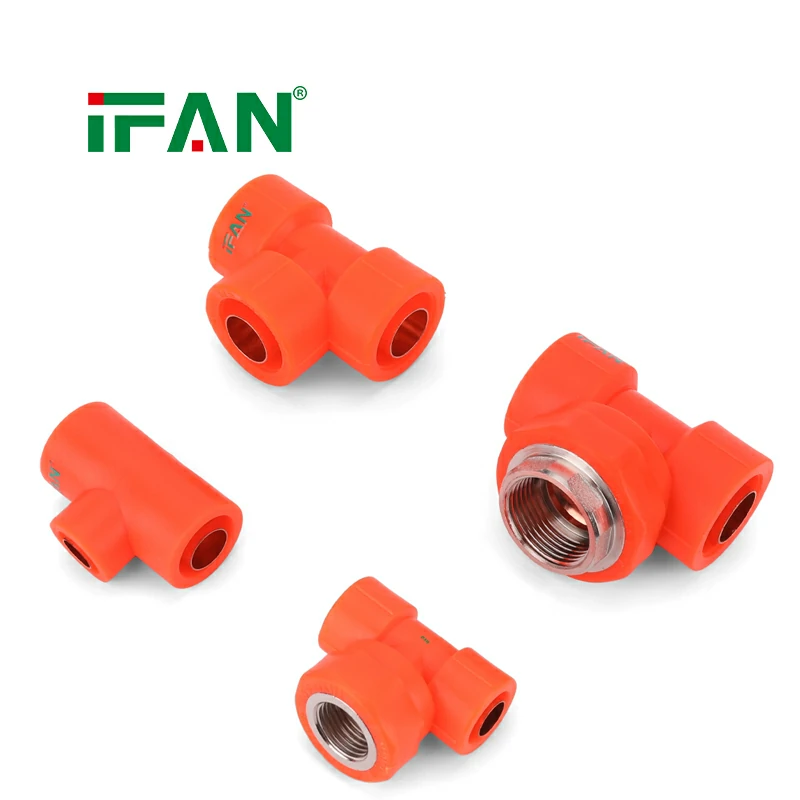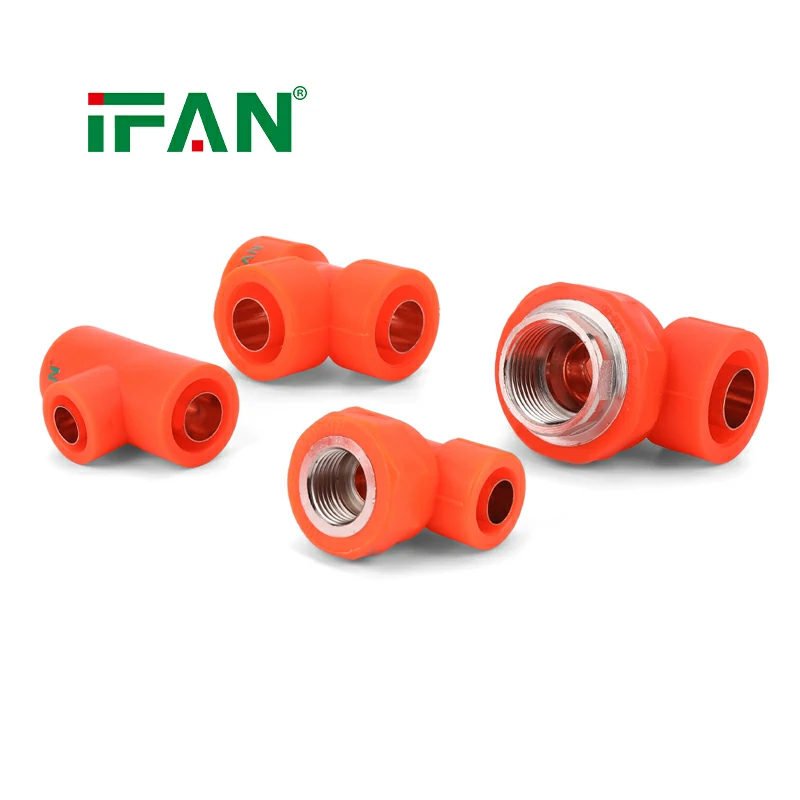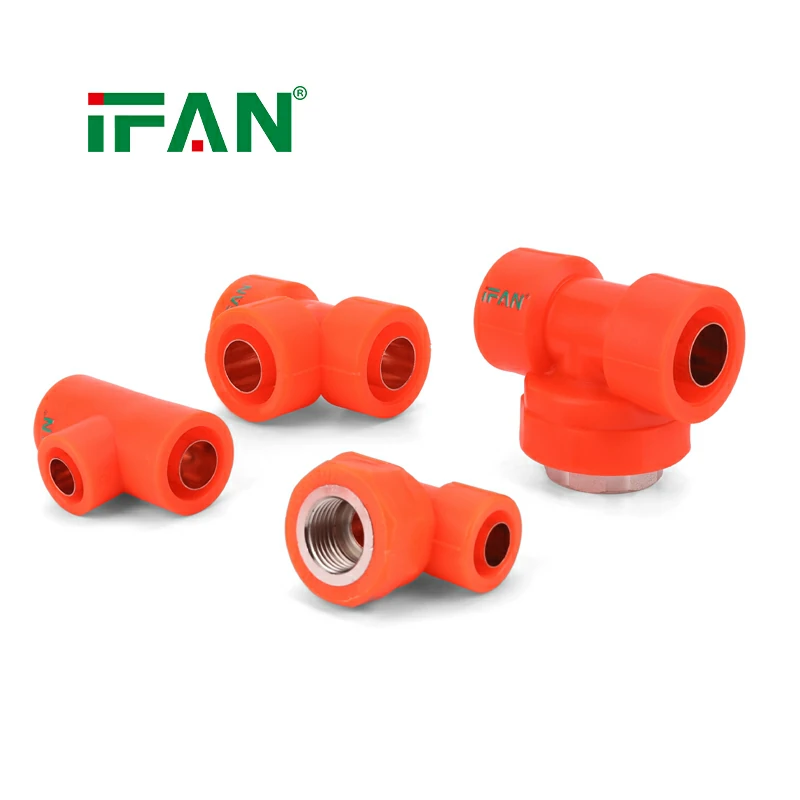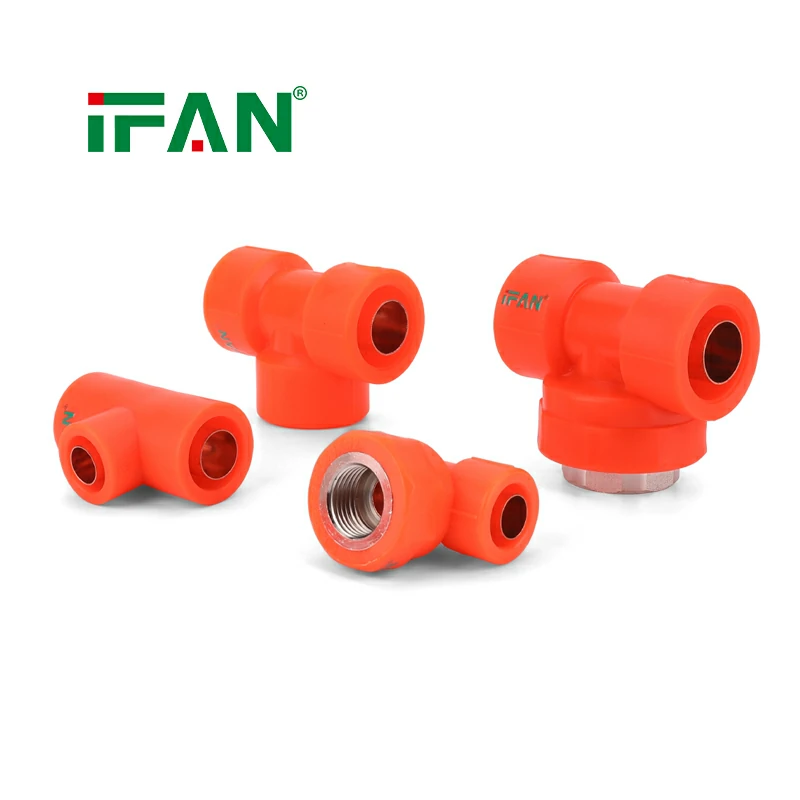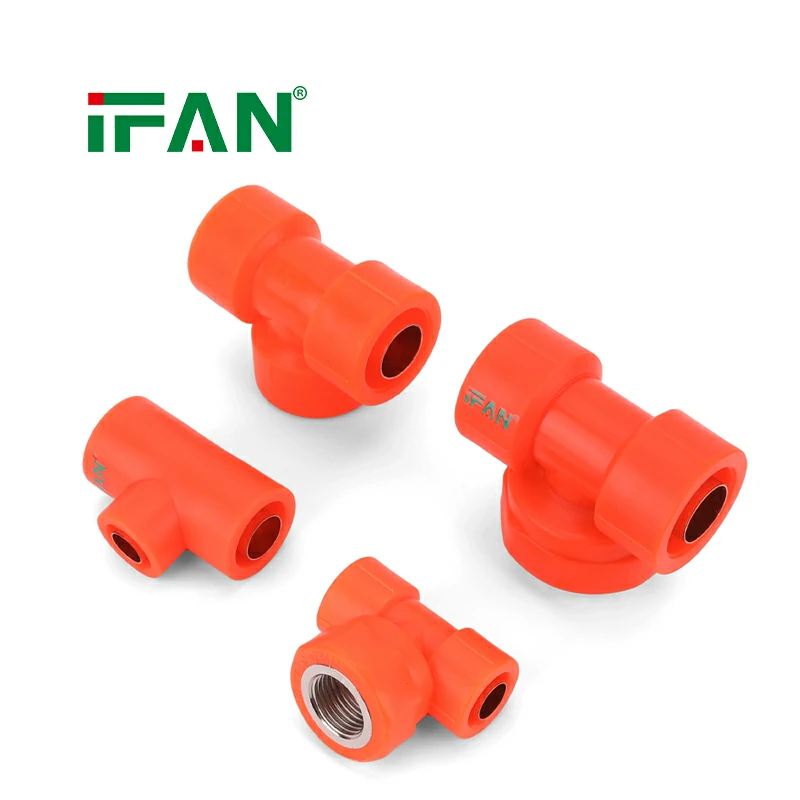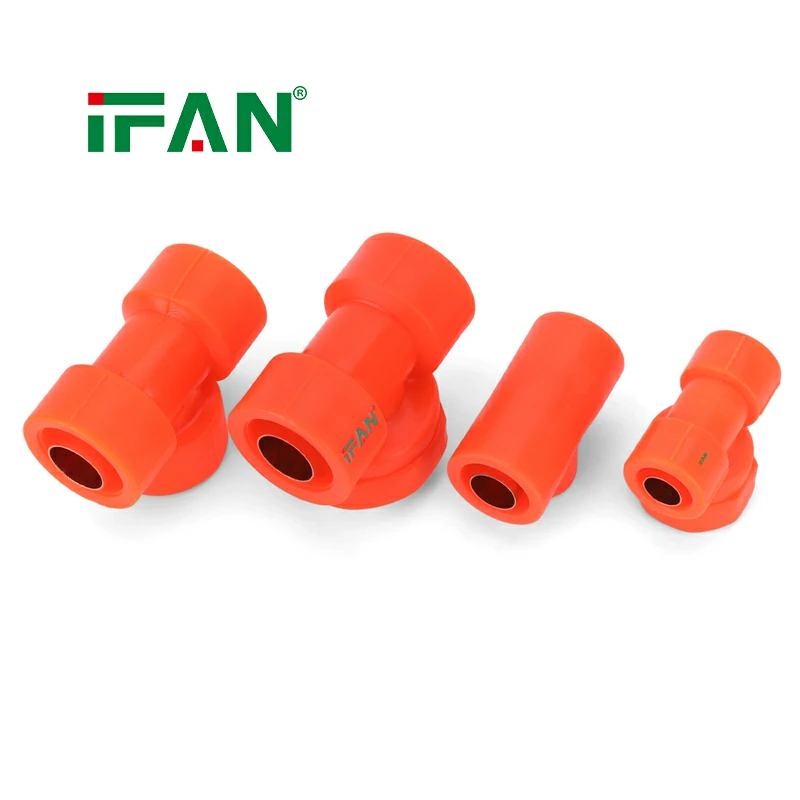
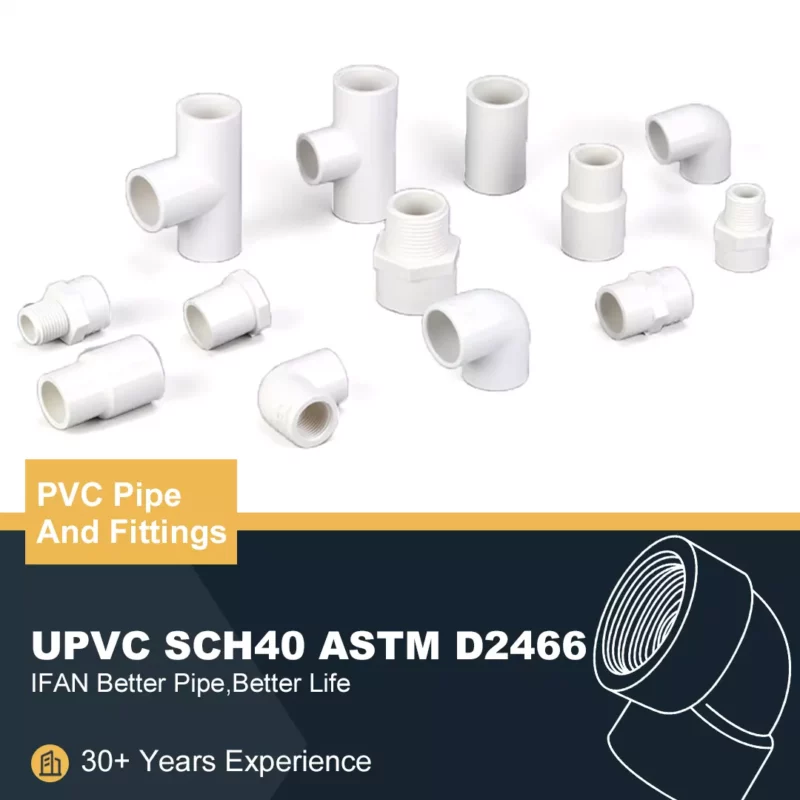
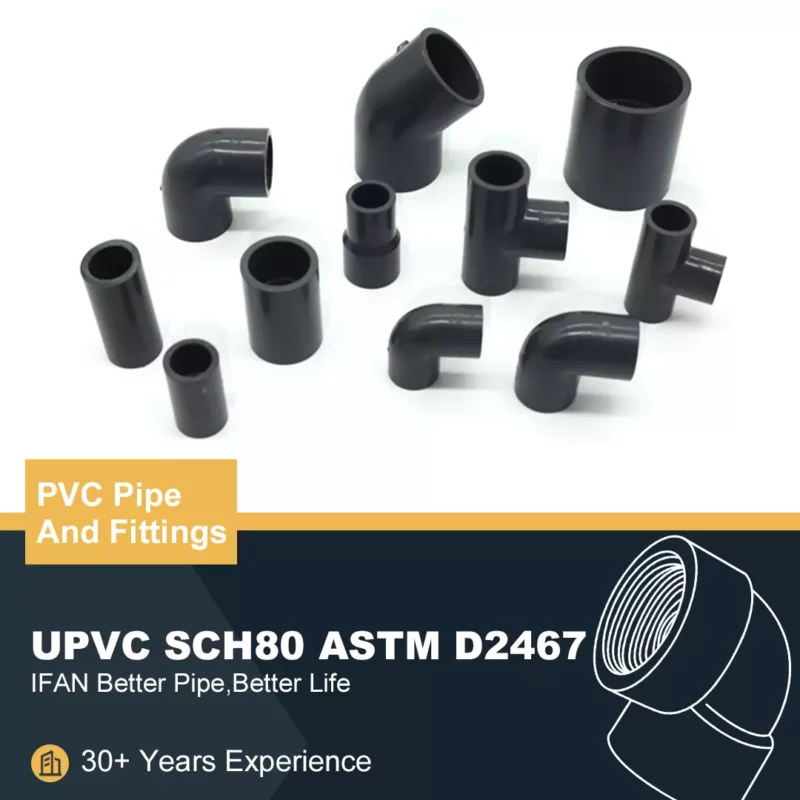
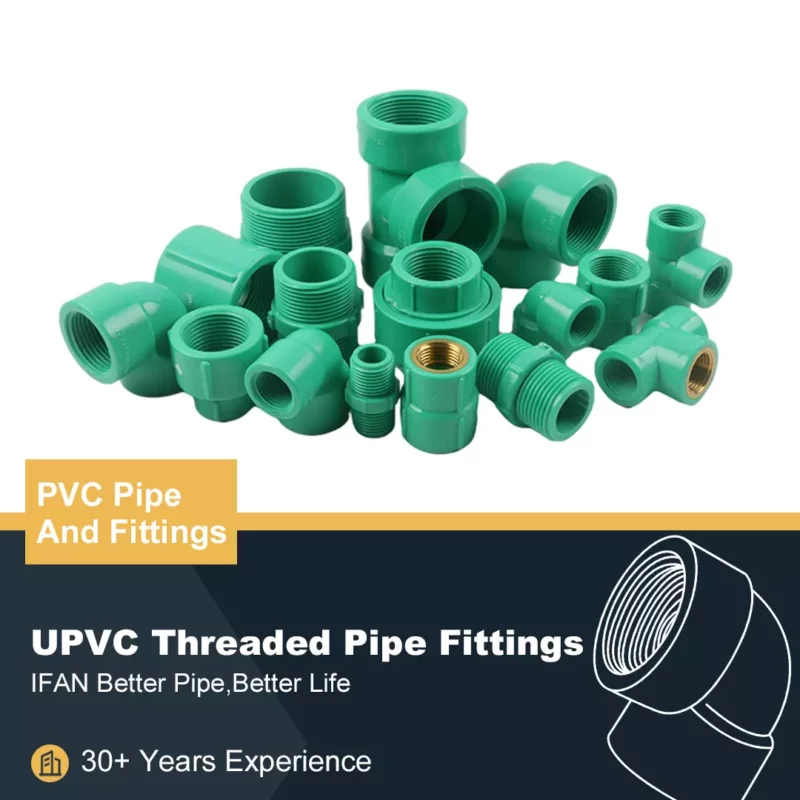
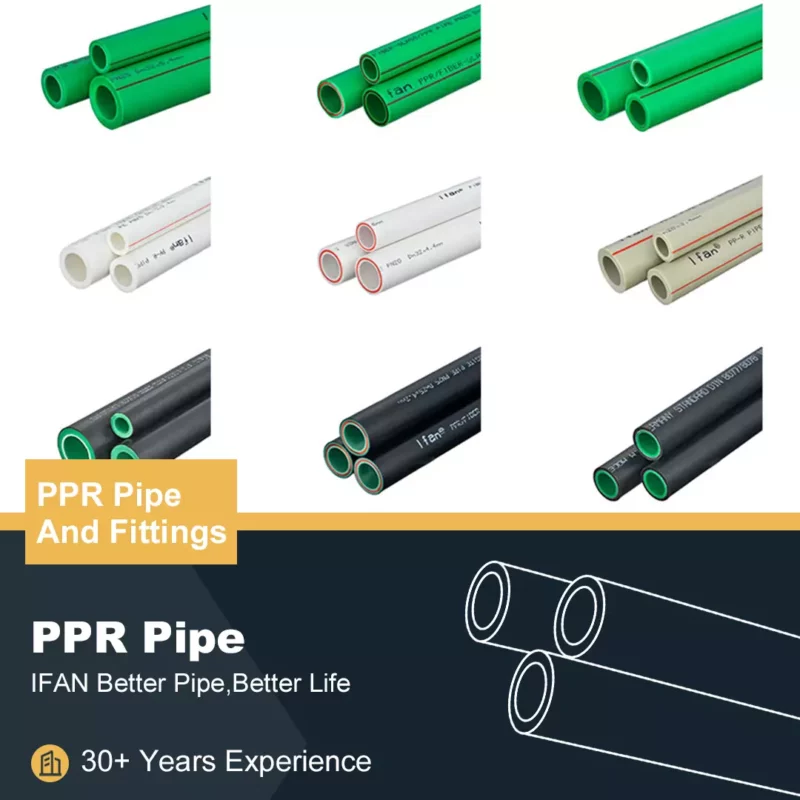
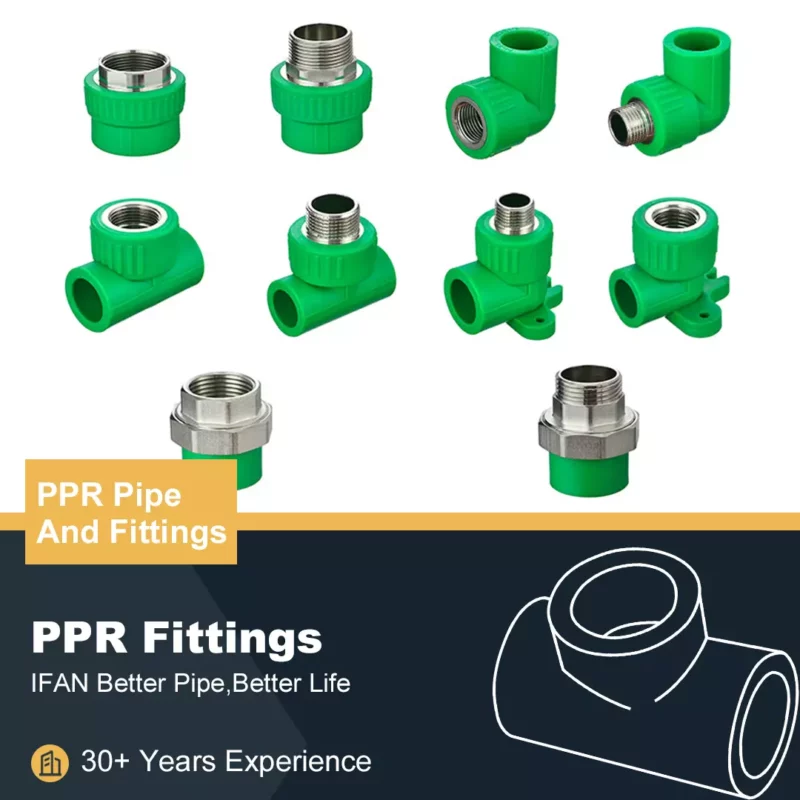
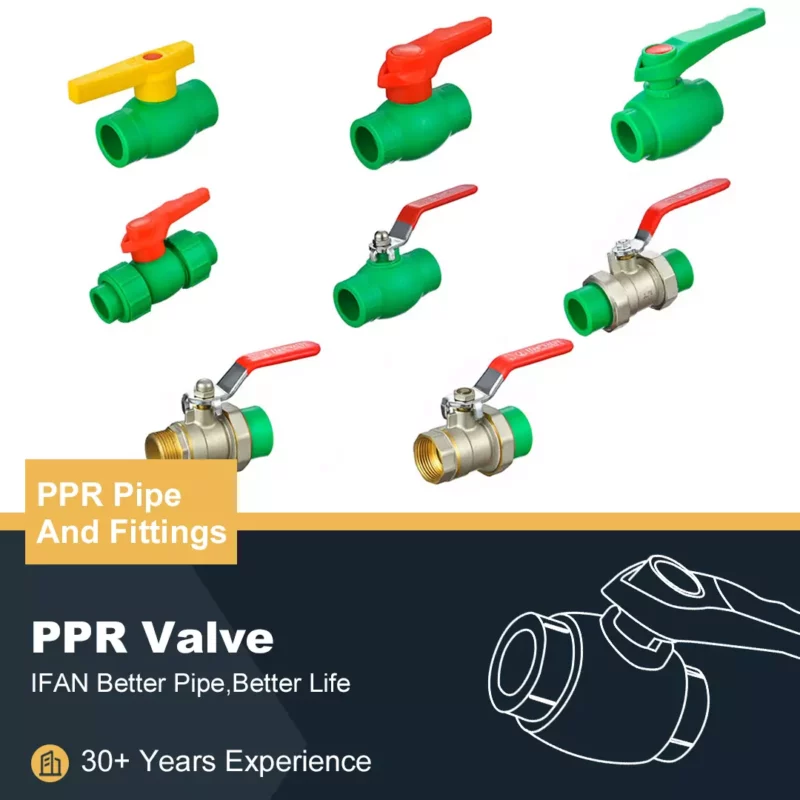

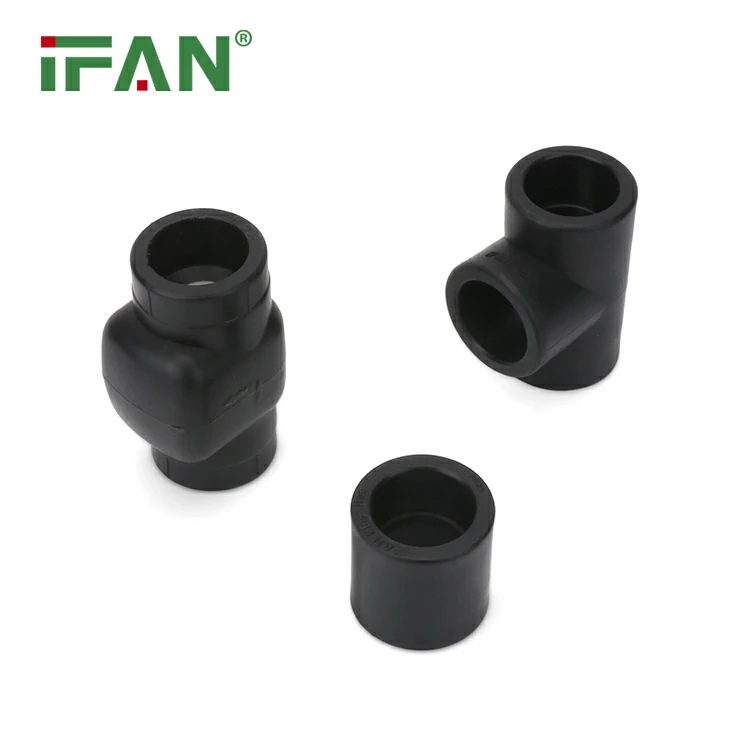
PPR (Polypropylene Random Copolymer) pipe fittings have become a preferred choice for plumbing systems due to their remarkable resistance to corrosion. Unlike traditional materials like metal pipes, PPR fittings do not rust or degrade over time. This corrosion resistance makes them ideal for use in a wide variety of plumbing applications, from residential water supply systems to commercial and industrial installations.
The Importance of Corrosion Resistance
Corrosion is one of the primary factors that contribute to the failure of plumbing systems. Metal pipes, such as those made from steel or copper, are susceptible to rust when exposed to water and oxygen over time. Corrosion can lead to leaks, blockages, and the deterioration of water quality. This is a costly problem that often requires pipe replacements and repairs.
PPR pipes, on the other hand, are made from a type of plastic that does not react with water or oxygen. As a result, these pipes and their fittings maintain their structural integrity over many years, even in harsh environments. The absence of corrosion means fewer repairs and lower maintenance costs in the long term.
How PPR Fittings Resist Corrosion
PPR fittings are made from polypropylene, a durable thermoplastic material. Unlike metals, polypropylene does not rust, corrode, or react chemically with water, ensuring that the integrity of the plumbing system remains intact. This makes PPR pipe fittings ideal for use in systems where high levels of moisture and exposure to various chemicals are common.
In addition to their inherent corrosion resistance, PPR fittings are also resistant to scaling. Scaling occurs when minerals in water build up inside pipes, causing blockages and reducing water flow. Since PPR fittings are smooth on the inside, they prevent scale build-up, keeping the plumbing system efficient for a longer period.
Benefits of Using Corrosion-Resistant PPR Fittings
The primary benefit of using corrosion-resistant PPR fittings is their longevity. These fittings can last for decades without showing signs of degradation, even in extreme conditions. In areas with hard water or high mineral content, PPR fittings provide an ideal solution because they are not affected by scale accumulation.
Another advantage is the health and safety of using PPR fittings in potable water systems. Since PPR material is non-toxic and does not leach harmful substances into the water, it is a safe choice for drinking water supply lines. This makes PPR pipe fittings not only a corrosion-resistant option but also a safe one for both residential and commercial applications.
Furthermore, the resistance to corrosion and scaling means that PPR fittings maintain the water flow at optimal levels. This ensures that the plumbing system operates efficiently, reducing the likelihood of disruptions in water service.
Applications of Corrosion-Resistant PPR Fittings
PPR pipe fittings are versatile and can be used in a wide range of plumbing applications. In residential settings, PPR fittings are commonly used in hot and cold water systems. Their ability to withstand both high water temperatures and the effects of corrosion makes them an ideal choice for household plumbing systems.
Commercial and industrial sectors also benefit from the corrosion-resistant properties of PPR pipe fittings. Large-scale plumbing systems in hospitals, hotels, factories, and office buildings often rely on PPR fittings for water distribution. These environments require a material that can handle exposure to chemicals, high temperatures, and varying water pressures, all of which PPR fittings manage with ease.
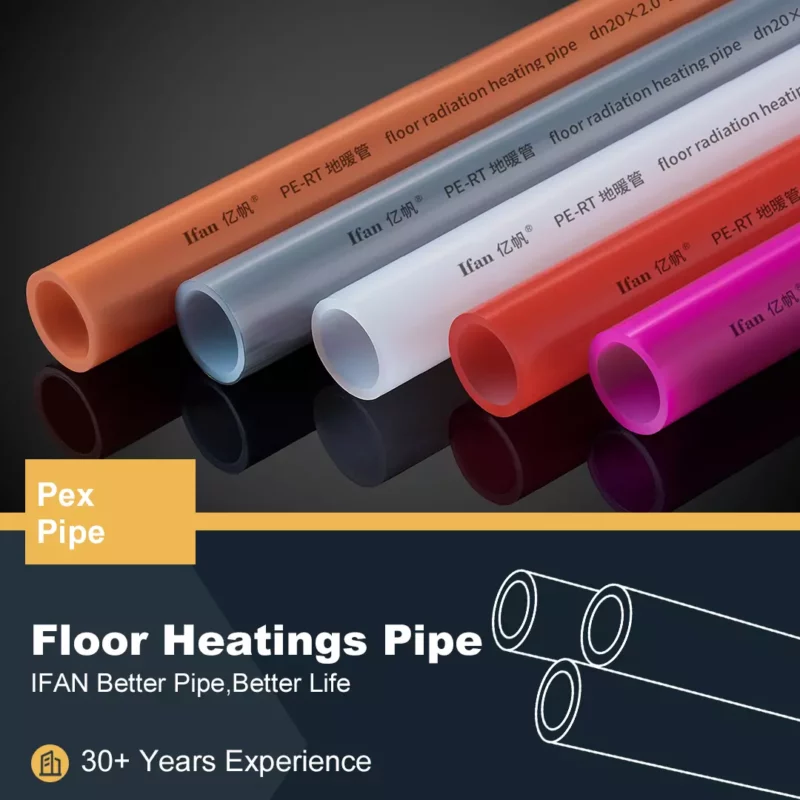
PPR fittings are also used in underfloor heating systems. The material’s resistance to thermal expansion and high heat ensures that the fittings will not degrade or corrode, even in systems that are subjected to fluctuating temperatures over time.
Installation of PPR Pipe Fittings
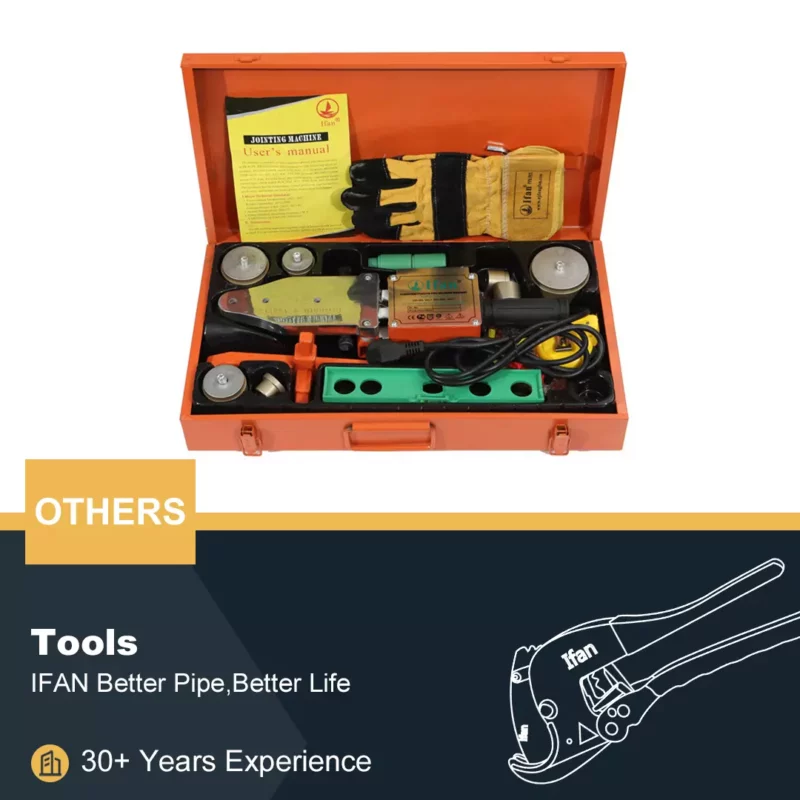
The installation process for PPR pipe fittings is straightforward, thanks to their lightweight nature and the availability of heat fusion technology. PPR pipes are joined together using a process known as heat fusion welding. During this process, both the pipe and fitting ends are heated to a specific temperature and then fused together, creating a strong and seamless connection.
This fusion process ensures that there are no weak points or joints that could potentially leak or fail. As a result, the connection between the pipes and fittings is not only corrosion-resistant but also highly reliable. The smooth, continuous connection prevents any build-up of rust or scale, ensuring long-term performance.
Additionally, the fusion process does not require special tools or adhesives, making it a cost-effective installation method. PPR fittings can be installed quickly and efficiently, reducing the overall labor costs for plumbing projects.
IFAN International Standard for PPR
IFAN’s PPR series meets multiple international standards, ensuring high quality and reliability for various applications. The products comply with ISO 15874 and EN 15874, guaranteeing excellent performance in hot and cold water systems. They also adhere to ASTM F2389, meeting North American requirements, and DIN 8077/8078, ensuring precision and durability in German standards. Additionally, IFAN’s PPR fittings conform to GB/T 18742, the Chinese national standard, and NBR 15884, the Brazilian standard, making them suitable for global markets. These certifications demonstrate IFAN’s commitment to producing safe, durable, and high-performance PPR pipe fittings.
Durability and Maintenance of PPR Pipe Fittings
PPR fittings are known for their exceptional durability. Unlike metal pipes, which can weaken over time due to corrosion, PPR pipes and fittings maintain their structural integrity and functionality for many years. This makes PPR fittings a highly durable solution for both new installations and system upgrades.
Moreover, PPR fittings are low-maintenance. Since they do not corrode or scale, there is little need for regular cleaning or replacement. The absence of corrosion-related problems means that the plumbing system operates efficiently without the need for frequent inspections or repairs.
While PPR fittings require minimal maintenance, it is still important to check the system for any signs of wear or damage, particularly in areas with extreme water temperatures. However, due to their robustness and corrosion resistance, these fittings generally require less attention compared to traditional metal systems.
Cost Efficiency of PPR Pipe Fittings
The initial cost of PPR pipe fittings may be slightly higher than that of traditional metal fittings, but their long-term cost-effectiveness more than compensates for the initial investment. Due to their corrosion resistance, PPR fittings do not require frequent repairs or replacements. The extended lifespan of PPR pipe fittings means that they provide significant savings in terms of maintenance and replacement costs over time.
In addition to their longevity, the installation of PPR fittings is often quicker and easier than metal alternatives. This reduces labor costs and the overall cost of installation. The fusion process used for joining PPR pipes and fittings is efficient, and there is no need for additional materials like adhesives or sealants.
Furthermore, PPR fittings’ energy efficiency in transporting both hot and cold water contributes to lower energy costs over time. They help maintain the desired temperature of the water, reducing the need for extra energy consumption.
Environmental Impact of PPR Fittings
PPR pipe fittings also offer an environmentally friendly solution for plumbing systems. Since they are made from polypropylene, a recyclable material, PPR fittings are less harmful to the environment compared to metal alternatives, which can be challenging to recycle.
The durability and longevity of PPR fittings further enhance their sustainability. By reducing the need for frequent repairs and replacements, PPR fittings contribute to less waste in landfills and lower overall consumption of raw materials.
Additionally, the energy-efficient properties of PPR fittings help reduce the overall carbon footprint of a plumbing system. By maintaining the desired water temperature more effectively, PPR fittings lower the need for excessive energy use, which contributes to a greener, more sustainable building or home.
Conclusion
PPR pipe fittings provide an excellent solution for corrosion resistance in plumbing systems. Their durability, low maintenance, and long lifespan make them an ideal choice for both residential and commercial plumbing applications. PPR fittings not only resist corrosion but also prevent scaling, ensuring efficient water flow and system reliability.
The cost-effectiveness, ease of installation, and minimal environmental impact further add to their appeal. With their non-toxic, corrosion-resistant properties, PPR pipe fittings offer a safe and sustainable alternative to traditional metal pipes. Whether for residential, commercial, or industrial applications, PPR fittings provide a reliable and efficient solution for modern plumbing systems.
If you have read this article and have any questions, please feel free to contact IFAN. Below is our contact information:
Whatsapp:+86 13373827623
Email:[email protected]