
Introduction
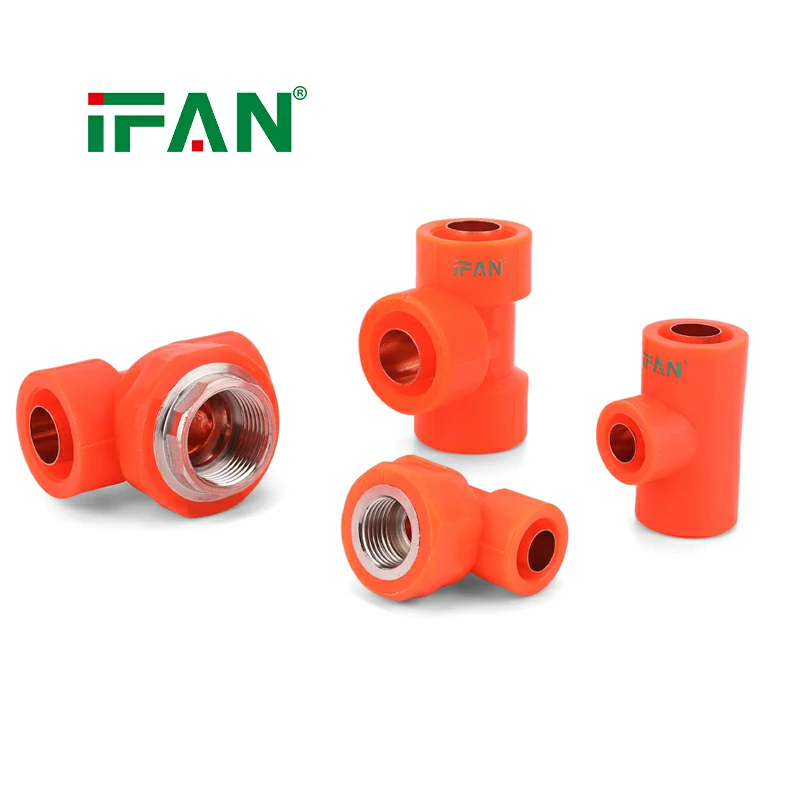
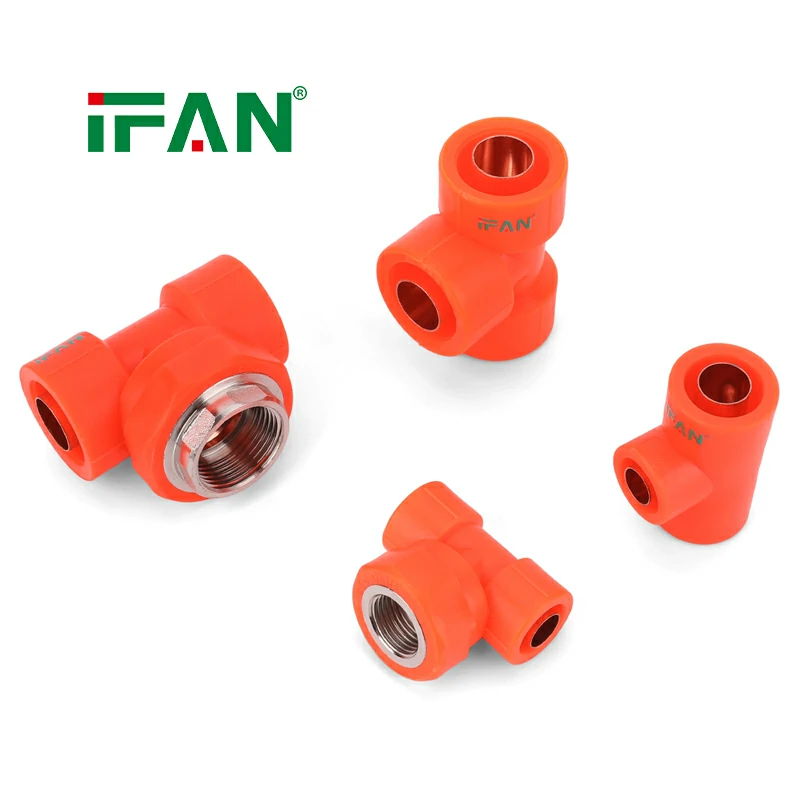
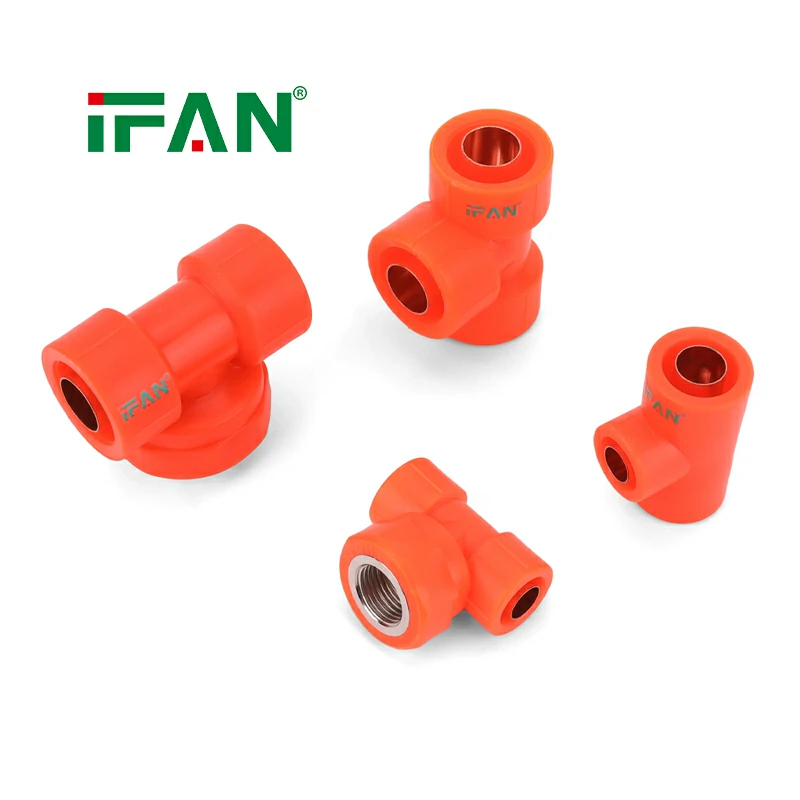
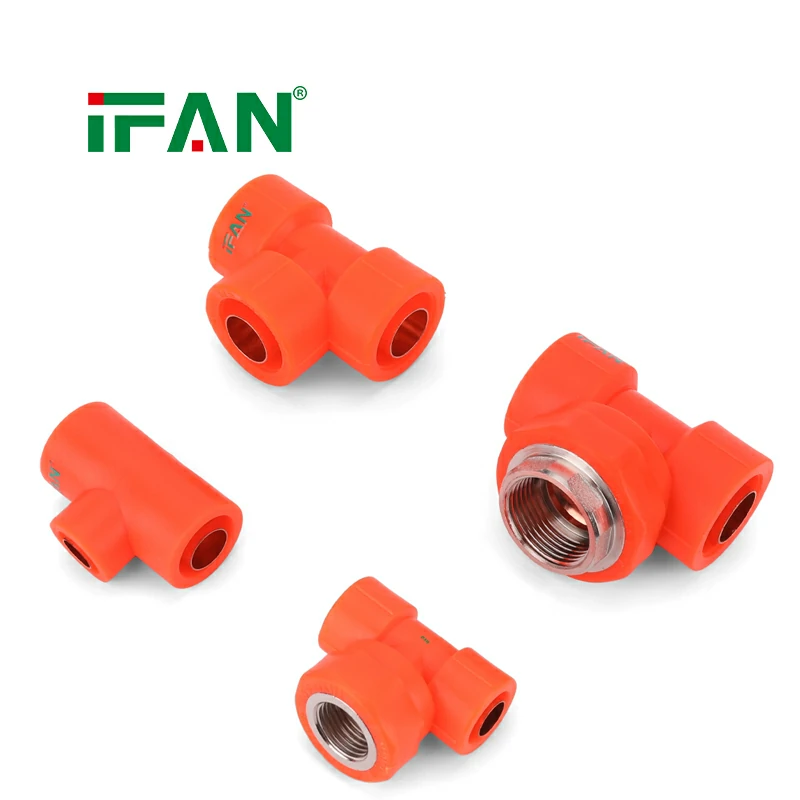
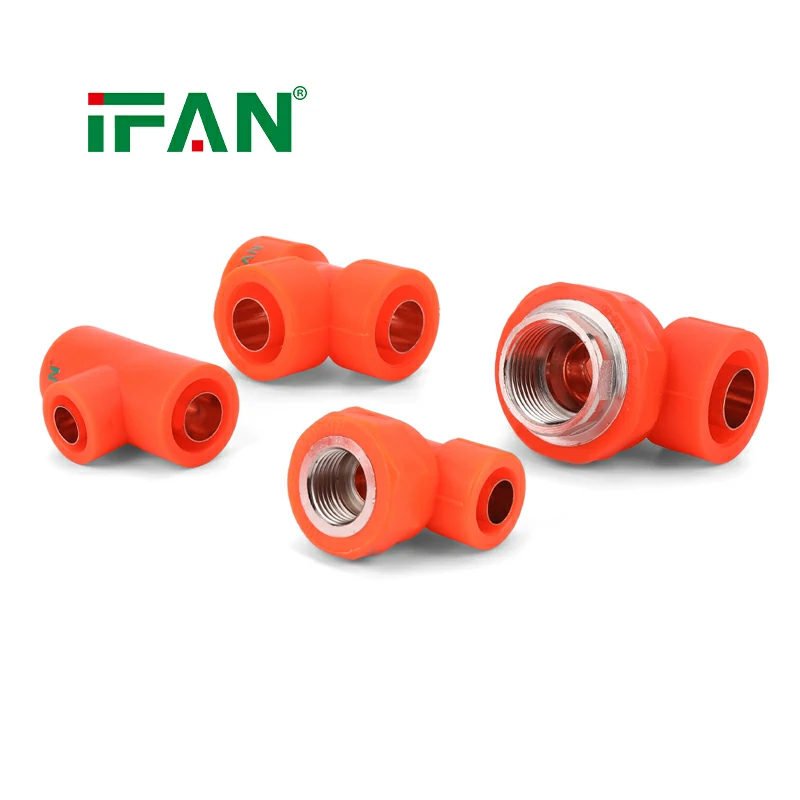
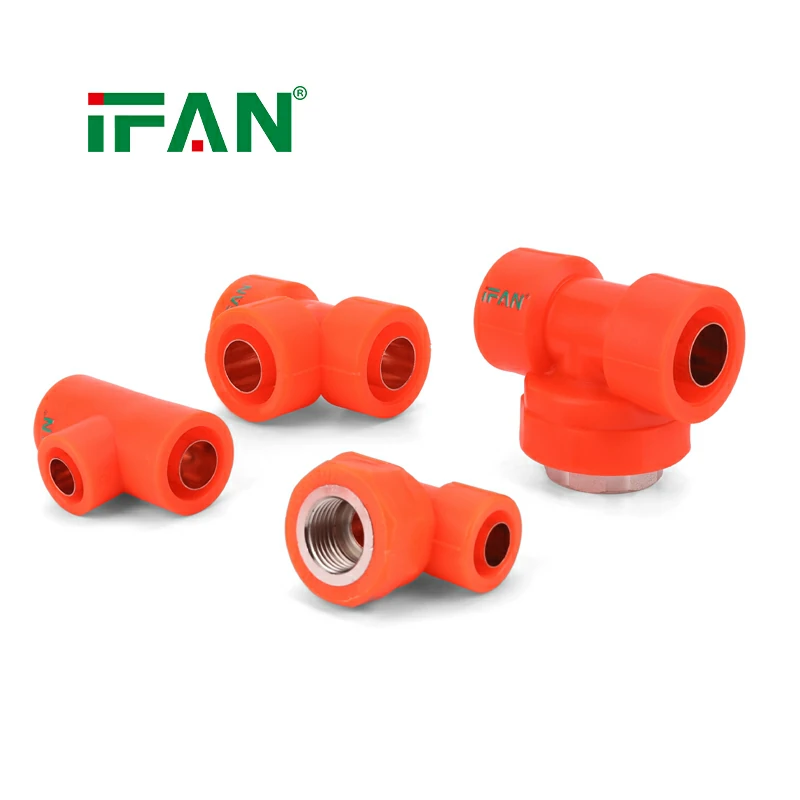
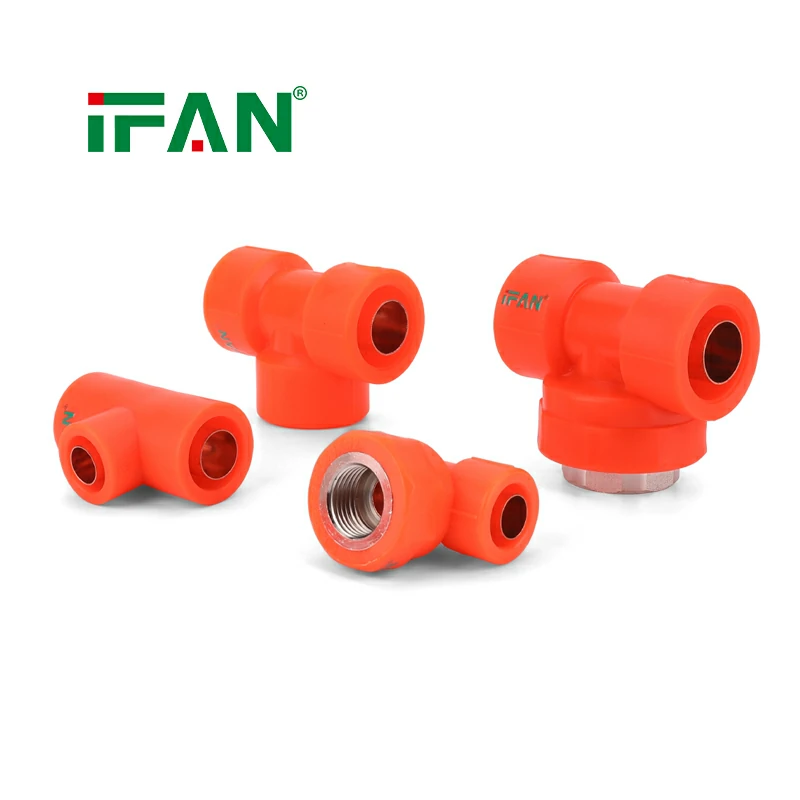
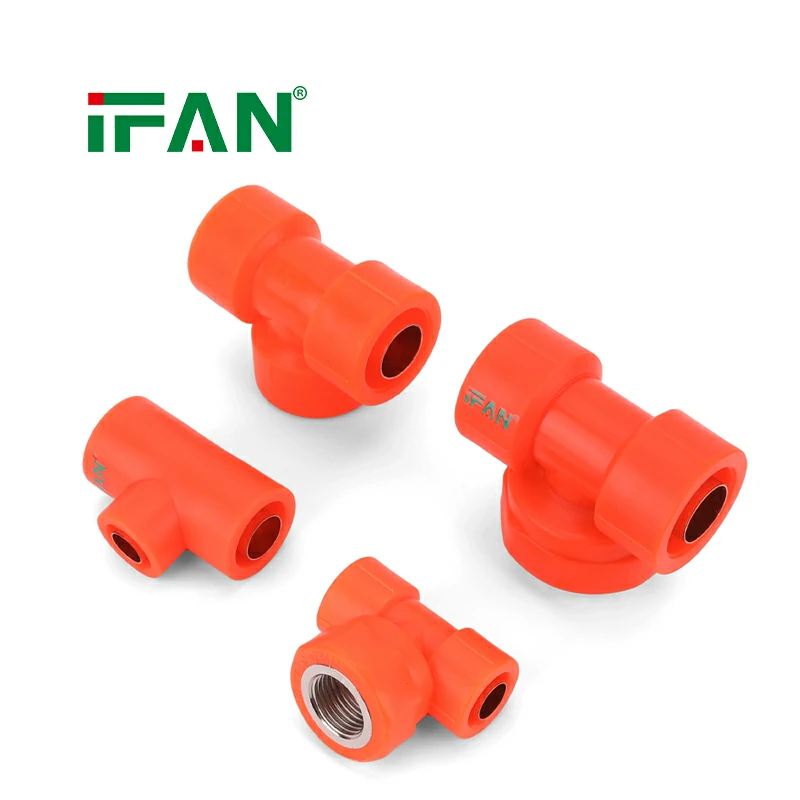
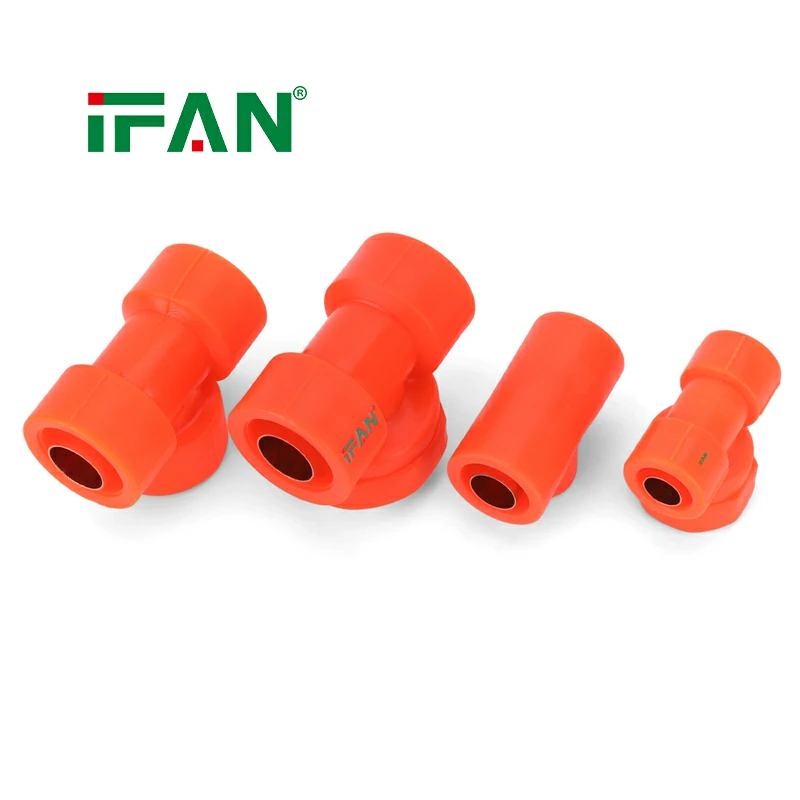
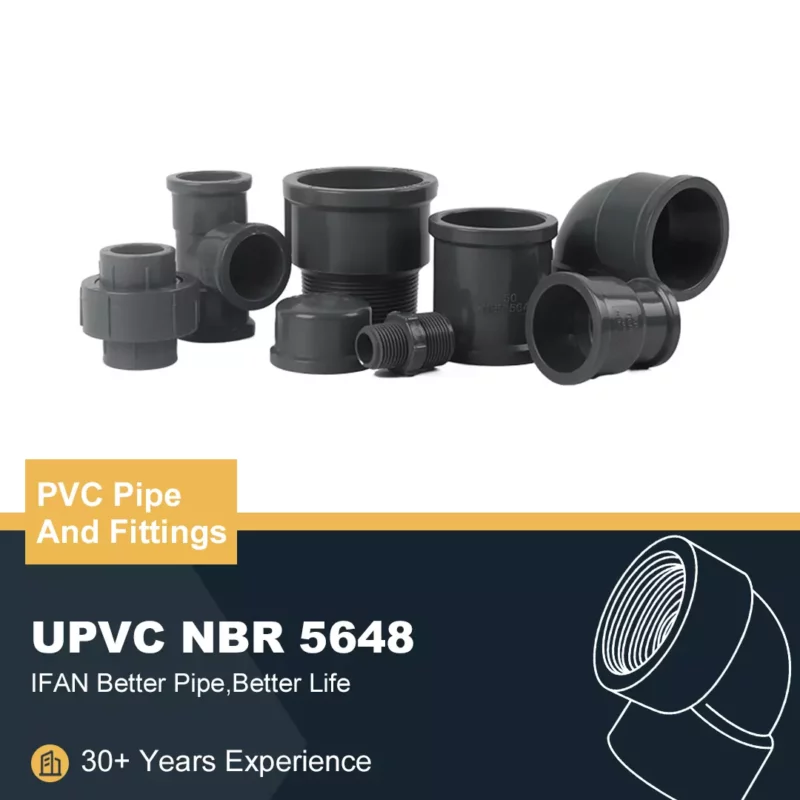
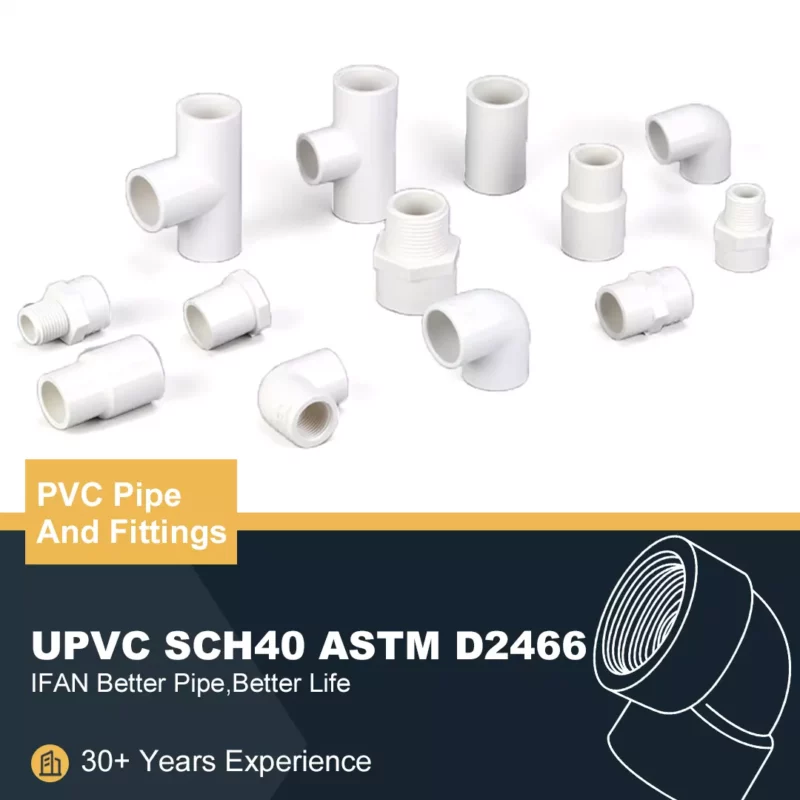
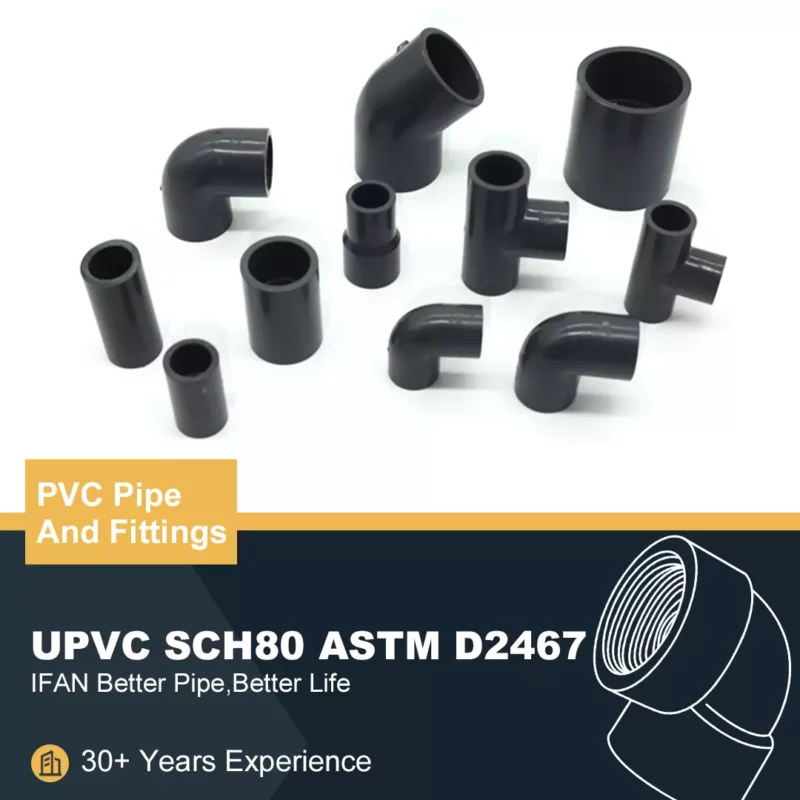
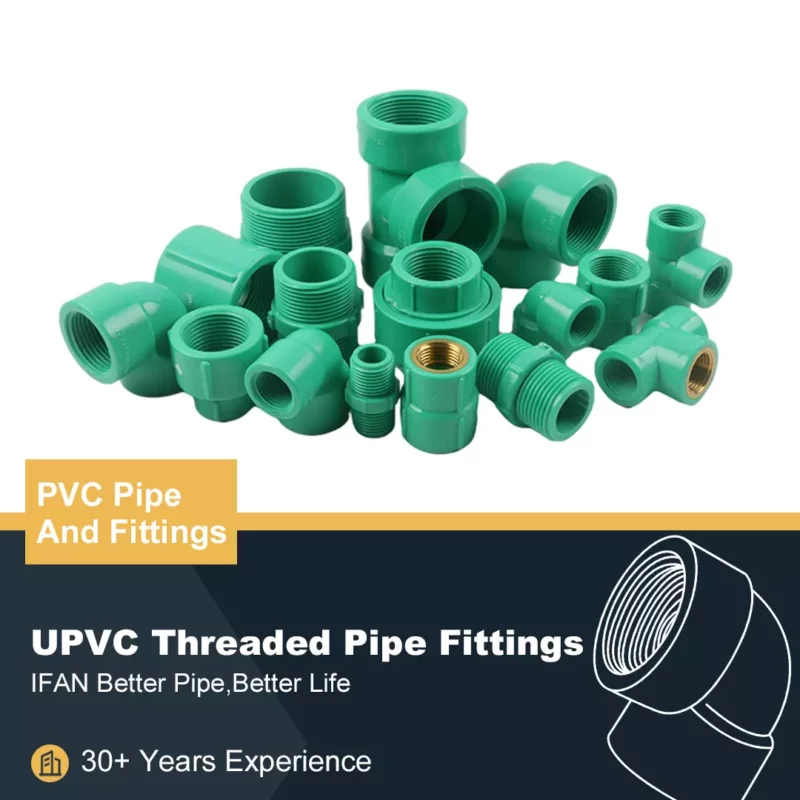
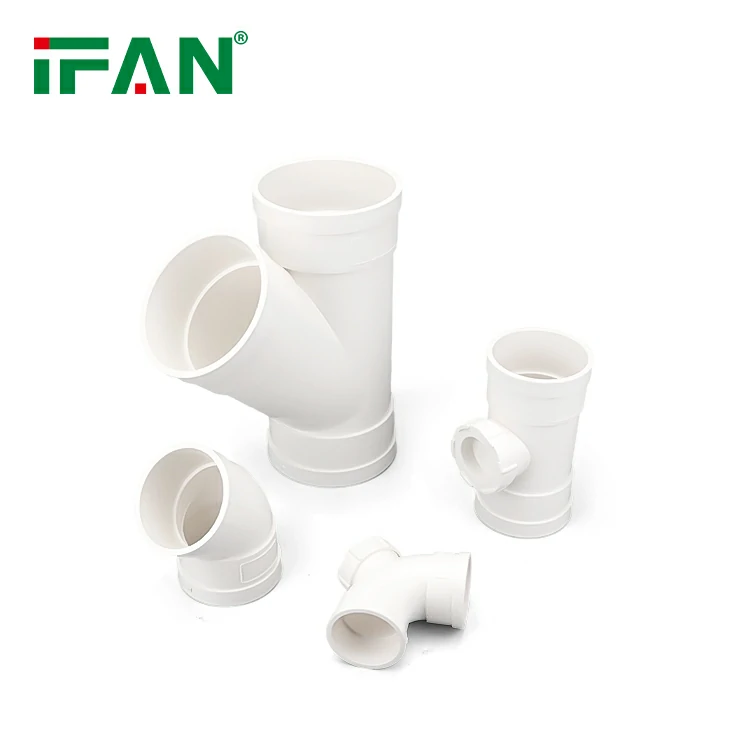
UPVC pipe fittings are widely used in residential, commercial, and industrial applications due to their durability, chemical resistance, and ease of installation. These fittings are lightweight, corrosion-resistant, and cost-effective, making them a preferred choice for plumbing, irrigation, drainage, and chemical transport systems.
The versatility of UPVC pipe fittings allows them to be used in various industries, including water supply, wastewater management, agriculture, and industrial processing. This article explores the multiple applications of UPVC pipe fittings, highlighting their benefits and performance advantages.
What Are UPVC Pipe Fitting?
UPVC pipe fittings are made from unplasticized polyvinyl chloride, a rigid and durable material. Unlike PVC, which contains plasticizers for flexibility, UPVC remains strong and resistant to environmental and chemical damage. These fittings connect pipes securely, ensuring efficient fluid transport.
Key Features of UPVC Pipe Fitting
- Corrosion-resistant: They do not rust or degrade over time.
- Lightweight: Easy to handle and install.
- High strength: Withstand pressure and external forces.
- Leak-proof connections: Ensure a reliable plumbing system.
- Chemical-resistant: Suitable for industrial applications.
Applications of UPVC Pipe Fitting
The versatility of UPVC pipe fittings makes them ideal for various applications across different industries.
1. Plumbing Systems
UPVC pipe fittings are widely used in residential and commercial plumbing systems. They are ideal for water supply lines due to their non-toxic and corrosion-resistant properties. Unlike metal pipes, they do not contaminate drinking water with rust or corrosion particles.
2. Irrigation and Agriculture
Farmers and agricultural industries use UPVC pipe fitting for irrigation systems. Their lightweight nature allows easy installation in large-scale irrigation projects. They efficiently transport water to crops, ensuring optimal growth and productivity.
3. Drainage and Sewage Systems
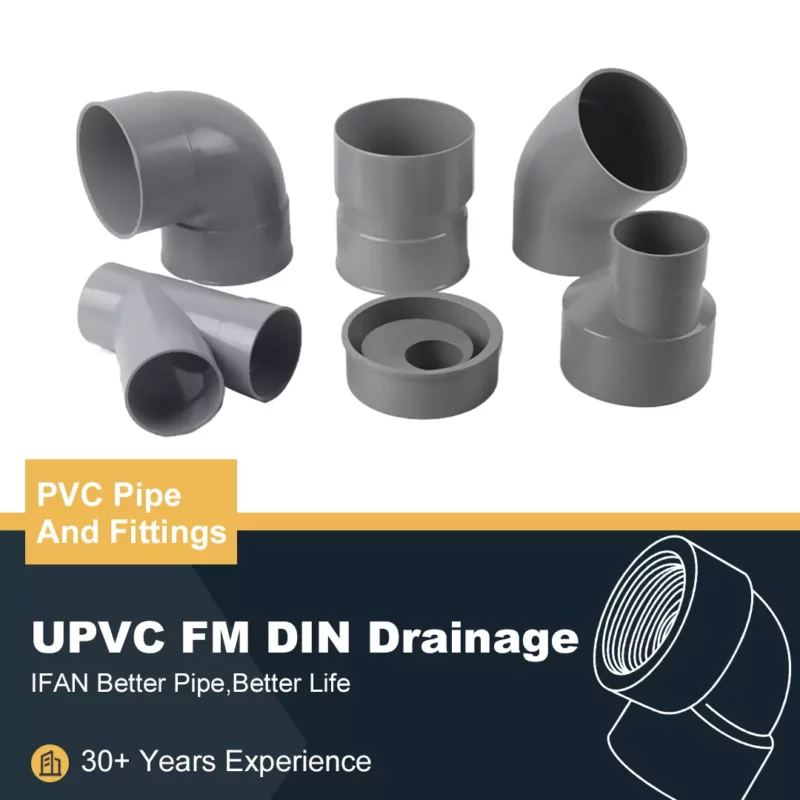
Municipalities and construction projects rely on UPVC pipe fitting for drainage and sewage systems. Their smooth interior surface prevents clogging and ensures efficient wastewater flow. These fittings resist chemical damage, making them suitable for sewage treatment plants.
4. Industrial Fluid Transport
Chemical processing plants use UPVC pipe fitting to transport chemicals safely. Their excellent chemical resistance ensures that aggressive substances do not corrode or degrade the fittings over time.
5. Fire Protection Systems
Fire sprinkler systems use UPVC pipe fitting to deliver water efficiently. Their durability and resistance to corrosion ensure long-term reliability in fire suppression networks.
6. Swimming Pools and Water Parks
UPVC pipe fittings are commonly used in swimming pools and water parks. They resist chlorine and other chemicals found in pool water, ensuring long-term performance without deterioration.
7. HVAC and Cooling Systems
Heating, ventilation, and air conditioning (HVAC) systems rely on UPVC pipe fitting for cooling water circulation. Their ability to handle temperature variations and resist corrosion makes them ideal for these applications.
Why Choose UPVC Pipe Fitting for Various Applications?
The widespread use of UPVC pipe fitting is due to their numerous advantages over traditional materials.
1. Corrosion and Rust Resistance
Unlike metal fittings, UPVC pipe fitting do not corrode, making them ideal for water supply and industrial applications.
2. Lightweight and Easy to Install
Their lightweight nature makes them easy to transport and install, reducing labor costs.
3. Cost-Effective Solution
UPVC pipe fittings offer a budget-friendly alternative to metal fittings while maintaining durability and efficiency.
4. Leak-Proof and Secure Connections
Solvent welding and mechanical joining techniques ensure a leak-free plumbing system.
5. Chemical Resistance
They can withstand exposure to a wide range of chemicals, making them suitable for industrial and laboratory applications.
6. Environmentally Friendly
UPVC is recyclable and does not release harmful chemicals into the environment, making it a sustainable choice.
Installation and Maintenance of UPVC Pipe Fitting
Proper installation and maintenance ensure the long-term performance of UPVC pipe fitting.
IFAN International Standard for PVC Tubing
IFAN’s PVC products adhere to a wide range of international standards, ensuring they meet the highest quality and performance criteria. These standards include BS 3505, BS 4346, ASTM D1785 SCH40, ASTM D1785 SCH80, DIN, GB, DWV, ASTM D2665, ASTM D2241, ASTM D2665, ASTM D2729, ASTM F441/F441M, ISO 1452 series, EN ISO 1452, DIN 8061/8062, GB/T 10002 series, AS/NZS 1477, JIS K6741, CSA B137.3, NSF/ANSI 14, and TIS 17-2532/1131-2535. Compliance with these standards ensures that IFAN’s PVC pipes and fittings deliver consistent performance, safety, and reliability in a variety of applications globally.
Installation Steps
- Measure and Cut: Cut the pipe to the required length using a pipe cutter.
- Clean the Ends: Remove burrs and debris for a smooth connection.
- Apply Solvent Cement: Use solvent cement to bond the fittings securely.
- Assemble the Fittings: Insert the pipe into the fitting and hold it for a few seconds.
- Allow Curing Time: Let the solvent cement dry completely before use.
- Test the System: Run water through the pipes to check for leaks.
Maintenance Tips
- Inspect Regularly: Check for leaks or damage in the system.
- Flush the Pipes: Remove debris and sediment buildup periodically.
- Avoid High Temperatures: Use within the recommended temperature range to prevent damage.
- Keep Joints Secure: Ensure all fittings are tightly connected to prevent leaks.
Comparison: UPVC vs. Other Pipe Fittings
When compared to other materials, UPVC pipe fittings offer distinct advantages.
UPVC vs. Metal Fittings
- Corrosion Resistance: UPVC does not rust, while metal fittings corrode over time.
- Weight: UPVC is lighter and easier to install than metal.
- Cost: UPVC is more cost-effective.
UPVC vs. PVC Fittings
- Strength: UPVC is more rigid and durable than PVC.
- Applications: UPVC is preferred for high-pressure applications.
UPVC vs. CPVC Fittings
- Temperature Resistance: CPVC can handle higher temperatures.
- Chemical Resistance: Both offer excellent chemical resistance.
Conclusion
UPVC pipe fittings are versatile and suitable for various applications, including plumbing, irrigation, drainage, industrial fluid transport, and fire protection systems. Their durability, corrosion resistance, and cost-effectiveness make them an ideal choice for long-term use. Whether for residential, commercial, or industrial purposes, UPVC pipe fittings provide a reliable and efficient piping solution.
If you have read this article and have any questions, please feel free to contact IFAN. Below is our contact information:
Whatsapp:+86 13373827623
Email:[email protected]