

Introduction
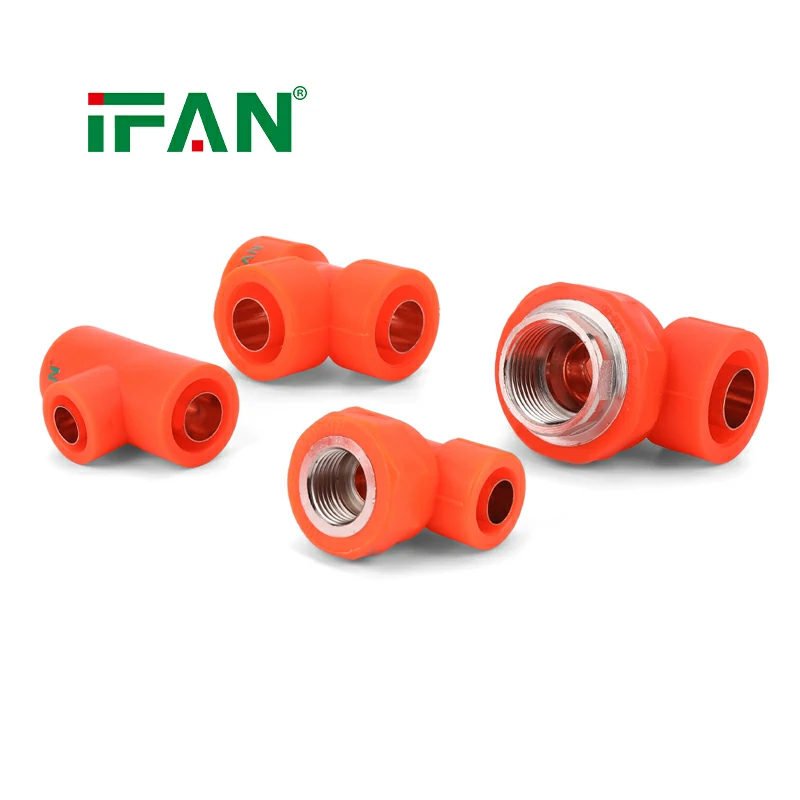
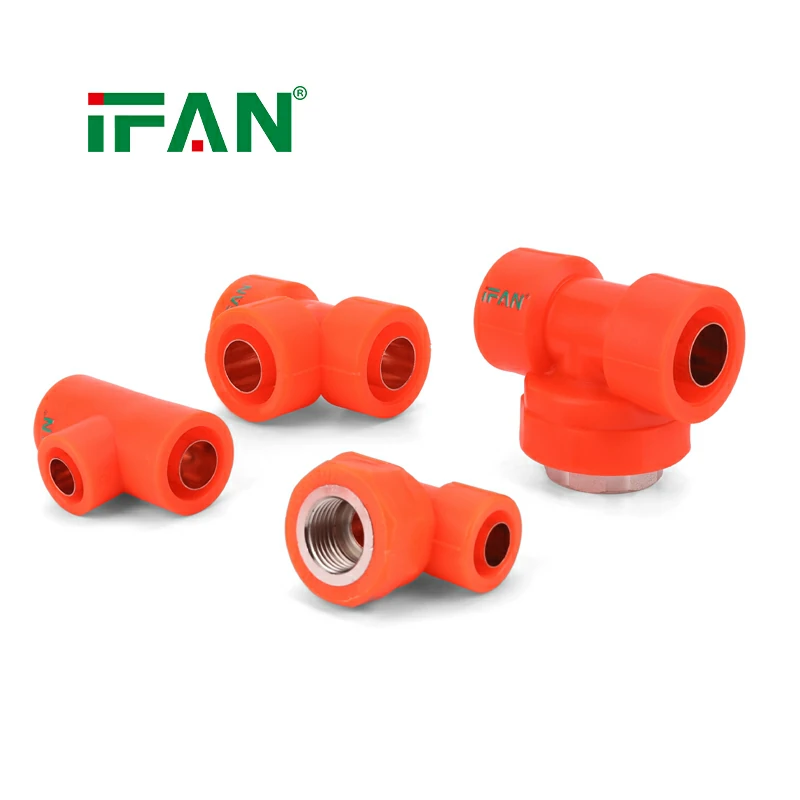
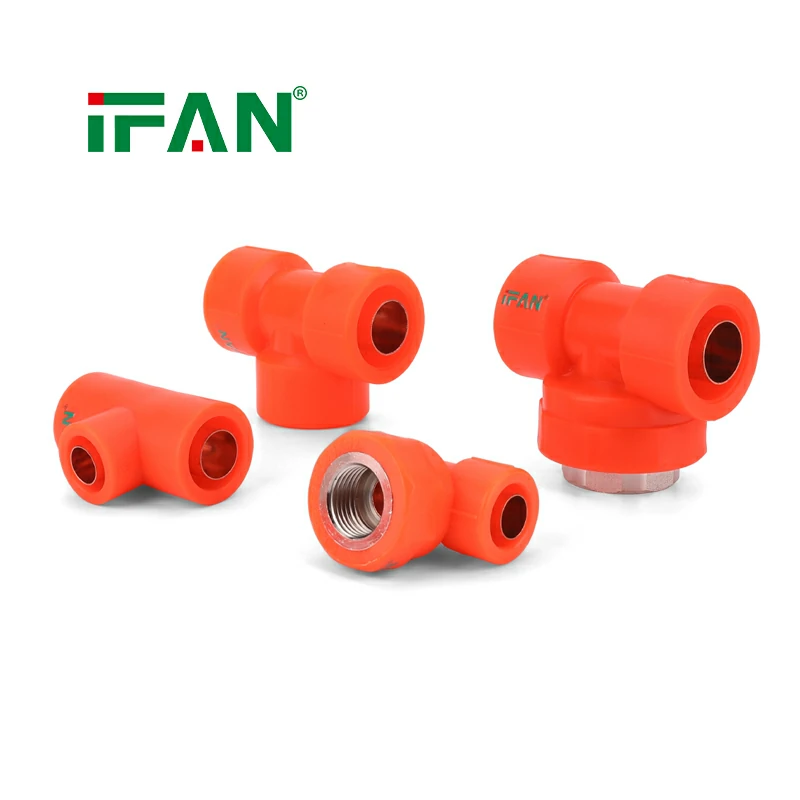
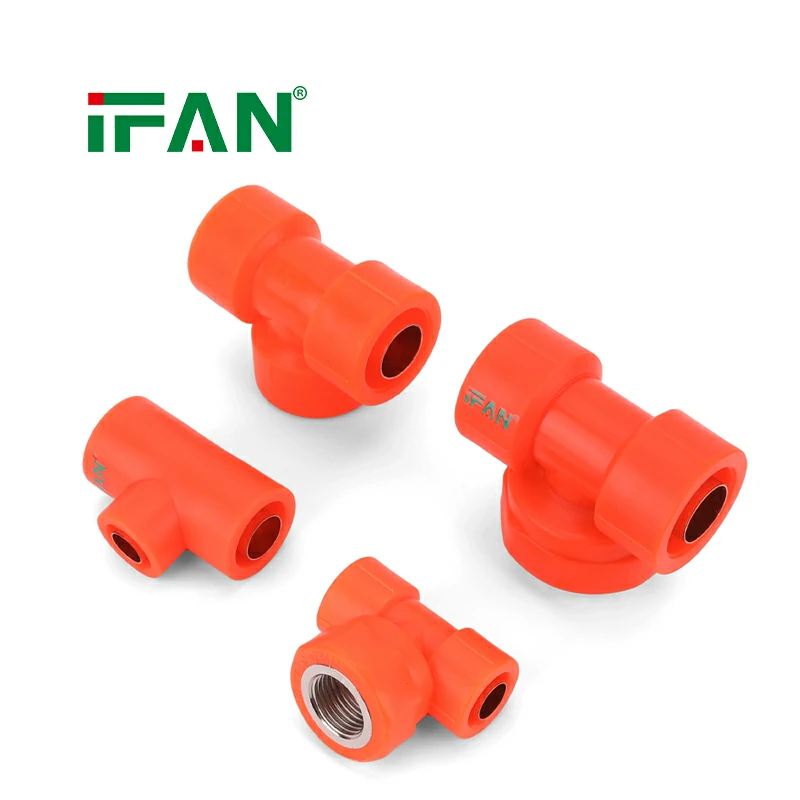
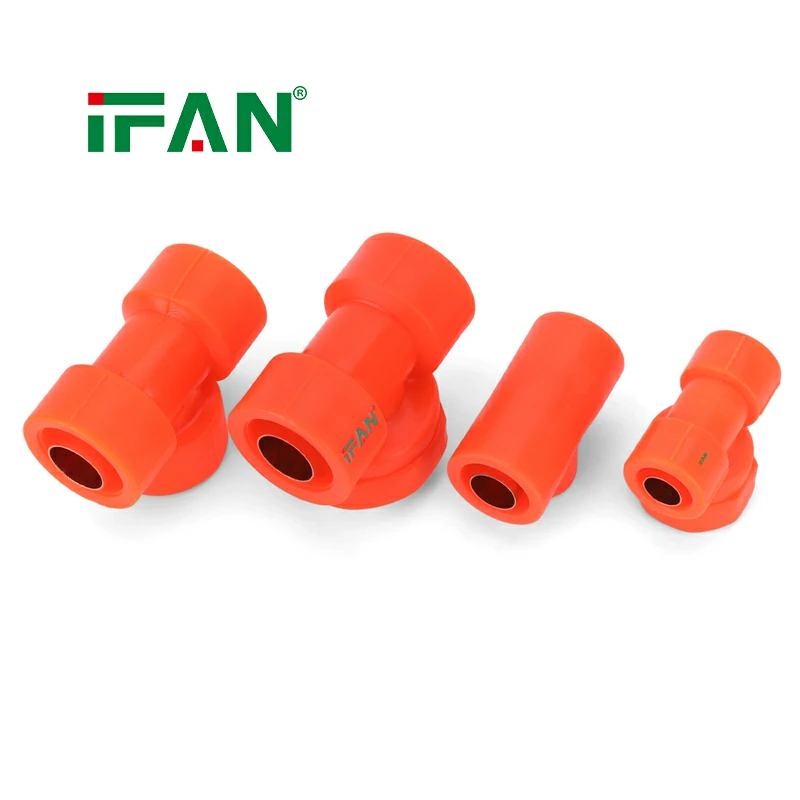
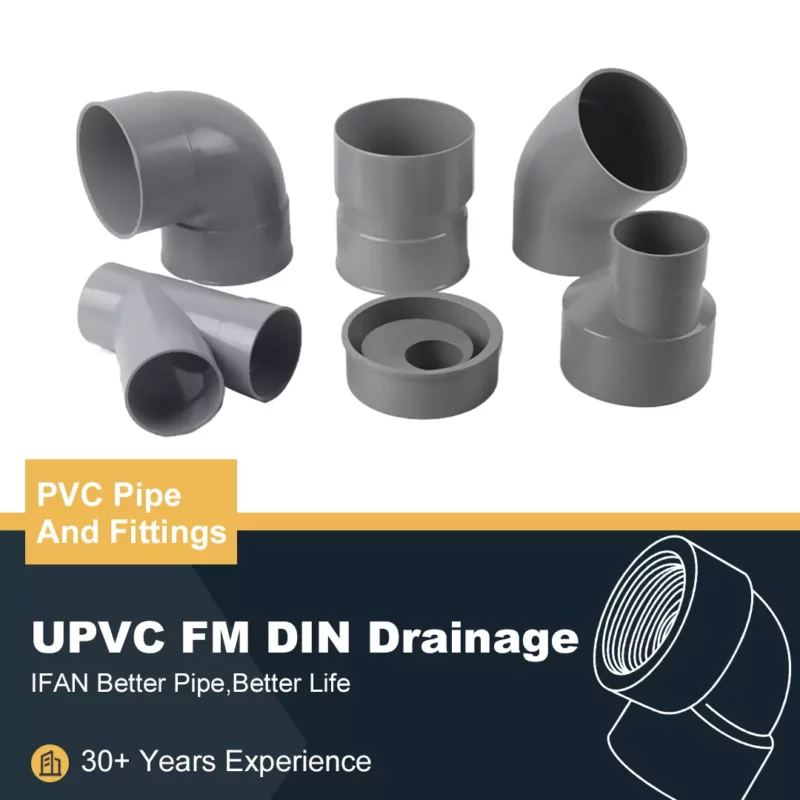
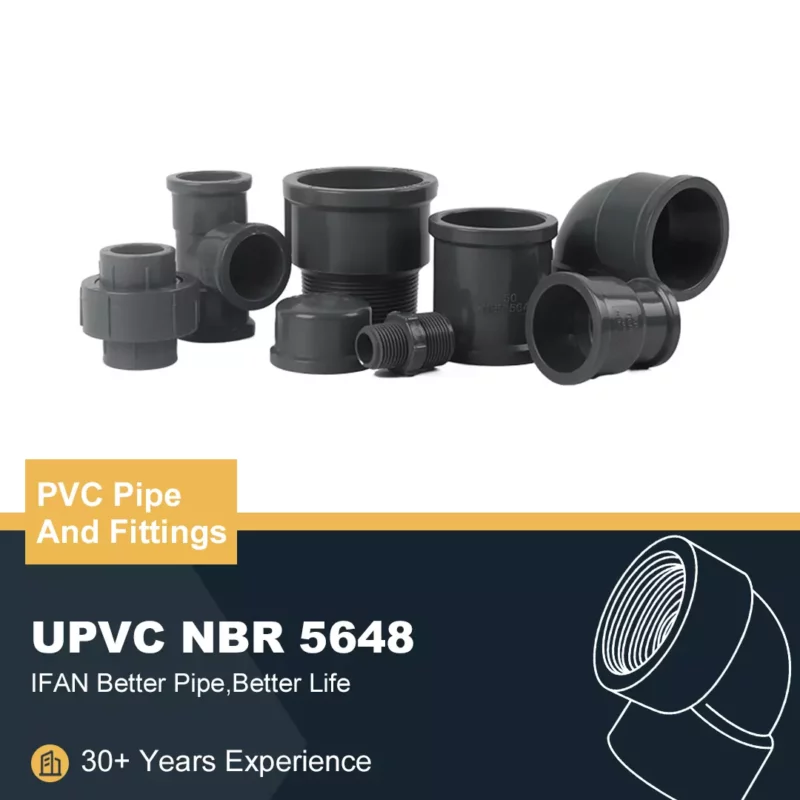
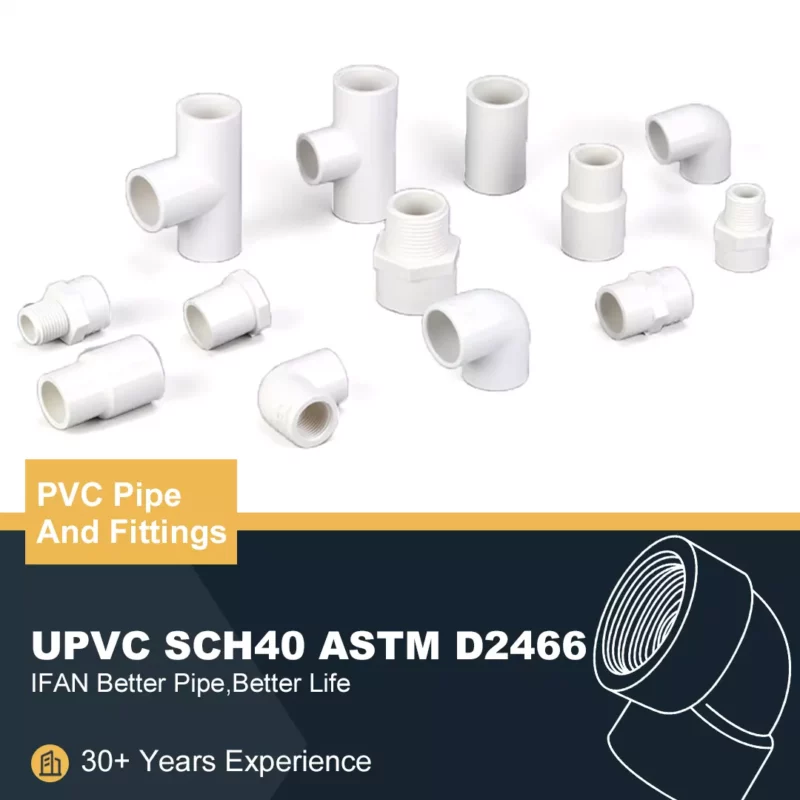
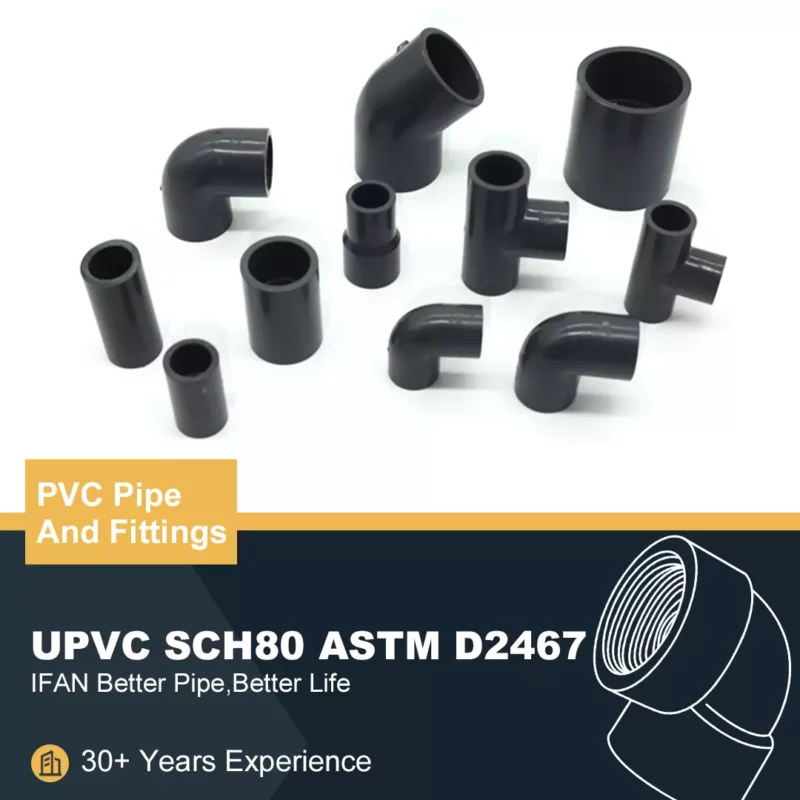
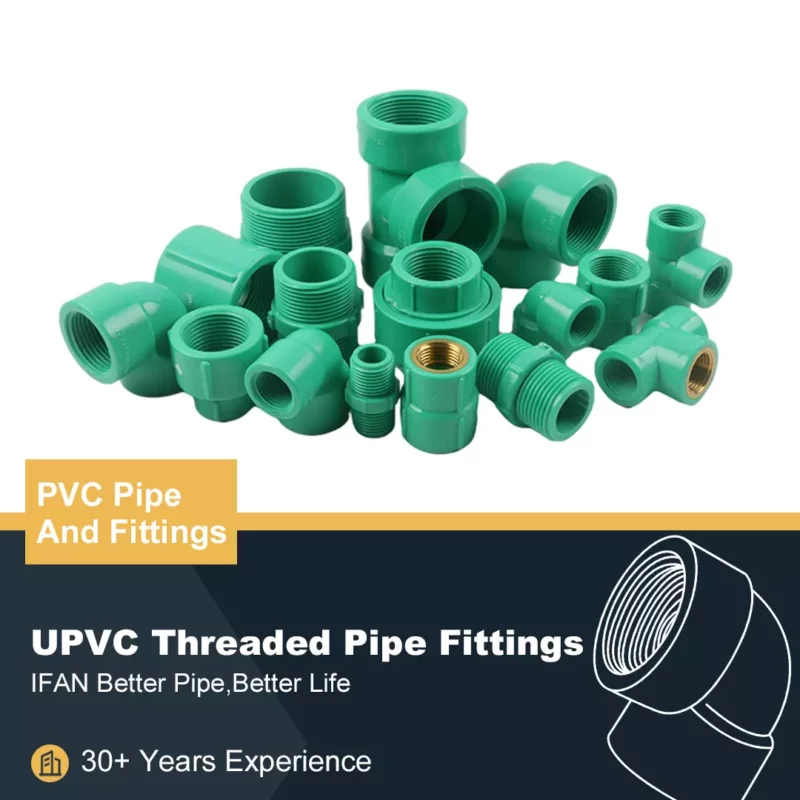
UPVC pipe fittings are widely used in plumbing and industrial applications due to their high flow efficiency. Their smooth interior surface minimizes friction, allowing fluids to move freely without blockages. Unlike metal fittings, which corrode over time, UPVC pipe fittings remain free of rust and scaling. Their lightweight nature, ease of installation, and cost-effectiveness make them a preferred choice for water distribution, drainage, and industrial piping systems.
This article explores the high flow efficiency of UPVC pipe fitting, their benefits, applications, and maintenance requirements.
What Are UPVC Pipe Fitting?
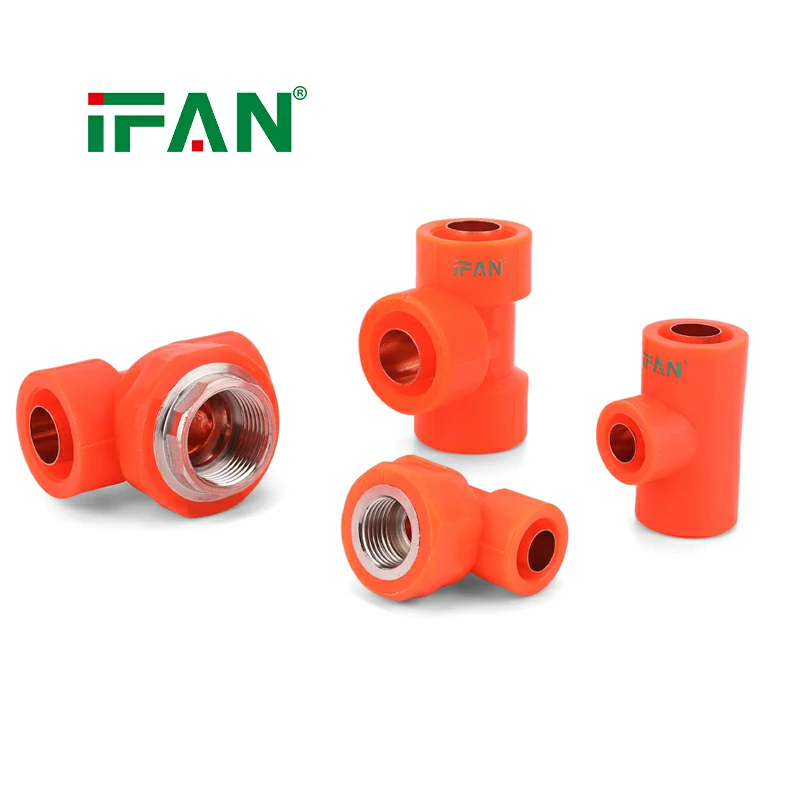
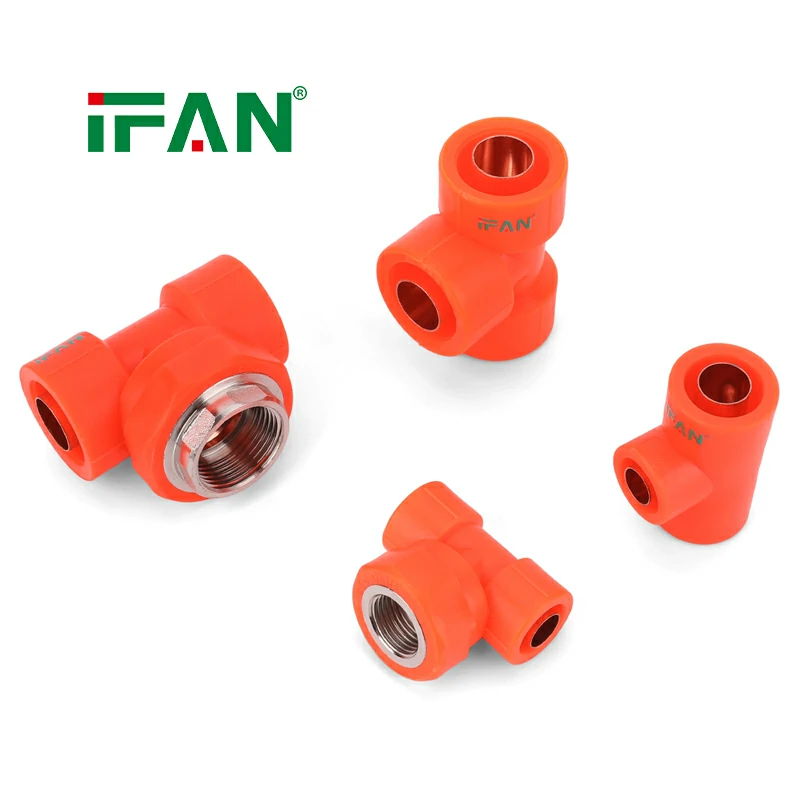
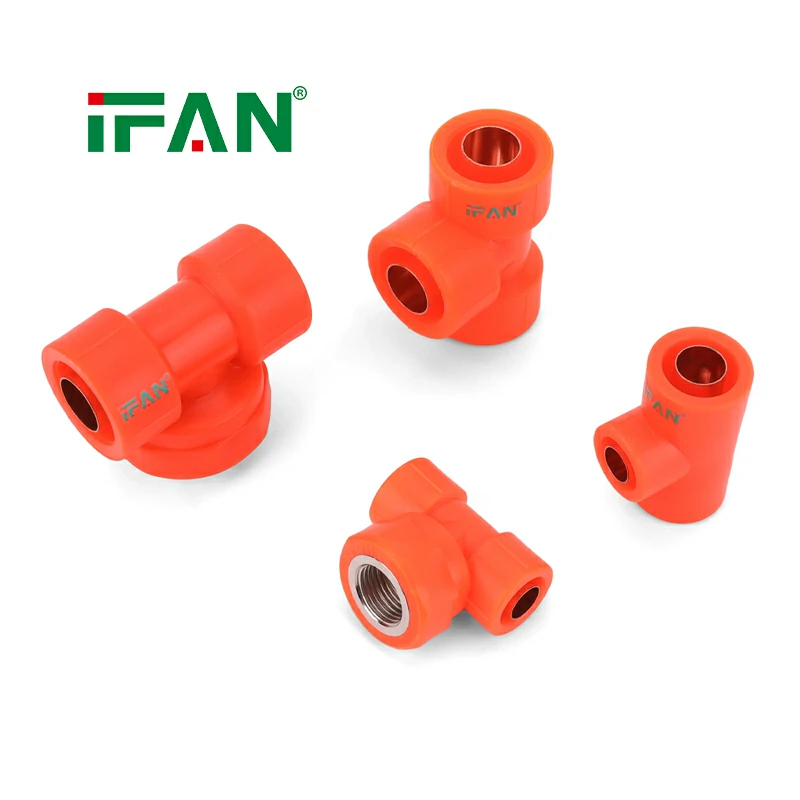
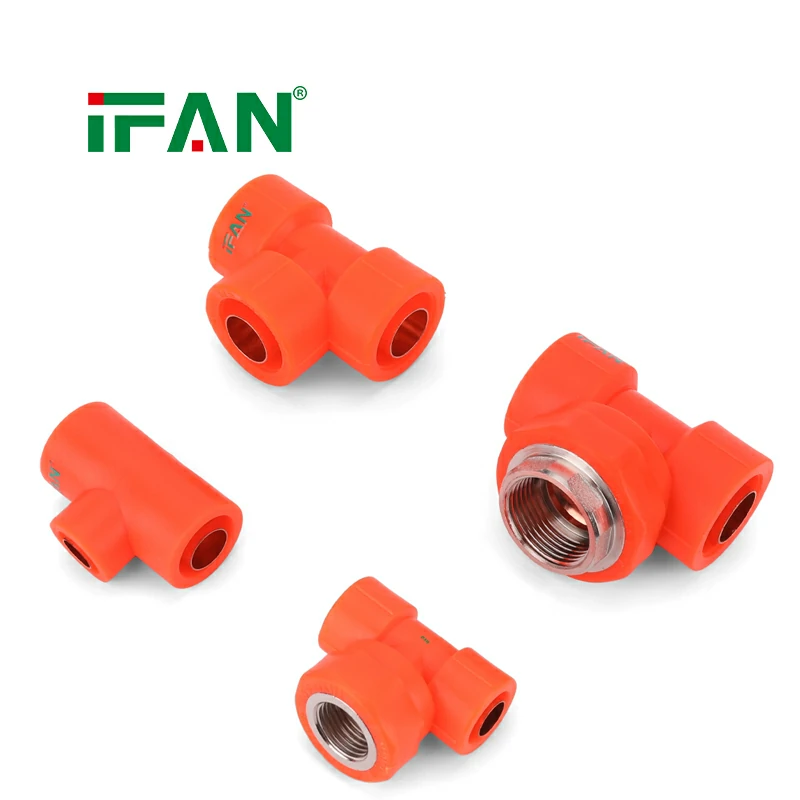
UPVC pipe fittings are made from unplasticized polyvinyl chloride, a strong and rigid material. They are used to connect, control, and direct the flow of water, chemicals, and other fluids.
Key Features of UPVC Pipe Fitting
- Smooth inner surface: Ensures minimal resistance to fluid flow.
- Corrosion-resistant: Prevents rust and scaling.
- Lightweight: Easy to transport and install.
- Durable: Offers a long service life.
- Leak-proof joints: Reduces the risk of leakage.
Why UPVC Pipe Fitting Have High Flow Efficiency
Flow efficiency is crucial for any piping system. UPVC pipe fitting provide superior flow characteristics due to their design and material properties.
Smooth Internal Surface
The interior surface of UPVC pipe fitting is extremely smooth, reducing friction and turbulence. This allows liquids to flow at a steady rate without obstructions.
No Scaling or Deposits
Metal fittings accumulate mineral deposits over time, restricting flow. UPVC pipe fitting remain free of scaling, ensuring consistent efficiency.
Corrosion-Free Design
Rust and corrosion in metal pipes create resistance to fluid movement. UPVC pipe fitting do not corrode, maintaining high flow rates for years.
Lightweight and Precise Design
The lightweight nature of UPVC pipe fittings allows for easy alignment, reducing installation errors that can restrict flow.
Applications of UPVC Pipe Fitting in High Flow Systems
Due to their high flow efficiency, UPVC pipe fittings are used in various applications where uninterrupted fluid movement is essential.
Water Supply Systems
Municipal water distribution networks use UPVC pipe fitting to ensure consistent water pressure and flow.
Irrigation Systems
Agricultural irrigation relies on UPVC pipe fitting for efficient water delivery to crops.
Sewage and Drainage Systems
Wastewater treatment facilities use UPVC pipe fittings to prevent clogging and ensure smooth sewage flow.
Industrial Fluid Transport
Factories and chemical plants use UPVC pipe fitting to move chemicals and industrial fluids efficiently.
Swimming Pools and Water Parks
The non-corrosive and smooth surface of UPVC pipe fitting makes them ideal for swimming pool water circulation systems.
UPVC vs. Other Pipe Fitting Materials
Comparing UPVC pipe fitting with other materials highlights their superior flow efficiency.
UPVC vs. Metal Fittings
- Friction: UPVC has a smoother surface, reducing friction losses.
- Corrosion: UPVC does not corrode, while metal fittings may develop rust.
- Flow Restriction: Metal pipes accumulate scale, while UPVC pipe fittings remain clear.
UPVC vs. PVC Fittings
- Strength: UPVC is more rigid and durable than PVC.
- Flow Capacity: Both materials offer smooth surfaces, but UPVC performs better in high-pressure systems.
UPVC vs. CPVC Fittings
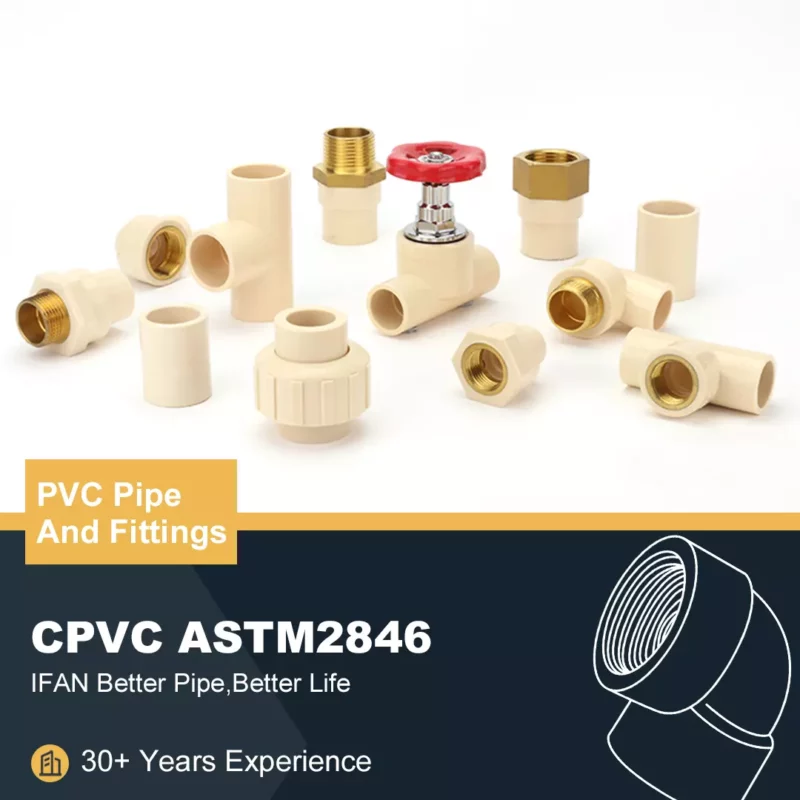
- Temperature Resistance: CPVC withstands higher temperatures but has similar flow efficiency.
- Cost: UPVC is more cost-effective for cold water applications.
Installation Process for Maximum Flow Efficiency
Proper installation of UPVC pipe fittings ensures optimal flow efficiency.
Step 1: Plan the Layout
Ensure a smooth and direct path for fluid movement. Avoid unnecessary bends and joints.
Step 2: Measure and Cut the Pipes
Use a sharp cutter to achieve clean and precise cuts.
Step 3: Clean the Pipe Ends
Remove burrs and debris to ensure a tight fit and prevent internal obstructions.
Step 4: Apply Solvent Cement
Use a thin layer of solvent cement to create a secure and leak-proof bond.
Step 5: Assemble and Hold
Insert the pipe into the fitting, twist slightly, and hold for a few seconds.
Step 6: Allow Curing Time
Let the cement dry completely before testing the system.
Step 7: Test for Leaks
Run water through the system and check for any leaks or pressure drops.
Advantages of UPVC Pipe Fittings in High Flow Systems
Using UPVC pipe fittings ensures several advantages in fluid transport systems.
Low Pressure Loss
Minimal resistance in UPVC pipe fittings ensures steady flow without pressure drops.
Consistent Performance Over Time
Unlike metal fittings that degrade, UPVC pipe fittings maintain high flow rates for decades.
Cost-Effective Maintenance
Their smooth surface reduces blockages, lowering maintenance costs.
Eco-Friendly and Safe
UPVC pipe fittings are non-toxic and do not release harmful substances into the water supply.
Maintenance Tips to Preserve Flow Efficiency
To keep UPVC pipe fittings performing at their best, follow these maintenance tips.
Regular Inspection
Check for leaks or blockages periodically to maintain system efficiency.
Flush the System Periodically
Running clean water through the system removes any debris buildup.
Avoid High Temperatures
Ensure UPVC pipe fitting are used within their temperature limits to prevent deformation.
Proper Cleaning
Use mild cleaning solutions to keep pipes free from dirt and contaminants.
Conclusion
UPVC pipe fittings offer excellent high flow efficiency due to their smooth surface, corrosion resistance, and durable design. They are widely used in water distribution, drainage, irrigation, and industrial applications. Their ability to maintain steady flow rates without scaling or corrosion makes them a superior choice for plumbing systems. Whether for residential, commercial, or industrial use, UPVC pipe fittings provide an efficient and cost-effective solution.
If you have read this article and have any questions, please feel free to contact IFAN. Below is our contact information:
Whatsapp:+86 13373827623
Email:[email protected]