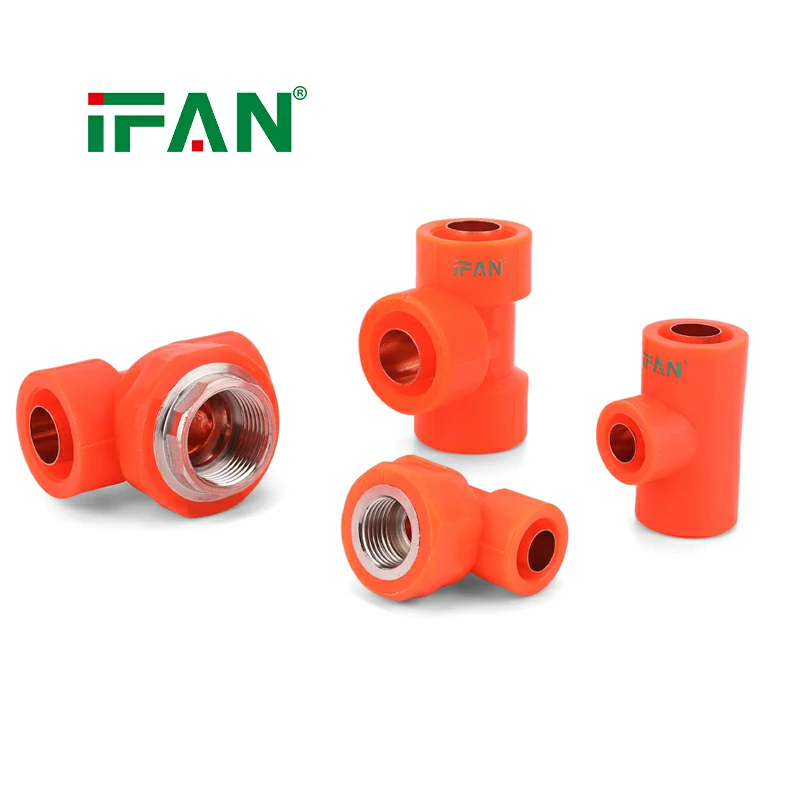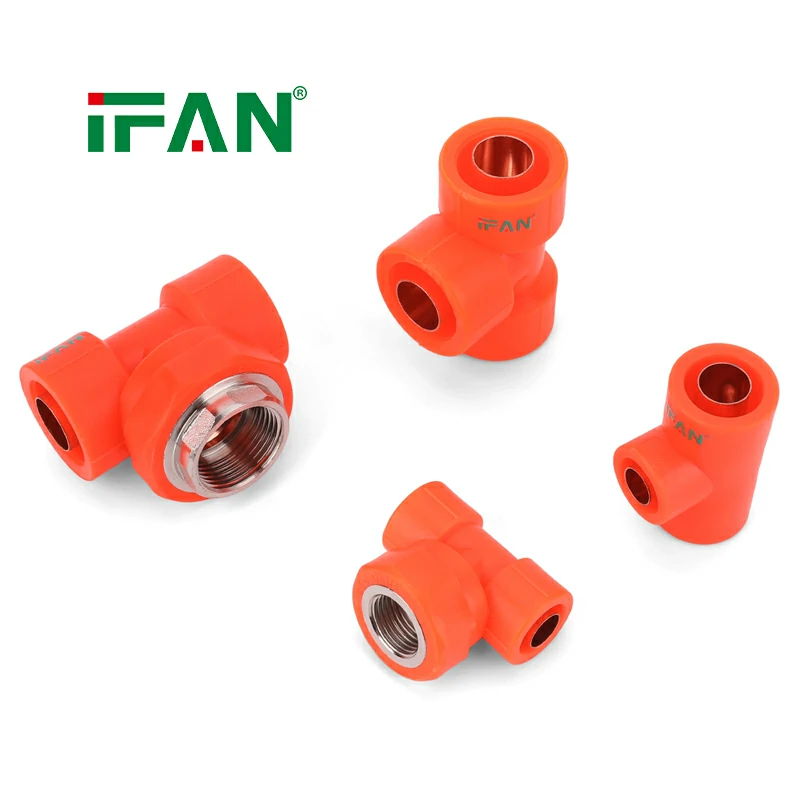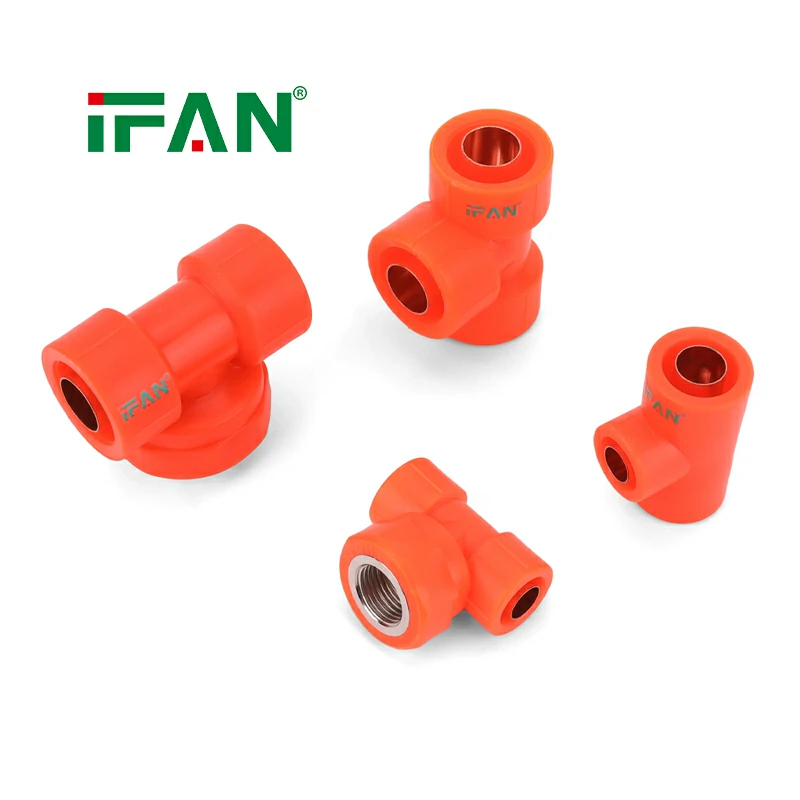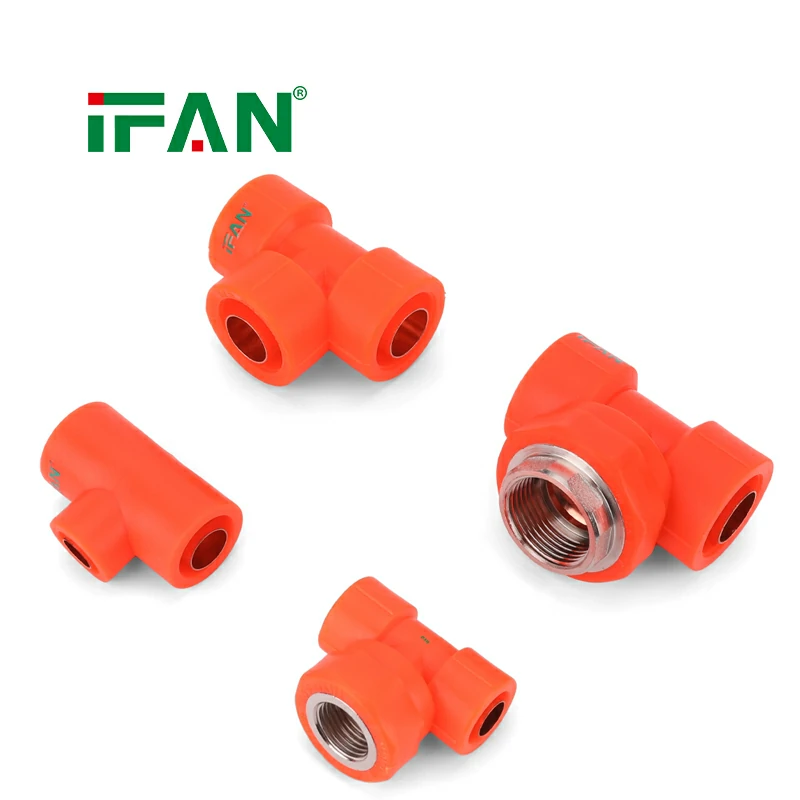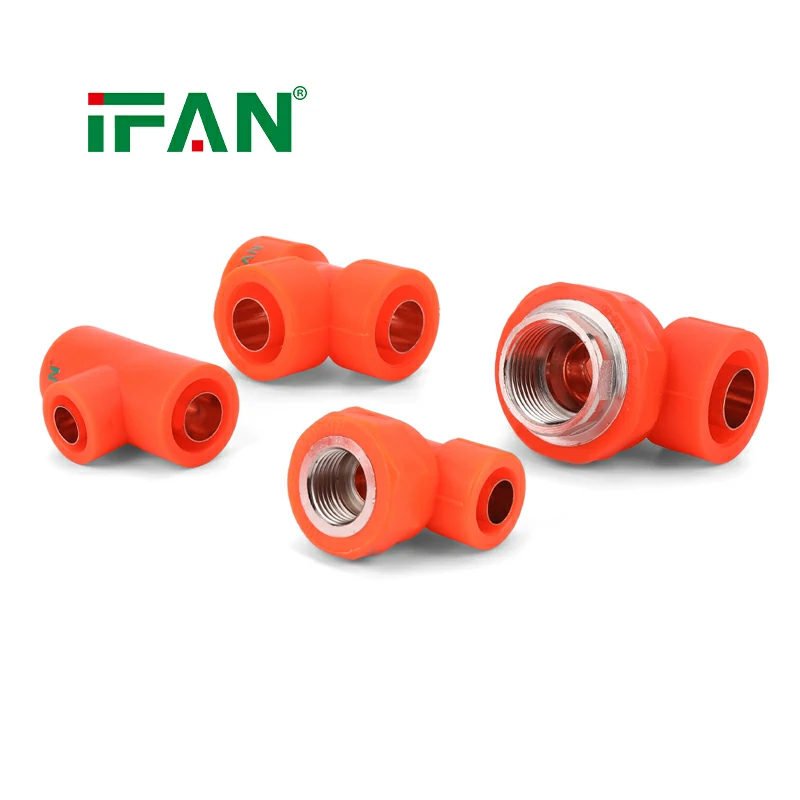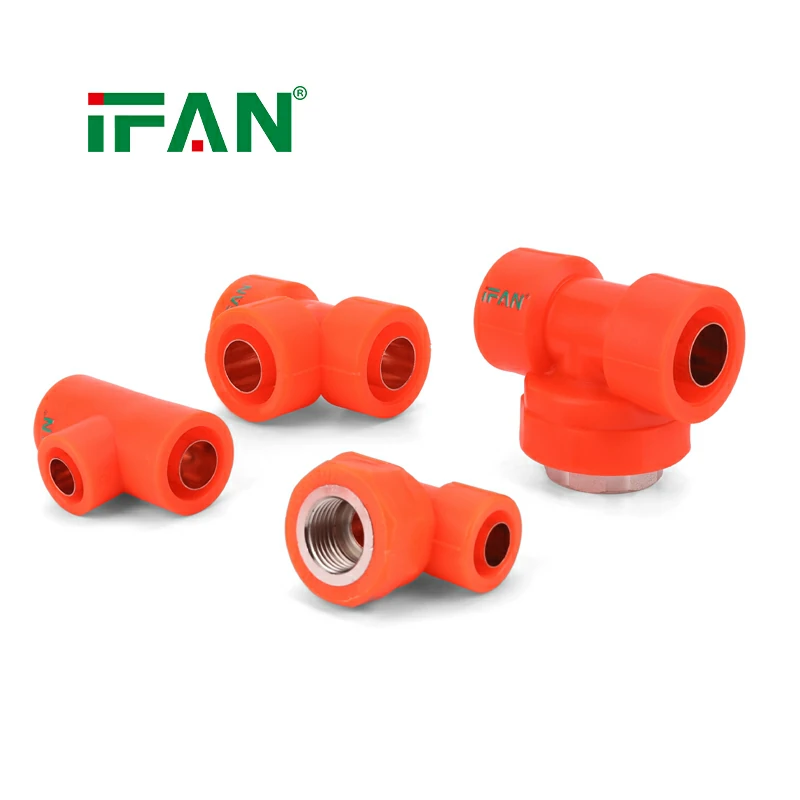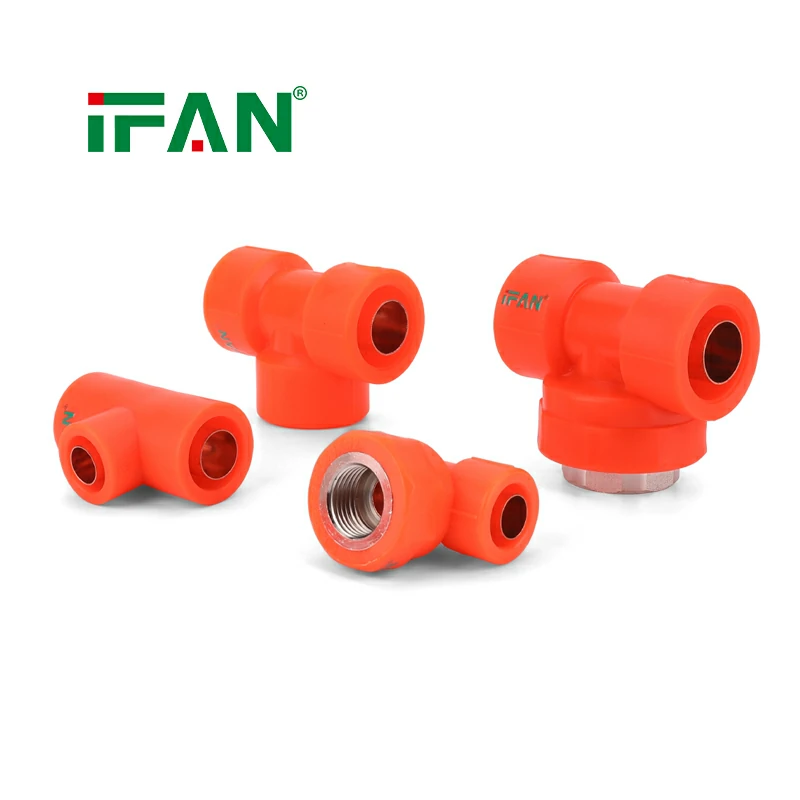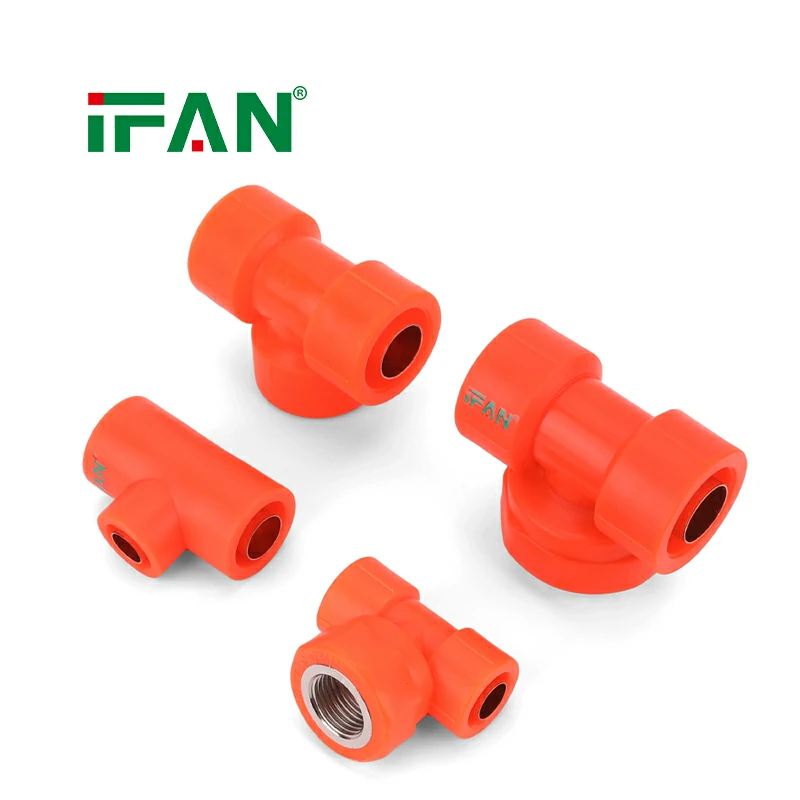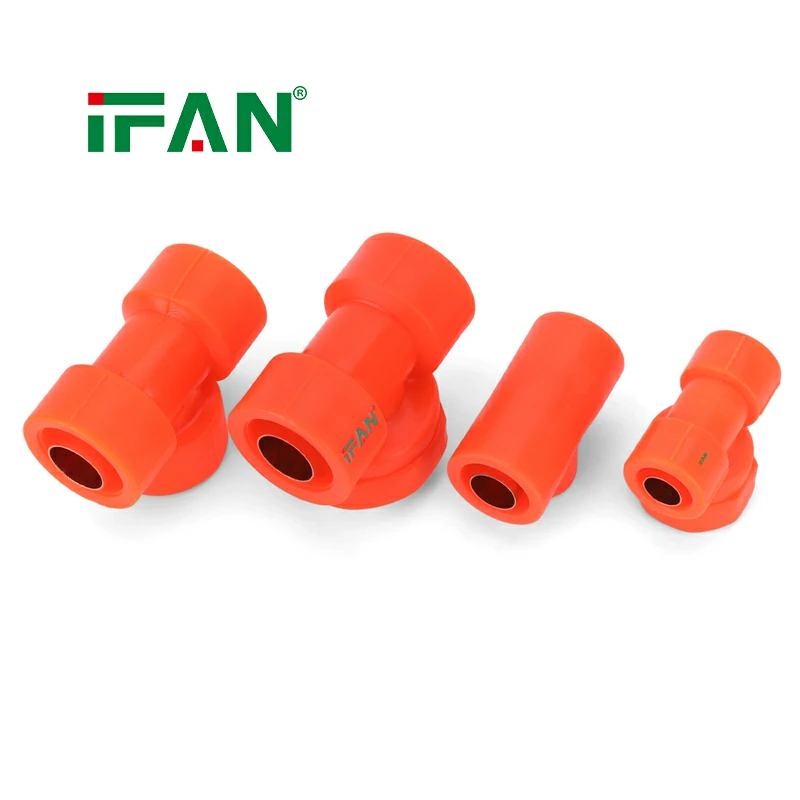
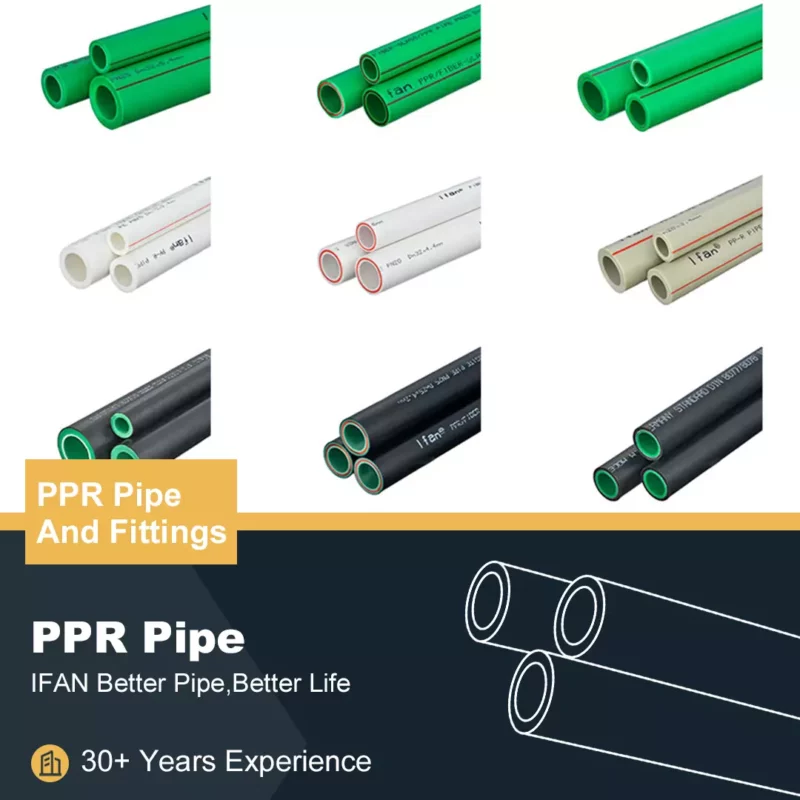
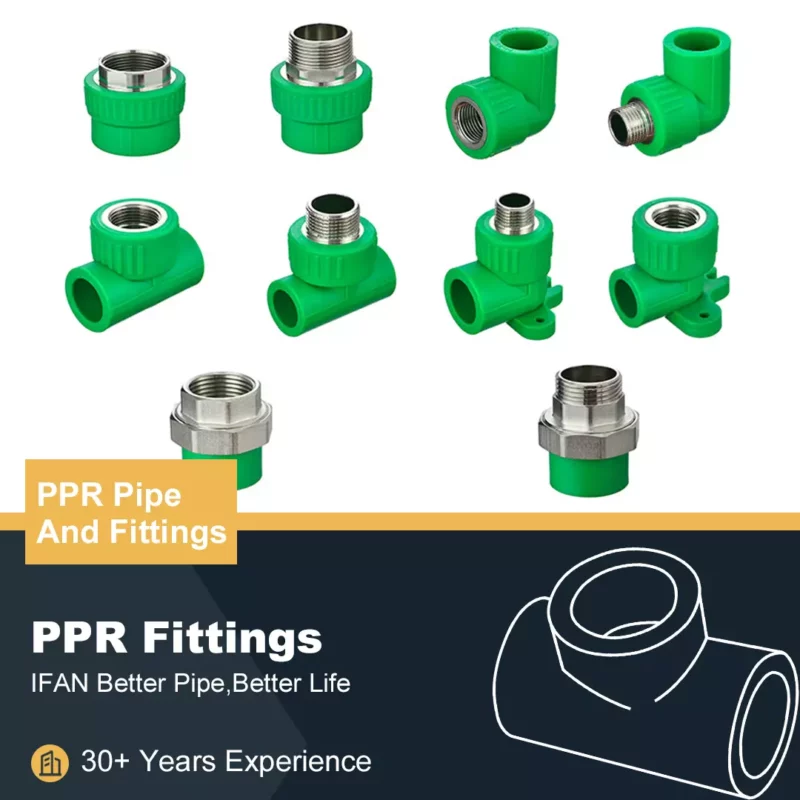
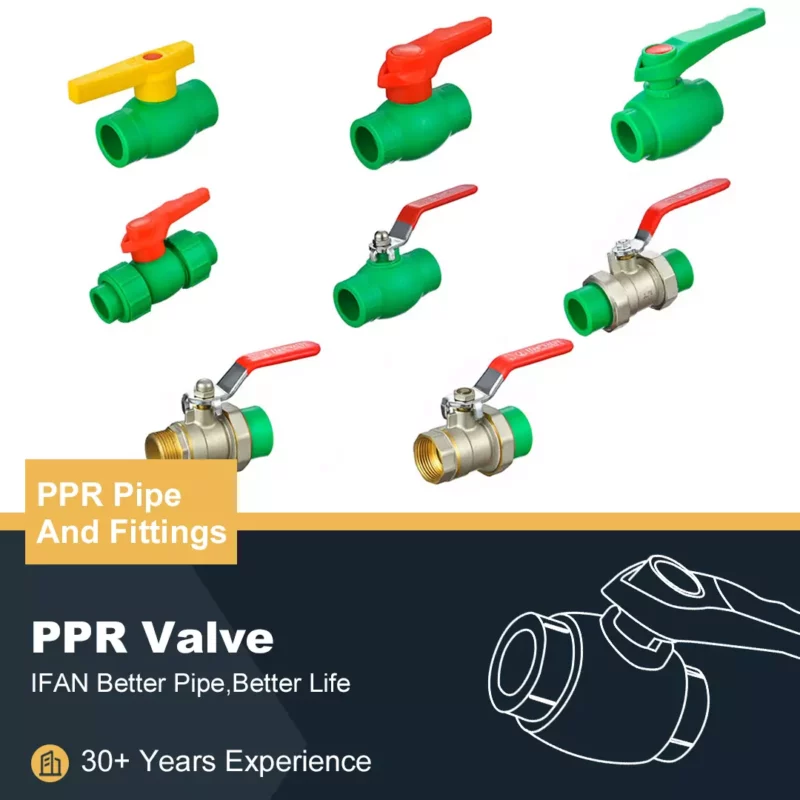
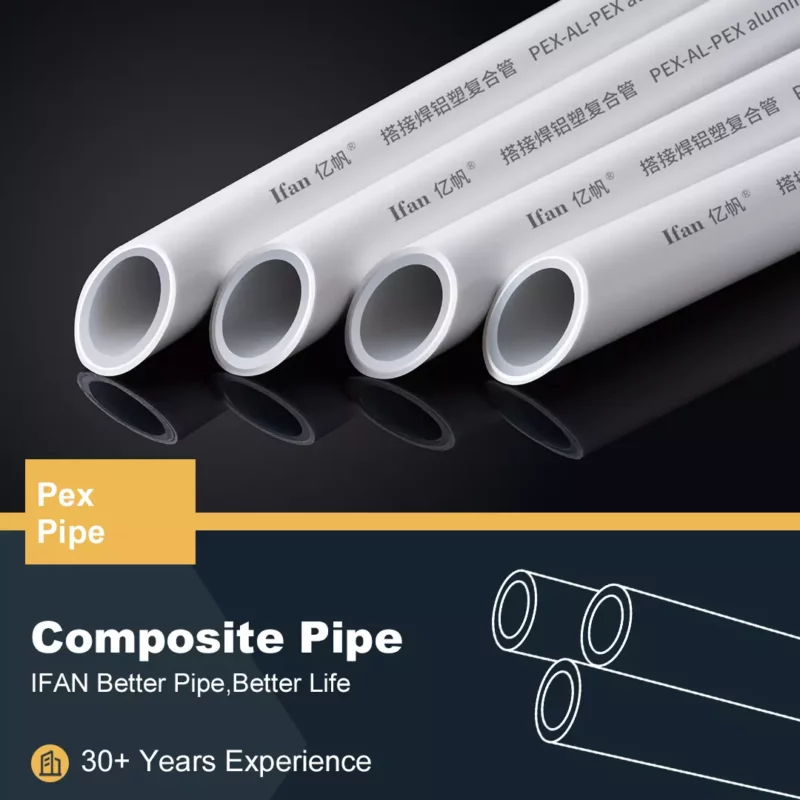
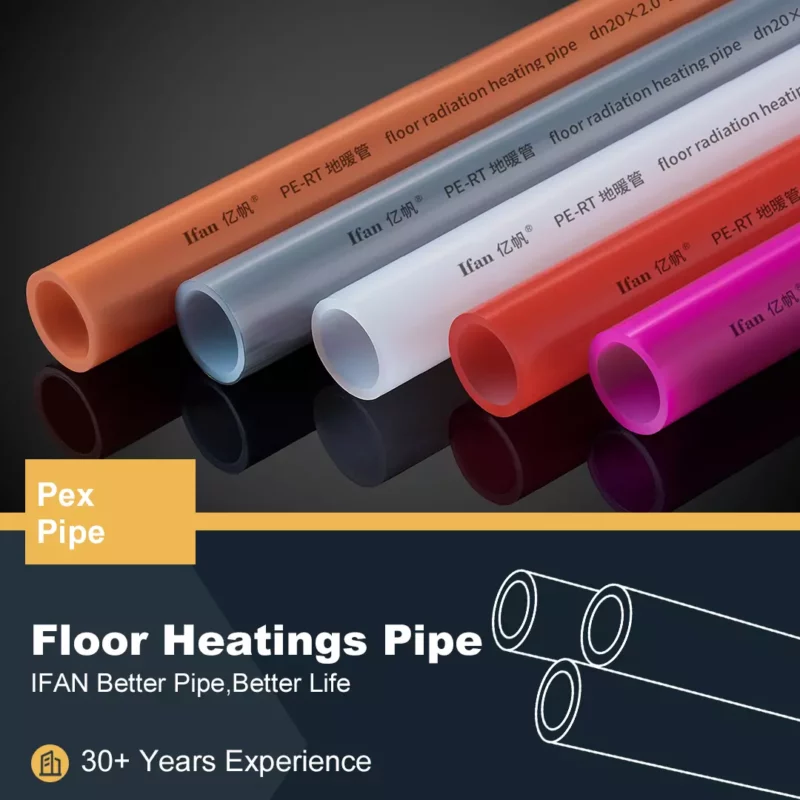
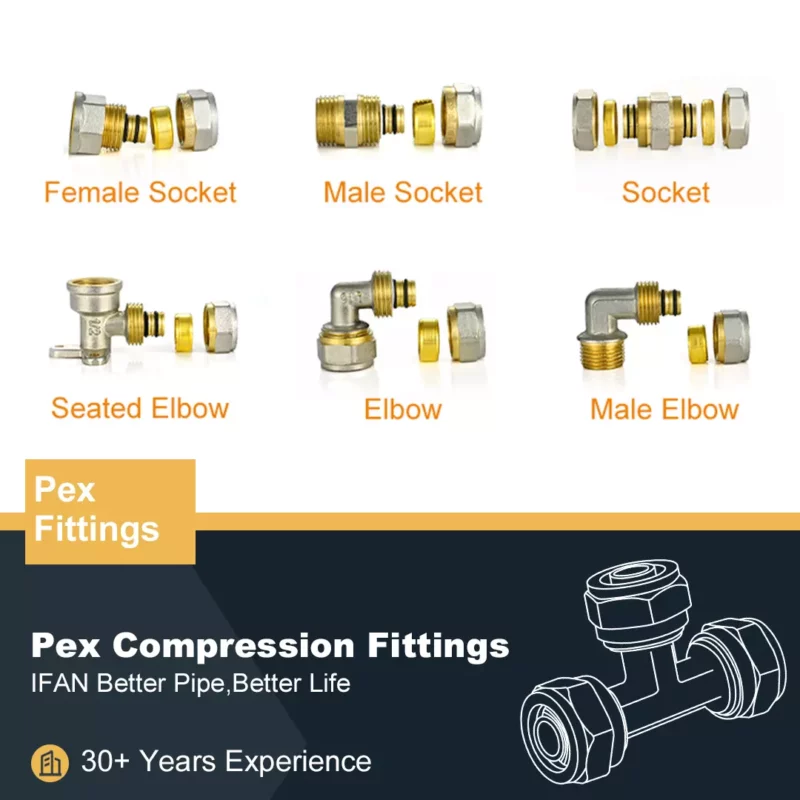
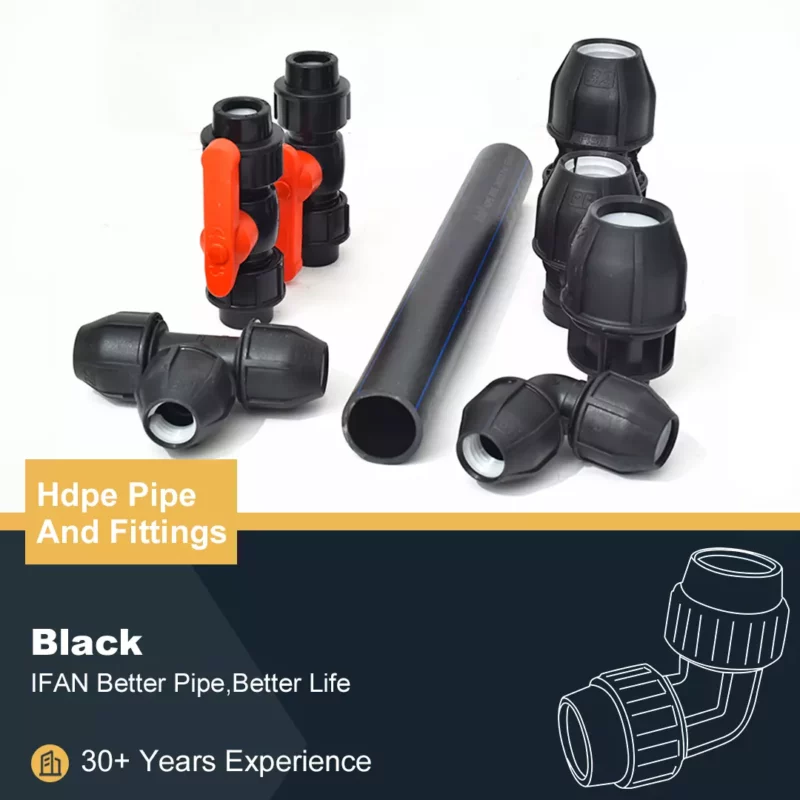
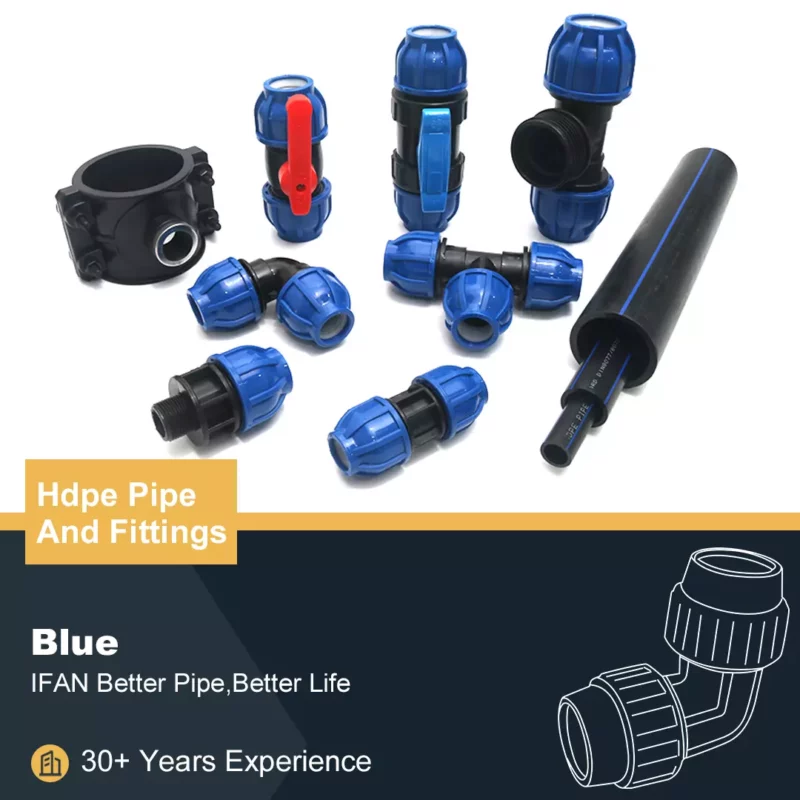
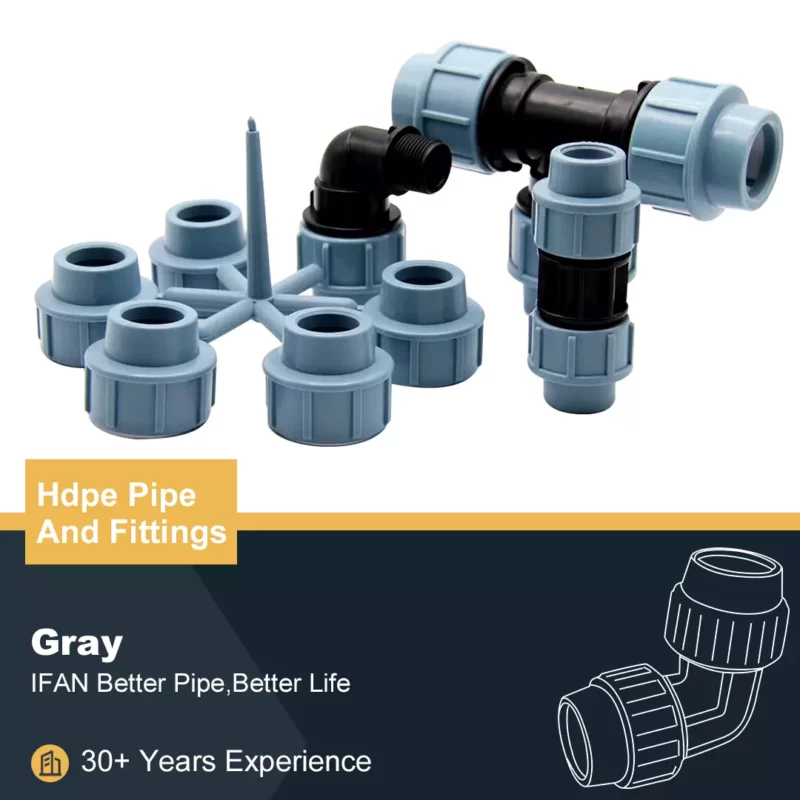

Introduction to PPR Pipe Fittings
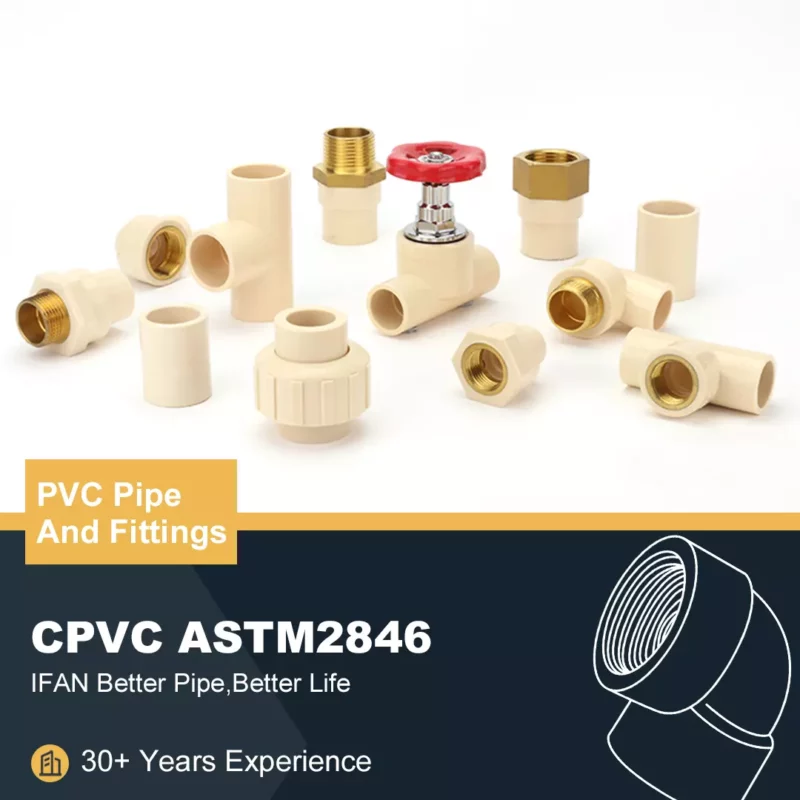
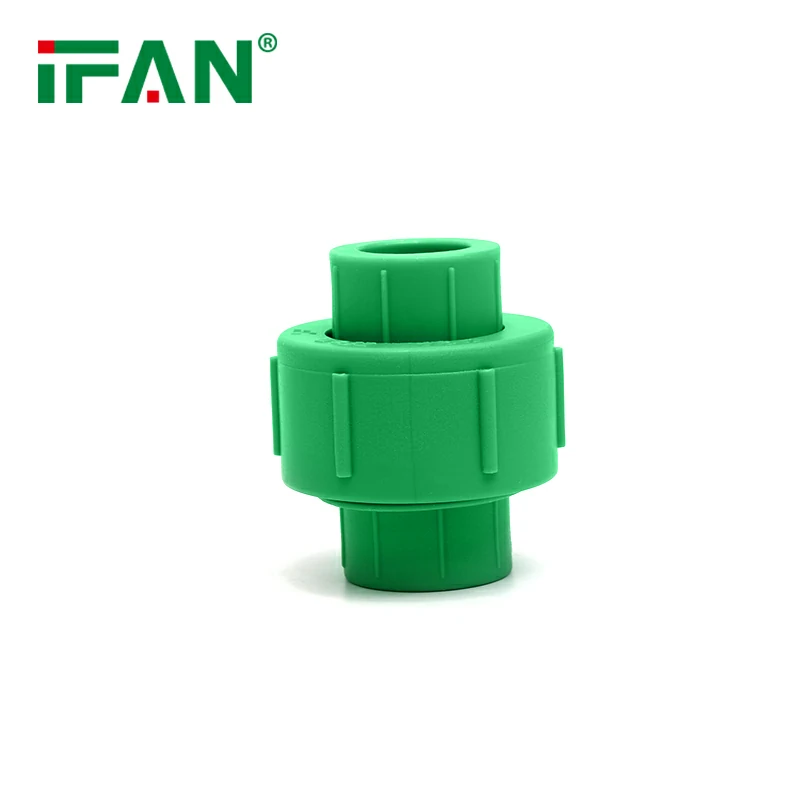
PPR pipe fittings are widely used in plumbing systems due to their unique properties. One of the most important characteristics is their wear resistance. Wear resistance is essential for ensuring the longevity and reliability of plumbing systems. PPR, or Polypropylene Random Copolymer, offers excellent performance under various conditions. Understanding the wear resistance characteristics of PPR fittings can help in selecting the right materials for specific applications.
Importance of Wear Resistance
Wear resistance is crucial in plumbing systems to prevent premature failure. Pipes and fittings experience friction and abrasion over time. This wear can lead to leaks and system failures, resulting in costly repairs. Ensuring that fittings can withstand wear extends the lifespan of the entire plumbing system. Effective wear resistance minimizes maintenance needs and enhances overall efficiency. Therefore, the wear characteristics of PPR pipe fittings are vital for reliable performance.
Material Properties of PPR
PPR fittings are made from a durable thermoplastic material. This material exhibits excellent chemical resistance, making it suitable for various applications. PPR is lightweight yet strong, allowing for easy handling and installation. Its flexibility helps accommodate thermal expansion and contraction. These properties contribute to the overall wear resistance of PPR fittings. Understanding these material characteristics is essential for evaluating their performance in plumbing systems.
Comparative Wear Resistance
When comparing PPR fittings to other materials, their wear resistance stands out. Traditional materials like metal and PVC can wear down more quickly under abrasive conditions. Metal fittings are prone to corrosion, which can weaken their structure. PVC may become brittle over time, leading to cracks and leaks. In contrast, PPR maintains its integrity longer, making it a reliable choice for various applications. This comparative advantage highlights the effectiveness of PPR in resisting wear.
Factors Affecting Wear Resistance
Several factors influence the wear resistance of PPR pipe fittings. The quality of the material plays a significant role. Higher-grade PPR formulations exhibit better wear resistance than lower-quality options. Additionally, the operating conditions impact wear characteristics. Factors such as temperature, pressure, and fluid type can affect the performance of PPR fittings. Understanding these factors is essential for selecting the right fittings for specific applications.
Impact of Temperature on Wear Resistance
Temperature significantly affects the wear resistance of PPR fittings. PPR can withstand temperatures up to 95 degrees Celsius. However, exposure to extreme heat can weaken the material over time. High temperatures can accelerate the wear process, leading to potential failures. Conversely, low temperatures may make PPR more brittle, increasing the risk of cracking. It is essential to consider the temperature range when evaluating the wear resistance of PPR pipe fittings.
Chemical Resistance and Wear
PPR fittings are known for their excellent chemical resistance. This property enhances their wear resistance in various applications. Exposure to harsh chemicals can degrade other materials, leading to increased wear. However, PPR maintains its structural integrity when exposed to many chemicals. This resistance helps prolong the lifespan of fittings, making them suitable for industrial applications. Understanding the chemical compatibility of PPR is crucial for ensuring optimal wear performance.
Installation Practices and Wear Resistance
Proper installation practices also contribute to the wear resistance of PPR pipe fittings. Ensuring tight connections minimizes movement and friction, reducing wear over time. Following manufacturer guidelines during installation is essential for achieving the best performance. Additionally, avoiding excessive force during installation can prevent damage to the fittings. Proper installation techniques help maintain the integrity of PPR fittings, enhancing their wear resistance.
Maintenance and Inspection
Regular maintenance and inspection are vital for ensuring the wear resistance of PPR fittings. Periodic checks can identify signs of wear and potential issues early. Inspecting for leaks, cracks, or other damage can help prevent system failures. Cleaning the fittings and ensuring proper flow can also reduce wear. Implementing a maintenance schedule is essential for extending the lifespan of PPR pipe fittings and maintaining their performance.
Longevity of PPR Pipe Fittings
The wear resistance of PPR pipe fittings contributes to their longevity. With proper installation and maintenance, these fittings can last for decades. Their resistance to wear, corrosion, and chemicals ensures reliable performance over time. This longevity translates to cost savings, as fewer replacements are needed. Choosing PPR fittings is a smart investment for long-term plumbing solutions.
Applications in Various Environments
PPR pipe fittings are suitable for a wide range of applications due to their wear resistance. They are commonly used in residential plumbing systems for hot and cold water supply. In commercial settings, PPR fittings enhance efficiency in heating and cooling systems. Industrial applications also benefit from their wear resistance, particularly in chemical transport. The versatility of PPR fittings makes them a preferred choice across multiple sectors.
Environmental Benefits of PPR
Using PPR pipe fittings also offers environmental benefits due to their wear resistance. Effective wear resistance reduces leaks, contributing to water conservation efforts. By minimizing water wastage, PPR fittings help preserve valuable resources. Additionally, PPR is a recyclable material, which aligns with sustainable practices. Choosing PPR fittings supports eco-friendly plumbing solutions, makingthem a responsible choice for environmentally conscious projects.
Future Trends in Wear Resistance
The future of wear resistance in PPR pipe fittings looks promising. As technology continues to advance, manufacturers are focusing on improving material properties. Research into nanotechnology and additives may lead to enhanced wear resistance. These advancements could further extend the lifespan of PPR fittings. By keeping pace with these trends, industry professionals can ensure they are using the most effective materials available.
Conclusion
In conclusion, the wear resistance characteristics of PPR pipe fittings make them an excellent choice for various plumbing applications. Their durability, chemical resistance, and ability to withstand high flow conditions contribute to their reliability. Proper installation and maintenance are essential for maximizing wear resistance and ensuring longevity. As PPR technology continues to evolve, these fittings will remain a preferred option for modern plumbing solutions. Choosing PPR pipe fittings not only ensures effective performance but also supports sustainable practices, making them a smart investment for the future.
If you have read this article and have any questions, please feel free to contact IFAN. Below is our contact information:
Whatsapp:+86 13373827623
Email:[email protected]