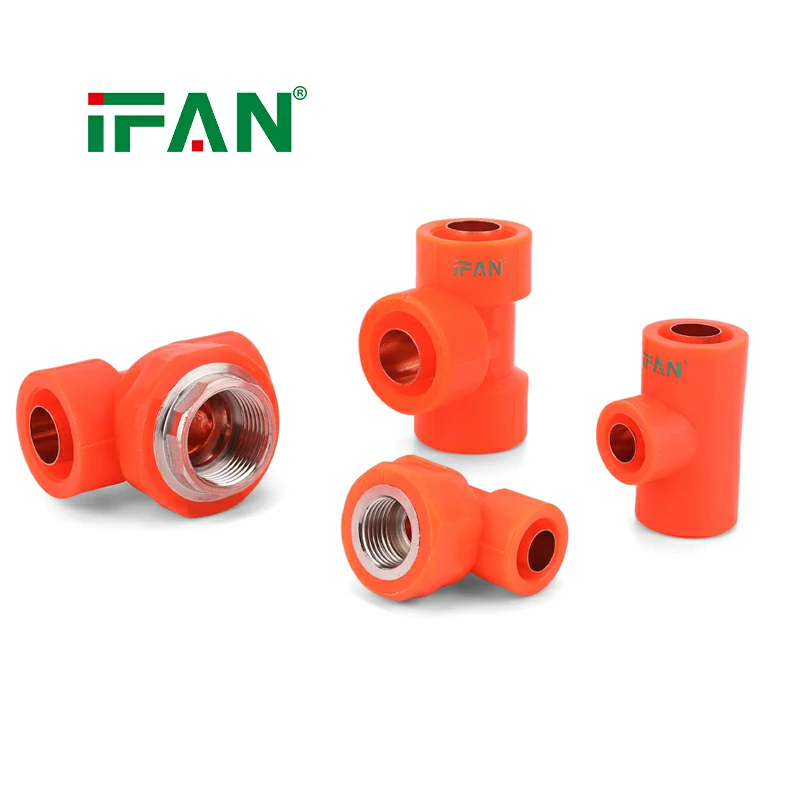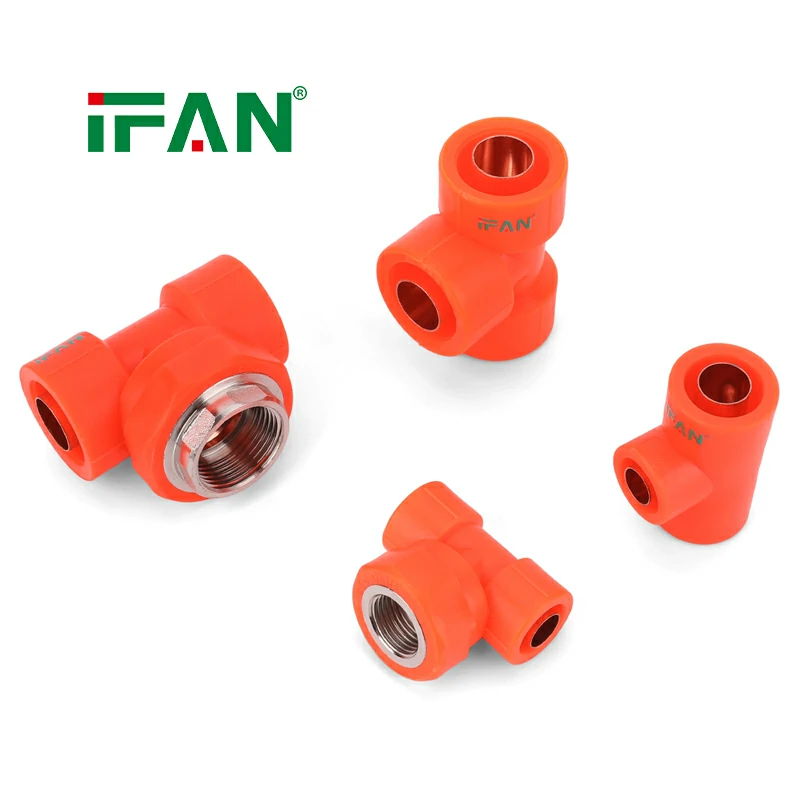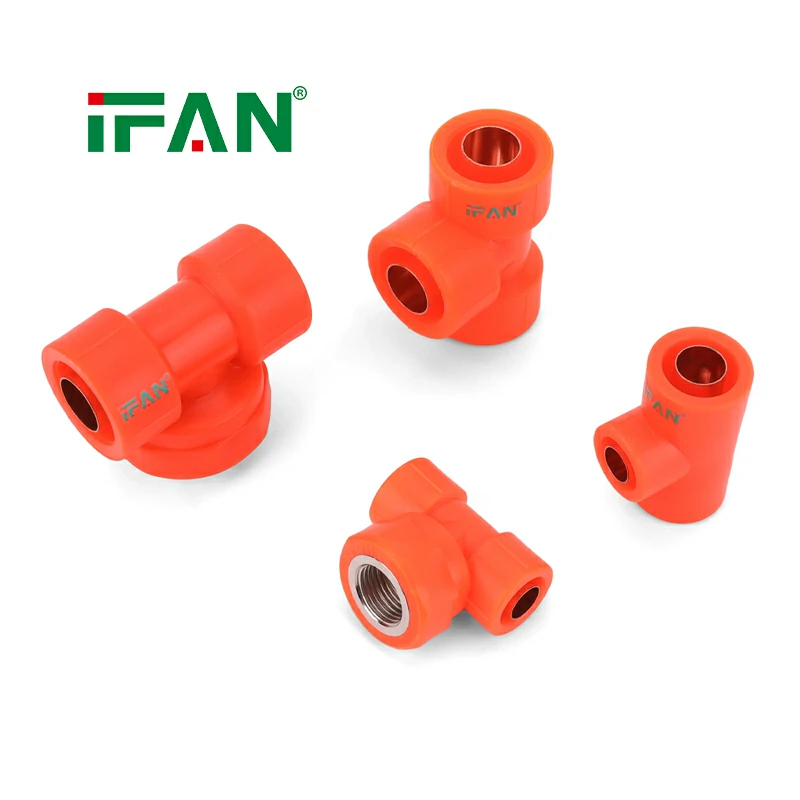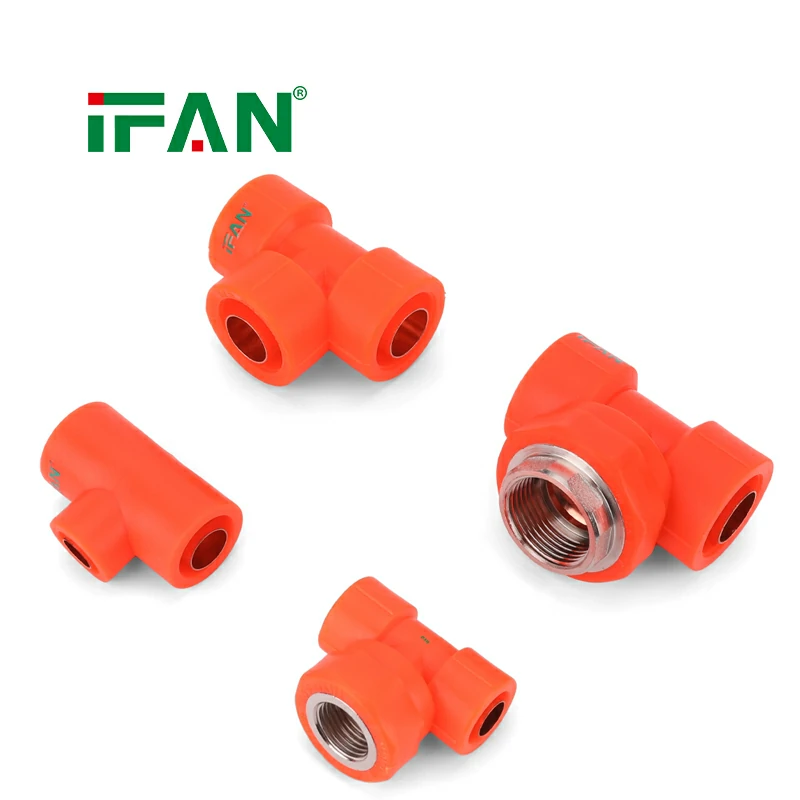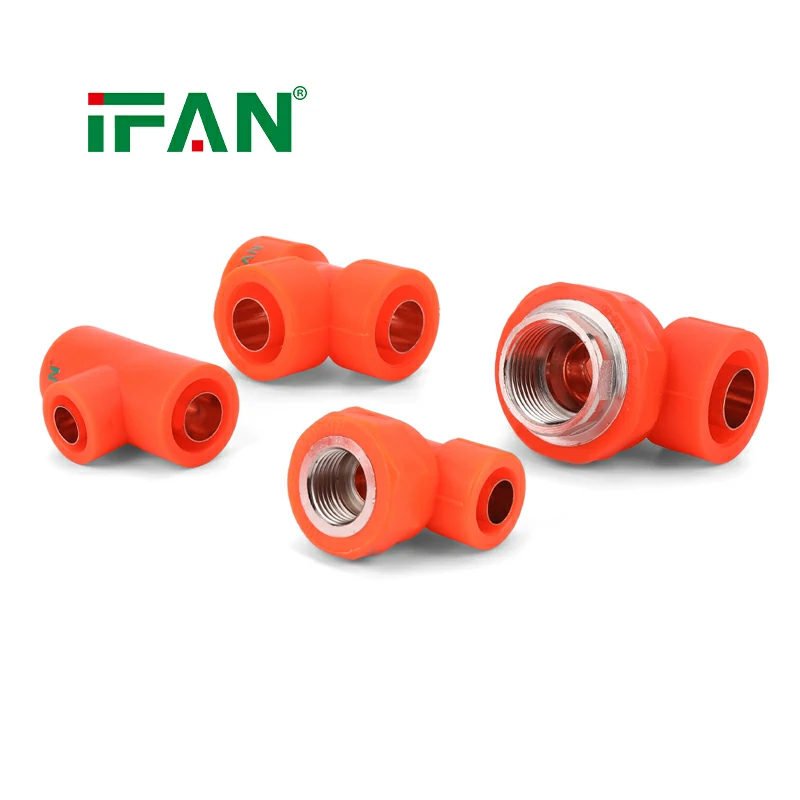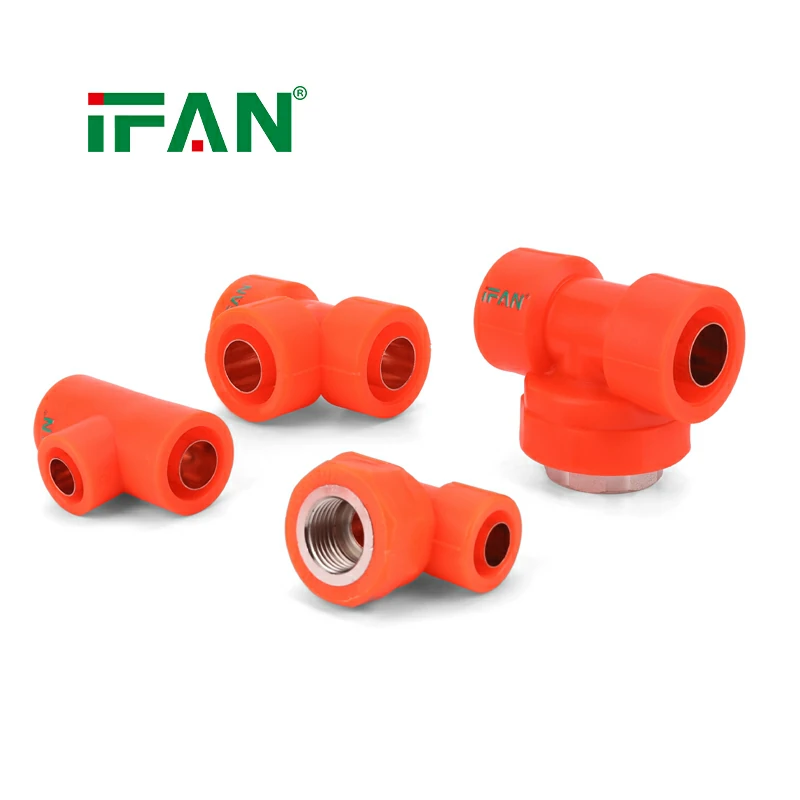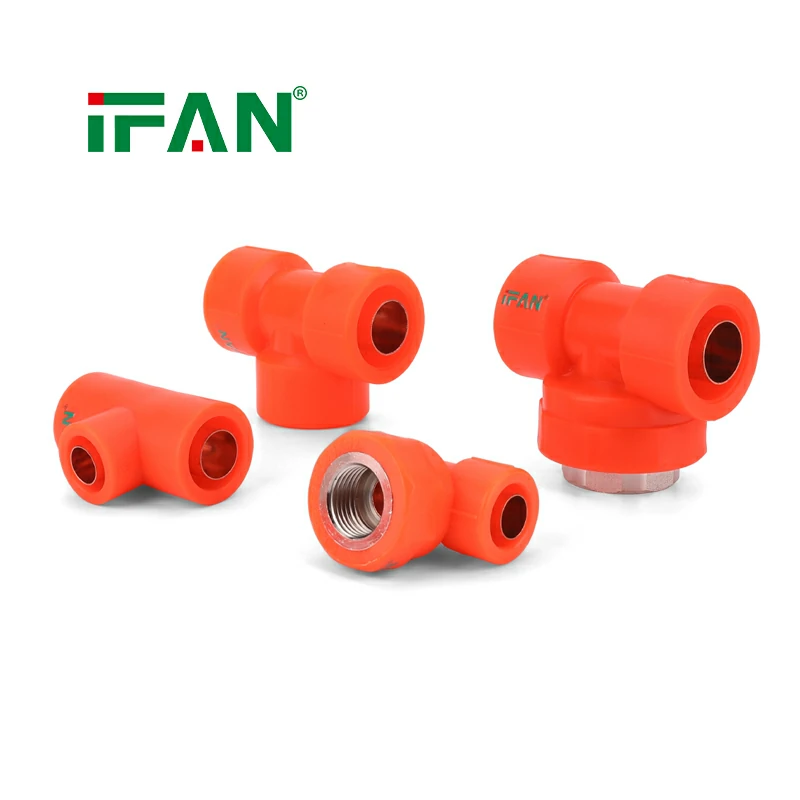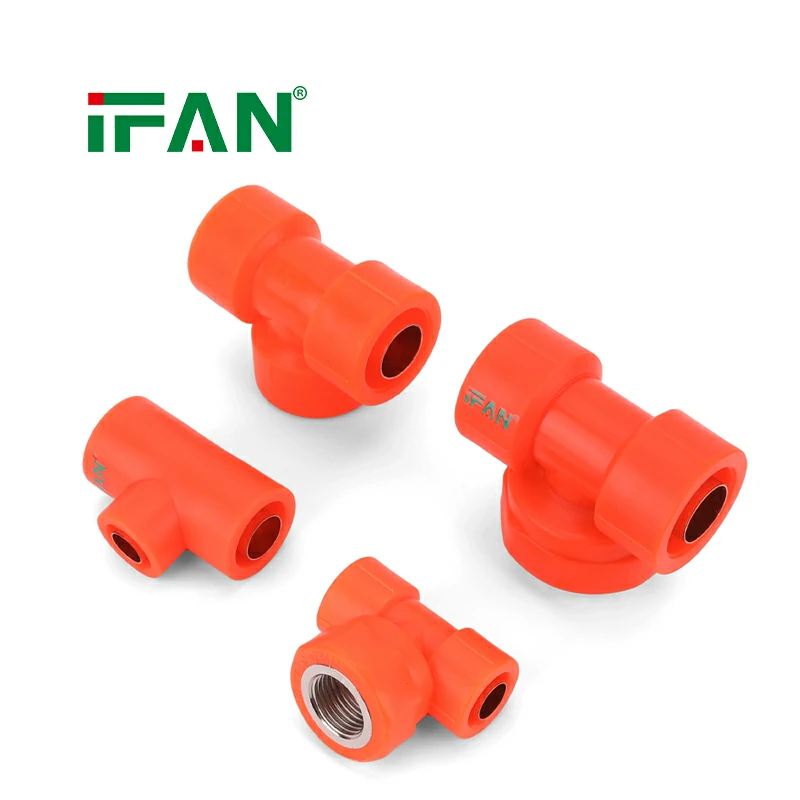
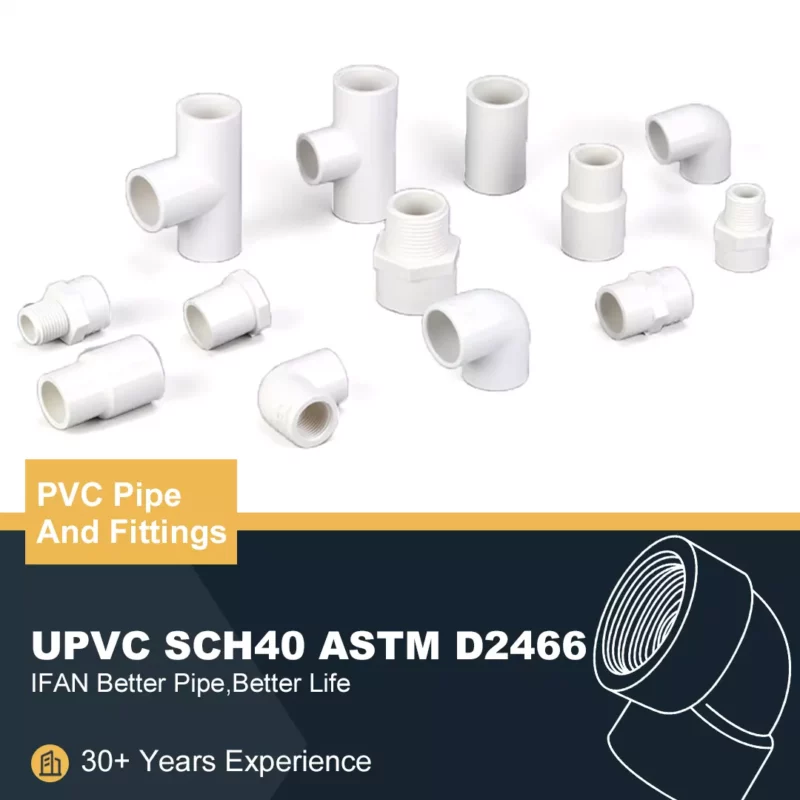
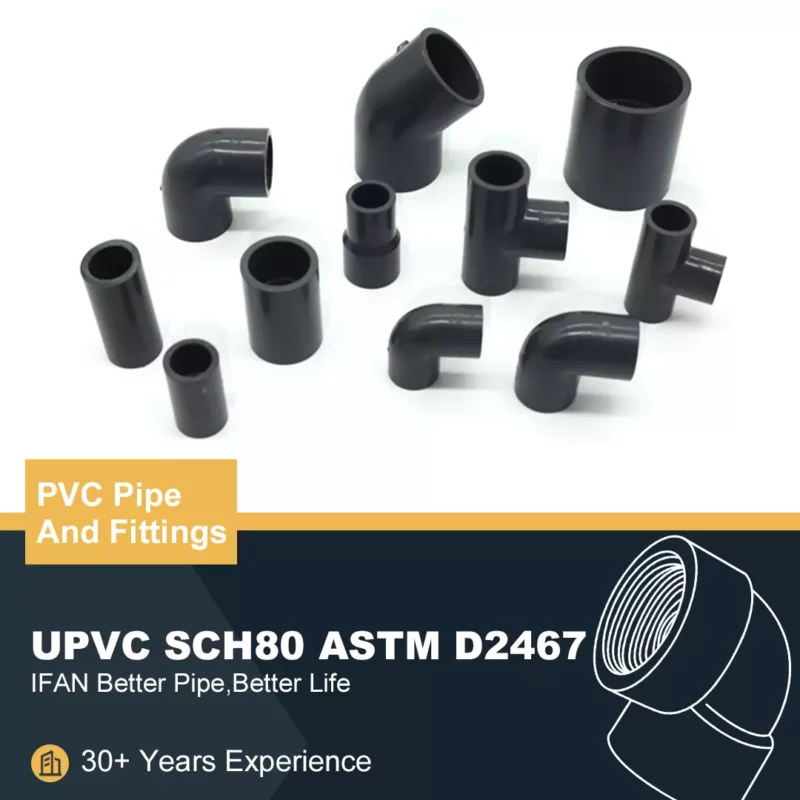
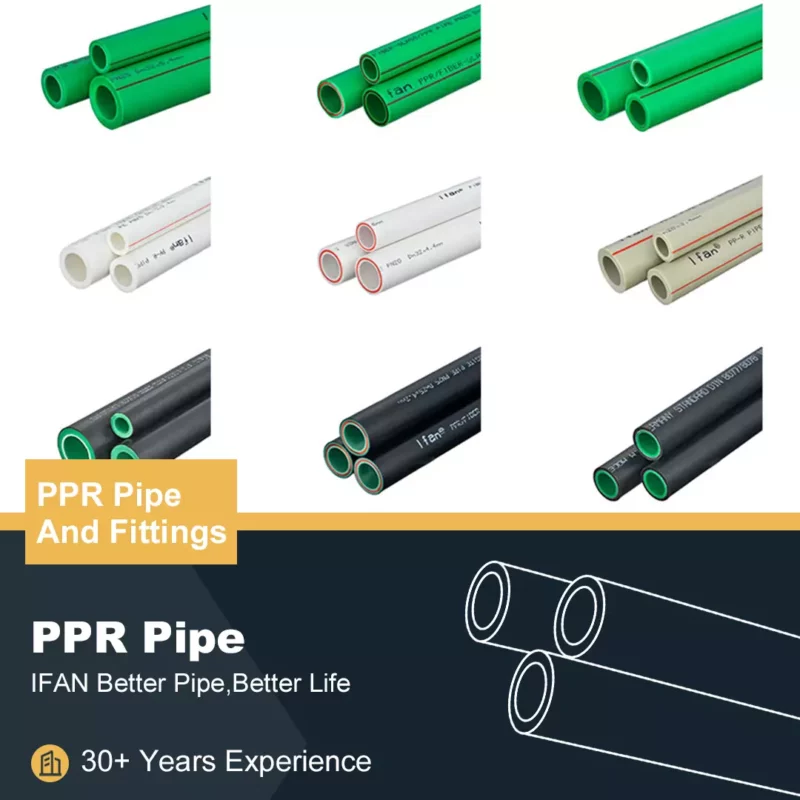

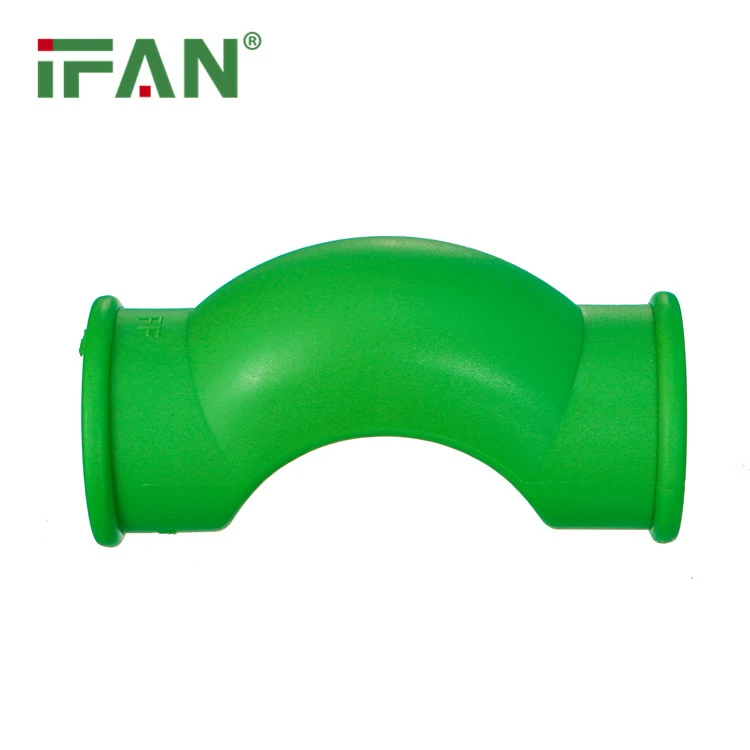
Introduction to PPR Pipe Fittings
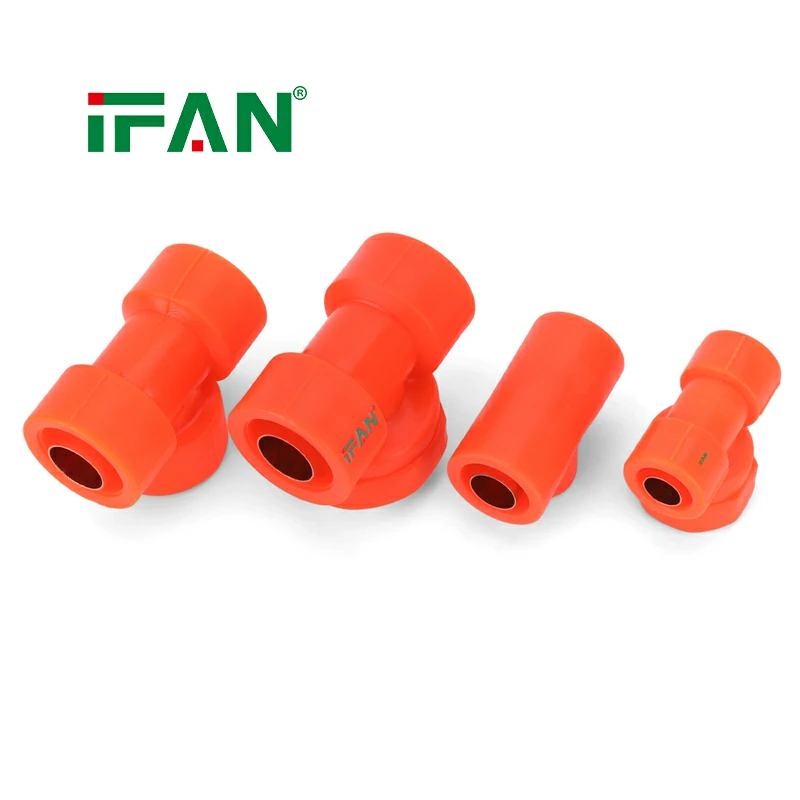
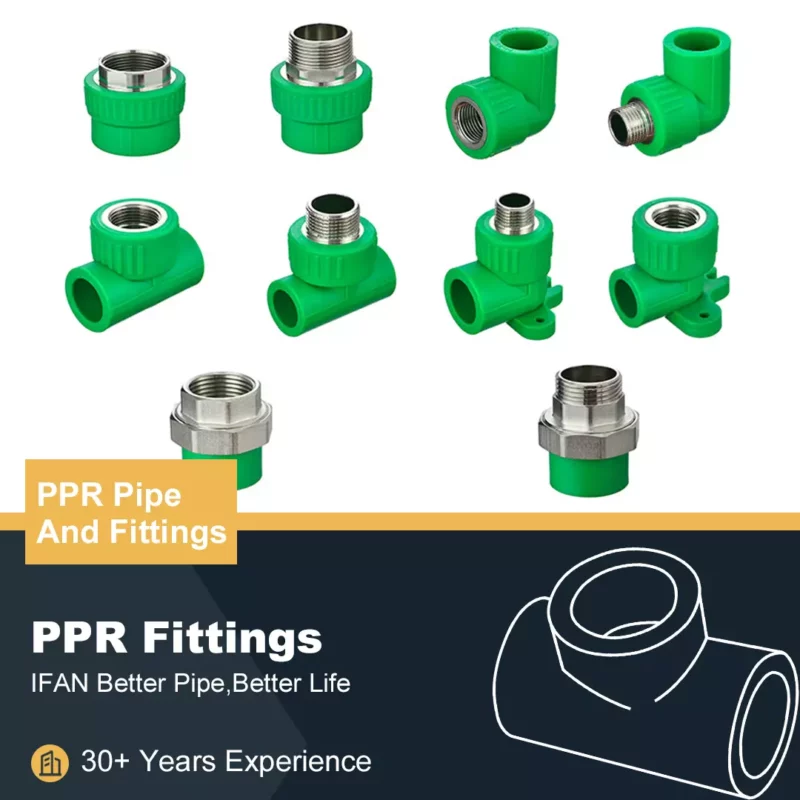
PPR pipe fittings are widely used in plumbing systems due to their unique properties. One of the most critical aspects of these fittings is their sealing performance. Proper sealing is essential to prevent leaks and ensure system integrity. PPR, or Polypropylene Random Copolymer, offers excellent sealing characteristics. Understanding the sealing performance of PPR fittings is crucial for effective plumbing solutions.
Importance of Sealing in Plumbing Systems
Sealing is a vital component of any plumbing system. It prevents water leaks, which can cause significant damage. Leaks can lead to water wastage and increased utility bills. Additionally, they can create hazardous conditions, such as mold growth. Effective sealing ensures that the plumbing system operates efficiently and safely. For these reasons, the sealing performance of pipe fittings must be carefully considered.
PPR Material Properties
PPR fittings are made from a thermoplastic material known for its durability. This material has excellent chemical resistance, making it suitable for various applications. The flexibility of PPR allows it to accommodate thermal expansion and contraction. This property is essential for maintaining a secure seal under varying temperatures. PPR’s resistance to corrosion further enhances its sealing capabilities, ensuring longevity.
Types of Sealing Methods
PPR pipe fittings use several sealing methods to ensure leak-proof connections. The most common method is fusion welding, which creates a strong bond between the pipes and fittings. This process involves heating the pipe ends and fitting surfaces until they melt and fuse together. Other methods include mechanical joints and threaded connections. Each method has its advantages and is suitable for different applications. Understanding these methods is crucial for achieving optimal sealing performance.
Fusion Welding Technique
Fusion welding is the primary sealing method for PPR pipe fittings. This technique creates a monolithic structure, eliminating potential leak points. The process involves heating the surfaces of the pipe and fitting until they reach a molten state. Once joined, they cool and solidify, forming a strong bond. This method ensures that the seal is as strong as the material itself. Proper execution of fusion welding is essential for achieving the best sealing performance.
Mechanical Joints
Mechanical joints are another sealing option for PPR fittings. These joints involve the use of clamps or fittings to secure the connection. While they are easier to install, they may not provide the same level of sealing as fusion welding. Mechanical joints can be disassembled for maintenance, making them convenient in some situations. However, they require regular inspection to ensure tightness. Proper installation is crucial for maintaining effective sealing in mechanical joints.
Threaded Connections
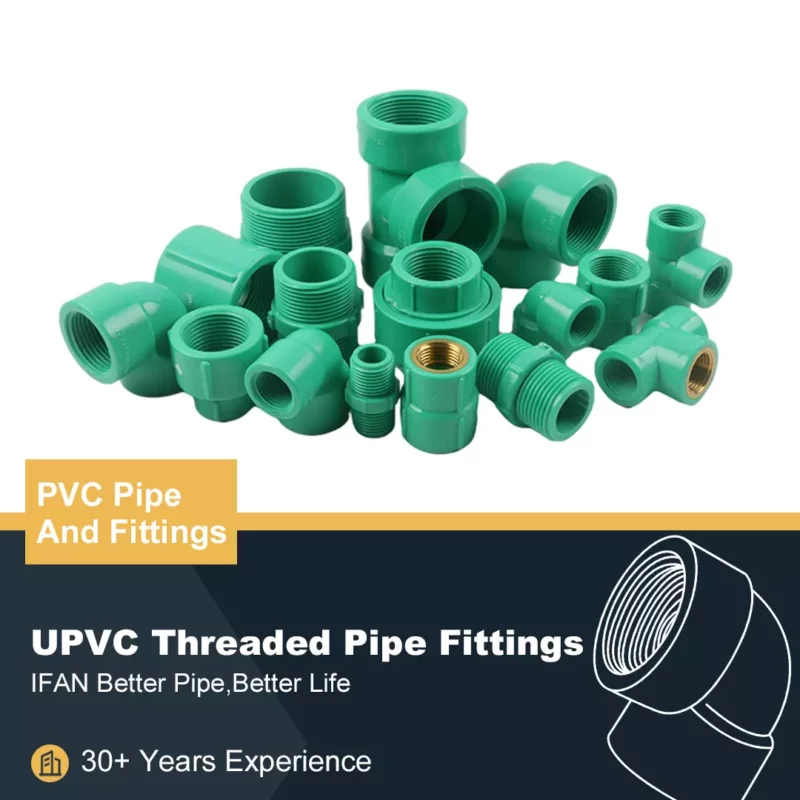
Threaded connections are also used with PPR pipe fittings, particularly in specific applications. These connections involve screwing the fittings onto the pipes. While they are easy to install, they may not be as reliable as fusion welding. Over time, threaded connections can loosen due to vibrations or temperature changes. Regular maintenance is necessary to ensure that these connections remain leak-proof. Understanding the limitations of threaded connections is essential for effective sealing.
Performance Under Pressure
The sealing performance of PPR pipe fittings is impressive under various pressure conditions. PPR is designed to withstand high pressure without losing its integrity. When properly installed, PPR fittings maintain a secure seal even under extreme conditions. This capability is crucial for applications involving pressurized water systems. The ability to handle pressure without leaking enhances the reliability of plumbing systems.
Temperature Resistance
PPR fittings exhibit excellent temperature resistance, which contributes to their sealing performance. They can handle temperatures up to 95 degrees Celsius. This makes them suitable for both hot and cold water applications. The thermal stability of PPR ensures that the seals remain intact, regardless of temperature fluctuations. This property is particularly important in heating systems, where temperature changes are common.
Resistance to Chemical Corrosion
PPR pipe fittings are resistant to a wide range of chemicals. This resistance enhances their sealing performance in various applications. Unlike metal fittings, PPR does not corrode when exposed to harsh chemicals. This property ensures that the seals remain intact over time, reducing the risk of leaks. The chemical resistance of PPR makes it suitable for industrial applications where corrosive substances are present.
Longevity and Maintenance
The longevity of PPR pipe fittings contributes to their sealing performance. With proper installation, these fittings can last for decades. Their resistance to corrosion and wear ensures that seals remain effective over time. However, regular maintenance is still essential. Periodic inspections can help identify potential issues before they become significant problems. Ensuring that seals are intact minimizes the risk of leaks and extends the life of the plumbing system.
Cost-Effectiveness
The sealing performance of PPR pipe fittings also contributes to their cost-effectiveness. While the initial investment may be similar to other materials, the long-term savings are significant. Reduced leaks lead to lower water bills and less maintenance. Additionally, the durability of PPR fittings minimizes replacement costs. Over time, the financial benefits of using PPR fittings become apparent, making them a smart choice for plumbing systems.
Applications in Various Industries
Ps plumbing technology advances, PPR fittings continue to evolve. New manufacturing techniques are improving the quality and performance of PPR materials. Innovations in fusion welding technology are making installations faster and more efficient. Additionally, the development of enhanced PPR formulations may offer even better sealing capabilities. Keeping up with these trends can help professionals choose the best products for their plumbing systems.
Conclusion
In conclusion, the sealing performance of PPR pipe fittings is a critical factor in their effectiveness. Their low thermal conductivity, resistance to corrosion, and ability to handle pressure make them an excellent choice for various applications. Proper installation and maintenance are essential for achieving optimal sealing performance. The longevity and cost-effectiveness of PPR fittings further enhance their appeal. As plumbing technology continues to improve, PPR fittings will remain a reliable solution for modern plumbing systems. Choosing PPR fittings ensures a secure, leak-proof plumbing system that meets the demands of today’s applications.
If you have read this article and have any questions, please feel free to contact IFAN. Below is our contact information:
Whatsapp:+86 13373827623
Email:[email protected]