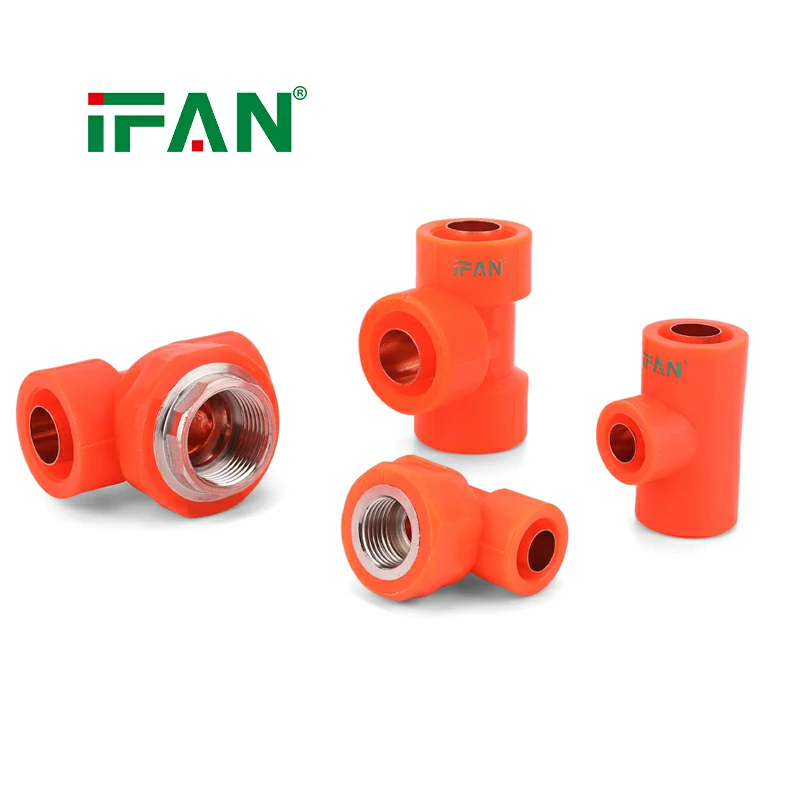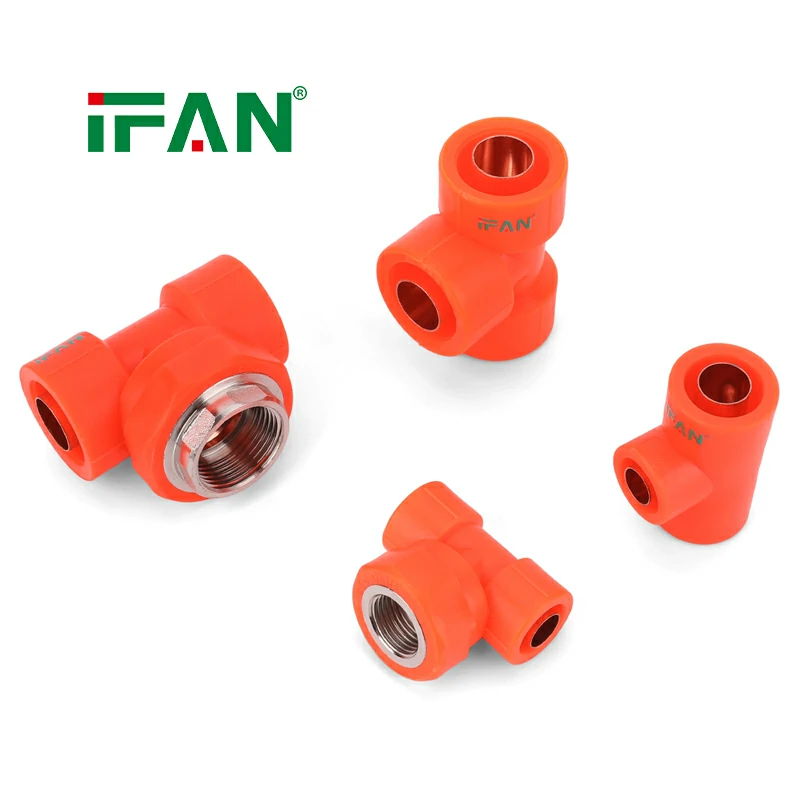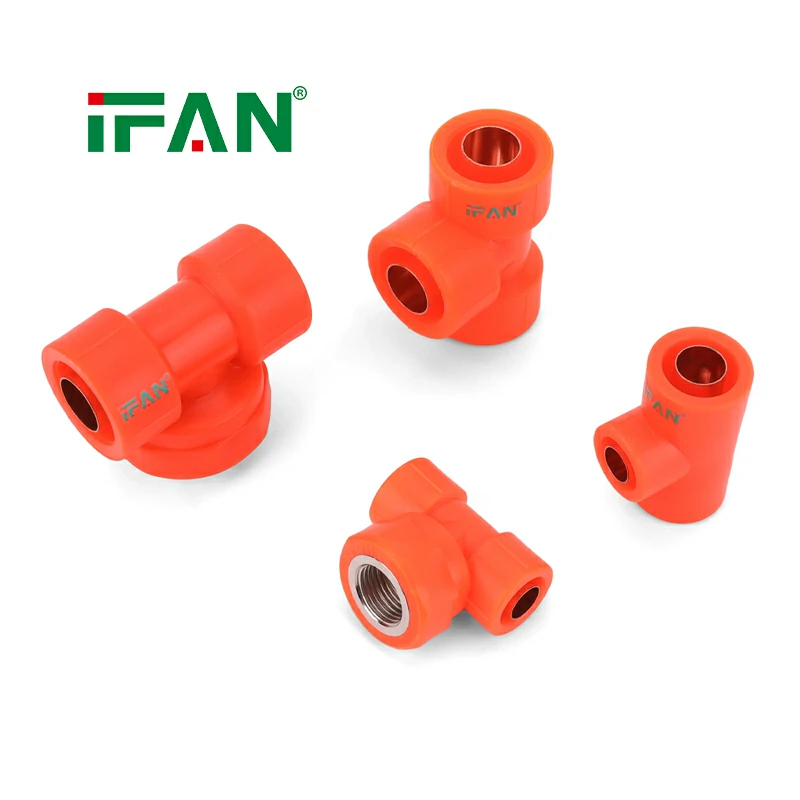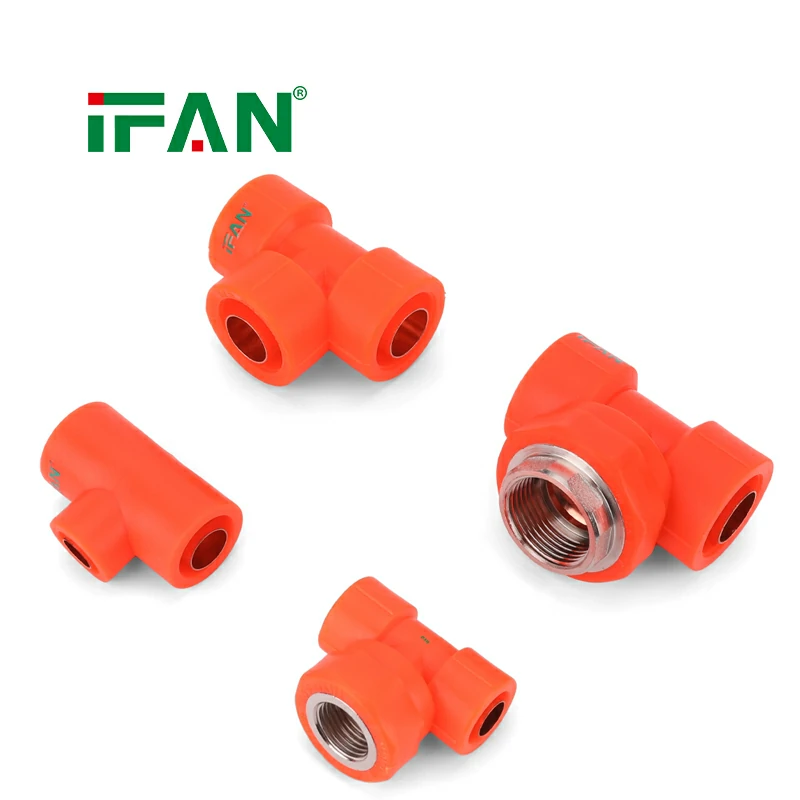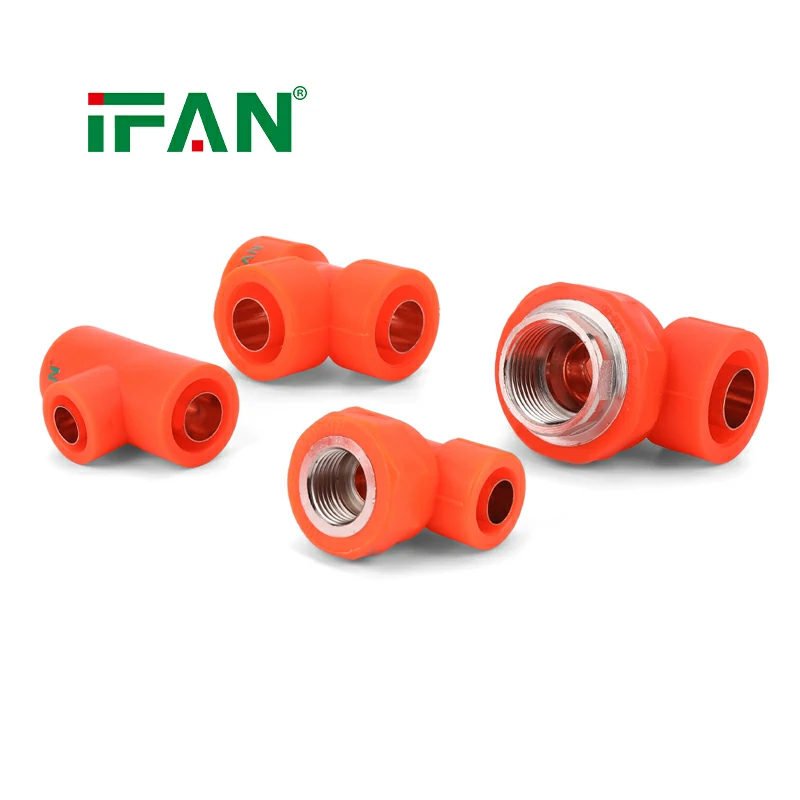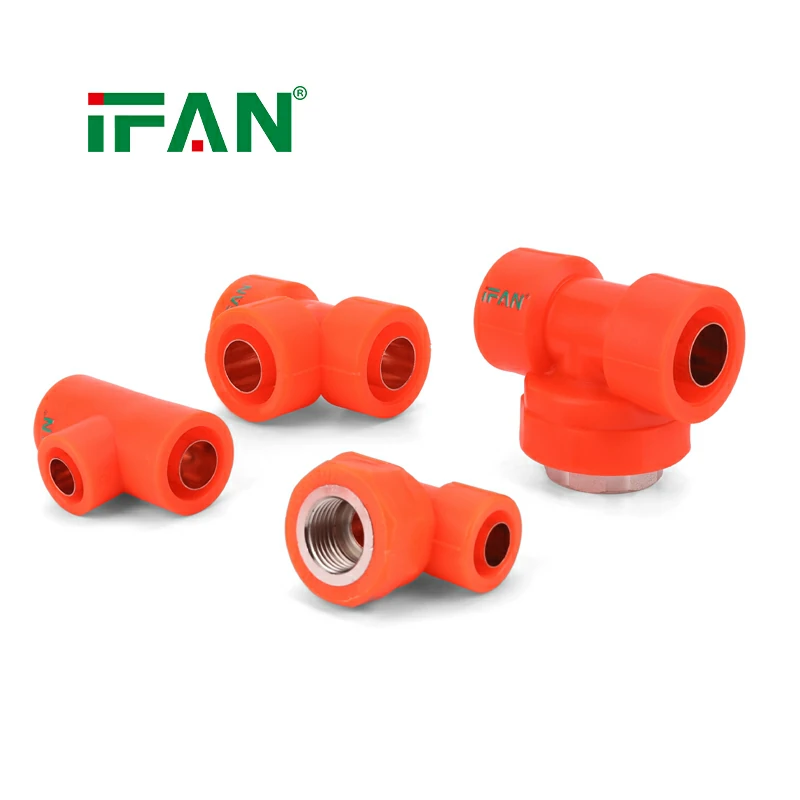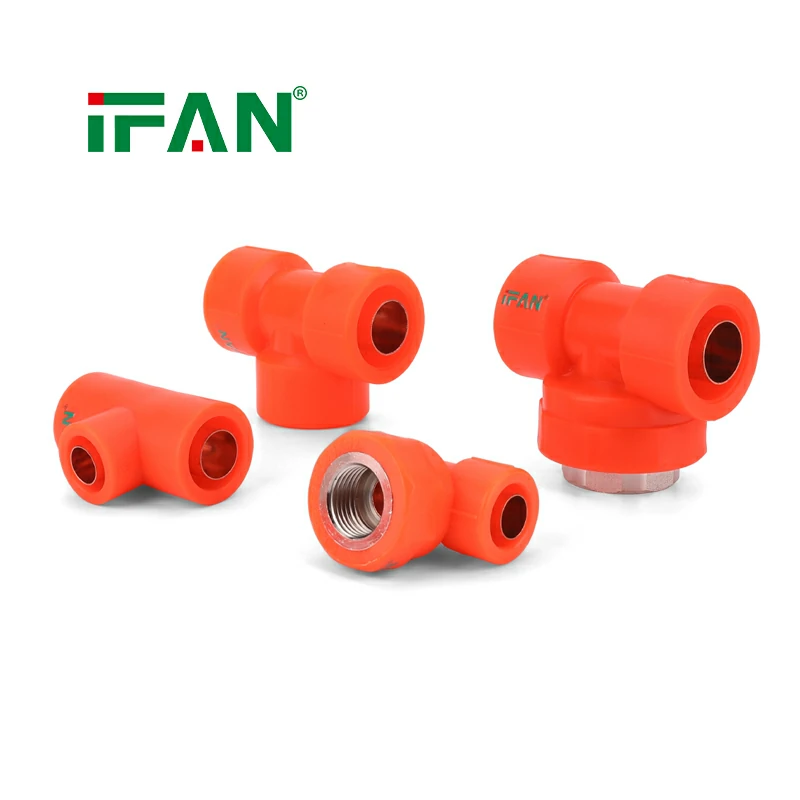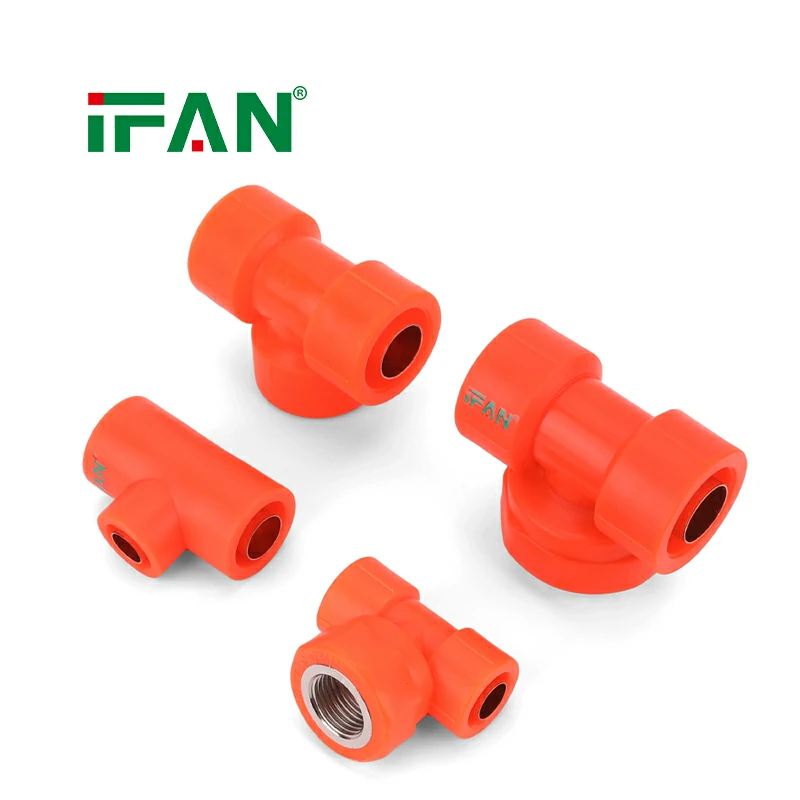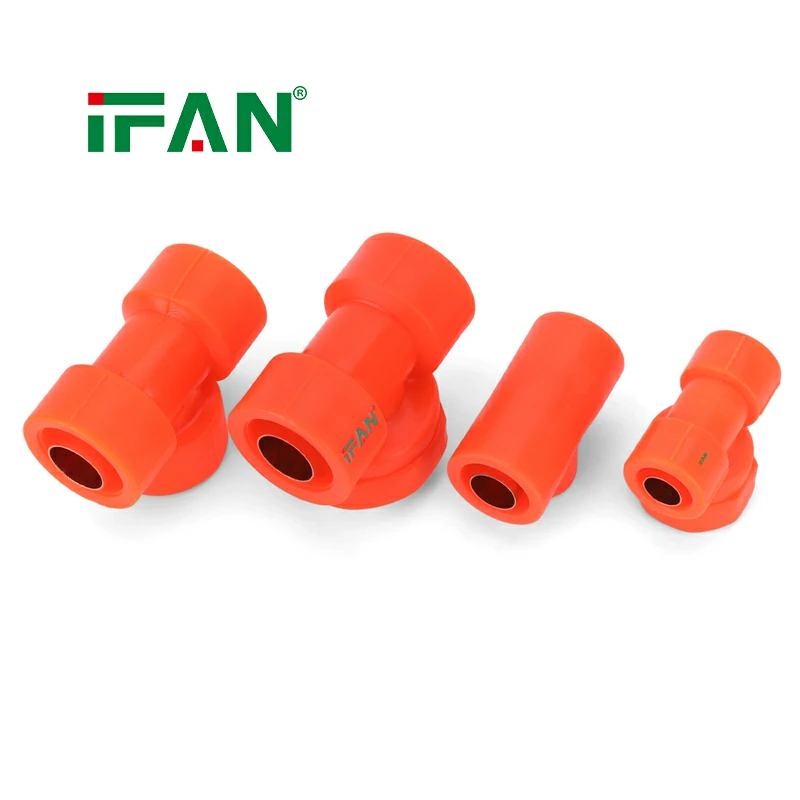
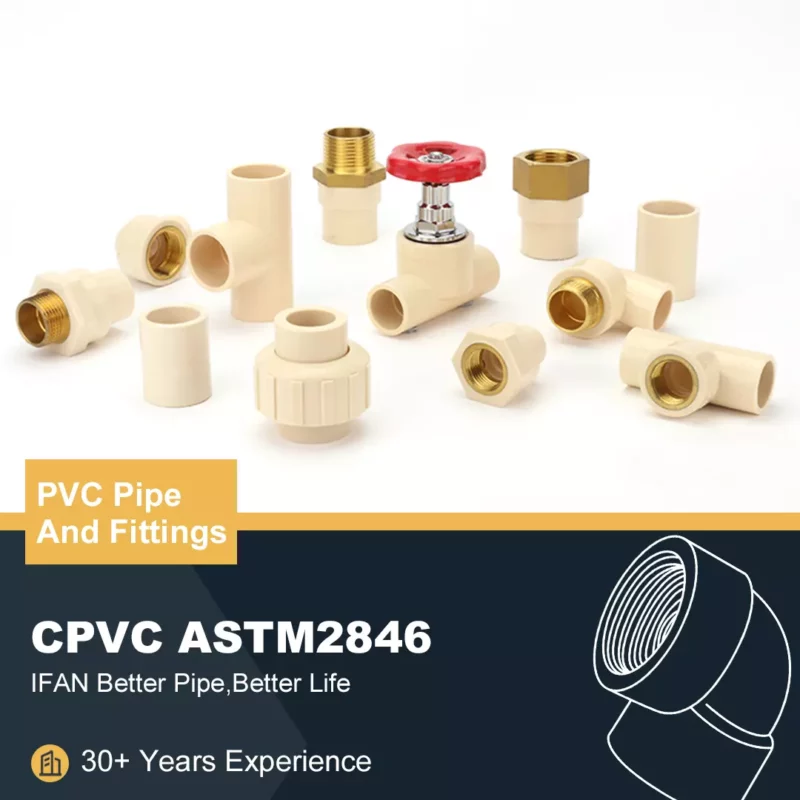
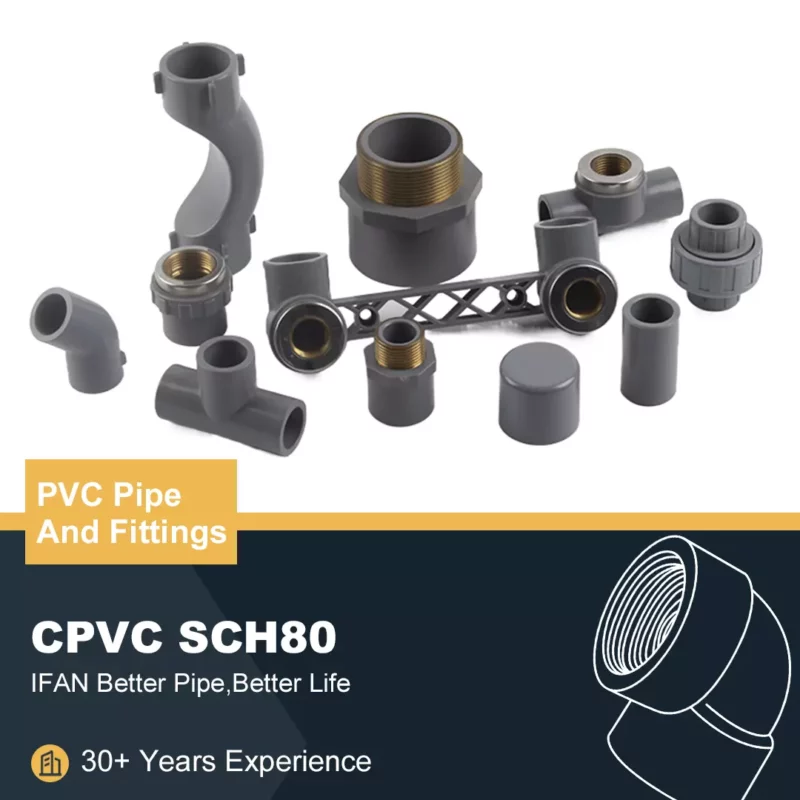
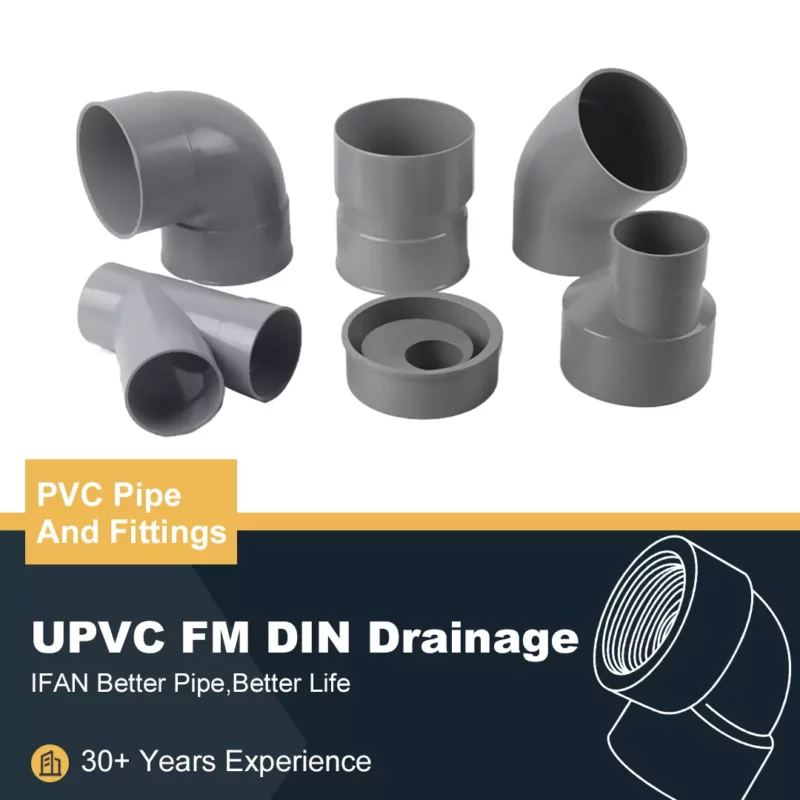
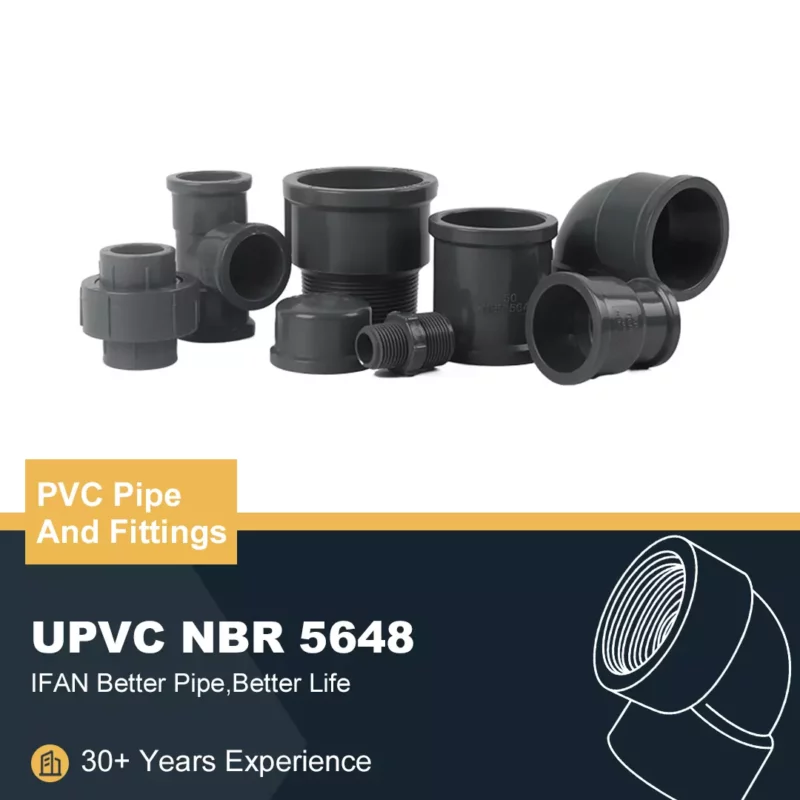
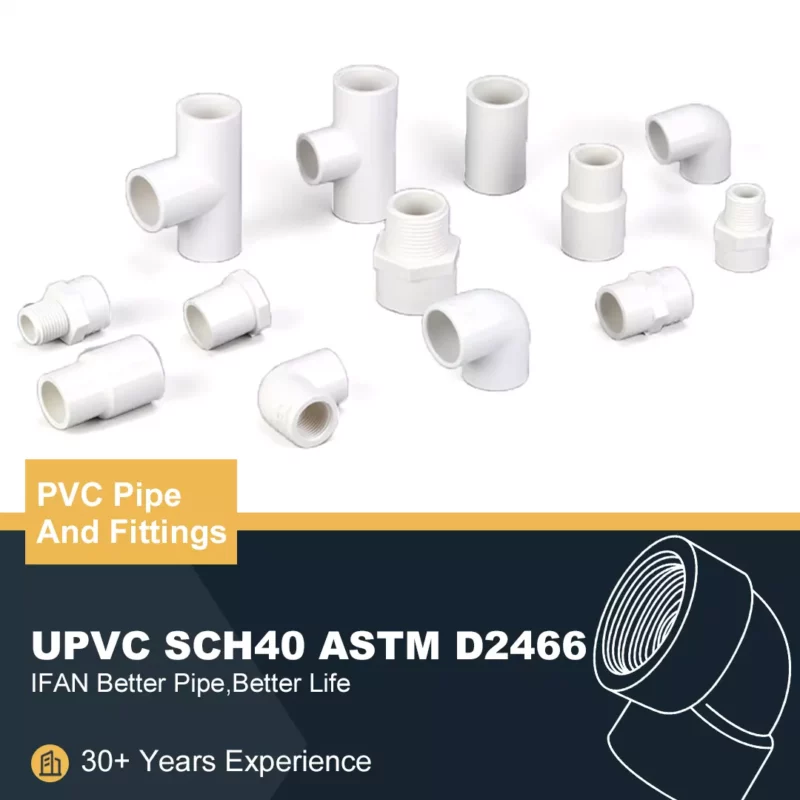
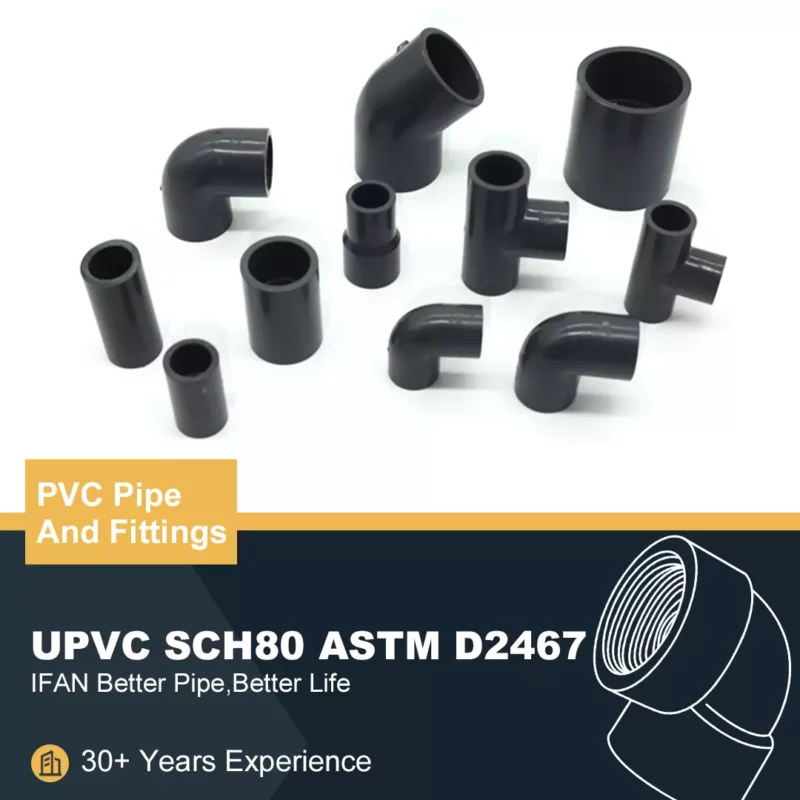
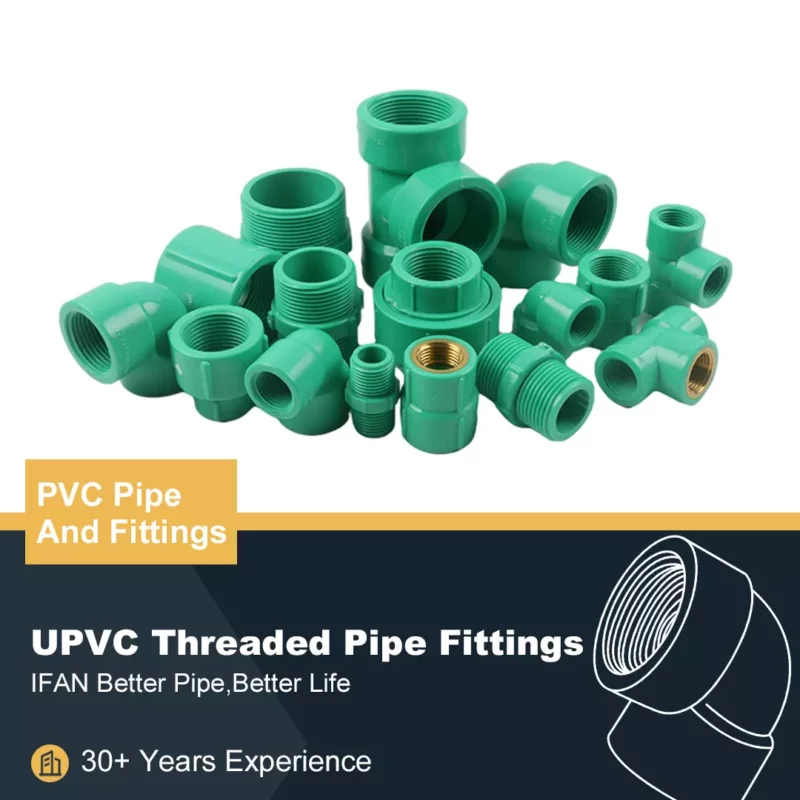
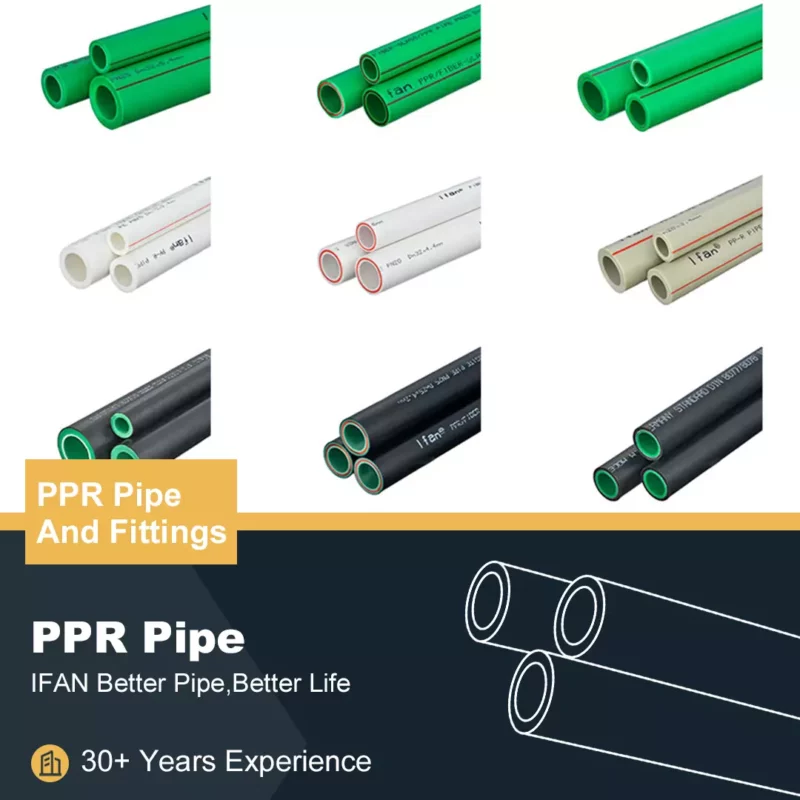
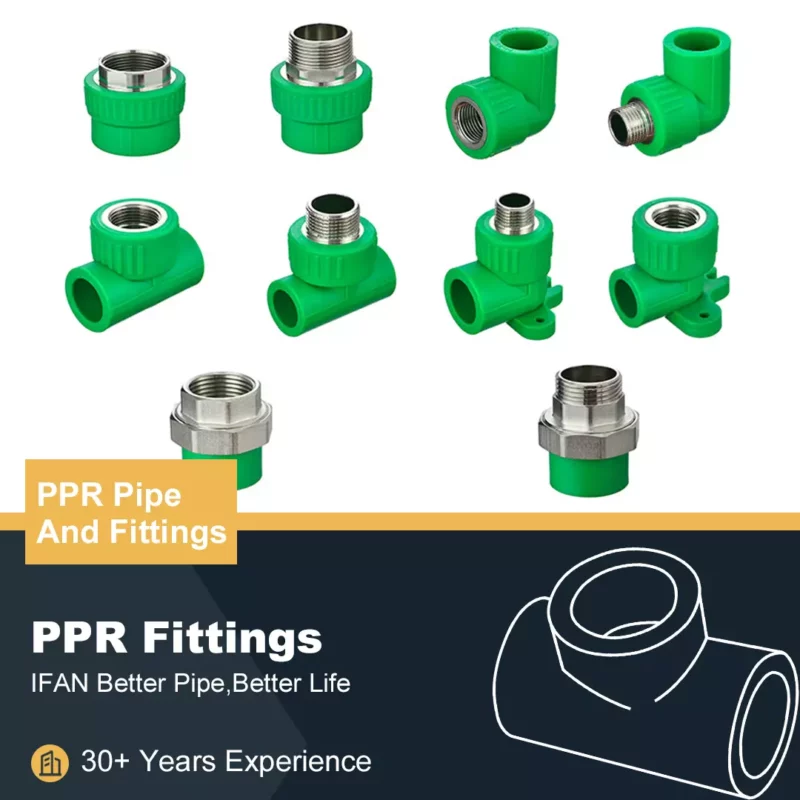
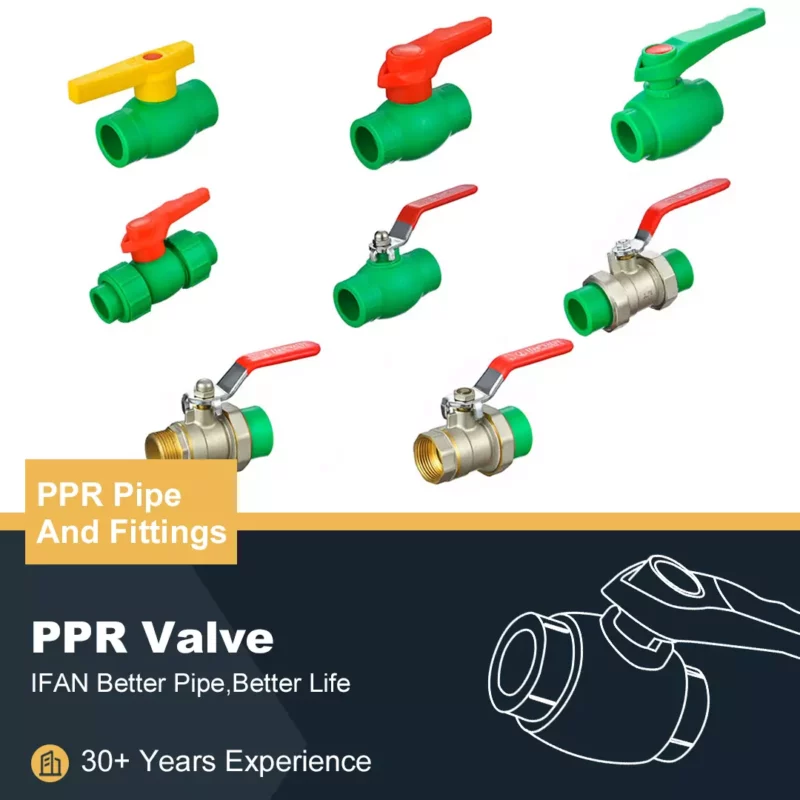
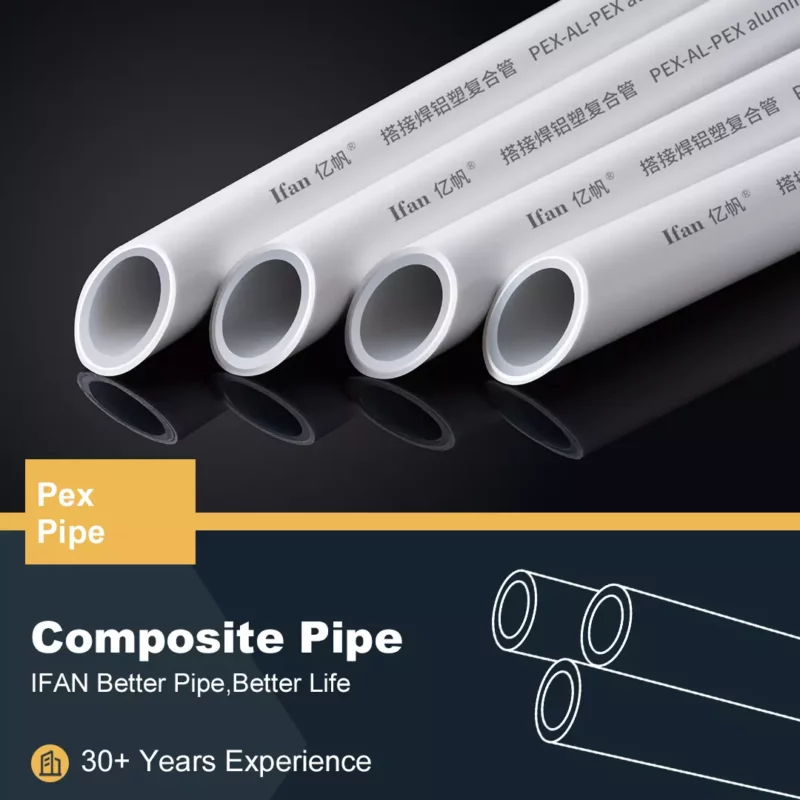
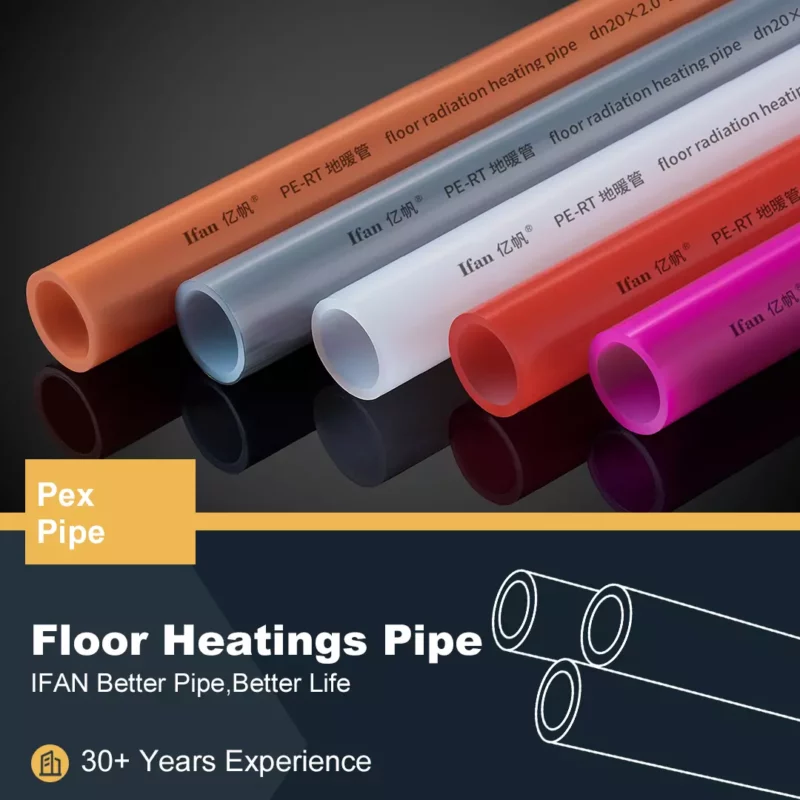
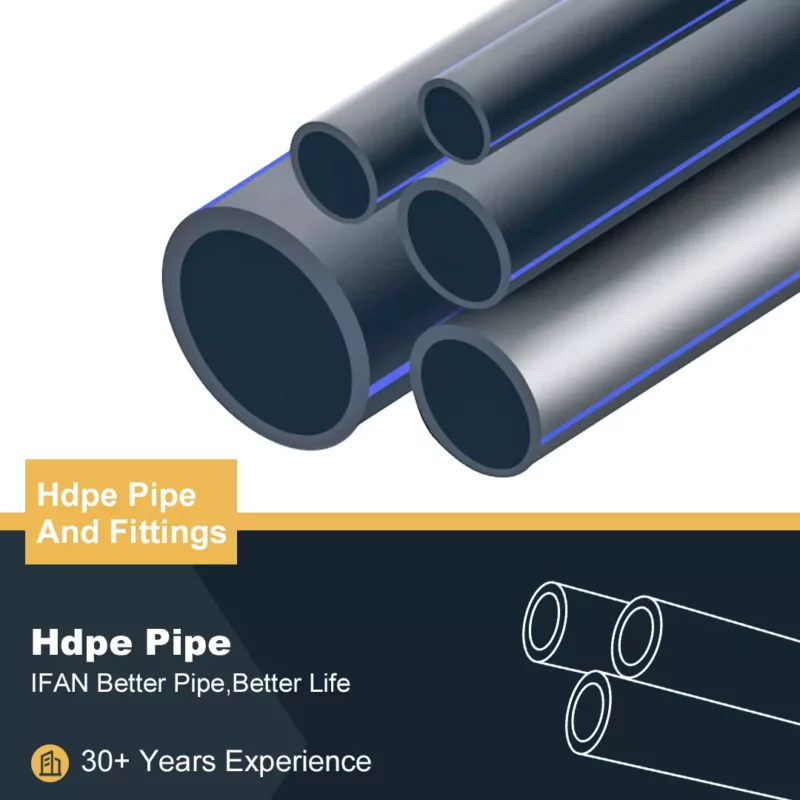
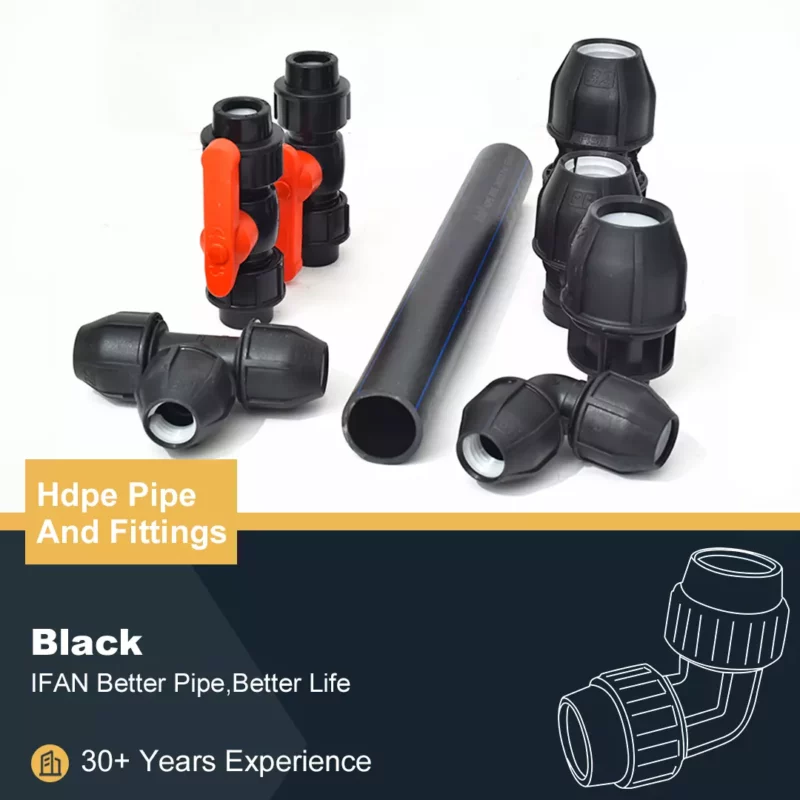
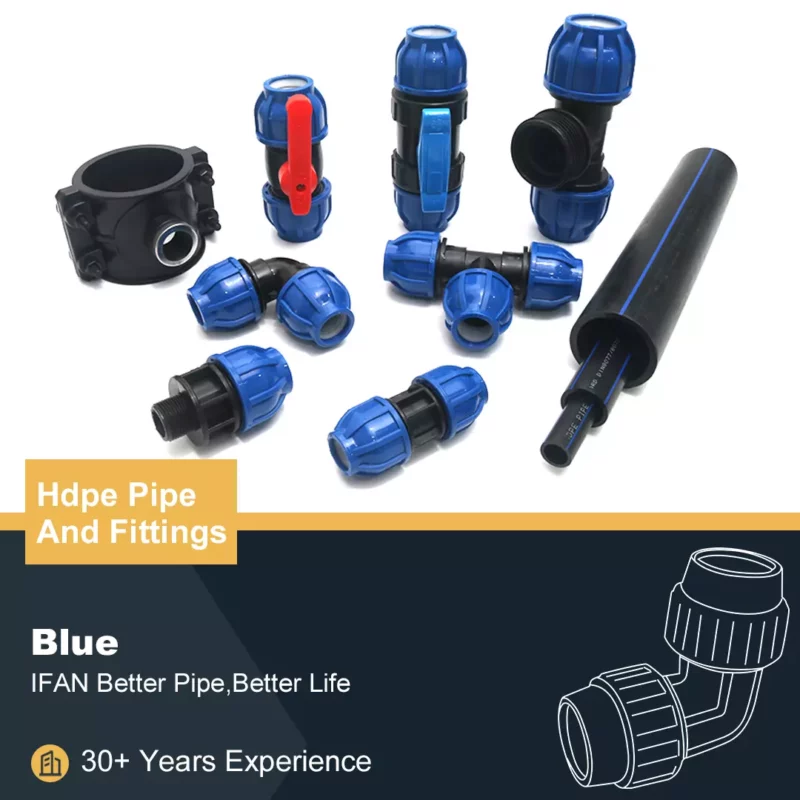
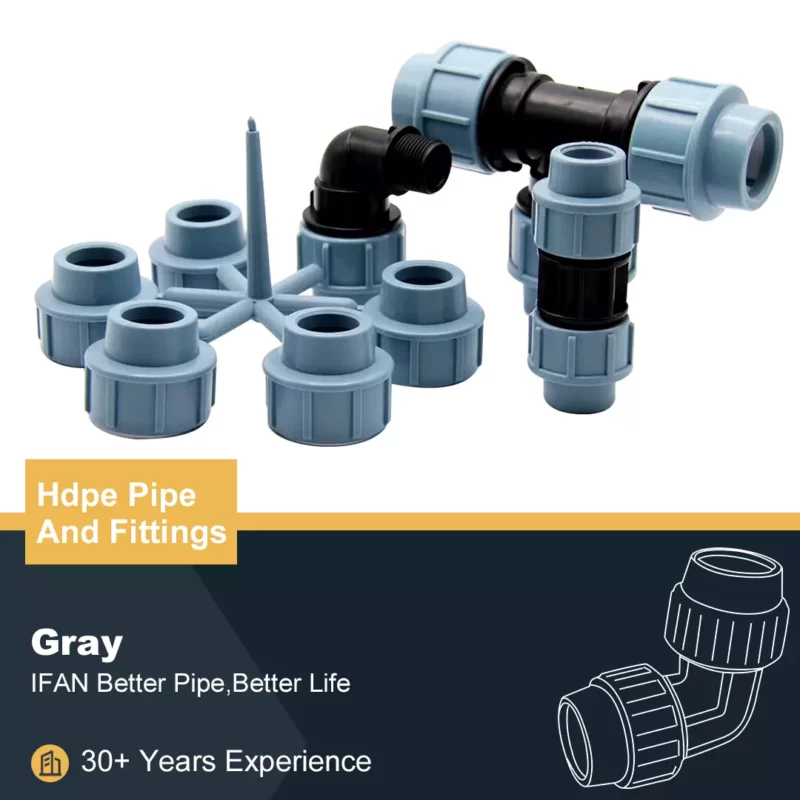


Introduction to PPR Pipe Fittings
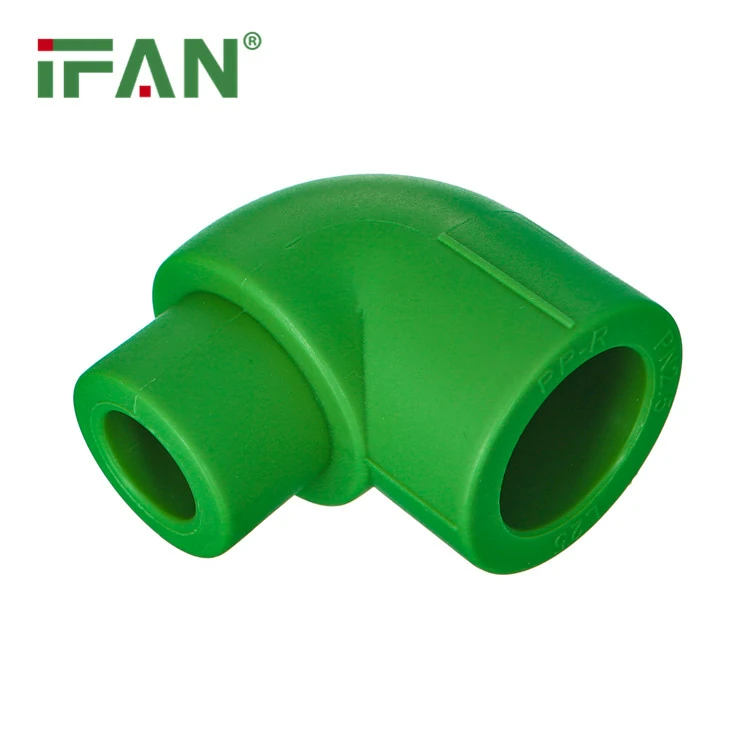
PPR pipe fittings are essential components in modern plumbing systems. Their strong pressure resistance is a key feature that makes them popular. PPR, or Polypropylene Random Copolymer, is known for its durability. This material is widely used in both residential and industrial applications. Understanding the pressure resistance of PPR fittings is crucial for selecting the right plumbing solutions.
Pressure Ratings and Specifications
PPR pipe fittings are designed to handle various pressure levels. They typically have pressure ratings ranging from 4 to 20 bar. These ratings depend on the specific type of fitting and its application. Higher ratings indicate that the fittings can withstand greater pressures without failure. This capability is essential for systems that transport hot and cold water. The ability to maintain integrity under pressure is vital for preventing leaks and ensuring safety.
Material Properties and Strength
The strength of PPR fittings comes from their unique molecular structure. PPR’s random copolymer composition provides excellent mechanical properties. This structure enhances resistance to pressure and impact. Unlike traditional materials, PPR does not easily deform under stress. This makes PPR fittings reliable in high-pressure environments. Their robust nature ensures long-lasting performance, even in demanding conditions.
Installation Techniques and Joint Integrity
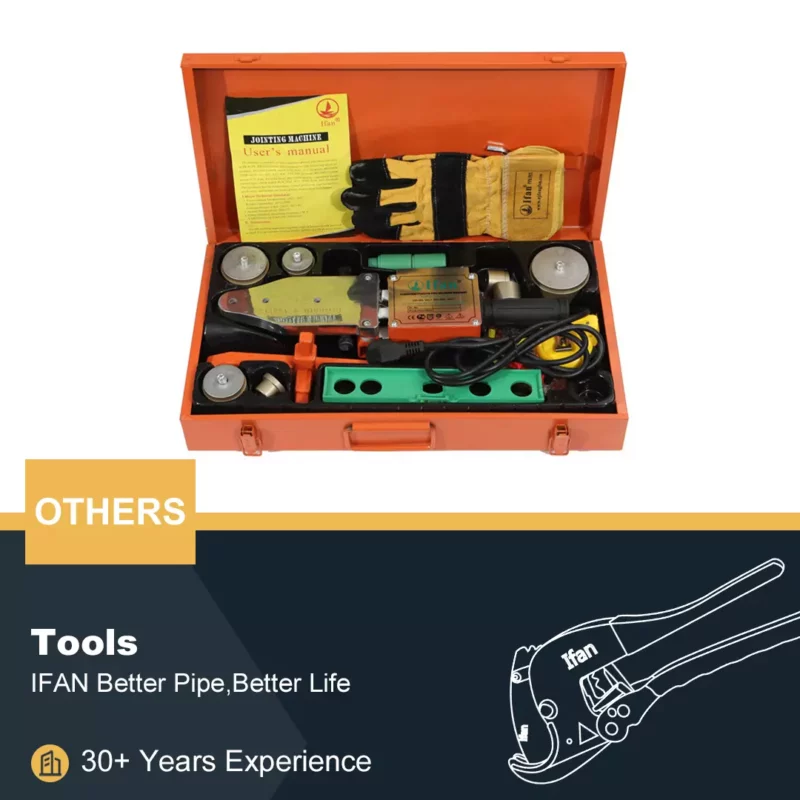
Proper installation is crucial for maximizing the pressure resistance of PPR fittings. The heat fusion method is commonly used for joining PPR pipes and fittings. This technique involves heating the ends of the pipe and fitting before joining them. The result is a strong, leak-proof bond. When installed correctly, these joints can withstand high pressures effectively. Following the installation guidelines is essential for achieving optimal performance and durability.
Applications of PPR Pipe Fittings
PPR pipe fittings are widely used in various high-pressure applications. They are commonly found in industrial systems, heating installations, and plumbing networks. In these settings, the ability to resist strong pressure is critical. PPR fittings transport water, chemicals, and other fluids safely. Their reliability under pressure makes them a preferred choice for engineers and contractors. This versatility is a significant advantage in both residential and commercial projects.
Advantages of PPR Pipe Fittings
The strong pressure resistance of PPR fittings offers numerous advantages. First, they significantly reduce the risk of leaks and system failures. This leads to lower maintenance costs and increased longevity. Second, PPR fittings are lightweight, making them easy to handle and install. This characteristic speeds up the installation process, saving time and labor costs. Additionally, PPR fittings are resistant to corrosion and scaling, ensuring consistent performance over time.
Comparing PPR with Other Materials
When comparing PPR fittings to traditional materials, several advantages emerge. Unlike metal fittings, PPR does not corrode, ensuring a longer lifespan. Metal fittings can be prone to rust and degradation over time. PPR fittings are also less affected by temperature changes, maintaining their integrity. This stability is essential in high-pressure systems. Furthermore, PPR fittings are easier to transport and install due to their lightweight nature.
Maintenance and Longevity
Maintaining PPR pipe fittings is relatively straightforward. Regular inspections can help identify any potential issues early. However, PPR fittings generally require less maintenance than traditional materials. Their resistance to corrosion and scaling contributes to their longevity. With proper installation and care, PPR fittings can last for decades. This durability ensures that plumbing systems remain reliable over time.
Environmental Considerations
PPR fittings are also an environmentally friendly choice. They are made from recyclable materials, reducing their environmental impact. As sustainability becomes a priority, choosing PPR fittings supports eco-friendly practices. Their long lifespan further contributes to reduced waste. This aspect appeals to environmentally conscious consumers and businesses alike.
Conclusion
In conclusion, the strong pressure resistance of PPR pipe fittings makes them an excellent choice for various applications. Their ability to withstand high pressures ensures reliability and safety in plumbing systems. The unique material properties and proper installation techniques contribute to their performance. With numerous advantages, PPR pipe fittings are a smart investment for both residential and industrial projects. Embracing PPR technology can lead to more efficient and durable plumbing solutions. The future of plumbing systems looks promising with the continued use of PPR fittings.
If you have read this article and have any questions, please feel free to contact IFAN. Below is our contact information:
Whatsapp:+86 13373827623
Email:[email protected]