
Introduction to PPR Pipe Fittings
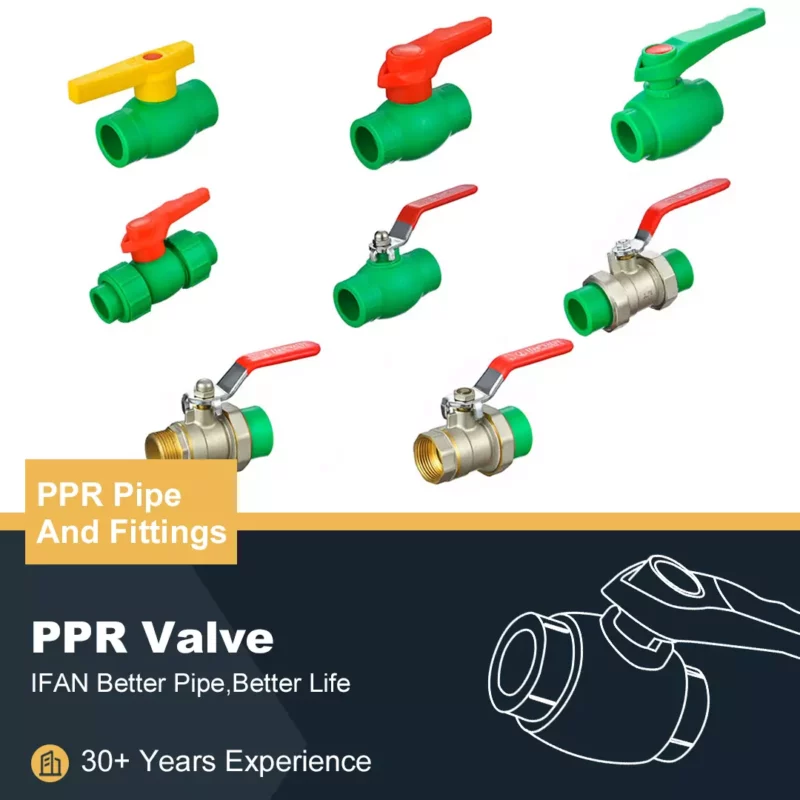
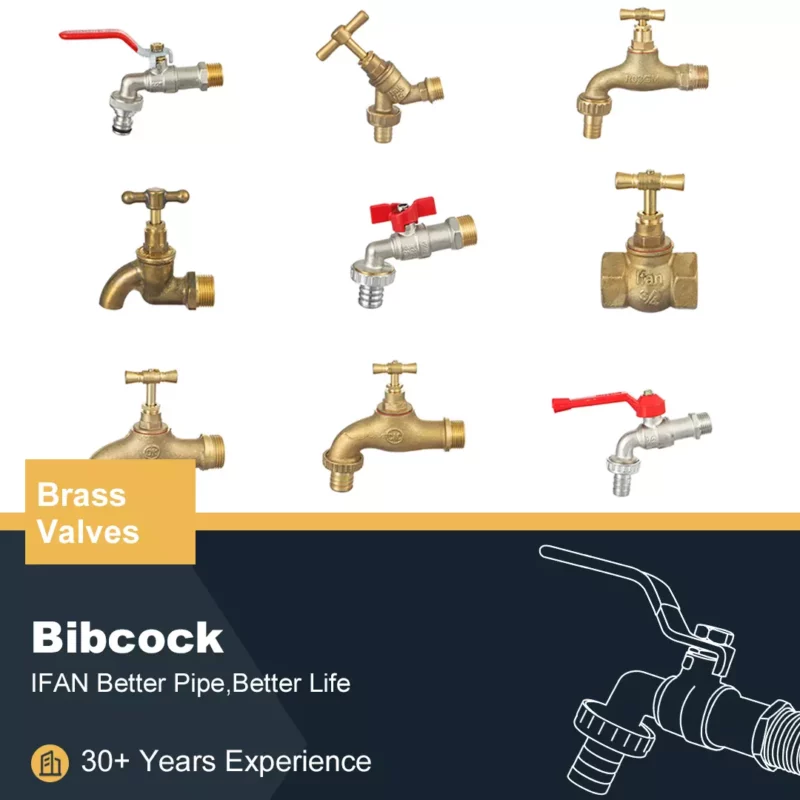
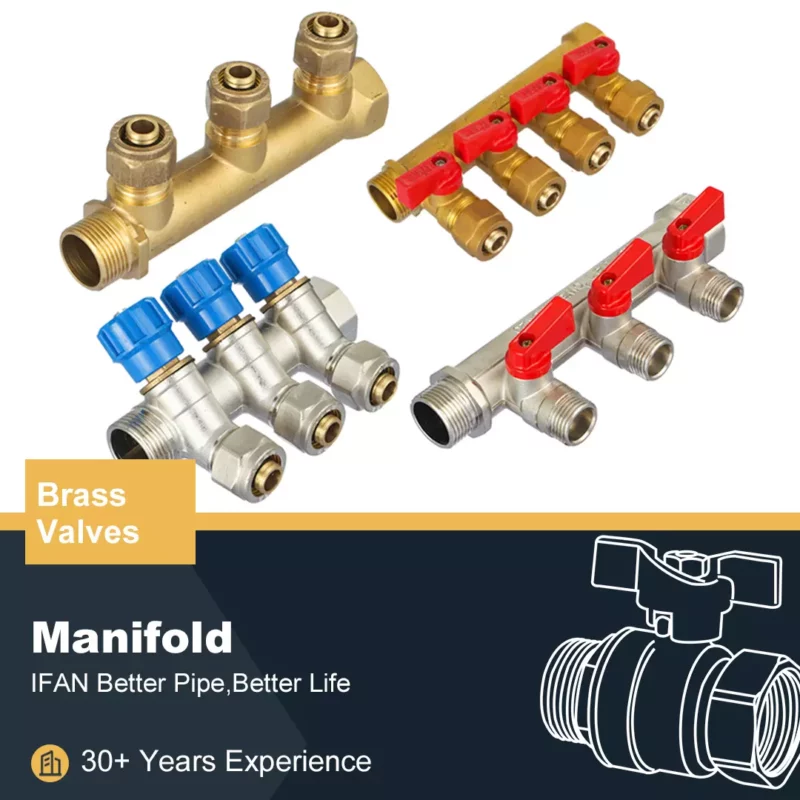
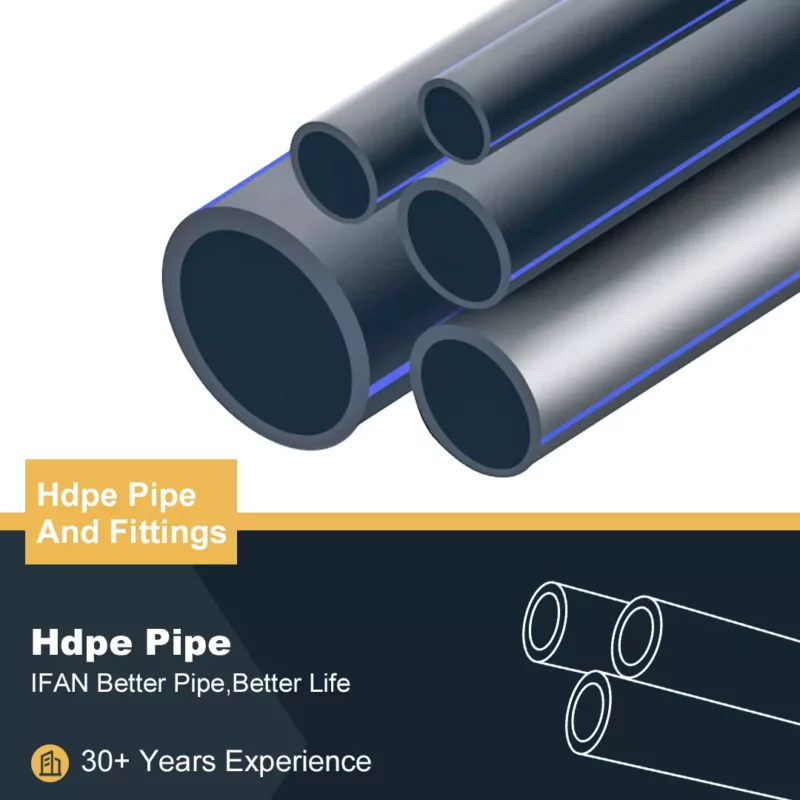
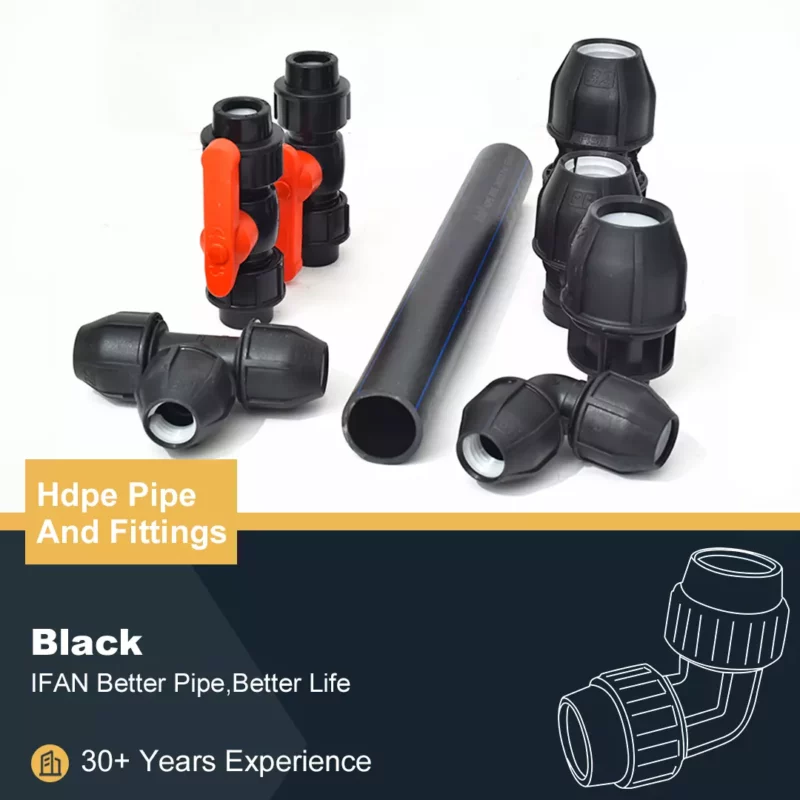
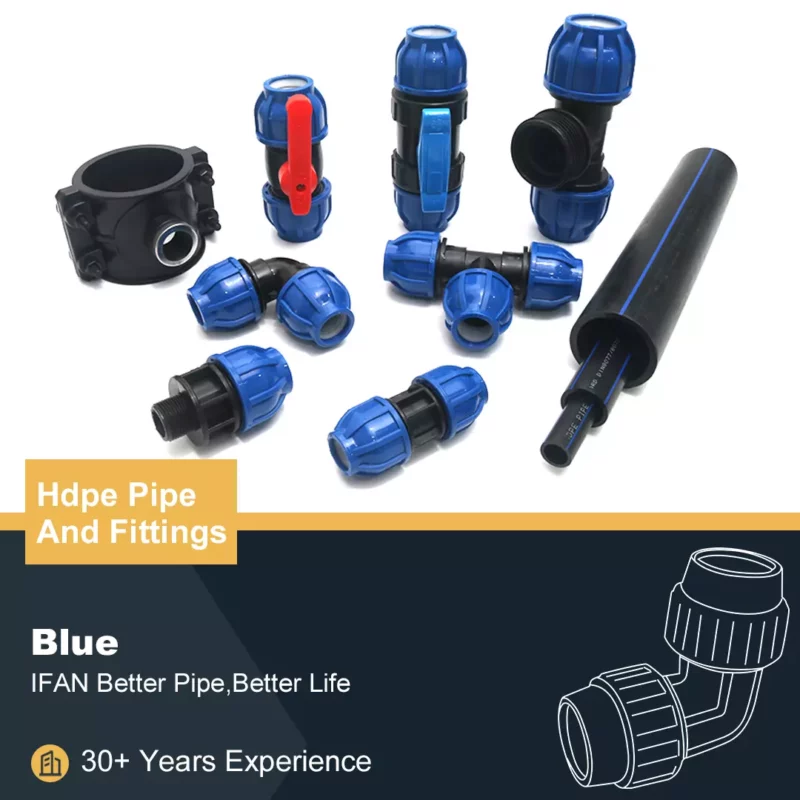
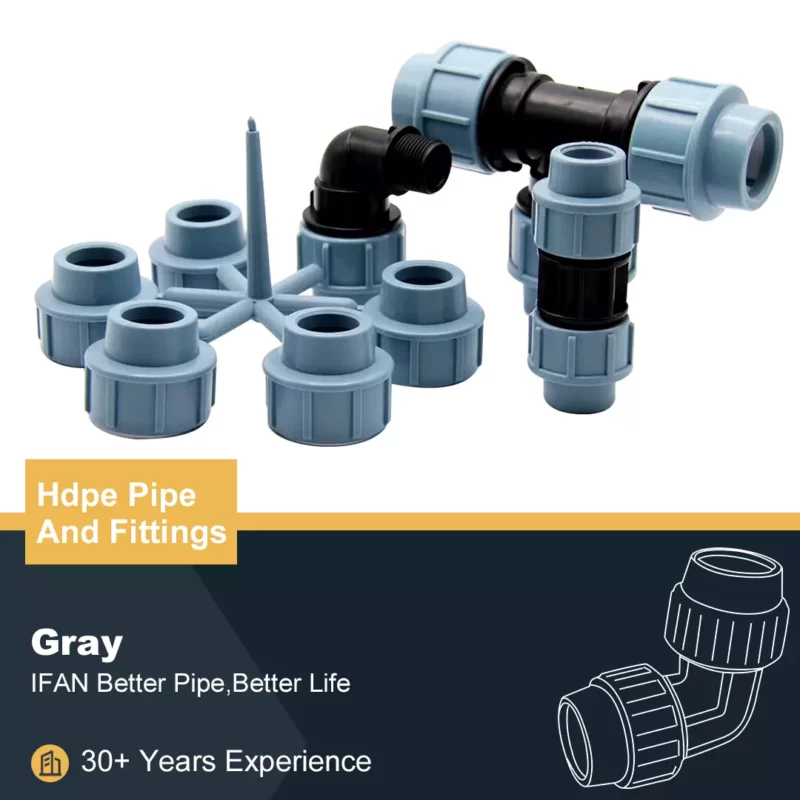
PPR pipe fittings have become essential components in modern plumbing systems. They are widely used in residential, commercial, and industrial applications. The versatility of PPR fittings is one of their most significant advantages. This diversity allows them to meet various plumbing needs effectively. Understanding the different types of PPR fittings is crucial for selecting the right components for any project.
Types of PPR Pipe Fittings
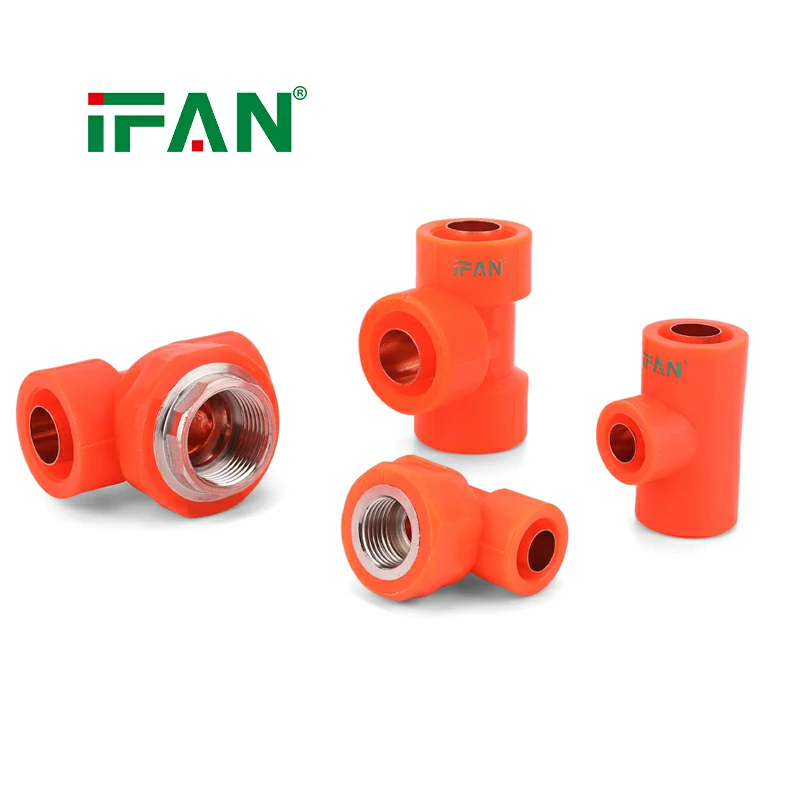
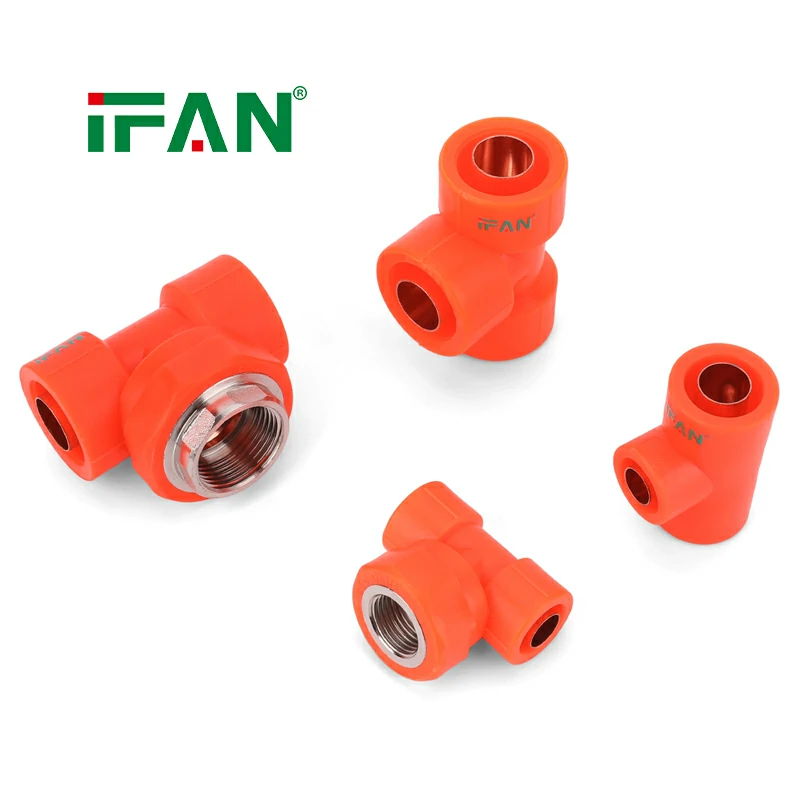
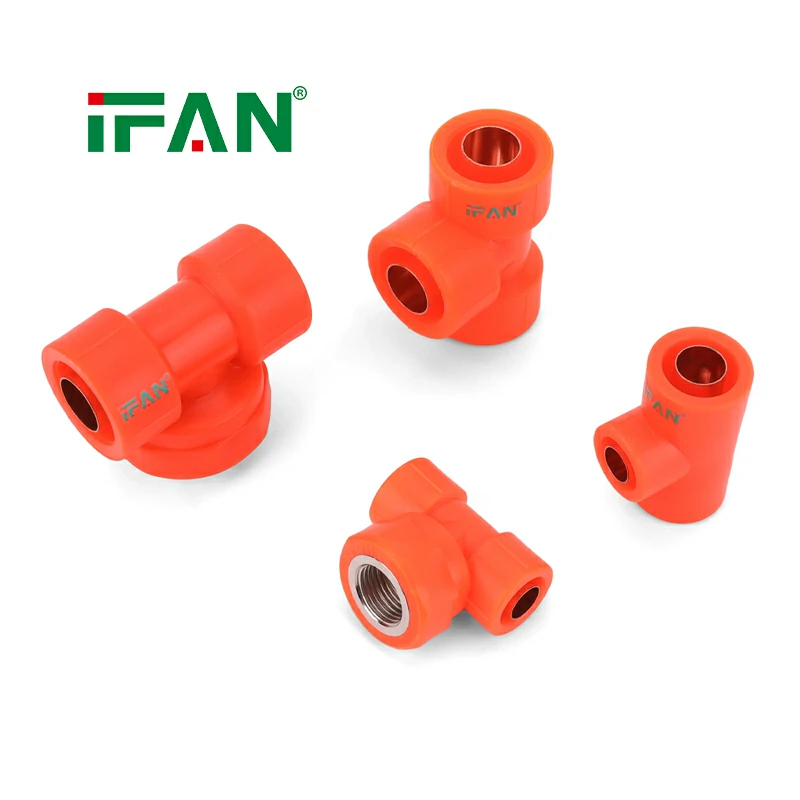
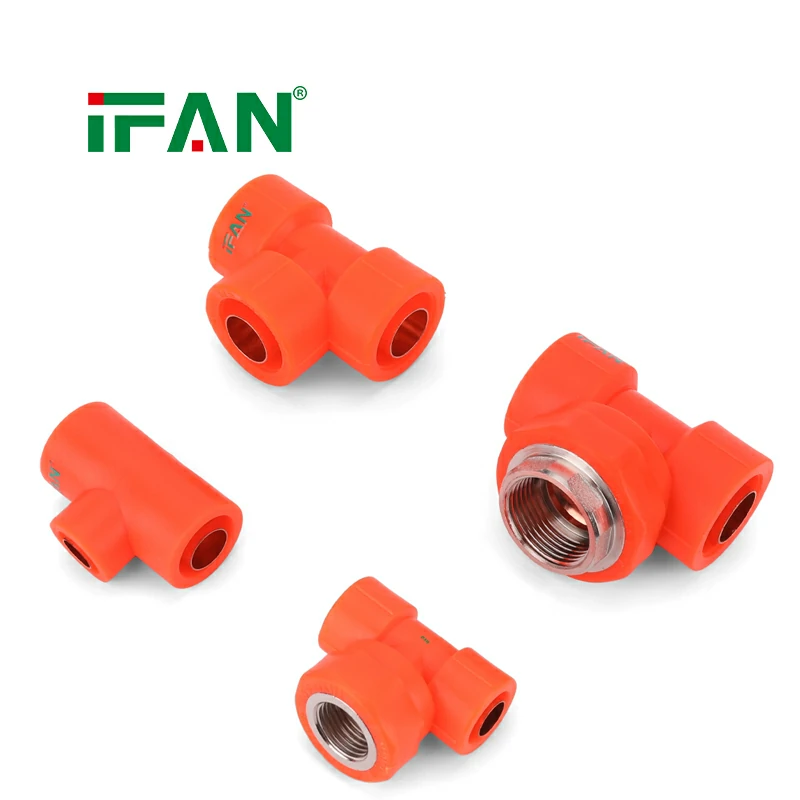
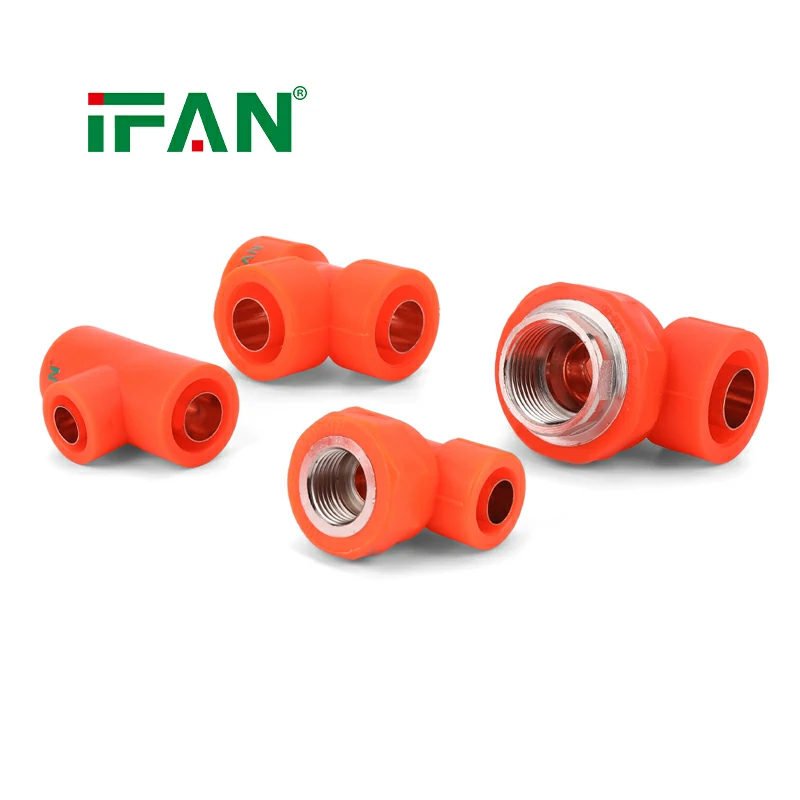
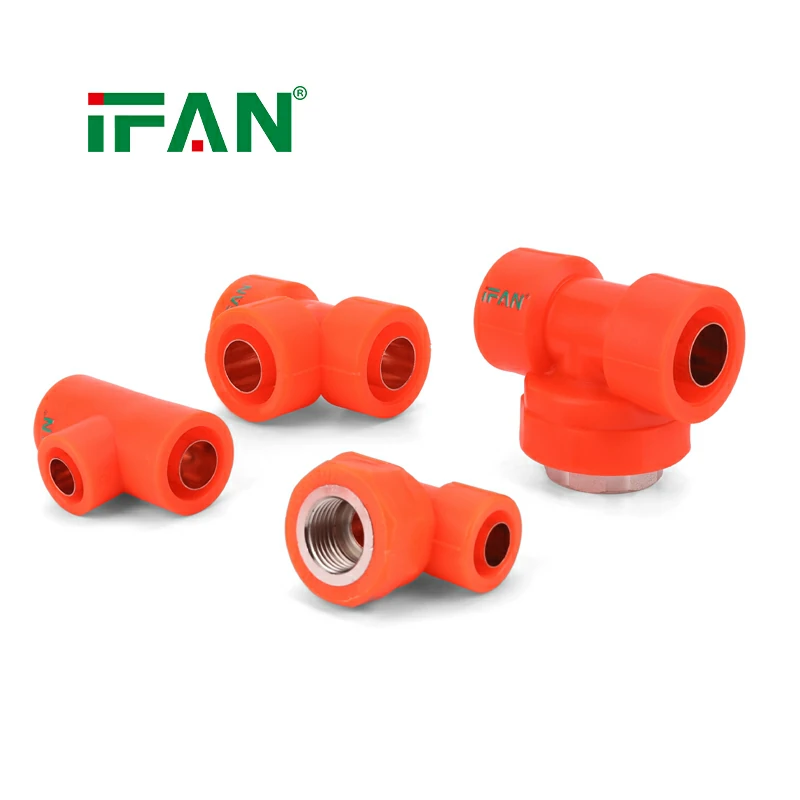
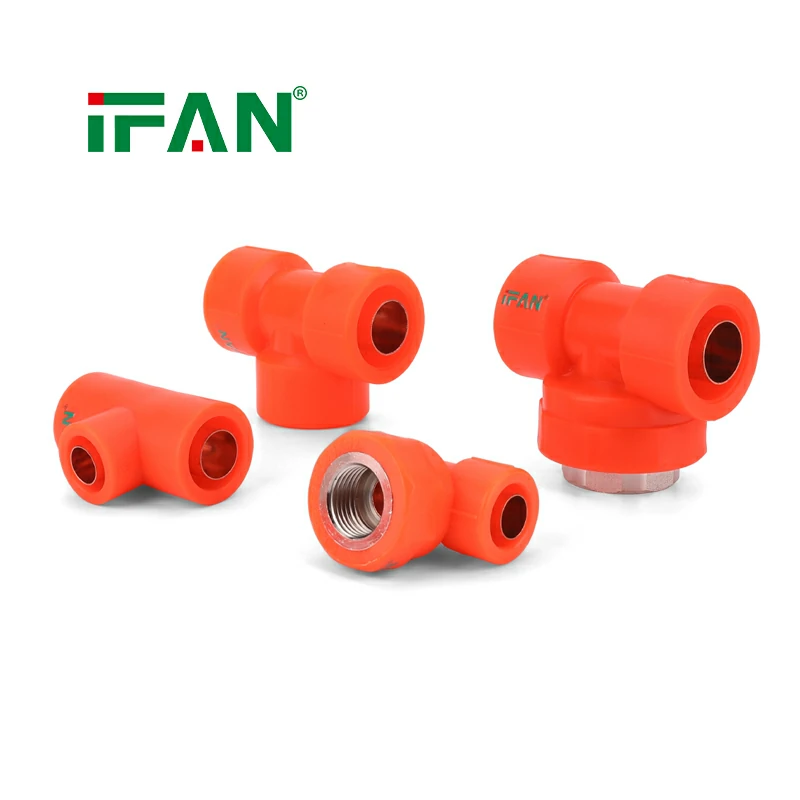
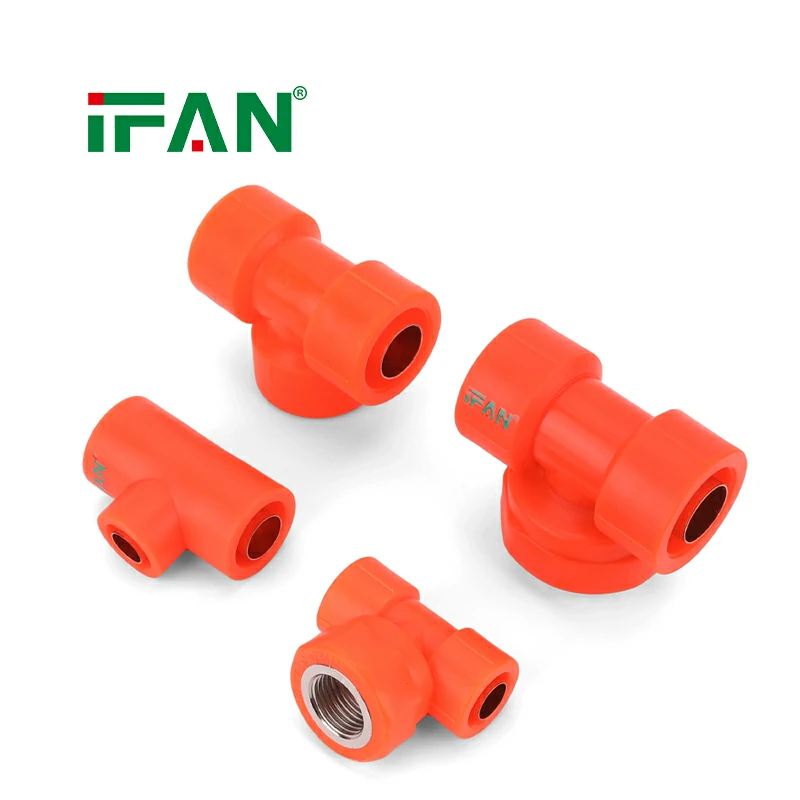
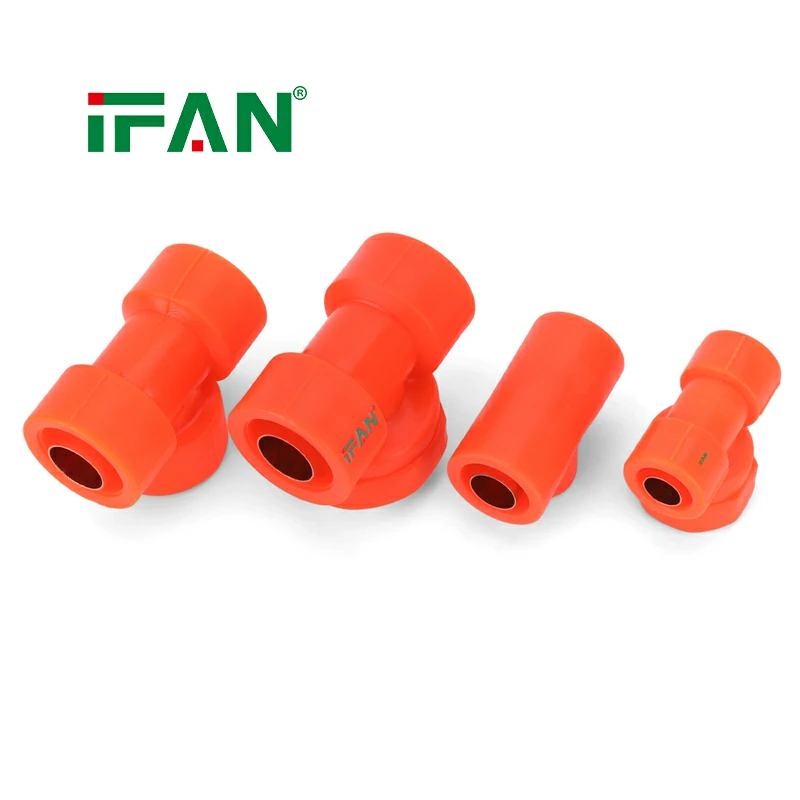
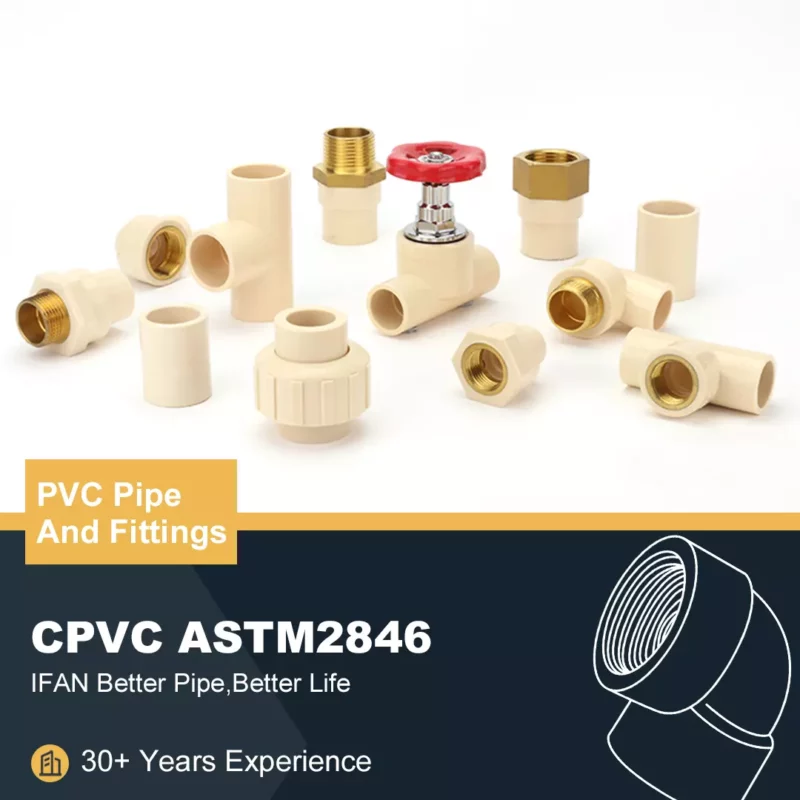
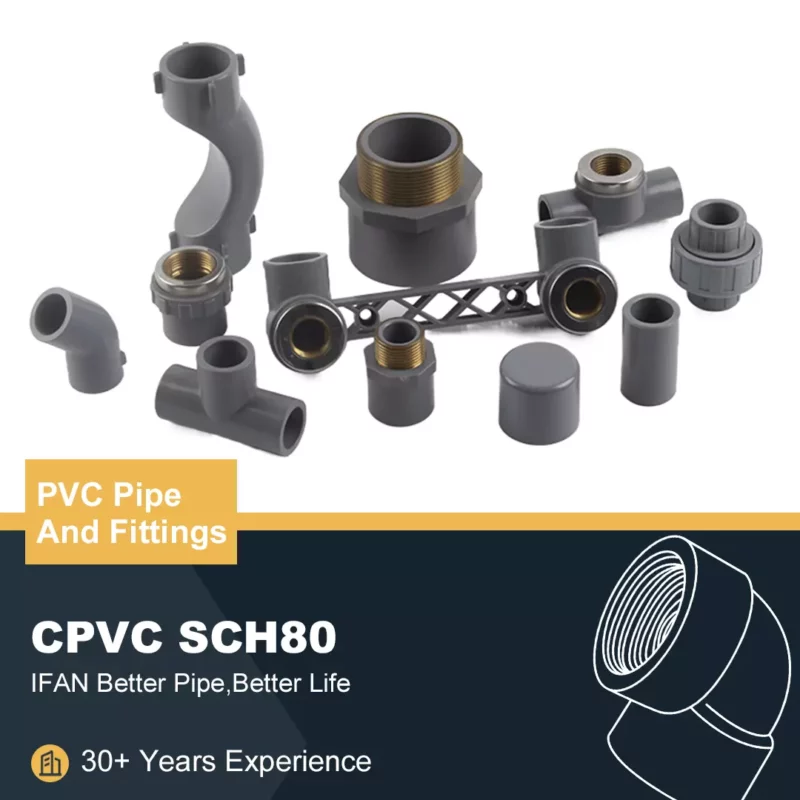
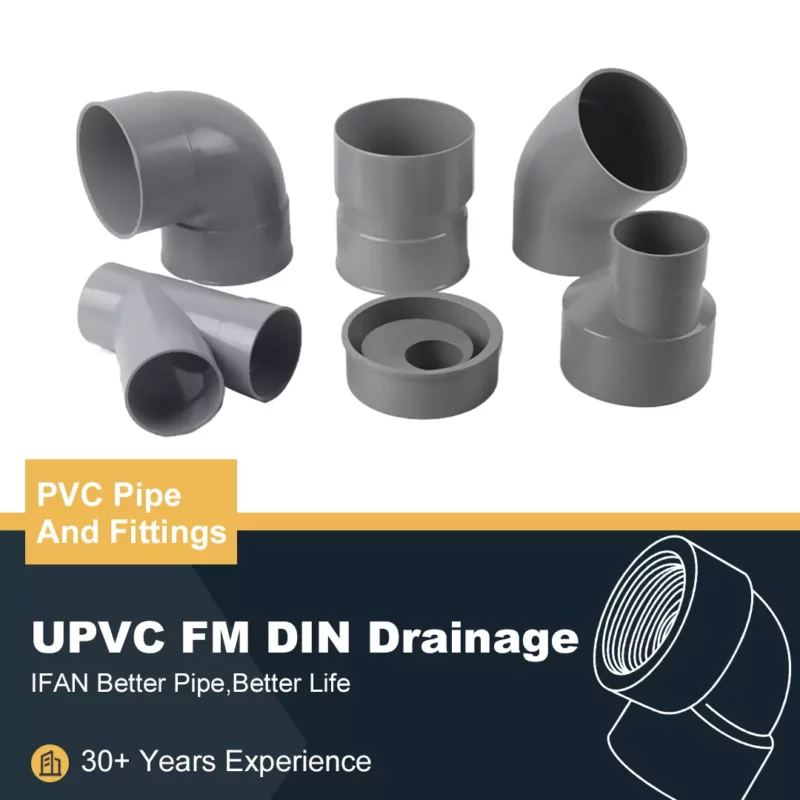
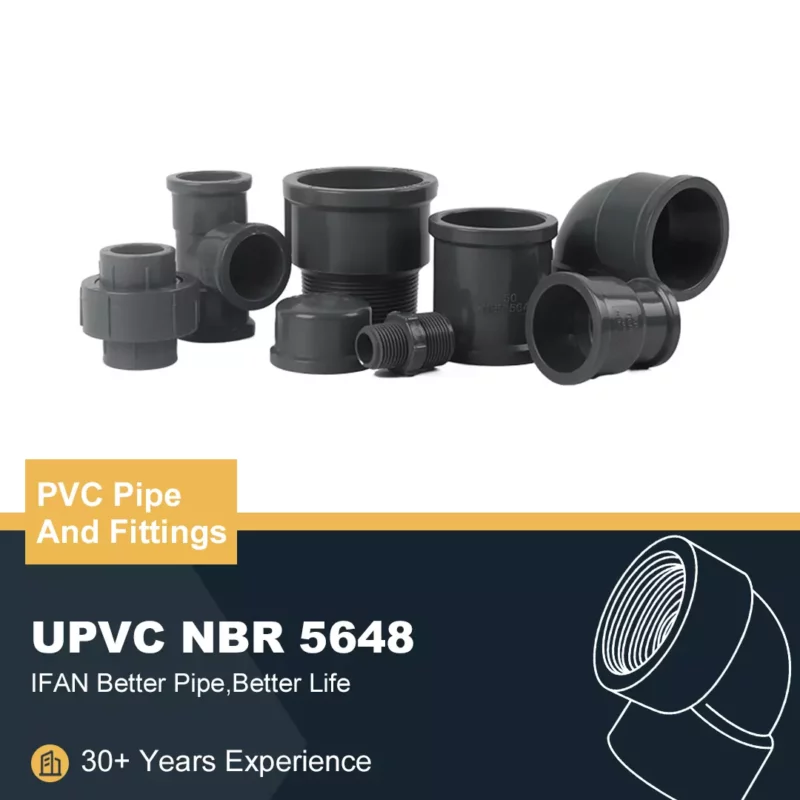
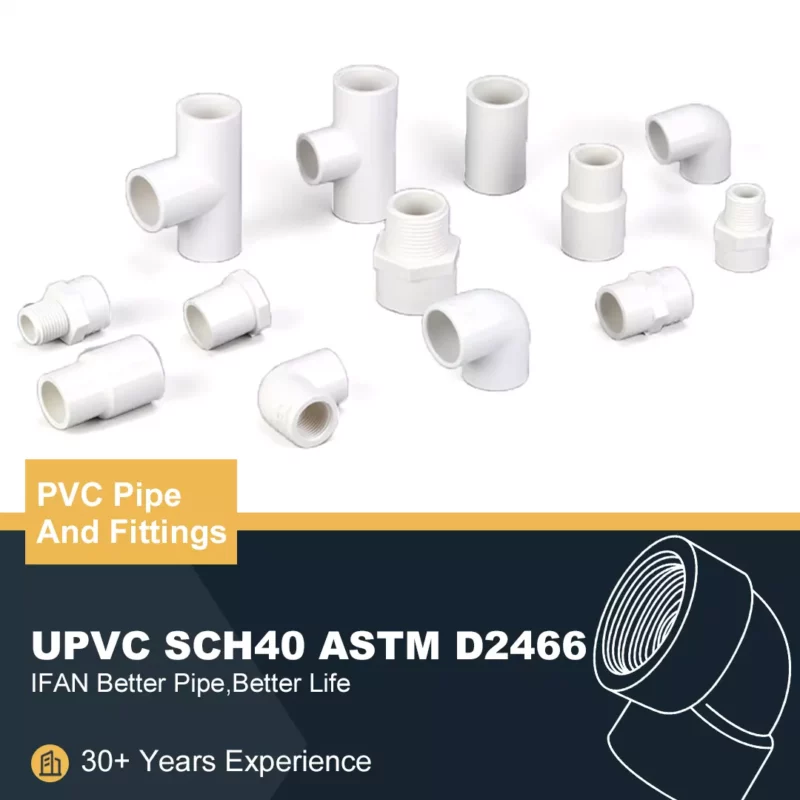
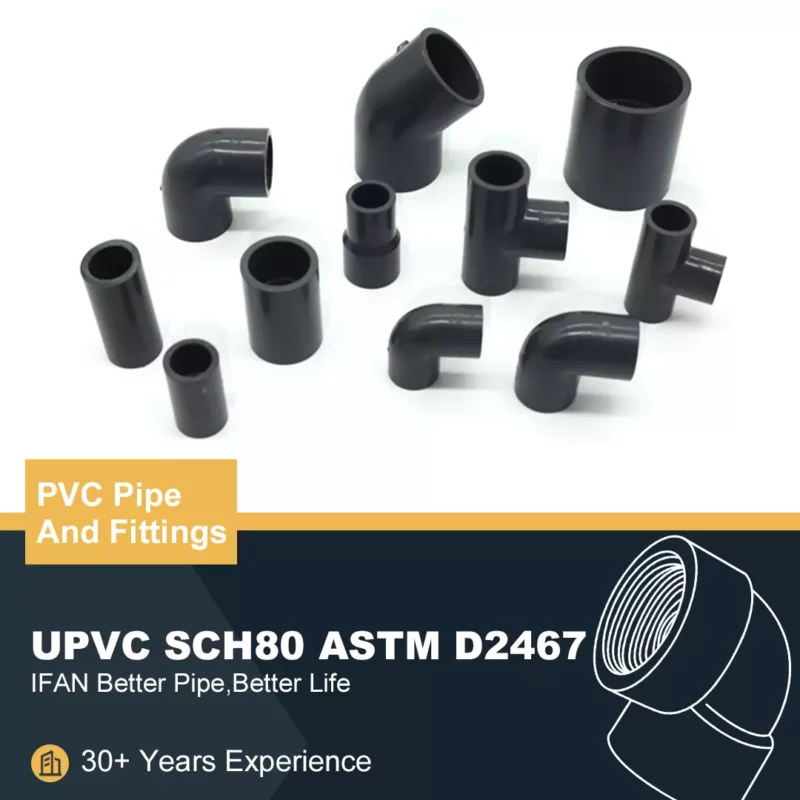
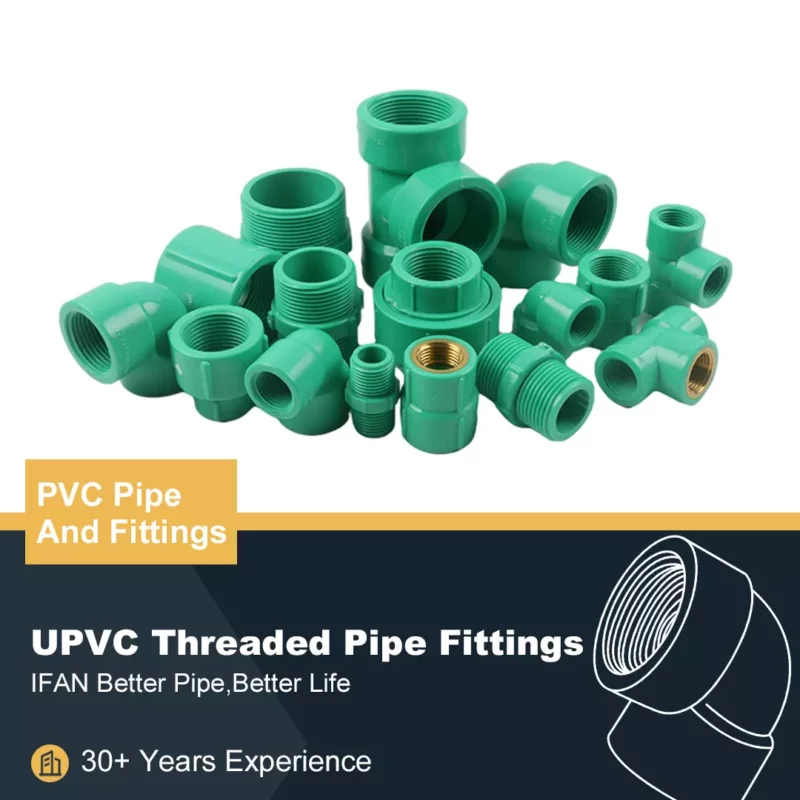
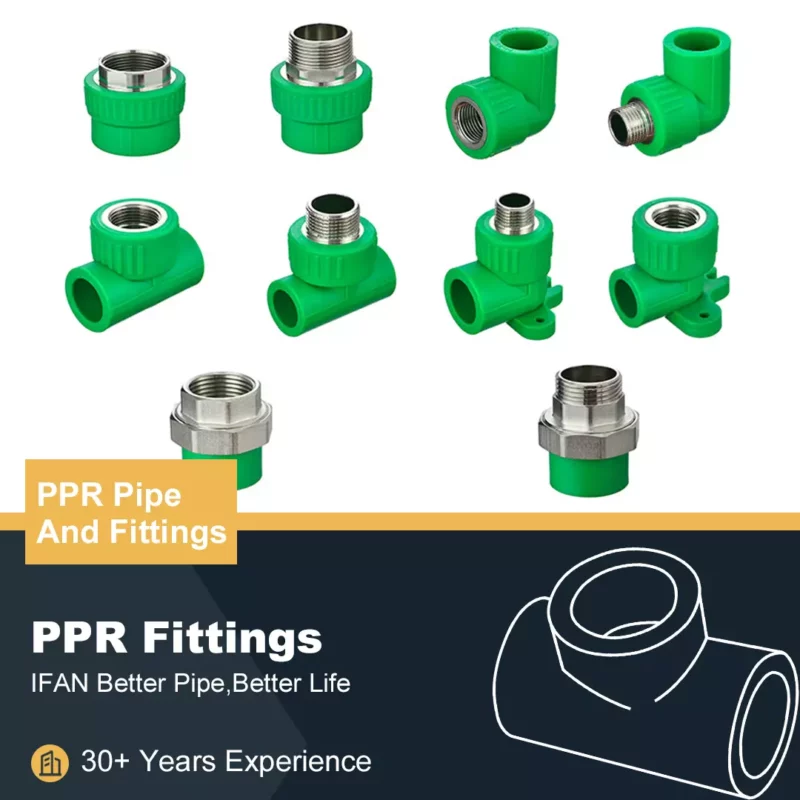
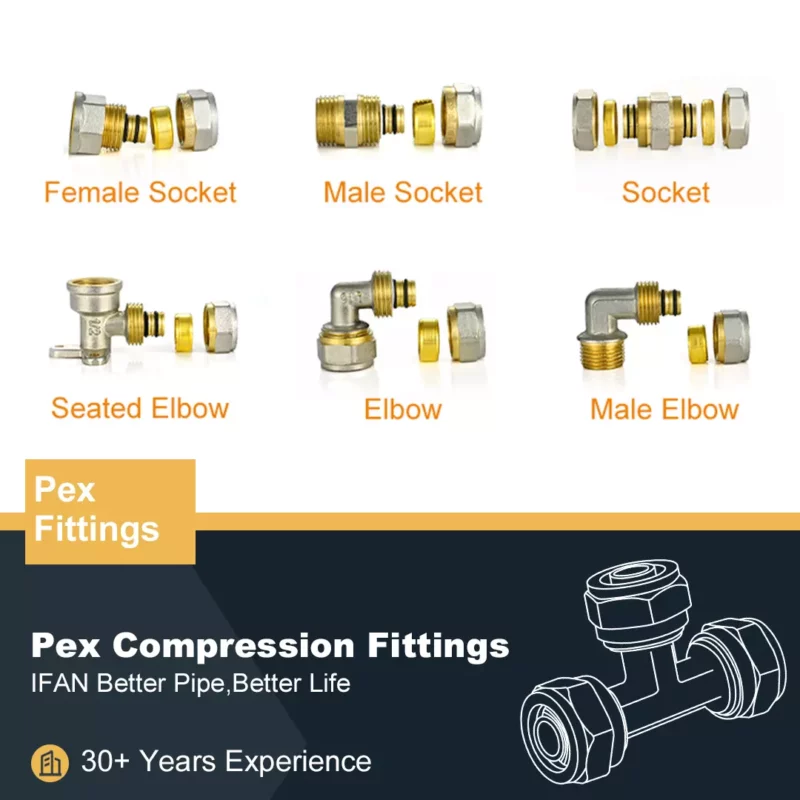
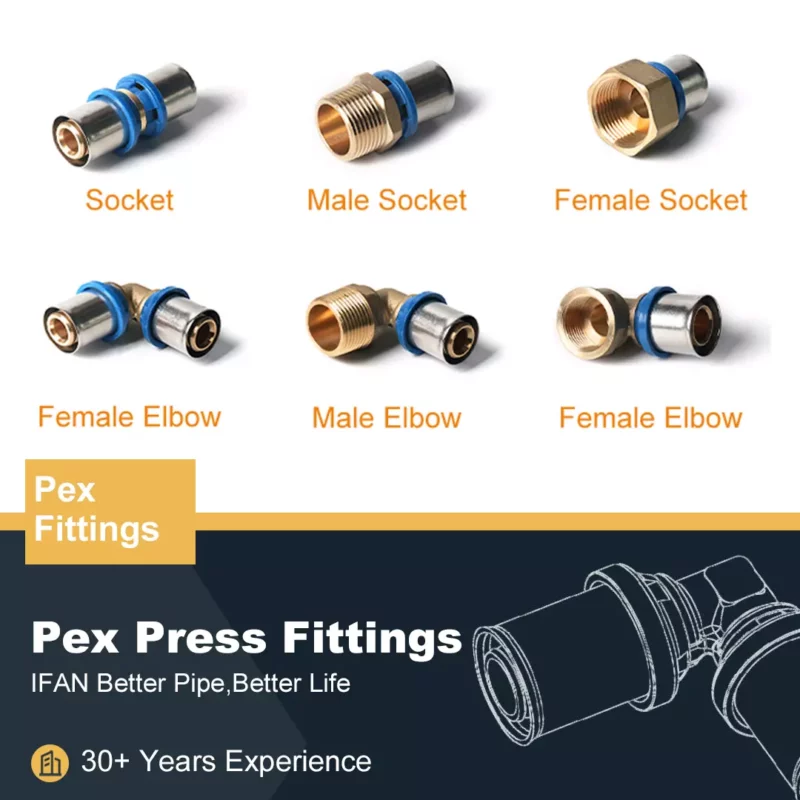
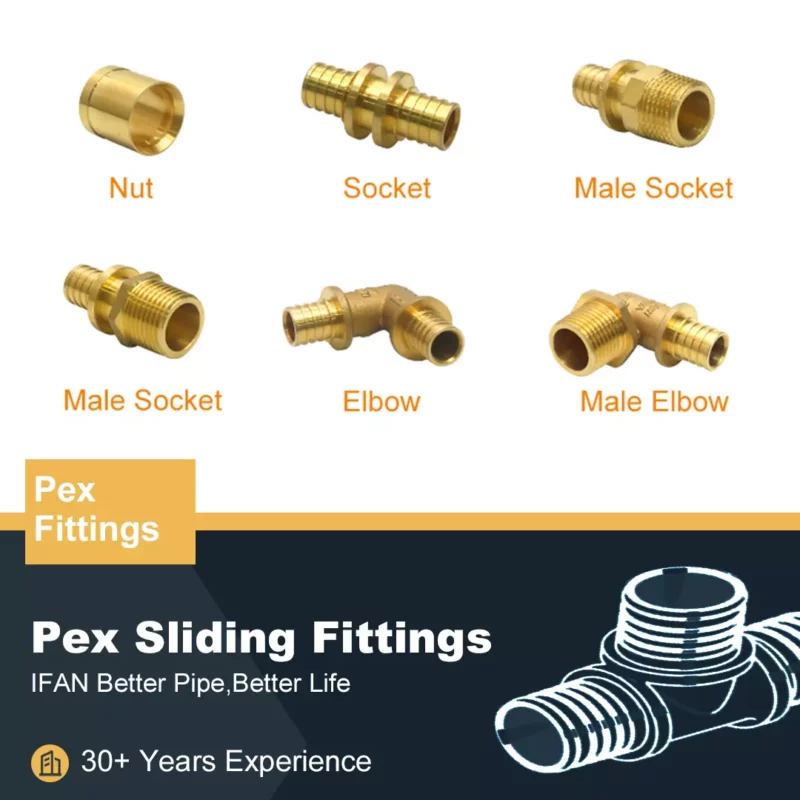
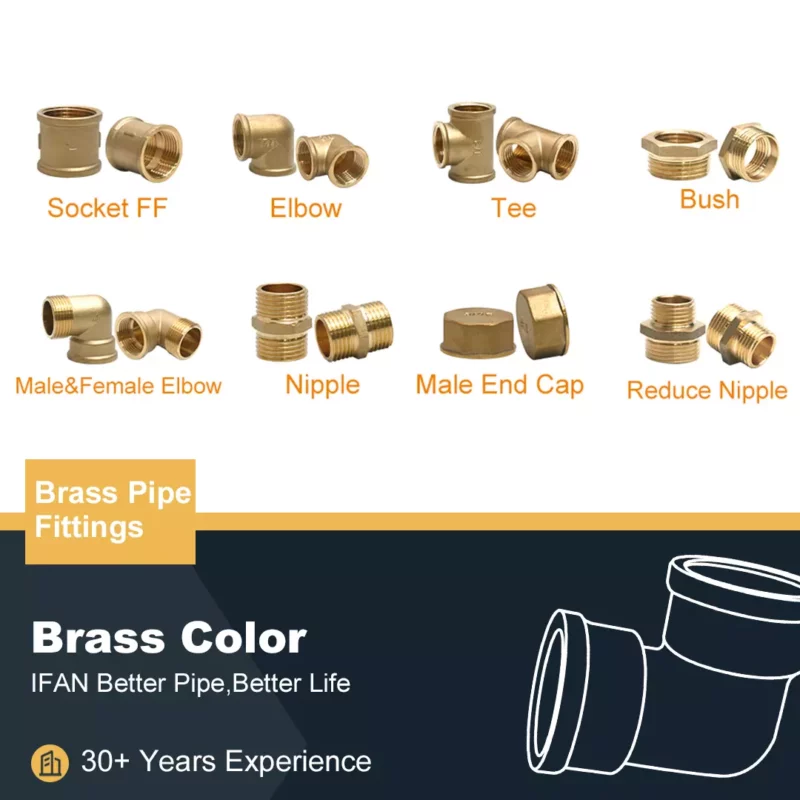
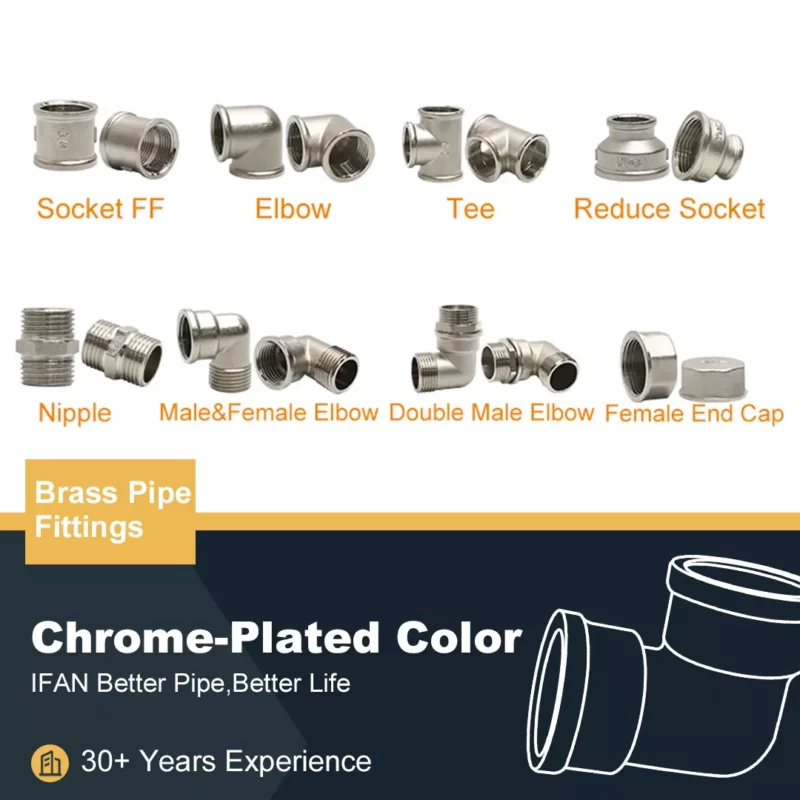
PPR pipe fittings come in various types, each designed for specific applications. Common types include elbows, tees, couplings, and reducers. Elbows are used to change the direction of the pipe. Tees allow for branching off to different pipes. Couplings connect two straight pipes, while reducers adjust pipe diameter. Each fitting type plays a vital role in creating a comprehensive plumbing system.
Elbows: Changing Directions
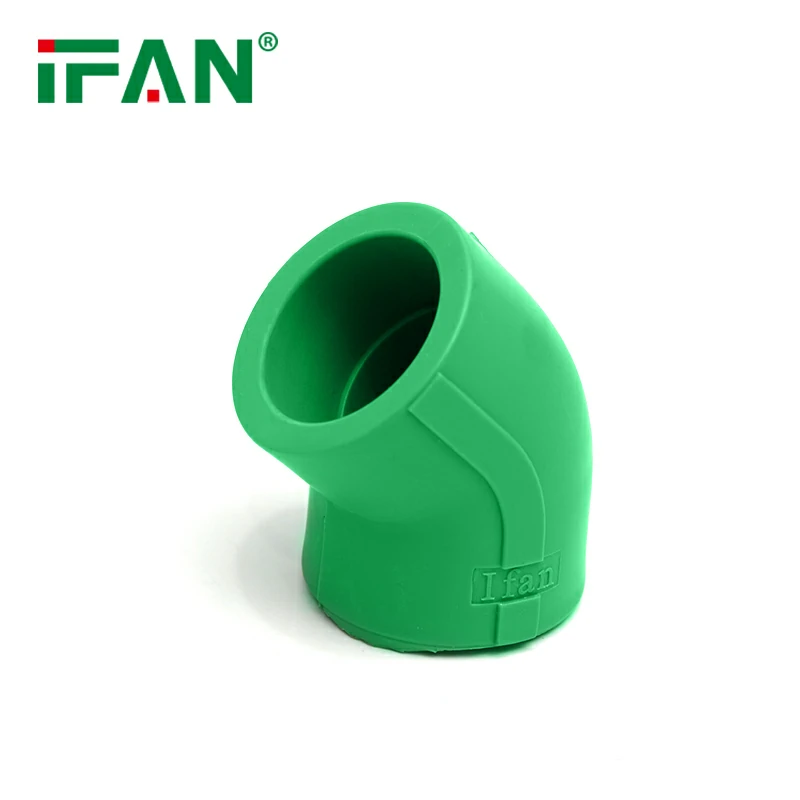
Elbows are one of the most commonly used PPR fittings. They are available in various angles, typically 45 and 90 degrees. These fittings enable pipes to change direction smoothly. Using elbows helps maintain the flow of water and reduces pressure loss. They are essential in navigating around obstacles in plumbing installations. Proper selection of elbow fittings is crucial for efficient system design.
Tees: Branching Out
Tees are another essential type of PPR fitting. These fittings allow for the branching of pipes, creating a T-shaped connection. Tees come in various configurations, including equal and reducing tees. Equal tees have the same diameter on all three ends. Reducing tees, on the other hand, connect pipes of different diameters. This versatility makes tees invaluable in complex plumbing systems.
Couplings: Connecting Pipes
Couplings are used to connect two sections of PPR pipes. They are straightforward fittings that ensure a secure connection. Couplings can be either straight or threaded, depending on the installation requirements. Using couplings helps maintain the integrity of the plumbing system. They are essential for extending pipe lengths and making repairs. Choosing the right coupling is vital for ensuring leak-free connections.
Reducers: Adjusting Pipe Size
Reducers are used to connect pipes of different diameters. They help transition from a larger pipe to a smaller one or vice versa. This fitting is crucial for maintaining pressure and flow rates. Reducers come in concentric and eccentric designs. Concentric reducers maintain a consistent center, while eccentric reducers allow for better drainage. Proper use of reducers ensures efficient fluid movement in plumbing systems.
Advantages of PPR Pipe Fittings
PPR pipe fittings offer numerous advantages over traditional materials. They are lightweight, making them easy to handle and install. Their resistance to corrosion and scaling ensures a longer lifespan. PPR fittings also have low thermal conductivity, reducing heat loss. Additionally, they are cost-effective due to their durability and low maintenance requirements. These benefits make PPR fittings a popular choice in various applications.
Compatibility with Other Systems
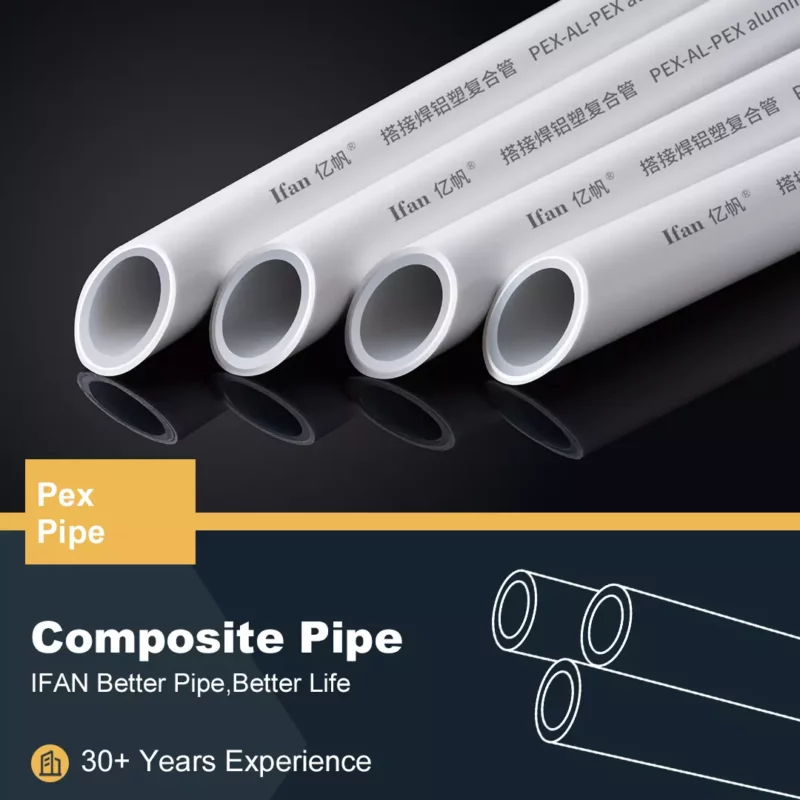
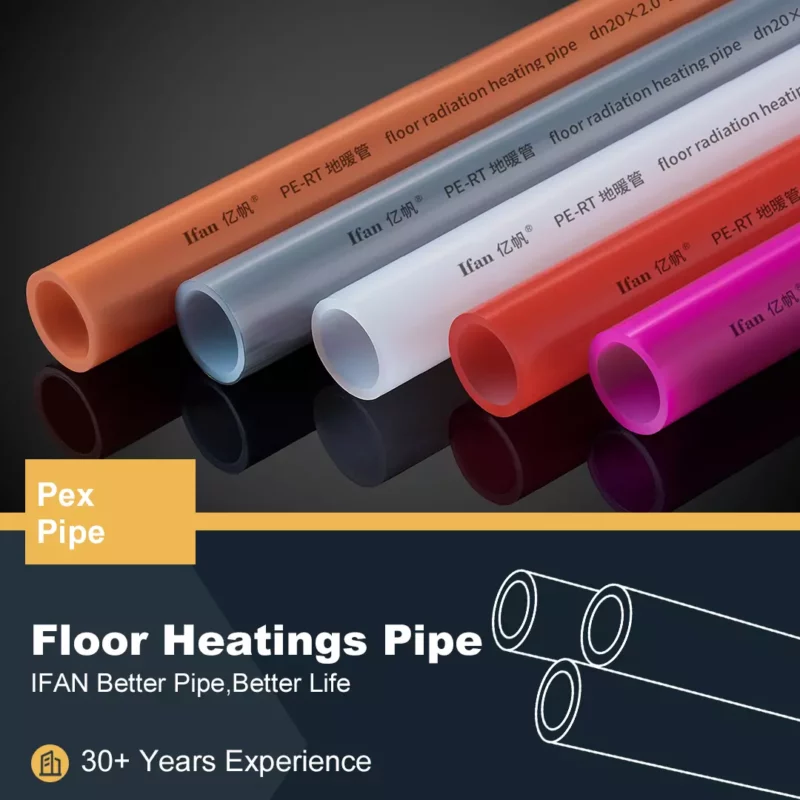
PPR fittings are compatible with various plumbing systems. They can be used with different types of pipes, including PEX and PVC. This compatibility allows for greater flexibility in system design. However, it is essential to ensure proper connections and fittings when combining different materials. Using appropriate adapters can help maintain system integrity and performance.
Installation Techniques
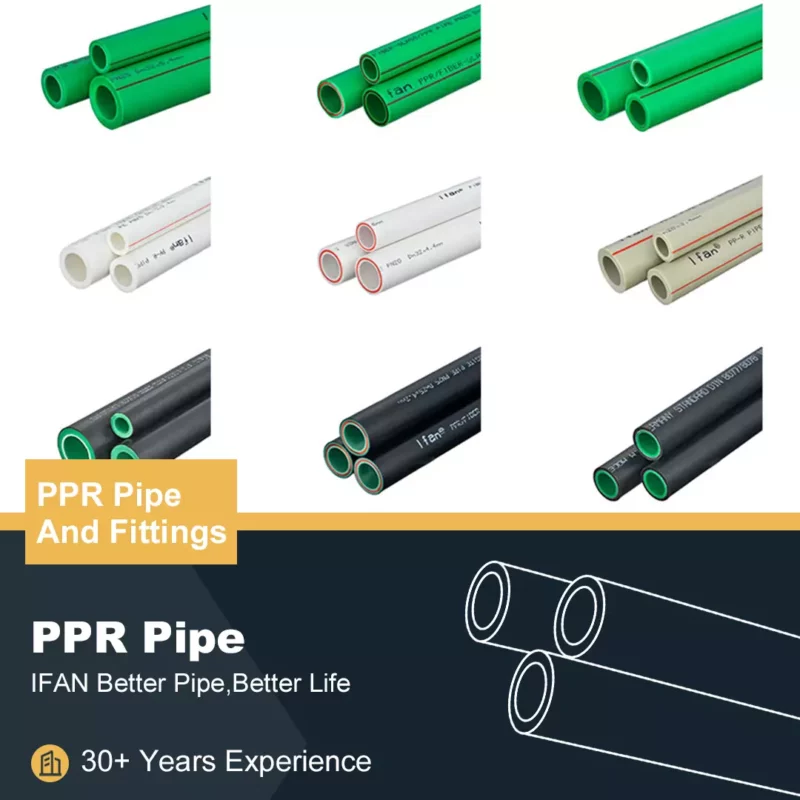
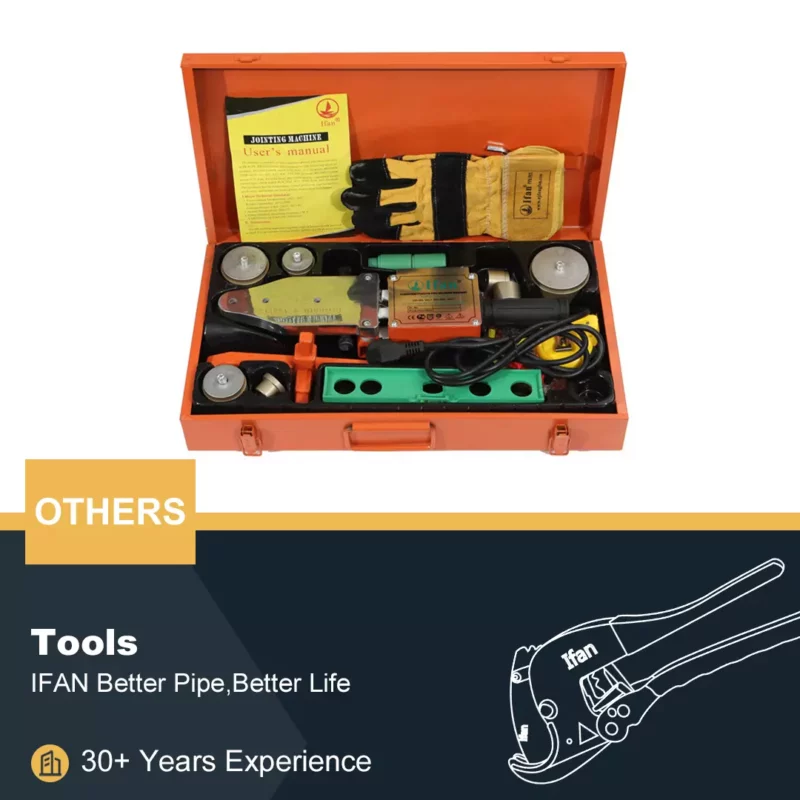
Proper installation is crucial for maximizing the performance of PPR pipe fittings. The heat fusion method is commonly used to join PPR pipes and fittings. This technique involves heating the ends of the pipe and fitting before joining them. The result is a strong, leak-proof bond. Following installation guidelines is essential for achieving optimal results. Properly installed fittings ensure longevity and reliability in plumbing systems.
Maintenance Considerations
PPR pipe fittings require minimal maintenance compared to traditional materials. Regular inspections can help identify potential issues early. However, PPR fittings are resistant to corrosion and scaling, which reduces maintenance needs. Cleaning the fittings occasionally can help maintain their performance. Overall, PPR fittings are designed for durability and longevity, making them a practical choice for plumbing systems.
Environmental Sustainability
PPR pipe fittings are also an environmentally friendly option. They are made from recyclable materials, reducing their environmental impact. As sustainability becomes a priority, choosing PPR fittings supports eco-friendly practices. Their long lifespan further contributes to reduced waste. This aspect appeals to environmentally conscious consumers and businesses alike.
Conclusion
In conclusion, the diverse selection of PPR pipe fittings makes them an excellent choice for various plumbing applications. Their ability to meet different needs ensures efficient and reliable systems. From elbows and tees to couplings and reducers, each fitting type plays a vital role. The advantages of PPR fittings, including durability and low maintenance, further enhance their appeal. Embracing PPR technology can lead to more efficient and sustainable plumbing solutions. Understanding the diverse options available is essential for making informed choices in plumbing projects.
If you have read this article and have any questions, please feel free to contact IFAN. Below is our contact information:
Whatsapp:+86 13373827623
Email:[email protected]