
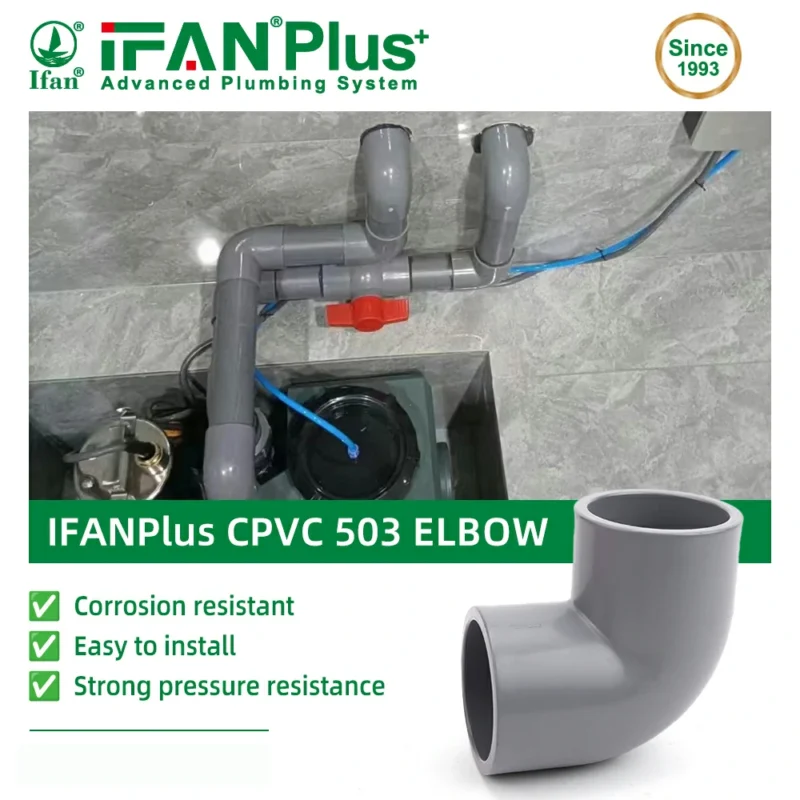
CPVC (Chlorinated Polyvinyl Chloride) pipes and fittings are widely used in various industries due to their excellent resistance to high temperatures, corrosion, and chemicals. They offer a durable, cost-effective, and long-lasting solution for plumbing and industrial applications. One of the most important advantages of CPVC pipes is their ability to create leak-proof systems when properly installed. This article explores the features, benefits, and installation of leak-proof CPVC pipe fittings and why they are the preferred choice for modern piping systems.
1. What are CPVC Pipes and Fittings?
CPVC is a modified version of PVC, with additional chlorine molecules bonded to the polymer. This alteration enhances the chemical resistance and thermal stability of the material, making it ideal for hot and cold water systems, industrial applications, and chemical processing. CPVC pipes and fittings are designed to be durable, lightweight, and easy to install.
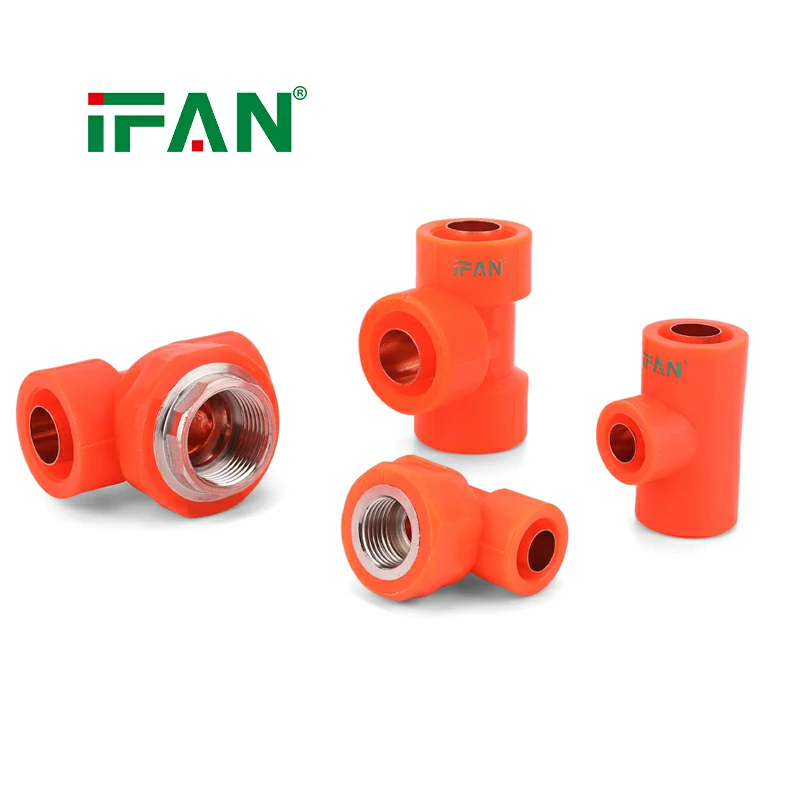
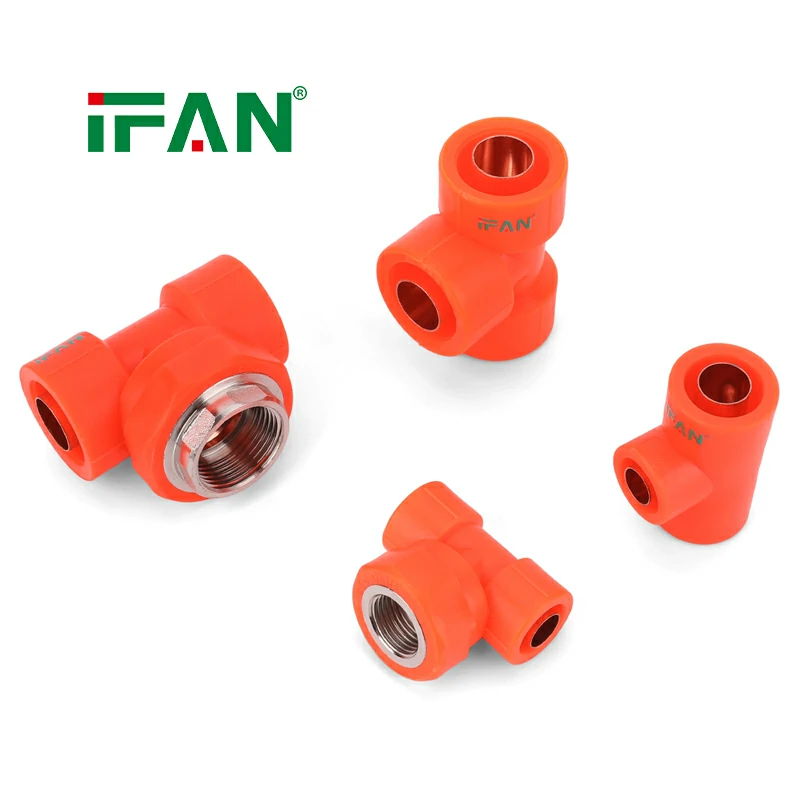
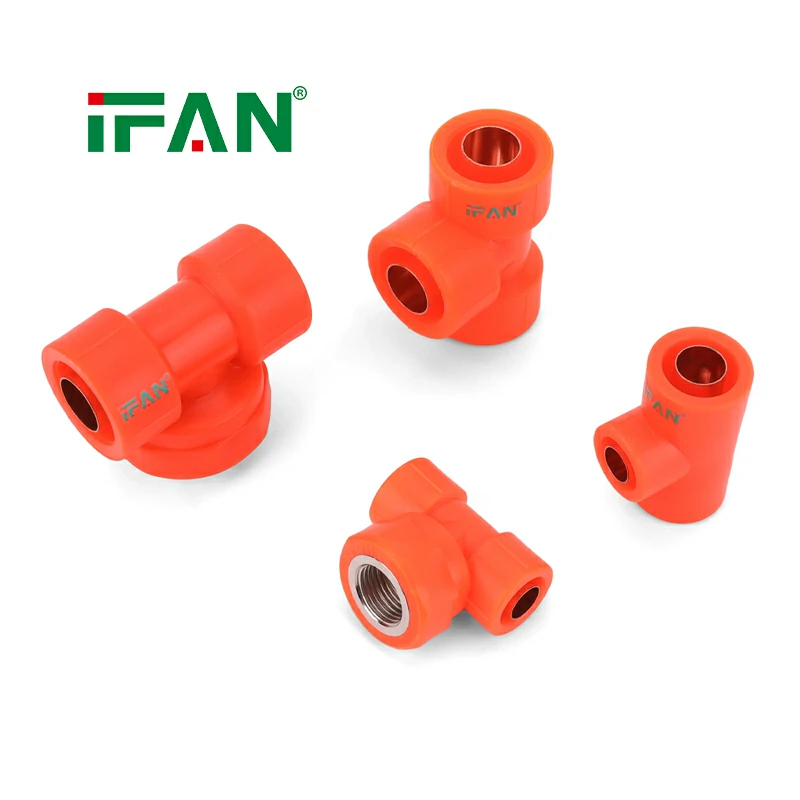
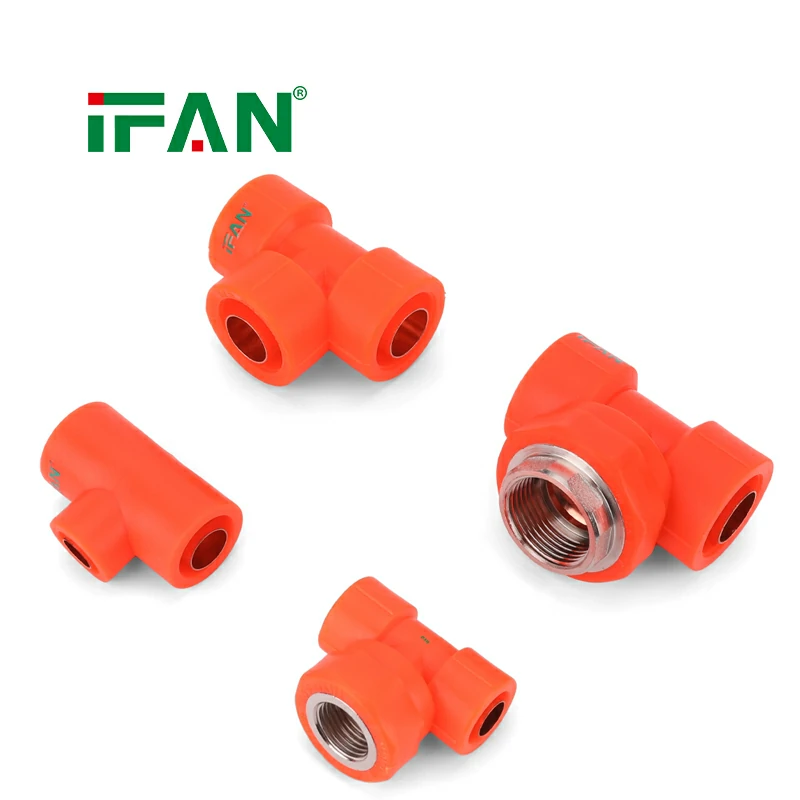
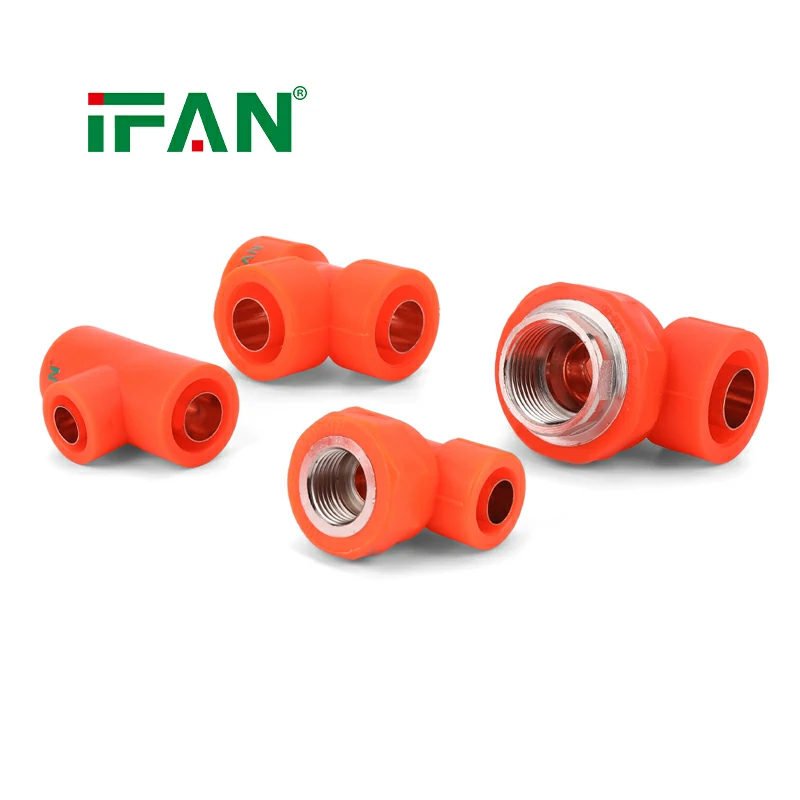
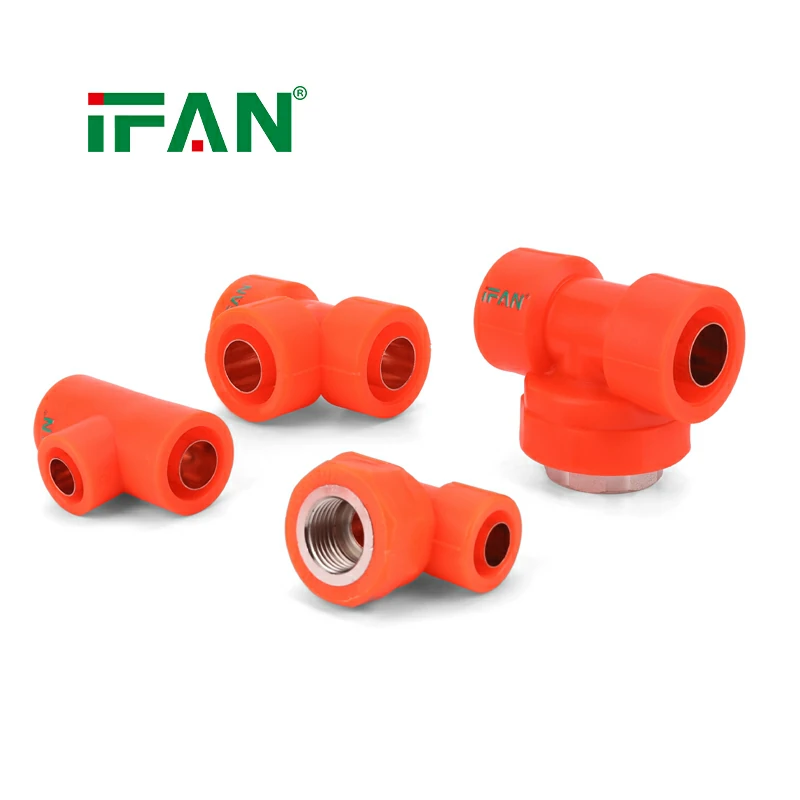
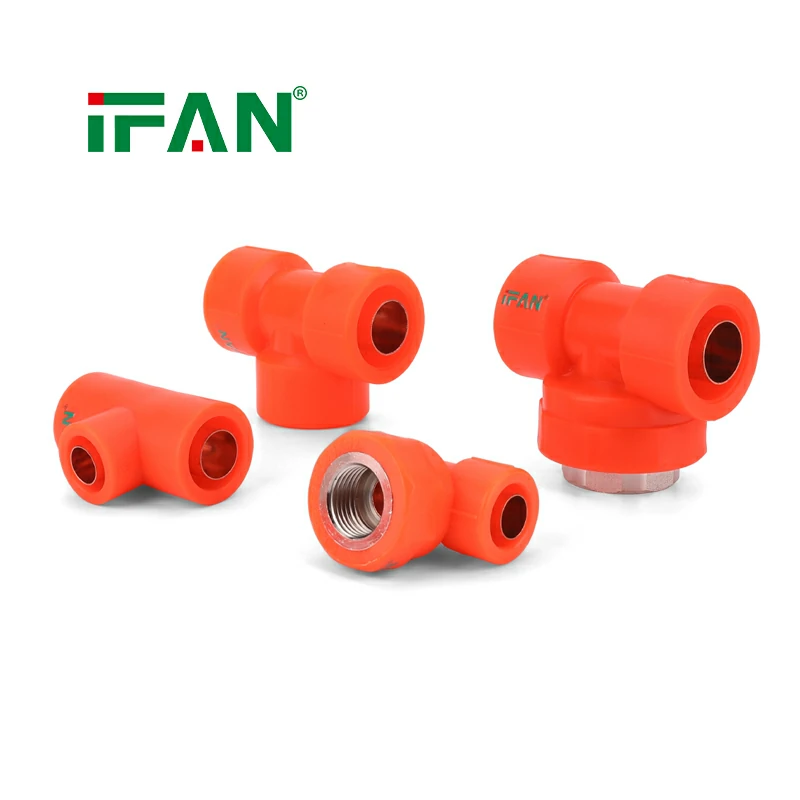
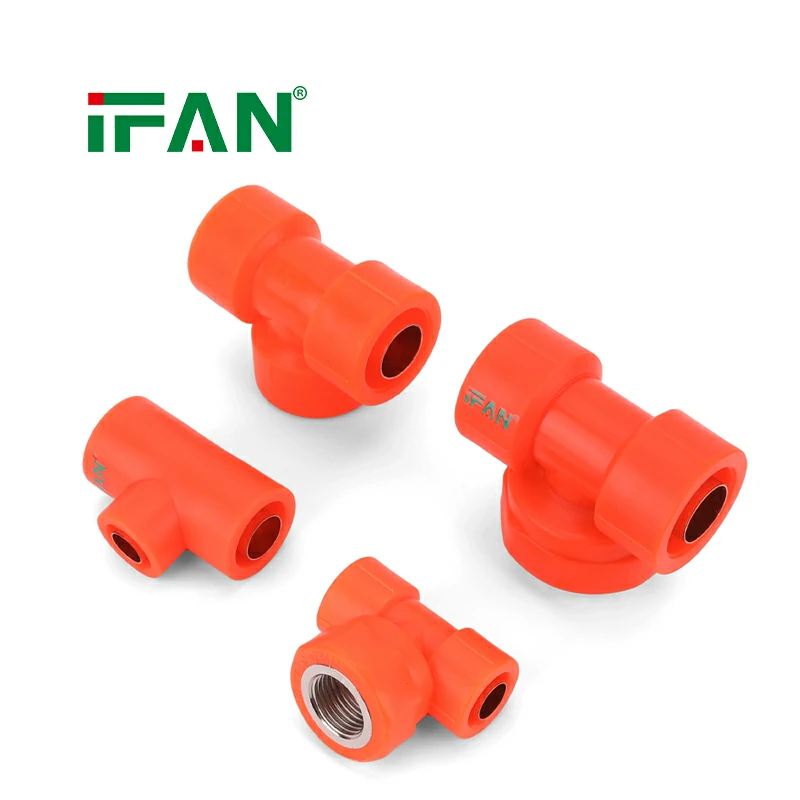
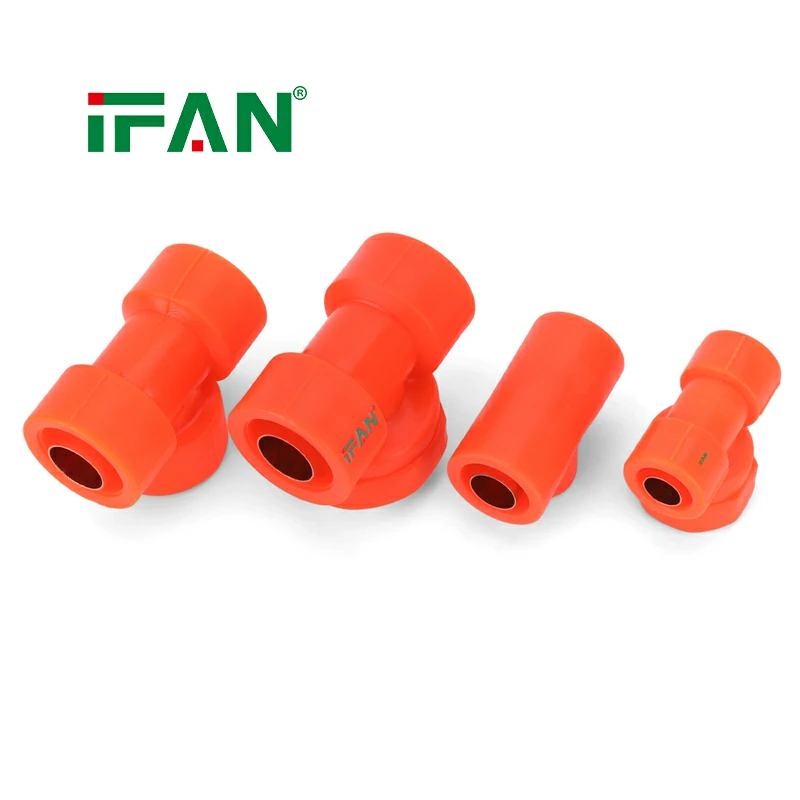
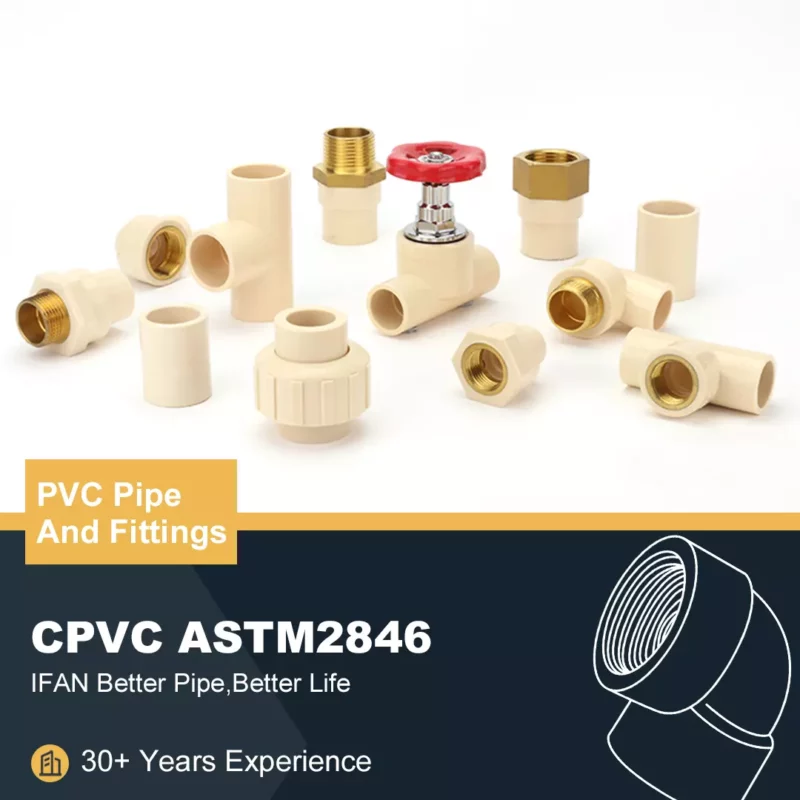
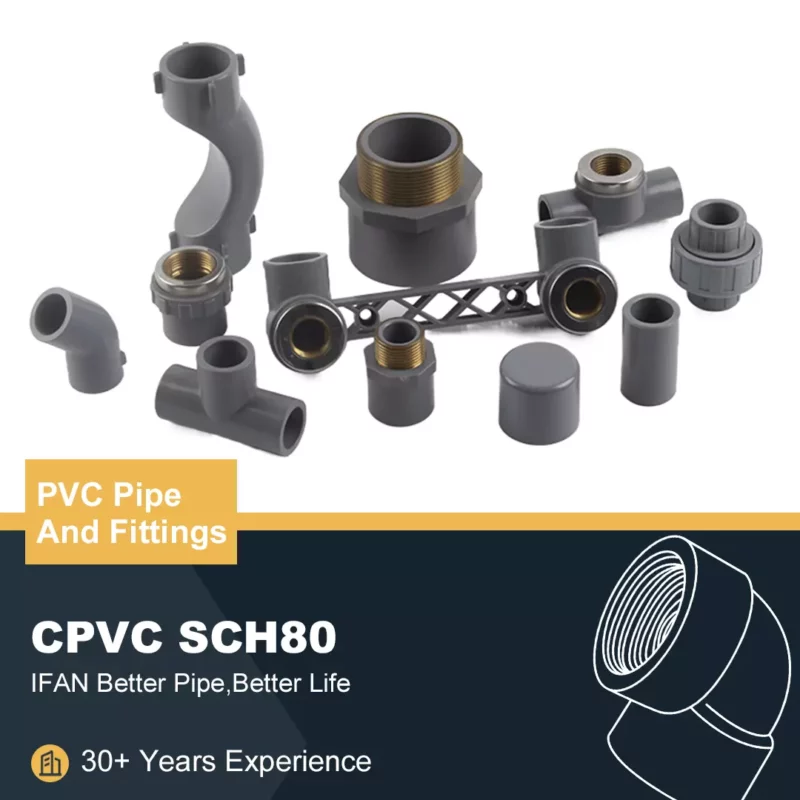
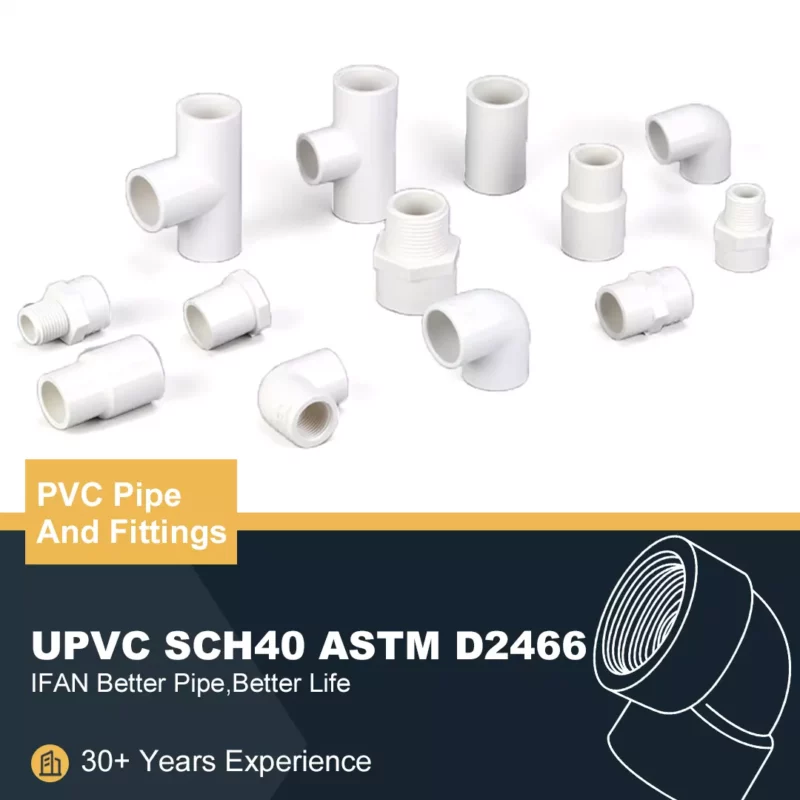
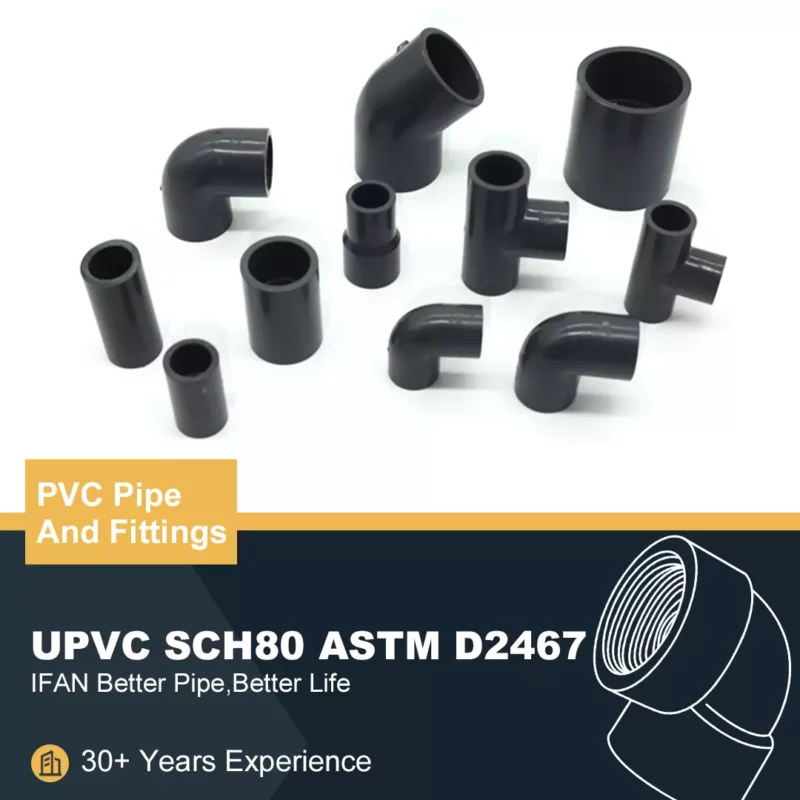
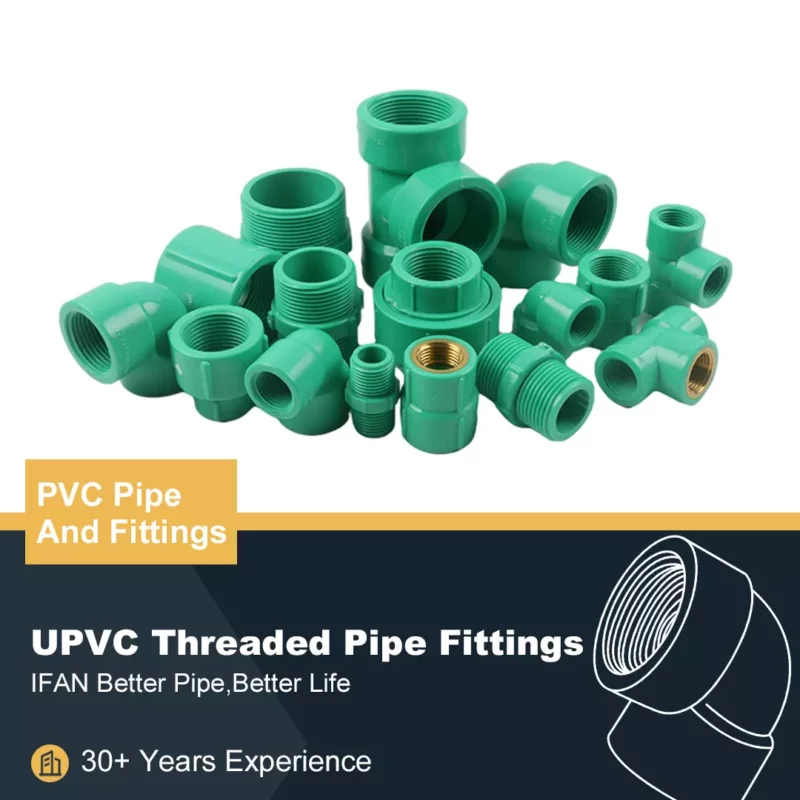
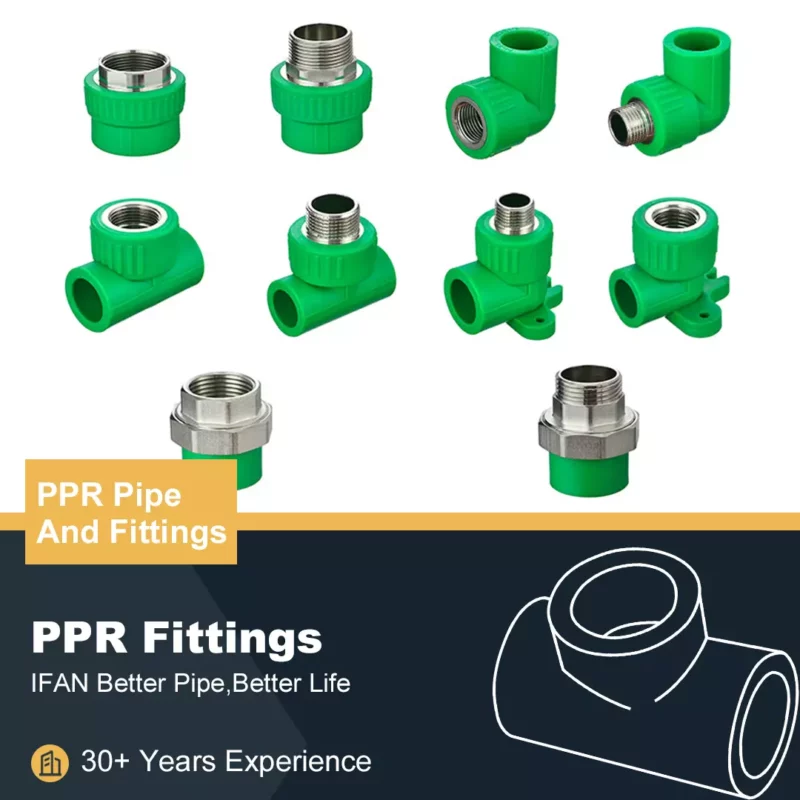
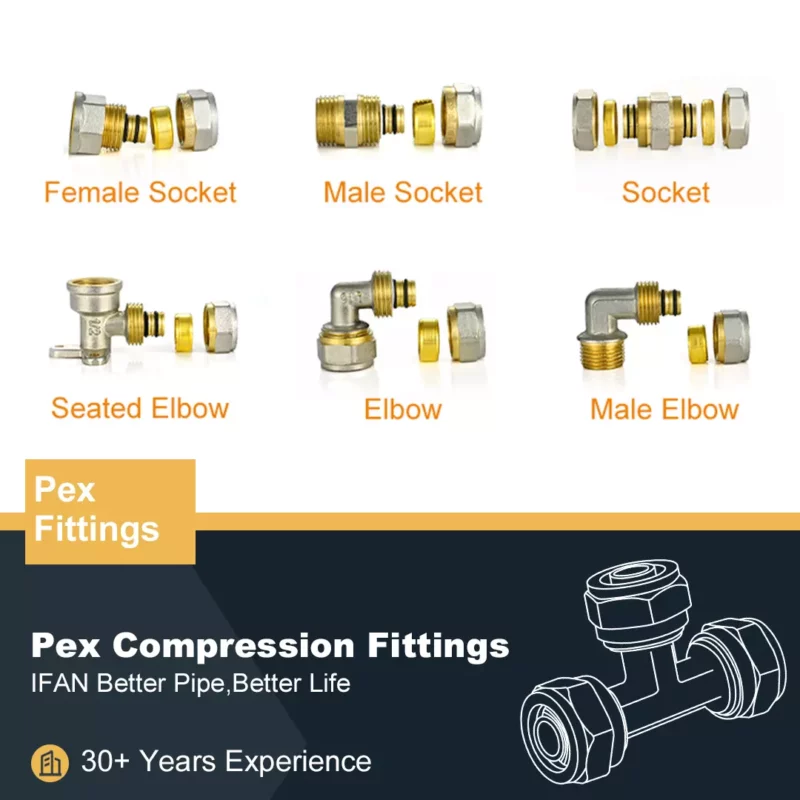
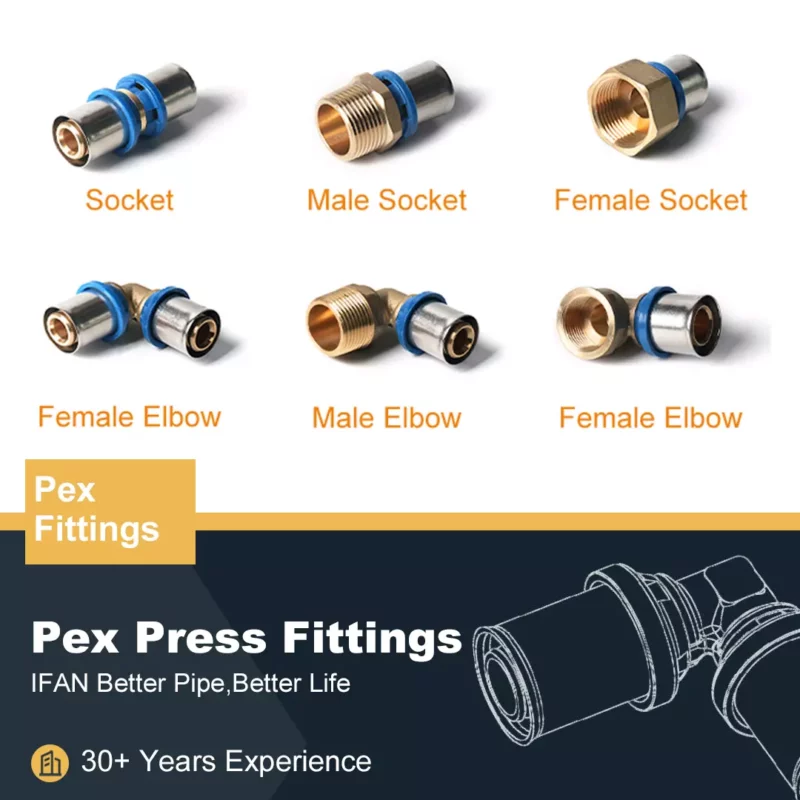
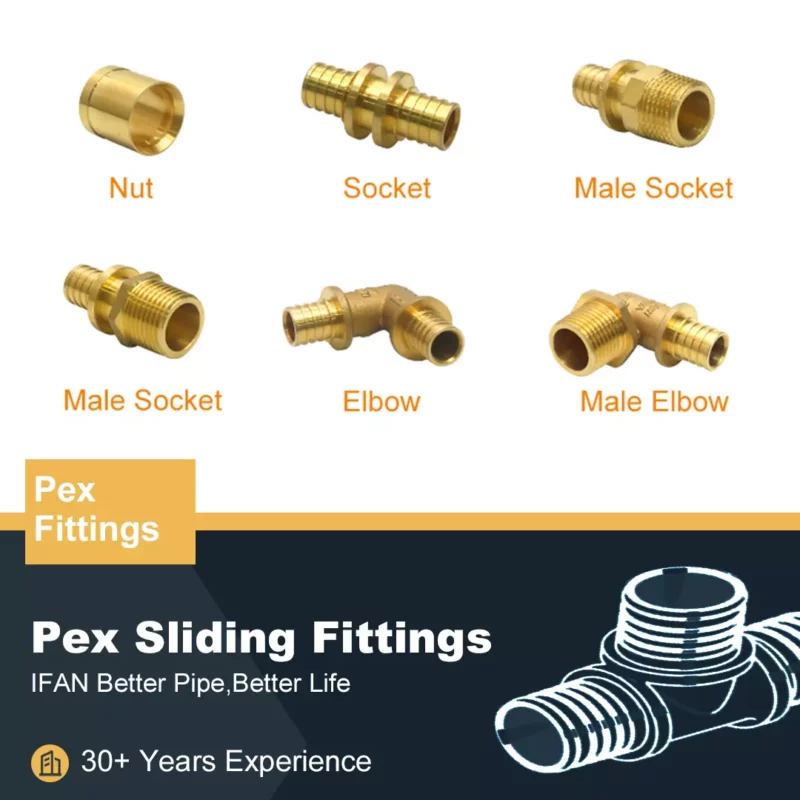
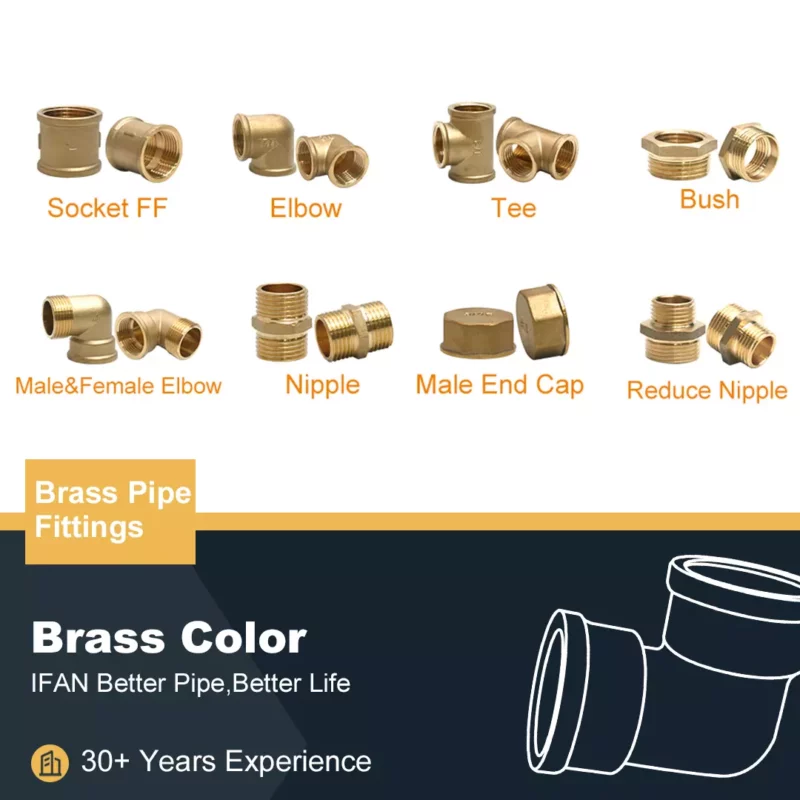
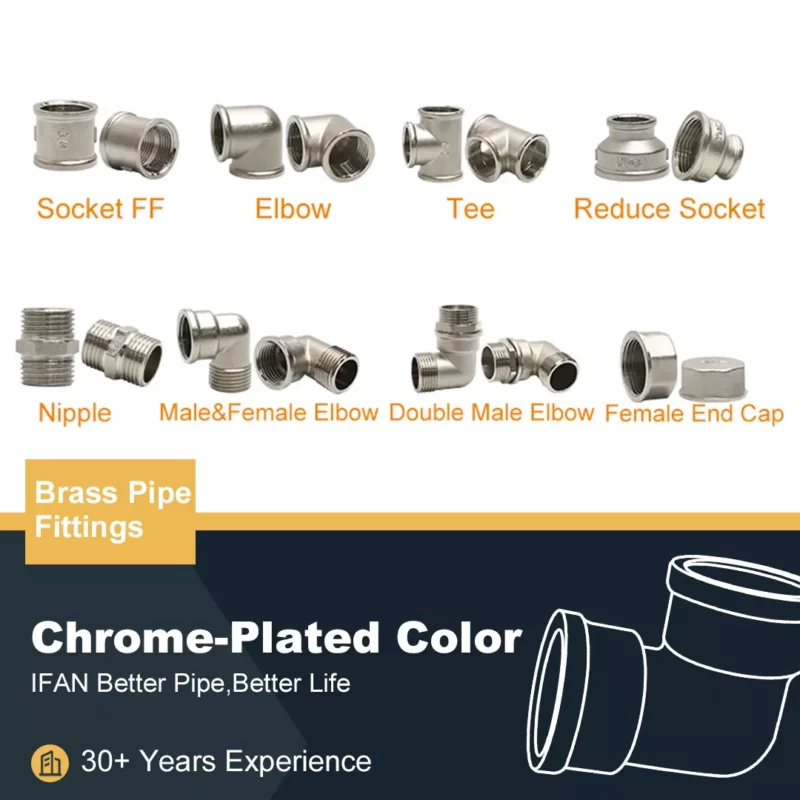
CPVC pipe fittings are used to connect, join, and change the direction of CPVC piping systems. These fittings come in various shapes, sizes, and configurations, such as elbows, tees, couplings, and adapters. They are designed to provide a secure, leak-proof connection when installed correctly.
For example, in a home’s water distribution system, CPVC elbows and tees are commonly used to change the direction of water flow, while couplings join sections of piping together. The leak-proof nature of these connections ensures long-term reliability without the need for frequent repairs.
2. Why Leak-Proof CPVC Pipe Fittings Matter
Leak-proof CPVC pipe fittings are crucial for preventing water, gas, or chemical leaks that can lead to costly repairs, water damage, or hazardous situations. Leaks in a piping system can result in wasted resources, increased utility bills, and significant damage to property. In industrial applications, leaks could lead to environmental hazards or unsafe working conditions.
For example, in a chemical plant, leaking pipes can lead to the escape of hazardous substances, posing serious risks to both personnel and the environment. In residential plumbing, leaks may result in water damage to floors, walls, and ceilings, leading to expensive repairs. Therefore, ensuring that CPVC pipe fittings are leak-proof is essential for both safety and efficiency.
3. Advantages of CPVC Pipe Fittings
CPVC pipe fittings offer numerous advantages over other materials like metal or PVC, especially when it comes to creating leak-proof systems. Some key advantages include:
- Chemical Resistance: CPVC is highly resistant to many corrosive chemicals, making it ideal for transporting aggressive liquids and gases without degradation. This resistance reduces the likelihood of leaks caused by chemical corrosion.
- High Temperature Tolerance: CPVC pipes can handle water temperatures up to 200°F (93°C), which makes them suitable for hot water systems. This high-temperature tolerance reduces the risk of leaks in water-heating applications.
- Corrosion Resistance: Unlike metal pipes, CPVC does not corrode, which means there is less chance of leaks caused by rusting or pitting. Over time, metal pipes tend to weaken and leak due to corrosion, but CPVC maintains its integrity.
- Ease of Installation: CPVC fittings are lightweight and easy to install. They can be joined using solvent cement, which ensures a tight, leak-proof seal. This ease of installation reduces the likelihood of human error during the process, ensuring fewer leaks.
- Cost-Effectiveness: CPVC pipes and fittings are generally more affordable than metal alternatives. The materials cost less, and the installation process is simpler, which leads to overall cost savings.
For instance, in a residential hot water supply system, CPVC fittings and pipes provide a leak-proof solution that resists corrosion and high temperatures, ensuring a long-lasting, reliable installation at a lower cost compared to copper or steel.
4. How Leak-Proof Connections Are Achieved
The key to creating leak-proof connections with CPVC pipe fittings lies in proper installation. CPVC fittings are typically connected to CPVC pipes using a process called solvent welding. This method involves applying a solvent cement to the pipe and fitting surfaces, which temporarily softens the plastic and allows them to bond together. Once the solvent evaporates, a strong, leak-proof seal is formed.
The solvent cement creates a molecular bond between the pipe and fitting, ensuring that the connection is as strong and durable as the pipe itself. When done correctly, this process creates an airtight and watertight seal that prevents leaks from occurring, even under pressure or high-temperature conditions.
For example, when installing a CPVC elbow in a home’s water supply system, the pipe and fitting are carefully cleaned and primed, and solvent cement is applied. Once the two components are joined, the bond is left to cure, ensuring a leak-free connection that will last for many years.
5. Common CPVC Pipe Fittings and Their Applications
CPVC pipe fittings come in a wide range of shapes and sizes to suit different applications. Some common types include:
- Elbows: Elbows are used to change the direction of the piping system. They come in 45°, 90°, and 180° configurations and are widely used in both residential and commercial applications.For instance, in a plumbing system, a 90° elbow may be used to divert water flow from a vertical pipe to a horizontal pipe.
- Tees: Tees are used to branch off from a main pipeline. They are commonly used to create a secondary line for another fixture, such as a sink or shower.In a household plumbing system, a tee fitting is often used to branch the main water line to various rooms.
- Couplings: Couplings are used to join two sections of pipe together. They ensure a continuous flow of water, gas, or chemicals throughout the system.For example, when extending a pipe in a plumbing system, a coupling would be used to connect the two segments of CPVC piping.
- Adapters: Adapters are used to connect CPVC pipes to other materials, such as metal or PVC pipes. They ensure that the transition is leak-proof and secure.In industrial settings, adapters may be used to connect CPVC piping systems to metal systems, ensuring leak-proof connections for chemical transport.
Each of these fittings plays a crucial role in ensuring a leak-free and efficient piping system. Choosing the right CPVC fitting for the application and ensuring proper installation is key to achieving a long-lasting, leak-proof result.
6. Installing Leak-Proof CPVC Pipe Fittings
Proper installation of CPVC pipe fittings is critical to achieving a leak-free system. Here are the general steps for installing CPVC fittings:
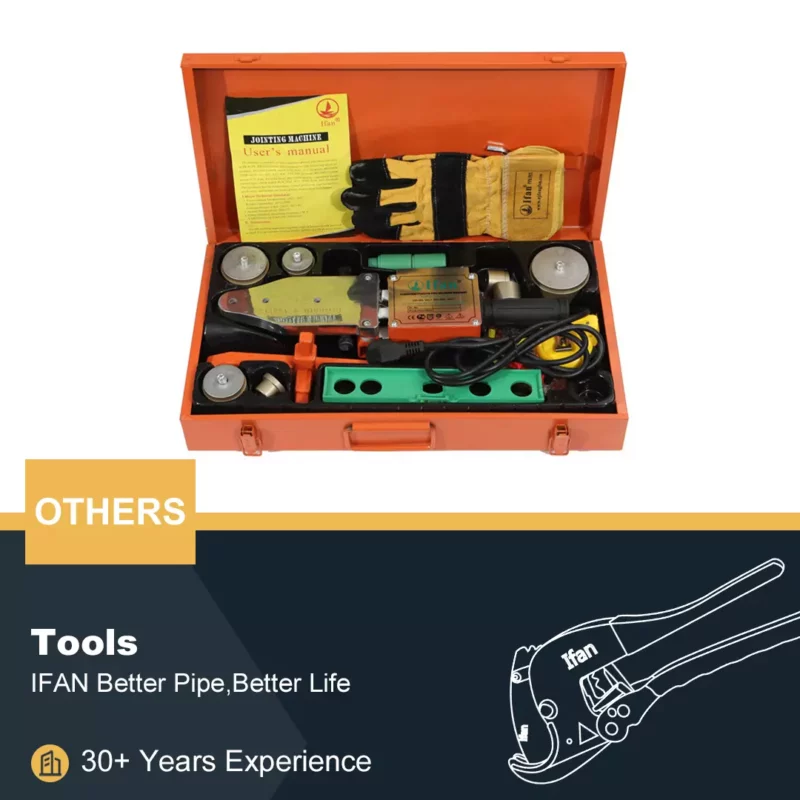
- Preparation: Before installation, ensure that the CPVC pipe and fittings are clean and free of dirt, dust, or oil. Use a pipe cleaner to remove any contaminants from the surfaces to be joined.
- Cutting the Pipe: If necessary, cut the CPVC pipe to the desired length using a pipe cutter or saw. Ensure that the cut is straight and smooth to avoid any issues during fitting.
- Priming and Cementing: Apply primer to the pipe and fitting surfaces to clean and prepare them for solvent cement. After priming, apply a generous amount of solvent cement to both surfaces. Quickly insert the pipe into the fitting, giving it a slight twist to ensure an even distribution of the cement.
- Firmly Hold: Hold the pipe and fitting together for a few seconds to allow the bond to form. This step ensures that the connection is secure and leak-proof.
- Curing: Allow the cemented connection to cure for the recommended time before turning on the water or gas supply. The curing time ensures that the bond is strong and the system is leak-proof.
- Testing for Leaks: After installation, it’s essential to test the system for any potential leaks. Turn on the water or gas supply slowly, checking all connections for signs of leakage. If leaks are found, they can often be fixed by reapplying solvent cement or tightening the connections.
By following these steps and using the appropriate materials, CPVC pipe fittings can be installed quickly and reliably, providing a leak-proof solution for a wide range of applications.
7. Maintaining Leak-Proof CPVC Pipe Systems
While CPVC pipe fittings are designed to be durable and leak-proof, regular maintenance can ensure that the system continues to function optimally. Here are some maintenance tips:
- Inspect for Damage: Regularly inspect CPVC pipes and fittings for any visible cracks, leaks, or signs of wear. If any issues are found, replace the affected fittings immediately to prevent further damage.
- Avoid Overheating: CPVC pipes are resistant to high temperatures, but prolonged exposure to extreme heat can weaken the material. Avoid placing CPVC pipes near heat sources, such as boilers or furnaces, without proper insulation.
- Check Connections: Ensure that all connections are secure and that there is no movement or loosening of fittings. Tighten connections if necessary, but avoid overtightening, as this can cause damage.
For example, in a commercial building’s hot water system, periodic checks of CPVC pipe fittings can prevent leaks and ensure long-term efficiency.
8. Conclusion
Leak-proof CPVC pipe fittings offer a reliable and cost-effective solution for plumbing, industrial, and chemical applications. Their durability, chemical resistance, and ease of installation make them a popular choice for both residential and commercial systems. Proper installation and maintenance are essential to achieving long-lasting, leak-free performance. By using high-quality CPVC fittings and following best practices for installation, you can ensure that your piping system remains secure, efficient, and free from leaks for years to come.
If you have read this article and have any questions, please feel free to contact IFAN. Below is our contact information:
Whatsapp:+86 13373827623
Email:[email protected]