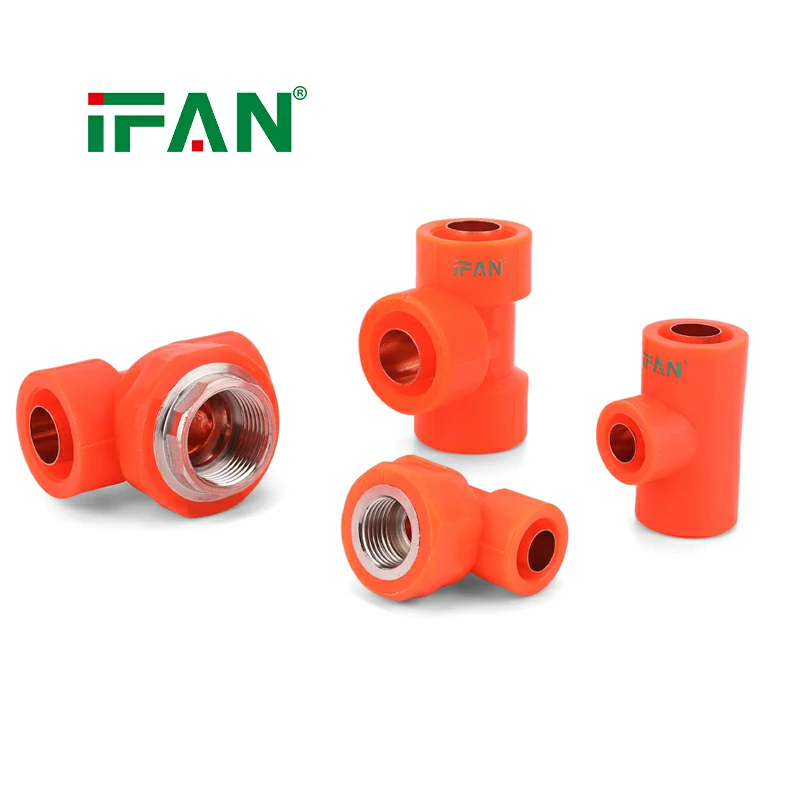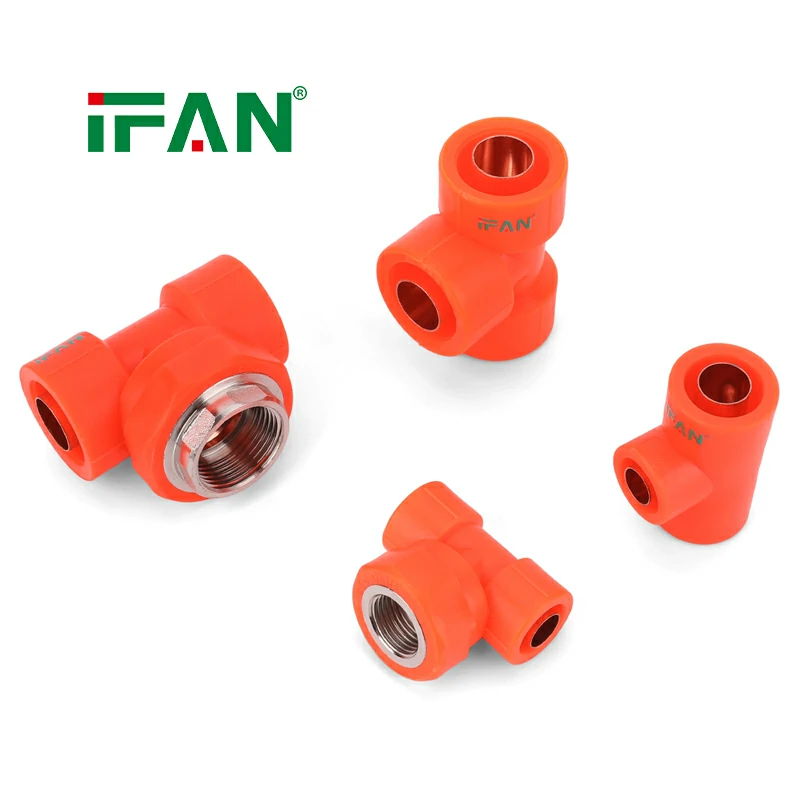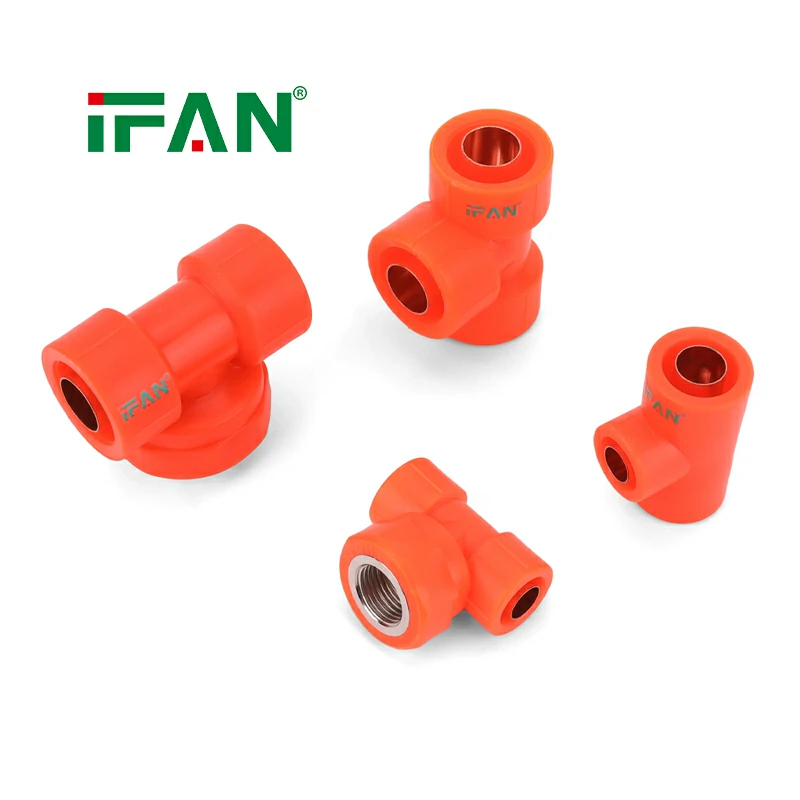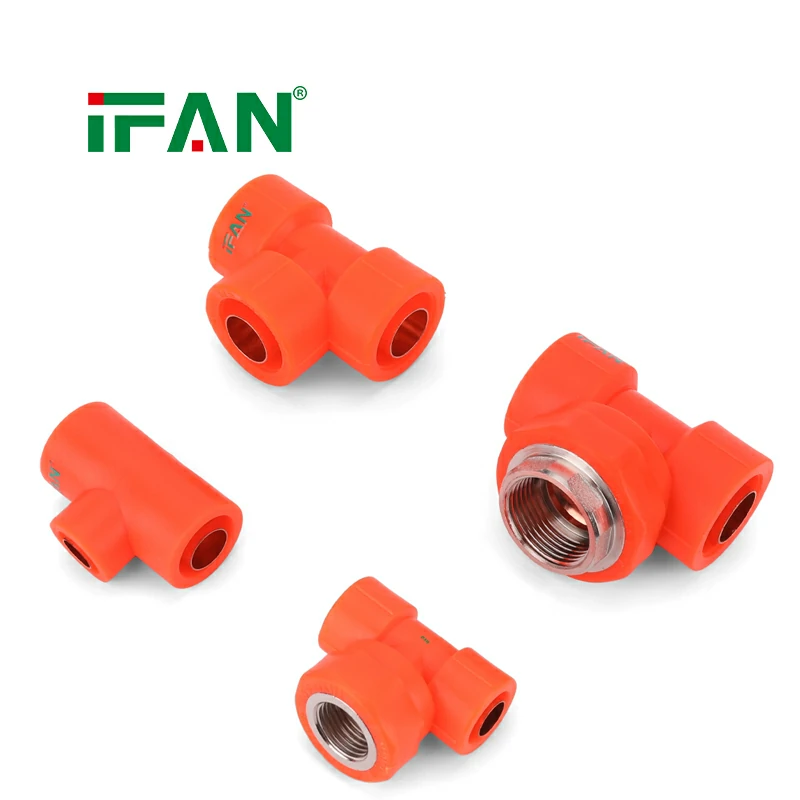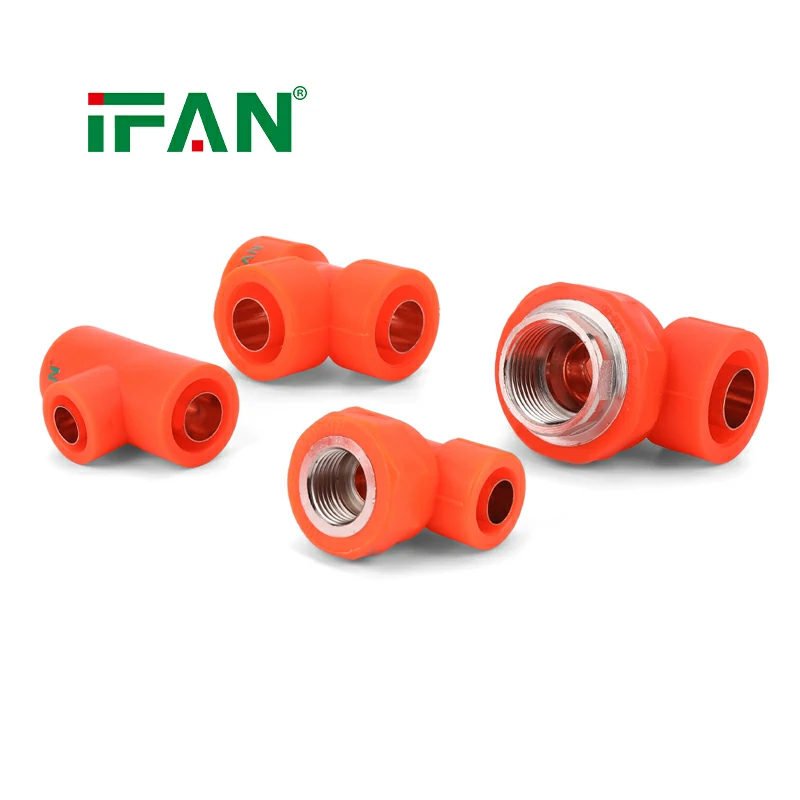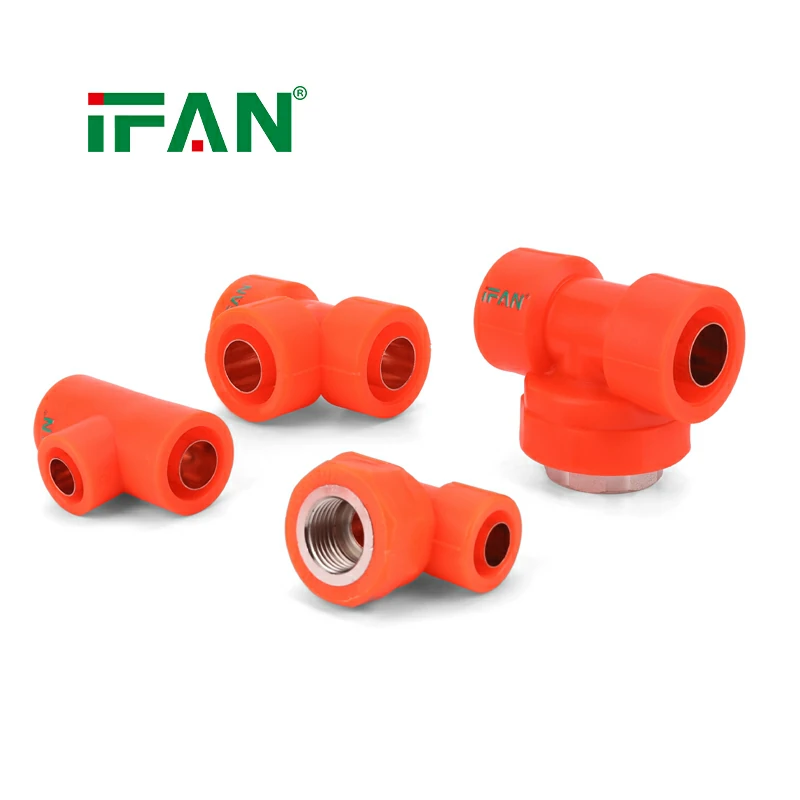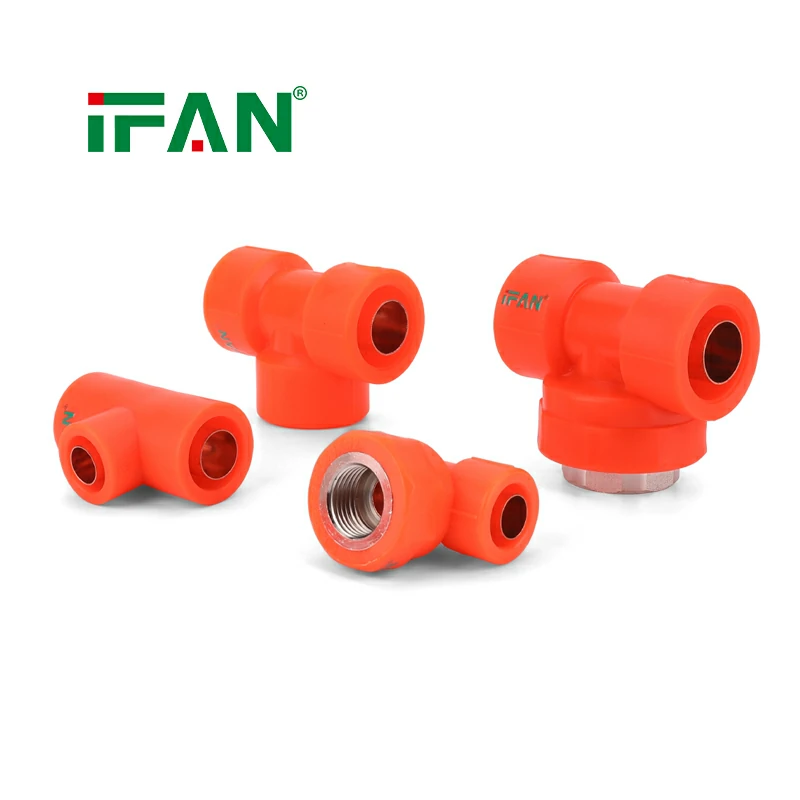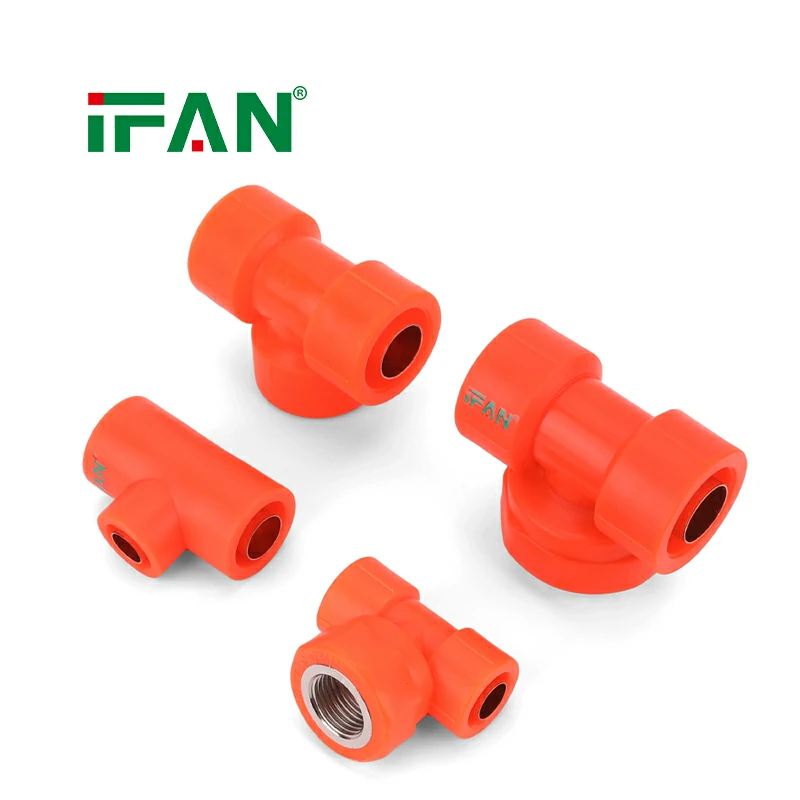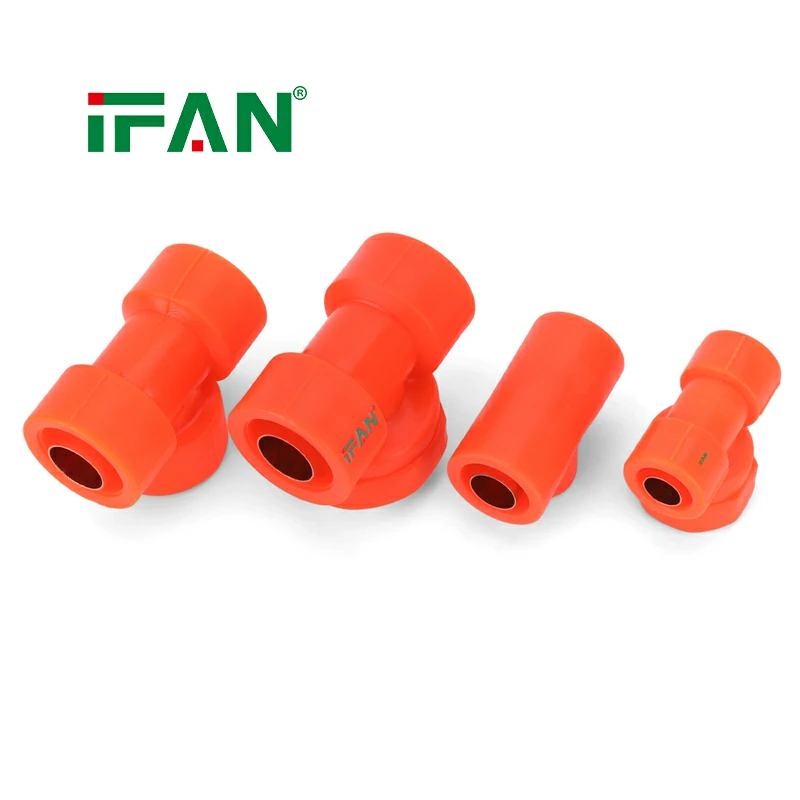
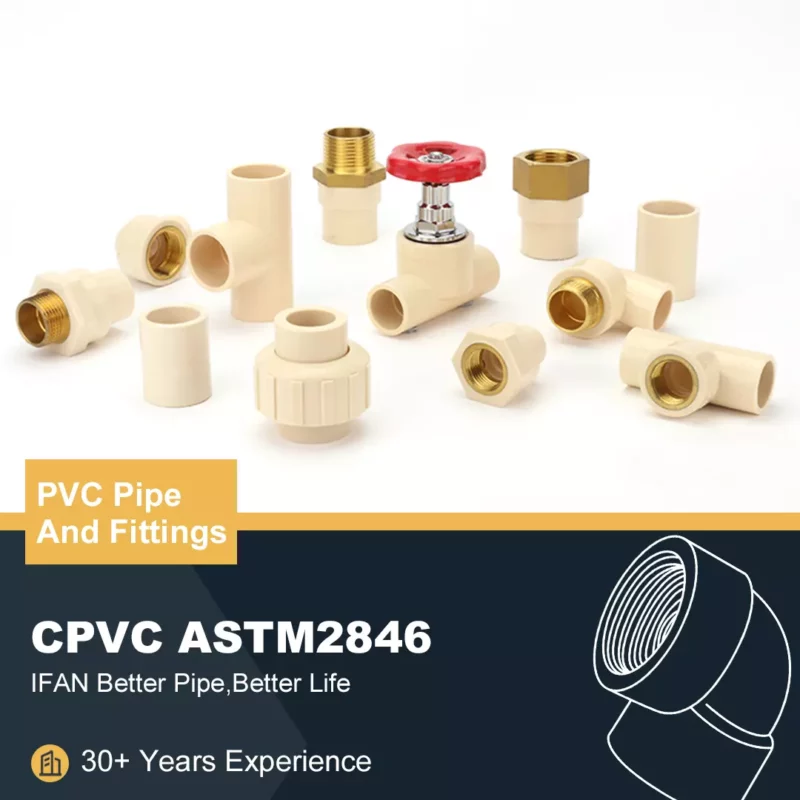
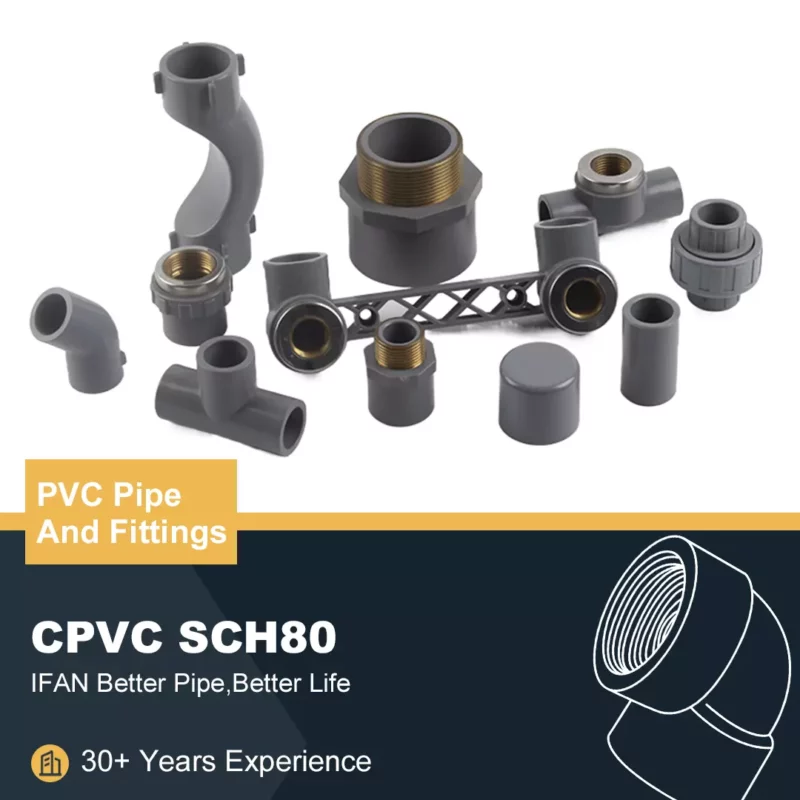
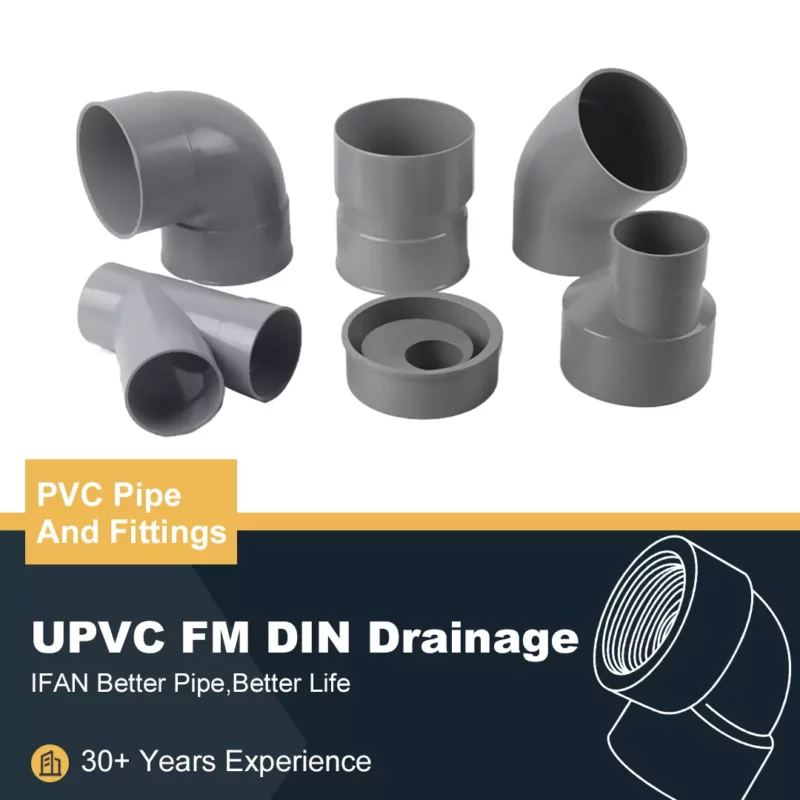
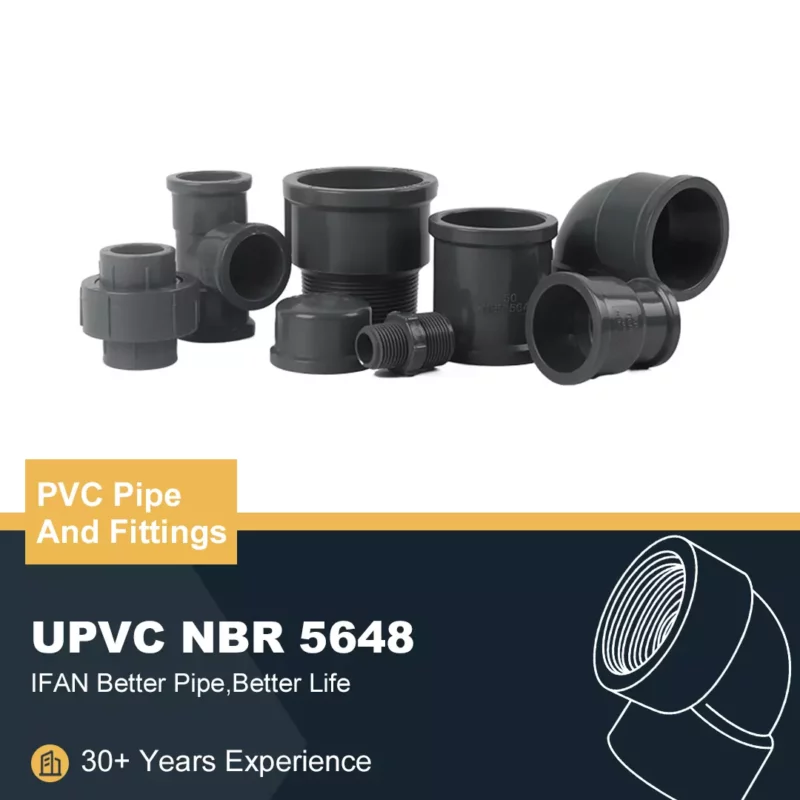
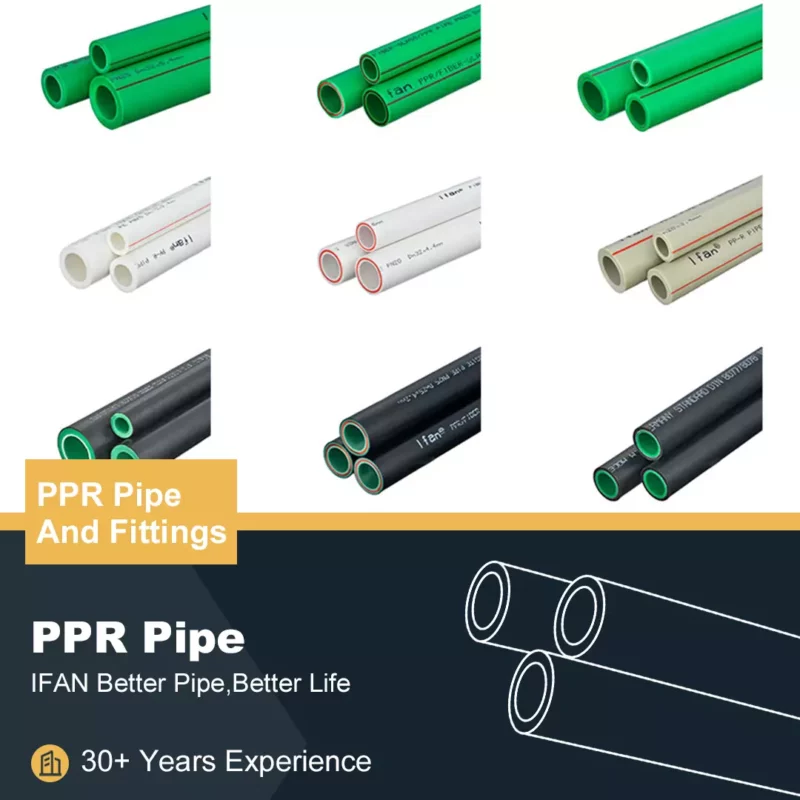
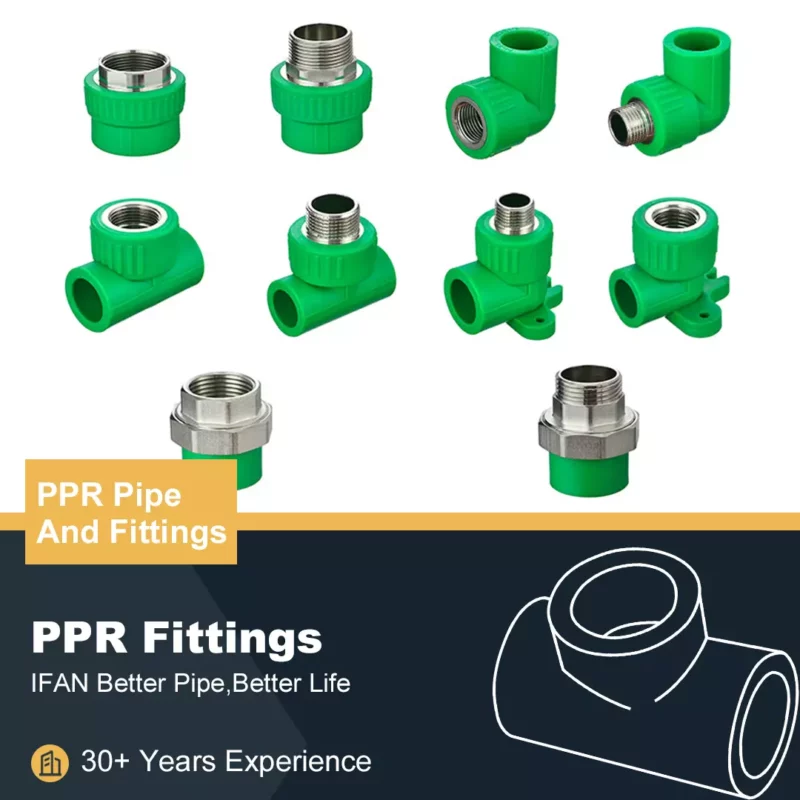
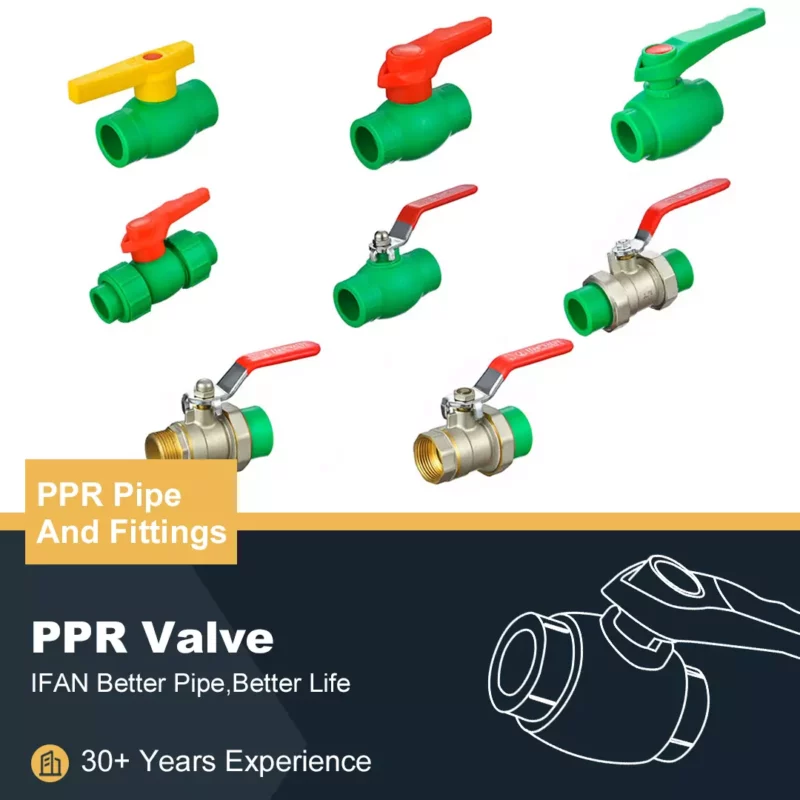
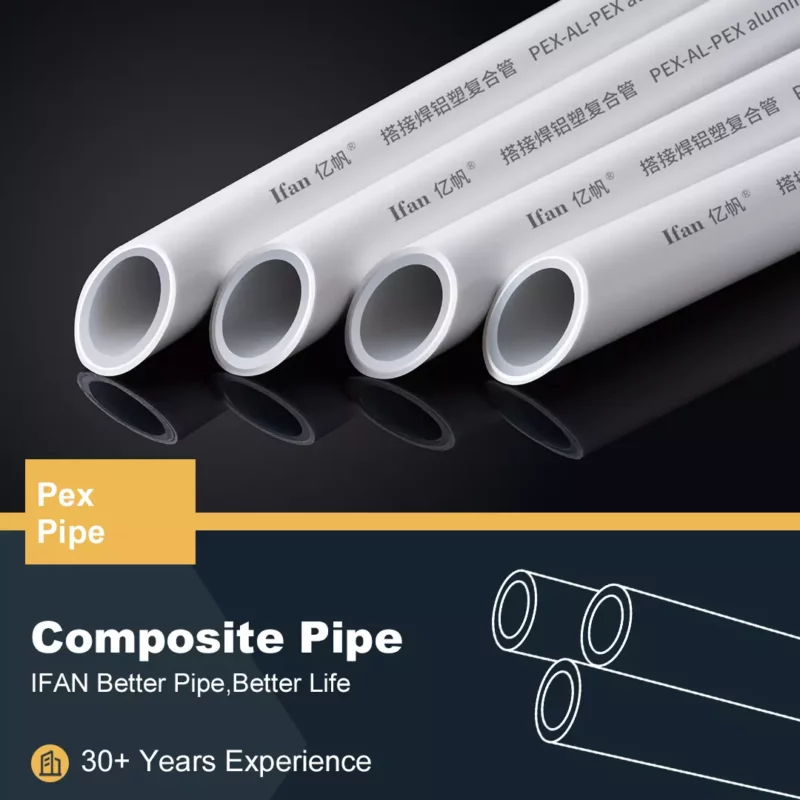
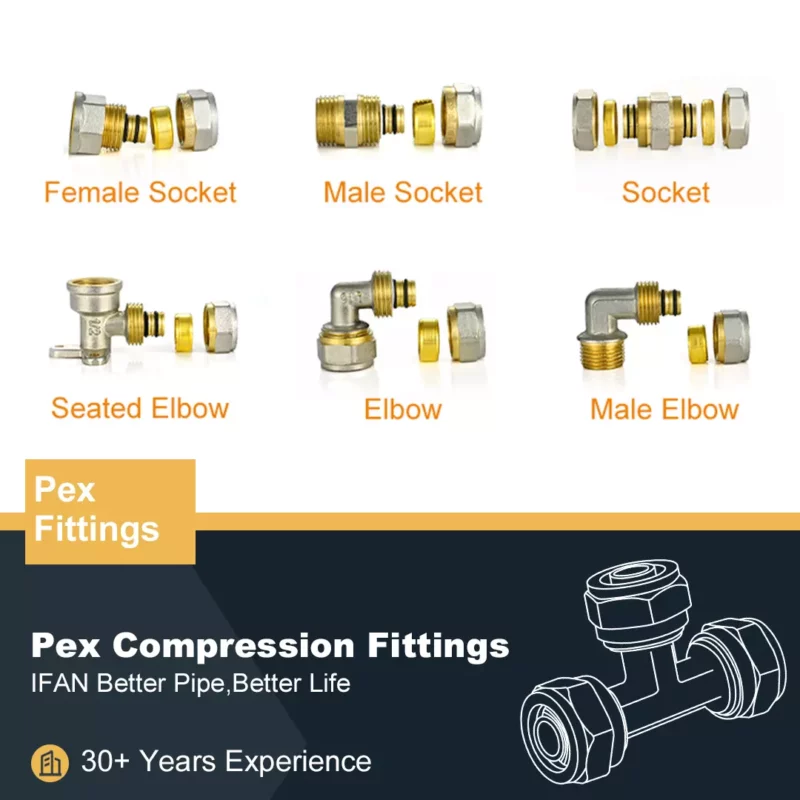
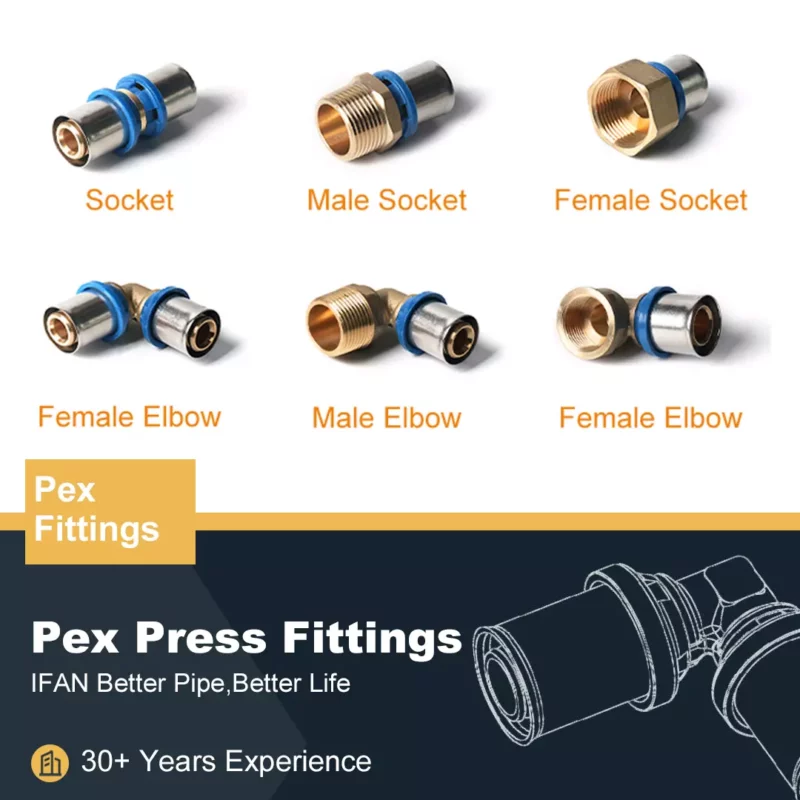
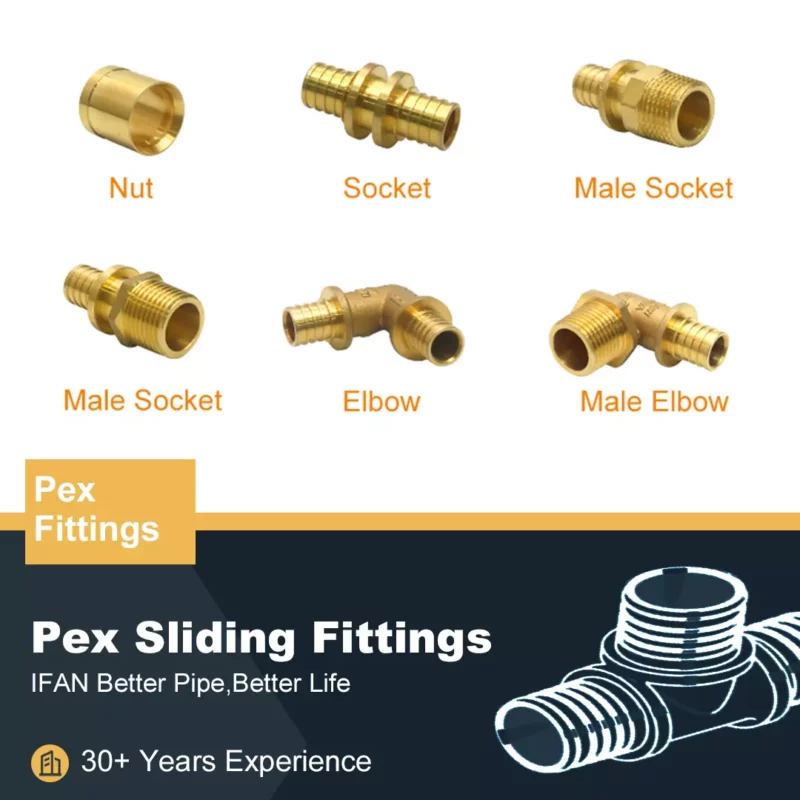
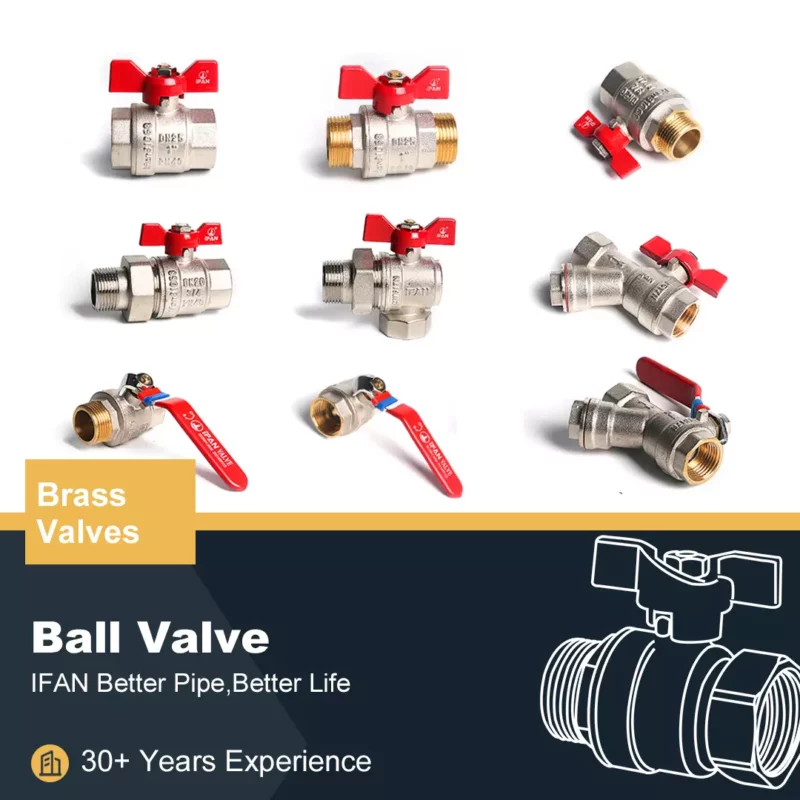
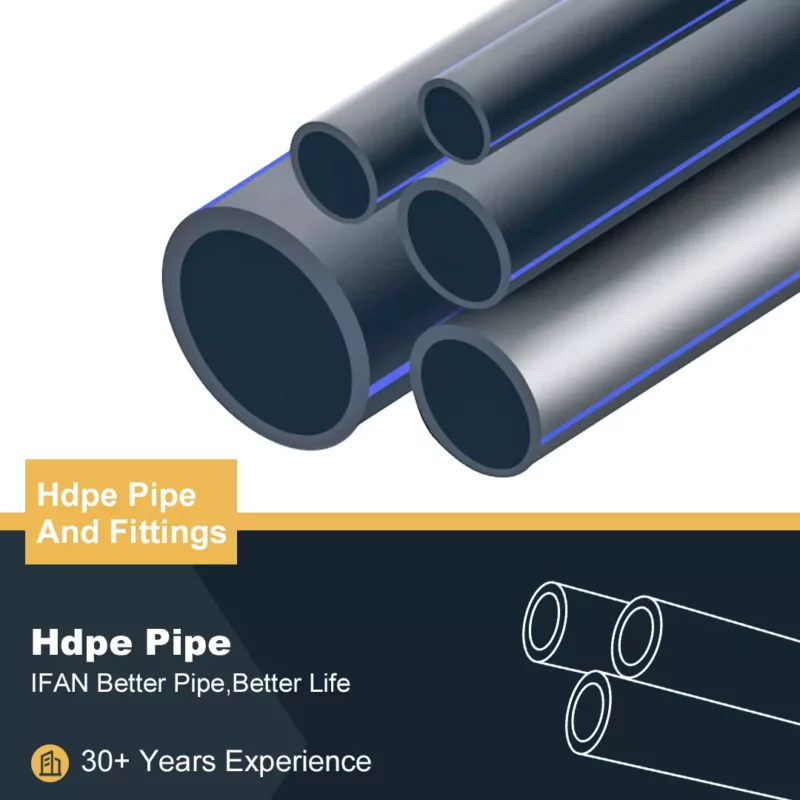
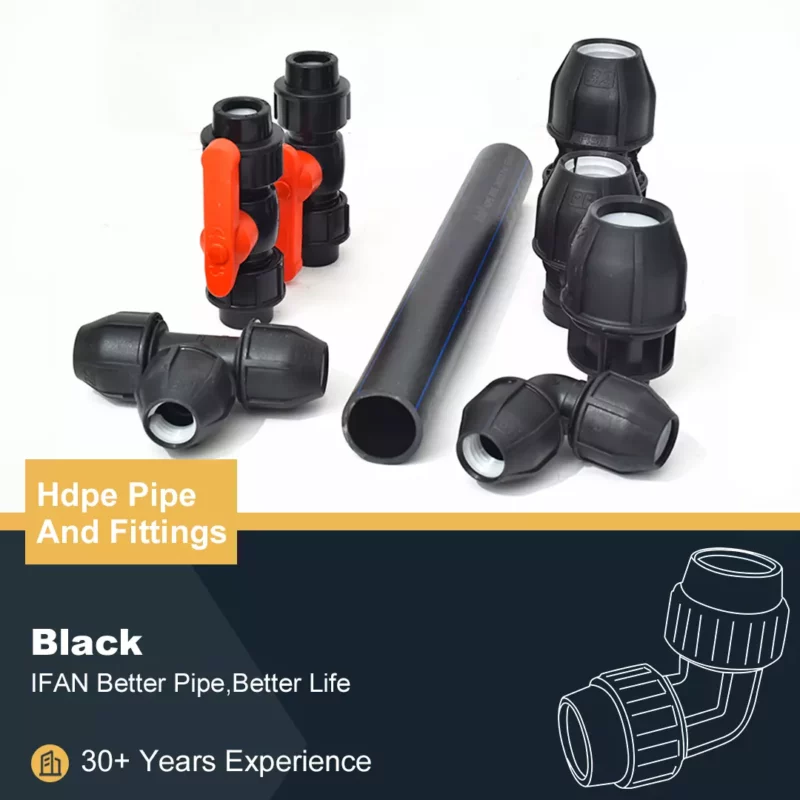
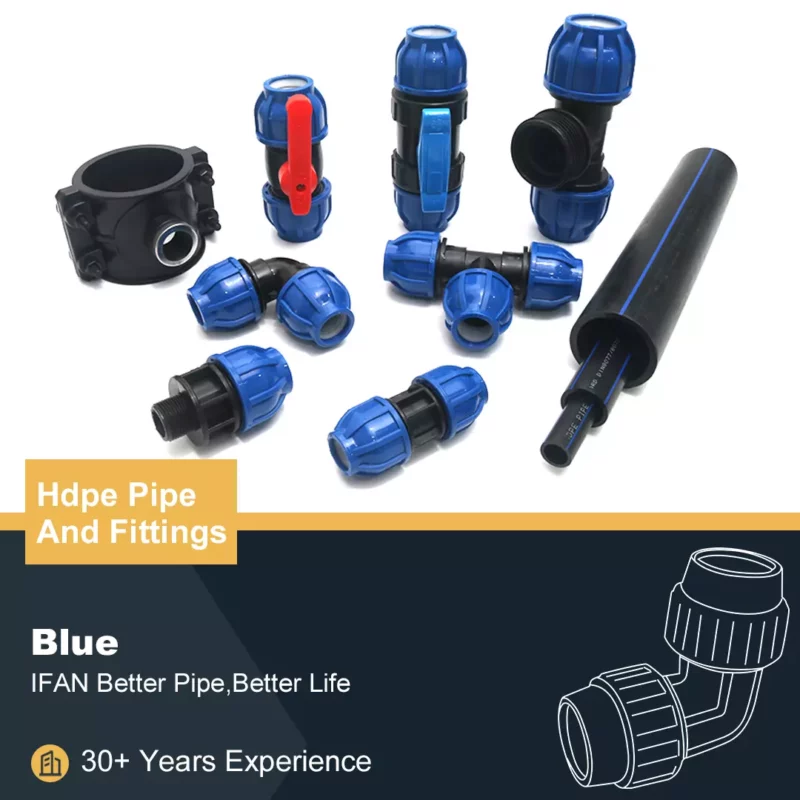
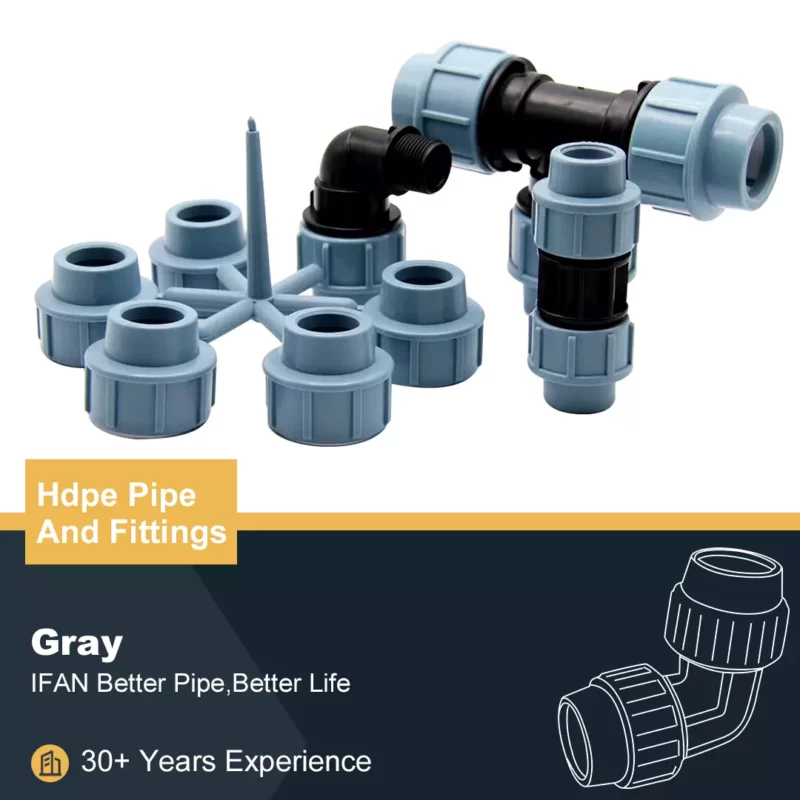


PPR (Polypropylene Random Copolymer) pipes have gained popularity in modern plumbing and piping systems due to their combination of affordability, durability, and ease of use. Known for being a cost-effective solution, PPR pipes are used in both residential and commercial applications. They offer a viable alternative to traditional materials like PVC and metal pipes. In this article, we will explore the cost-effective advantages of PPR pipes, their applications, and the reasons why they are a preferred choice for many plumbing systems worldwide.
1. What is PPR Pipe?
PPR pipe is made from a type of polypropylene, a thermoplastic polymer known for its versatility and strength. Polypropylene random copolymer (PPR) is created by polymerizing a mixture of propylene monomers and small amounts of ethylene or other co-monomers. This material is characterized by its high resistance to temperature fluctuations, pressure, and most chemicals. It is also highly resistant to wear and corrosion, making it a suitable option for long-term piping systems.
PPR pipes are available in various diameters and lengths, making them adaptable to a wide range of plumbing applications. They are often used for hot and cold water supply systems, heating systems, and industrial pipelines. Due to their strength and versatility, PPR pipes are a popular choice for both residential and commercial projects.
2. Cost Advantages of PPR Pipes
The most significant appeal of PPR pipes is their cost-effectiveness. Compared to other piping materials like copper or stainless steel, PPR pipes are significantly more affordable. The primary reason for this is that the manufacturing process of PPR pipes is less expensive than that of metal pipes. Additionally, PPR pipes require fewer resources to produce, making them less energy-intensive.
For example, installing a PPR pipe system in a residential building costs less than using copper or steel pipes. This makes PPR pipes an attractive option for homeowners and builders looking to reduce their project budgets while still ensuring a durable, reliable system. The cost savings extend not only to the initial purchase price but also to installation and long-term maintenance.
3. Lower Installation Costs
In addition to their affordable material cost, PPR pipes have relatively low installation costs. The lightweight nature of PPR pipes makes them easier to handle and install compared to heavier metal pipes. This reduces the need for specialized labor or heavy equipment, leading to lower installation expenses.
For example, in a commercial building, the installation of a PPR pipe system might take significantly less time than using copper or steel pipes. This reduction in labor costs can translate to a substantial overall savings on the project.
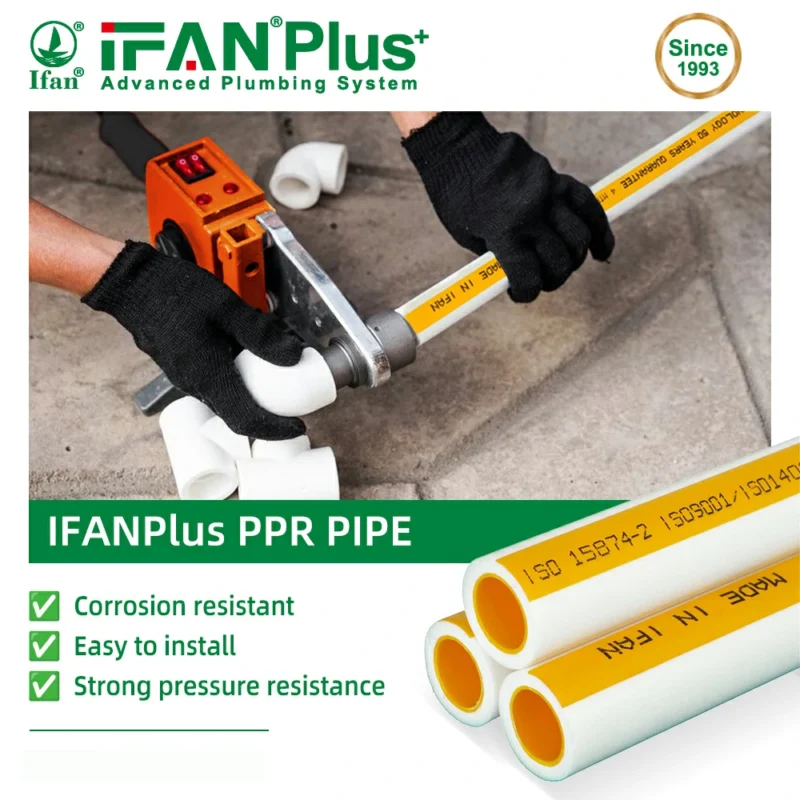
Moreover, PPR pipes are easy to join using heat fusion welding, which further simplifies the installation process. Unlike traditional metal pipes, which require soldering or threading, PPR pipe are joined by welding, ensuring a secure and leak-free connection without the need for expensive fittings or labor-intensive techniques.
4. Durability and Longevity
The durability of PPR pipes is another key factor that contributes to their cost-effectiveness. PPR pipes are resistant to corrosion, scaling, and pitting, which are common issues faced by metal pipes over time. This means that PPR pipes are less likely to need repairs or replacements, reducing long-term maintenance costs.
In industrial settings, PPR pipe can last for decades without any significant degradation, even when exposed to harsh chemicals or extreme temperatures. This longevity ensures that PPR pipes continue to perform reliably over time, eliminating the need for frequent replacements. For example, a PPR piping system installed in a residential building can last for Long-term durability according to standards or more, saving homeowners the cost and inconvenience of early pipe replacement.
PPR pipes don’t suffer from rust or scaling. This improves efficiency and extends the lifespan of pipes. It reduces costly blockages and water contamination. PPR pipes are safer and more cost-effective for water systems.
5. Energy Efficiency and Thermal Insulation
PPR pipes offer excellent thermal insulation properties, making them a more energy-efficient choice for plumbing systems. The pipes are able to retain heat for longer periods, reducing the need for additional heating in hot water supply systems. This is particularly beneficial in systems where hot water is required for prolonged periods, such as in homes, hotels, or commercial kitchens.
PPR pipes improve energy efficiency by minimizing heat loss. This reduces energy consumption costs. In large buildings, PPR pipes reduce heating costs. They maintain a consistent water temperature, lowering energy usage.
The energy efficiency of PPR pipes also extends to their resistance to condensation. Since PPR pipes do not conduct heat as readily as metal pipes, they reduce the likelihood of condensation forming on the surface, which can lead to water damage or mold growth in buildings.
6. Resistance to Chemicals and Corrosion
PPR pipes are highly resistant to a wide range of chemicals, making them suitable for industrial and commercial applications where corrosive substances are common. Unlike metal pipes, which can corrode when exposed to acidic or alkaline solutions, PPR pipes remain unaffected by most chemicals, including acids, bases, and salts.
For example, PPR pipes are commonly used in chemical processing plants to transport aggressive liquids and gases. The pipes maintain their structural integrity even when exposed to highly corrosive chemicals, ensuring that they do not deteriorate or leak over time. This resistance to chemicals reduces the need for frequent replacements or repairs, ultimately lowering maintenance costs.
In residential applications, PPR pipes are also resistant to the formation of scale and sediment, which can clog or damage other types of pipes over time. This makes them particularly beneficial for water supply systems in areas with hard water, as PPR pipes remain free from mineral buildup.
7. Environmental Impact and Sustainability
PPR pipes are considered an environmentally friendly option due to their recyclability and low environmental impact during production. The production process for PPR pipes generates fewer greenhouse gases and consumes less energy than the manufacturing of metal pipes, making them a more sustainable choice for eco-conscious consumers and builders.
Moreover, PPR pipes can be recycled at the end of their useful life, reducing waste and promoting a circular economy. For example, old PPR pipes can be melted down and repurposed to create new piping products, further minimizing their environmental footprint.
PPR pipes are recyclable and free from harmful chemicals like lead or cadmium. They are safer and more environmentally responsible. This makes them ideal for water and gas supply systems. PPR pipes are particularly suited for residential buildings with clean drinking water priorities.
8. Wide Range of Applications
PPR pipes are versatile and suitable for a wide range of applications, both residential and commercial. They are commonly used in:
- Hot and Cold Water Supply Systems: PPR pipes are ideal for domestic water systems due to their resistance to both high and low temperatures. They are widely used in homes, offices, and hotels for reliable water delivery.
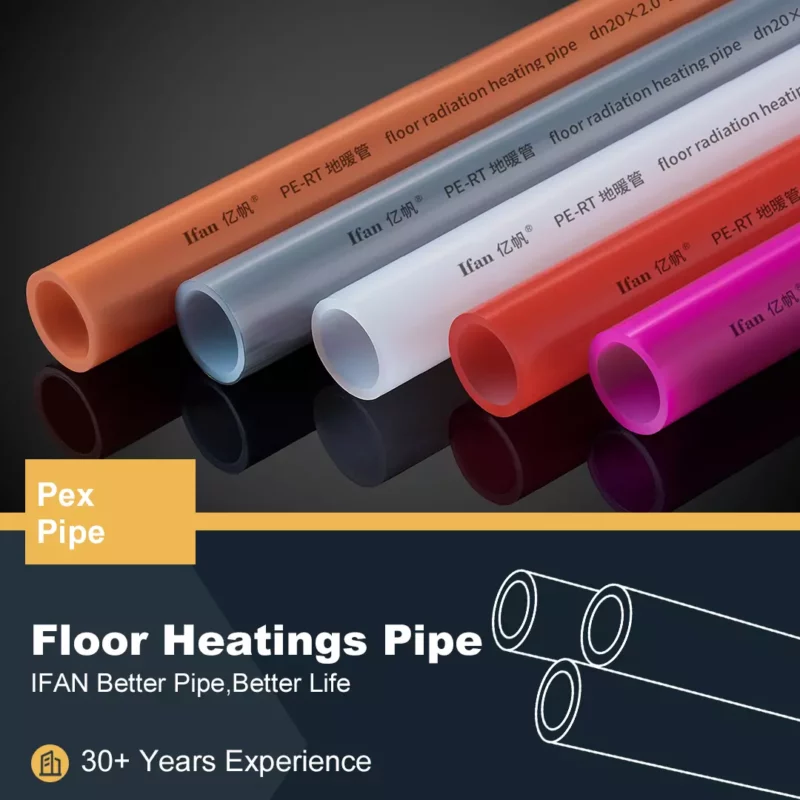
- Heating Systems: PPR pipes are often used in radiant heating systems, underfloor heating, and HVAC systems. Their high-temperature resistance and low thermal conductivity make them an efficient choice for heating applications.
- Industrial Piping: Due to their resistance to chemicals and corrosion, PPR pipes are often used in industrial processes that require the transport of aggressive liquids and gases.
- Agricultural Systems: PPR pipes are commonly used in irrigation systems and other agricultural applications, where their resistance to wear and weathering ensures long-term reliability.
For example, in a large-scale agricultural irrigation system, PPR pipes can efficiently transport water without the need for constant repairs or replacements. The cost savings in terms of both installation and maintenance make PPR pipes an attractive choice for farmers.
9. Minimal Maintenance Requirements
PPR pipes are known for their minimal maintenance requirements, contributing to their overall cost-effectiveness. Since they are resistant to corrosion, scaling, and sediment buildup, PPR pipes require less frequent inspections and maintenance compared to traditional metal pipes.
In residential plumbing systems, this means fewer repairs and replacements over the years, resulting in long-term savings for homeowners. Similarly, businesses and industries that rely on PPR pipes can reduce operational downtime and maintenance costs by choosing PPR for their piping needs.
For instance, in a hotel or hospital, the use of PPR pipes ensures that hot and cold water supply systems remain reliable without frequent service calls. This reduces maintenance costs and ensures that the water supply continues to function without interruptions.
10. Conclusion
PPR pipes offer a cost-effective solution for a variety of plumbing and piping needs. Their affordability, durability, and resistance to chemicals, corrosion, and temperature fluctuations make them an ideal choice for both residential and commercial applications. The low installation costs, long lifespan, and minimal maintenance requirements of PPR pipes further contribute to their overall cost-effectiveness. Additionally, their environmental sustainability and wide range of applications make them an attractive option for eco-conscious consumers and industries. Whether used for hot and cold water supply, heating systems, or industrial applications, PPR pipes provide a reliable, cost-saving solution that meets the needs of modern plumbing systems.
If you have read this article and have any questions, please feel free to contact IFAN. Below is our contact information:
Whatsapp:+86 13373827623
Email:[email protected]