





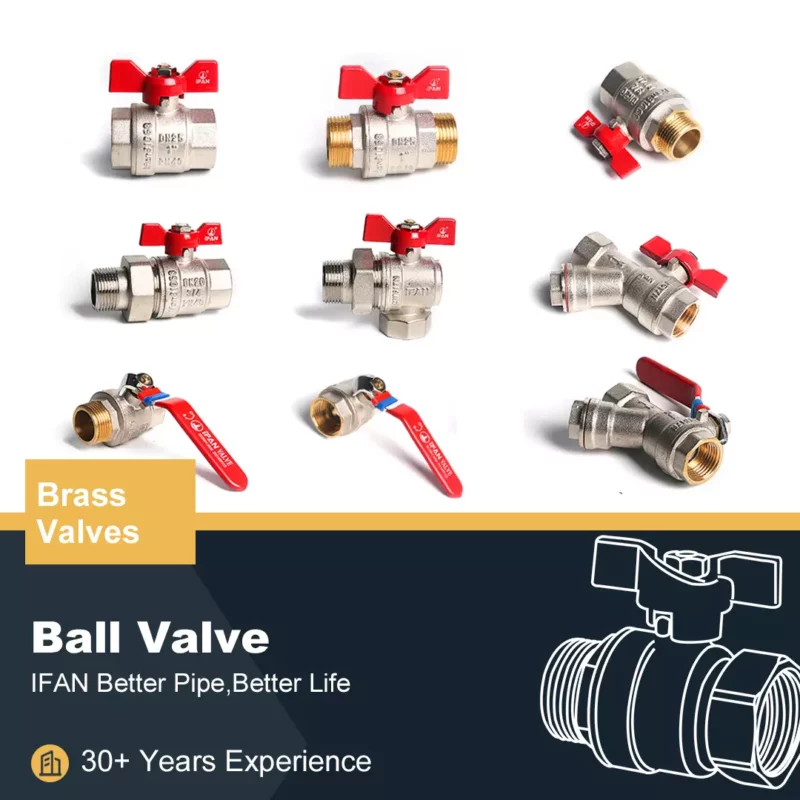








Installing a brass float valve correctly ensures its long-term efficiency and reliability. A well-installed float valve controls liquid levels automatically in tanks, toilets, and other systems. Follow these installation tips to ensure smooth operation and prevent common issues.
Choose the Right Brass Float Valve
First, select the right brass float valve for your application. Consider the size of your tank, pipe fittings, and the type of liquid involved. Ensure the valve matches the system’s pressure requirements and flow rate. A valve that fits the system’s specific needs will function better and last longer.
Prepare the Installation Area
Before installing the valve, inspect the installation area. Clean the tank or system thoroughly to remove dirt and debris. Any buildup can obstruct the valve’s movement, affecting its performance. Also, check for any corrosion or damage in the tank or pipes. Address any issues before beginning the installation process.
Turn Off Water Supply
Always turn off the water supply before starting the installation. This prevents leaks and water damage during the installation process. After shutting off the water, drain any remaining water from the system to avoid spillage. Work in a dry environment to ensure a clean and secure installation.
Install the Valve at the Correct Height
Install the brass float valve at the correct height in the tank. The float should allow for full movement when the liquid level rises and falls. Position the valve so that the float can move freely without obstruction. A poorly positioned float may cause the valve to malfunction, leading to overflow or dry running.
Check the Valve’s Alignment
Ensure that the float valve is aligned correctly with the tank’s inlet. Misalignment can cause the valve to stick or fail to open and close properly. Adjust the valve to ensure a straight and even alignment with the pipe. Proper alignment allows for efficient water flow control.
Connect the Valve to the Pipe
Connect the valve to the water supply pipe using the appropriate fittings. Use thread tape or sealant on the pipe threads to prevent leaks. Tighten the connections securely, but avoid overtightening, as this can damage the valve or fittings. Ensure there are no gaps between the valve and pipe to prevent water from leaking.
Test the Valve for Proper Function
Once the valve is installed, turn on the water supply and test the valve. Watch for any signs of leaks or malfunctions. Check if the valve opens and closes correctly in response to the changing liquid level. If the valve does not function properly, check the float and alignment. Make any necessary adjustments.
Inspect the Float and Sealing Mechanism
The float and the sealing mechanism should work smoothly after installation. Inspect the float to ensure it moves freely with the liquid level. Also, check that the valve’s seal is tight when the valve is closed. A loose seal can cause leaks and prevent proper operation. Adjust the seal if necessary to avoid water loss.
Regular Maintenance and Checks
To keep your brass float valve working efficiently, perform regular maintenance. Periodically check the valve for corrosion or wear, especially in areas with hard water. Clean the float and valve parts to prevent debris buildup. Check the connections for leaks and tighten them if needed. Regular inspections ensure that the valve performs well over time.
Avoid Common Installation Mistakes
Avoid common mistakes during installation. Do not over-tighten the fittings, as this can damage the valve. Ensure the valve is level to prevent malfunction. Do not install the valve in a location where it can get blocked by debris or other objects. Following these tips will ensure a smooth and effective installation.
Conclusion
Proper installation of a brass float valve is essential for smooth and reliable operation. Choose the right valve, install it at the correct height, and ensure proper alignment with the inlet pipe. Regular maintenance will help keep the valve in good working condition. By following these tips, you can prevent issues like leaks and malfunctions, ensuring your system operates efficiently.
If you have read this article and have any questions, please feel free to contact IFAN. Below is our contact information:
Whatsapp:+86 13373827623
Email:[email protected]