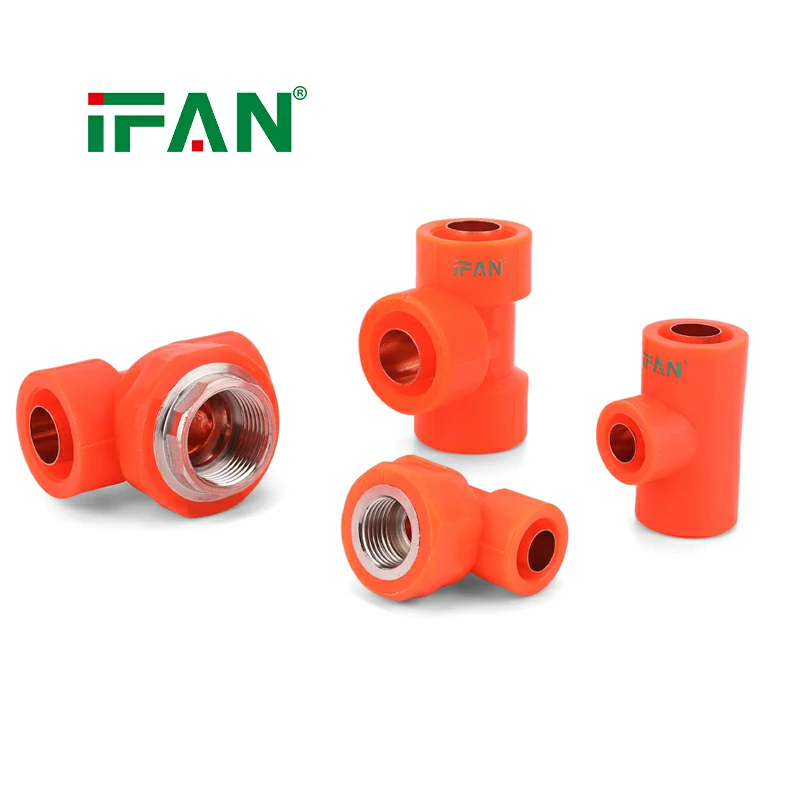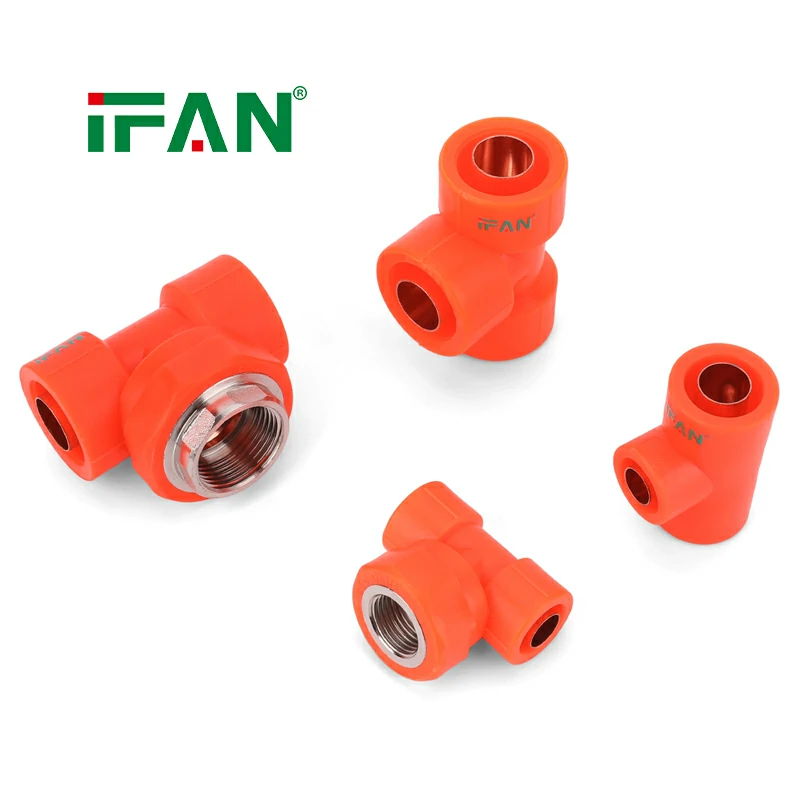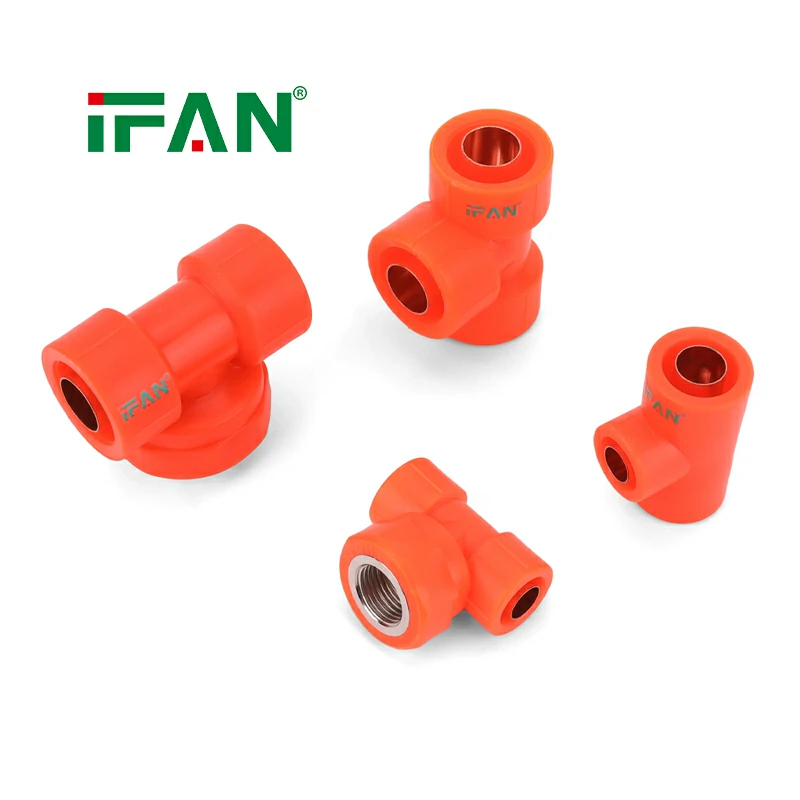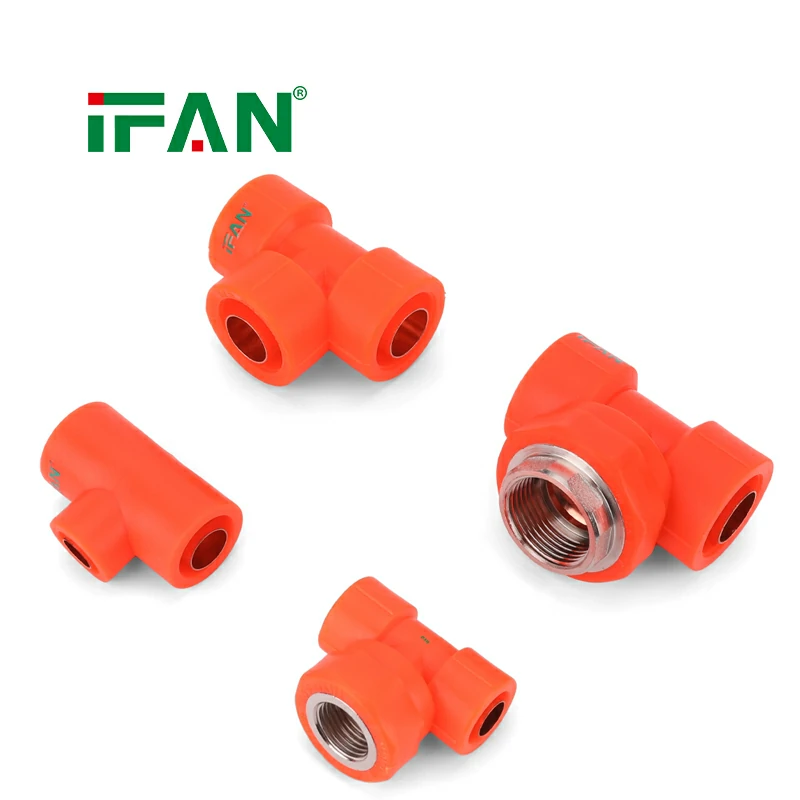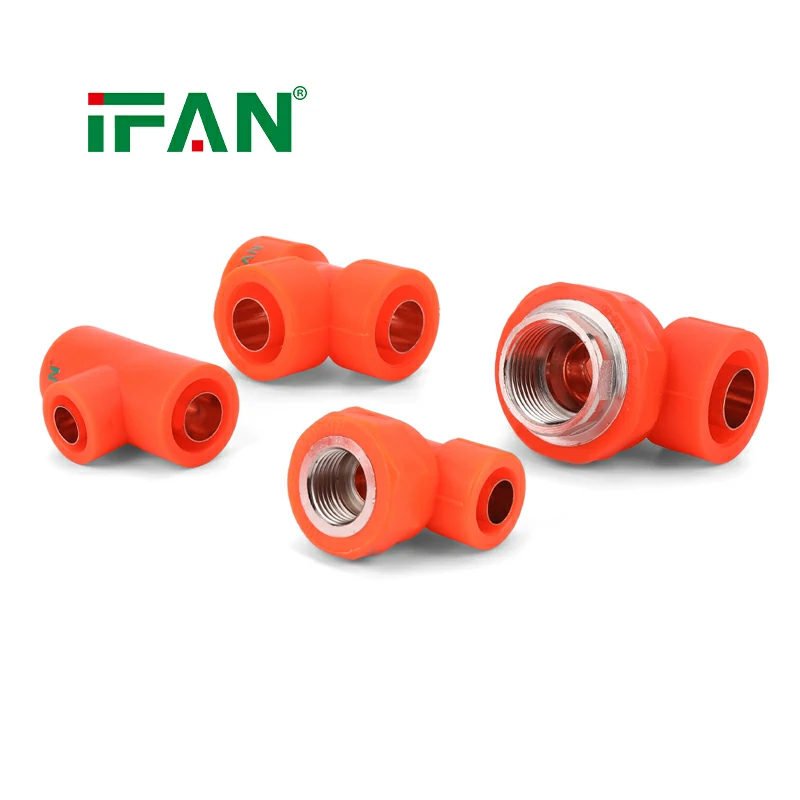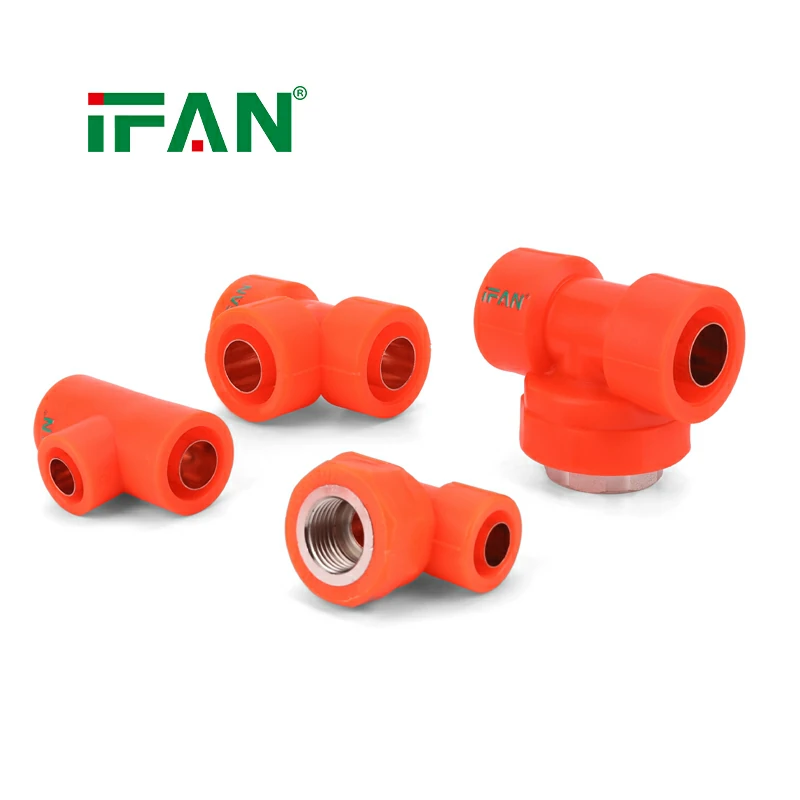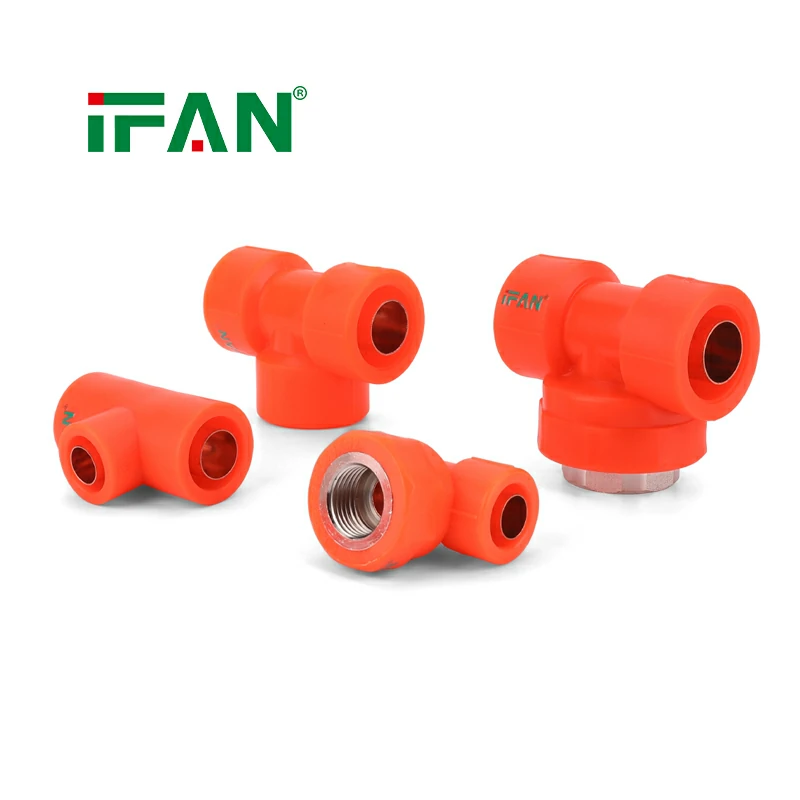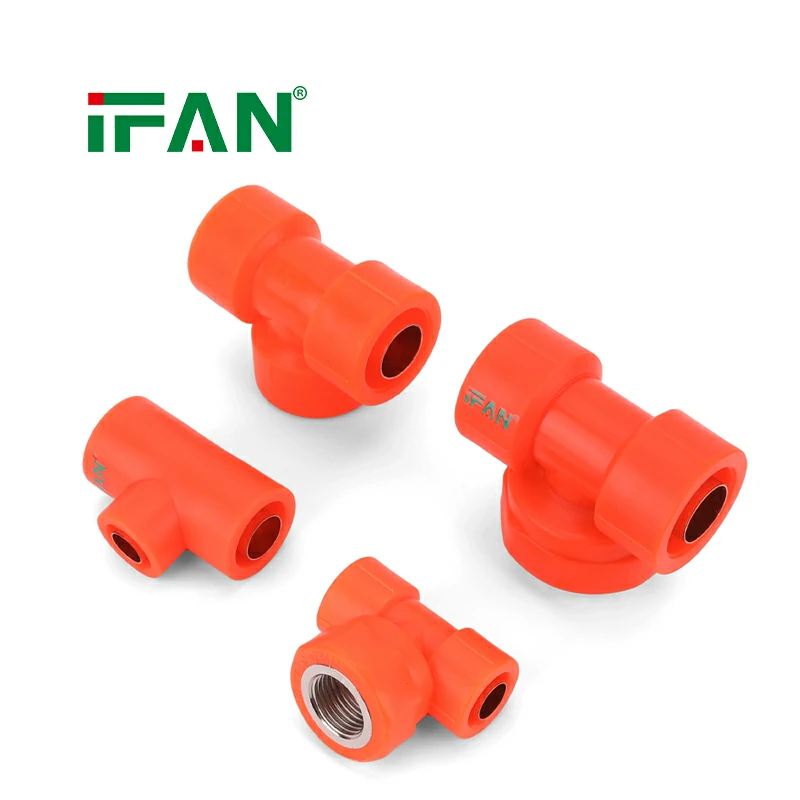




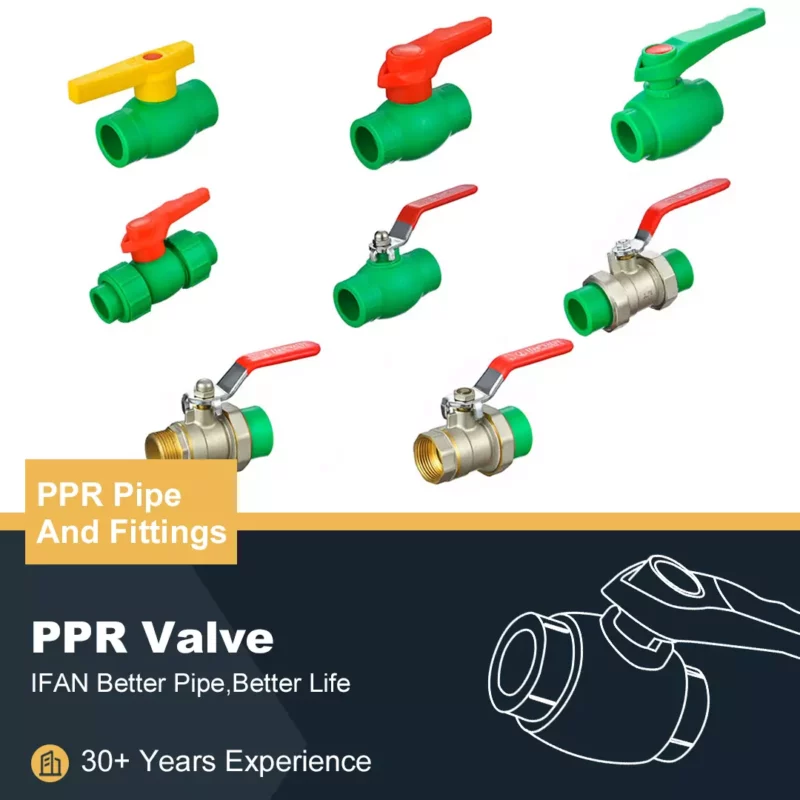
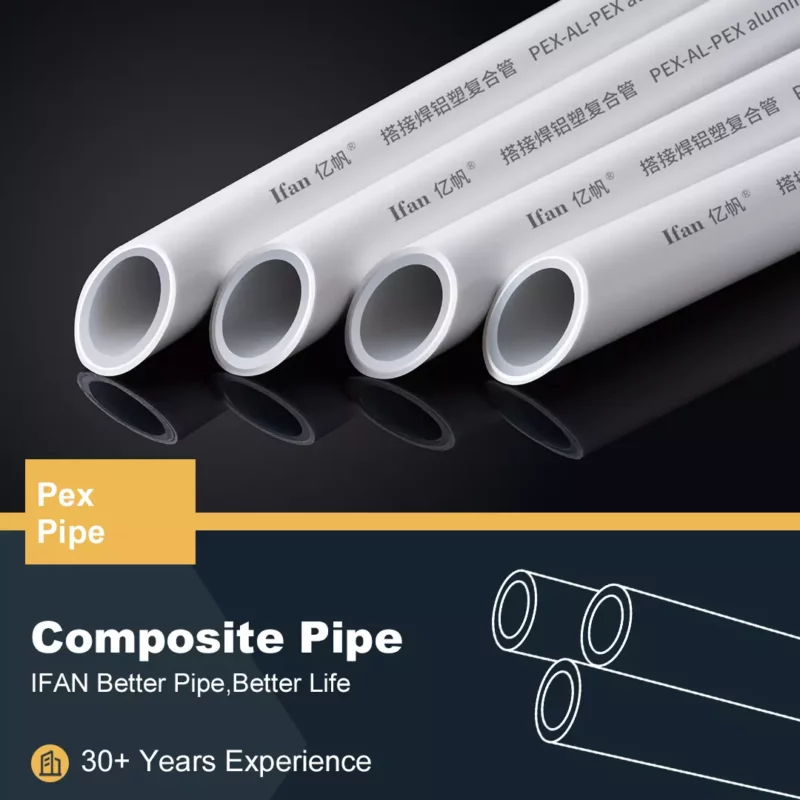
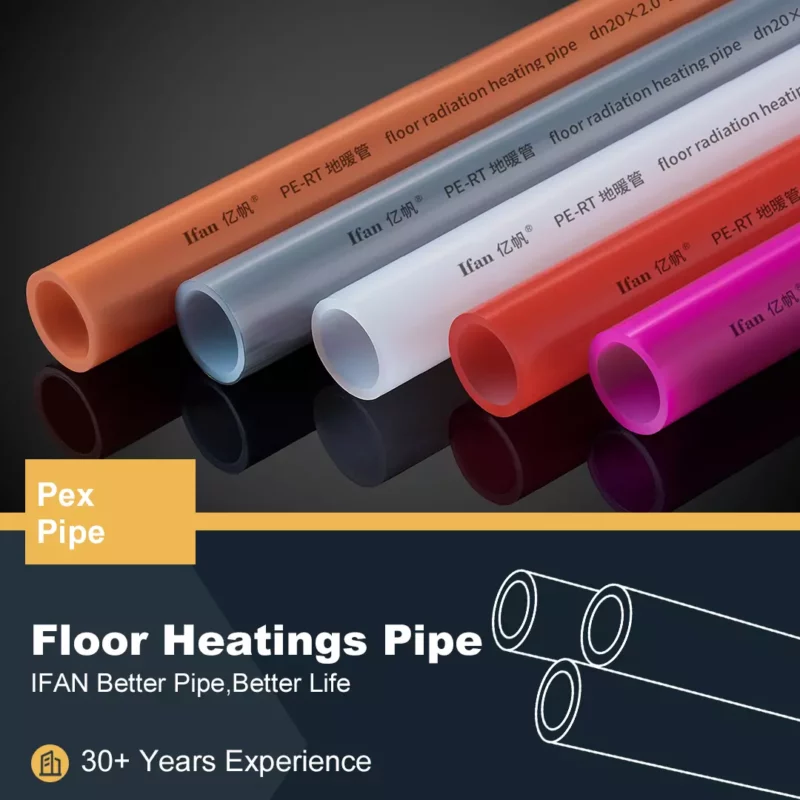



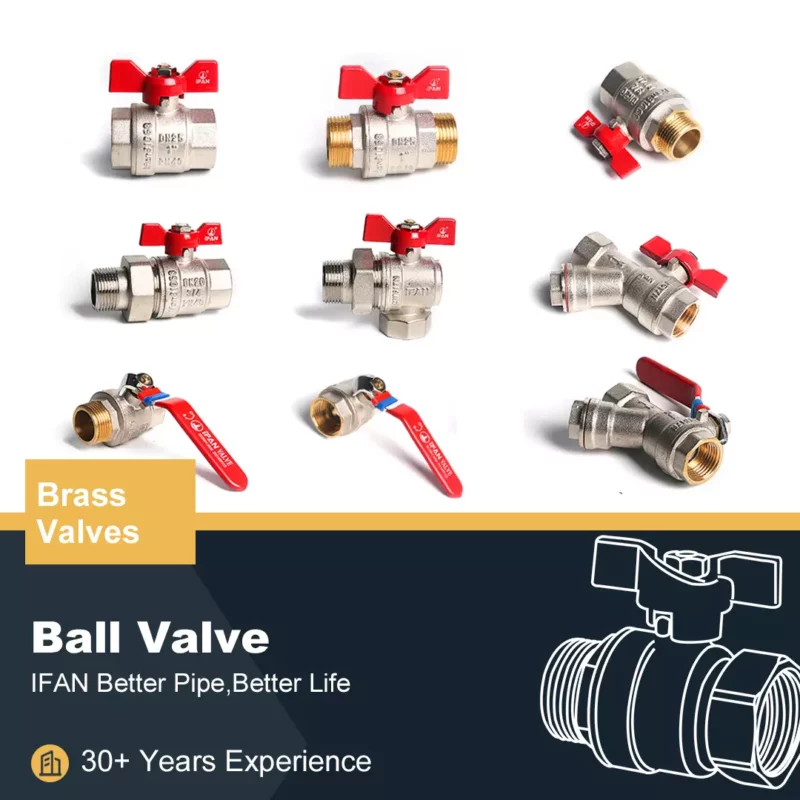





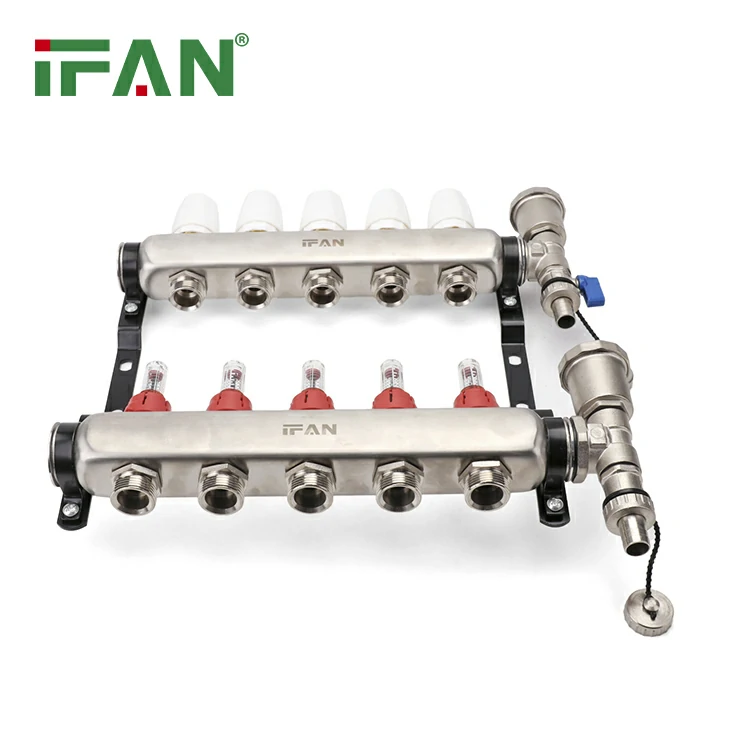
Choosing the right manifold for your heating system is essential for efficient performance. Brass and stainless steel are two common materials used for manifolds. Each material has unique benefits and potential drawbacks. Understanding these differences helps ensure you choose the best option for your system.
What is a Manifold in a Heating System?
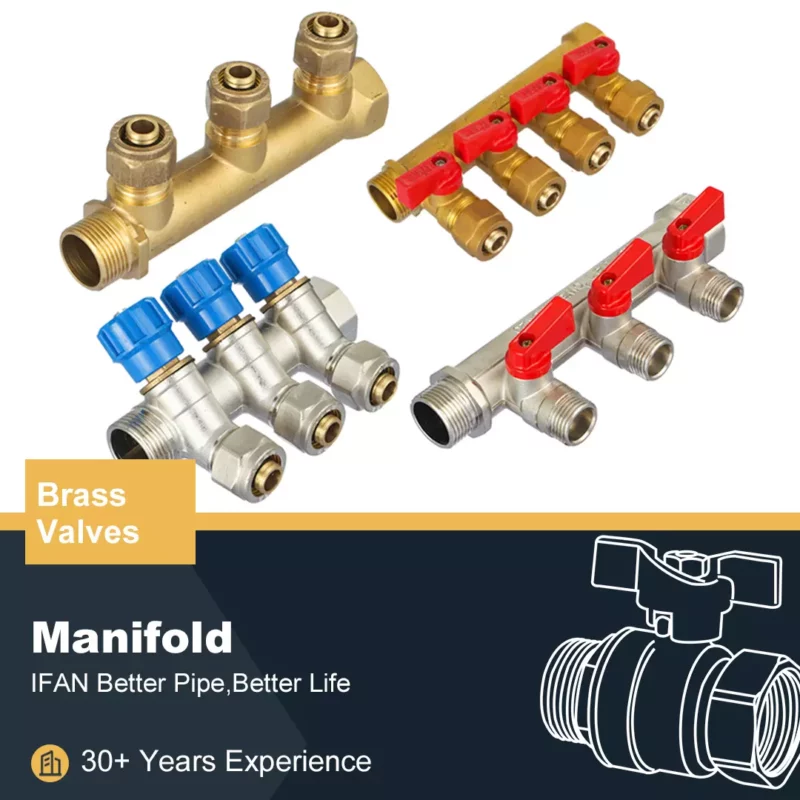
A manifold distributes hot water or heating fluid to multiple areas in a system. It acts as a central hub, connecting the heat source to different parts of the building. Manifolds ensure an even and controlled flow of fluid to radiators or underfloor heating systems. They play a vital role in maintaining system efficiency and performance.
Brass Manifolds: Strength and Durability
Brass manifold are a popular choice due to their strength and durability. Brass is a corrosion-resistant material, which makes it ideal for use in heating systems. It can withstand high pressure and temperature without significant wear. Brass manifolds are also relatively easy to install and maintain. However, brass can corrode over time if exposed to harsh water conditions, so regular checks are necessary.
Stainless Steel Manifolds: Corrosion Resistance and Longevity
Stainless steel is known for its exceptional resistance to corrosion and rust. This property makes stainless steel manifolds highly suitable for systems with aggressive water conditions or high humidity. Stainless steel manifolds are also very durable and can last longer than brass manifolds in certain environments. They can handle high-pressure systems and extreme temperatures without issue. However, stainless steel manifolds can be more expensive than brass options.
Cost Comparison: Brass vs. Stainless Steel
Brass manifolds are generally less expensive than stainless steel. This price difference can make brass manifolds an attractive option for those on a budget. However, the higher initial cost of stainless steel may be justified by its longer lifespan and superior resistance to corrosion. Consider your system’s specific needs and long-term costs before making a decision.
Maintenance and Care: Brass vs. Stainless Steel
Brass manifold require more frequent maintenance than stainless steel manifolds. The brass may develop corrosion, particularly if exposed to poor water quality. Regular cleaning and inspections will help prolong the lifespan of a brass manifold. In contrast, stainless steel manifolds require less maintenance due to their corrosion resistance. However, both types of manifolds should be inspected periodically to ensure optimal performance.
Which Manifold is Best for Your Heating System?
The choice between brass and stainless steel manifolds depends on several factors. If your heating system operates in an environment with harsh water conditions, a stainless steel manifold may be the better choice. It offers superior durability and long-term performance. On the other hand, if you’re on a budget and your system doesn’t face extreme conditions, a brass manifold can provide reliable service at a lower cost.
Conclusion
Both brass and stainless steel manifolds have their strengths and weaknesses. Brass manifolds are cost-effective and strong but may require more maintenance over time. Stainless steel manifolds, while more expensive, offer superior corrosion resistance and longevity. Assess your system’s needs, budget, and environmental factors to determine which material is best for your heating system.
If you have read this article and have any questions, please feel free to contact IFAN. Below is our contact information:
Whatsapp:+86 13373827623
Email:[email protected]