

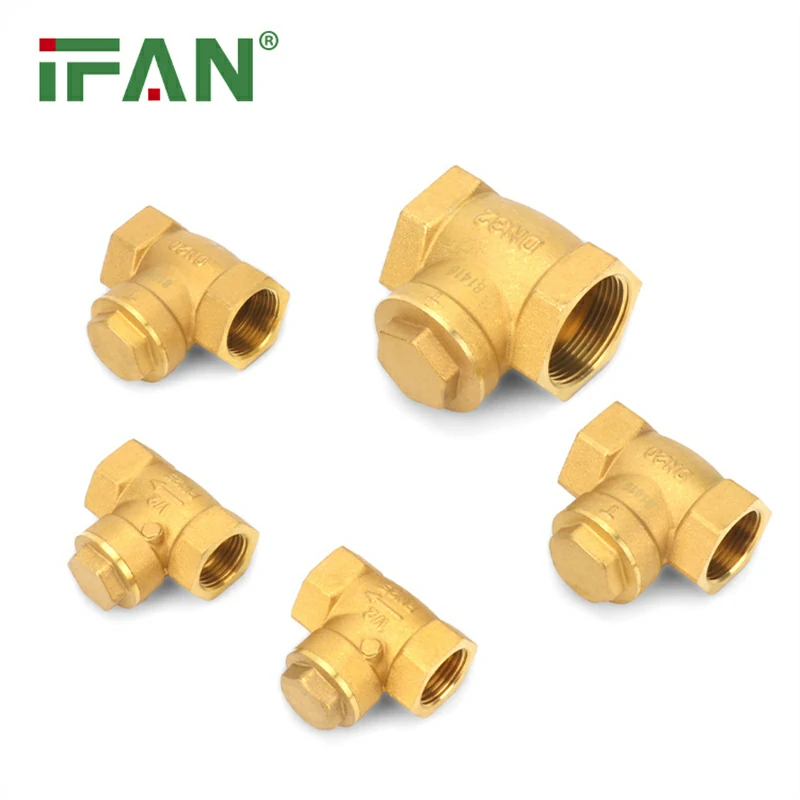
A brass check valve is a one-way valve used to control the direction of water flow. It lets water pass in one direction and automatically blocks reverse flow. This feature prevents backflow, which can damage pipes and reduce water pressure. The valve’s design and material make it durable and reliable.
How Does a Brass Check Valve Work?
A brass check valve works by using a spring or a disc to allow water to flow in one direction. When the flow reverses, the valve closes to stop it. This action prevents damage caused by backpressure or contamination. In most systems, the valve opens automatically when water flows in the correct direction.
What Are the Key Features of a Brass Check Valve?
Brass check valves have several notable features. First, they are durable due to the corrosion-resistant properties of brass. Second, they maintain high pressure without breaking down. Finally, their simple design allows easy installation and maintenance. These features make brass check valves ideal for both residential and industrial applications.
Why Choose Brass Over Other Materials?
Brass has many advantages over materials like plastic or stainless steel. It resists corrosion and wear, even in harsh environments. Brass is also easy to machine, making it cost-effective for manufacturers. These qualities make brass check valves ideal for systems exposed to water, air, and other fluids.
Where Are Brass Check Valves Commonly Used?
Brass check valves are used in various systems, including plumbing, irrigation, and industrial pipelines. They are found in both residential and commercial water systems. In industrial settings, they protect pumps and other equipment from damage caused by backflow. They ensure water flows in only one direction, preventing costly system failures.
How Do Brass Check Valves Affect Water Pressure?
Brass check valves help maintain consistent water pressure by blocking reverse flow. Without a check valve, reverse flow can lower the pressure and disrupt system operation. By ensuring water only flows in one direction, these valves keep pressure steady, ensuring efficient and reliable performance.
What Happens If a Brass Check Valve Fails?
If a brass check valve fails, the consequences can be severe. A valve failure can allow water to flow backward, leading to contamination or pressure loss. This can damage other components like pumps or pipes. Regular maintenance helps identify potential issues before failure occurs.
Can a Brass Check Valve Be Installed in Any Position?
Brass check valves must be installed in the correct orientation for proper function. Most check valves have an arrow on the body indicating the direction of flow. Installing the valve incorrectly can prevent it from closing properly and lead to system issues. Always follow the manufacturer’s guidelines.
What Are the Different Types of Brass Check Valves?
Several types of brass check valves are available. These include swing check valves, spring-loaded check valves, and lift check valves. Each type offers different features suited for specific applications. For example, swing check valves are often used in larger pipelines, while spring-loaded valves work well in smaller systems.
How to Choose the Right Brass Check Valve?
Choosing the right brass check valve depends on your system’s needs. Consider factors like pipe size, flow rate, and pressure requirements. It’s also important to account for the environment in which the valve will be used. Consult with an expert to ensure that the valve matches the specifications of your system.
How Does a Brass Check Valve Prevent Backflow?
A brass check valve prevents backflow by automatically closing when the flow reverses. This closure is typically triggered by water pressure, which forces the valve’s internal mechanism to seal. By stopping reverse flow, the valve helps prevent contamination and maintains system efficiency.
What Is the Lifespan of a Brass Check Valve?
The lifespan of a brass check valve depends on various factors, such as water quality and system pressure. In general, brass valves last for many years due to the durability of the material. However, regular maintenance is required to ensure longevity and avoid issues like mineral buildup or corrosion.
How Can You Maintain a Brass Check Valve?
To maintain a brass check valve, perform regular inspections. Check for signs of wear, such as leaks or reduced functionality. Clean the valve to remove any debris or mineral buildup. If the valve becomes damaged, replace it promptly to avoid system disruption. Proper maintenance extends the valve’s lifespan and ensures reliable performance.
What Are the Benefits of Using a Brass Check Valve?
Brass check valves offer several benefits. They prevent backflow, which keeps water systems clean and efficient. The valves are corrosion-resistant, ensuring long-lasting durability. They also help maintain consistent water pressure and protect expensive equipment from damage. These benefits make them a popular choice in both residential and commercial applications.
What Is the Difference Between a Brass Check Valve and a Brass Ball Valve?
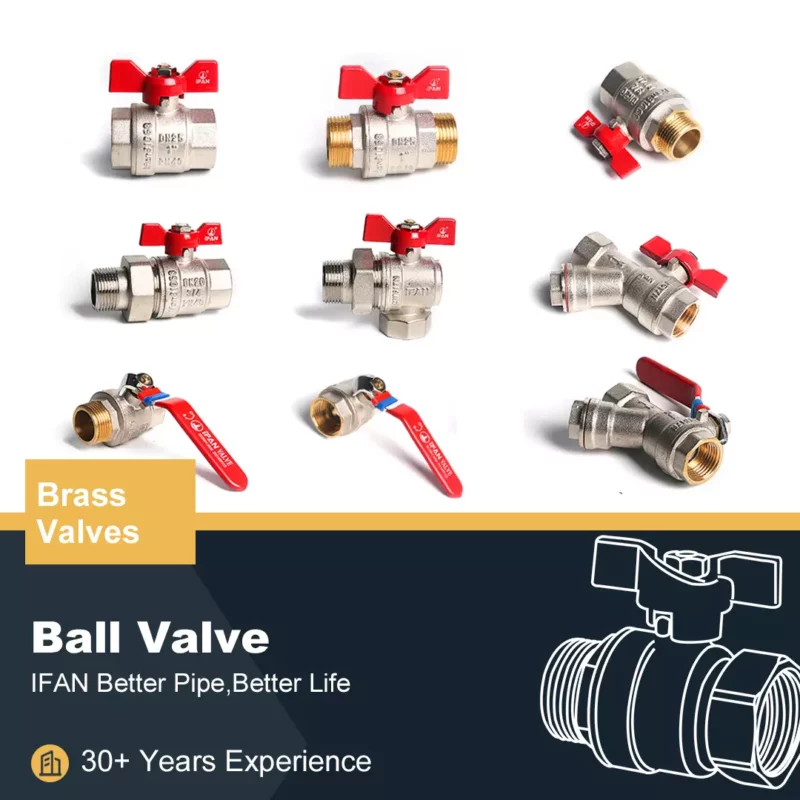
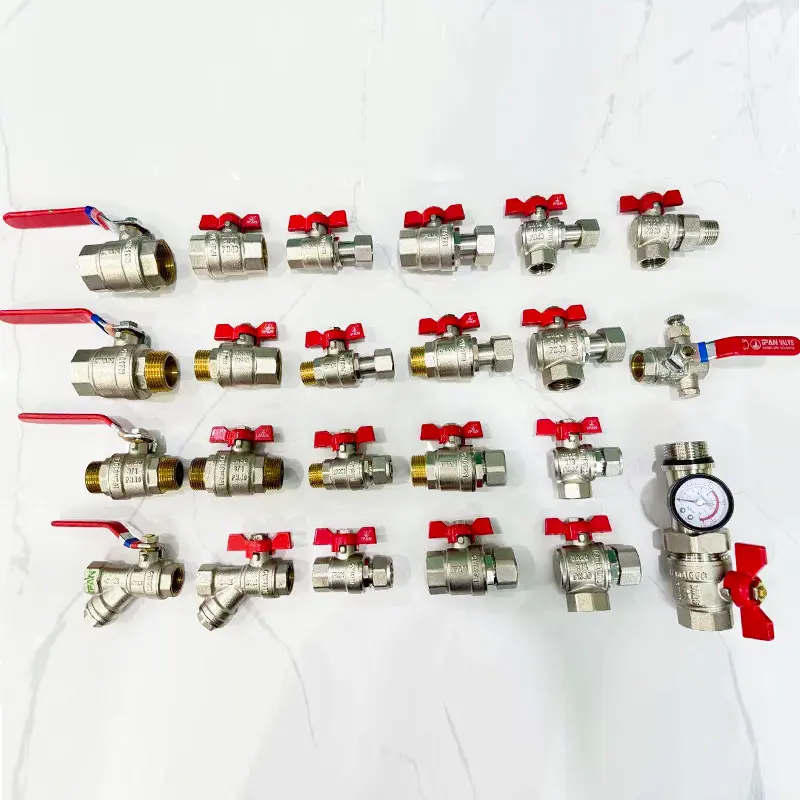
A brass check valve and a brass ball valve serve different purposes. A check valve allows water to flow in only one direction and prevents backflow. In contrast, a ball valve controls the flow of water in both directions and can be fully opened or closed. While check valves are automatic, ball valves require manual operation.
What Are Common Problems with Brass Check Valves?
Common issues with brass check valves include clogging, corrosion, and mechanical failure. Mineral deposits or debris can obstruct the valve’s movement, preventing it from closing properly. Over time, the valve’s components can wear out, leading to leaks or backflow. Regular maintenance can help prevent these issues.
How Can You Prevent Issues with Brass Check Valves?
Preventing issues with brass check valves involves regular maintenance and proper installation. Ensure the valve is correctly sized for the system and installed in the right orientation. Regularly clean the valve to remove buildup and inspect it for wear. Timely replacement of worn-out valves ensures the system remains efficient.
Are Brass Check Valves Suitable for All Types of Water?
Brass check valves are highly resistant to corrosion, making them suitable for most water types. They work well in both clean and slightly contaminated water systems. However, for extremely corrosive water, other materials like stainless steel might be more suitable. Always consider the specific water conditions when choosing a valve.
Can Brass Check Valves Be Used for Hot Water Systems?
Yes, brass check valves can be used in hot water systems. Brass has a high resistance to temperature fluctuations, making it suitable for a wide range of temperatures. However, it’s important to ensure the valve is rated for the specific temperature of your system. High temperatures can accelerate wear if the valve isn’t rated for them.
How Do Brass Check Valves Compare to Plastic Check Valves?
Brass check valves offer better durability and strength than plastic check valves. Brass is more resistant to corrosion, especially in systems with high pressure or fluctuating temperatures. While plastic valves may be cheaper, they tend to wear out faster and may not withstand harsh conditions. Brass check valves, though more expensive, offer greater longevity.
Can a Brass Check Valve Be Repaired?
In most cases, brass check valves cannot be repaired once they are damaged. However, minor issues like clogging can often be fixed by cleaning the valve. If the internal components, like the spring or disc, become worn out or damaged, it is usually more cost-effective to replace the valve.
What Are the Cost Factors for Brass Check Valves?
The cost of brass check valves varies depending on the size, type, and application. Larger valves or those designed for higher pressure systems tend to be more expensive. While brass valves cost more upfront than plastic alternatives, their durability and longevity often make them a more cost-effective choice in the long run.
Conclusion: Why Brass Check Valves Are Essential for Your System
Brass check valves play a crucial role in maintaining water flow direction, preventing backflow, and ensuring consistent pressure. Their durability, ease of maintenance, and corrosion resistance make them an excellent choice for both residential and industrial systems. By understanding how they work and how to choose the right valve, you can optimize your water system’s efficiency and longevity.
If you have read this article and have any questions, please feel free to contact IFAN. Below is our contact information:
Whatsapp:+86 13373827623
Email:[email protected]