


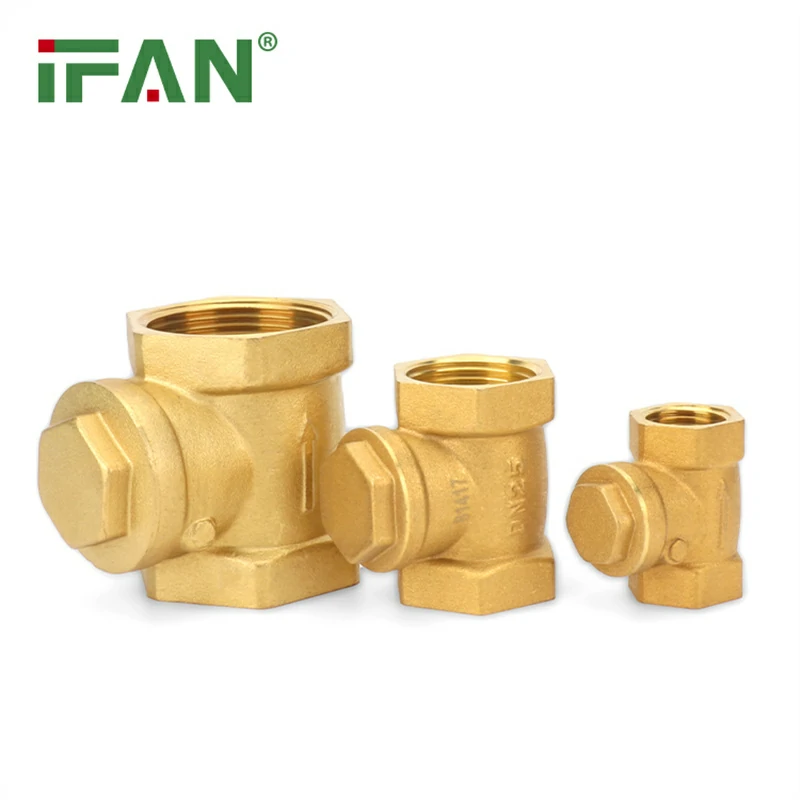
Selecting the right brass check valve is crucial for ensuring a reliable and efficient plumbing system. A properly chosen valve maintains water flow direction, reduces backflow risks, and ensures system stability. With numerous options available, it’s important to understand which brass check valve fits your specific needs. This article explores the factors to consider when choosing the correct valve for your application.
What is a Brass Check Valve?
A brass check valve is a one-way valve designed to allow fluid flow in one direction only. When the flow reverses, the valve automatically closes, preventing backflow. Brass valves are strong, durable, and resistant to corrosion, making them suitable for high-pressure and high-temperature systems. These valves come in various designs, including swing, spring-loaded, and lift check valves.
How to Determine Which Brass Check Valve Fits Your System
Choosing the right brass check valve depends on several factors, such as system size, pressure, flow rate, and temperature. To ensure optimal performance, you must assess these factors and choose a valve that matches your system’s requirements. Incorrect valve selection can lead to malfunctioning, leaks, or system failure. Let’s examine these factors more closely.
Consider the Size of the Valve
The valve size directly impacts the flow rate and the overall efficiency of the system. For accurate sizing, measure the diameter of the pipe where the valve will be installed. Too large or too small a valve will either restrict flow or fail to close properly, which could lead to backflow. Select a brass check valve that matches the pipe size and ensures smooth flow.
Flow Rate and Valve Selection
Flow rate refers to the amount of fluid that passes through the valve in a given time. Different applications require specific flow rates to function efficiently. For high-flow systems, choose a valve that can accommodate larger volumes without creating significant resistance. For low-flow applications, select a valve that does not disrupt the system’s balance. Manufacturers often provide flow specifications for each valve.
System Pressure Considerations
Pressure plays a crucial role in selecting the right brass check valve. Brass valves can withstand high pressure, but different valves are rated for specific pressure ranges. Ensure the valve’s pressure rating matches your system’s maximum operating pressure. Exceeding the valve’s rated pressure could lead to valve failure or leaks. Always check the manufacturer’s pressure specifications before installation.
Temperature Resistance of the Valve
Temperature fluctuations can affect the performance of your brass check valve. Brass valves can typically withstand temperatures between -20°F to 250°F (-29°C to 121°C), but higher temperatures require valves made from more heat-resistant materials. For systems with hot water or steam, check if the brass valve is rated to handle the required temperatures.
Valve Type: Swing, Spring-Loaded, or Lift?
Brass check valves come in different types, each with its own set of advantages and best-use scenarios. Choosing the correct valve type is essential for maximizing efficiency and performance.
Swing Check Valves
Swing check valves have a hinged disc that swings to block reverse flow when the water stops. These valves are commonly used in larger pipelines where pressure and flow conditions are stable. They offer minimal resistance to flow, making them ideal for systems where pressure loss is a concern.
Spring-Loaded Check Valves
Spring-loaded check valves use a spring mechanism to close the valve when backflow occurs. They are more compact and can be used in systems with varying pressure conditions. These valves are suitable for both small and medium-sized pipelines and provide better sealing than swing check valves, especially in higher-pressure systems.
Lift Check Valves
Lift check valves use a valve disc that lifts off its seat to allow forward flow. The disc then drops back onto the seat to prevent backflow. Lift check valves are typically used in vertical pipelines and applications with low to medium flow rates.
Installation Considerations
Correct installation is essential to ensure that your brass check valve works properly. Many check valves feature directional arrows that indicate the correct installation orientation. Ensure the valve is installed in the direction of water flow to guarantee it functions as intended. Improper installation could lead to failure or even damage to the system.
What Is the Right Valve Material for Your Application?
While we focus on brass check valves, it’s important to understand how different materials affect performance. Brass is an excellent choice for many applications due to its corrosion resistance and strength. However, other materials like stainless steel, plastic, or bronze might be better suited for specific applications.
Brass vs. Stainless Steel
Brass is durable and resists corrosion, but stainless steel offers even better strength and corrosion resistance, especially in harsh environments like marine or highly acidic applications. Consider the conditions of your system before deciding on material.
Brass vs. Plastic
Plastic check valves are lighter and cheaper, but they are more prone to wear and tear, especially in high-temperature or high-pressure systems. Brass check valves are more reliable in demanding applications but come at a higher initial cost.
Factors to Consider for Residential Applications
In residential systems, such as home plumbing or irrigation, choosing a brass check valve requires attention to factors like water pressure, flow rate, and the size of the pipes. Most residential systems will require small to medium-sized brass check valves with moderate pressure ratings. A spring-loaded check valve is often suitable for residential applications due to its compact size and reliable performance.
Industrial Applications: What to Look for in a Brass Check Valve
Industrial systems often demand more robust check valves due to the higher pressures, larger flow rates, and more stringent conditions. In these systems, swing check valves may be the best choice due to their ability to handle high flow rates. Additionally, industrial systems often operate at higher pressures, requiring valves with higher pressure ratings.
Consider the environment: systems exposed to chemicals, high temperatures, or steam may require specialized materials or coatings.
How Do You Maintain a Brass Check Valve?
Proper maintenance is essential to ensure your brass check valve continues to function properly. Regular checks for signs of wear or clogging will extend the valve’s life and improve system efficiency. Here are some maintenance tips:
Cleaning the Valve
Debris and mineral buildup can impair the valve’s function. Cleaning the valve regularly will help maintain its performance. Ensure the valve is shut off and depressurized before cleaning.
Checking for Leaks
Look for signs of leakage around the valve’s seating area. A small leak may indicate the valve needs to be cleaned or replaced.
Inspecting for Corrosion
Even though brass is resistant to corrosion, it can still be affected by certain environmental conditions. Regular inspections for rust or corrosion ensure that the valve operates at peak performance.
Cost Considerations
Brass check valves are generally more expensive than plastic alternatives but offer superior durability and reliability. The initial cost is often justified by the longer lifespan and lower maintenance requirements. In industrial and high-pressure systems, brass check valves offer long-term savings by preventing costly damage to equipment caused by backflow.
What Are Common Mistakes to Avoid When Choosing a Brass Check Valve?
When selecting a brass check valve, avoid the following common mistakes:
Incorrect Sizing: Using a valve that is too small or too large for the pipe diameter can cause inefficiencies or damage.
Overlooking Pressure and Flow Specifications: Ensure the valve matches your system’s pressure and flow rate requirements to avoid valve failure.
Improper Installation: Always install the valve according to the directional arrows on the valve body to ensure proper functionality.
Conclusion: Selecting the Right Brass Check Valve for Your Needs
Choosing the correct brass check valve is critical to the performance and longevity of your system. Consider the size, flow rate, pressure, and temperature requirements before making a decision. Whether for residential or industrial use, ensure that the valve you choose meets the specific demands of your application. Regular maintenance will also help extend the valve’s life and keep your system running smoothly.
By following these guidelines, you can ensure that you select the best brass check valve for your needs, improving system efficiency and preventing costly downtime or repairs.
If you have read this article and have any questions, please feel free to contact IFAN. Below is our contact information:
Whatsapp:+86 13373827623
Email:[email protected]