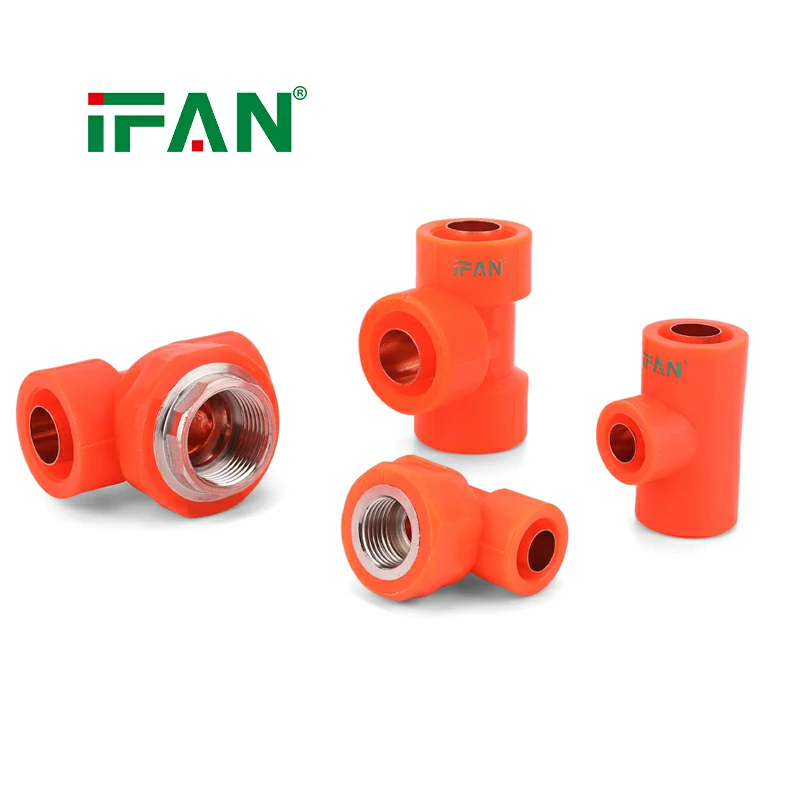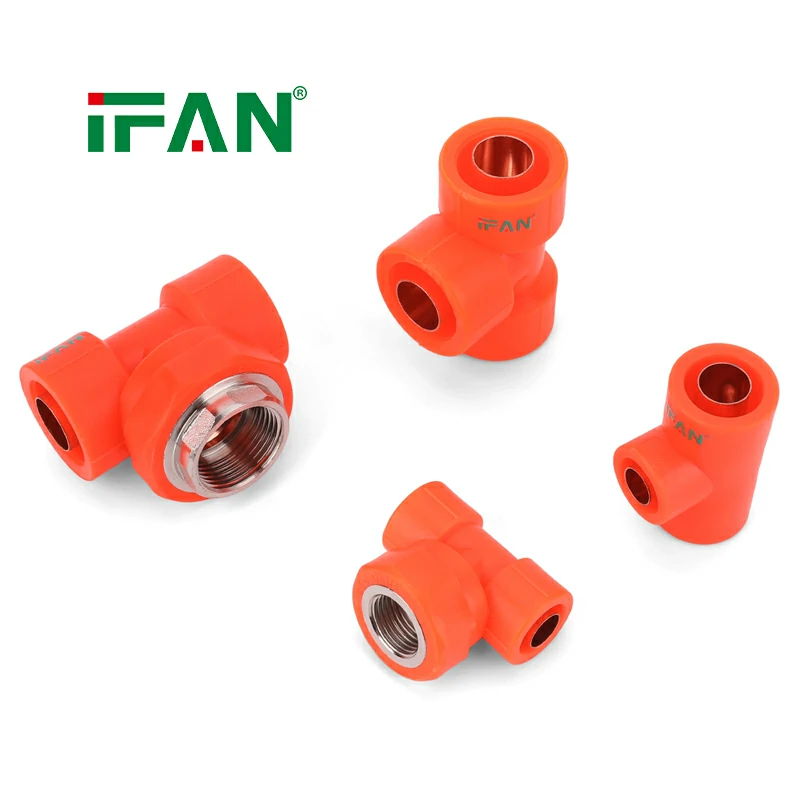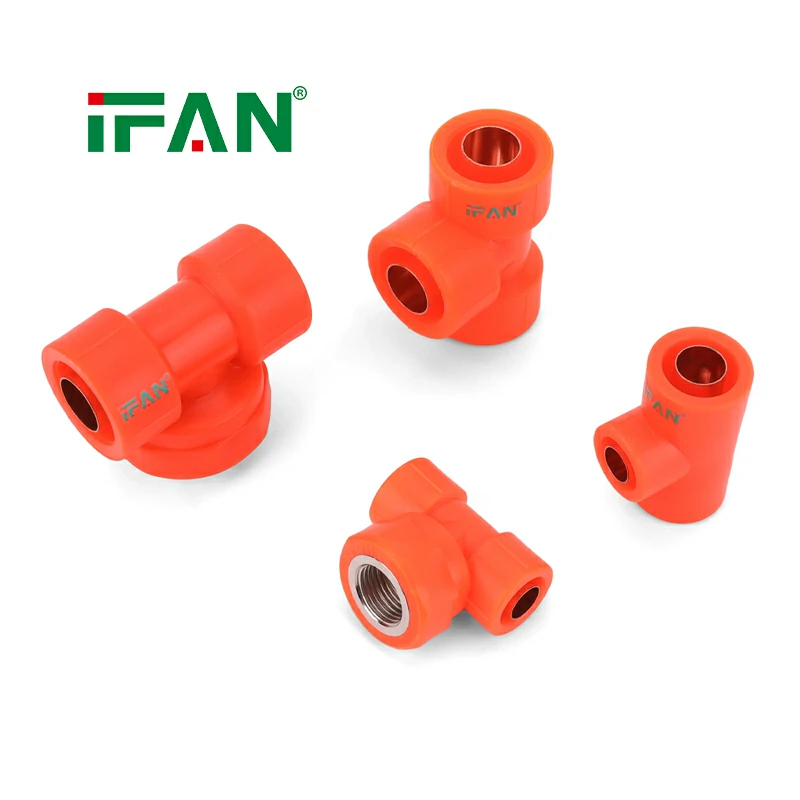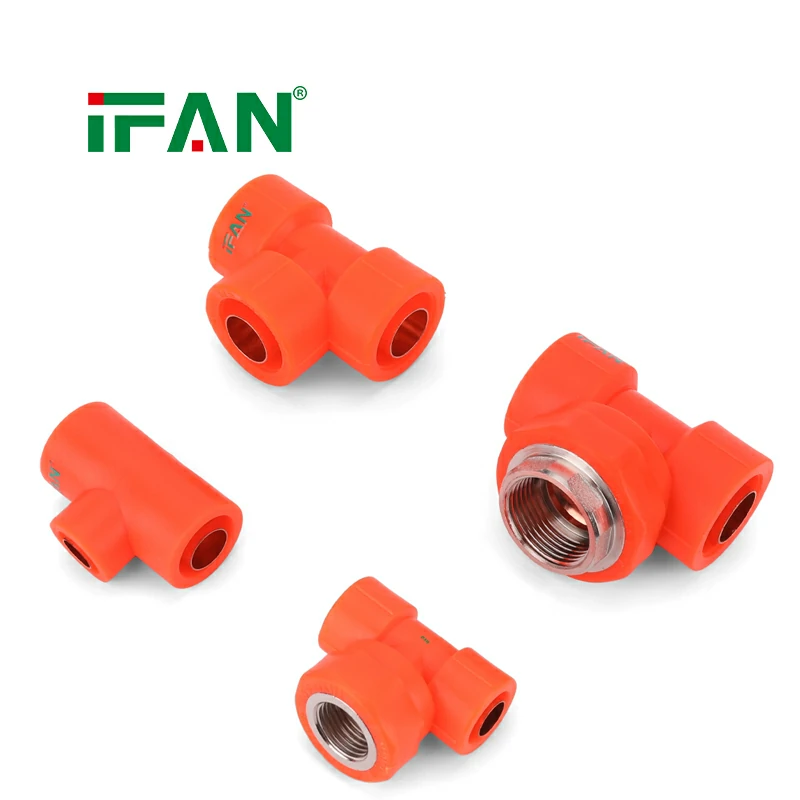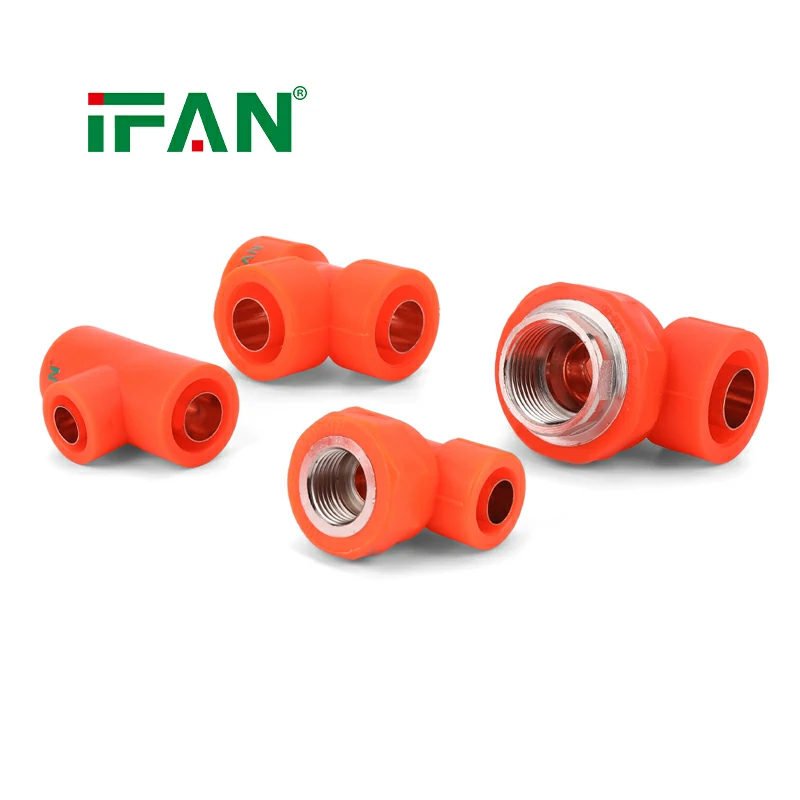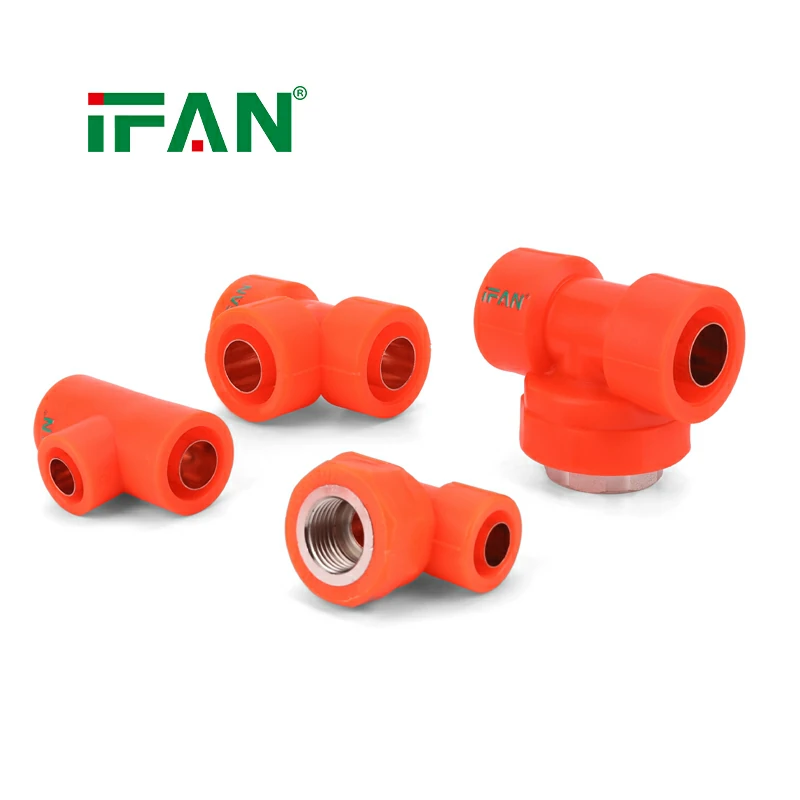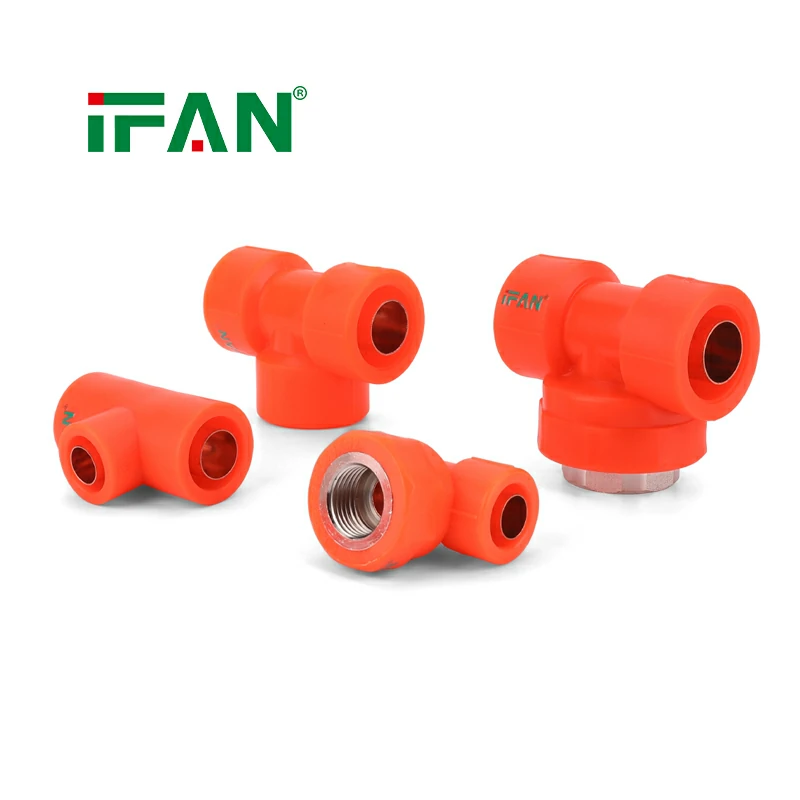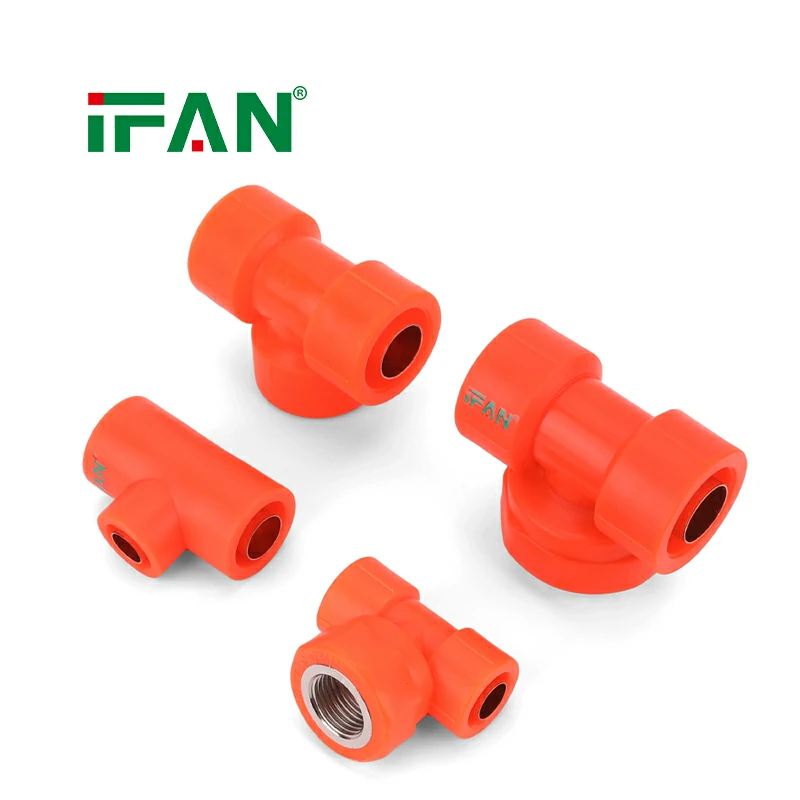
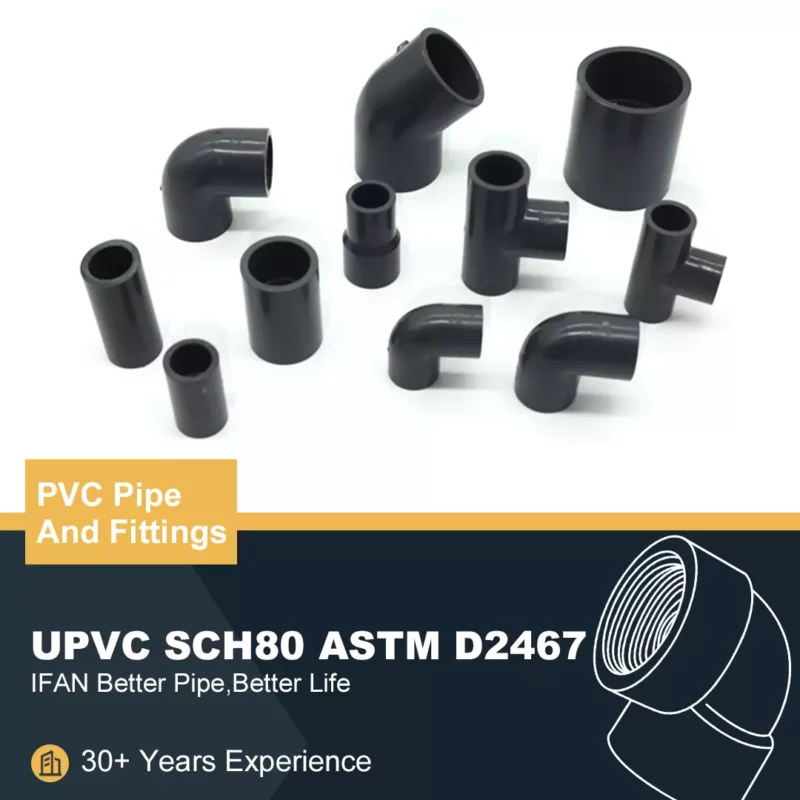
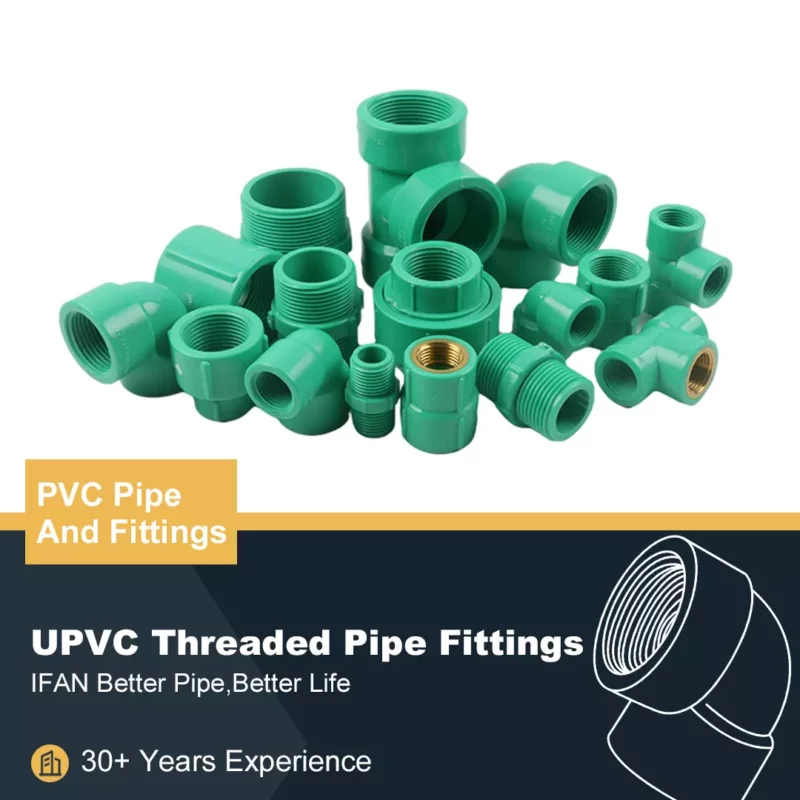
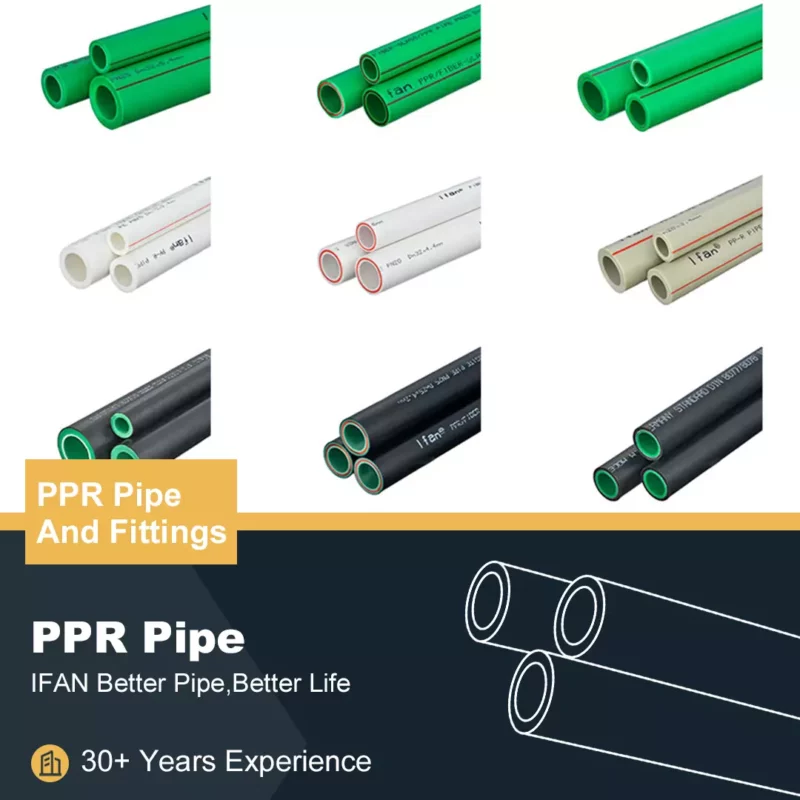
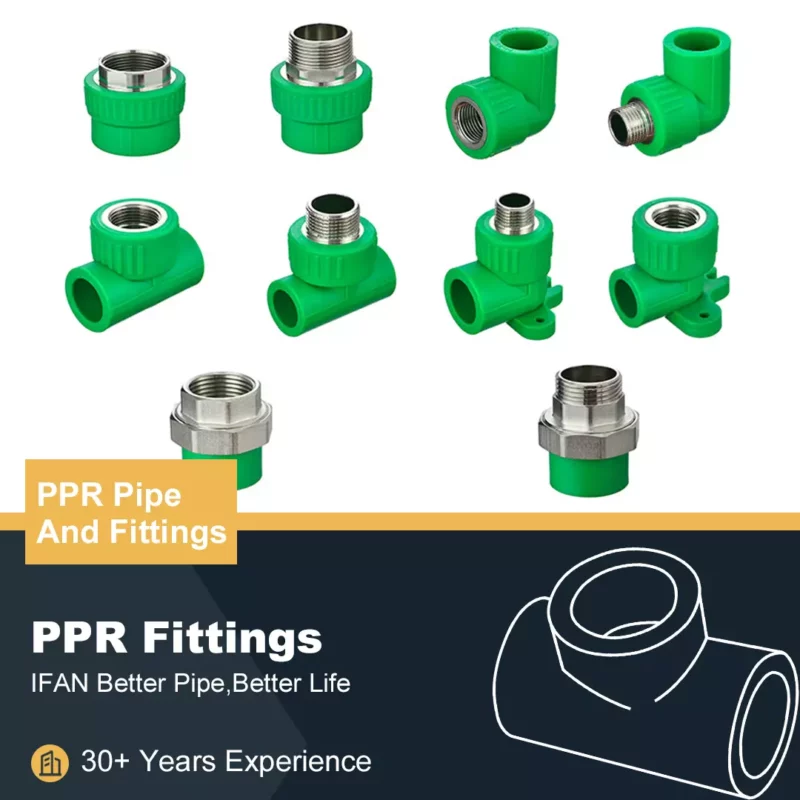
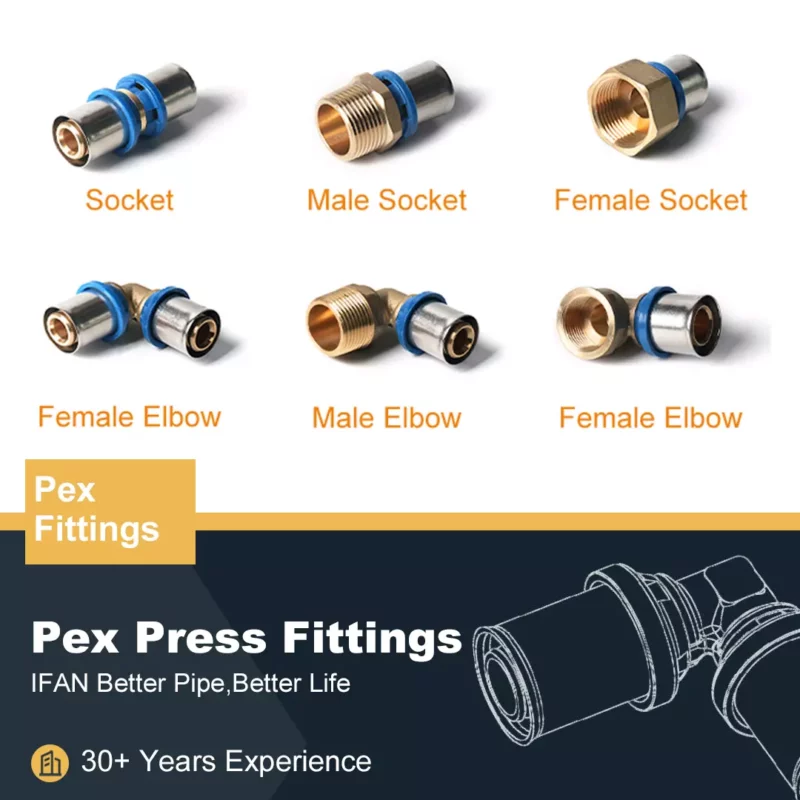
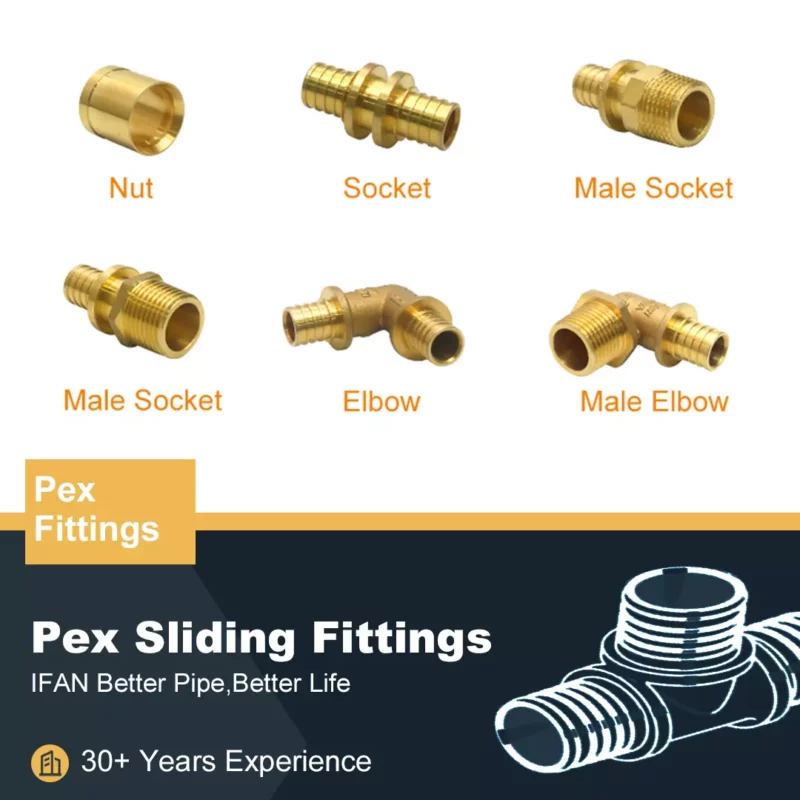
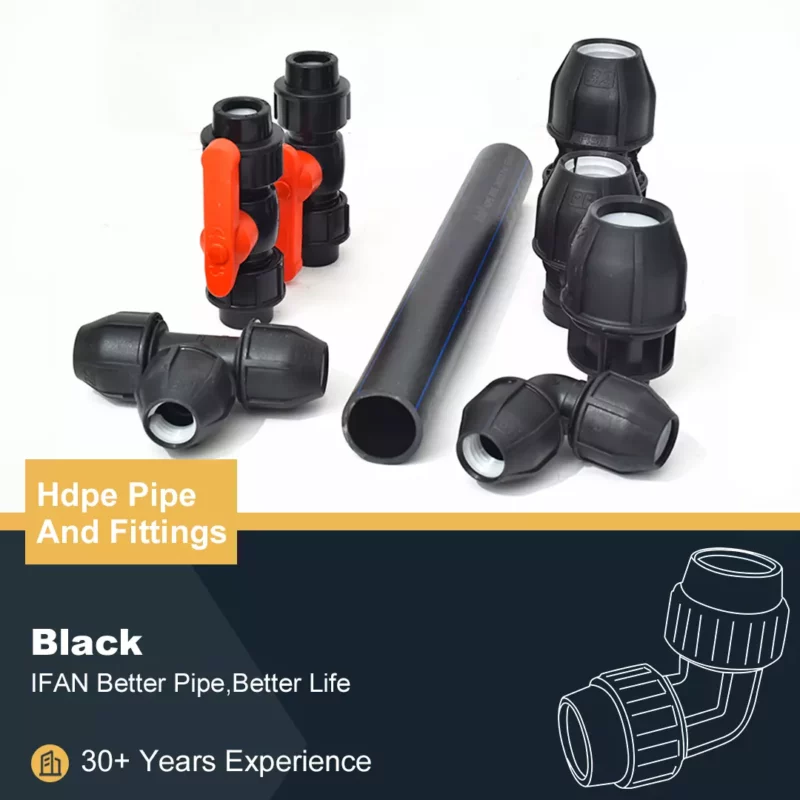
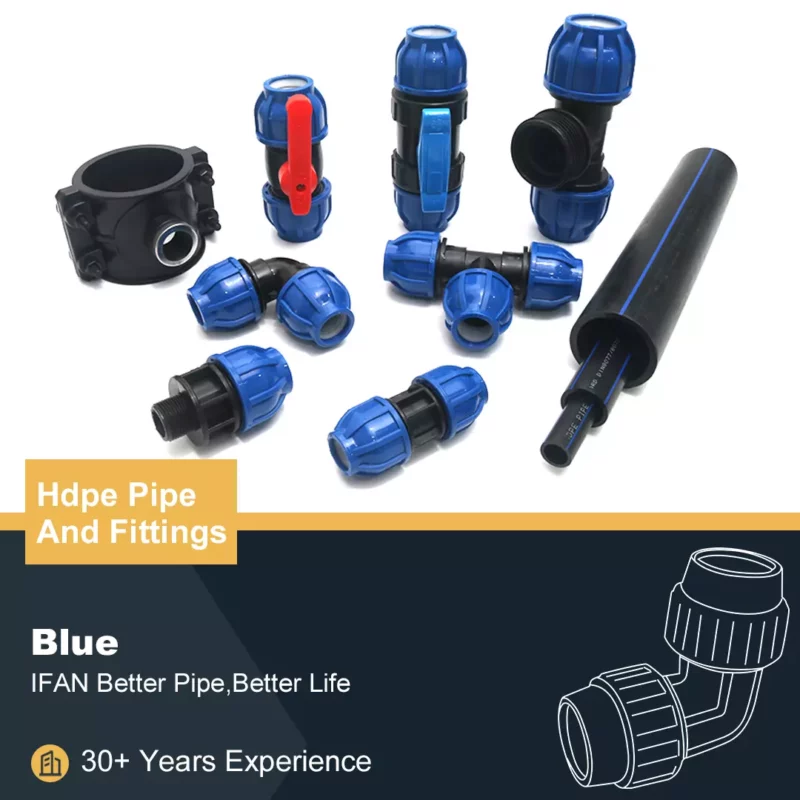
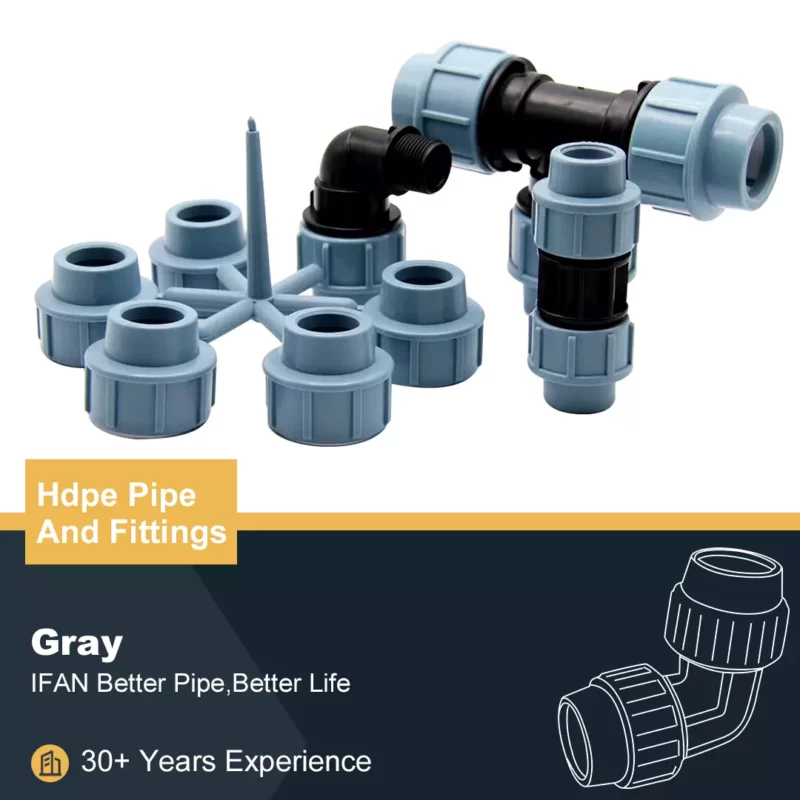


PEX compression fittings are essential tools for connecting PEX piping in residential and commercial plumbing systems. These fittings offer reliable, leak-free connections that are quick to install. Whether you are a DIY enthusiast or a professional plumber, understanding how to install PEX compression fittings is crucial for achieving solid and long-lasting plumbing results.
What Are PEX Compression Fittings?
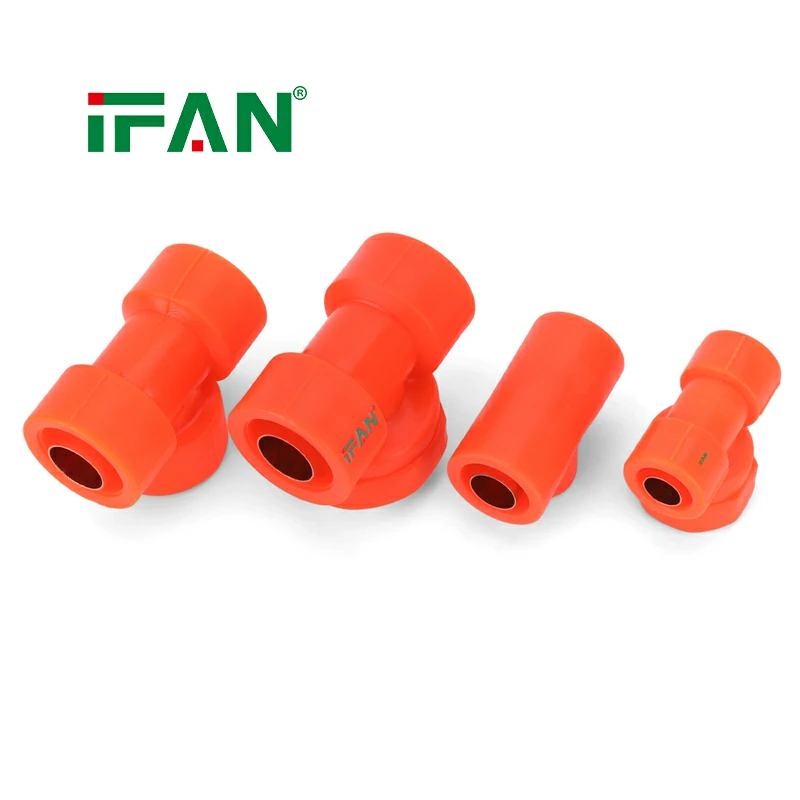
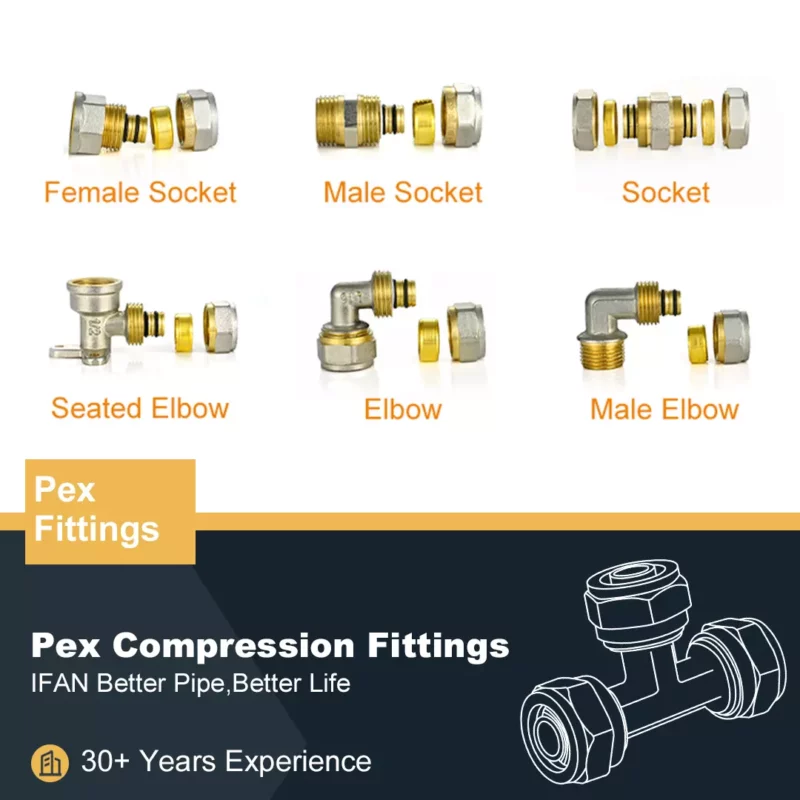
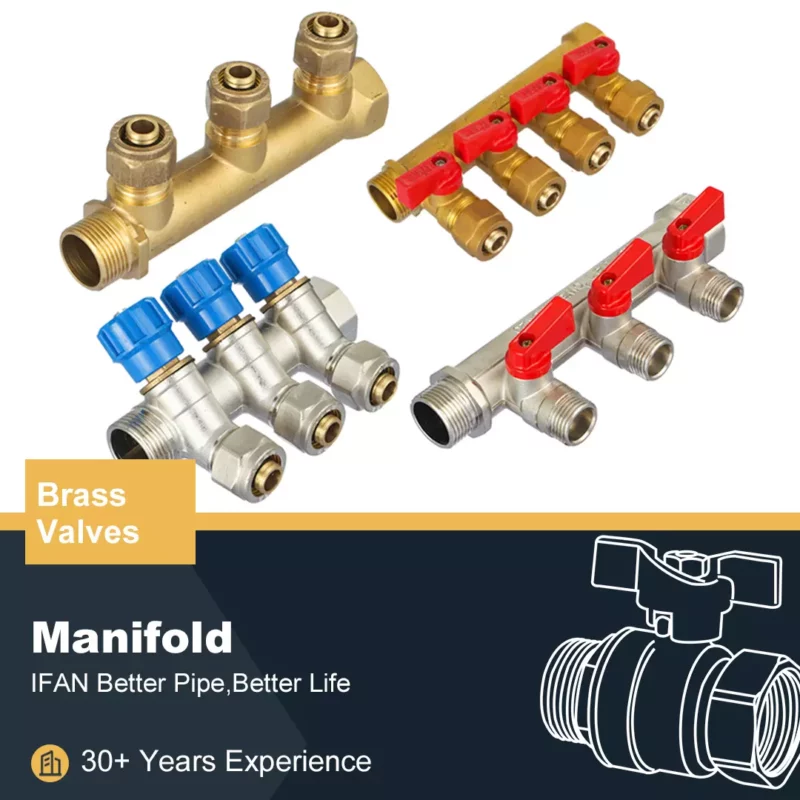
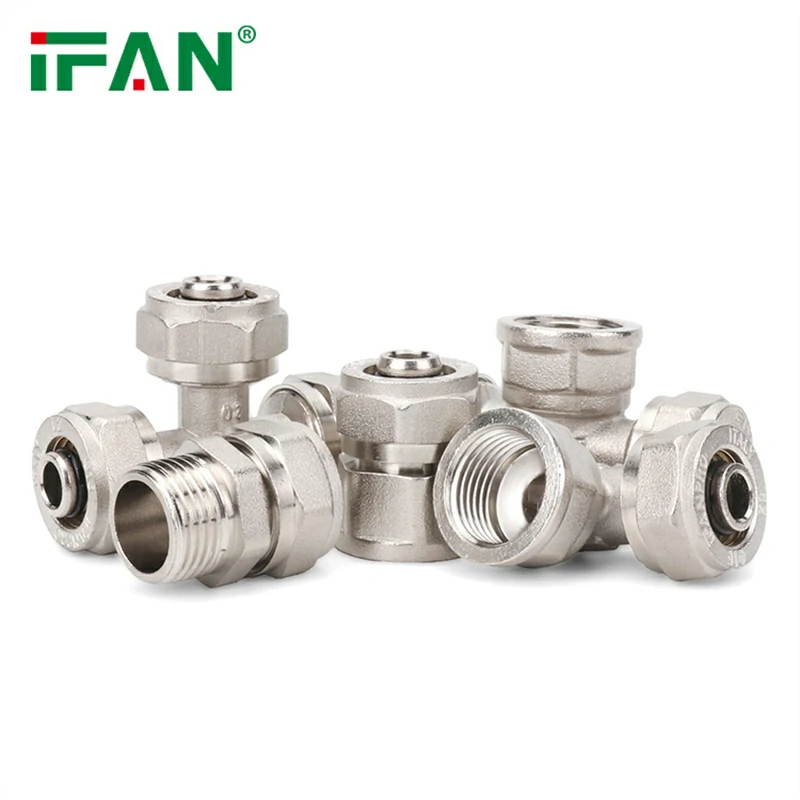
PEX compression fittings are designed to connect PEX pipes in plumbing systems. They use compression rings and nuts to create a tight seal. These fittings do not require soldering or special tools, which makes installation easier and faster. They are commonly used in both residential and commercial plumbing systems due to their durability and versatility.
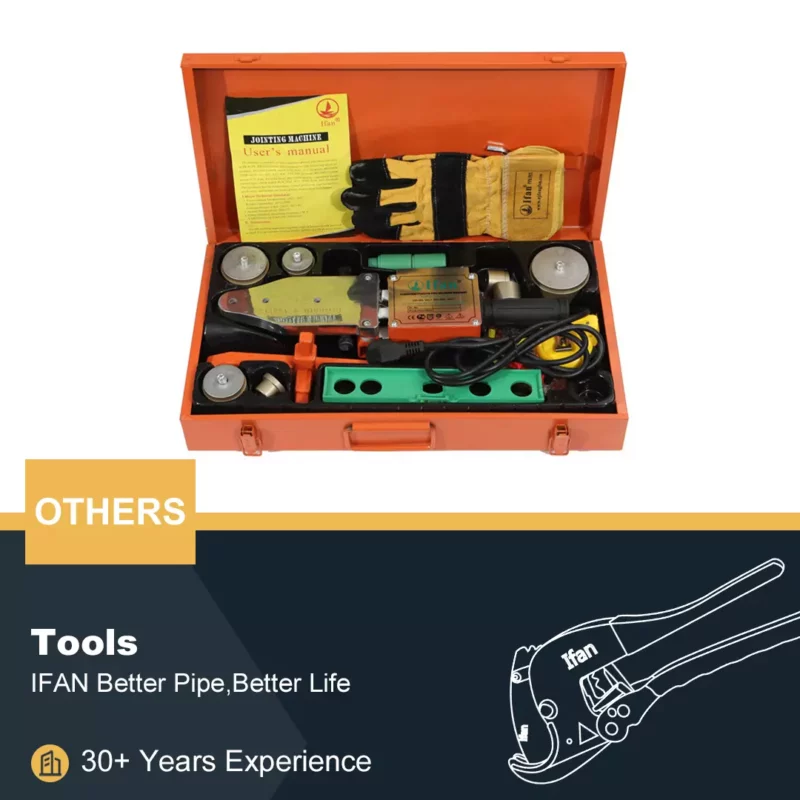
Tools and Materials You Need
Before you start, gather the necessary tools and materials. Here’s a list of what you’ll need:
PEX compression fittings (appropriate size for your pipe)
PEX pipe cutter
Pipe deburring tool (optional but recommended)
Adjustable wrench
Pipe marker or pencil
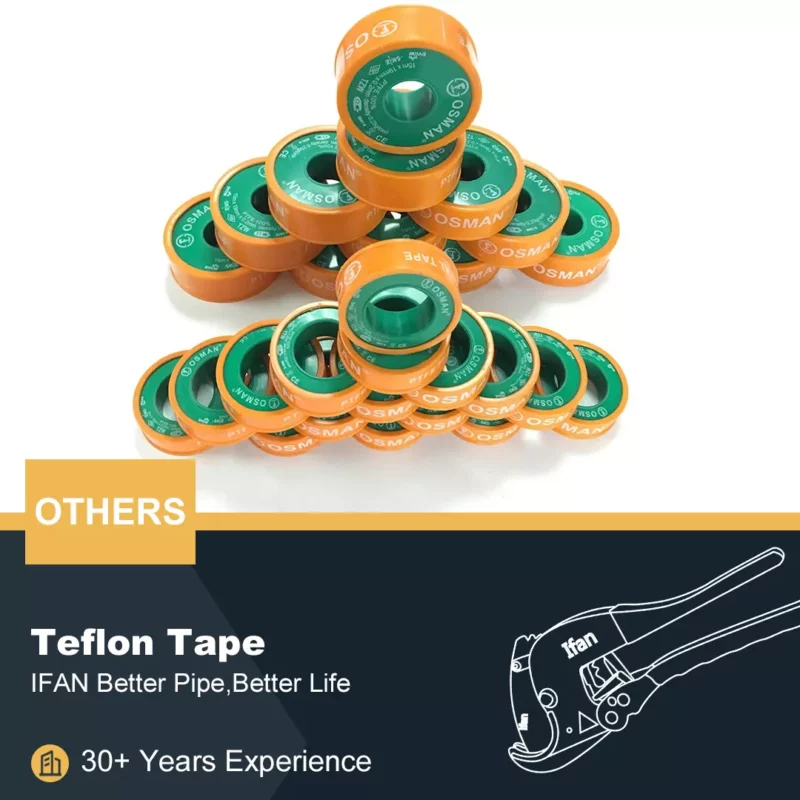
Teflon tape (optional for added sealing)
PEX tubing (pre-cut to the right length)
Having all these tools ready ensures a smooth installation process.
Step 1: Measure and Cut the PEX Pipe
Begin by measuring the length of PEX pipe you need. Mark the measurement on the pipe with a pencil. Ensure that the pipe will be the correct length and allow for a proper connection. Once you’ve marked the pipe, use a PEX pipe cutter to make a clean, straight cut. A clean cut will ensure a better seal when installing the compression fitting.
Tip: Use a pipe cutter instead of scissors or a hacksaw for clean cuts. This will help prevent the pipe from becoming deformed.
Step 2: Deburr the Pipe Ends
After cutting the PEX pipe, the edges may have small burrs or rough spots. These burrs can affect the performance of the compression fitting. Use a deburring tool or a fine file to smooth out the edges. This step is crucial for ensuring a leak-free connection.
Step 3: Slide the Compression Nut and Ring onto the Pipe
Take the compression nut and slide it onto the PEX pipe. Make sure the nut is facing the right direction. Then, slide the compression ring onto the pipe. The compression ring should sit about 1/2 inch from the end of the pipe. Make sure the ring is placed evenly and sits snugly against the pipe.
Tip: Ensure that the compression ring is not too far or too close to the end of the pipe. It should align properly with the fitting.
Step 4: Insert the Pipe Into the Fitting
Next, insert the end of the PEX pipe with the compression nut and ring into the PEX compression fitting. The pipe should fit snugly into the fitting without gaps. Ensure the pipe is fully inserted and reaches the end of the fitting. This will provide the most secure seal.
Step 5: Tighten the Compression Nut
Once the pipe is fully inserted into the fitting, it’s time to tighten the compression nut. Use an adjustable wrench to tighten the nut onto the fitting. Turn the nut clockwise until you feel resistance. Be careful not to overtighten the nut, as this could damage the fitting or pipe.
Tip: Tighten the nut by hand first, then use the wrench to give it a final turn. This prevents over-tightening.
Step 6: Check for Leaks
Once the compression fitting is installed, it’s essential to check for leaks. Turn on the water supply to the pipe and check the connection for any signs of leaks. If you notice any water dripping around the fitting, turn off the water, and tighten the nut a little more. If the leak persists, disassemble the fitting, inspect the components, and reassemble them correctly.
Tip: You can use a flashlight to inspect the fitting for any signs of moisture during the test.
Step 7: Complete the Installation
Once you’ve ensured that the PEX compression fitting is leak-free, you can proceed with the rest of your plumbing project. Install additional fittings, pipes, and fixtures as needed. Be sure to follow all safety protocols and installation standards for your specific plumbing system.
Advantages of PEX Compression Fittings
PEX compression fittings offer several advantages over other types of plumbing connections:
Easy Installation: PEX compression fittings require no special tools or soldering.
Leak-Free Connections: When properly installed, PEX compression fittings create durable, leak-proof connections.
Corrosion Resistance: Unlike metal fittings, PEX fittings do not corrode, ensuring long-lasting reliability.
Versatility: These fittings work well with various PEX pipe sizes, making them versatile for many plumbing applications.
Common Mistakes to Avoid
Even with straightforward installation steps, some common mistakes can occur. Here are a few to avoid:
Incorrect Pipe Measurement: Always measure twice before cutting your PEX pipe. Inaccurate measurements can result in fittings that do not align properly.
Over-Tightening the Compression Nut: Tightening the compression nut too much can damage the pipe or fitting. Ensure you stop once the fitting is secure.
Improper Placement of the Compression Ring: Make sure the compression ring is positioned correctly, about 1/2 inch from the pipe end.
Not Deburring the Pipe Ends: Burrs can prevent a secure fit and cause leaks, so always deburr your pipe ends.
When to Use PEX Compression Fittings
PEX compression fittings are suitable for a wide range of plumbing situations. They are ideal for connecting PEX pipes to fixtures, appliances, or other types of piping. They are commonly used in:
Home plumbing systems: For repairs or new installations.
Water heaters: Connecting PEX to water heaters or tankless systems.
Outdoor plumbing: For connections to irrigation systems or outdoor faucets.
Retrofits: When replacing old metal or PVC pipes in existing systems.
Conclusion
Installing PEX compression fittings is an easy and effective way to ensure reliable plumbing connections. By following the step-by-step instructions, you can create secure, leak-free joints without the need for professional assistance. Always remember to measure carefully, deburr pipe ends, and tighten the fittings properly. With the right tools and a little attention to detail, your PEX installation will be quick, simple, and durable.
By choosing PEX compression fittings for your plumbing needs, you can enjoy a long-lasting, reliable system with minimal maintenance. Whether you’re a DIYer or a professional, mastering PEX fitting installation can significantly improve your plumbing projects.
If you have read this article and have any questions, please feel free to contact IFAN. Below is our contact information:
Whatsapp:+86 13373827623
Email:[email protected]