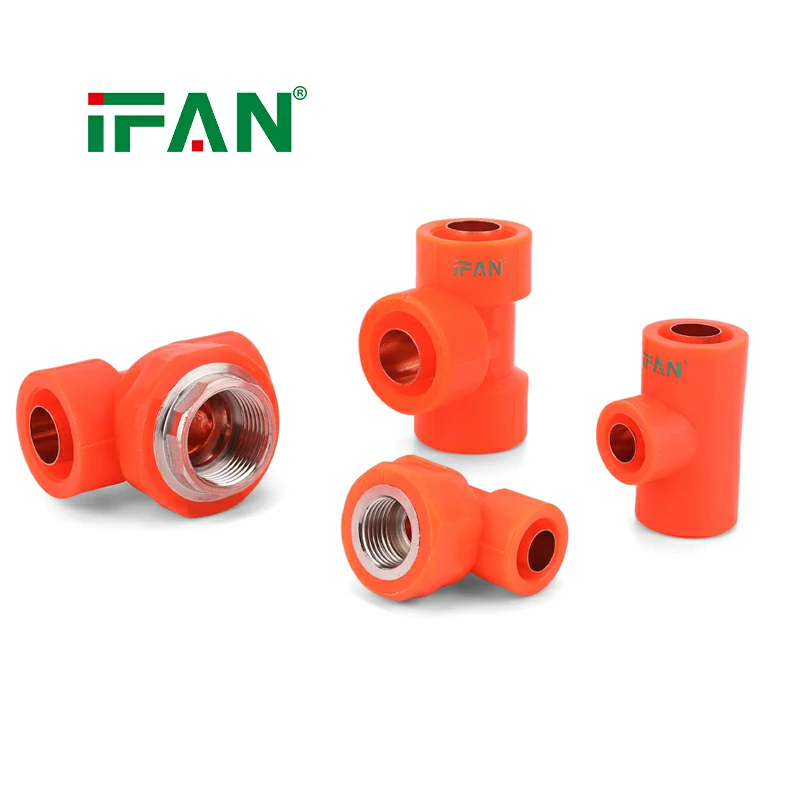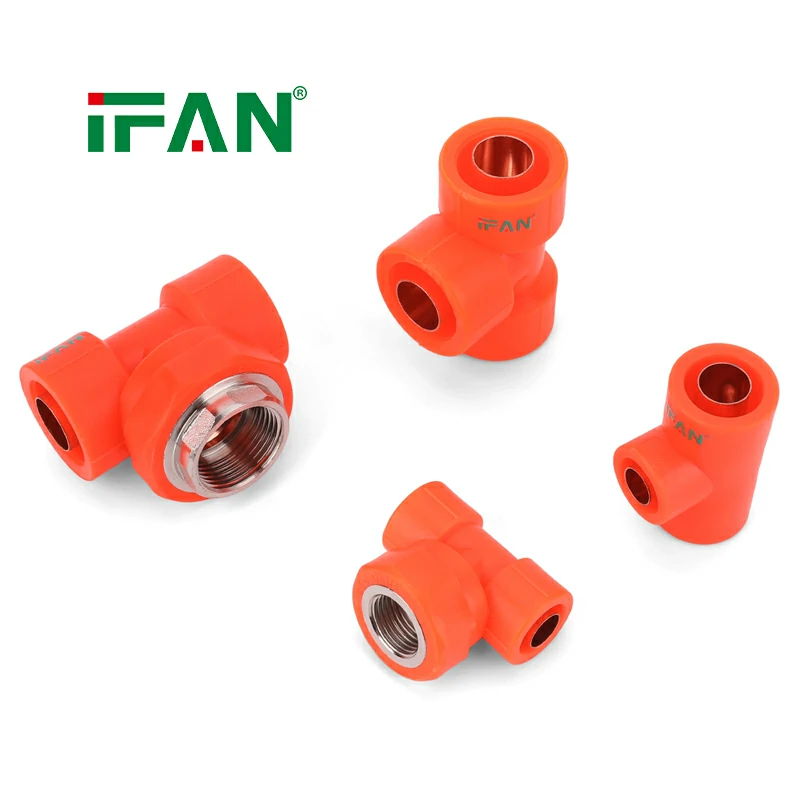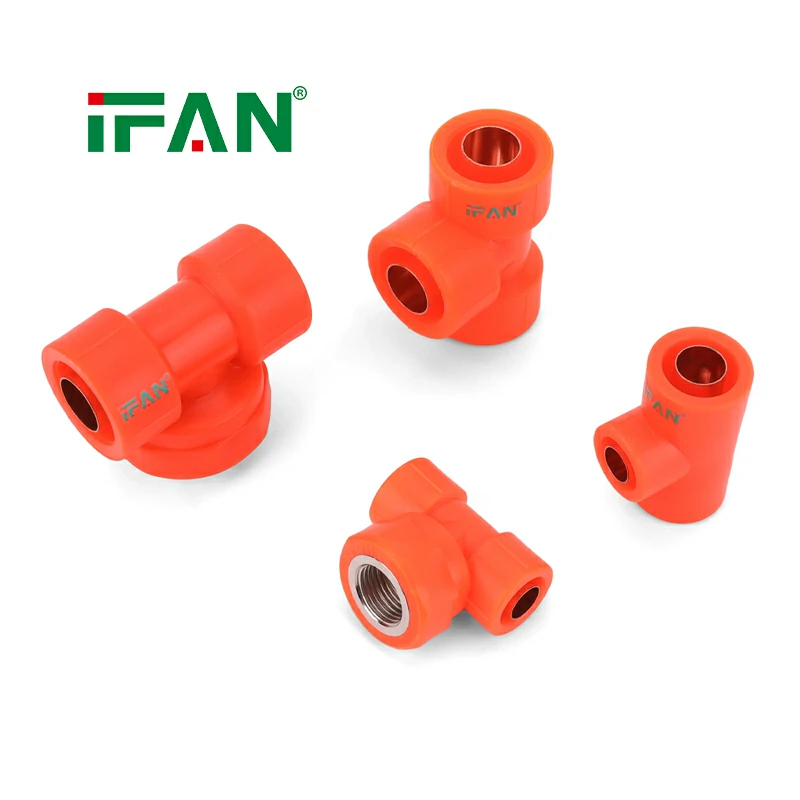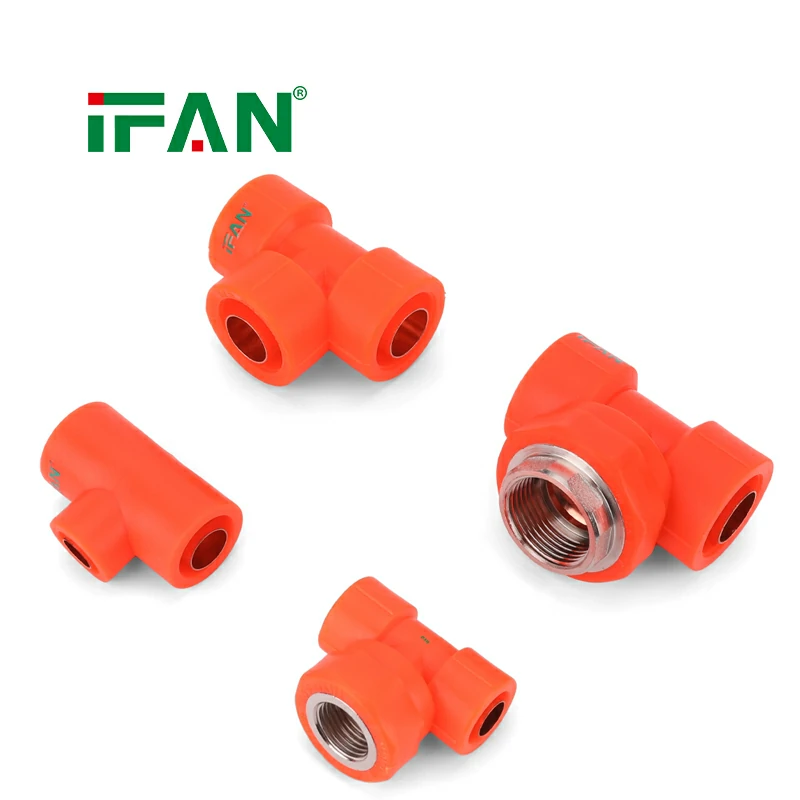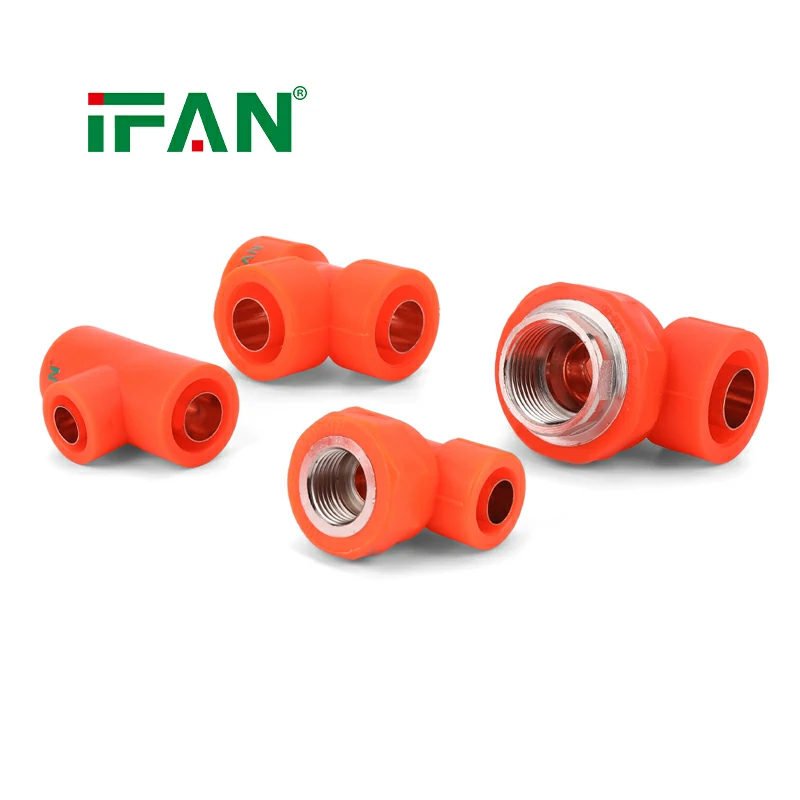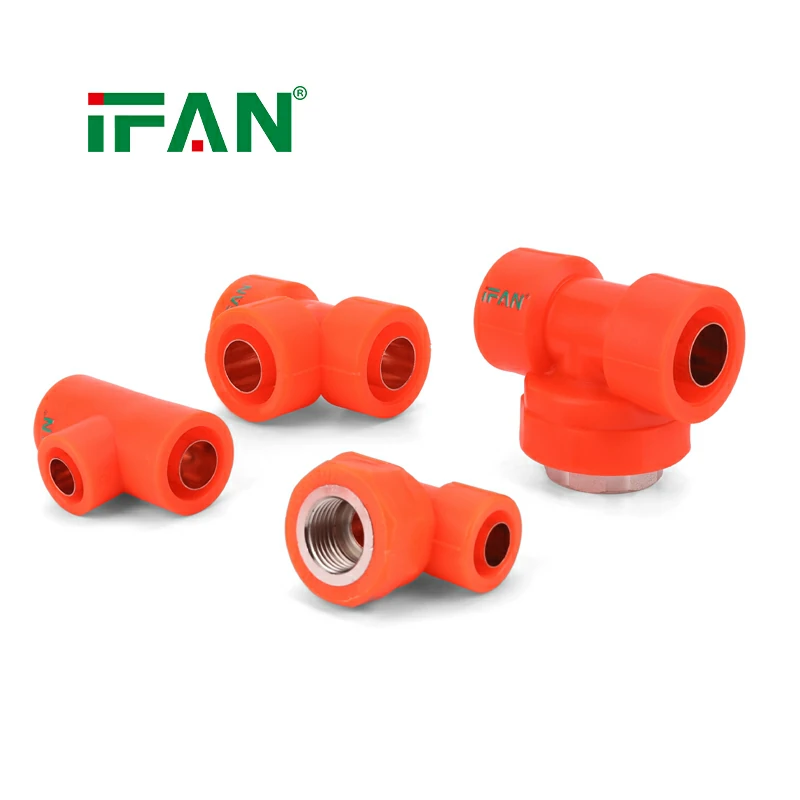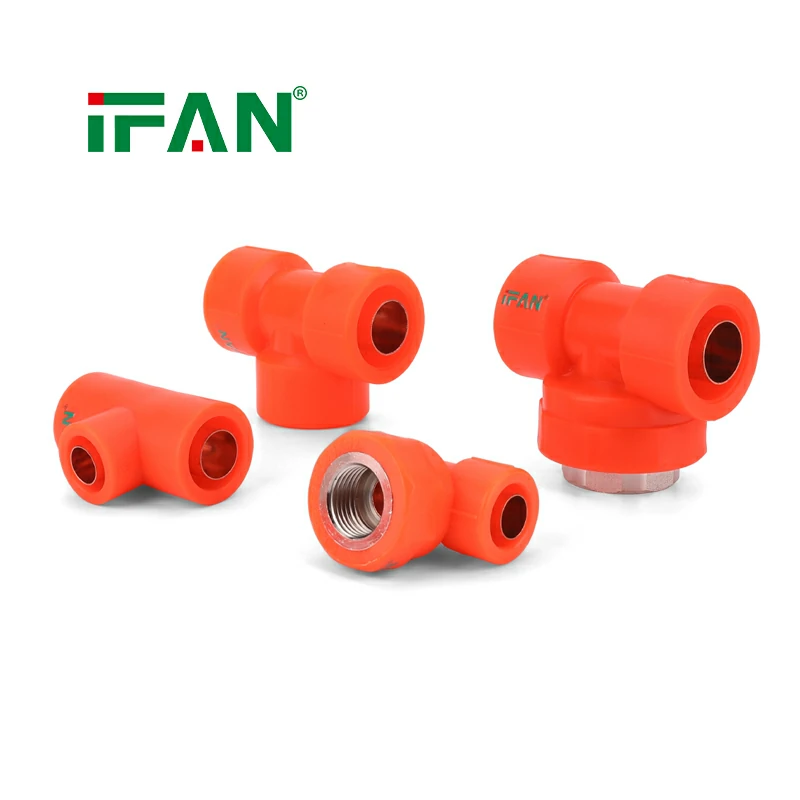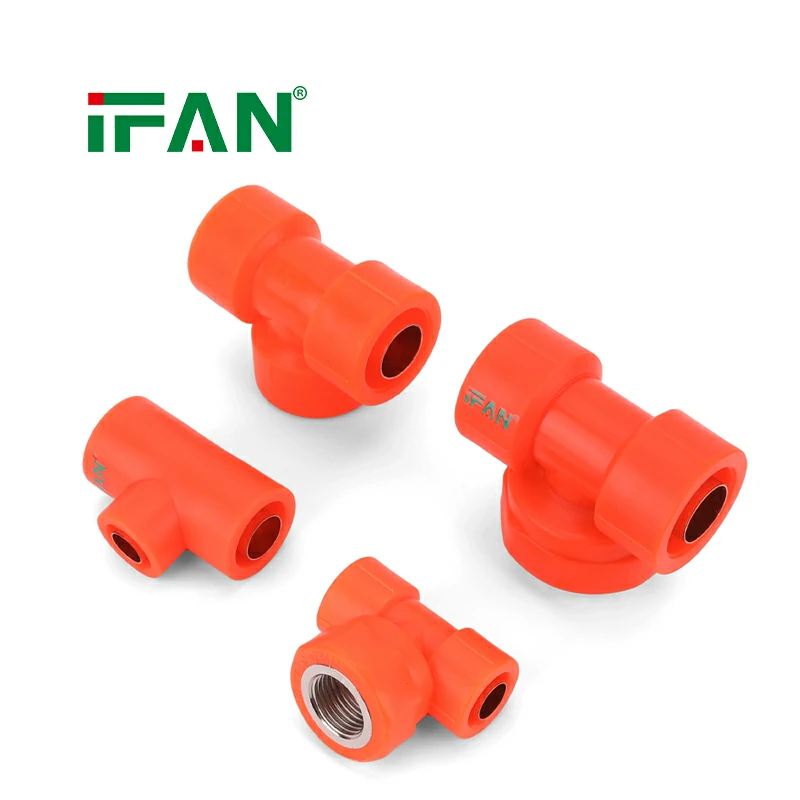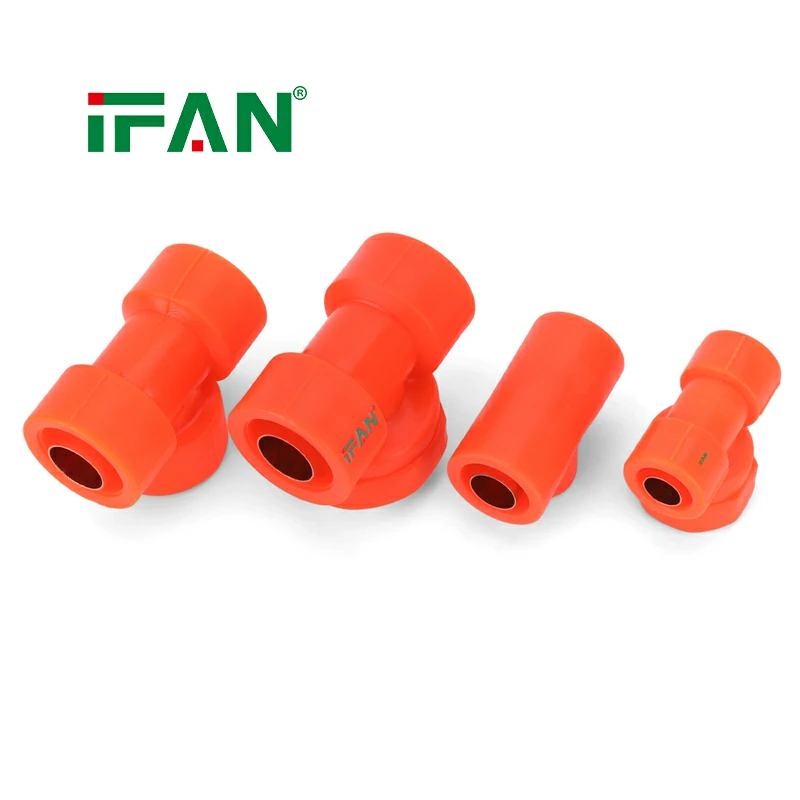
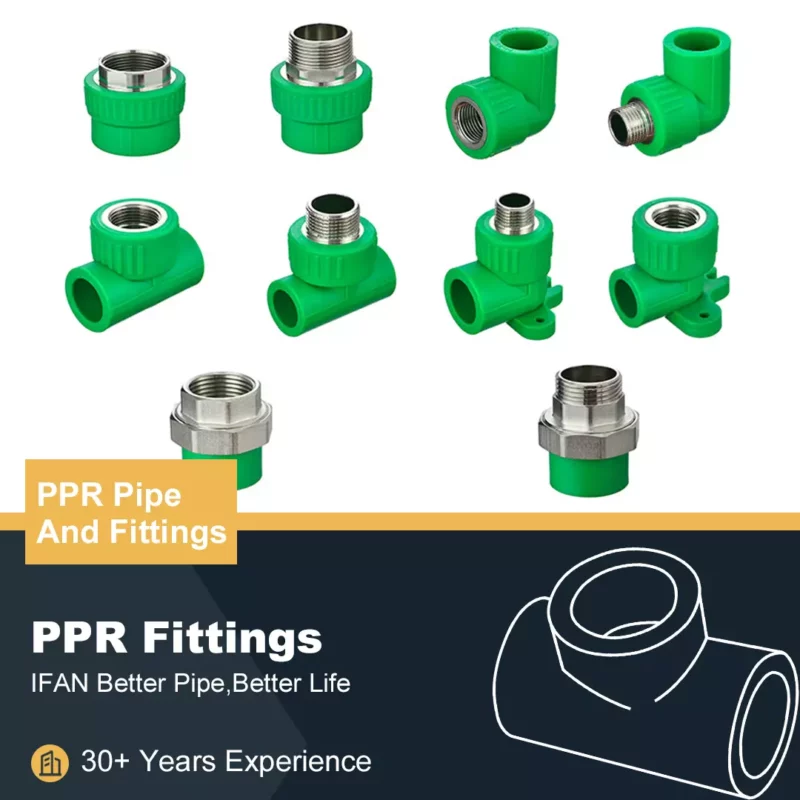
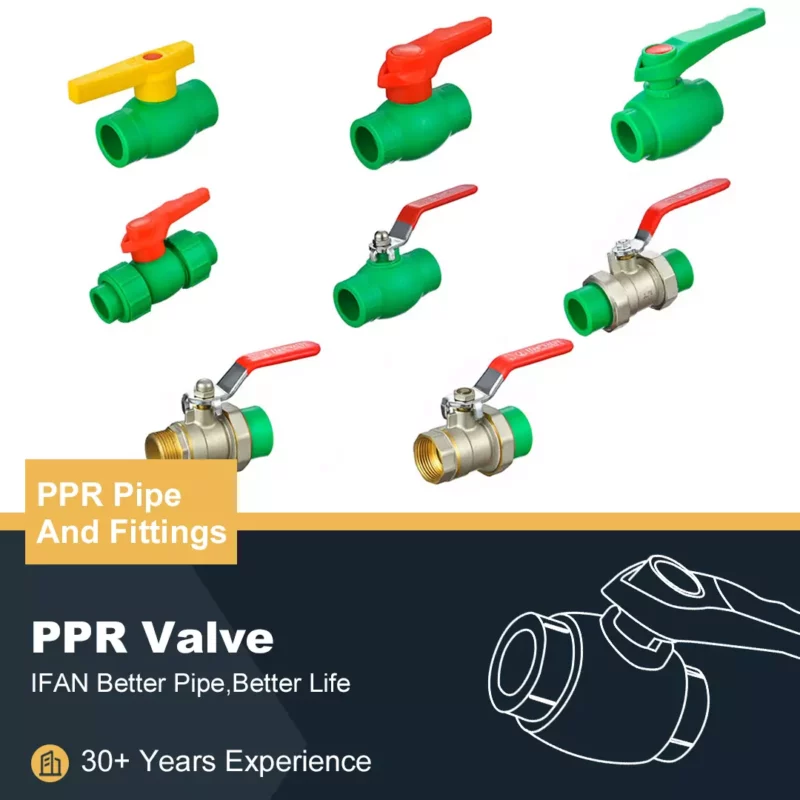
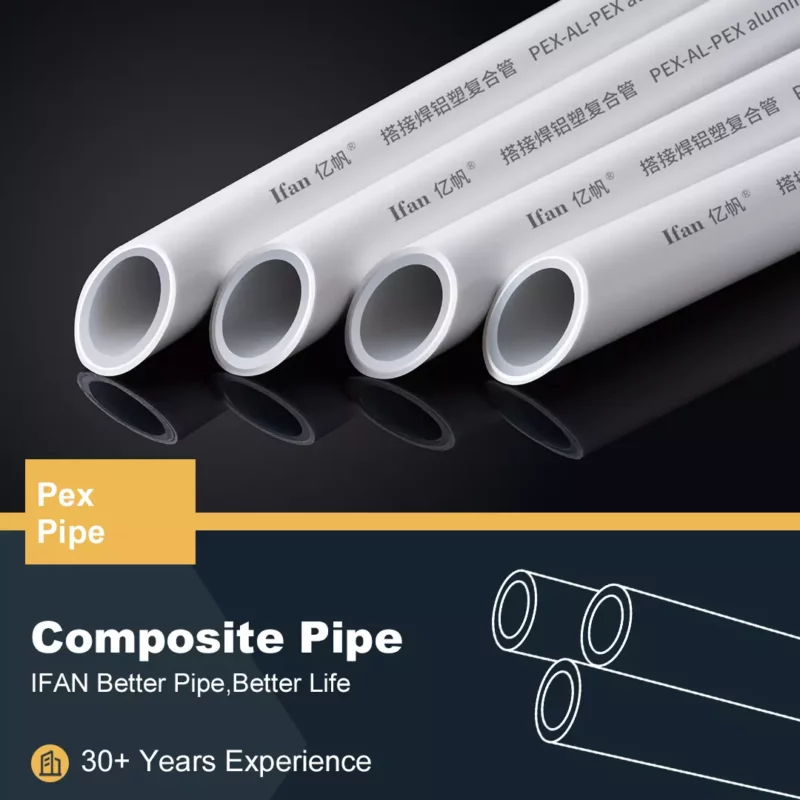
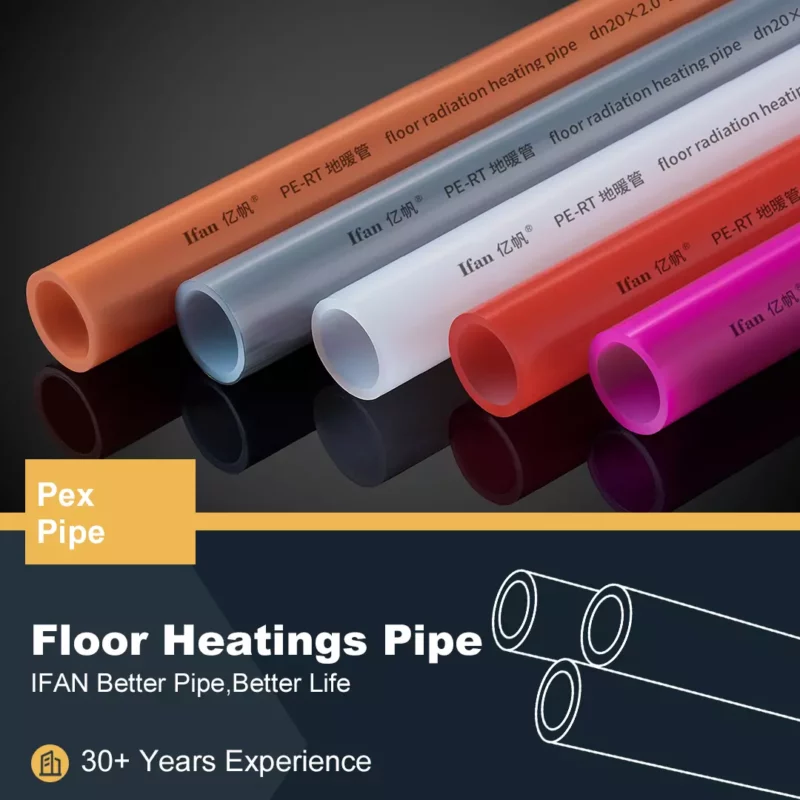
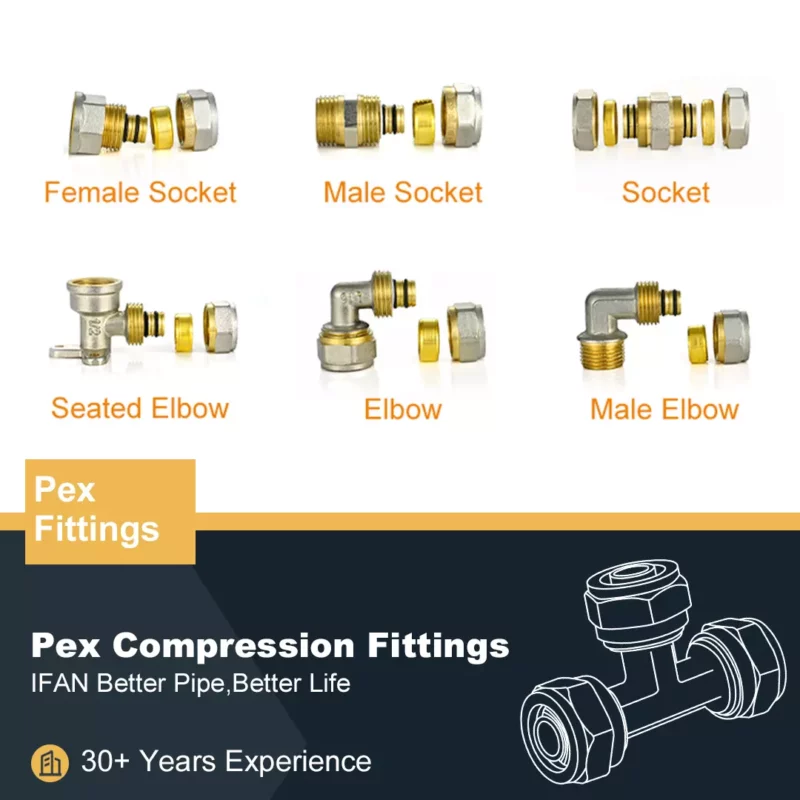
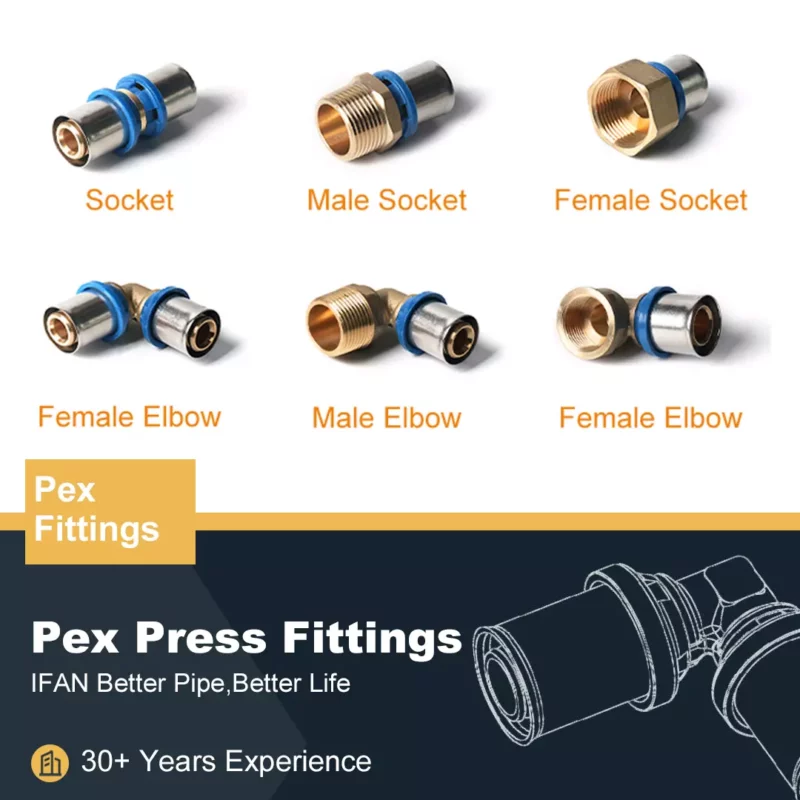
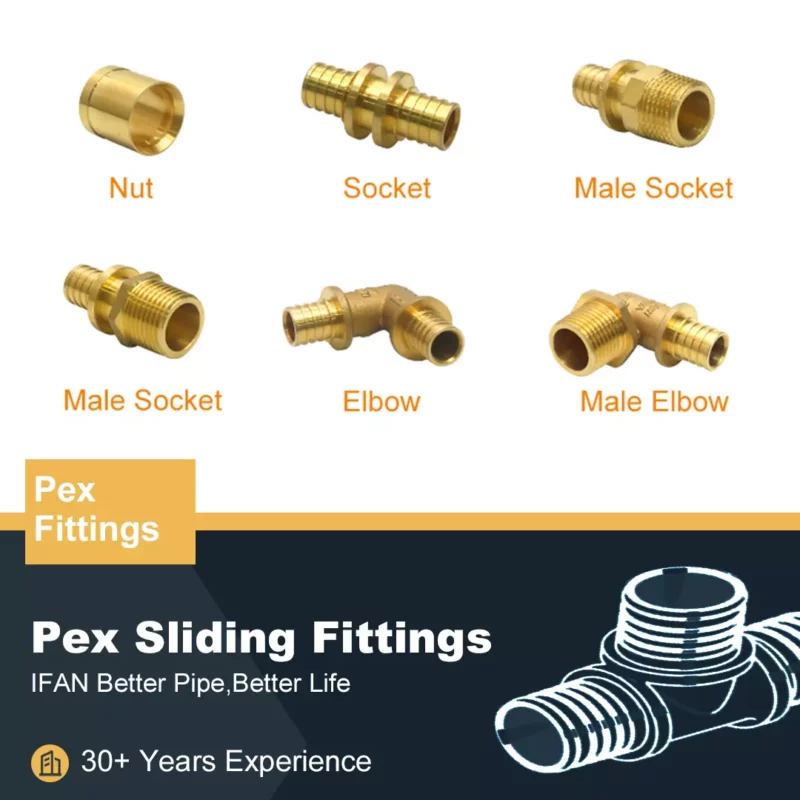
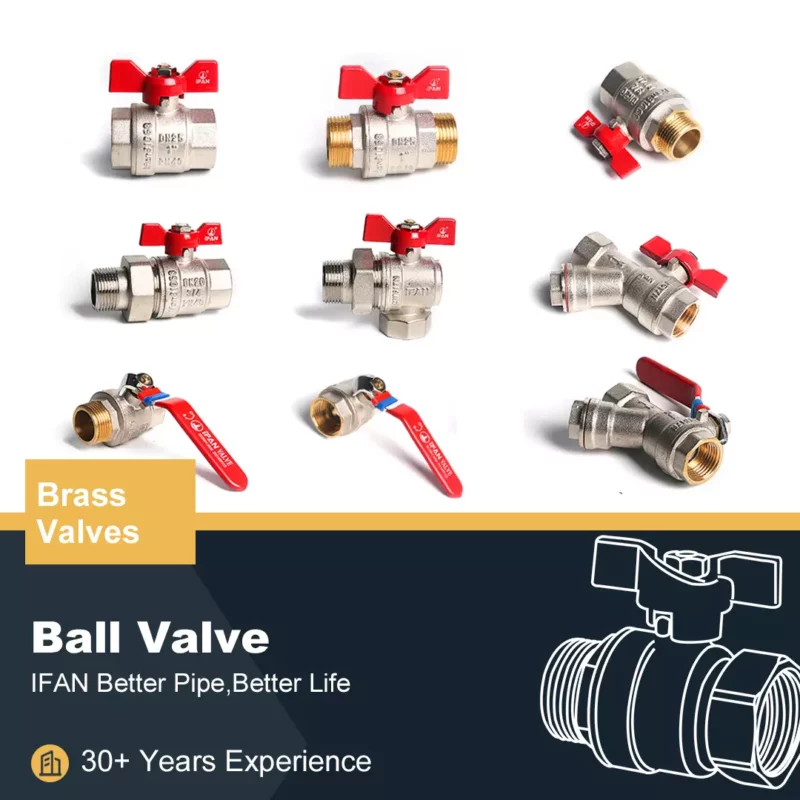
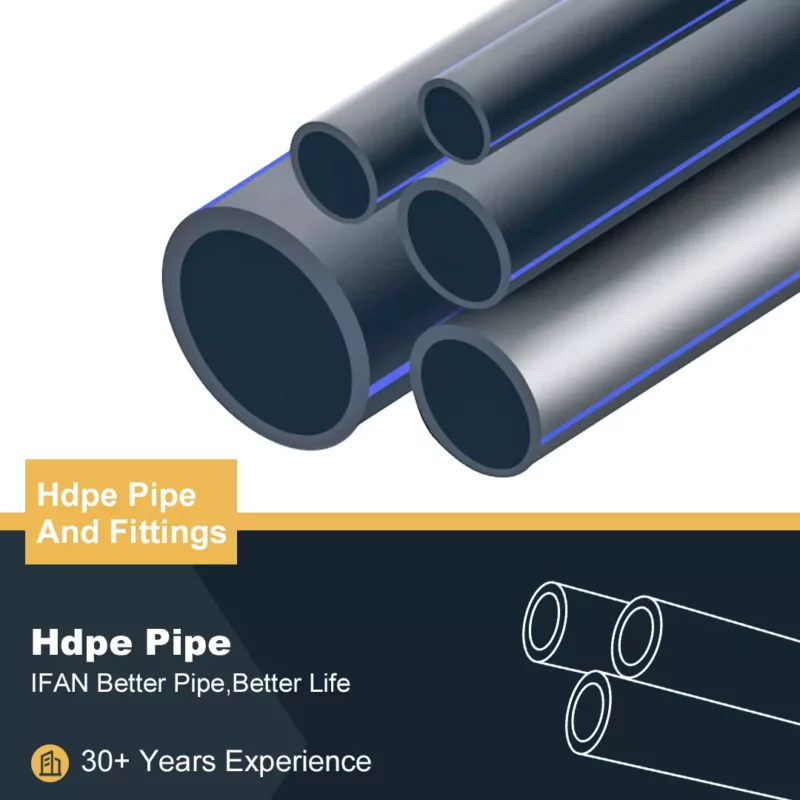
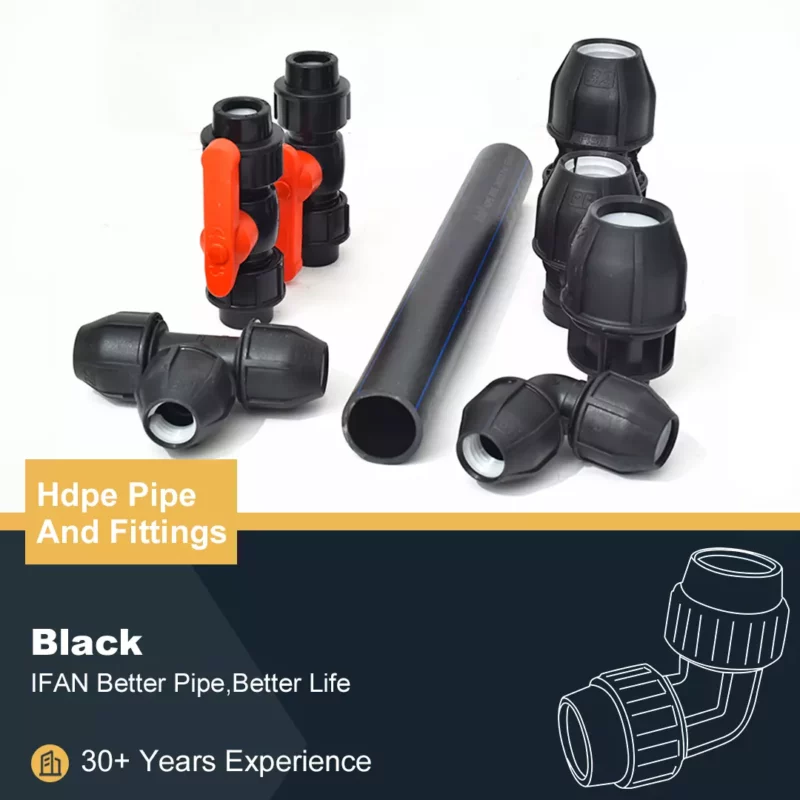
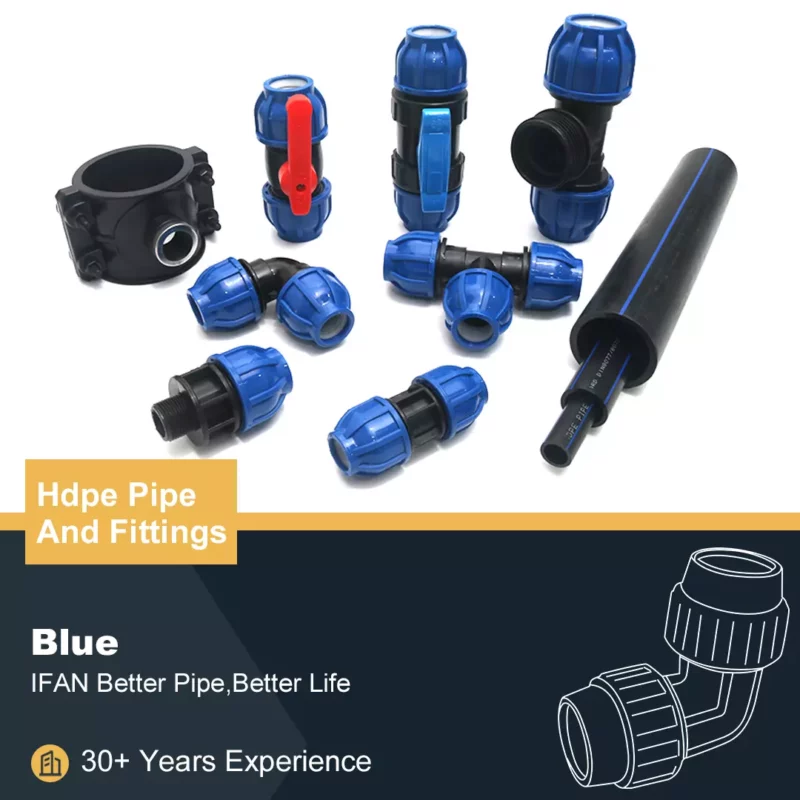
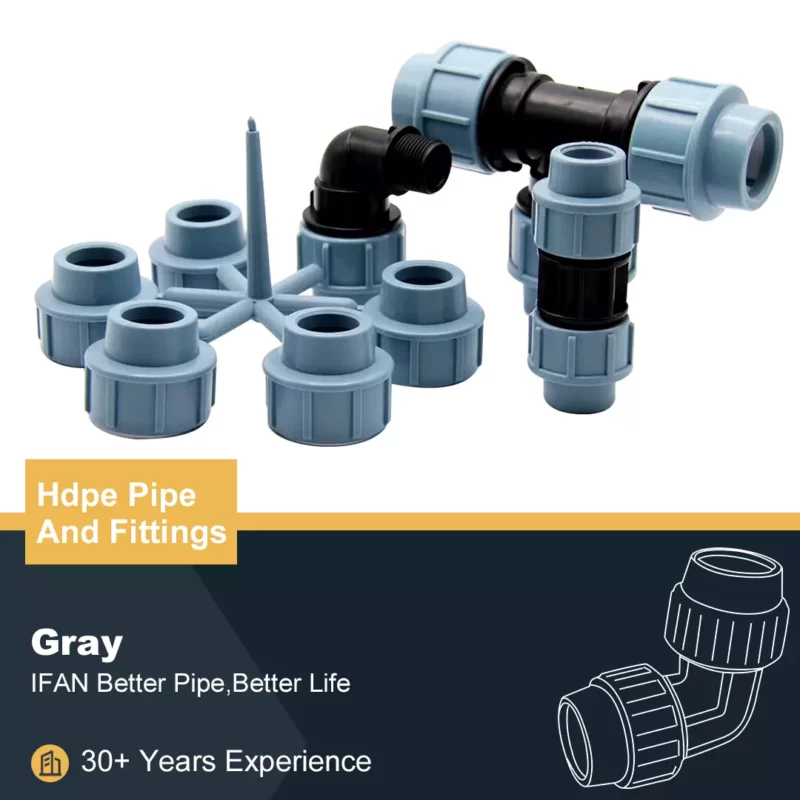



PPR pipes are a popular option for both residential and commercial plumbing. However, many people face the dilemma of choosing between metal pipes and plastic pipes. Each type has its advantages and drawbacks. In this article, we’ll compare metal and plastic pipes, particularly PPR pipes, to help you make an informed decision.
The Basics of PPR Pipes
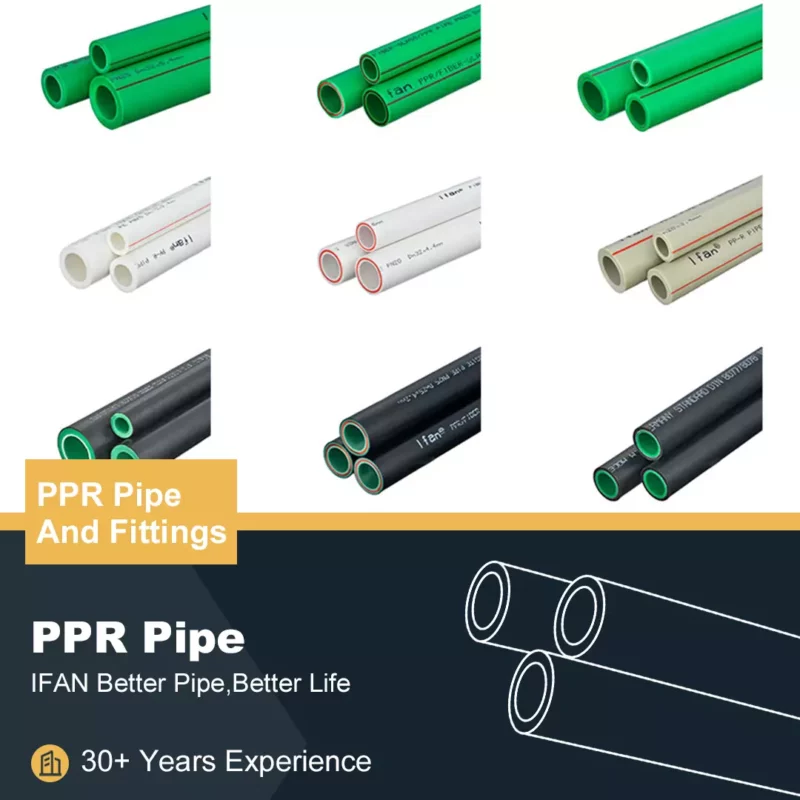
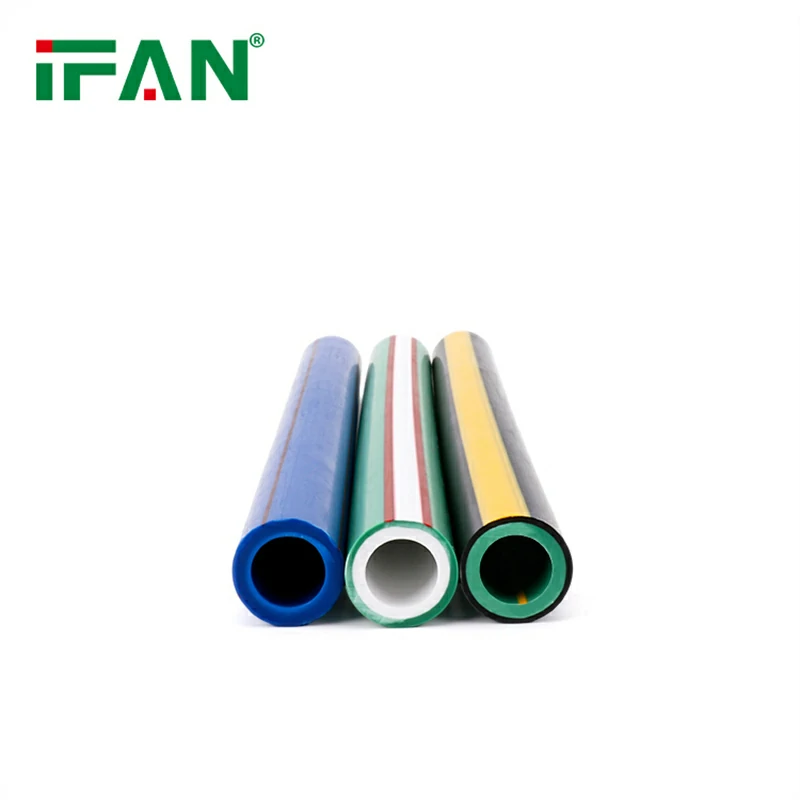
PPR stands for Polypropylene Random Copolymer. It is a type of plastic pipe made from a high-quality thermoplastic material. PPR pipes have gained popularity in the plumbing and construction industries due to their flexibility, resistance to corrosion, and ease of installation.
Unlike metal pipes, PPR pipes do not rust. This makes them ideal for both hot and cold water systems. The pipes are lightweight and easy to cut and join. These properties give them an edge over their metal counterparts.
Metal Pipes: The Traditional Choice
Metal pipes have been the go-to option in plumbing systems for decades. Copper and steel are the two most common materials used for metal piping. They are known for their durability and strength.
Copper pipes, in particular, offer excellent heat resistance and long-term performance. Steel pipes, on the other hand, are stronger and better suited for high-pressure systems. Both types have been reliable choices in many plumbing applications. However, they also come with certain drawbacks that can make them less appealing compared to plastic options.
The Pros of Metal Pipes
Strength and Durability
Metal pipes are known for their strength and longevity. Steel and copper are highly durable materials, capable of withstanding high pressure and extreme temperatures.
Resistance to Damage
Metal pipes are less likely to suffer from physical damage like cracking or puncturing compared to plastic pipes. They are also resistant to UV rays, which can degrade plastic over time.
Heat Resistance
Metal pipes can handle higher temperatures more effectively than most plastic pipes. This makes them suitable for hot water systems and industrial uses where temperature control is crucial.
The Cons of Metal Pipes
Corrosion and Rust
One of the major drawbacks of metal pipes is their tendency to corrode over time, especially in the presence of water and air. Rust can cause leaks and reduce the lifespan of the pipe. Copper pipes are more resistant to corrosion but still face issues in highly acidic water.
Heavier and Harder to Install
Metal pipes are significantly heavier than plastic pipes. This makes transportation and installation more difficult. They also require special tools and techniques for cutting and joining, adding to the labor costs.
Higher Cost
Metal pipes are generally more expensive than plastic pipes. The initial cost of purchasing and installing metal pipes can be significantly higher, making them less economical for certain projects.
Plastic Pipes: A Modern Solution
Plastic pipes, particularly PPR pipes, have emerged as a preferred alternative to metal pipes in modern plumbing systems. PPR pipes are lightweight, durable, and resistant to corrosion. They offer numerous benefits over metal pipes, making them a popular choice for homeowners and contractors.
The Pros of Plastic Pipes
Corrosion Resistance
Unlike metal pipes, plastic pipes do not rust or corrode. PPR pipes are resistant to both internal and external corrosion, making them ideal for use in areas with high moisture levels.
Ease of Installation
Plastic pipes are much lighter than metal pipes. This makes them easier to transport and install. They require fewer tools, and the installation process is quicker, which can reduce overall project costs.
Lower Cost
Plastic pipes are generally more affordable than metal pipes. The raw material cost and the ease of installation make plastic pipes a cost-effective choice for plumbing systems.
Flexibility
Plastic pipes are more flexible than metal pipes, which makes them less prone to breaking or cracking under pressure. They can also bend around corners, reducing the need for multiple fittings.
The Cons of Plastic Pipes
Lower Temperature Resistance
Although plastic pipes, including PPR pipes, can handle moderately high temperatures, they are not as heat-resistant as metal pipes. In some cases, plastic pipes may deform or lose their structural integrity when exposed to extreme heat.
Potential for Chemical Leaching
Some lower-quality plastic pipes may leach chemicals into the water supply, especially when exposed to heat. However, high-quality PPR pipes are manufactured to meet safety standards and do not pose this risk.
Susceptibility to UV Damage
Plastic pipes can degrade when exposed to direct sunlight for extended periods. UV rays can weaken the material, leading to cracks and leaks. However, this issue can be mitigated by burying the pipes underground or using UV-resistant coatings.
Comparing Cost: Metal vs Plastic
Initial Investment
Metal pipes tend to have a higher upfront cost. Copper and steel pipes require more expensive raw materials, specialized labor, and tools for installation. In contrast, PPR pipes offer a lower initial investment due to their cheaper materials and easier installation process.
Long-Term Maintenance
While metal pipes can last longer in some cases, they are also more prone to rust and corrosion. This can lead to expensive repairs and maintenance over time. Plastic pipes, especially PPR, are less prone to these issues, reducing long-term maintenance costs.
Efficiency of Installation
The installation of metal pipes can be time-consuming and labor-intensive. Plumbers need special tools and expertise to handle metal piping systems. On the other hand, plastic pipes are lightweight and easier to handle, which results in quicker installation and reduced labor costs.
Durability: Which Pipe Lasts Longer?
When comparing the durability of metal and plastic pipes, it depends largely on the environment. Metal pipes like copper and steel can last for several decades, but they are susceptible to rust and corrosion. In contrast, PPR pipes are more resistant to external factors like corrosion and UV degradation, but they may not be as heat-resistant as metals.
Overall, PPR pipes offer an excellent balance of durability and longevity for most residential and commercial applications. For systems exposed to high temperatures or extreme pressure, metal pipes might be the better choice.
Environmental Impact: Metal vs Plastic
Sustainability of Metal Pipes
Steel and copper are both recyclable materials, which reduces their overall environmental impact. However, mining and manufacturing processes for these metals can be resource-intensive and produce significant pollution.
Sustainability of Plastic Pipes
Plastic pipes, such as PPR, are made from petrochemical products. While they are lightweight and energy-efficient to transport, they are less sustainable in the long run because plastic can be challenging to recycle.
However, PPR pipes do have a lower carbon footprint during production compared to metal pipes. Modern advancements have also improved the recyclability of plastic materials, reducing the environmental impact of PPR pipes.
Conclusion: Which Material Should You Choose?
Choosing between metal and plastic pipes ultimately depends on your project’s specific needs. If you require strength, heat resistance, and longevity, metal pipes might be the right option. Copper and steel pipes offer reliability and long-term performance in certain applications.
However, for most residential and commercial plumbing systems, PPR pipes offer significant advantages in terms of cost, ease of installation, and resistance to corrosion. They provide a practical and sustainable option for most modern plumbing systems.
For general-purpose plumbing, PPR pipes are often the superior choice. Their affordability, durability, and ease of use make them ideal for a wide range of applications. If you need specialized piping for high temperatures or extreme pressure, metal pipes may still be the best option.
In the end, understanding the unique characteristics of each material will help you make the best decision for your plumbing needs.
If you have read this article and have any questions, please feel free to contact IFAN. Below is our contact information:
Whatsapp:+86 13373827623
Email:[email protected]