



Fermentum scelerisque hendrerit parturient nullam enim lobortis litora parturient dictumst.

Potenti a quisque tincidunt venenatis adipiscing parturient fermentum nisl tincidunt amentu.

Scelerisque conubia lobortis a condimentum ad eleifend dui integer maecenas habitant nostra.
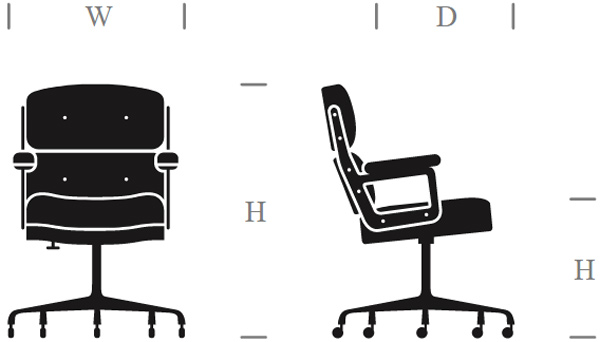
| Specification | Chair | Armchair | Sofas |
| Height | 37" | 42" | 42" |
| Width | 26.5" | 32.5" | 142" |
| Depth | 19.5" | 22.5" | 24.5" |
| Assembly Required | No | No | Yes |
| Packaging Type | Box | Box | Box |
| Package Weight | 55 lbs. | 64 lbs. | 180 lbs. |
| Packaging Dimensions | 27" x 26" x 39" | 45" x 35" x 24" | 46" x 142" x 25" |
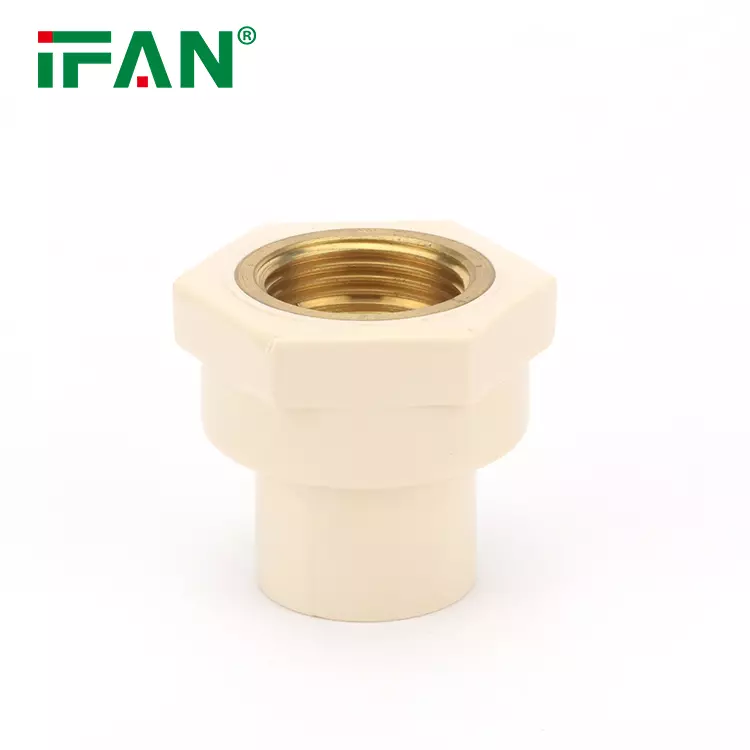
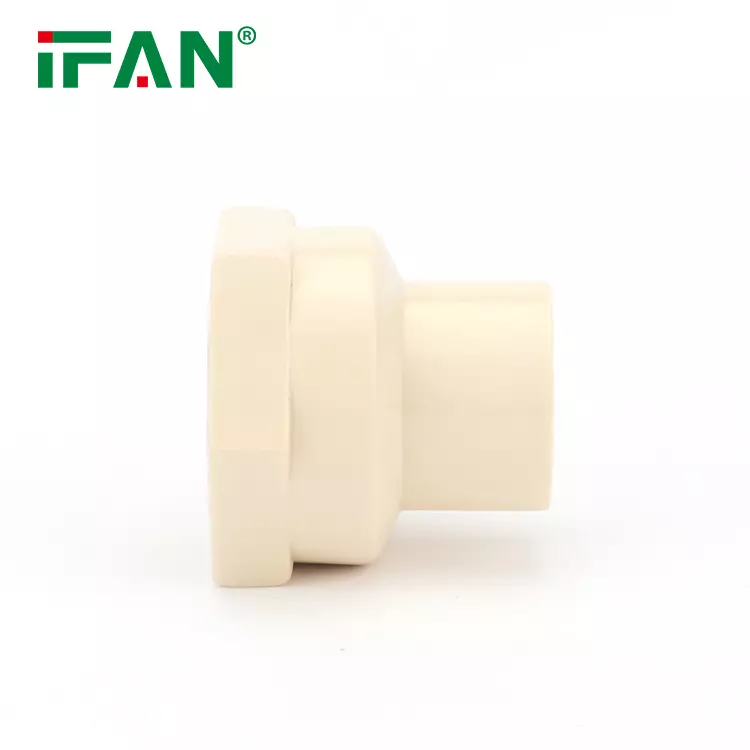
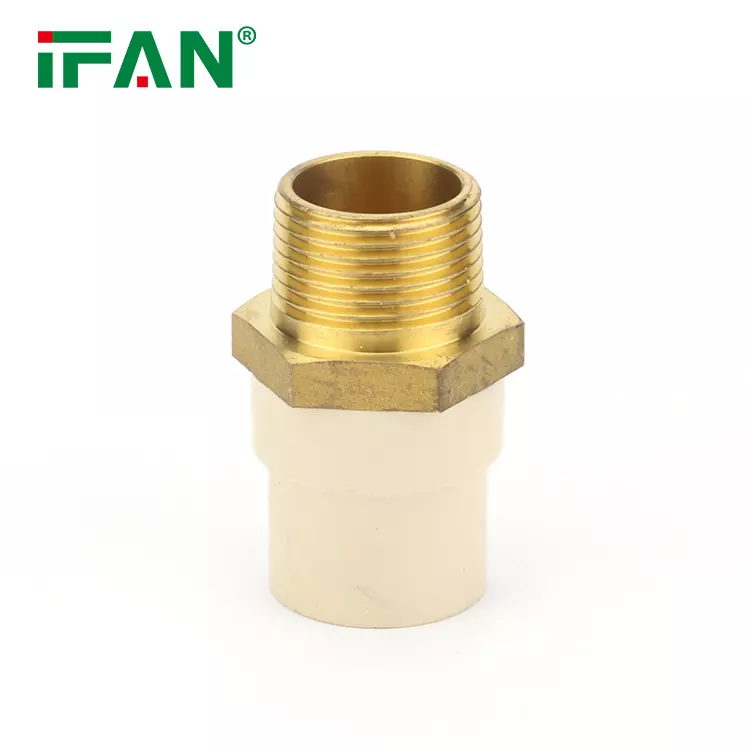
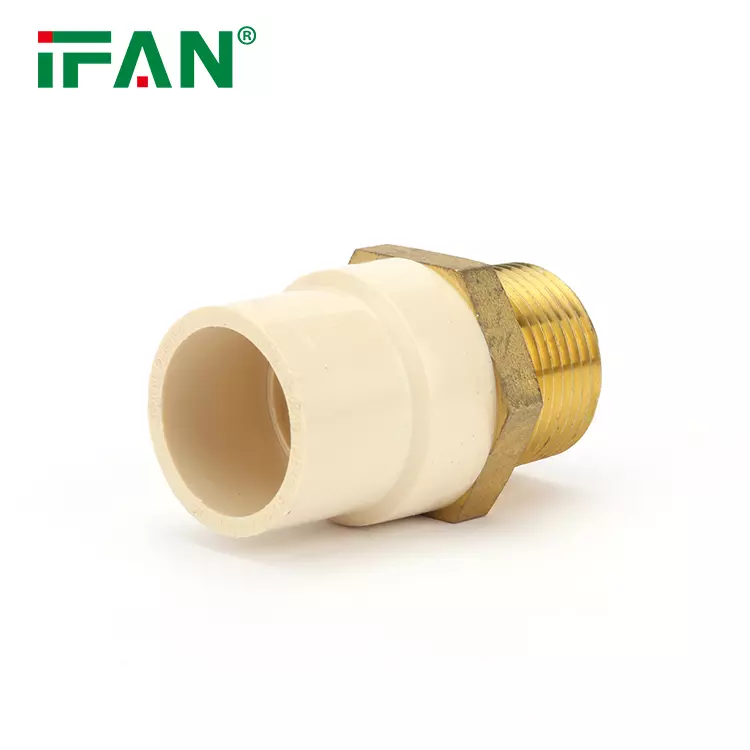
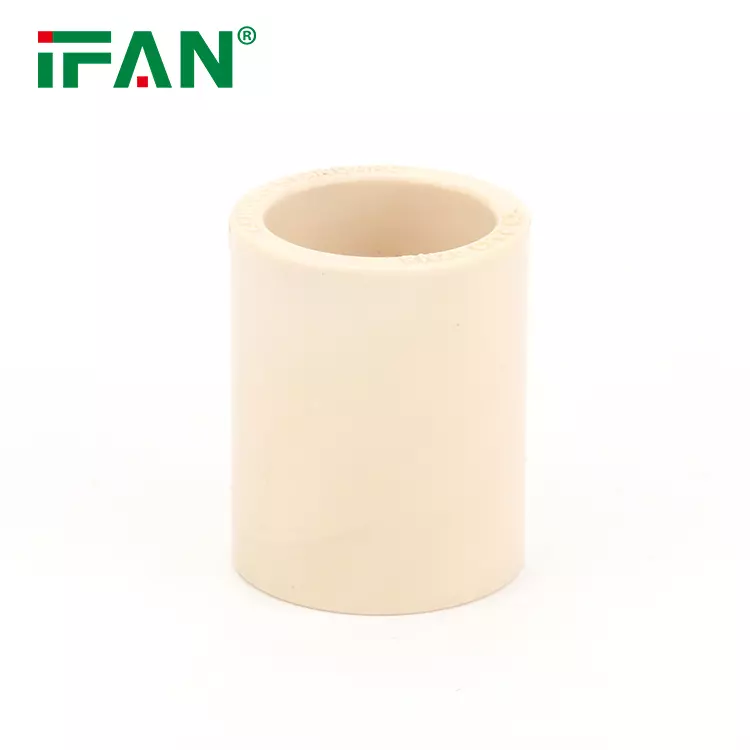
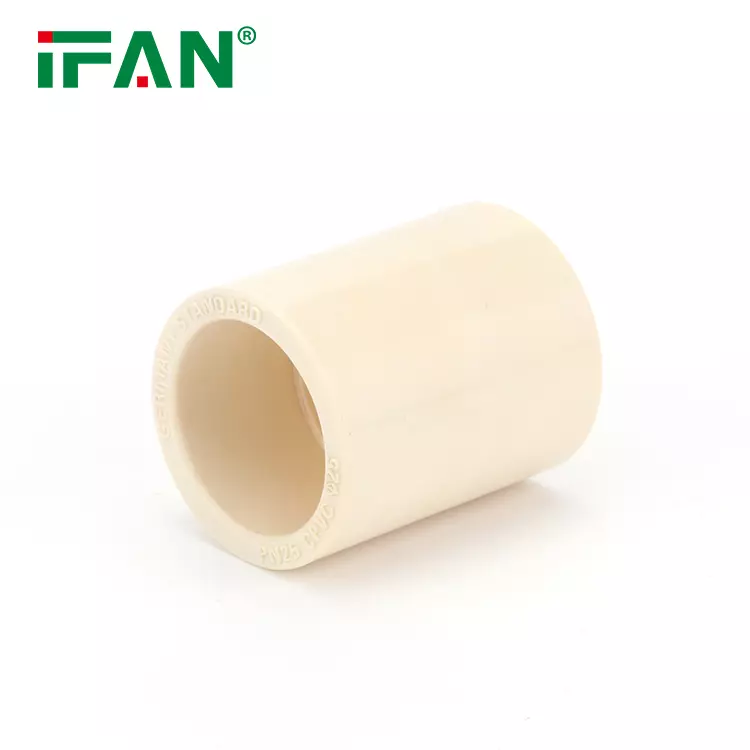


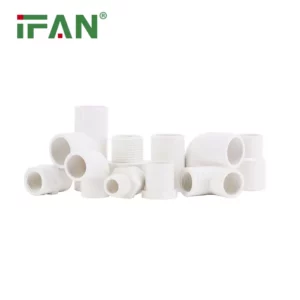
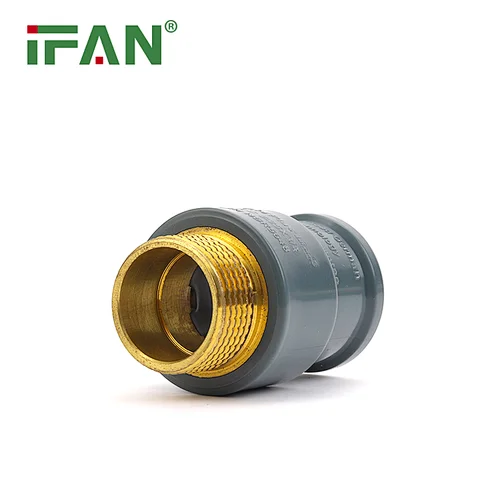
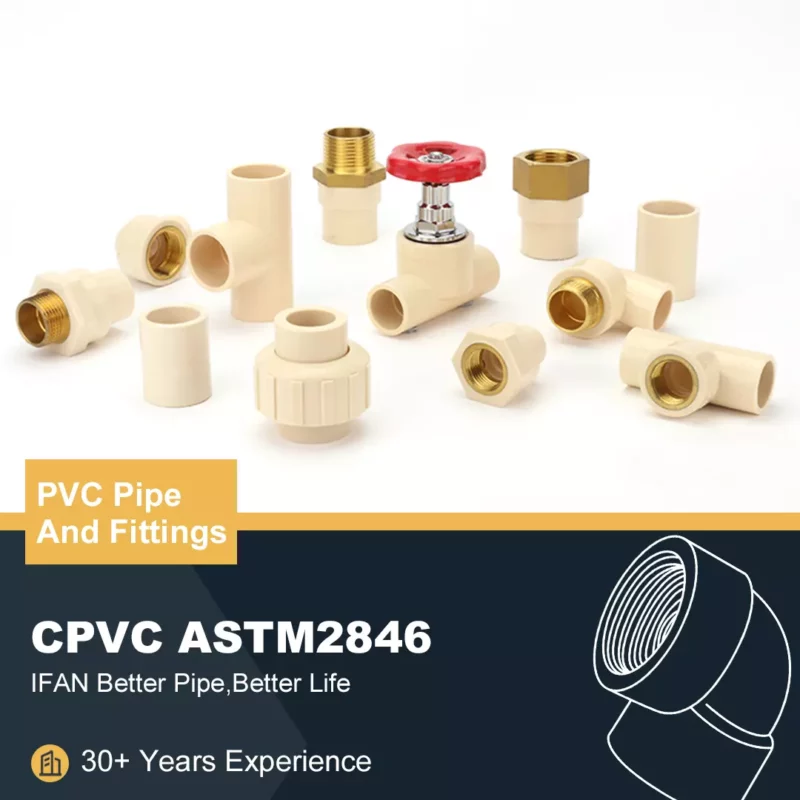
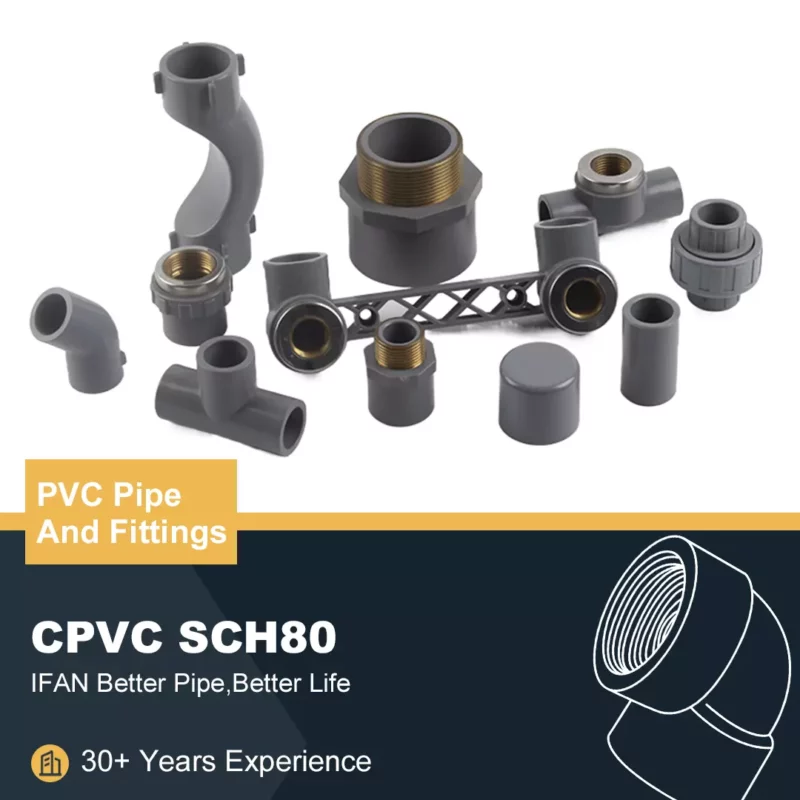
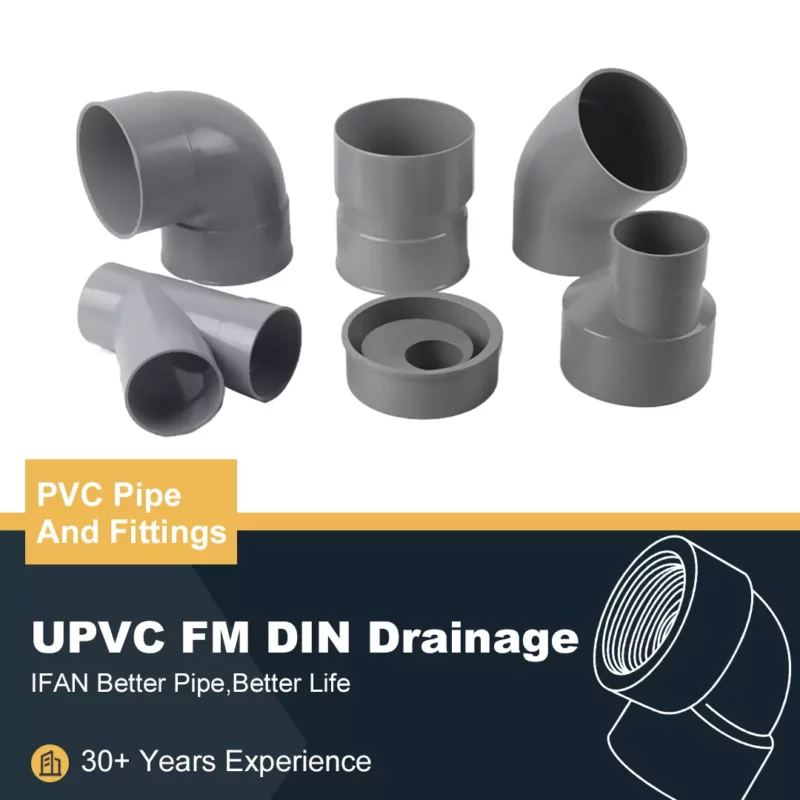
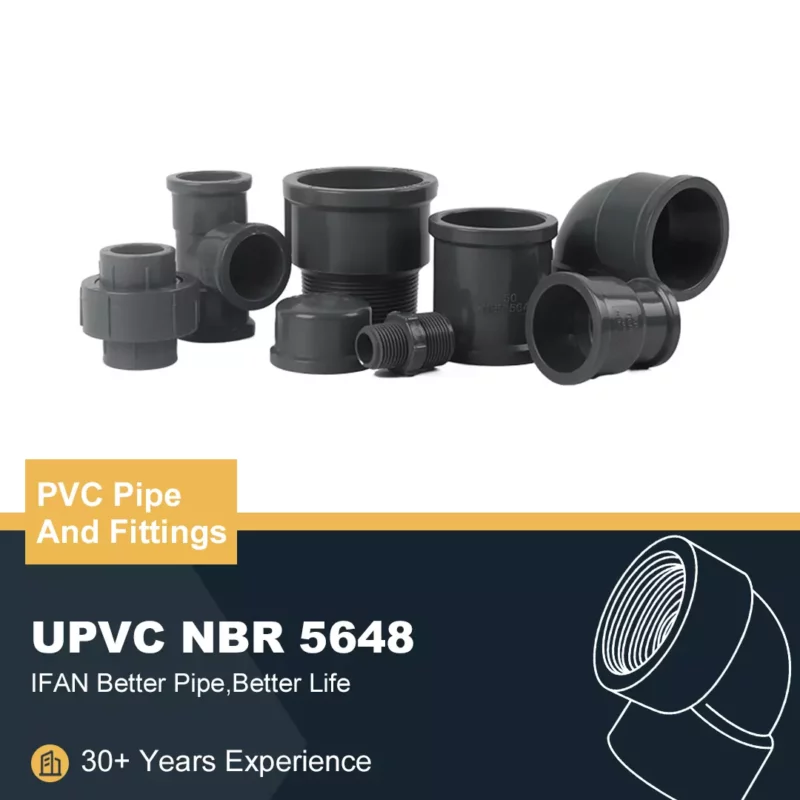
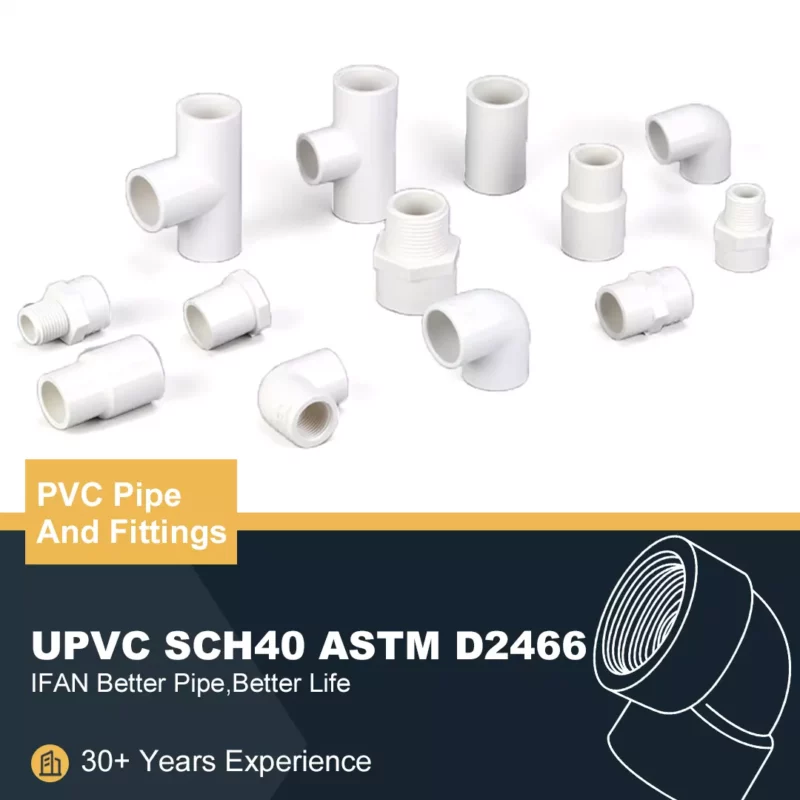
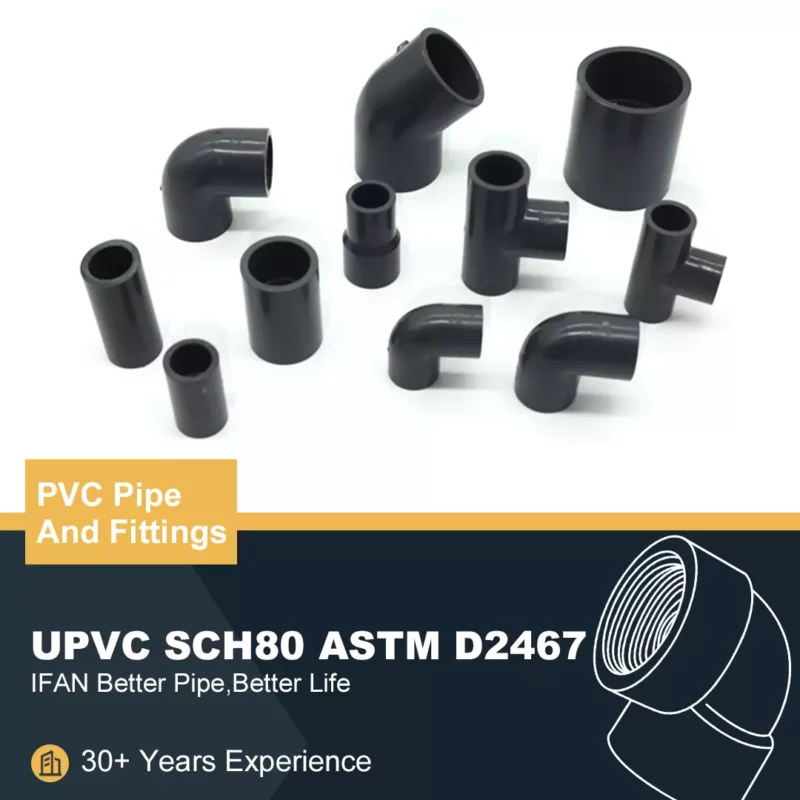
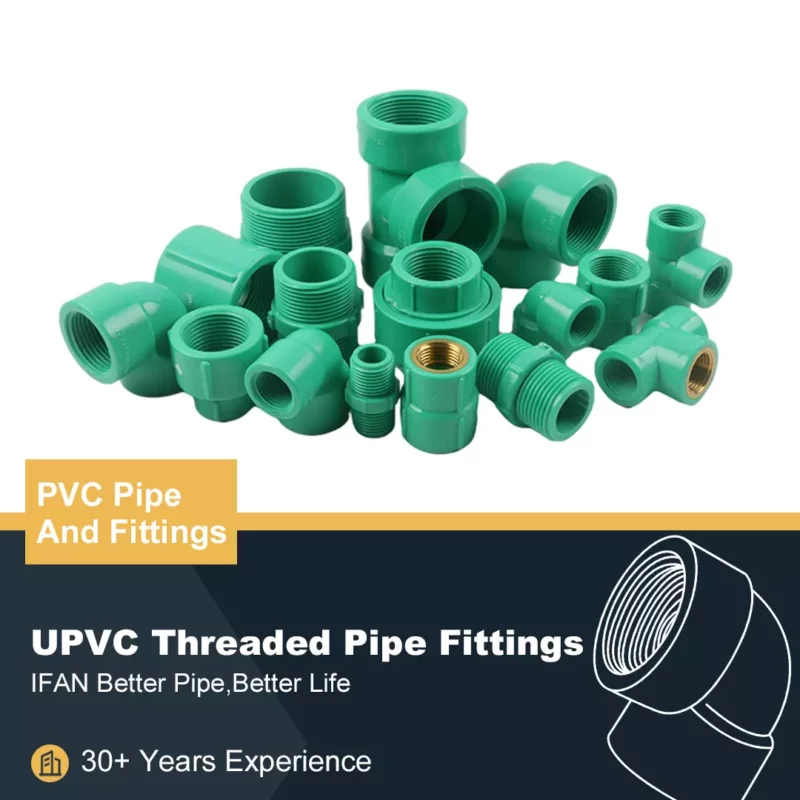
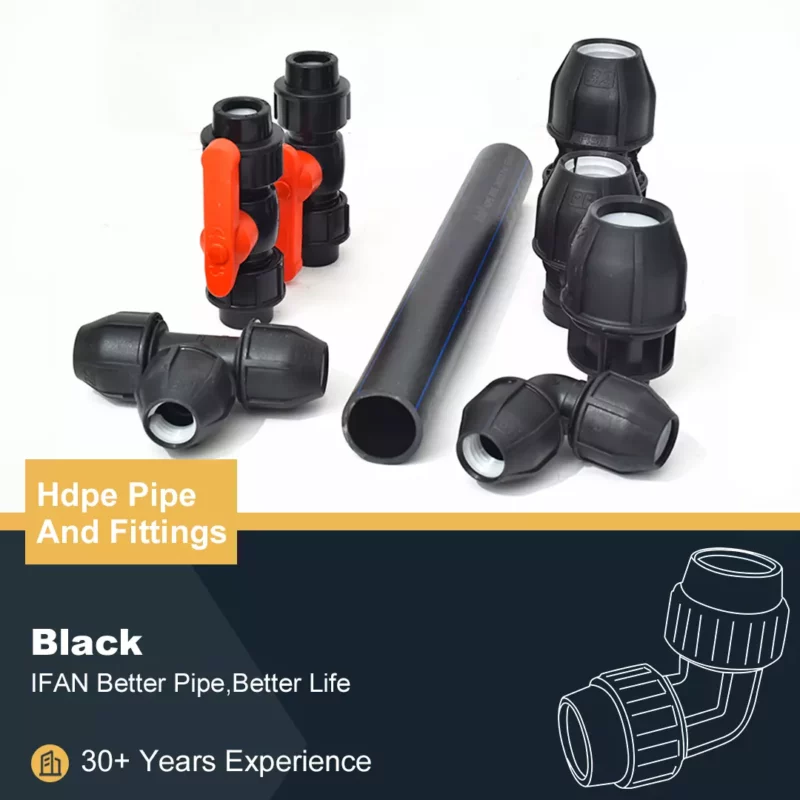
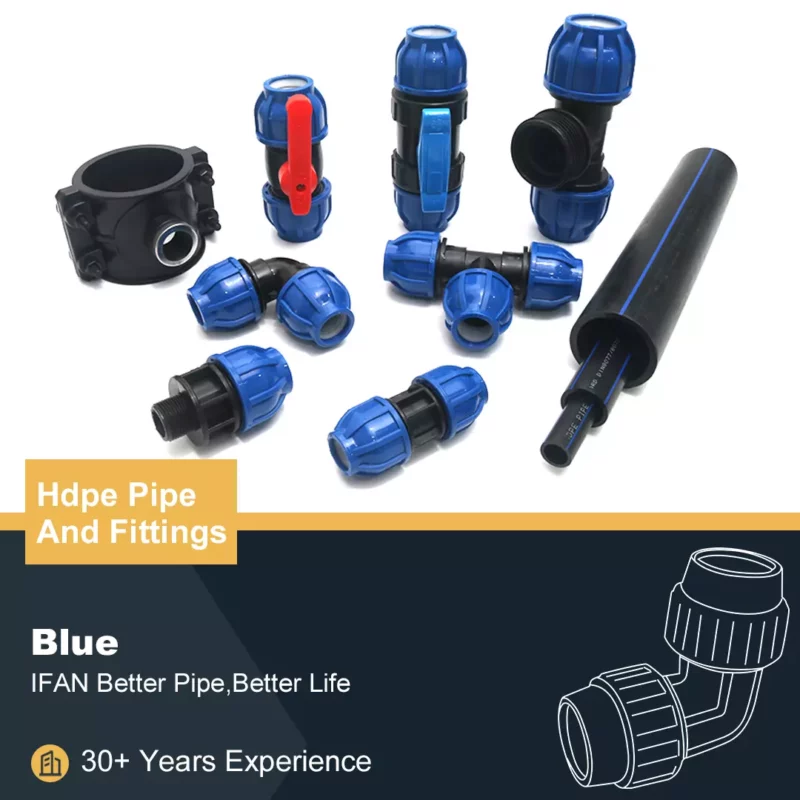
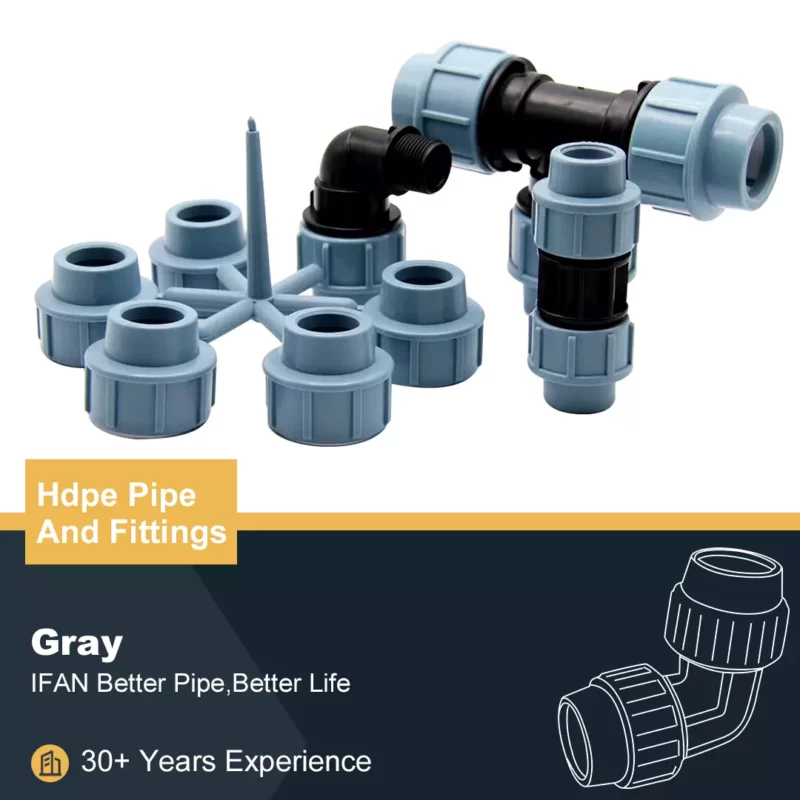
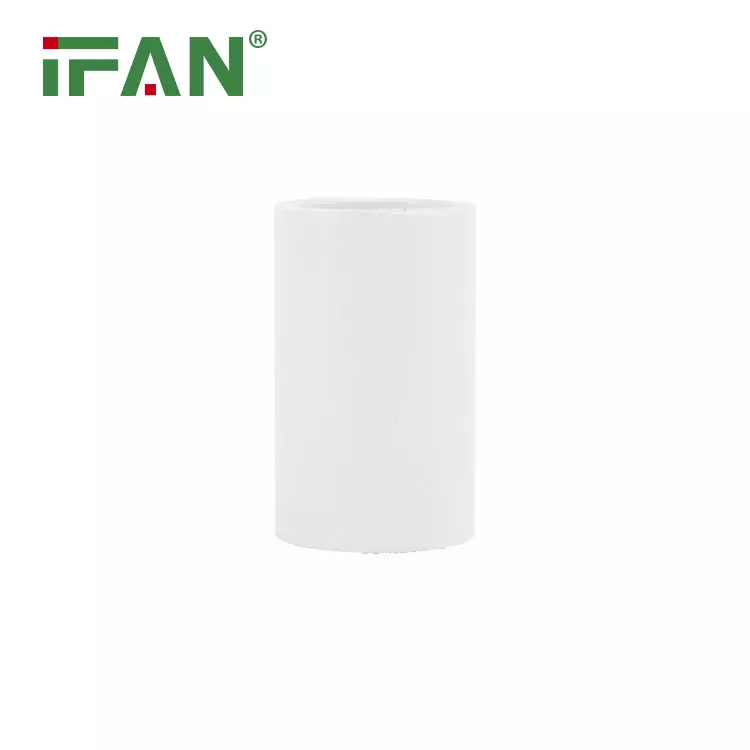
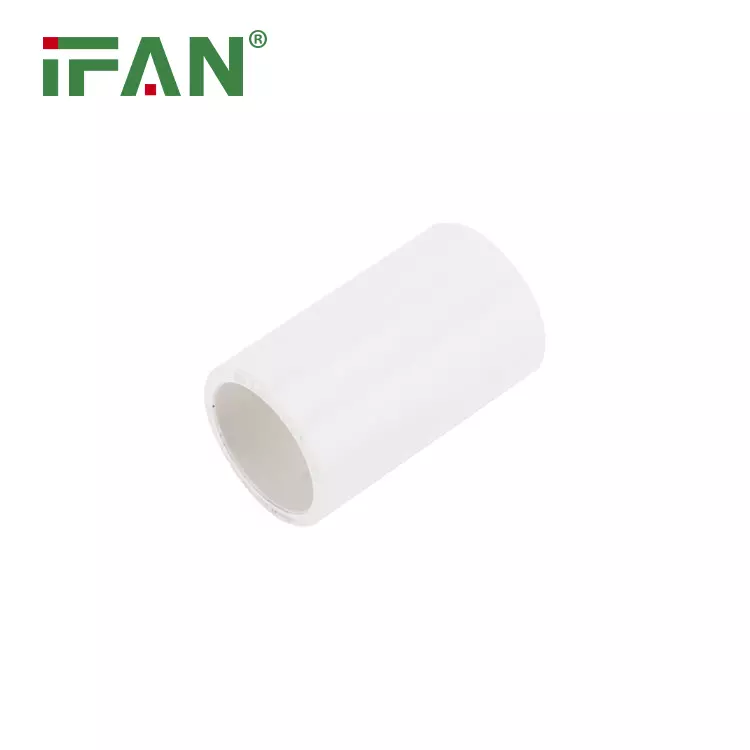
PVC Pipe Fittings refer to pipe fittings made of unplasticized polyvinyl chloride (UPVC) material. UPVC is a rigid form of PVC. Often used in pipe and plumbing applications due to its excellent durability, chemical resistance and cost-effectiveness.
When it comes to plastic fittings, the two most commonly used materials are UPVC (unplasticized polyvinyl chloride) and CPVC (chlorinated polyvinyl chloride). Although they look similar. But there is a significant difference between the two. These differences lie in their composition, temperature resistance and intended application. Understanding the differences between UPVC and CPVC fittings is critical to ensuring the correct choice for your plumbing needs.
Both UPVC and CPVC fittings have unique advantages and disadvantages. Make it suitable for different plumbing applications. Let’s examine the properties of each material:
Advantages of UPVC Pipe Fittings:
1.Excellent durability and resistance to corrosion, chemical degradation, and UV radiation.
2.Lightweight and easy to handle, transport, and install.
3.Cost-effective option compared to metal fittings.
4.Smooth inner surface, reducing friction and pressure loss for improved flow efficiency.
5.Non-toxic material, ensuring the safety of potable water supply
Disadvantages of UPVC Pipe Fittings:
1.Lower impact strength compared to some metal alternatives.
2.Limited suitability for high-temperature applications.
3.Not fire-resistant and may release toxic gases when exposed to flames.
1.High temperature resistance, suitable for both hot and cold water systems.
2.Greater impact strength compared to UPVC, making them more suitable for demanding applications.
3.Fire-resistant and self-extinguishing properties, enhancing safety.
1.Generally more expensive compared to UPVC fittings.
2.Limited compatibility with certain solvents and chemicals.
Proper installation of UPVC pipe fittings is critical to a reliable, leak-free piping system. Here are some basic steps to follow:
1. Measure and prepare: Accurately measure and mark pipes. Ensure correct alignment and dimensions. Cut the pipe to the desired length using a suitable cutting tool.
2. Deburring and Cleaning: Remove any burrs or sharp edges from the cut end of the pipe. Thoroughly clean pipe ends and fittings to ensure joints are clean.
3. Solvent glue application: Apply suitable solvent glue on the pipe end and fitting socket. Ensure even and adequate coverage of the surface.
4. Connecting pipe fittings: quickly insert the pipe into the pipe fitting socket and rotate a quarter turn. to ensure a correct, secure fit. Hold the joint firmly for a few seconds to allow the cement to set.
5. Cure time: before pressure or stress is applied to the joint. Allow adequate curing time as recommended by the manufacturer. Follow the guidelines to ensure a secure connection and no leaks.
By following these installation guidelines, you can ensure a successful and reliable installation of UPVC fittings in your home plumbing system.
IFAN has 30+ years of experience in the plumbing industry. If you are looking for suppliers of PVC Pipe Fittings, please visit our website, you will get the price and other detailed information about pvc. Welcome to contact IFAN, this is our Whatsapp: +86 13373827623