
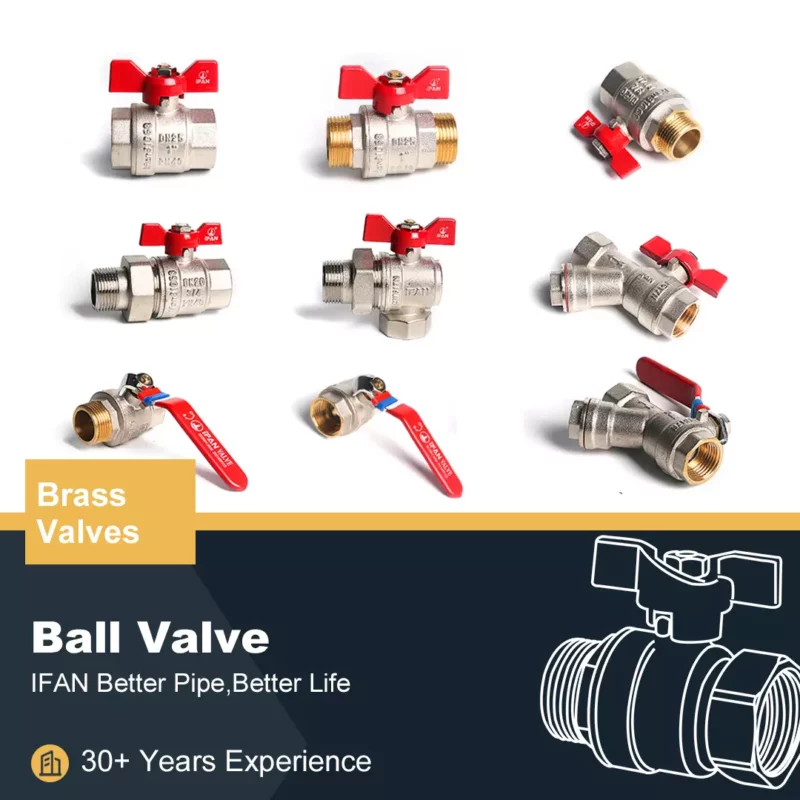
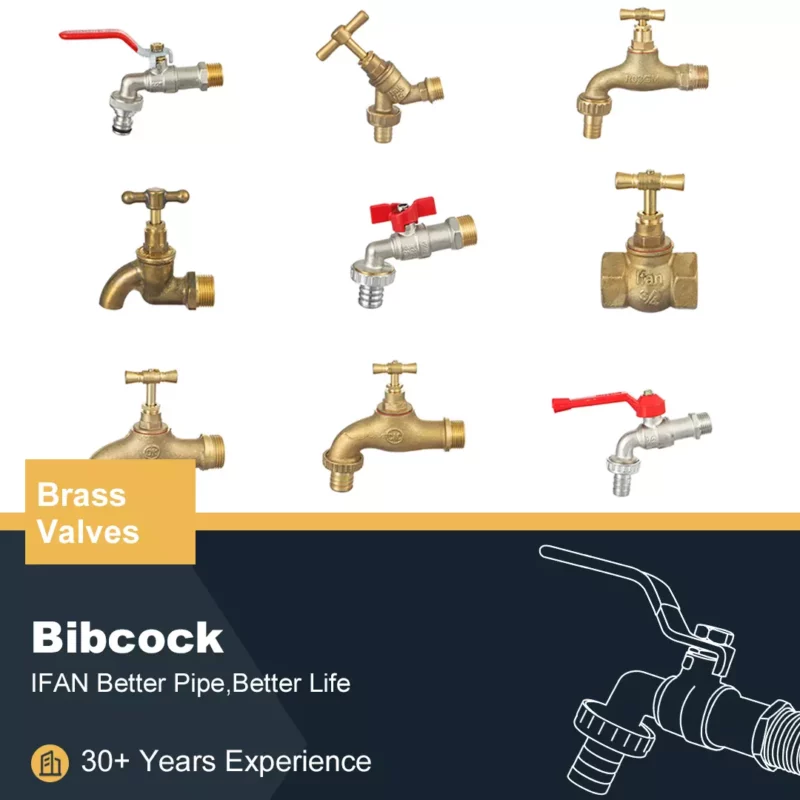
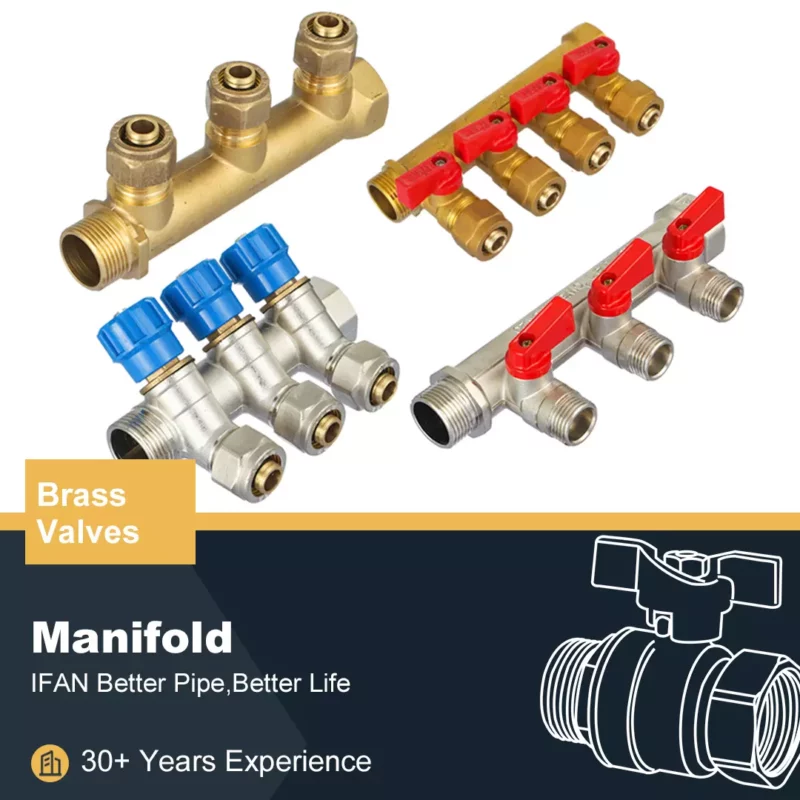
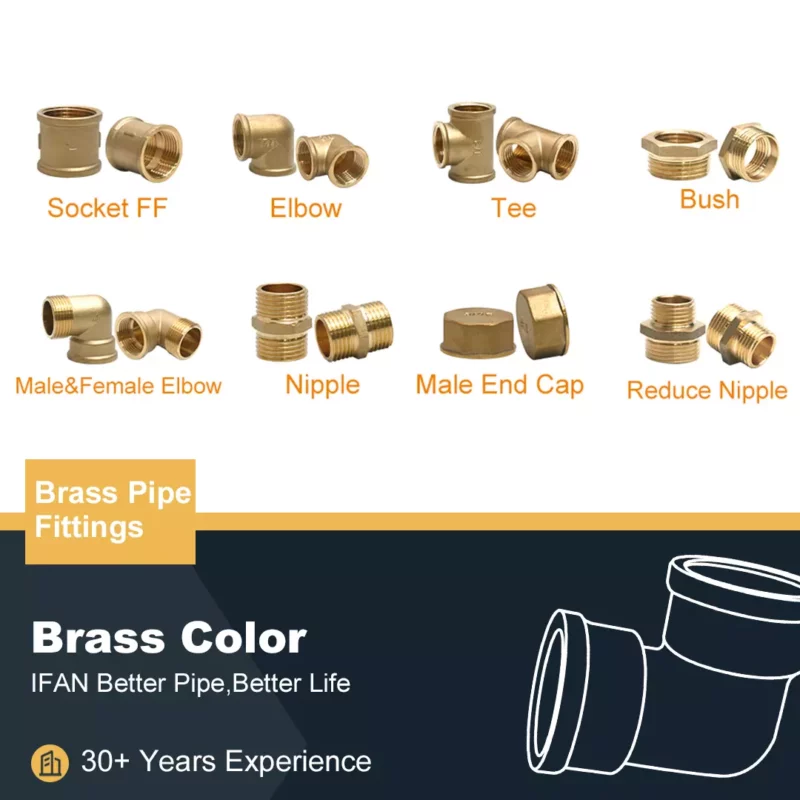
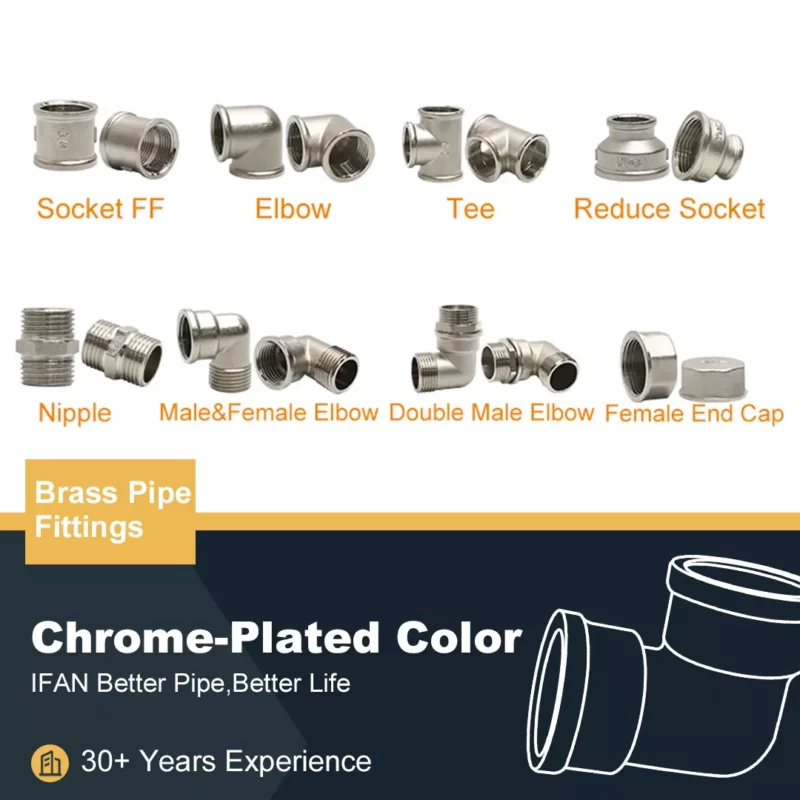




Brass gate valves are known for their exceptional durability and long-lasting performance, making them a popular choice in various industries. These valves are primarily used to control the flow of liquids and gases in pipelines. The combination of brass’s strength, corrosion resistance, and thermal stability makes it ideal for valve construction. In this article, we will explore the factors that contribute to the long-lasting performance of brass gate valves, focusing on their design, material properties, and maintenance needs.
What is a Brass Gate Valve?
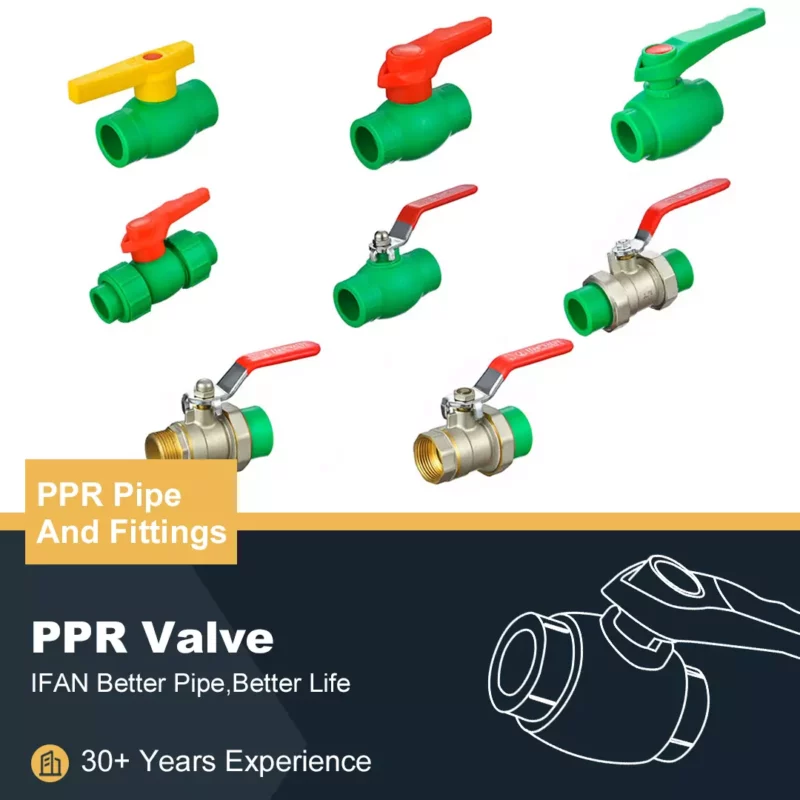
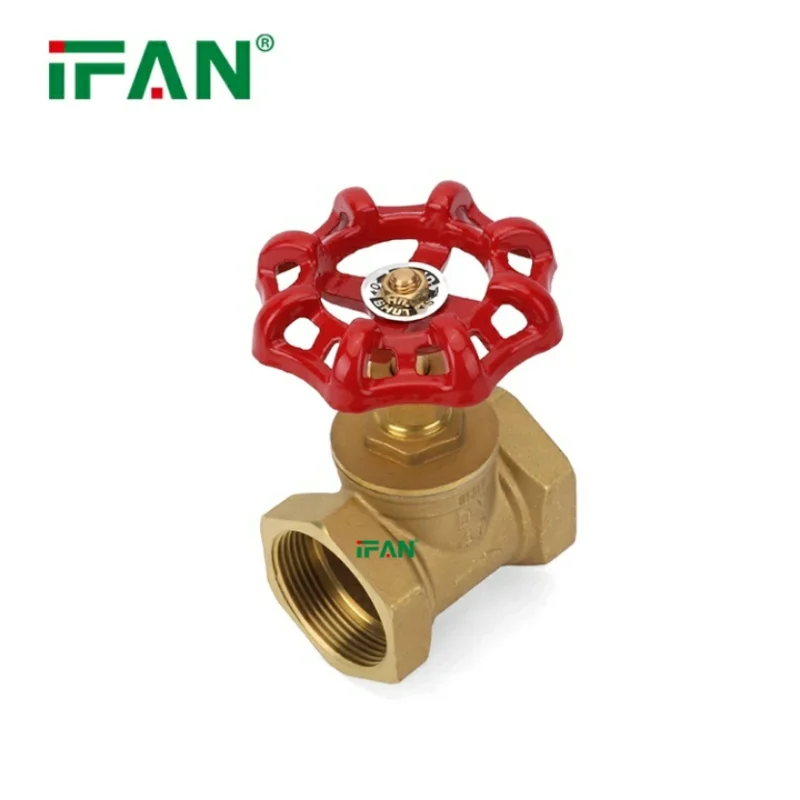
A brass gate valve is a mechanical device used to control the flow of fluids or gases in a pipeline. It operates by lifting a gate or disc inside the valve body to either allow or block the flow. When the valve is open, the gate is fully raised, and the fluid moves freely. When the valve is closed, the gate forms a tight seal against the valve seat, stopping the flow. Brass, an alloy of copper and zinc, is chosen for its durability and ability to resist corrosion in challenging environments.
The Role of Brass in Valve Longevity
The material composition of brass is a key factor in ensuring the longevity of gate valves. Brass is highly resistant to corrosion, especially in environments exposed to water or moisture. Its combination of copper and zinc allows the material to withstand prolonged exposure to various chemicals, preventing rust and degradation.
Moreover, brass’s excellent thermal conductivity enables it to maintain its strength even in high-temperature environments. This makes brass gate valves suitable for use in steam systems, oil pipelines, and other high-temperature applications. The resistance to corrosion and heat allows brass gate valves to perform reliably over long periods, reducing the frequency of replacements and repairs.
Brass Gate Valve Design Features for Durability
The design of a brass gate valve significantly influences its long-lasting performance. One of the most critical components of the valve is the gate itself. The gate is designed to form a tight seal when closed, preventing any fluid from passing through. The shape and material of the gate are engineered to ensure that it remains intact and functional over time.
The valve body, typically made from solid brass, provides additional strength and resistance to external forces. A well-designed valve body ensures that the internal components, such as the gate and stem, are properly aligned and can move freely without obstruction. The precision machining of the valve components reduces friction and wear, further extending the valve’s lifespan.
Additionally, many brass gate valves feature anti-corrosion coatings or finishes. These coatings provide an added layer of protection against environmental factors, enhancing the valve’s resistance to corrosion and wear. This extra protection ensures that the valve can operate in challenging environments without compromising its performance.
Maintenance and Care for Long-Lasting Performance
While brass gate valves are designed for durability, regular maintenance is essential to ensure their long-lasting performance. Over time, valve components, such as seals and gaskets, may experience wear and tear, which can affect their sealing ability. Routine inspections are essential to detect early signs of damage and prevent costly repairs.
The valve stem and gate should be lubricated periodically to reduce friction and ensure smooth operation. Lubrication also helps prevent wear on the valve’s internal components, such as the stem threads and seals. Keeping the valve clean and free from debris also helps maintain its proper functioning.
Another critical aspect of maintenance is checking for leaks around the valve seat or stem. If any leaks are detected, the valve may need to be disassembled and the seals replaced. Regular maintenance helps prevent issues from escalating and extends the life of the valve.
Advantages of Long-Lasting Brass Gate Valve Performance
One of the most significant advantages of brass gate valves is their low maintenance needs. Due to their resistance to corrosion, they require less frequent repairs or replacements compared to valves made from other materials. This not only reduces maintenance costs but also minimizes downtime in industrial systems.
Brass gate valves also offer excellent flow control, particularly in large pipeline systems. When fully open, they allow for unrestricted fluid flow, reducing pressure drops and ensuring efficient operation. Their ability to provide reliable performance with minimal maintenance makes them ideal for use in industries such as water treatment, HVAC, and oil and gas.
Furthermore, brass gate valves are versatile and can be used in a wide range of applications. From regulating water flow in residential plumbing systems to controlling steam in power plants, brass gate valves offer consistent and efficient performance across various industries.
Common Applications of Brass Gate Valves
Brass gate valves are widely used in industries where durability and long-term reliability are essential. In the water treatment industry, these valves are used to control the flow of treated or raw water in pipes. Brass’s corrosion resistance ensures that the valves continue to operate effectively despite exposure to moisture and chemicals.
In the oil and gas industry, brass gate valves are used to regulate the flow of crude oil, natural gas, and refined products. The high strength and thermal resistance of brass make it an excellent material for valves in these demanding environments.
HVAC systems also rely on brass gate valves to control the flow of water or refrigerants in heating and cooling applications. Brass gate valves are particularly useful in these systems due to their resistance to pressure and temperature fluctuations.
Additionally, brass gate valves are used in chemical processing plants, where they control the flow of corrosive chemicals. The corrosion-resistant properties of brass make it ideal for these harsh environments, where other materials may fail.
Challenges That May Affect Valve Longevity
Despite their long-lasting performance, brass gate valves are not without their challenges. One of the potential issues is the wear of internal components over time. The gate and valve seat can degrade due to repeated opening and closing, leading to leakage. Regular inspections and timely replacement of worn components can help mitigate this issue.
Another challenge is the accumulation of debris or sediment in the valve, which can affect its performance. If the valve is not properly cleaned or maintained, these particles can cause wear on the gate and seat, leading to poor sealing and reduced functionality.
In environments where the fluid being controlled contains abrasive materials, the brass gate valve may be subjected to excessive wear. In such cases, valves made from harder materials may be more appropriate.
Conclusion
Brass gate valves offer long-lasting performance due to their corrosion resistance, thermal stability, and durable design. Their ability to resist degradation in harsh environments makes them an ideal choice for many industries. With proper maintenance, brass gate valves can provide years of reliable service, reducing downtime and maintenance costs. Whether used in water treatment, HVAC systems, or oil and gas pipelines, brass gate valves ensure efficient fluid control and dependable performance. By focusing on key design features, material properties, and regular care, these valves can continue to function optimally, providing value and durability over the long term.
If you have read this article and have any questions, please feel free to contact IFAN. Below is our contact information:
Whatsapp:+86 13373827623
Email:[email protected]