

Brass gate valves are widely regarded for their excellent durability and resistance to corrosion, making them ideal for various fluid control applications. A well-designed brass gate valve can ensure efficient performance even in challenging environments, particularly those involving moisture, chemicals, or extreme temperatures. This article explores the design elements of corrosion-resistant brass gate valves, highlighting the materials, components, and features that contribute to their reliability and longevity.
What is a Brass Gate Valve?
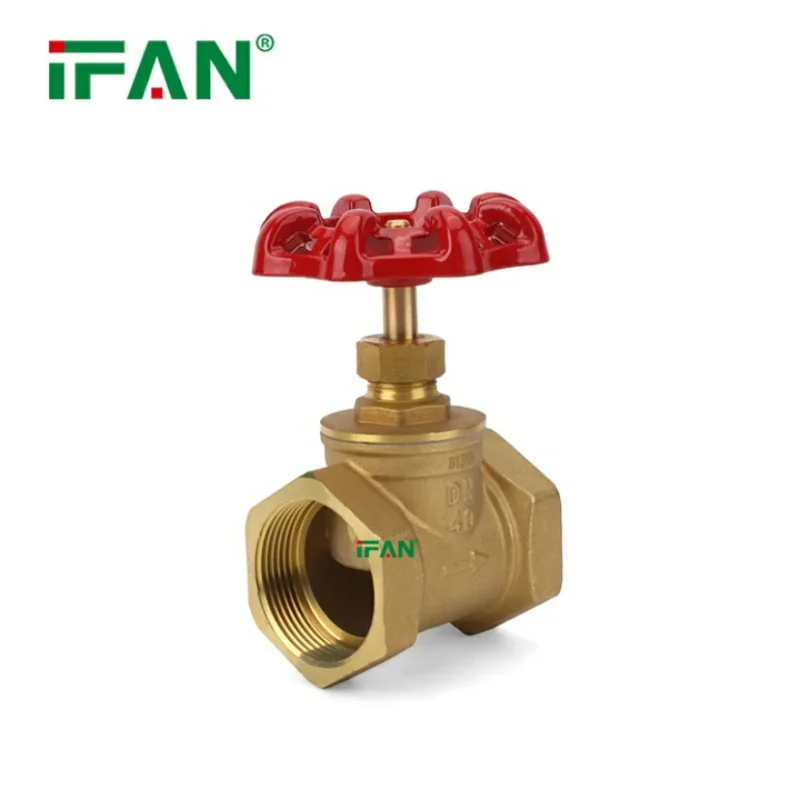
A brass gate valve is a type of valve used to control the flow of liquids or gases through a pipeline. It consists of a gate that moves up and down to allow or block fluid flow. When the valve is open, the gate is raised, allowing the fluid to pass freely. When closed, the gate creates a seal against the valve seat to prevent the passage of fluid. Brass, an alloy of copper and zinc, is commonly used for gate valve construction due to its excellent corrosion resistance and strength.
The Importance of Corrosion Resistance
Corrosion resistance is a crucial feature of brass gate valves, especially when used in environments that expose them to moisture, salts, acids, or other corrosive substances. Over time, untreated metal components in pipelines can deteriorate due to the chemical reactions with water, air, or other substances. Brass, however, naturally resists these corrosive effects, making it ideal for applications such as water systems, oil pipelines, and HVAC systems.
By preventing corrosion, brass gate valves maintain their strength and functionality, ensuring a longer lifespan and fewer maintenance requirements. The durability of brass also reduces the need for frequent replacements, which can be costly and time-consuming.
Brass Material Properties for Valve Durability
The material properties of brass contribute significantly to the corrosion-resistant design of gate valves. Brass combines copper’s resistance to corrosion with zinc’s strength, making it an optimal material for demanding applications. Copper provides excellent resistance to rust, while zinc enhances the overall strength of the alloy.
Brass is particularly effective at resisting corrosion caused by exposure to water, air, and various chemicals. In addition, brass has a natural resistance to biofouling, which can affect valves exposed to standing water or sewage systems. This resistance to microbial growth further extends the valve’s lifespan and reduces the likelihood of valve failure.
Moreover, brass retains its strength under both high and low temperatures. This thermal stability is essential for applications that involve high-temperature fluids or fluctuating environmental conditions.
Components of a Corrosion-Resistant Brass Gate Valve
A corrosion-resistant brass gate valve consists of several key components that work together to ensure proper operation and leak prevention. These components include the valve body, the gate, the stem, the handwheel or actuator, and seals or gaskets.
- Valve Body: The body of the valve is typically made from solid brass. This component houses the internal parts and is exposed to the fluid or gas. Its corrosion-resistant properties ensure that the valve can withstand the elements without deteriorating.
- Gate: The gate is the part of the valve that moves up and down to control the flow. It is typically wedge-shaped or parallel. The gate forms a tight seal when closed, preventing fluid leakage.
- Stem: The valve stem is connected to the gate and is used to operate the valve. The stem moves when the handwheel or actuator is turned, causing the gate to open or close.
- Handwheel/Actuator: The handwheel or actuator is used to operate the valve. This component allows the user to easily control the valve’s opening and closing.
- Seals and Gaskets: Seals and gaskets prevent fluid leakage around the valve’s moving parts. These are typically made from rubber, PTFE (polytetrafluoroethylene), or elastomers that provide a tight seal.
Design Features That Enhance Corrosion Resistance
Several design features enhance the corrosion resistance of brass gate valves, ensuring that they remain functional even in harsh environments. These features include:
- Smooth Surface Finish: The smooth surface of the valve body and gate reduces the likelihood of corrosion and minimizes the buildup of debris or sediment. A smooth surface also helps the gate seal more effectively against the seat, preventing leaks.
- Anti-Corrosion Coatings: Some brass gate valves are treated with additional coatings that provide further protection against corrosion. These coatings can include epoxy or other protective finishes that prevent exposure to moisture and chemicals.
- Thicker Valve Walls: Brass gate valves are often designed with thicker walls, increasing their durability and resistance to external pressures. Thicker walls help prevent wear and tear from mechanical stress or exposure to harsh substances.
- Quality Seals: The seals and gaskets used in brass gate valves are typically made from corrosion-resistant materials like PTFE or elastomers. These materials are resistant to degradation caused by water or chemicals, ensuring that the valve remains leak-free over time.
- Precision Machining: High-quality manufacturing techniques ensure that all components of the valve fit together perfectly. Proper alignment of the gate, seat, and valve body helps prevent leaks and maintains the integrity of the valve over its lifetime.
Applications of Corrosion-Resistant Brass Gate Valves
Corrosion-resistant brass gate valves are used in a wide range of industries and applications, including:
- Water Treatment: Brass gate valves are often used in water treatment plants to control the flow of treated or raw water. The corrosion resistance of brass ensures that the valves will last even when exposed to chlorinated or acidic water.
- Oil and Gas: In oil and gas pipelines, brass gate valves are used to regulate the flow of crude oil, natural gas, and refined products. The harsh conditions of these systems, including high pressures and varying temperatures, require corrosion-resistant valves that can withstand the elements.
- HVAC Systems: In heating, ventilation, and air conditioning systems, brass gate valves control the flow of water or refrigerants. These systems often involve high temperatures and fluctuating pressures, making corrosion-resistant materials essential.
- Chemical Processing: In chemical plants, where pipes are exposed to corrosive chemicals, brass gate valves are used to control the flow of various substances. The resistance of brass to chemical corrosion makes it an ideal material for these environments.
- Marine Applications: Brass gate valves are also used in marine environments, where exposure to saltwater can cause rapid corrosion of unprotected metals. Brass’s resistance to saltwater corrosion makes it an excellent choice for marine fluid control systems.
Maintenance and Care for Corrosion-Resistant Brass Gate Valves
Although brass gate valves are corrosion-resistant, regular maintenance is still necessary to ensure optimal performance. Routine inspections should be conducted to check for wear, leaks, or any signs of corrosion that may have developed over time. The valve stem and seals should be lubricated to reduce friction and ensure smooth operation. The handwheel should also be checked for ease of use.
If the valve is exposed to harsh chemicals or extreme conditions, more frequent inspections may be required. Replacing seals, gaskets, or other components before they wear out will help maintain the valve’s corrosion resistance and prevent leaks.
Conclusion
Corrosion-resistant brass gate valves are an essential part of many fluid control systems due to their durability and long lifespan. The material properties of brass, combined with thoughtful design features, make these valves highly effective at preventing corrosion and ensuring reliable operation over time. With regular maintenance and care, brass gate valves can provide years of leak-free performance, making them an ideal choice for industries ranging from water treatment to oil and gas. Their ability to withstand harsh environments without compromising on performance is what makes them a trusted choice for fluid control.
If you have read this article and have any questions, please feel free to contact IFAN. Below is our contact information:
Whatsapp:+86 13373827623
Email:[email protected]