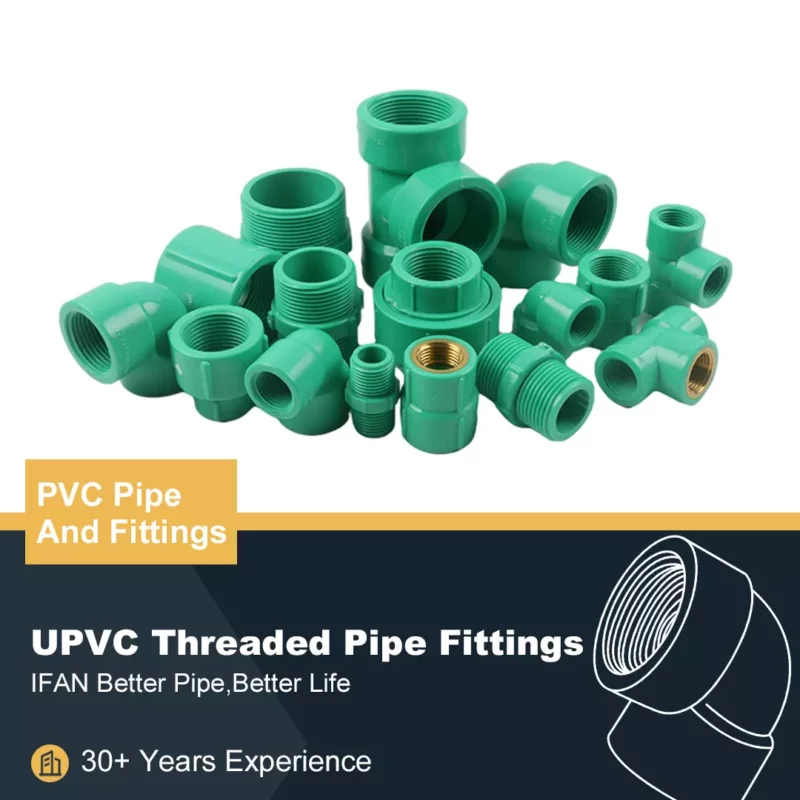

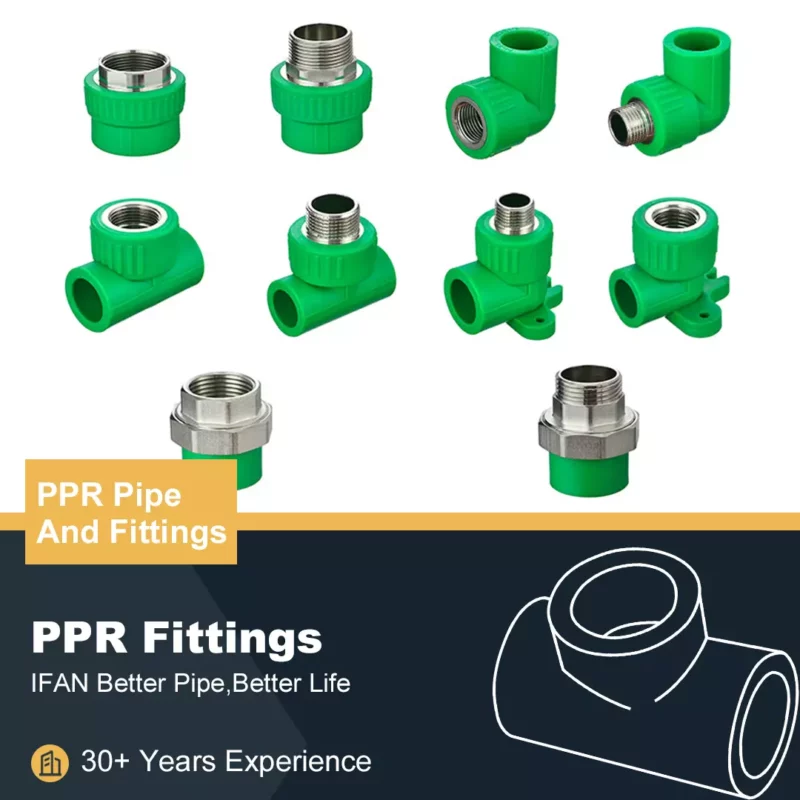
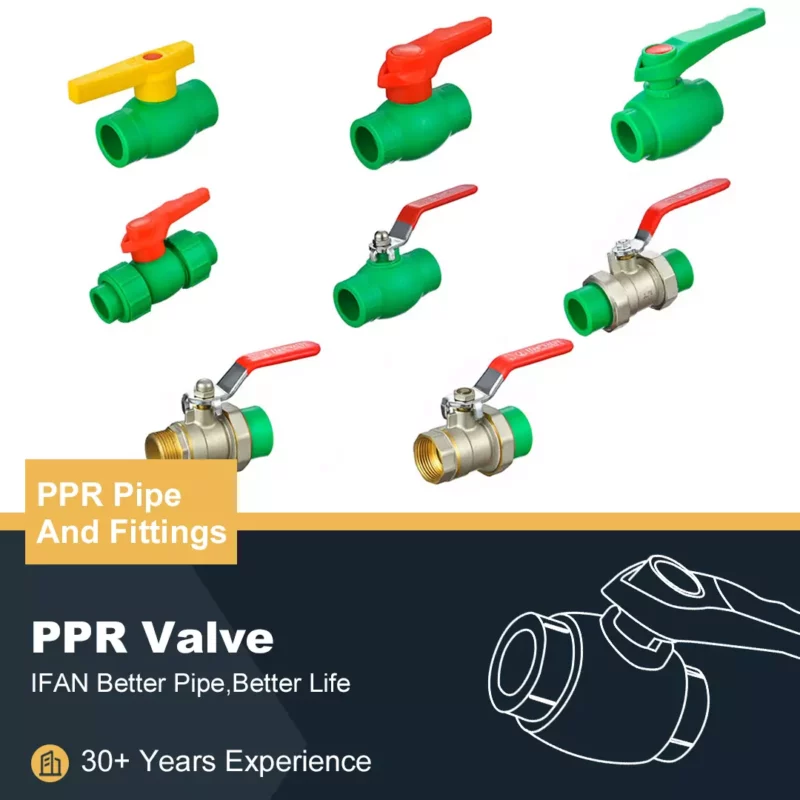


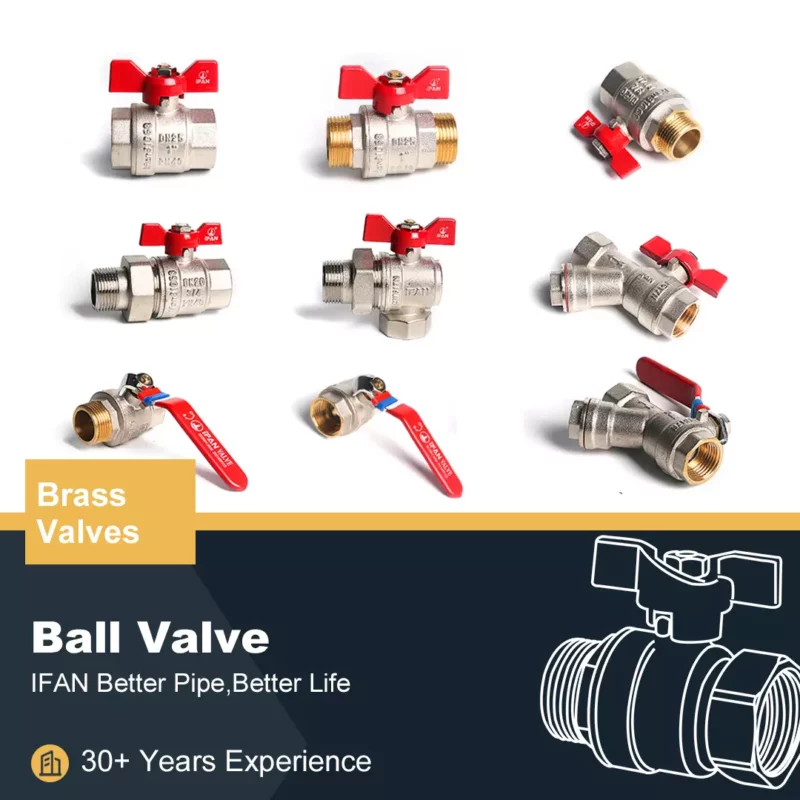
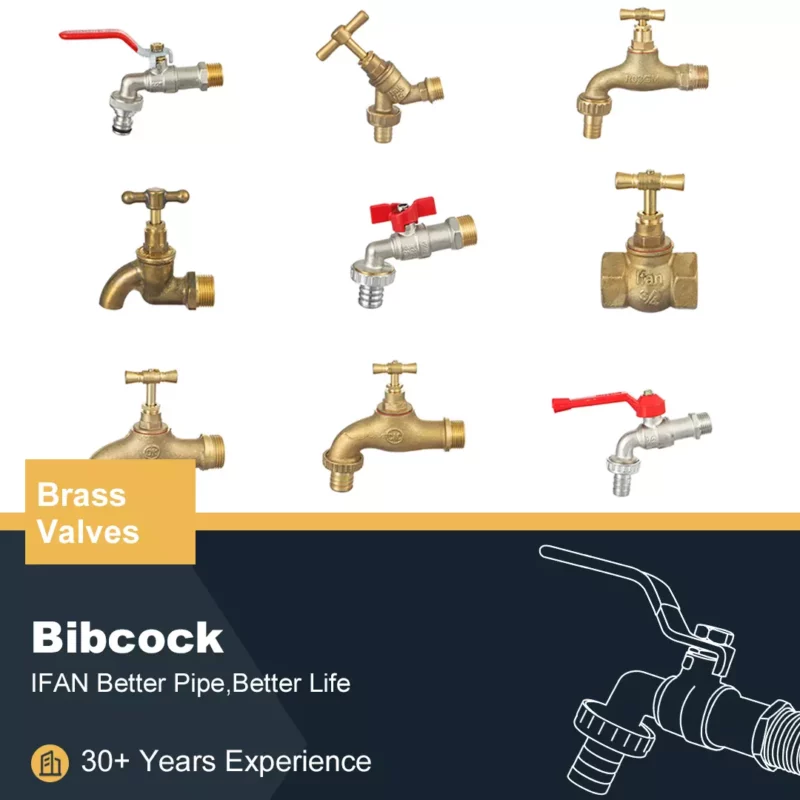
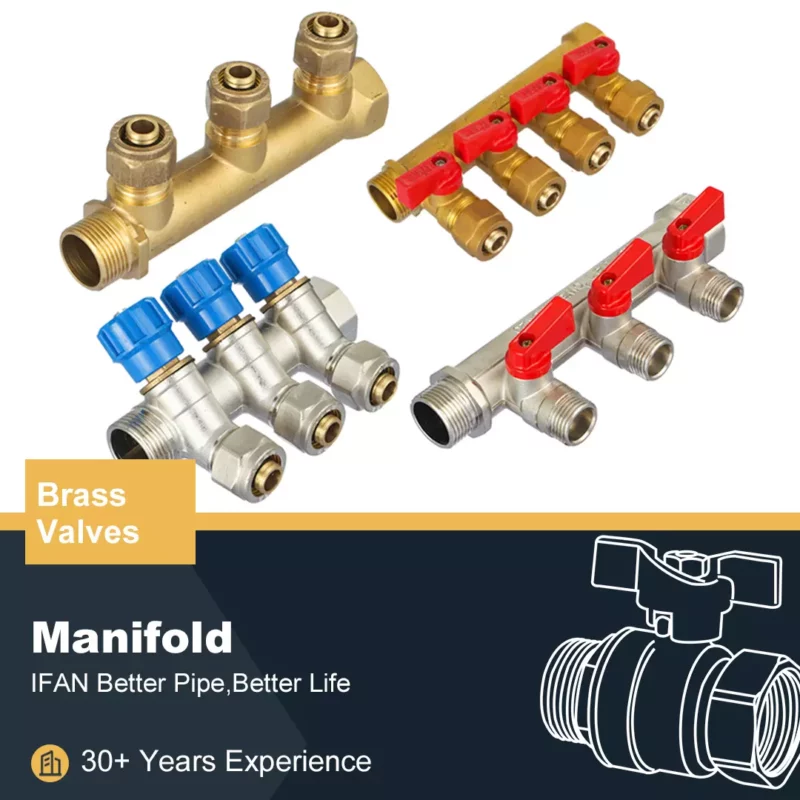



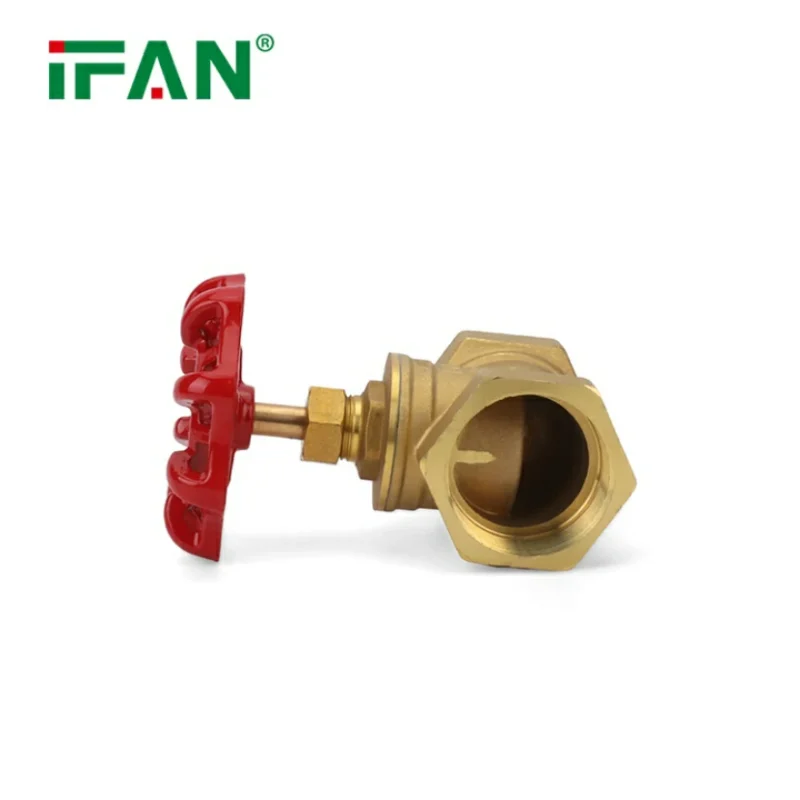
A brass gate valve is an essential component in many fluid control systems, particularly for leak prevention. Its primary function is to regulate the flow of liquids and gases through pipelines, but its design and material also play a crucial role in preventing leaks. Brass, with its durability and resistance to corrosion, is an ideal material for valves used in various industries.
What is a Brass Gate Valve?
A brass gate valve is a type of valve used to control the flow of fluids through pipelines. The valve operates by moving a gate or disc up and down within the valve body, allowing or blocking the flow. When the valve is fully open, the gate is raised, and the fluid can flow freely with minimal resistance. When closed, the gate forms a tight seal against the valve seat, preventing any fluid from passing through. The material, brass, is selected for its strength, corrosion resistance, and long-lasting performance, making it highly effective for leak prevention.
The Role of Brass in Leak Prevention
Brass plays a significant role in ensuring leak prevention in gate valves. This alloy, composed primarily of copper and zinc, offers excellent corrosion resistance. In many industries, such as water treatment, oil and gas, and HVAC systems, the pipelines are exposed to harsh chemicals, moisture, and extreme temperatures. Brass resists the corrosion that can weaken other materials, thereby ensuring that the valve’s structure remains intact over time.
Furthermore, brass’s durability ensures that the valve can withstand the mechanical stress from high-pressure environments. The material’s ability to maintain its structural integrity under pressure helps prevent damage that could lead to leaks. Brass gate valves are built to handle continuous pressure without deforming, providing reliable leak-free operation.
How Brass Gate Valves Work to Prevent Leaks
Brass gate valves feature a simple yet highly effective design to ensure a tight seal and prevent leaks. The key component of the valve is the gate, which is typically wedge-shaped or parallel. When the valve is closed, the gate moves downward and presses tightly against the valve seat, forming a seal. This seal is critical in preventing any fluid from passing through the valve.
The design of the gate and seat is engineered to create a secure, leak-proof barrier. Over time, the seat may wear down, but with regular maintenance, the brass gate valve can remain leak-free for many years.
Another important factor in leak prevention is the valve stem. The stem, which is responsible for moving the gate, is fitted with seals or O-rings to prevent leakage around the moving parts. These seals are typically made from materials like rubber, PTFE, or elastomers, which are designed to create a tight, leak-free connection. Regular inspection and maintenance of these seals are essential for long-term leak prevention.
Design Features That Enhance Leak Prevention
Brass gate valves are designed with several key features to enhance leak prevention. The wedge-shaped gate, when fully closed, is engineered to apply pressure evenly against the seat. This ensures a uniform seal around the entire circumference of the valve, leaving no room for leaks. The precision machining of the valve components further ensures that the gate and seat align perfectly for a leak-free operation.
The valve body is another critical design feature. Made from solid brass, the valve body is resistant to both mechanical wear and corrosion. The smooth finish of the brass body reduces friction, allowing the gate to move freely while maintaining a secure seal. Additionally, many brass gate valves are equipped with anti-corrosion coatings or finishes to provide extra protection against external elements that could cause leaks.
Furthermore, brass gate valves often feature larger sealing surfaces, which contribute to better sealing performance. The larger surface area ensures that the gate makes better contact with the seat, resulting in a tighter, more reliable seal that prevents leaks.
Applications of Brass Gate Valves for Leak Prevention
Brass gate valves are used in a wide range of applications where leak prevention is crucial. In residential plumbing, they are often used to control water flow, particularly in areas where the system needs to be shut off for maintenance or repair.
In industrial applications, brass gate valves are used in water treatment plants, oil pipelines, and chemical processing facilities. These industries require valves that can withstand high-pressure environments and prevent leaks, which could lead to costly operational disruptions or environmental hazards. Brass gate valves, with their corrosion-resistant properties, are well-suited for these demanding environments.
In HVAC systems, brass gate valves regulate the flow of refrigerants or hot water, ensuring that leaks do not occur in the system. The valves prevent loss of fluid and help maintain the system’s efficiency, contributing to overall energy savings and preventing costly repairs.
Benefits of Using Brass Gate Valves for Leak Prevention
The primary benefit of using brass gate valves for leak prevention is their reliability. Brass is a durable material that resists corrosion, wear, and pressure-induced damage, which makes it ideal for applications where leak prevention is critical. Brass gate valves maintain their integrity over time, ensuring long-lasting performance with minimal maintenance.
Another benefit is the ease of operation. Brass gate valves are designed for smooth, effortless operation. The simple mechanism allows for precise control over the fluid flow, and the tight seal created by the gate ensures that leaks are prevented when the valve is closed. This ease of operation reduces the risk of human error and ensures that the valve functions as intended.
Additionally, brass gate valves are versatile and can be used in a variety of applications, from residential plumbing to heavy industrial systems. Their ability to prevent leaks under a wide range of conditions—such as varying temperatures, pressures, and fluid types—makes them a trusted choice in many industries.
Regular Maintenance for Leak Prevention
While brass gate valves are designed to be leak-proof, regular maintenance is essential for ensuring that they continue to perform reliably over time. Inspecting the valve for wear or damage, particularly to the gate and seat, is an important part of maintaining leak prevention. Over time, the gate may become worn, or the seals may degrade, which can lead to leaks.
Maintaining the valve stem and seals is also critical. Regular lubrication of the valve stem can prevent friction and ensure smooth operation, reducing the risk of leaks around the moving parts. Additionally, the seals and gaskets should be checked periodically and replaced if they show signs of wear.
In high-pressure or high-temperature applications, it may be necessary to replace components more frequently to ensure optimal performance. Regular cleaning and testing of the valve can help identify potential issues before they lead to leaks, ensuring that the valve continues to operate leak-free.
Conclusion
A brass gate valve is an excellent choice for ensuring leak prevention in fluid control systems. Its durable construction, corrosion resistance, and effective sealing mechanisms make it highly reliable in a wide range of applications. Whether used in residential plumbing, industrial pipelines, or HVAC systems, a brass gate valve provides a secure, leak-free seal that ensures the safe and efficient flow of liquids and gases. Regular maintenance and inspection are key to keeping the valve in optimal condition, but with proper care, a brass gate valve can provide years of dependable, leak-free service.
If you have read this article and have any questions, please feel free to contact IFAN. Below is our contact information:
Whatsapp:+86 13373827623
Email:[email protected]