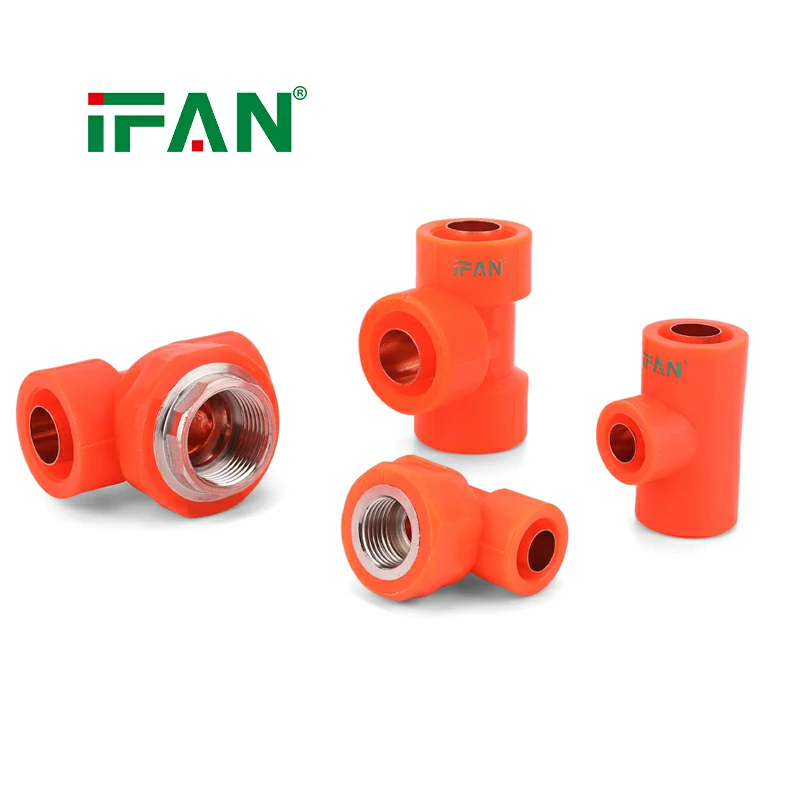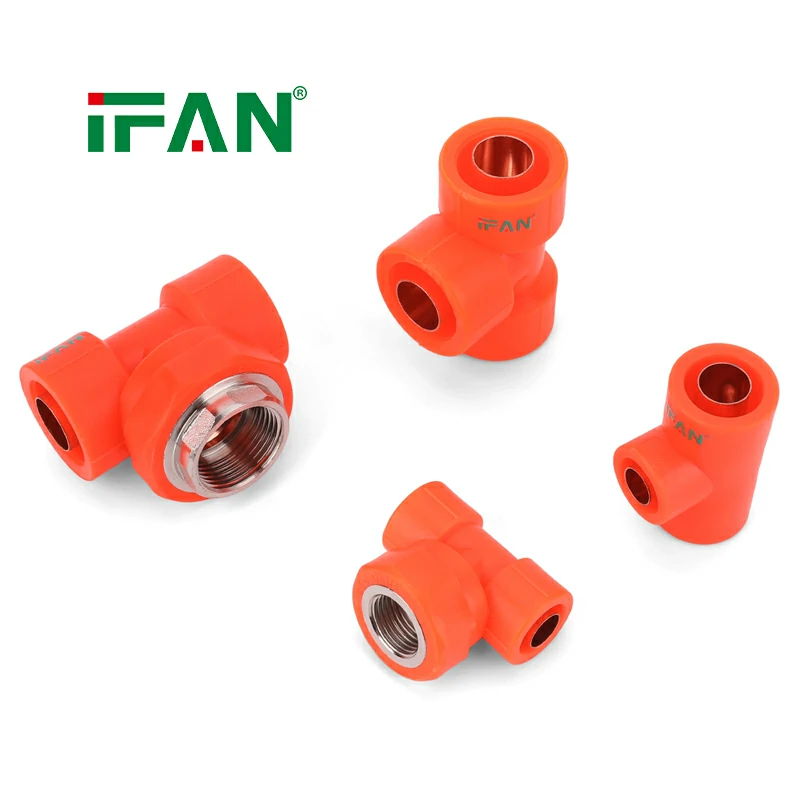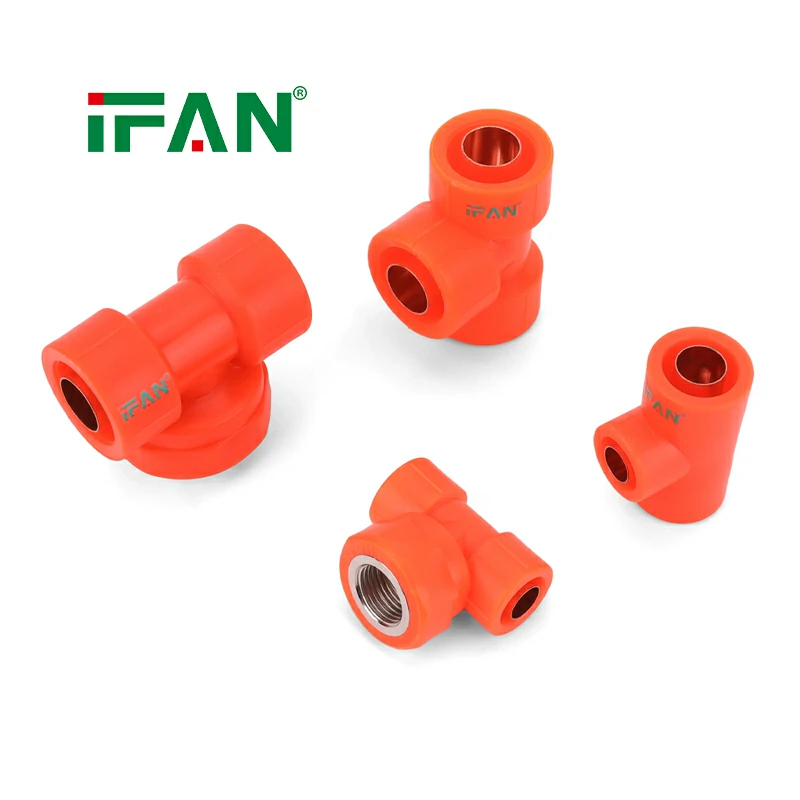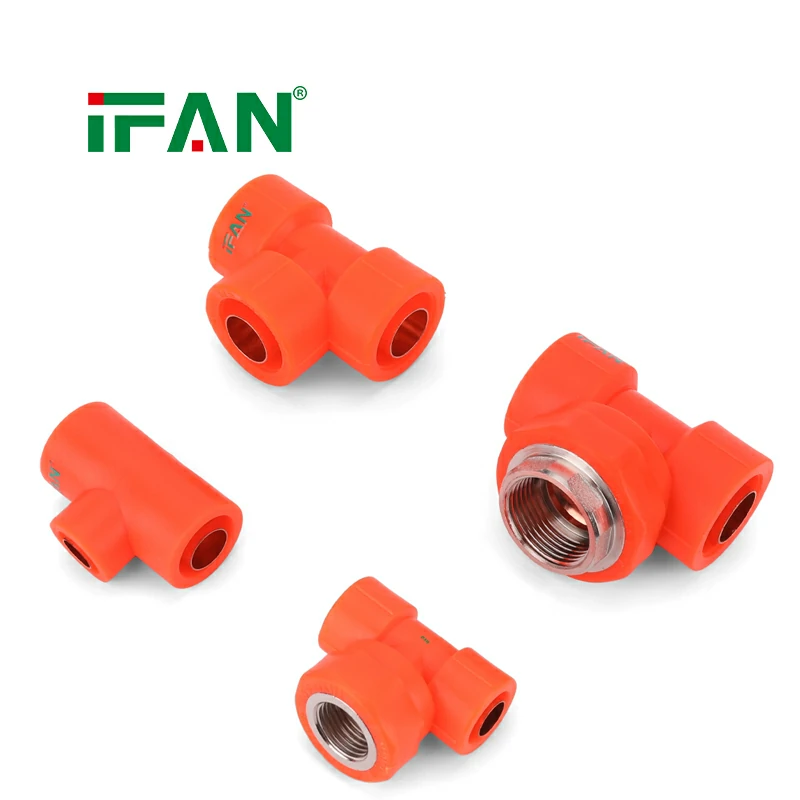


Fittings for Radiant Floor Heating Systems
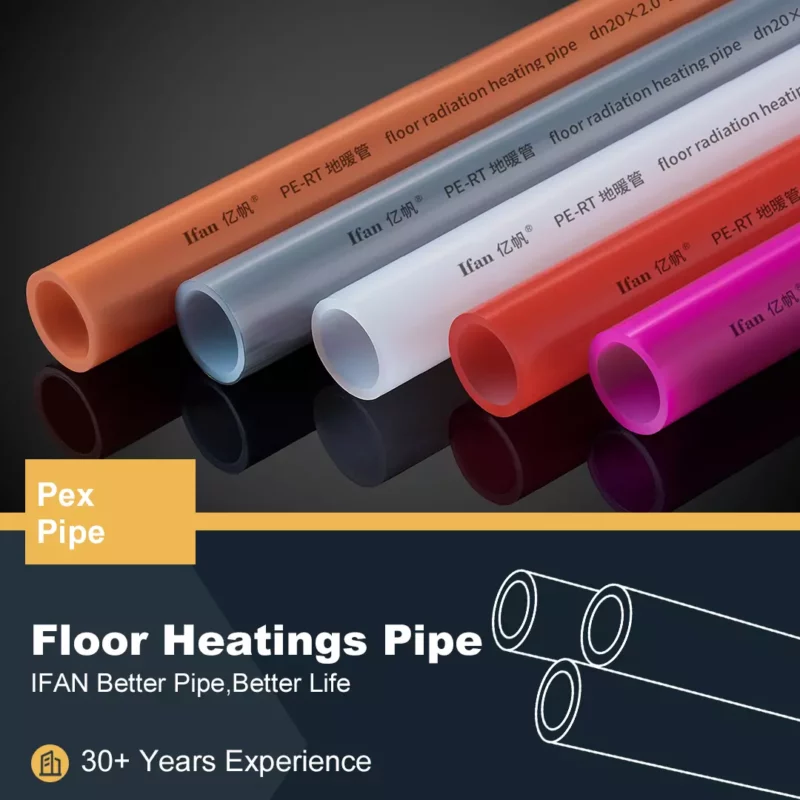
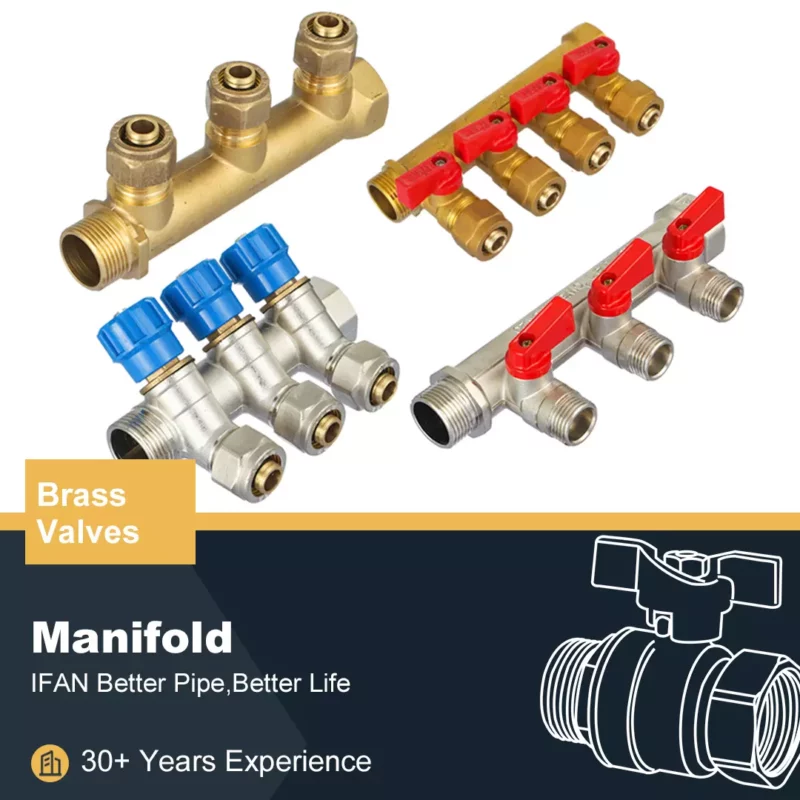
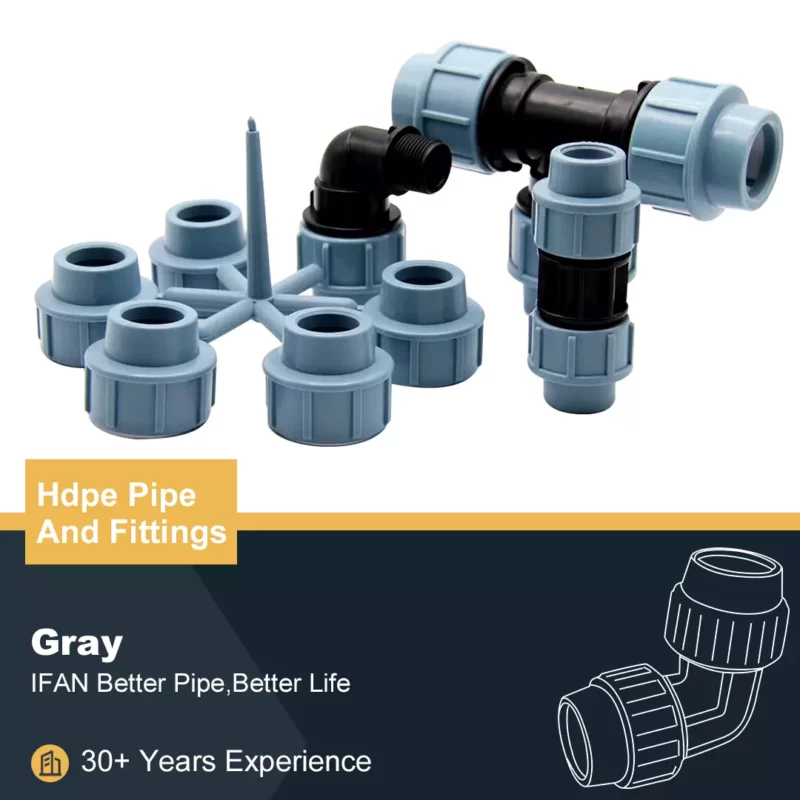
PPR Fittings Radiant heating uses long PPR pipe loops. Special manifolds distribute the water flow. Manifolds have multiple outlet valves. These control individual room temperatures. Use oxygen-barrier PPR pipes for closed systems. This prevents corrosion in metal boilers. The pipes are laid in a serpentine pattern. Special clips secure the pipes to the insulation boards.
Bathroom and Kitchen Fixture Connections
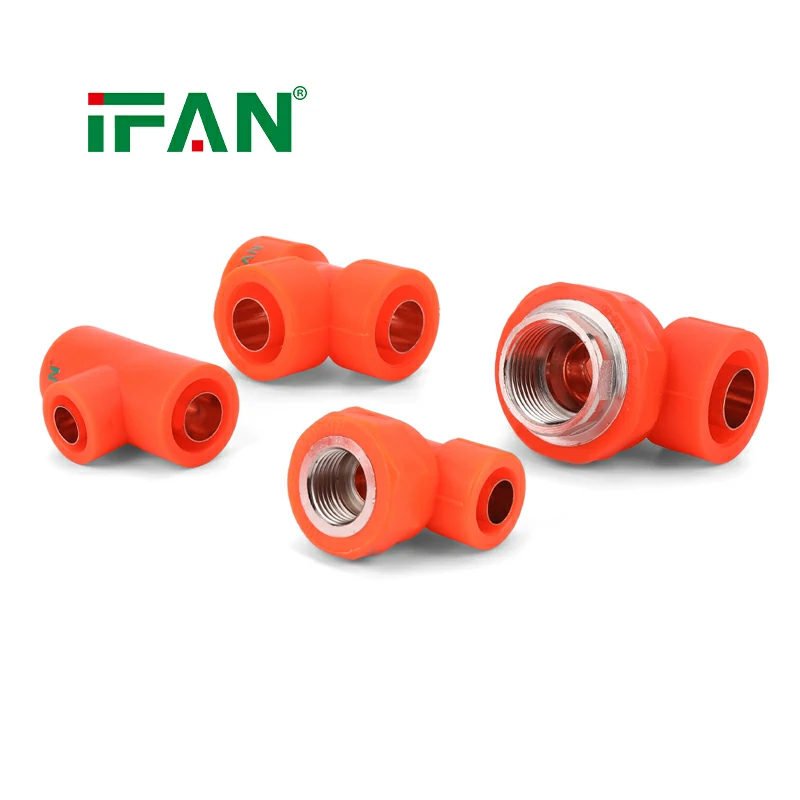
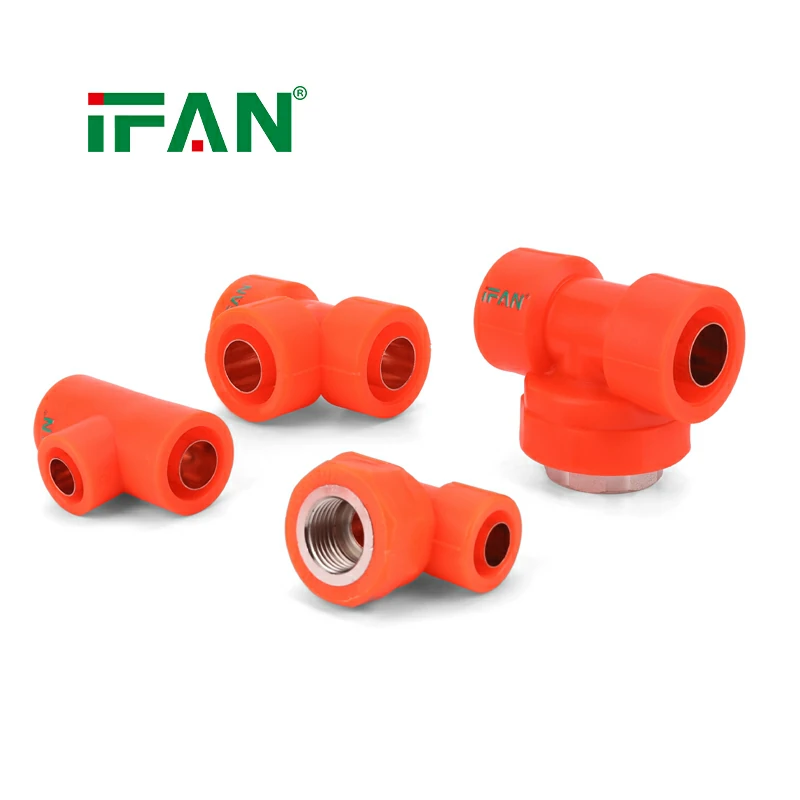
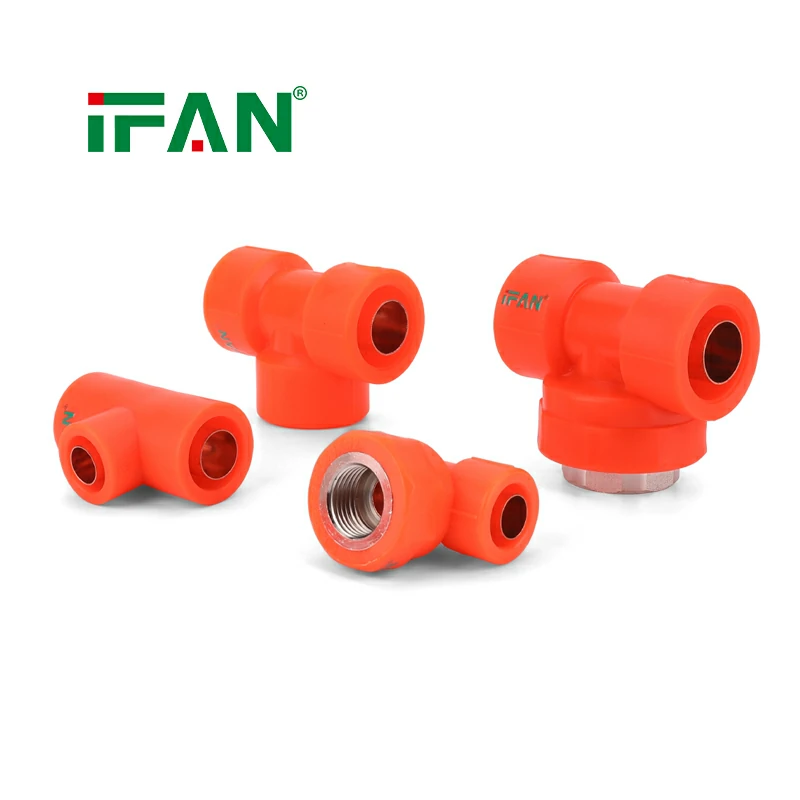
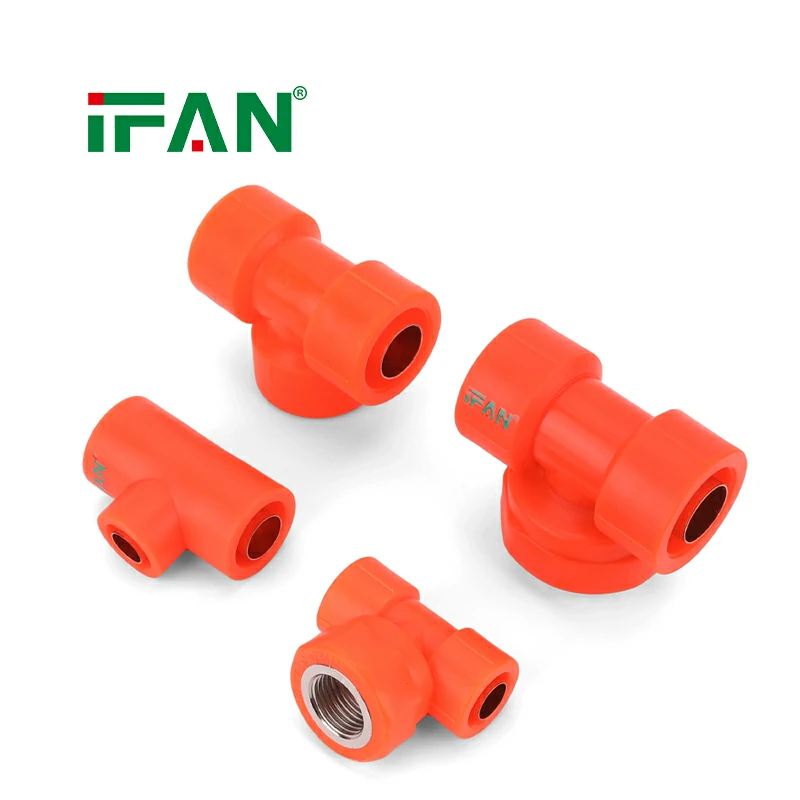
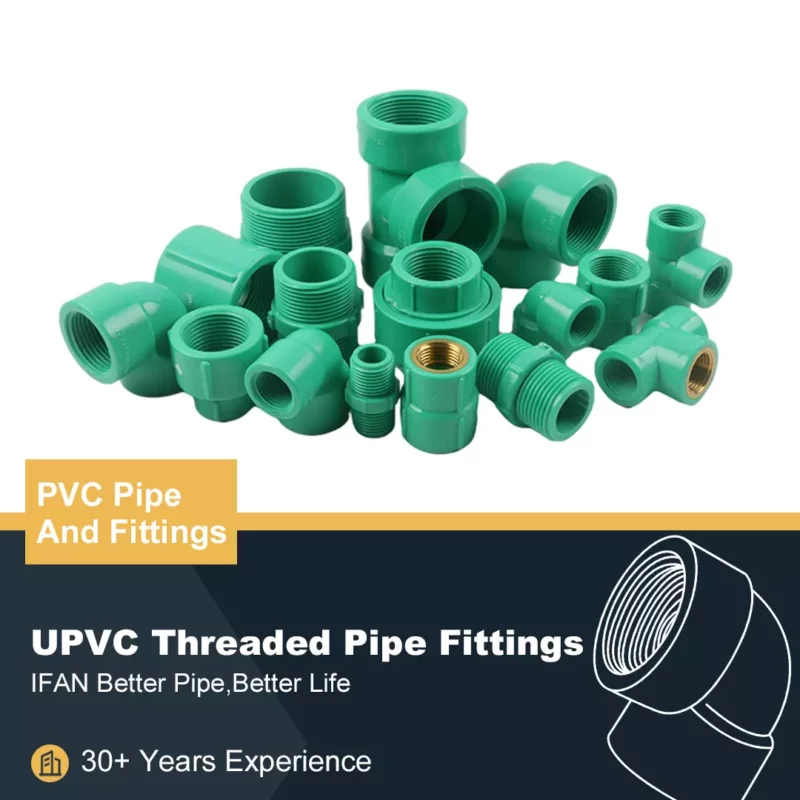
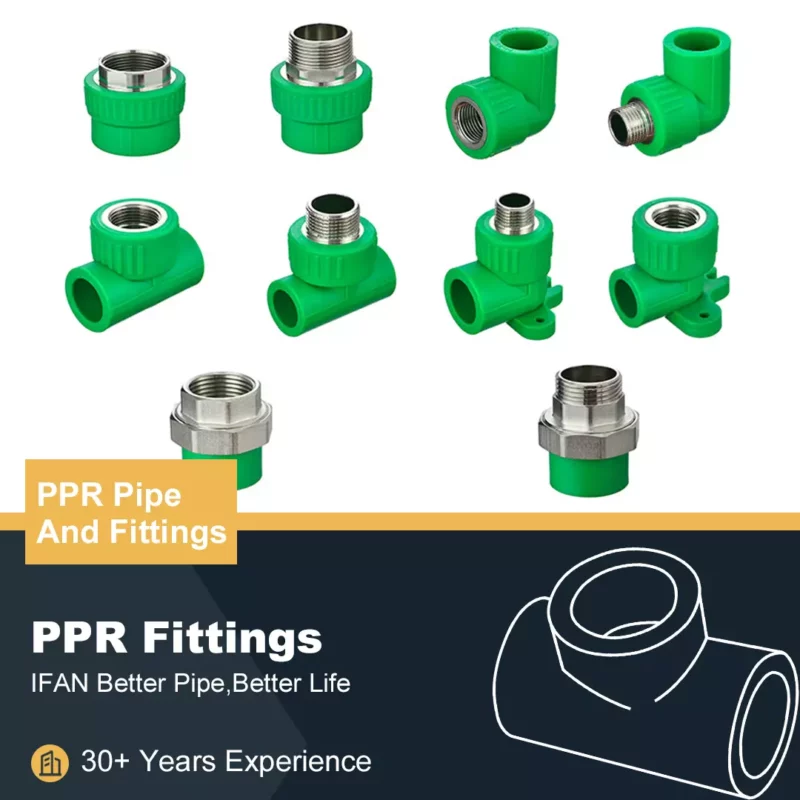
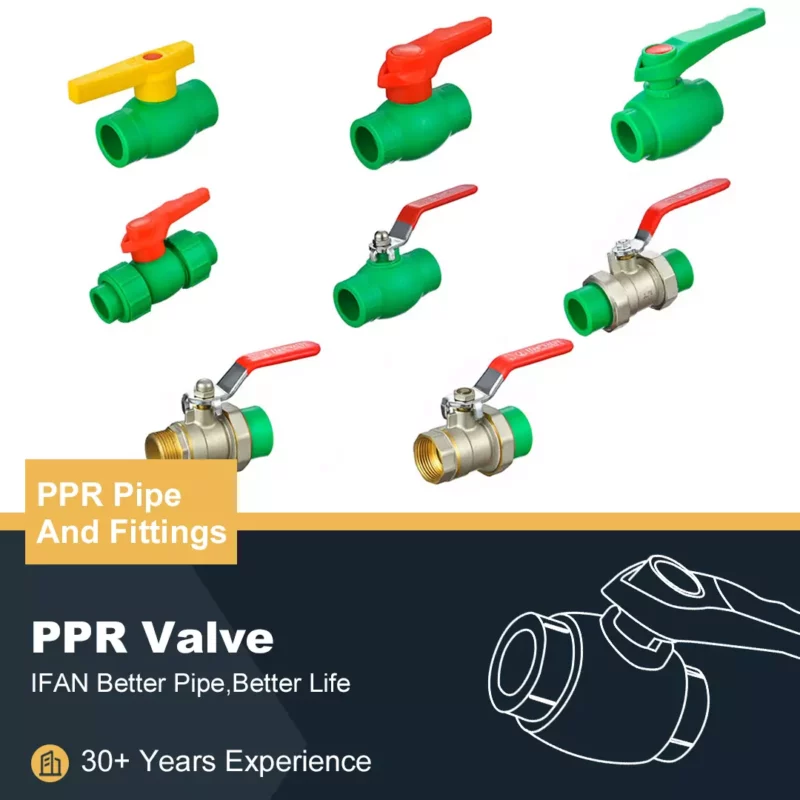
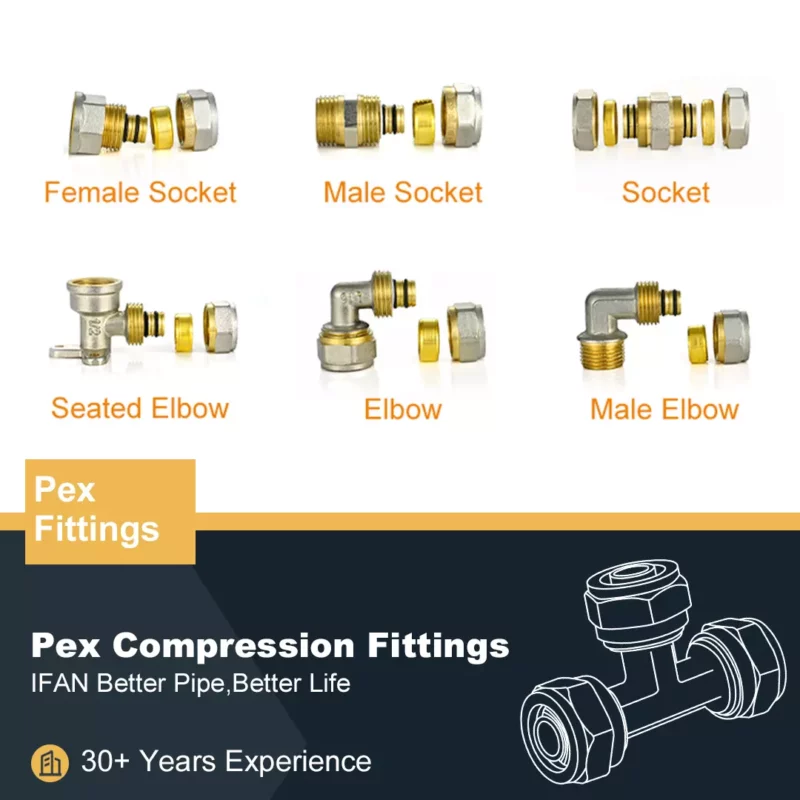
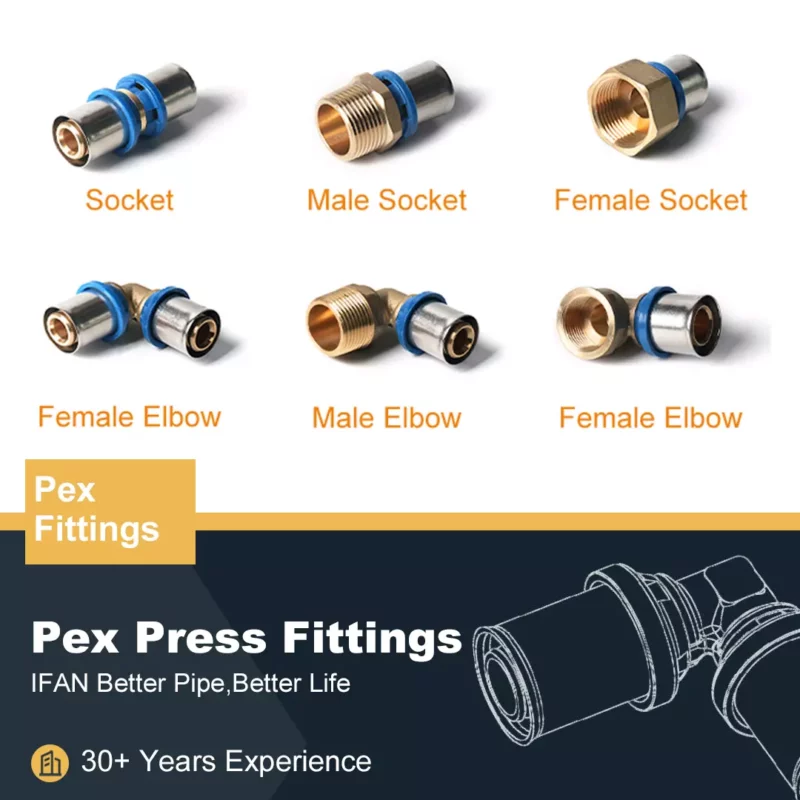
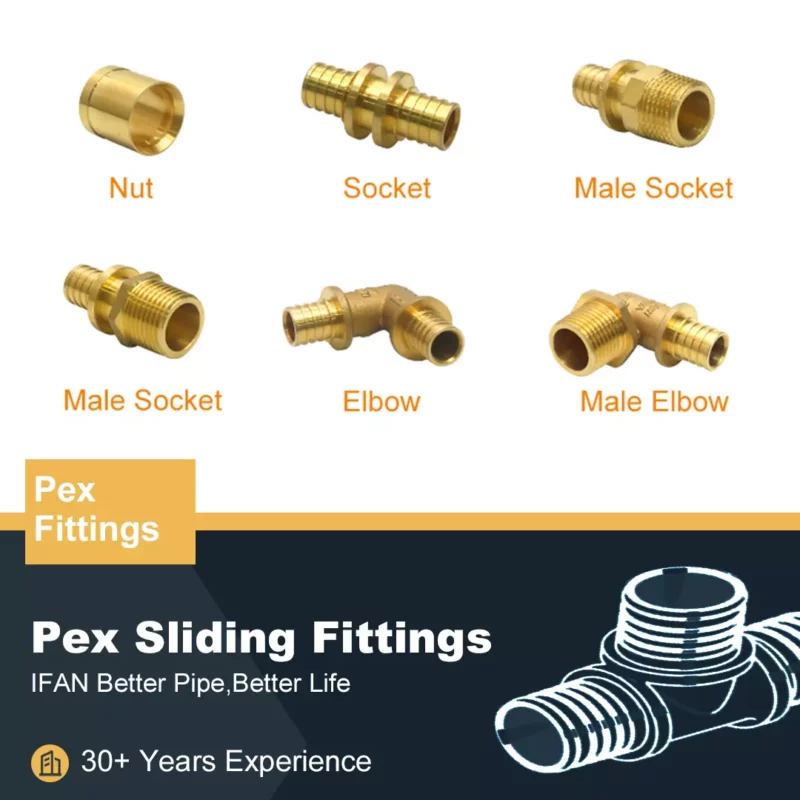
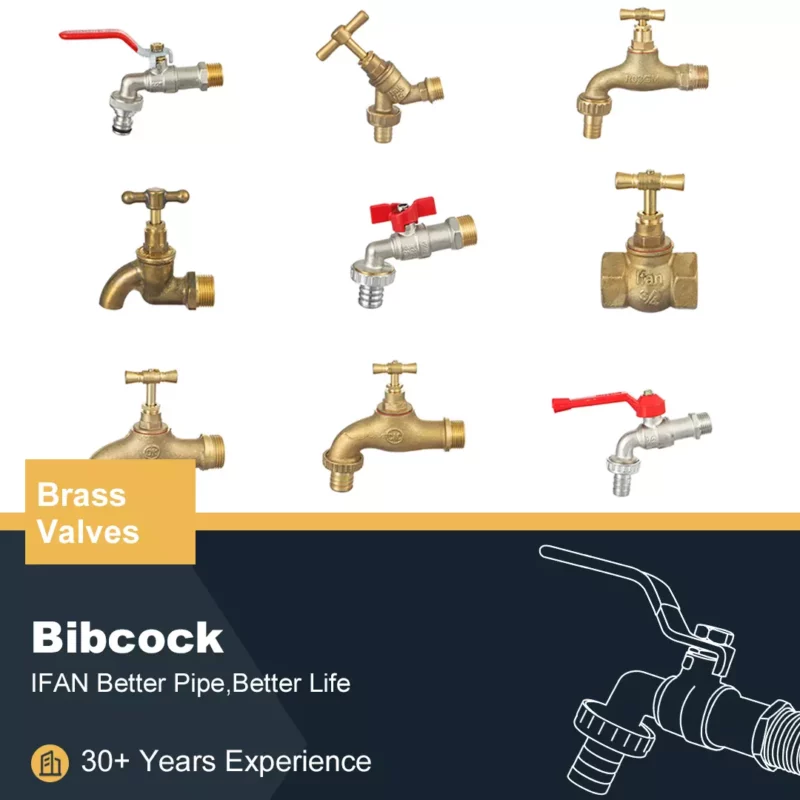
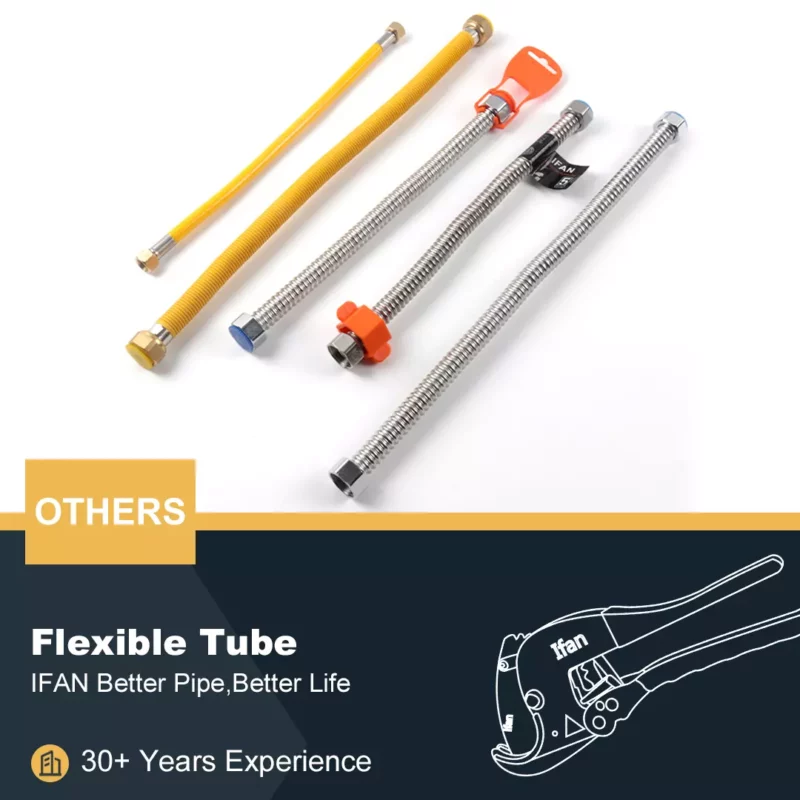
Use angled valves and flexible connectors. These connect rigid PPR lines to faucets. PPR to brass threaded adapters are essential. They provide a secure transition point. Consider quick-connect fittings for appliances. These allow easy disconnection of washing machines. Plan for shut-off valves at each major fixture. This allows for easy maintenance later.
Creating Secure Structural Supports
PPR pipes need proper support. Use dedicated pipe clamps or hangers. Install supports near every fitting. This prevents stress on the welded joints. Allow sliding movement for thermal expansion. In vertical stacks, use heavy-duty brackets. Follow recommended spacing for support intervals. Never let long pipe spans sag.
Insulation for Energy Efficiency and Safety
Always insulate hot water PPR lines. This saves energy and prevents heat loss. It also prevents accidental contact burns. Use closed-cell foam insulation sleeves. Insulate cold water lines in hot climates. This prevents condensation and dripping. Pay extra attention to fittings. Use special fitting insulation covers.
Solving Common Layout Challenges
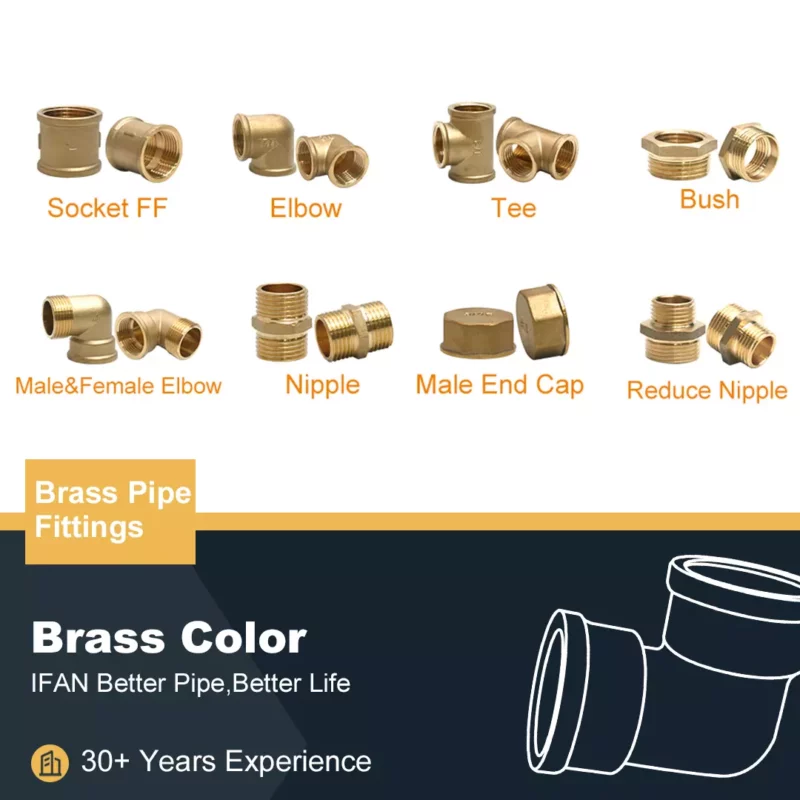
Use bypass fittings for complex heating circuits. Equal tees help in balancing system flow. For tight spaces, use compact elbow designs. Pre-fabricate difficult assemblies on a bench. Then install them as a single unit. Draw the entire system before starting. This helps identify required special fittings early.
Accessories for a Professional Finish
Use decorative pipe covers for exposed sections. Wall flange plates give a clean look at entry points. Color-coded pipe markers aid future identification. Install drain valves at system low points. Automatic air vents at high points are useful. These small parts complete the system professionally. They ensure easy operation and maintenance.
Integration with Water Treatment Equipment
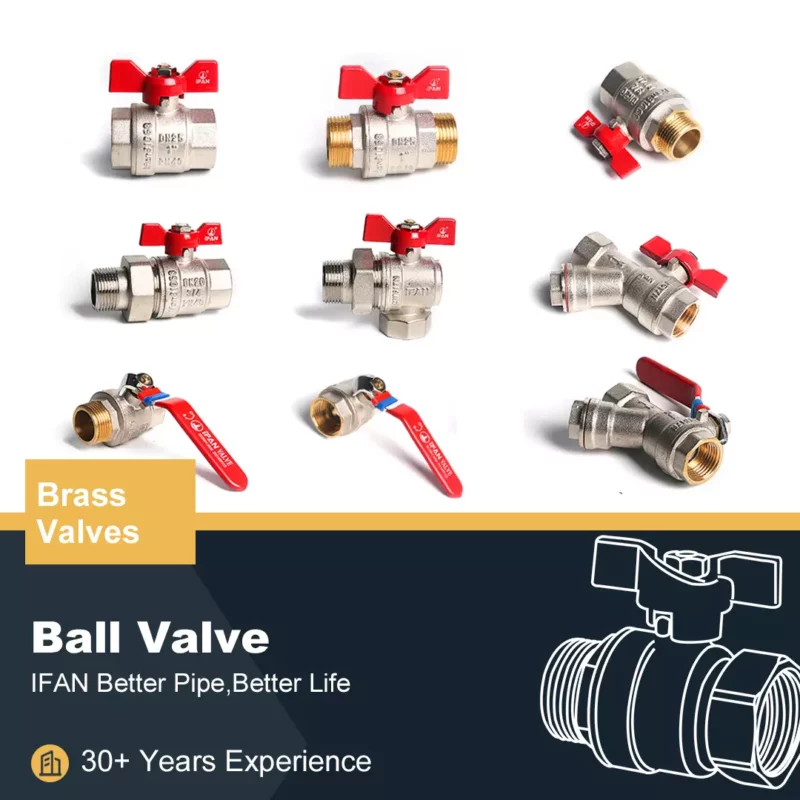
PPR is ideal for water filter systems. Install tees with ball valves for filter bypass. Use them for softener and RO system connections. The smooth bore does not harbor bacteria. Ensure all transition fittings are food-grade. Plan for future equipment additions. Leave service valves at strategic locations.
If you have read this article and have any questions, please feel free to contact IFAN. Below is our contact information:
Whatsapp:+86 13373827623
Email:[email protected]