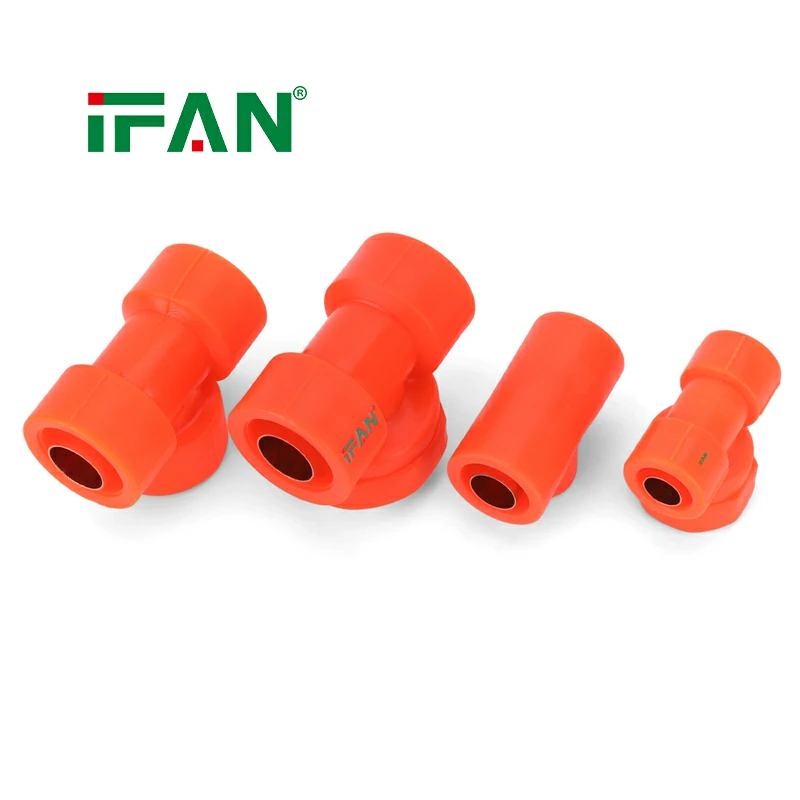
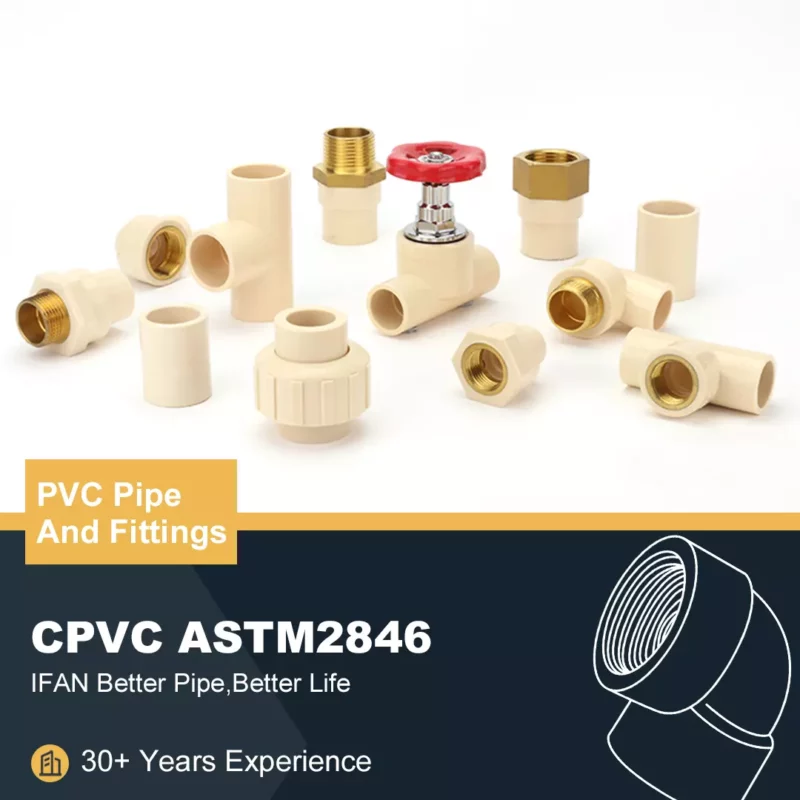
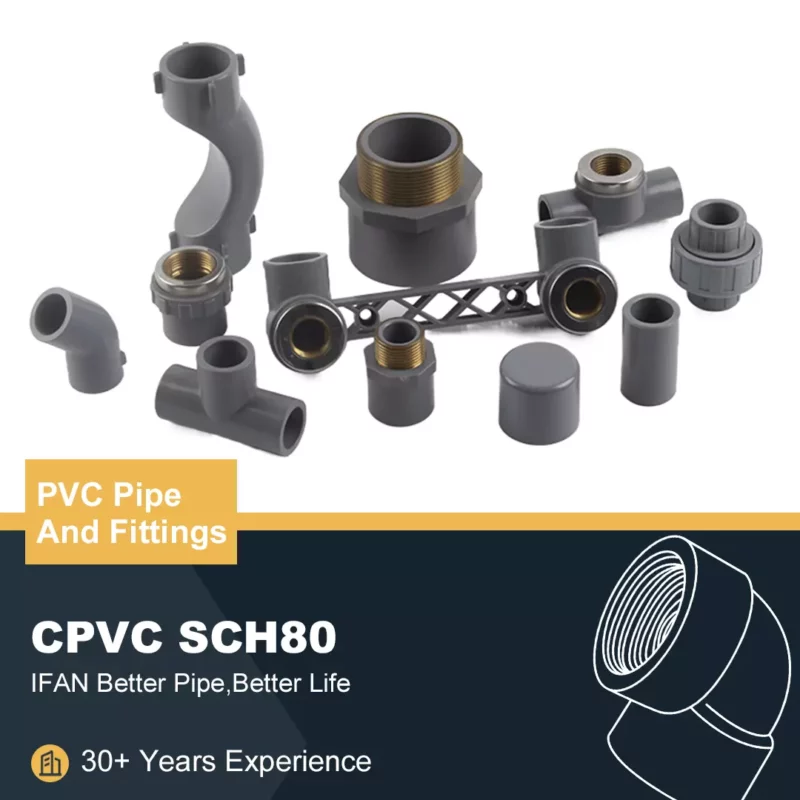
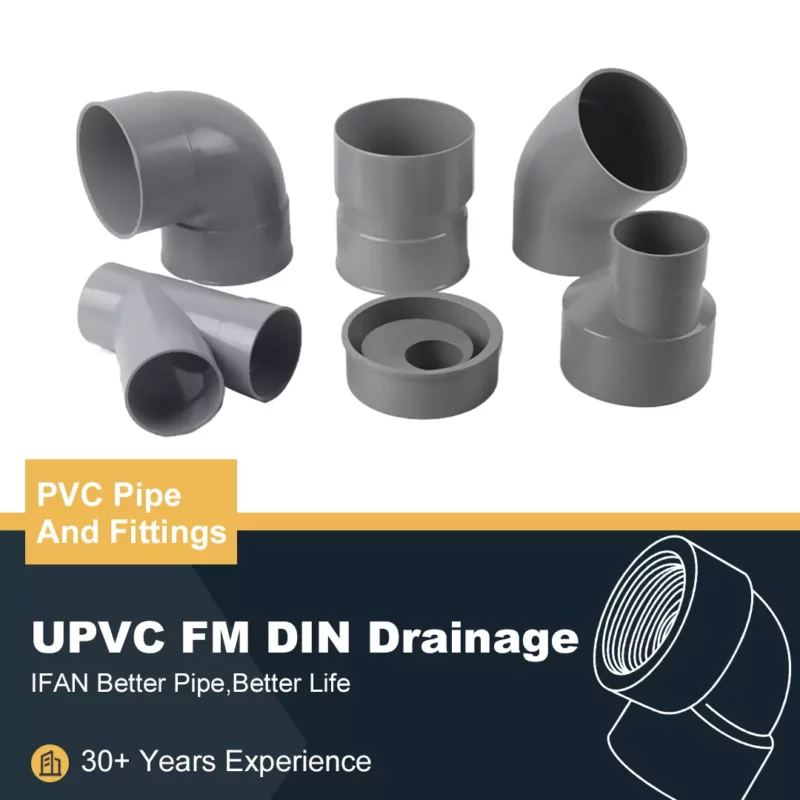
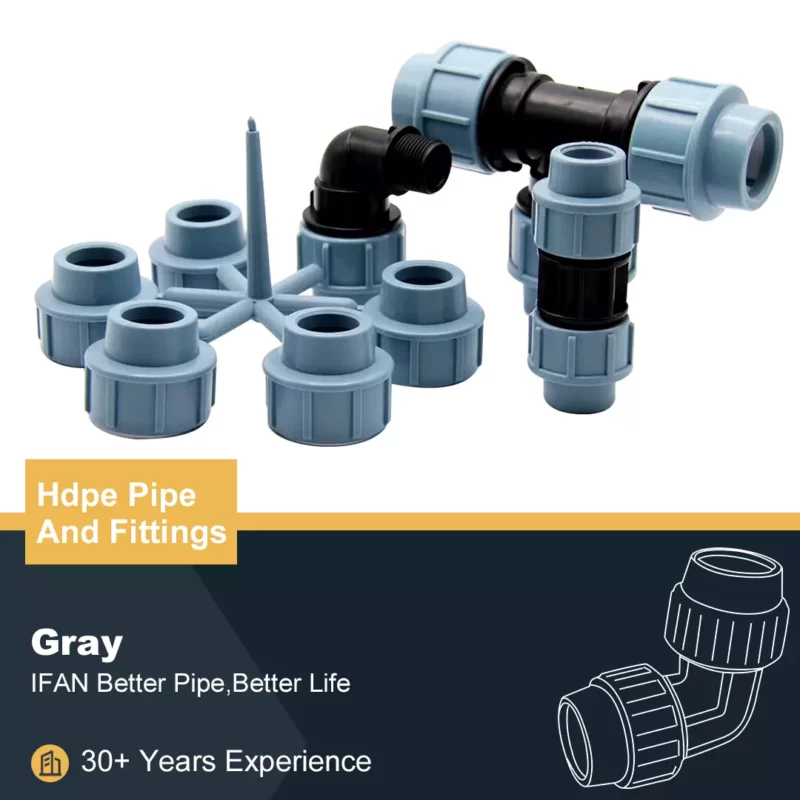


In the world of plumbing, the durability of materials is of utmost importance. Plumbing systems are subject to constant wear and tear from water pressure, temperature fluctuations, and corrosion. In this context, UPVC (Unplasticized Polyvinyl Chloride) fittings have emerged as one of the most reliable and cost-effective choices for enhancing the longevity of plumbing systems. Known for their strength, resistance to corrosion, and ease of installation, UPVC fitting are transforming the plumbing industry.
What Are UPVC Fittings?
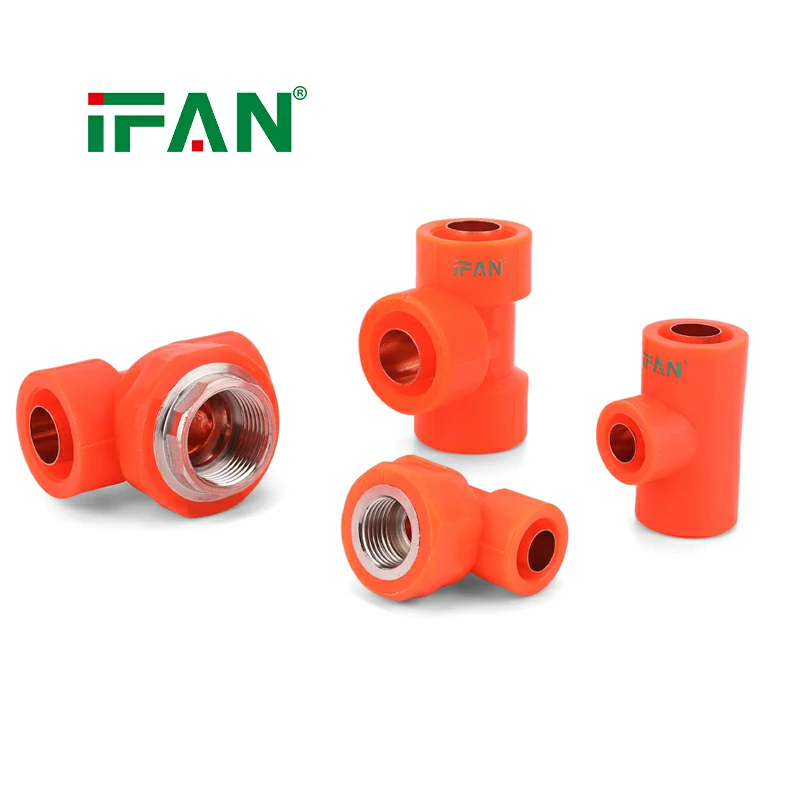
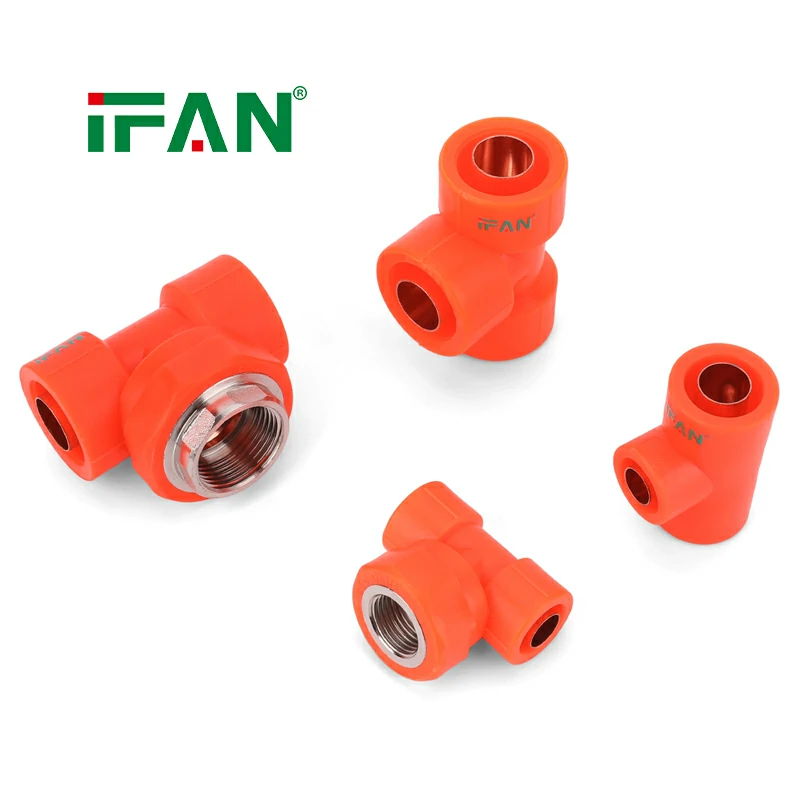
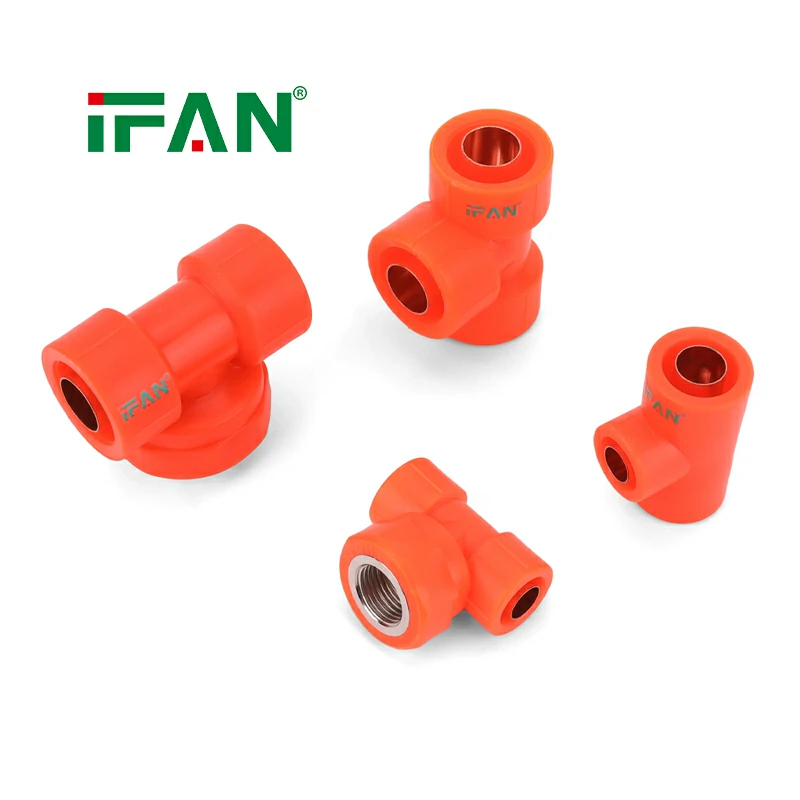
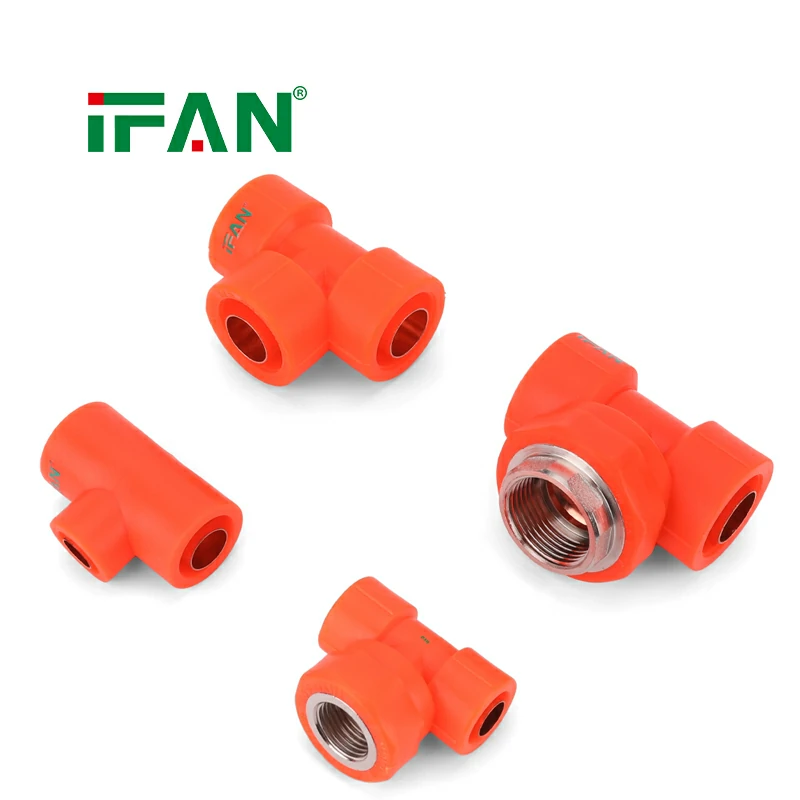
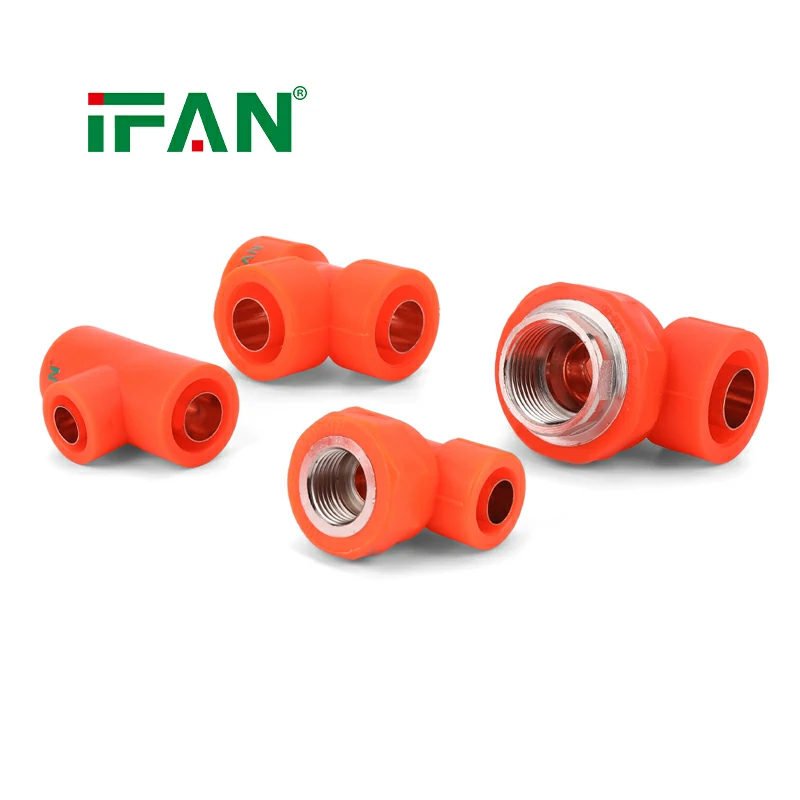
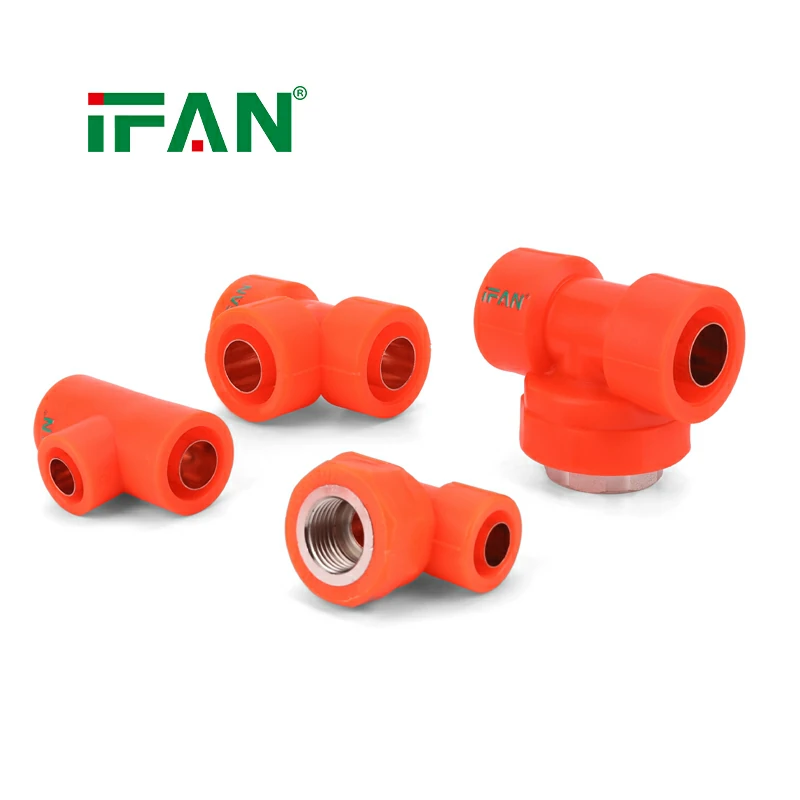
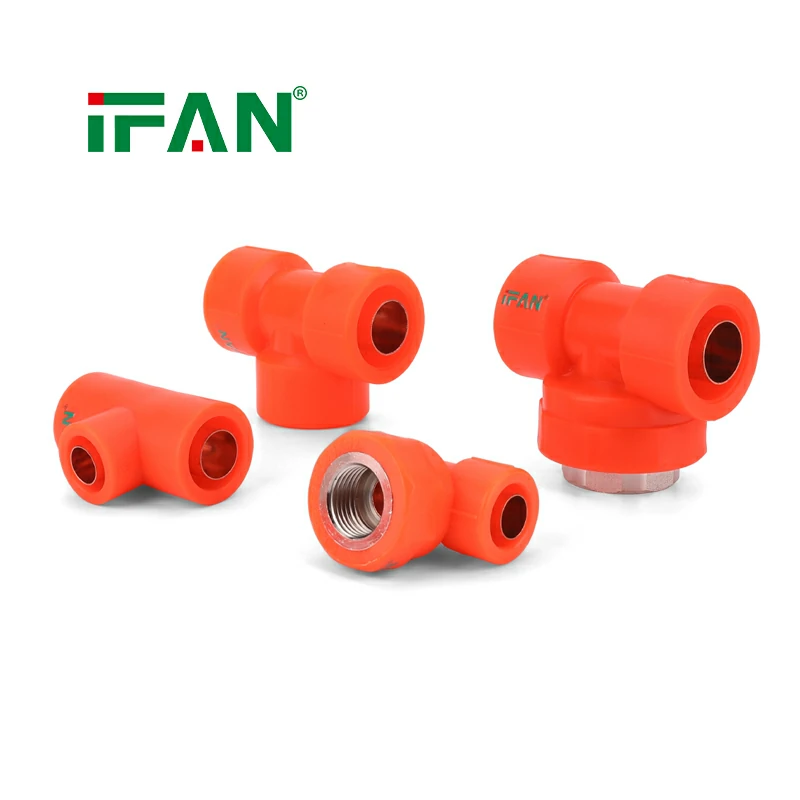
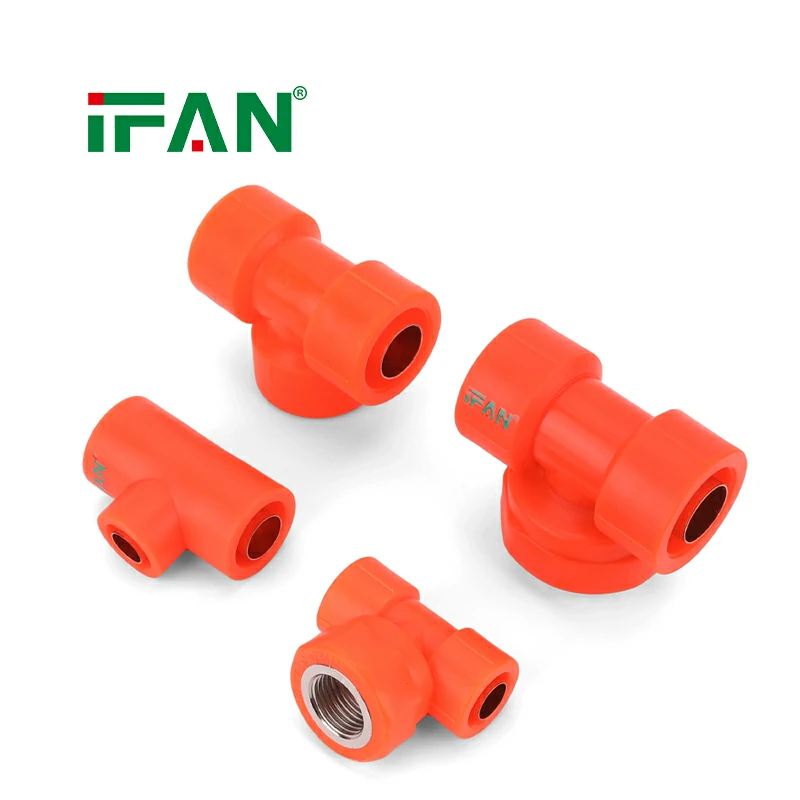
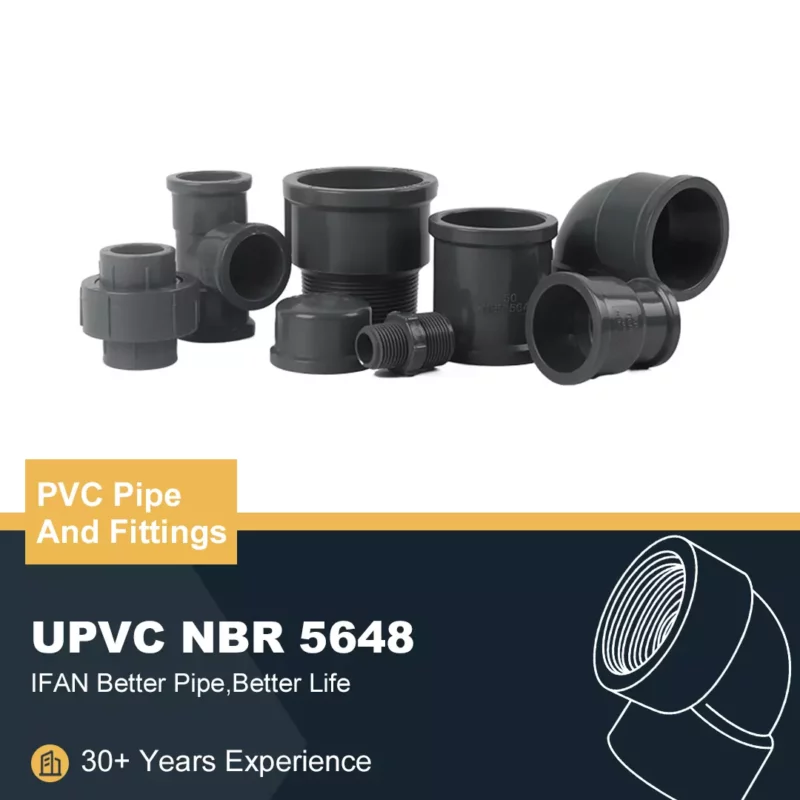
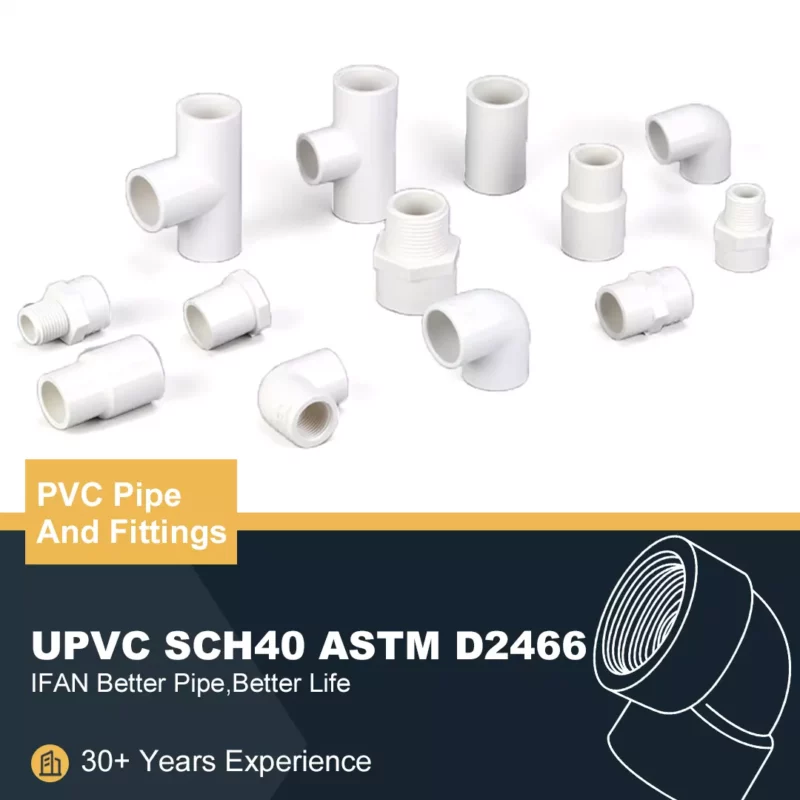
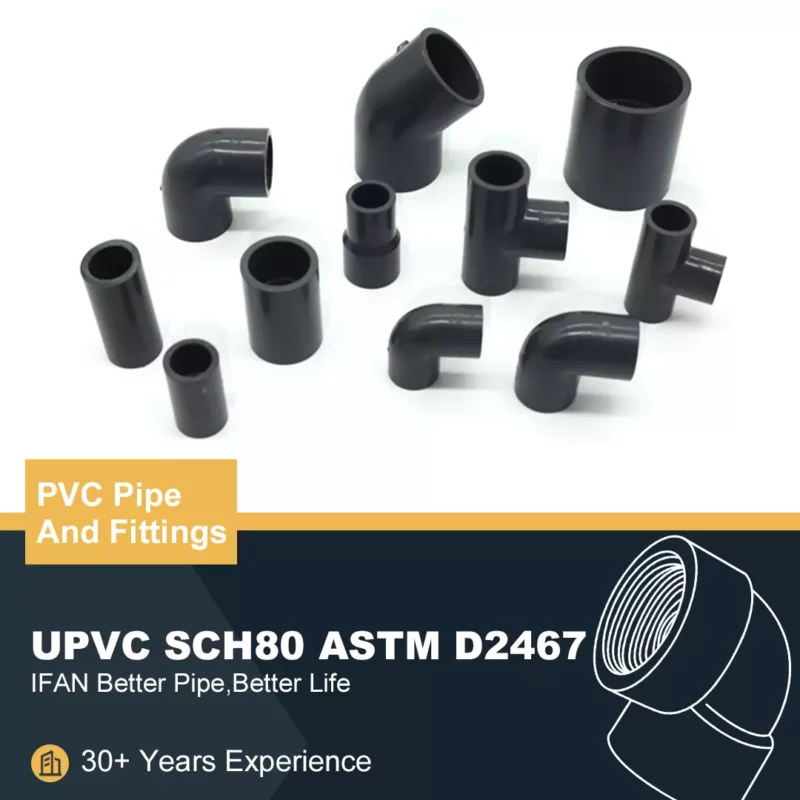
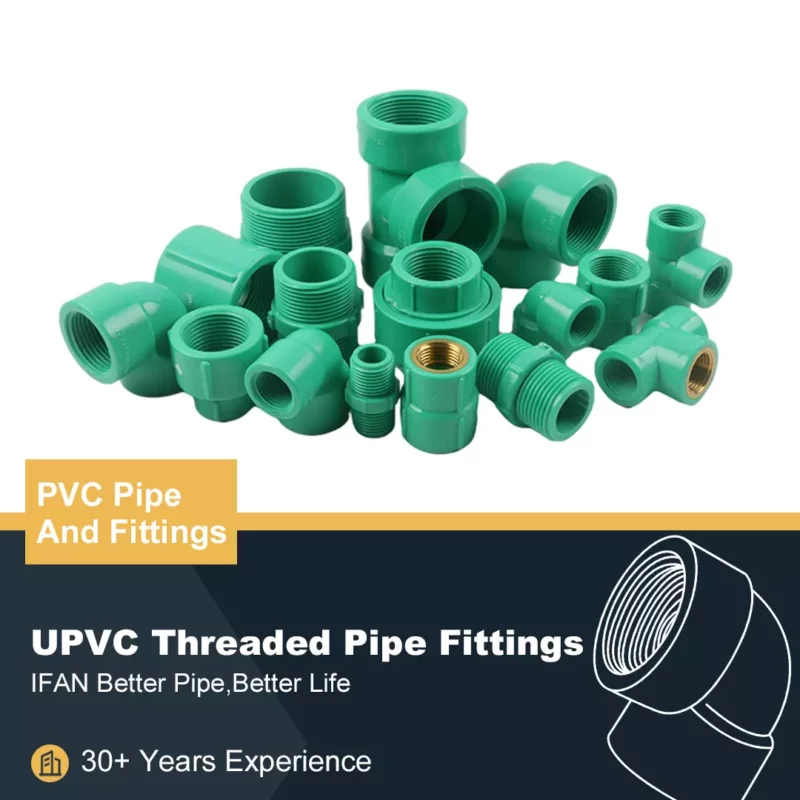
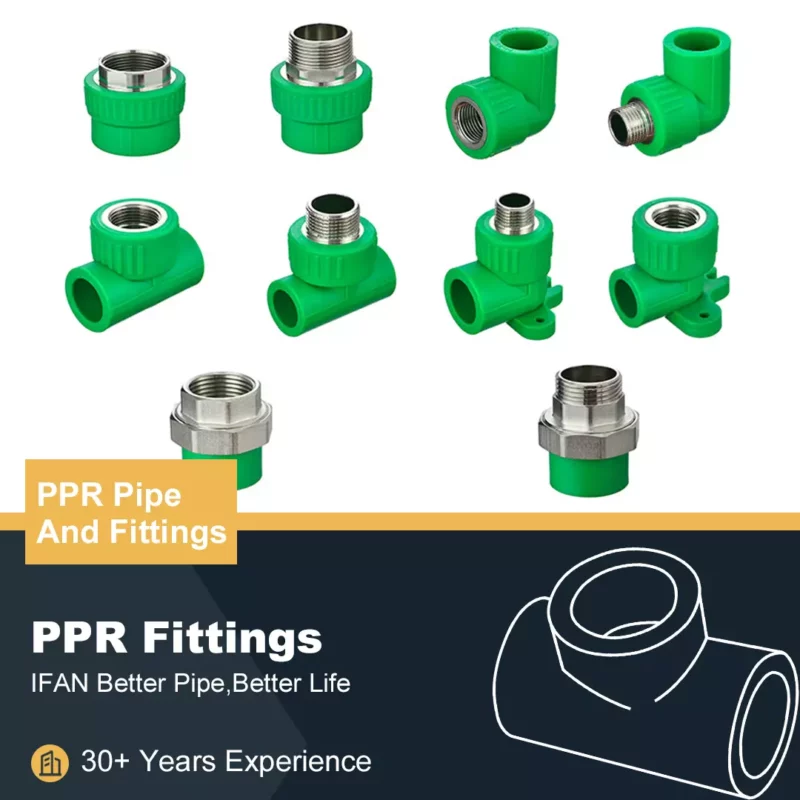
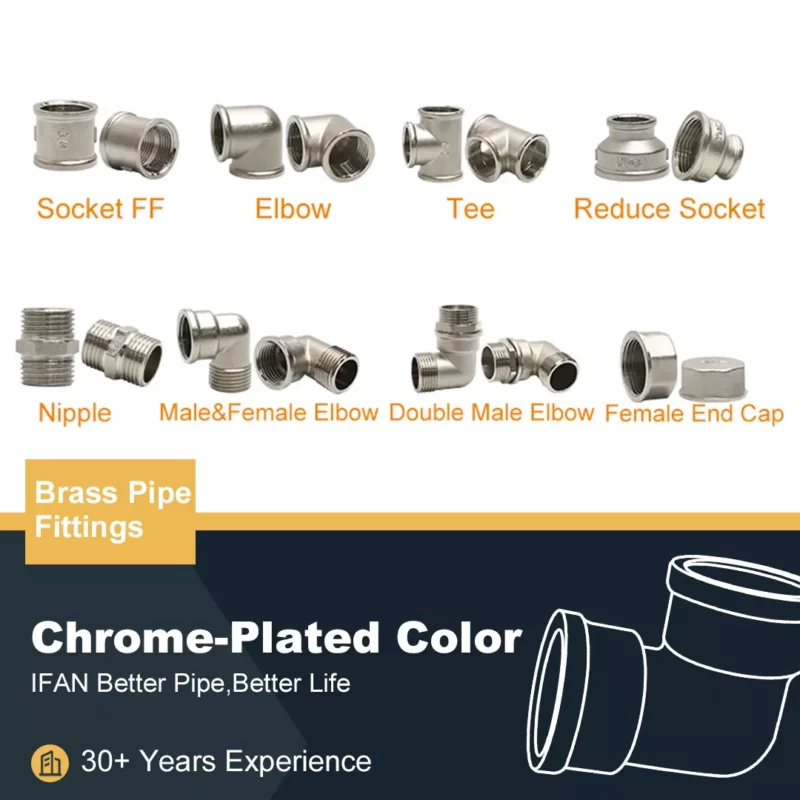
UPVC fitting are made from unplasticized polyvinyl chloride, a rigid form of plastic. Unlike regular PVC, UPVC does not contain any plasticizers, making it stiffer and more durable. These fittings are used to connect various parts of plumbing systems, such as pipes, taps, and valves, ensuring the system remains secure and leak-free. UPVC fitting come in different shapes and sizes, making them versatile for a wide range of plumbing applications, from residential to industrial systems.
Durability Against Corrosion
One of the main advantages of UPVC fitting is their resistance to corrosion. Traditional metal fittings, such as those made from copper or steel, are highly susceptible to rust and degradation over time. This corrosion can weaken the fittings, causing leaks and failures. UPVC fittings, on the other hand, are immune to the corrosive effects of water and chemicals. They do not rust or corrode, even when exposed to harsh conditions like acidic or alkaline environments. This makes them an ideal choice for plumbing systems in areas with high water salinity or harsh chemical exposure.
Resistance to High Pressure
Plumbing systems often operate under high pressure, which can cause materials to crack or fail. UPVC fitting are designed to withstand high water pressure without compromising their structural integrity. They have a high tensile strength and are capable of withstanding pressure up to certain limits without breaking or deforming. This makes UPVC fitting a reliable choice for both residential plumbing systems and high-pressure industrial applications, where performance under stress is crucial.
Resistance to Temperature Changes
Temperature fluctuations can significantly affect the performance of plumbing materials. Extreme heat or cold can cause materials like metal to expand and contract, leading to cracks, leaks, or fittings loosening over time. UPVC fitting, however, are less affected by temperature changes. They can handle a wide range of temperatures, from freezing cold to boiling heat, without losing their strength or becoming brittle. This characteristic makes UPVC fitting suitable for both hot and cold water systems, ensuring consistent performance year-round.
Cost-Effectiveness
Another significant benefit of UPVC fitting is their cost-effectiveness. While metal fittings often require more expensive materials and specialized installation methods, UPVC fitting are both affordable and easy to install. The lightweight nature of UPVC reduces the cost of transportation, and its ease of handling ensures that installation is quicker and less labor-intensive. As a result, homeowners and businesses alike can save money on both materials and labor when choosing UPVC fittings for their plumbing systems.
Low Maintenance Requirements
Unlike metal fittings, which require regular maintenance to prevent rust and corrosion, UPVC fittings are virtually maintenance-free. Once installed, they require minimal attention, as they do not degrade over time like metals do. Homeowners can enjoy a long-lasting plumbing system without the worry of frequent repairs or replacements. This low maintenance requirement not only saves money but also provides peace of mind, knowing the plumbing system is built to last for many years.
Environmental Benefits
In an age where environmental concerns are at the forefront of many industries, UPVC fitting also stand out for their eco-friendliness. Unlike metal fittings, which often require mining and heavy industrial processes to manufacture, UPVC is produced with lower energy consumption. Additionally, UPVC is fully recyclable, making it a more sustainable option for plumbing systems. By choosing UPVC fitting, homeowners and businesses contribute to reducing their environmental footprint while still benefiting from a durable and efficient plumbing system.
Versatility in Application
UPVC fittings are extremely versatile, making them suitable for a variety of plumbing applications. They can be used in both cold and hot water systems, as well as in drainage and sewage systems. Their resistance to chemicals also makes them ideal for industrial applications where exposure to hazardous substances is common. Moreover, UPVC fittings can be used in both residential and commercial buildings, offering flexibility in their usage. Whether for a simple home plumbing system or a complex industrial setup, UPVC fittings meet the needs of diverse plumbing applications.
Ease of Installation
The installation of UPVC fittings is straightforward and requires fewer tools compared to traditional metal fittings. They can be easily connected using solvent cement or mechanical joints, reducing the time and effort required for installation. This ease of installation also means fewer chances of errors during the process, ensuring a secure and leak-proof plumbing system. For both professionals and DIY enthusiasts, the simplicity of installing UPVC fittings makes them a preferred choice for plumbing projects.
Safety Considerations
In addition to their physical properties, UPVC fittings also offer safety benefits. Unlike metal fittings, UPVC does not conduct electricity, making it safer to work with in areas where electrical hazards are a concern. Moreover, UPVC fittings are non-toxic and do not leach harmful substances into the water supply, ensuring that drinking water remains safe and uncontaminated. This makes UPVC fittings an ideal choice for plumbing systems in homes, schools, hospitals, and other places where water safety is a priority.
Longevity and Reliability
One of the most compelling reasons to choose UPVC fittings is their long lifespan. Under normal conditions, UPVC fittings can last for several decades without showing signs of wear or damage. Their durability, combined with resistance to corrosion, high pressure, and temperature changes, ensures that plumbing systems made with UPVC fittings can withstand the test of time. This longevity reduces the need for frequent replacements, making UPVC fittings a reliable choice for anyone looking to invest in a durable plumbing system.
Conclusion
UPVC fittings have become a cornerstone in modern plumbing systems due to their numerous advantages. From their superior resistance to corrosion and high pressure to their affordability and ease of installation, UPVC fittings offer a durable solution for both residential and industrial applications. Their ability to withstand temperature fluctuations, coupled with low maintenance requirements, makes them a practical choice for long-term use. Moreover, their eco-friendly production and safety features further enhance their appeal. For anyone looking to build a reliable, cost-effective, and long-lasting plumbing system, UPVC fittings are an excellent choice.
If you have read this article and have any questions, please feel free to contact IFAN. Below is our contact information:
Whatsapp:+86 13373827623
Email:[email protected]