



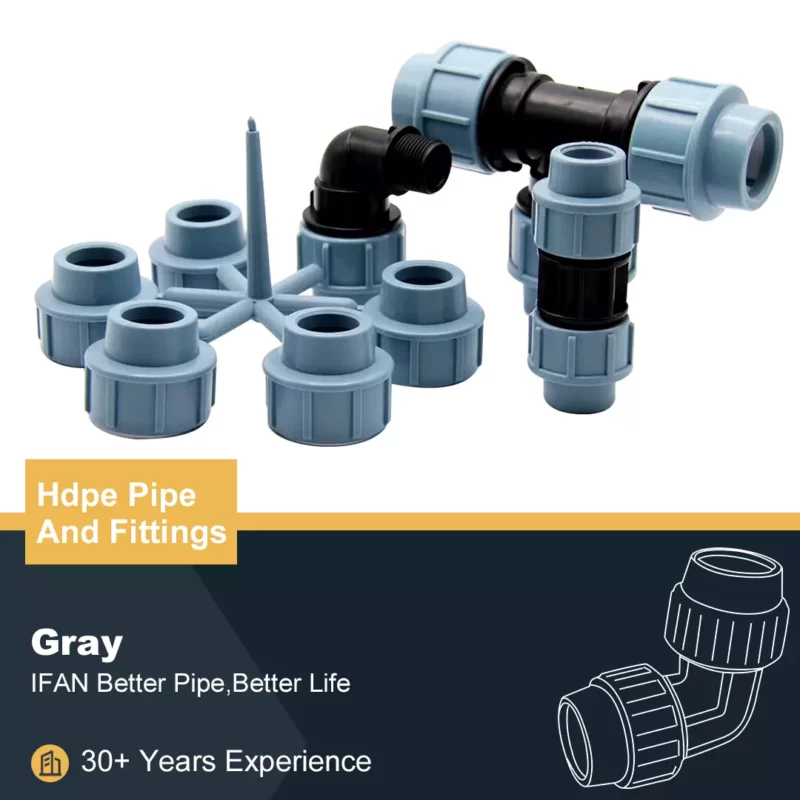





Deciphering Pipe and Fitting Sizes
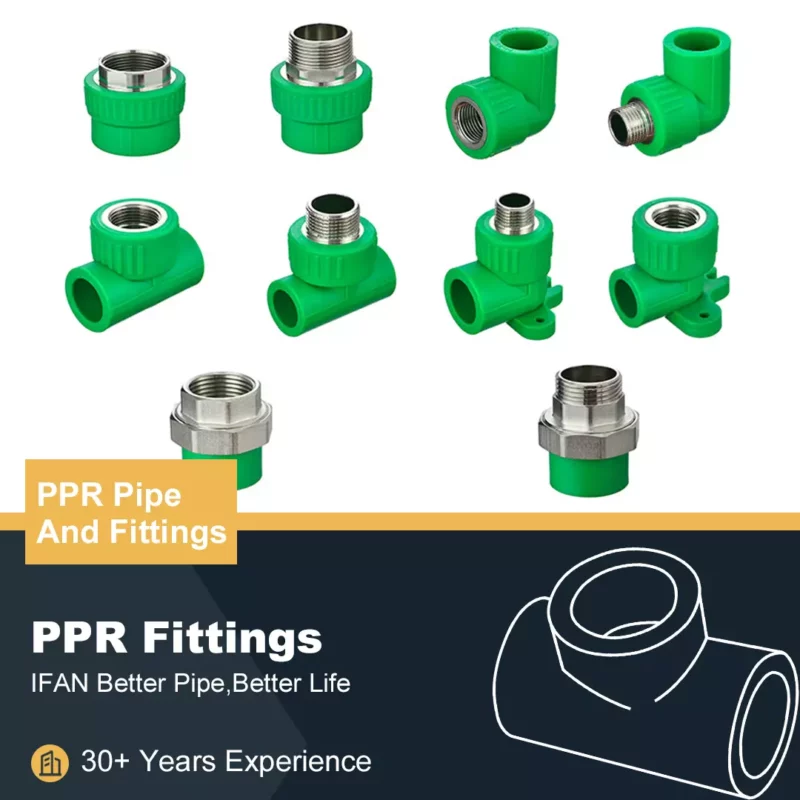
PPR sizes are denoted by outer diameter. Common sizes are 20mm, 25mm, and 32mm. The “DN” rating refers to the nominal diameter. This is roughly the inner diameter measurement. For example, DN20 corresponds to 20mm outer diameter. Always match the pipe OD to the fitting size. Metric and inch systems are different. Do not confuse them.
Wall Thickness Standards: S-Series
Wall thickness is categorized by “S” series. S5, S4, S3.2, and S2.5 are common. A lower S number means a thicker wall. Thicker walls handle higher pressures. S5 is for low-pressure cold water. S2.5 is for high-pressure hot water. The S value determines the pressure rating. Your entire system should use the same S series.
Pressure Rating (PN) Explained
PN rating indicates maximum working pressure. It is measured in bars at 20°C water. PN20 handles 20 bar at 20°C. PN25 handles 25 bar at 20°C. Pressure capacity decreases as temperature rises. Always choose a PN rating above your system’s maximum pressure. Include a safety margin in your selection.
Temperature De-Rating Factors
PPR strength decreases with heat. At 60°C, the long-term strength is lower. The material’s maximum continuous temperature is 95°C. Short-term peaks up to 100°C are possible. For constant high temperatures, select PN25. Consider system operating temperature first. Then select the appropriate pressure class.
Understanding Expansion and Contraction
PPR expands when heated. The expansion coefficient is relatively high. Plan for thermal movement in long runs. Use expansion loops or offsets. Allow space in pipe clips for movement. This prevents stress on the fittings. In long hot water lines, this is critical. Fixed points must be strong.
Chemical Resistance for Special Applications
PPR resists many chemicals. It handles acids, alkalis, and salts. This makes it suitable for laboratory drains. It is not suitable for some organic solvents. Always check chemical compatibility charts. For industrial fluids, consult the manufacturer. Use separate lines for different chemicals.
System Design: Calculating Flow Rate
Pipe size directly affects water flow. Larger diameters allow higher flow rates. Calculate your system’s total demand first. Consider all faucets and appliances. Use standard flow rate tables for sizing. Undersized pipes cause low pressure and noise. Oversized pipes are wasteful and costly. Balance performance with economy.
If you have read this article and have any questions, please feel free to contact IFAN. Below is our contact information:
Whatsapp:+86 13373827623
Email:[email protected]