
The Importance of Raw Material Purity
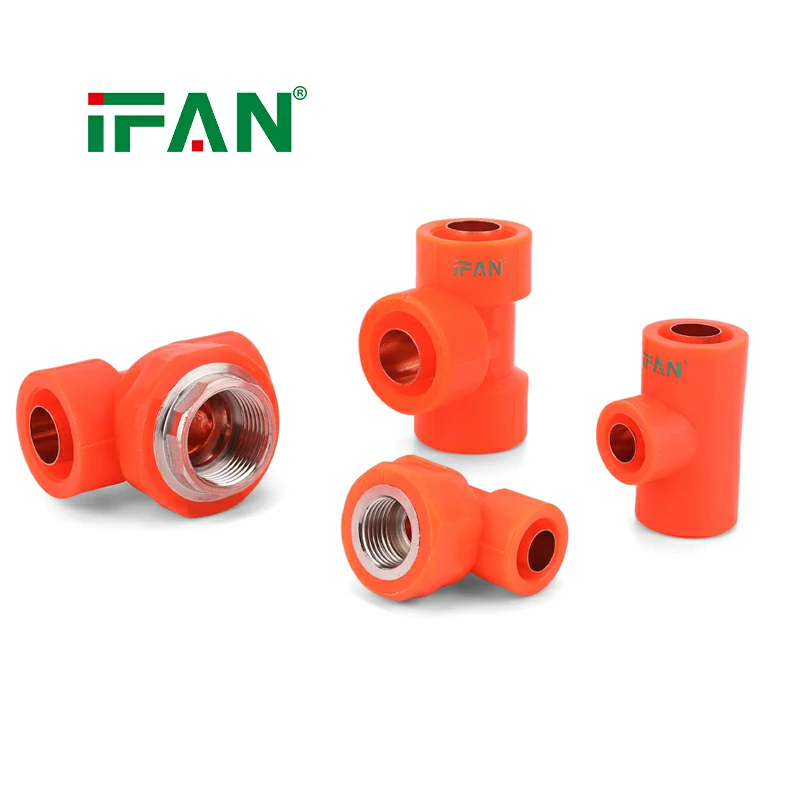
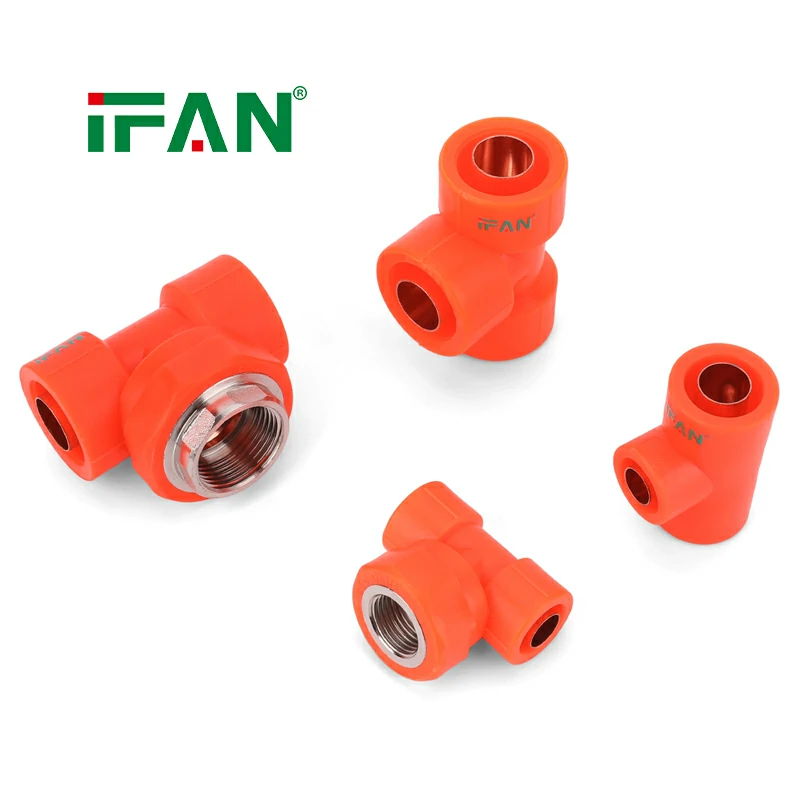
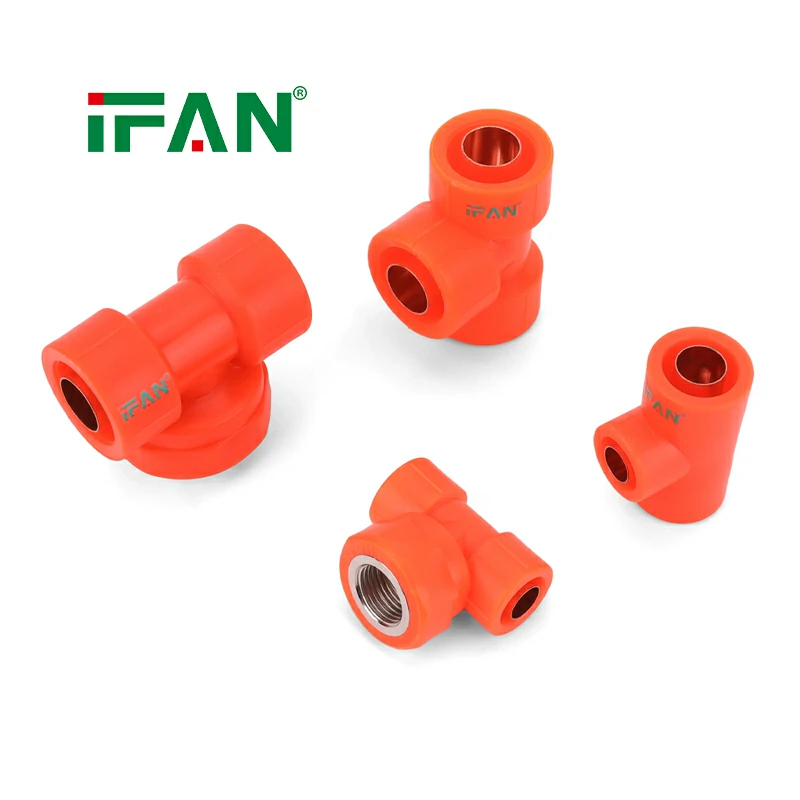
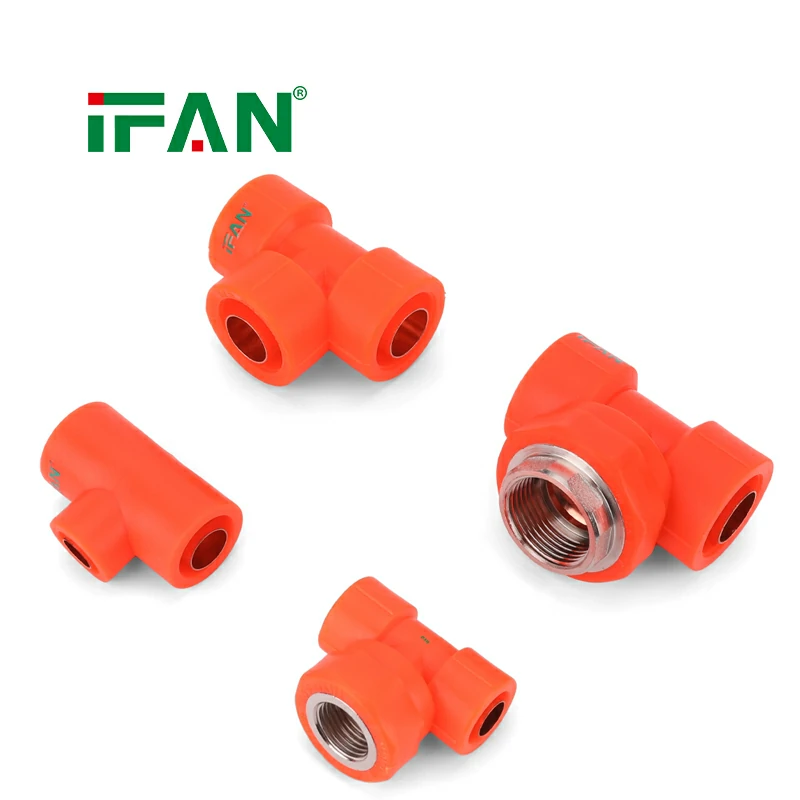
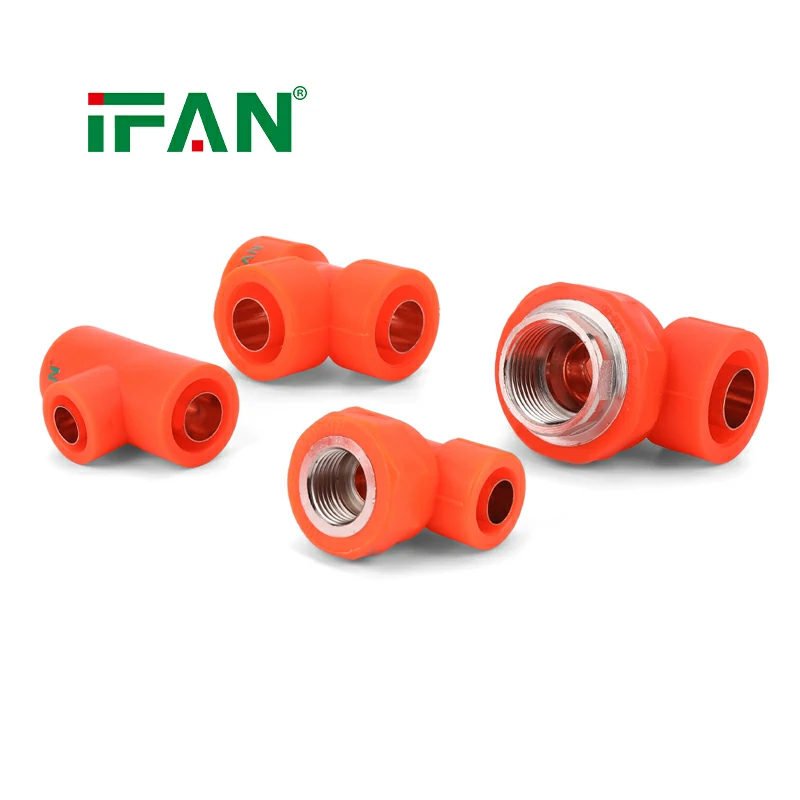
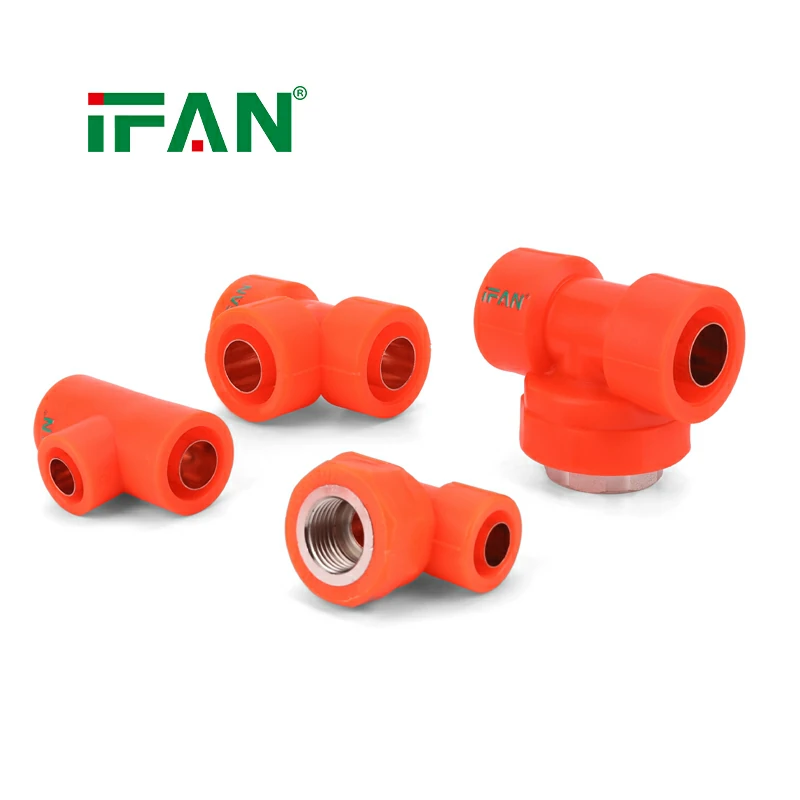
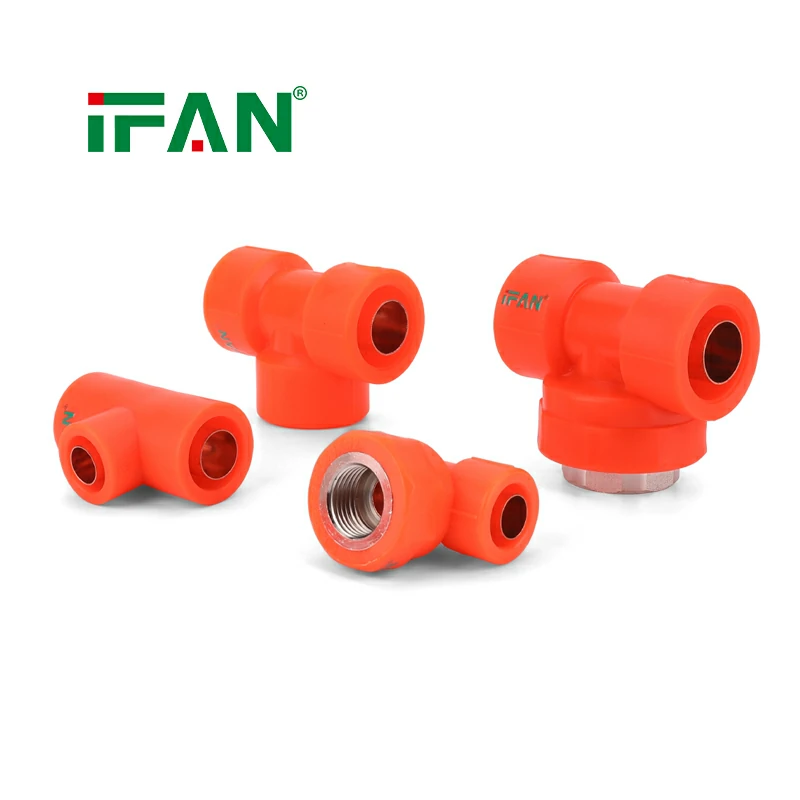
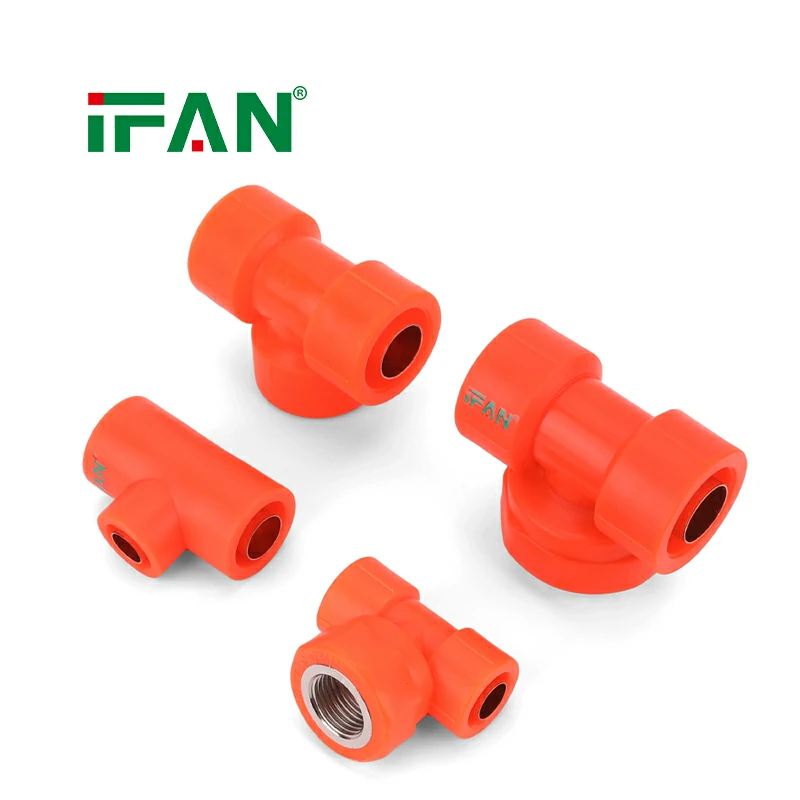
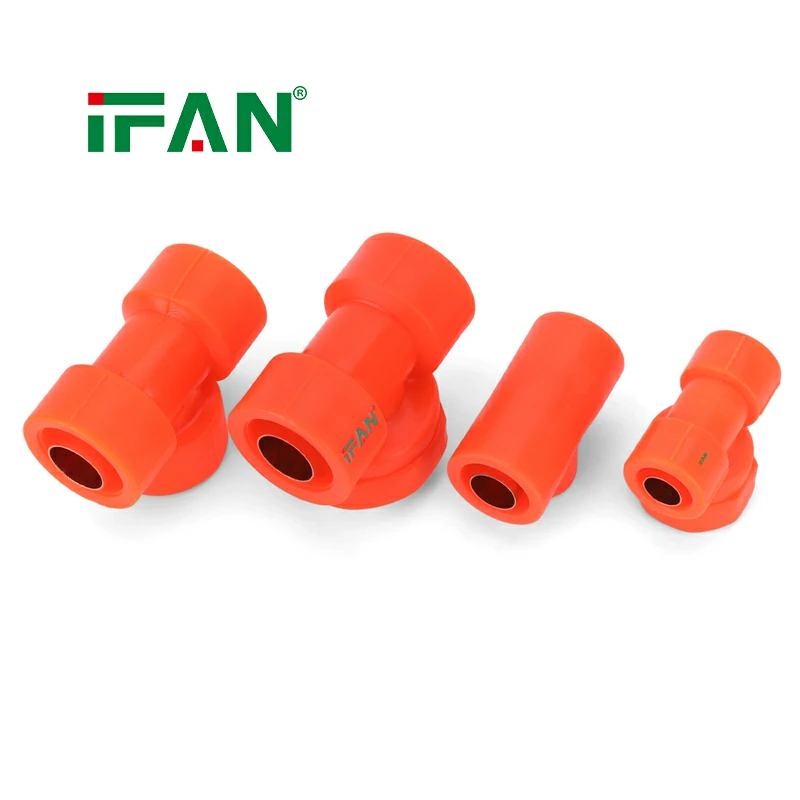
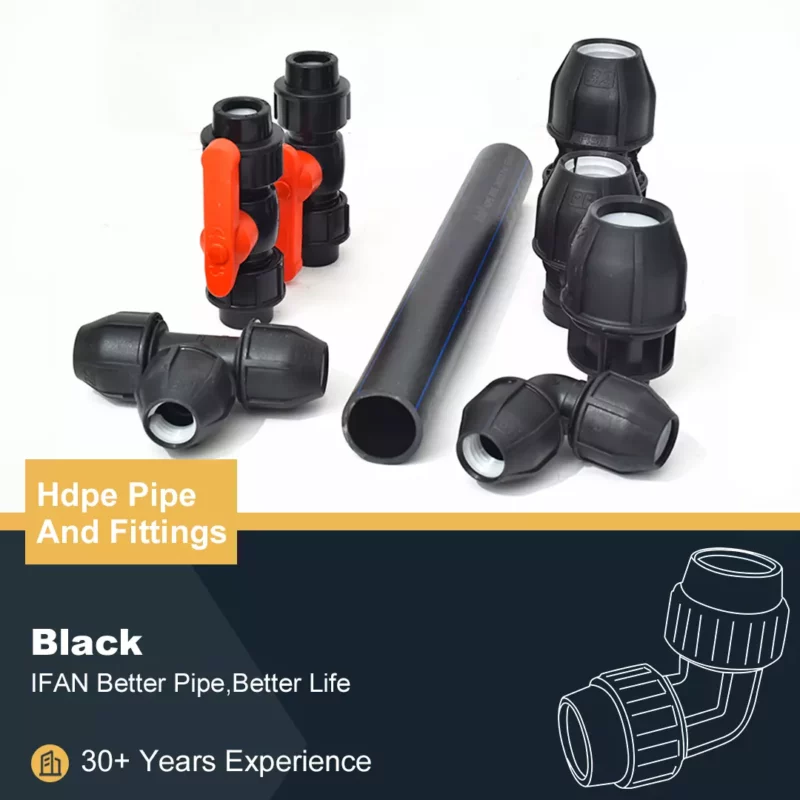
PPR Fitting Only virgin PPR raw materials should be used. This ensures consistent quality and performance. Recycled or mixed materials are inferior. They can cause weak points and premature failure. High-quality material has a uniform color. It should be bright and not dull. The surface must be smooth and free of streaks.
Manufacturing Process: Injection Molding
Top fittings are made by precision injection molding. This process ensures dimensional accuracy. Every fitting must meet strict size tolerances. Good molding prevents internal stress marks. It also creates uniform wall thickness. Inspect the fitting for any flash or burrs. These are signs of poor manufacturing control.
Critical Dimensions to Verify
Always check key dimensions before purchase. Measure the socket depth for welding. It must be deep enough for a strong joint. Check the outer and inner diameters. Compare them with your pipe specifications. Verify the wall thickness is consistent. Use a caliper for accurate measurement. Even small deviations can cause installation issues.
Color Coding and Its Meaning
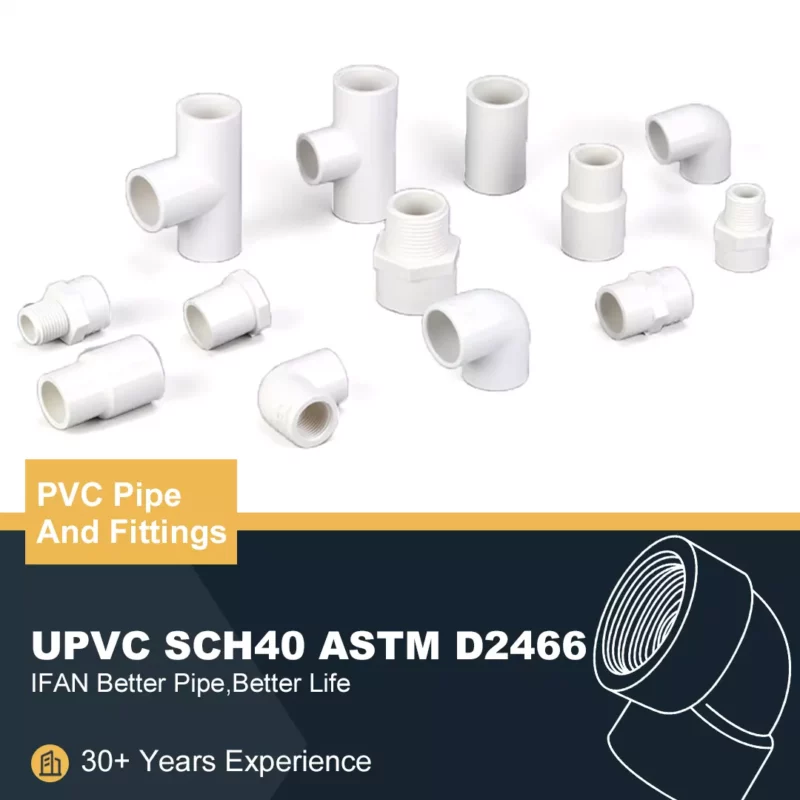
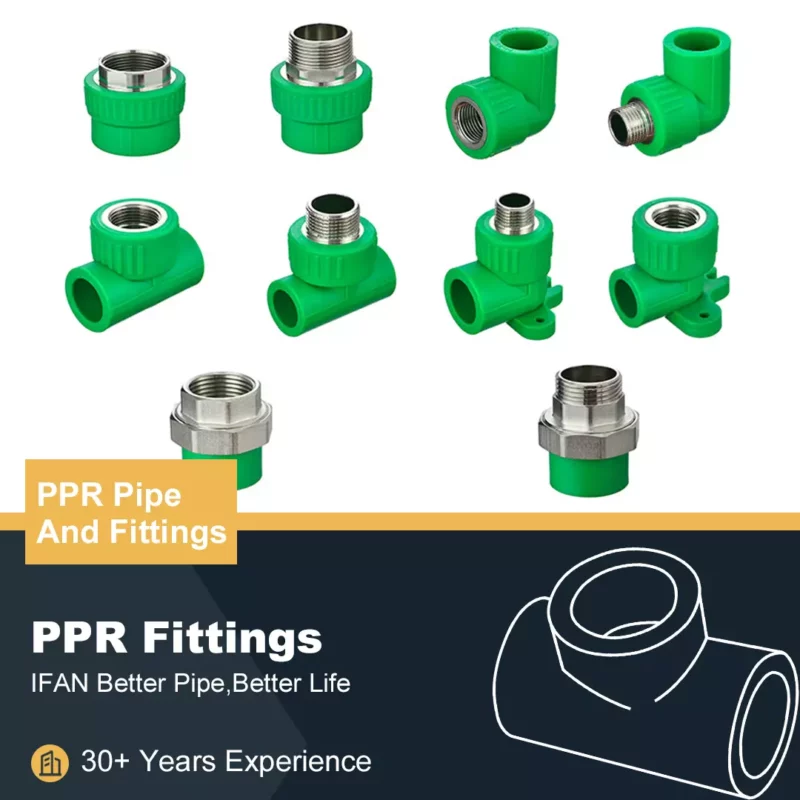
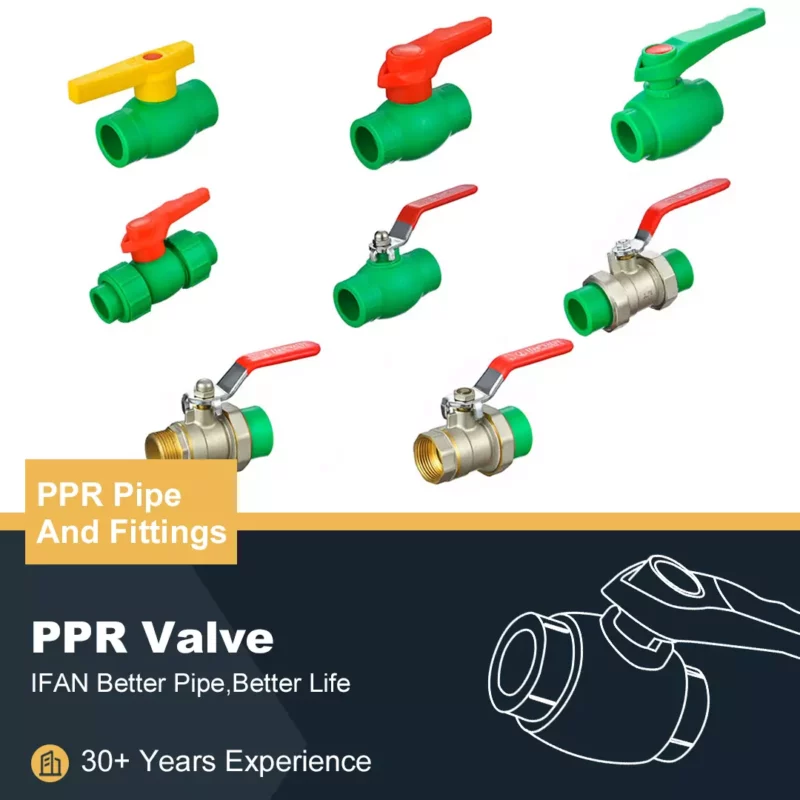
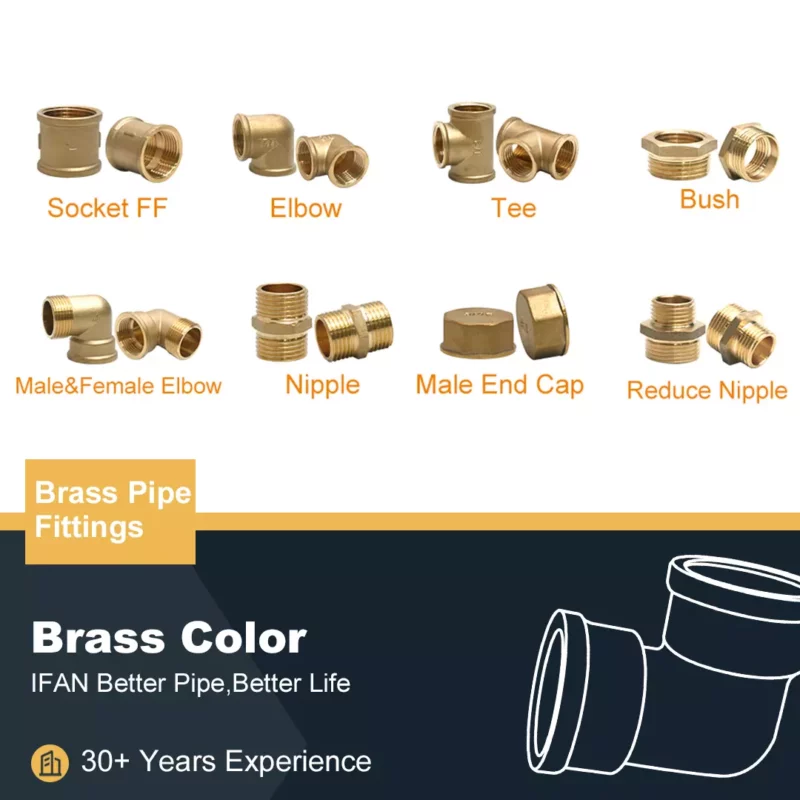
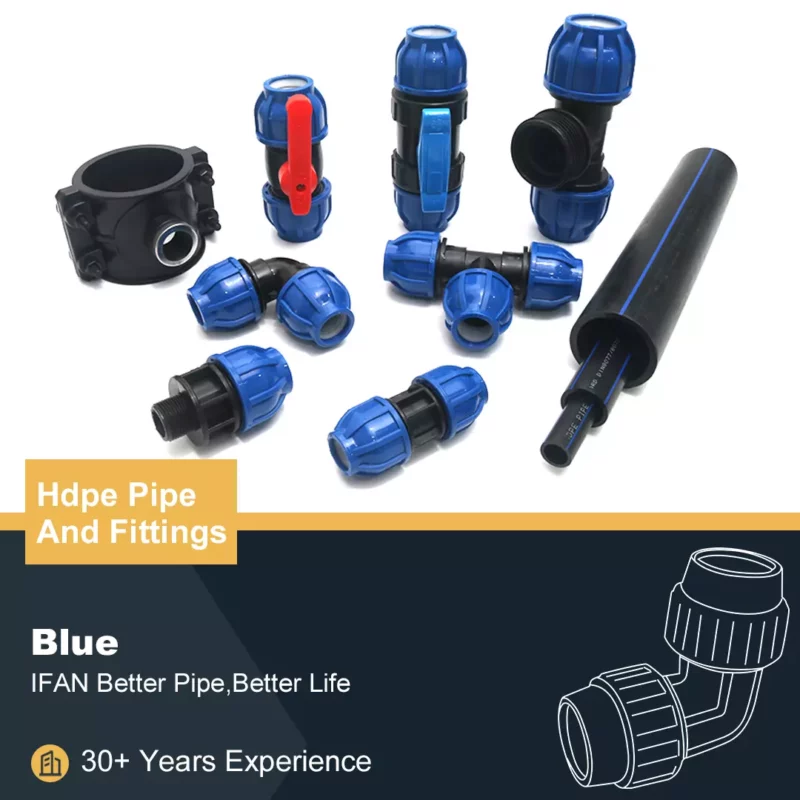
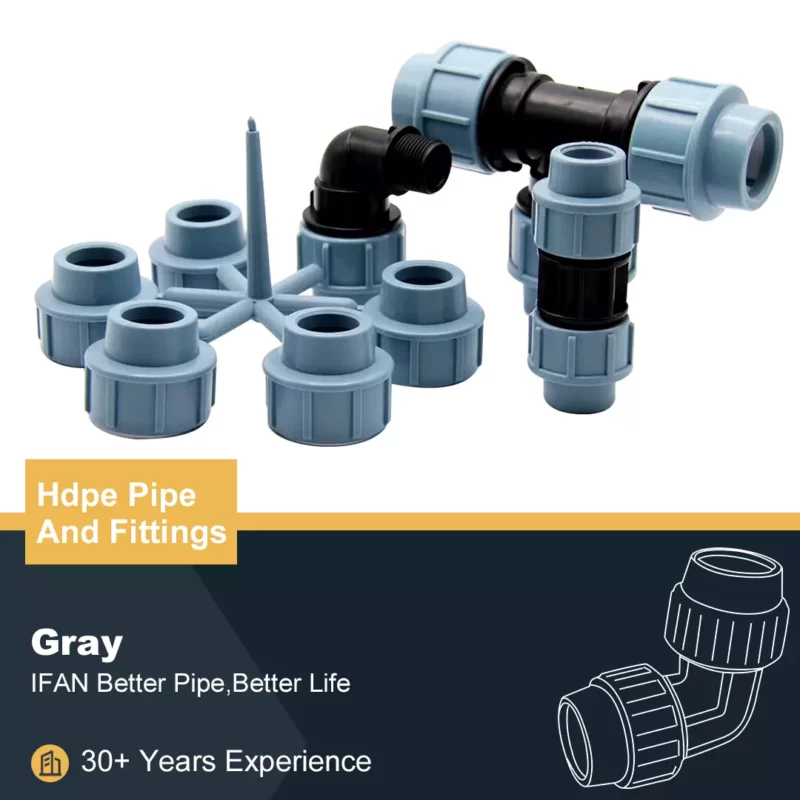
PPR fittings come in different colors. Common colors are white, green, and gray. The color often indicates the material grade. Green usually signifies a higher-grade copolymer. Color can also indicate intended application. For example, some colors are for heating systems. However, color standards can vary by manufacturer. Always confirm the material specifications.
Pressure Testing and Quality Certifications
Reputable manufacturers pressure test their fittings. Look for products with international certifications. These include ISO 9001, ASTM, and CE marks. Certifications guarantee tested performance. They ensure the fittings meet safety standards. Do not buy uncertified fittings for pressure systems. Your safety depends on this verification.
Spotting Visual Defects
Conduct a thorough visual inspection first. Look for any cracks or visible imperfections. Check for sunken marks or bubbles on the surface. The interior should be clean and smooth. Any contamination or particles inside is a red flag. Color should be even throughout the entire fitting. Reject any fittings with rough or textured spots.
Compatibility with Other Piping Materials
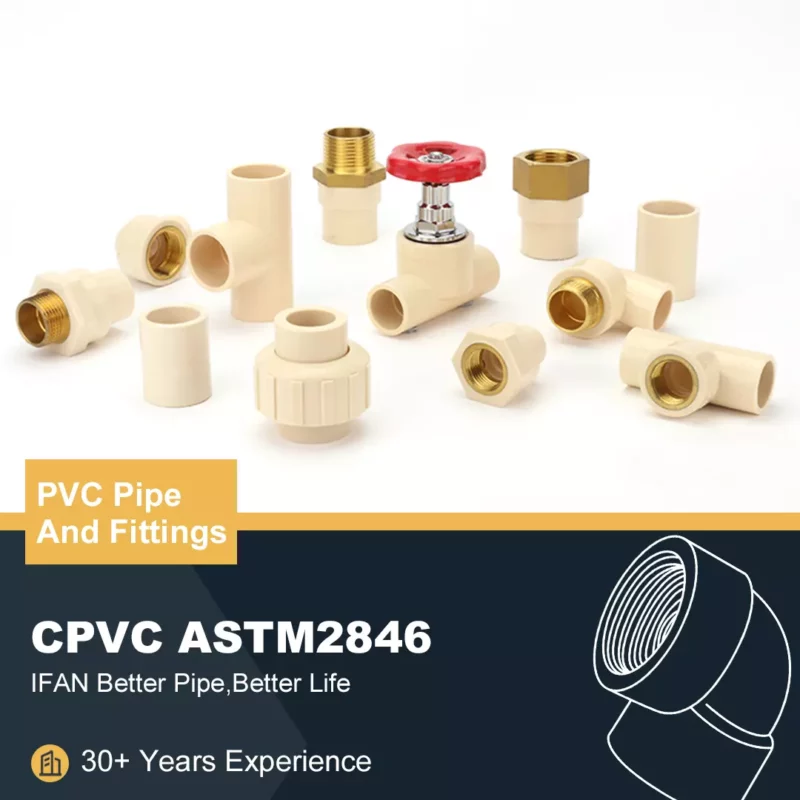
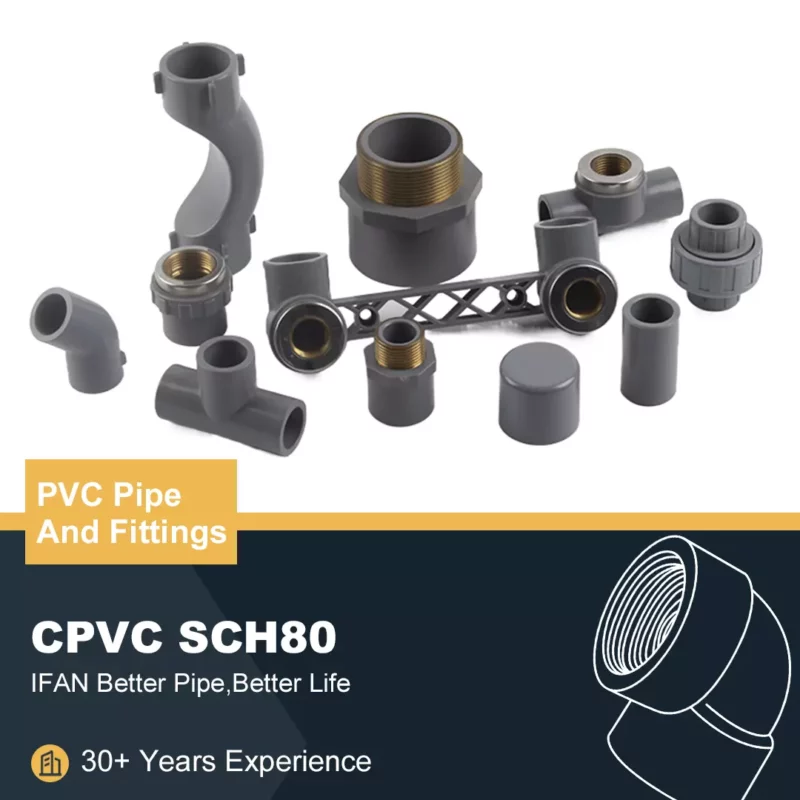
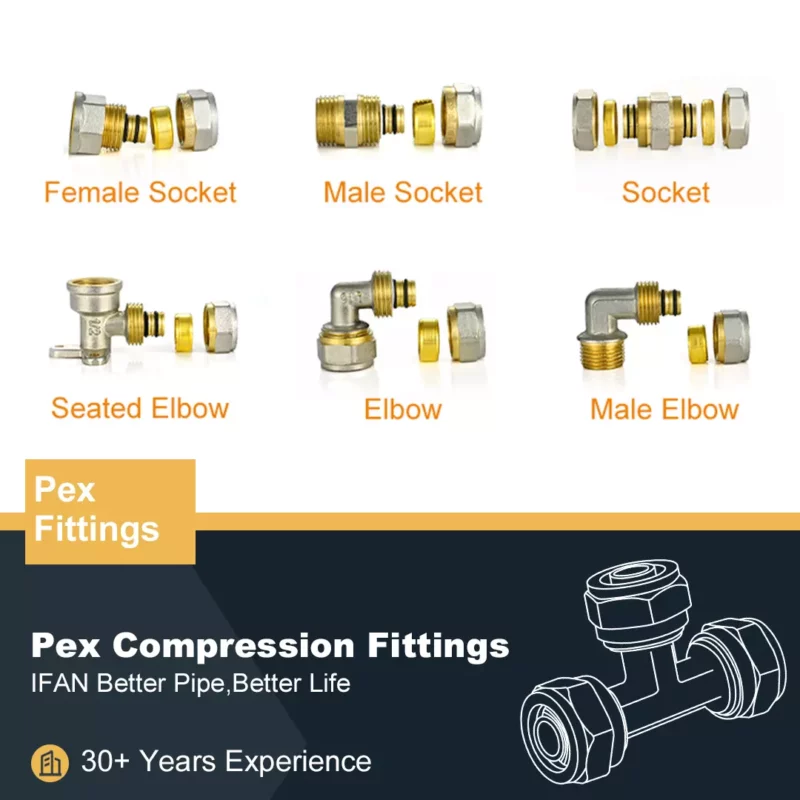
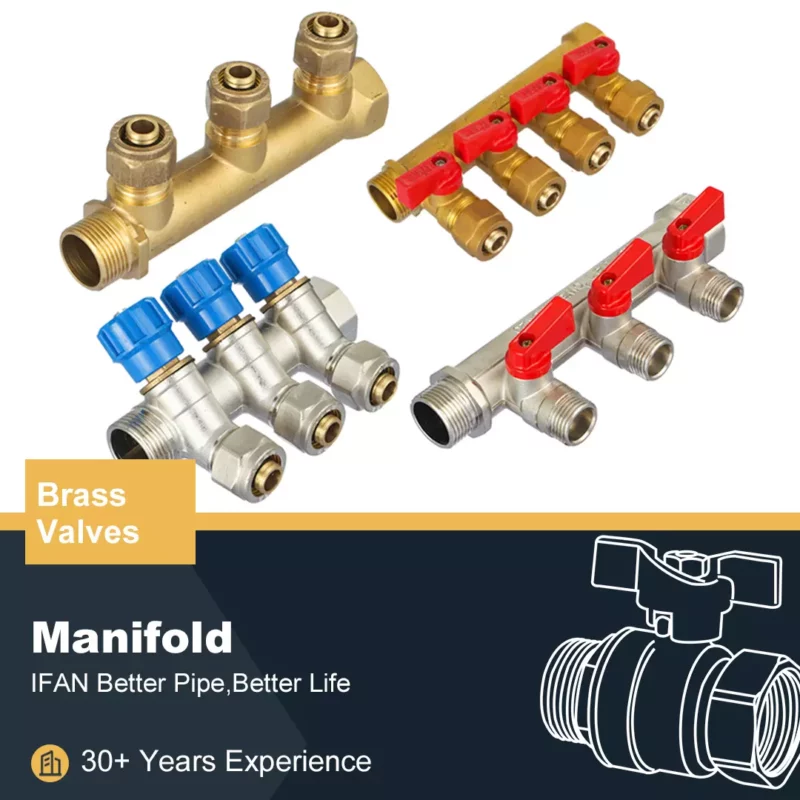
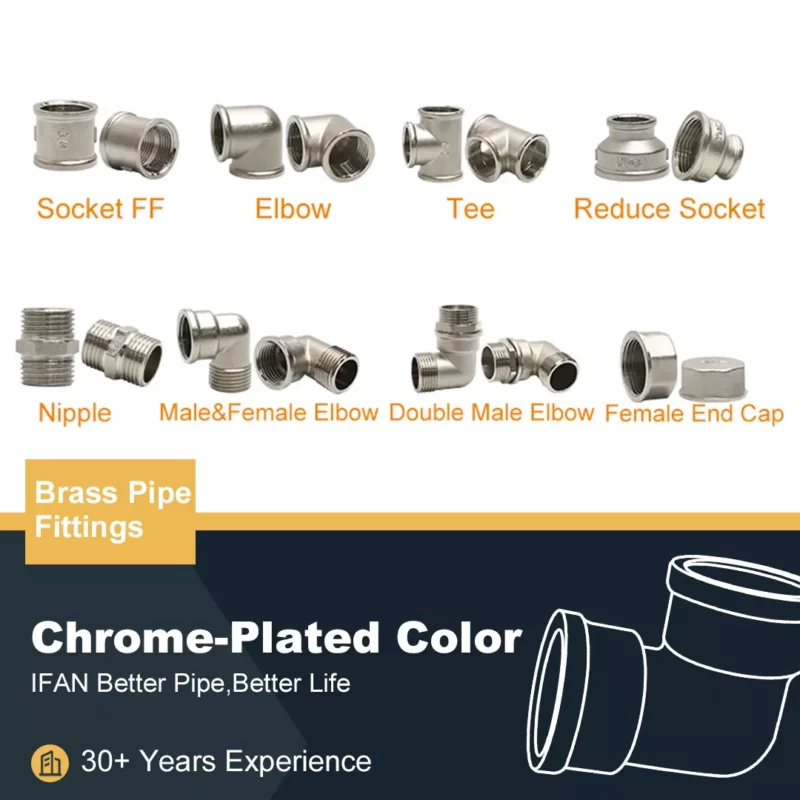
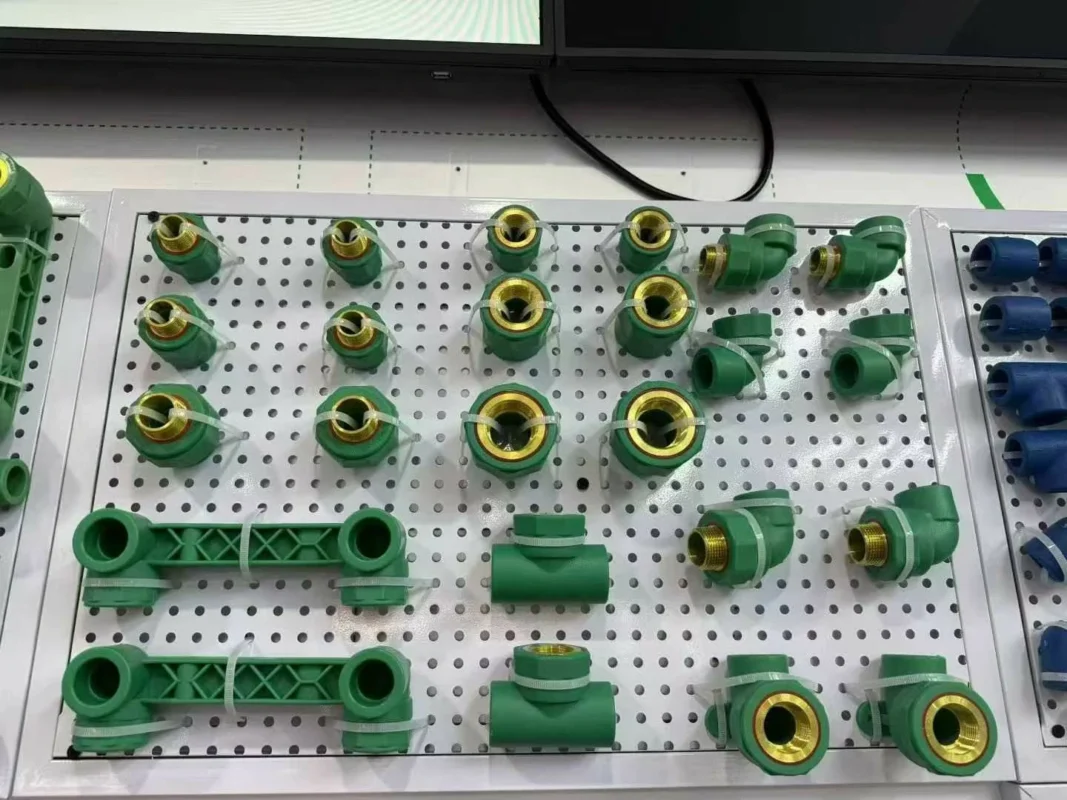
PPR can connect to other materials. This requires specific transition fittings. For example, use PPR to brass threaded adapters. These connect to traditional steel pipe systems. Ensure the metal part has a robust corrosion-resistant coating. Always use the correct sealant on threaded connections. Never directly heat-fuse PPR to a different plastic.
If you have read this article and have any questions, please feel free to contact IFAN. Below is our contact information:
Whatsapp:+86 13373827623
Email:[email protected]