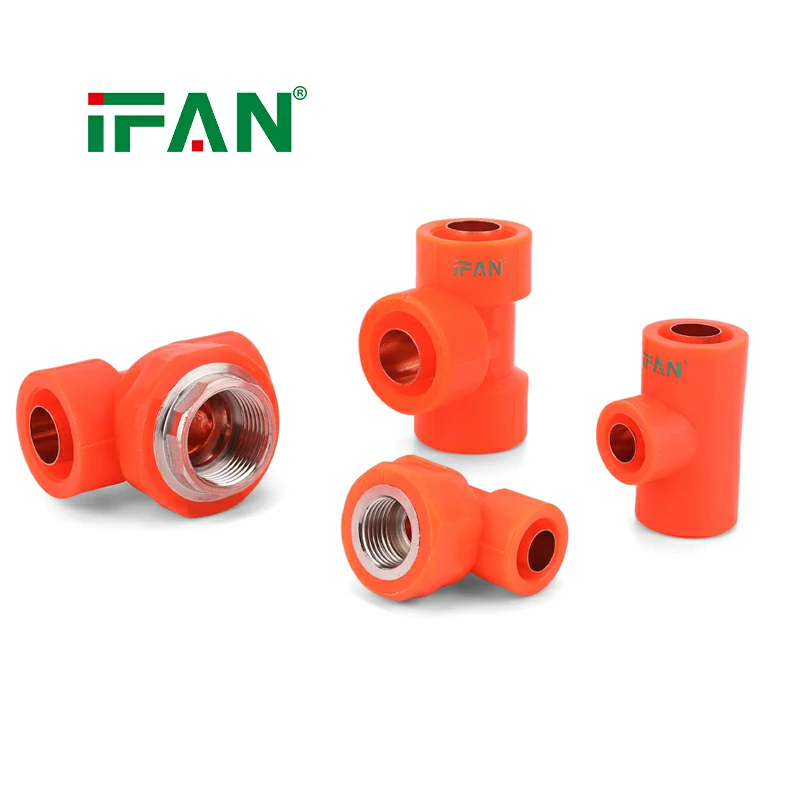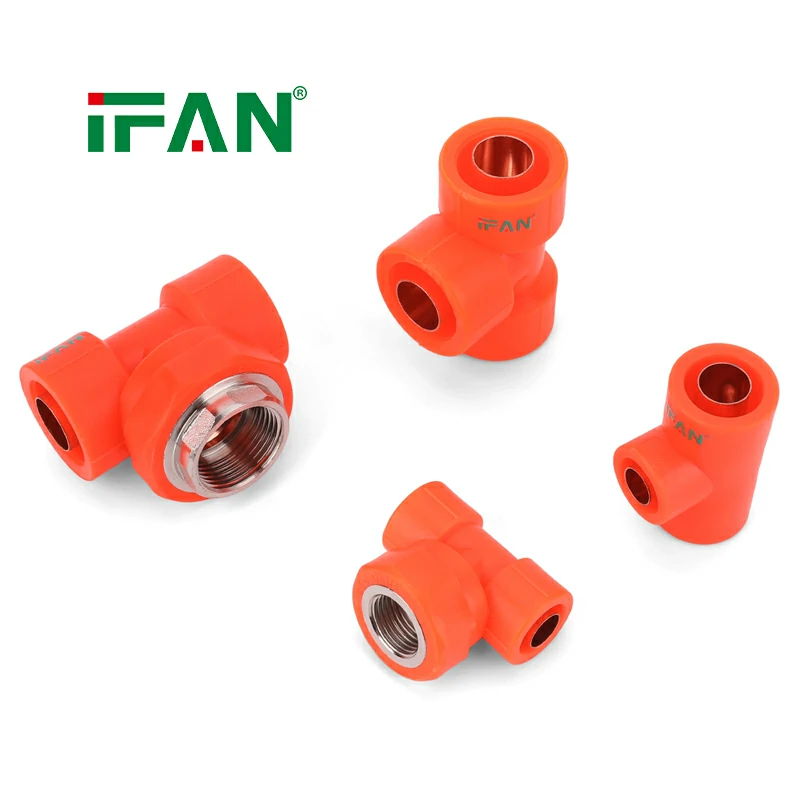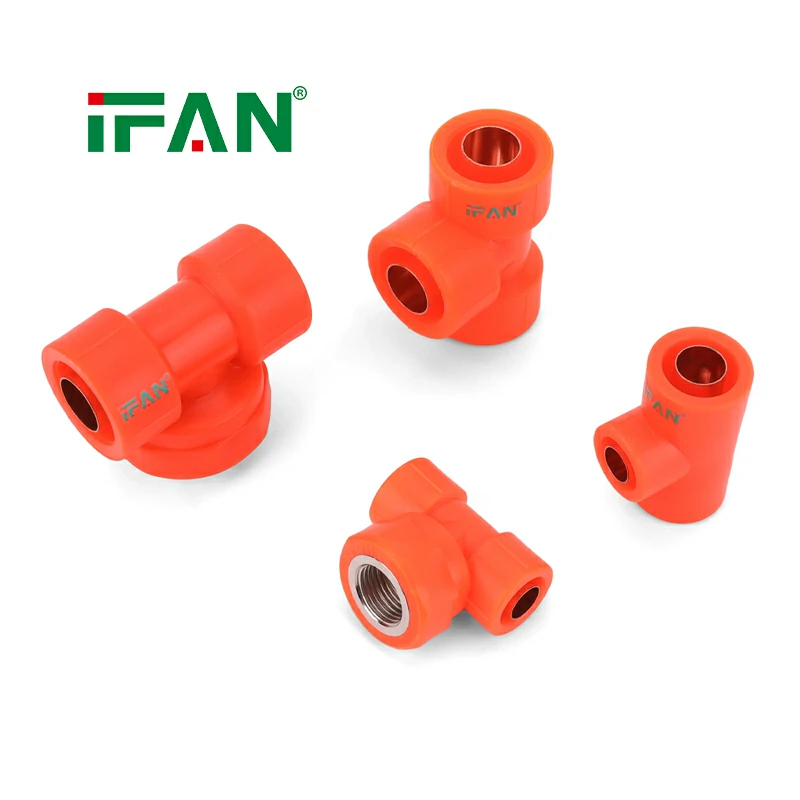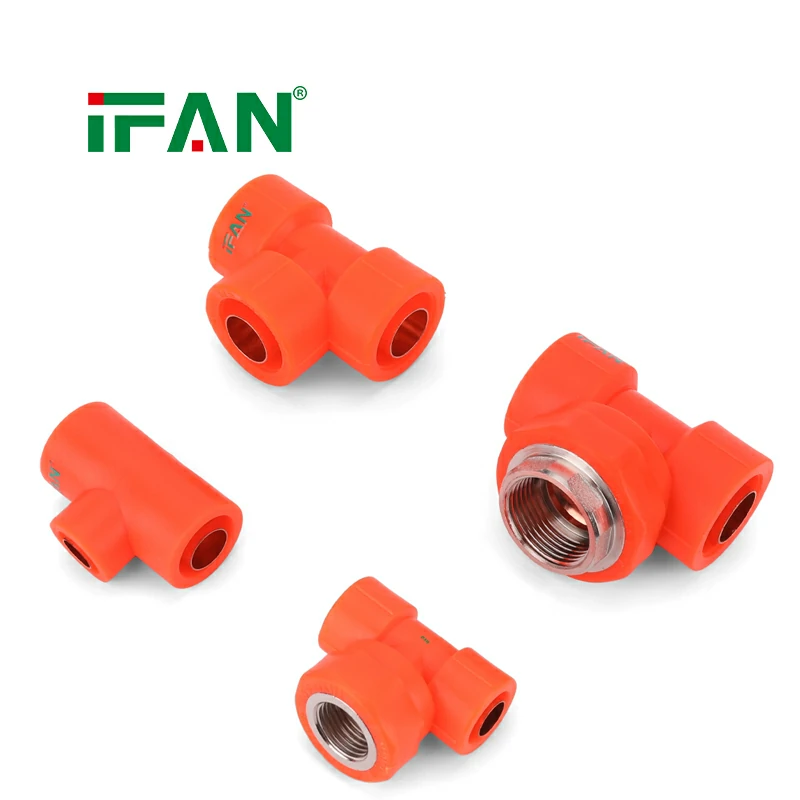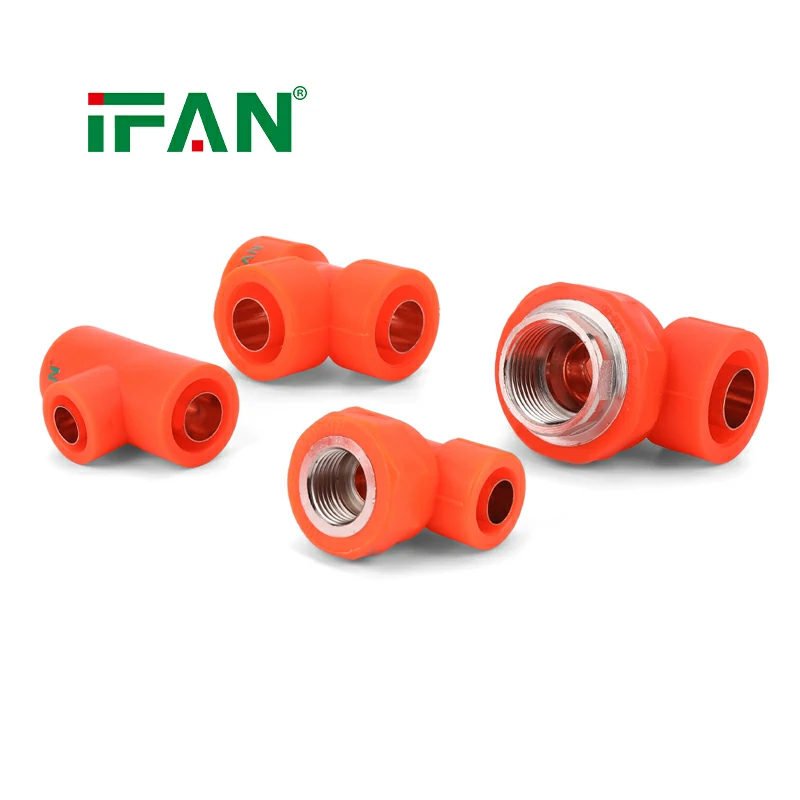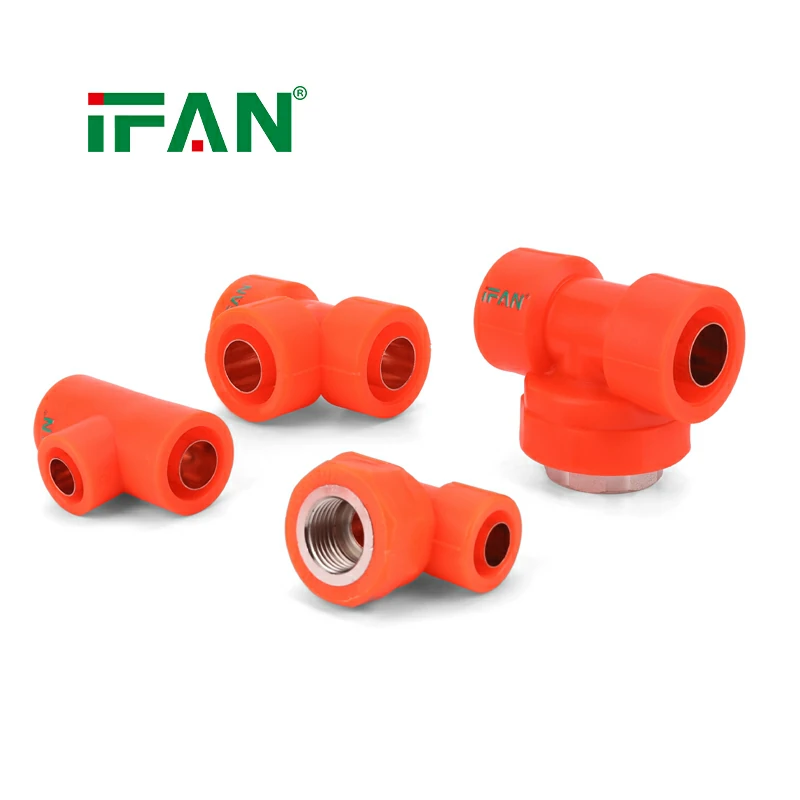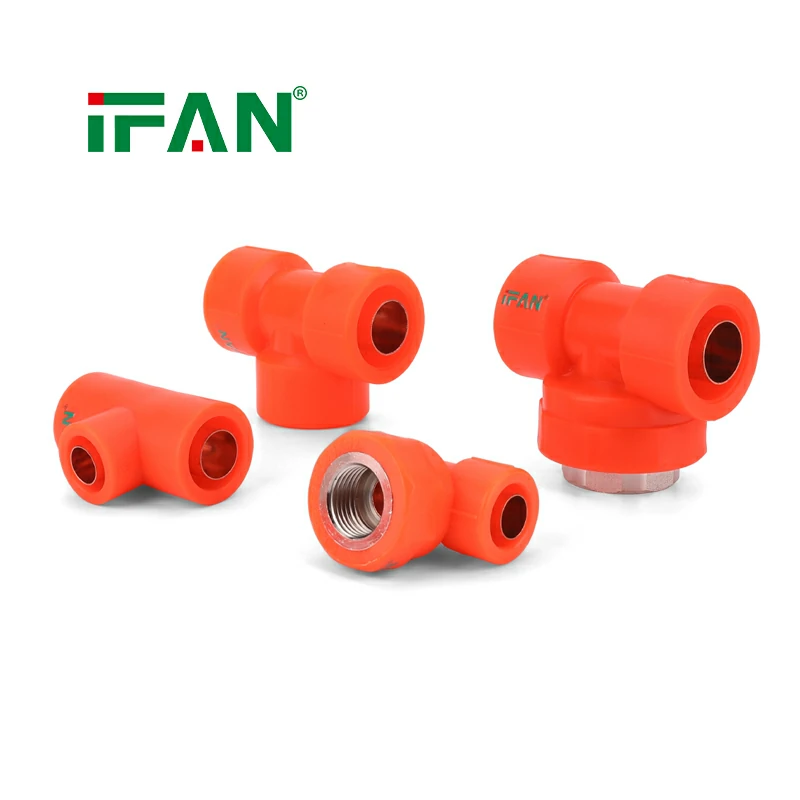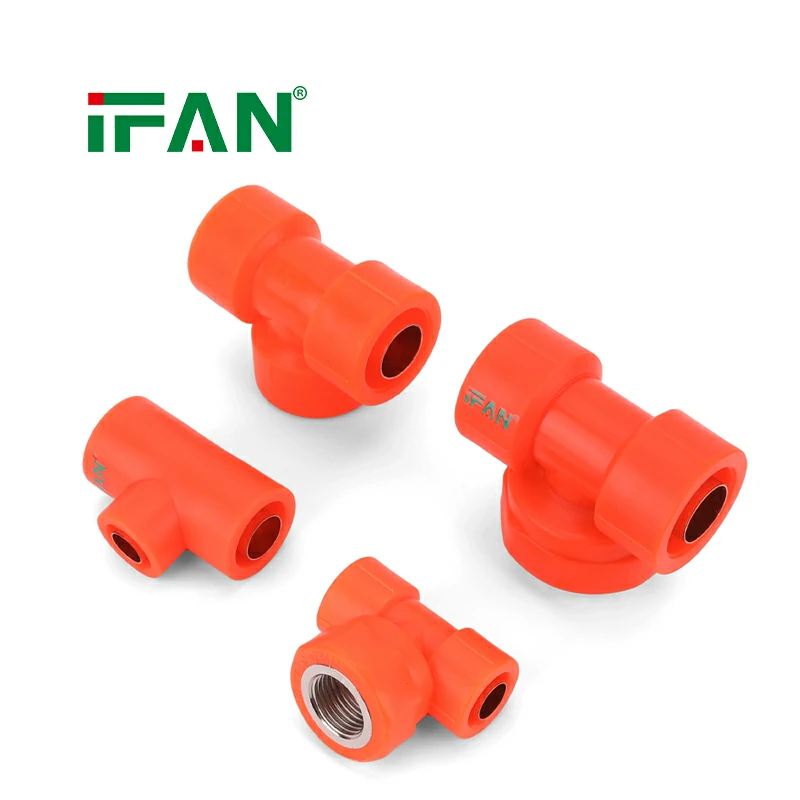
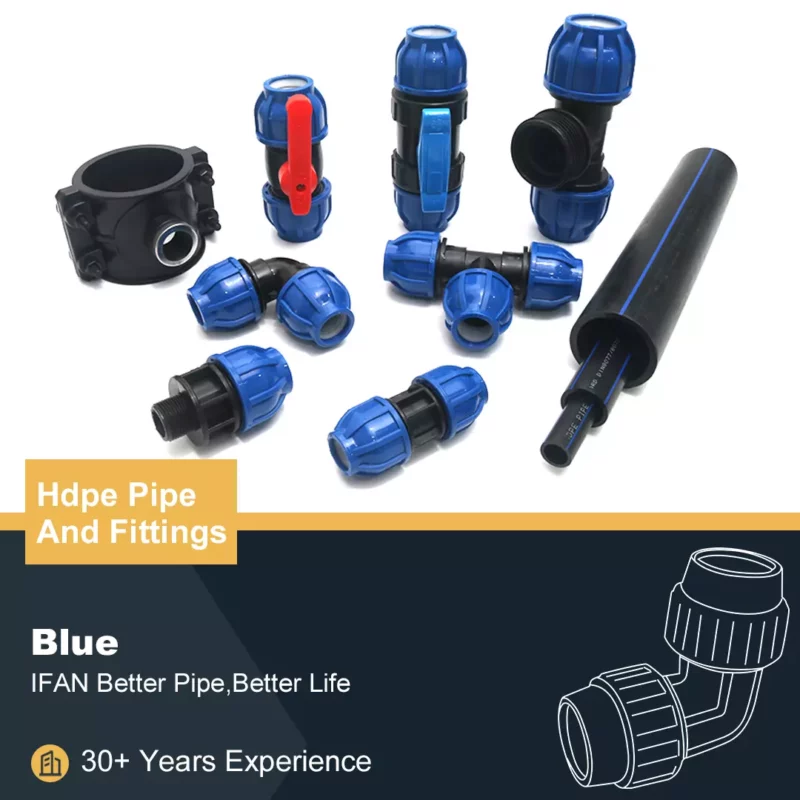
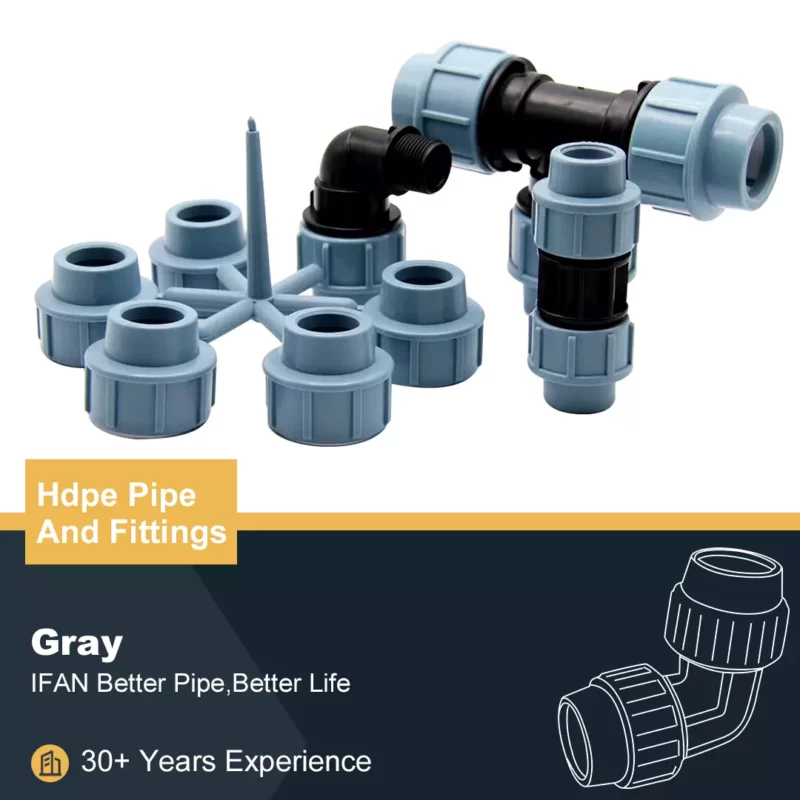


Product Function Overview
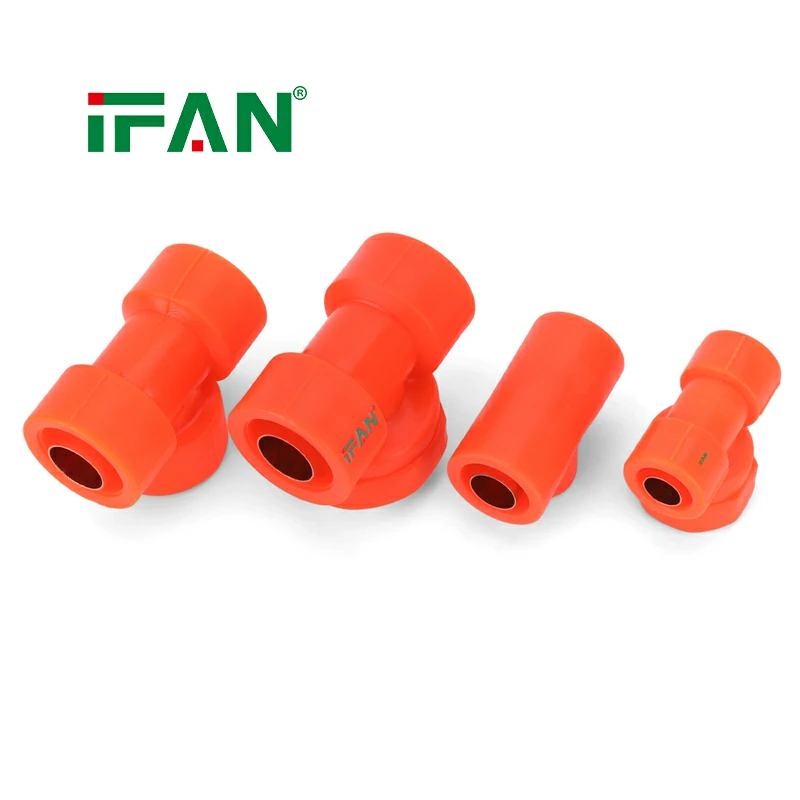
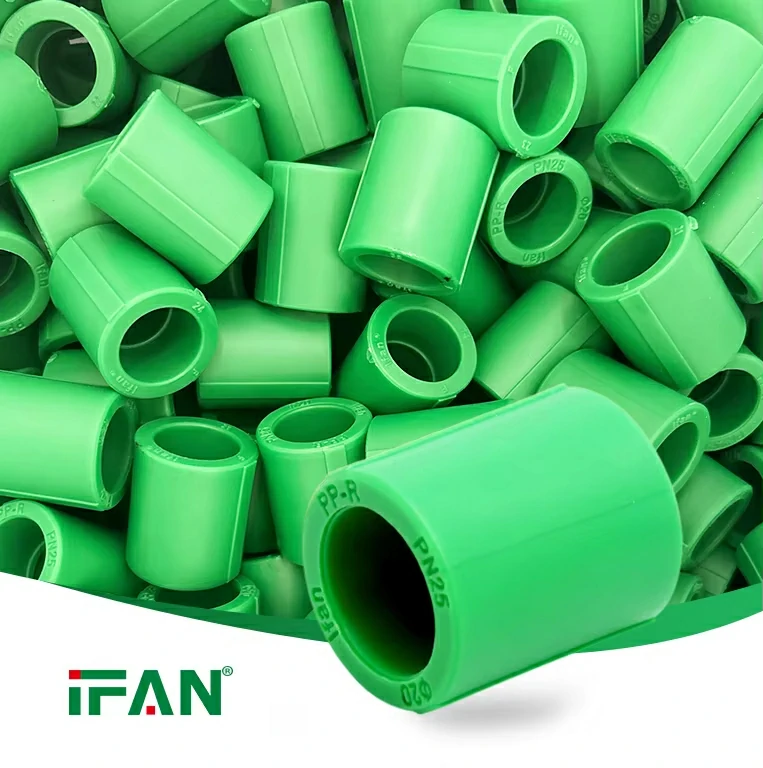
PPR couplings connect two straight pipe sections.
They extend pipelines or replace damaged sections efficiently.
Couplings are essential for maintenance and system expansion.
Material Composition
Couplings are made from high-grade PPR resin.
Material consistency ensures reliable heat fusion.
Stable quality is critical for bulk procurement.
Common Engineering Applications
Couplings are used in residential and commercial projects.
They are applied in hospitals, schools, and hotels.
Industrial pipelines also utilize PPR couplings.
Pipe Alignment Function
Couplings maintain straight pipeline alignment.
They prevent misalignment during long runs.
Proper alignment improves system flow efficiency.
Pressure Resistance Capability
Couplings withstand standard water system pressures.
Reinforced design enhances strength.
This ensures safe operation under varying conditions.
Temperature Performance
PPR couplings operate in hot and cold water networks.
They resist deformation under high temperature.
Thermal expansion is manageable with proper installation.
Repair and Replacement Advantages
Damaged pipeline sections can be replaced easily.
Couplings allow targeted repairs.
System downtime is minimized during maintenance.
Inner Diameter Consistency
Couplings match pipe internal diameters precisely.
No flow restriction occurs at the joint.
Hydraulic efficiency is maintained across the system.
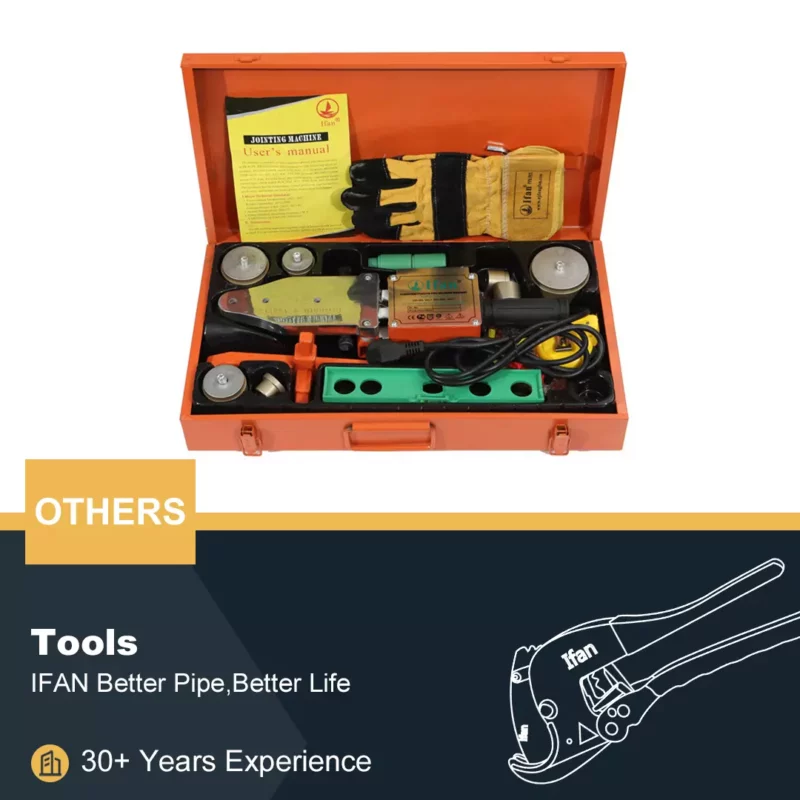
Fusion Welding Requirements
Couplings require controlled heating for proper fusion.
Sockets must be fully inserted.
Even heating ensures long-lasting joints.
Installation Speed and Efficiency
Couplings enable fast pipeline extensions.
Minimal preparation is required.
Labor efficiency improves in large-scale projects.
Compatibility with Other PPR Fittings
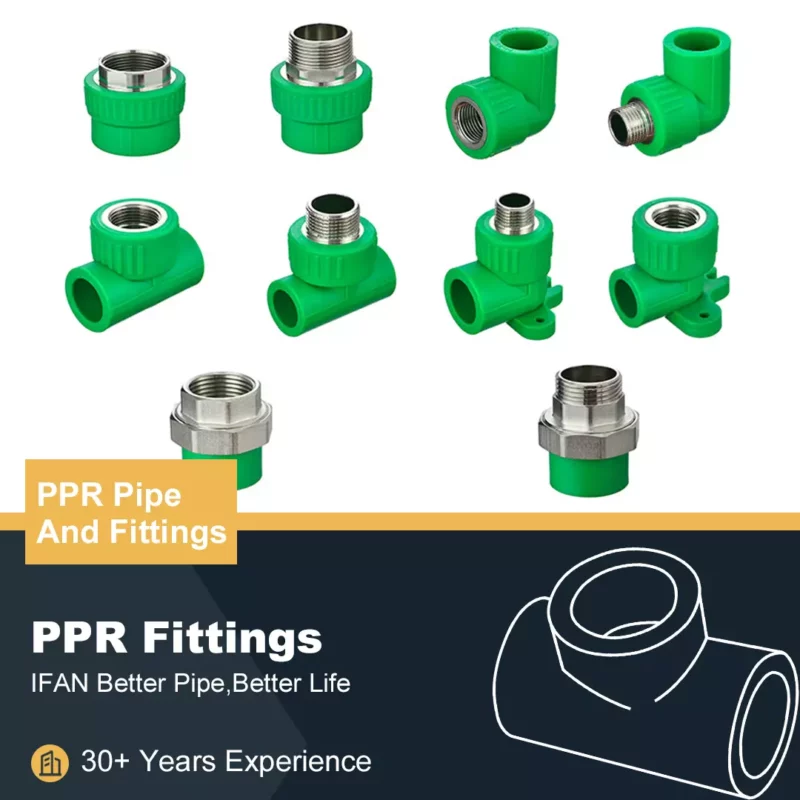
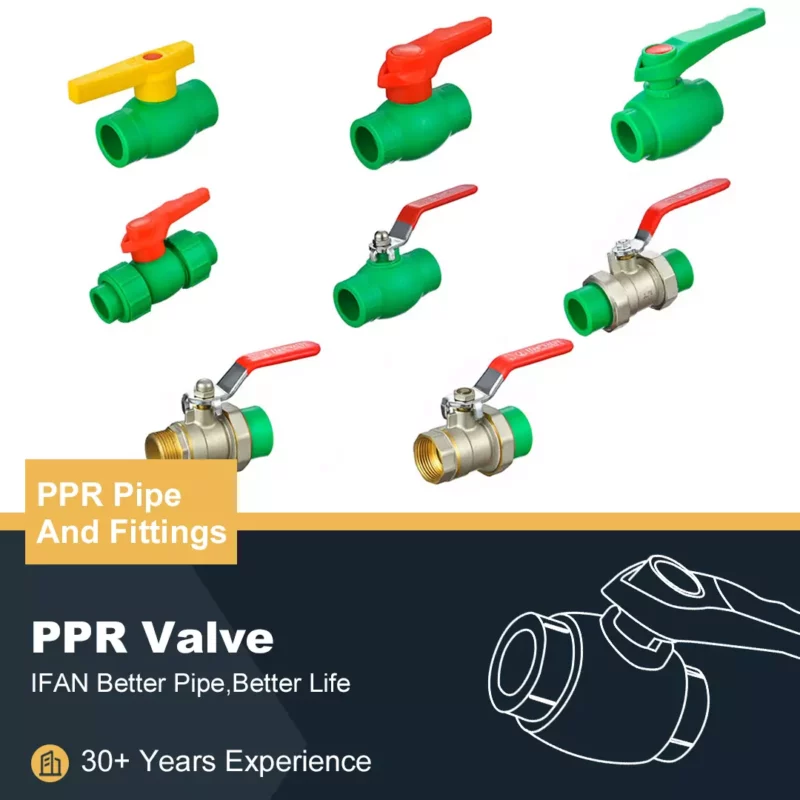
Couplings integrate with elbows, tees, and valves.
Standard dimensions ensure seamless connection.
System expansion remains flexible.
Resistance to Chemical Exposure
PPR couplings are corrosion-resistant.
They tolerate common chemicals in water systems.
Durability is maintained across diverse water qualities.
Dimensional Accuracy
Accurate socket depth ensures proper fusion.
Wall thickness uniformity prevents leaks.
Bulk buyers prioritize consistent dimensions.
Size Range for Projects
Couplings range from 20mm to 110mm.
Larger couplings serve main supply lines.
Smaller couplings handle branch connections.
Concealed Installation Applications
Couplings can be embedded in walls or floors.
Proper fusion prevents hidden leaks.
System reliability is ensured in concealed areas.
Exposed Installation Considerations
Exposed pipelines require neat alignment.
Aesthetic appearance is important in commercial spaces.
Consistent geometry improves visual quality.
Storage and Handling Guidelines
Store couplings away from direct sunlight.
Avoid excessive stacking pressure.
Proper storage maintains material properties.
Packaging for Bulk Supply
Couplings are packed by size and type.
Clear labeling facilitates inventory management.
Bulk packaging reduces transport costs.
Quality Inspection Points
Check socket depth and roundness.
Inspect wall thickness uniformity.
Surface defects indicate manufacturing issues.
Certification and Compliance
Suppliers should provide material certifications.
Compliance with international standards supports procurement approval.
Documentation is critical for tenders.
Cost Considerations for Projects
Low-quality couplings increase labor time.
Rework and replacement raise overall expenses.
Stable quality reduces total project costs.
Procurement Evaluation Criteria
Buyers should evaluate supplier capacity.
Long-term supply consistency is essential.
Technical support adds value for project execution.
If you have read this article and have any questions, please feel free to contact IFAN. Below is our contact information:
Whatsapp:+86 13373827623
Email:[email protected]