

Understanding PPR Material
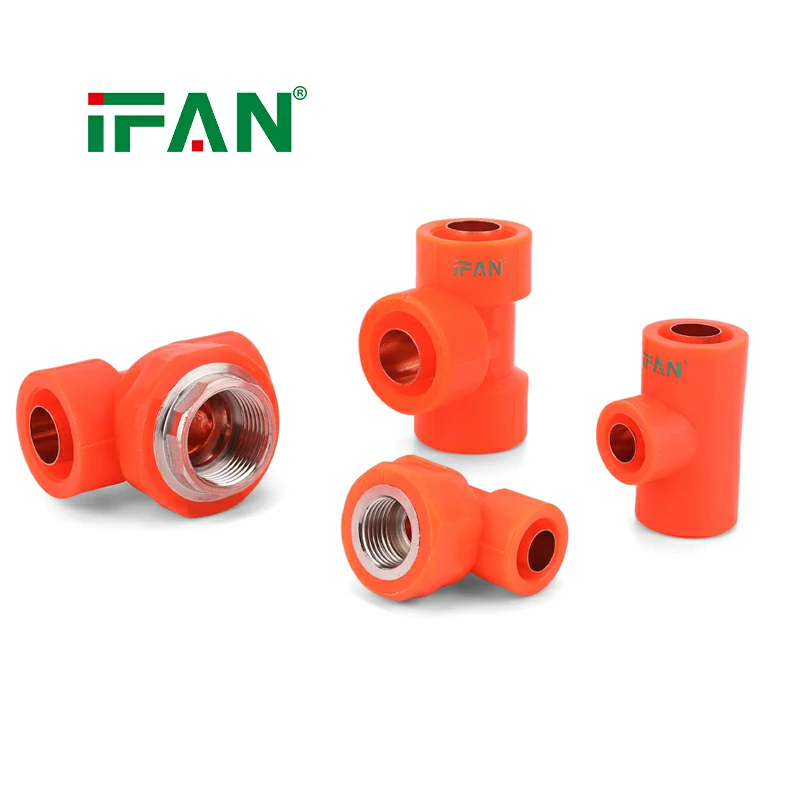
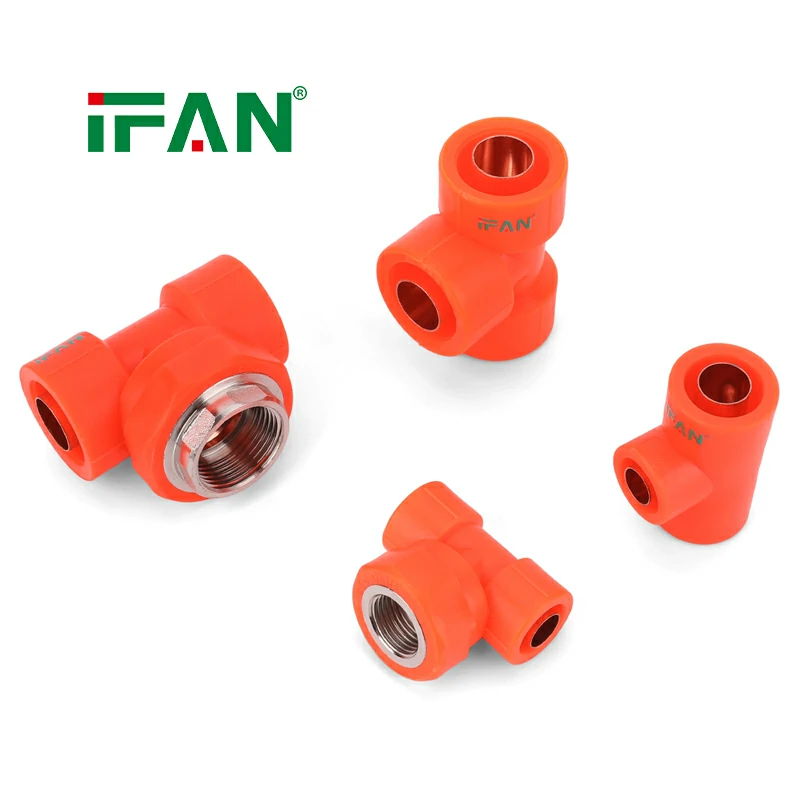
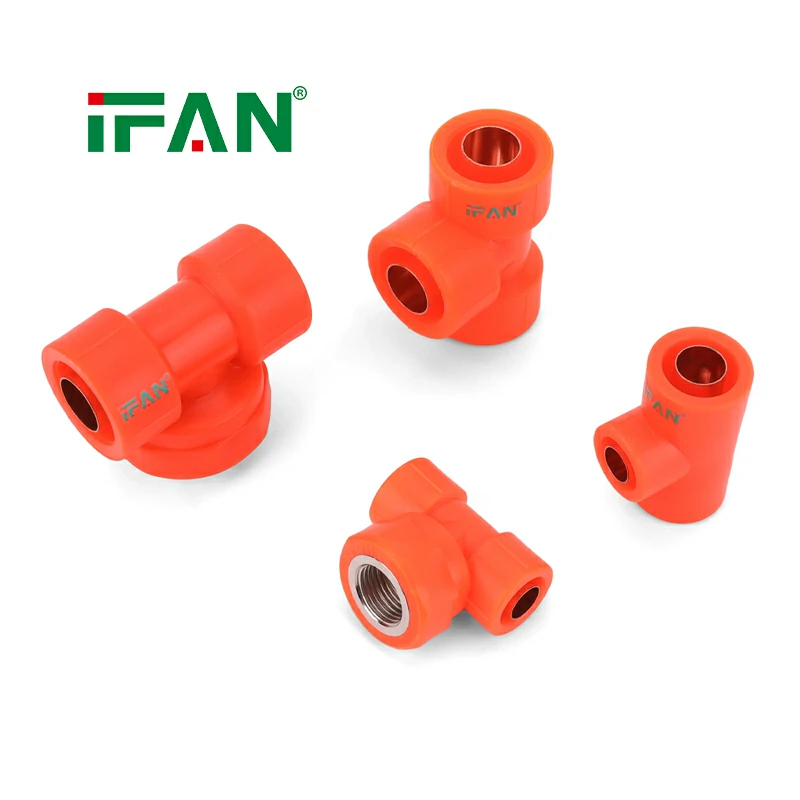
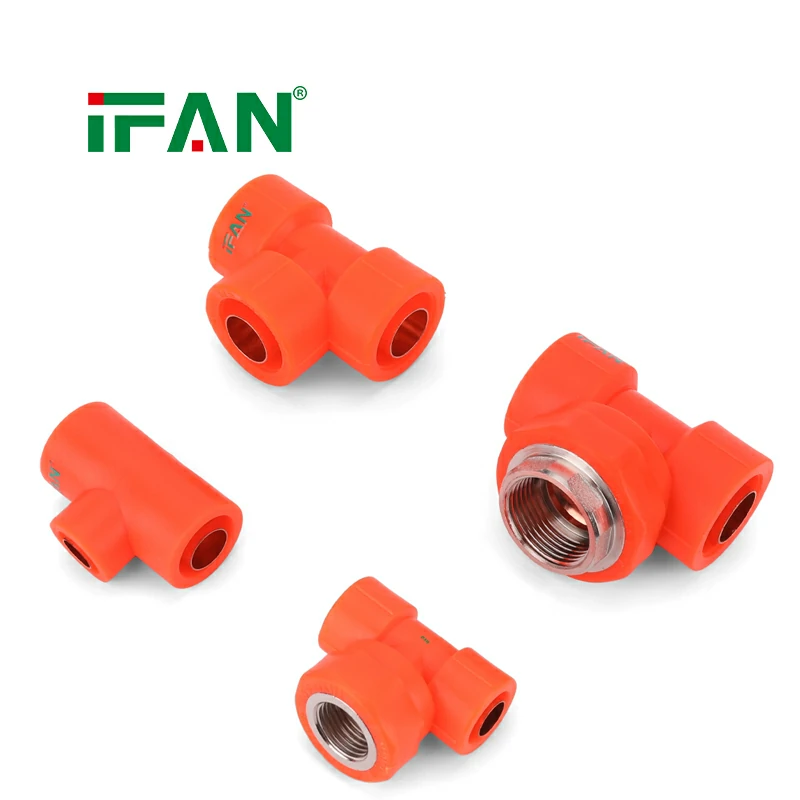
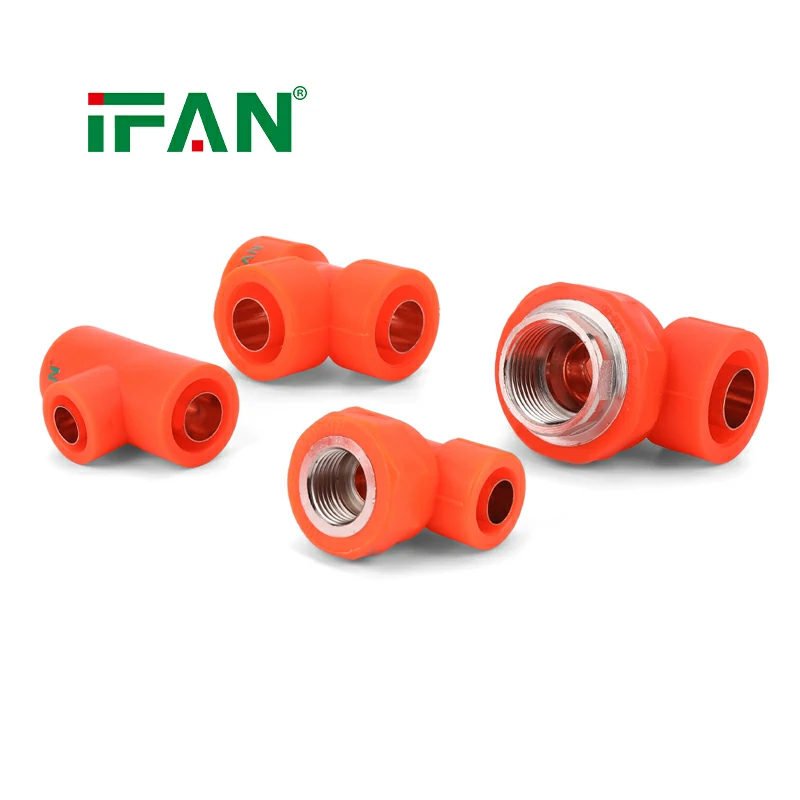
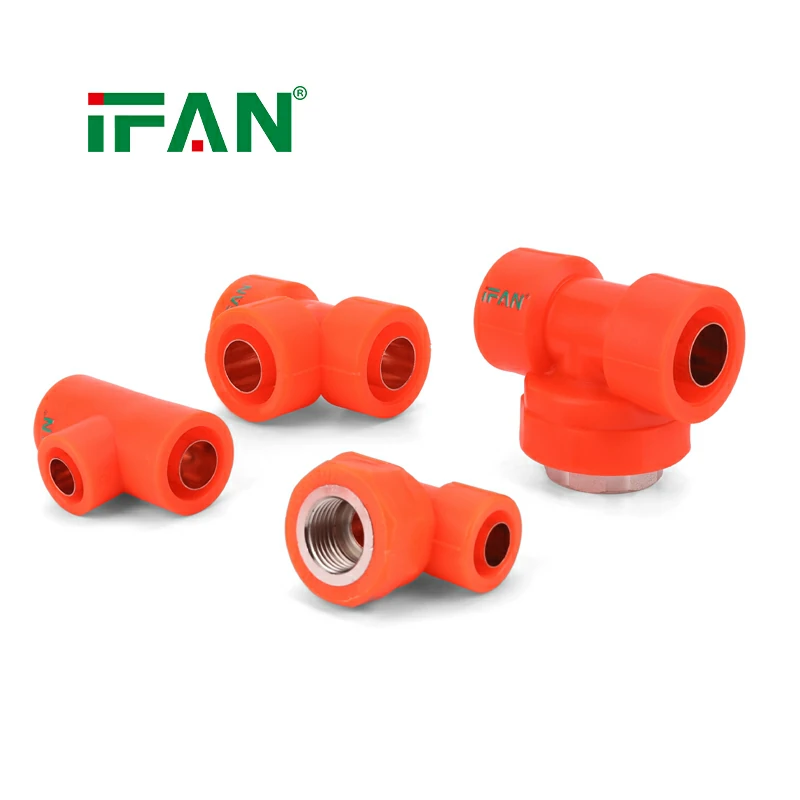
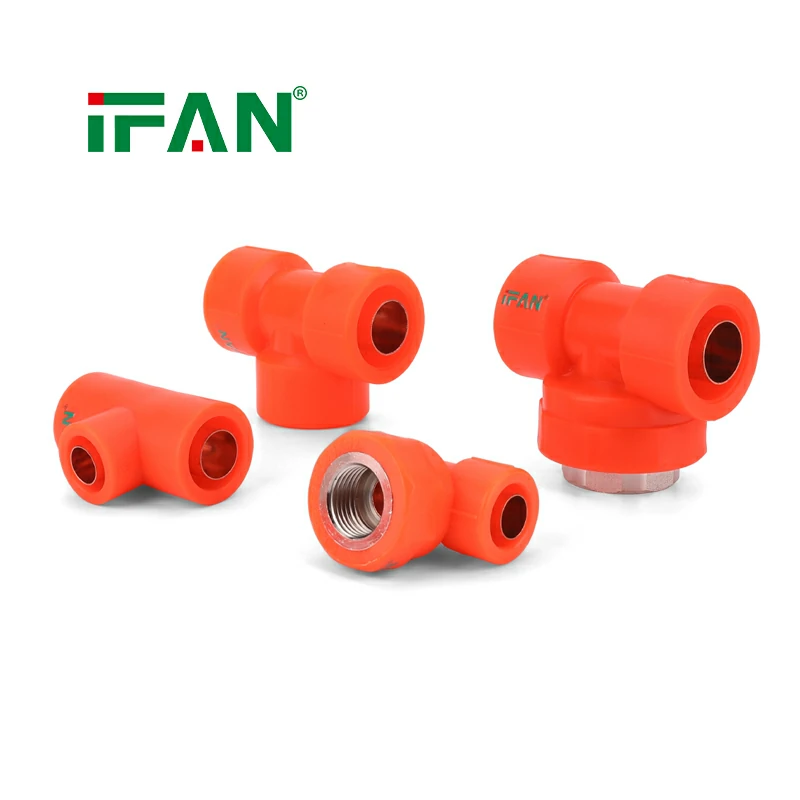
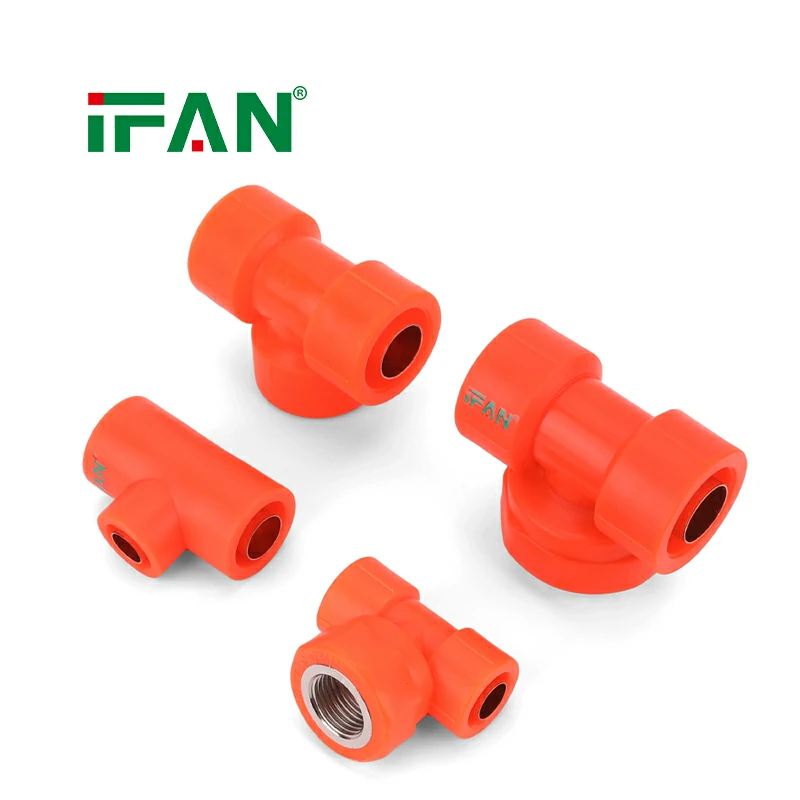
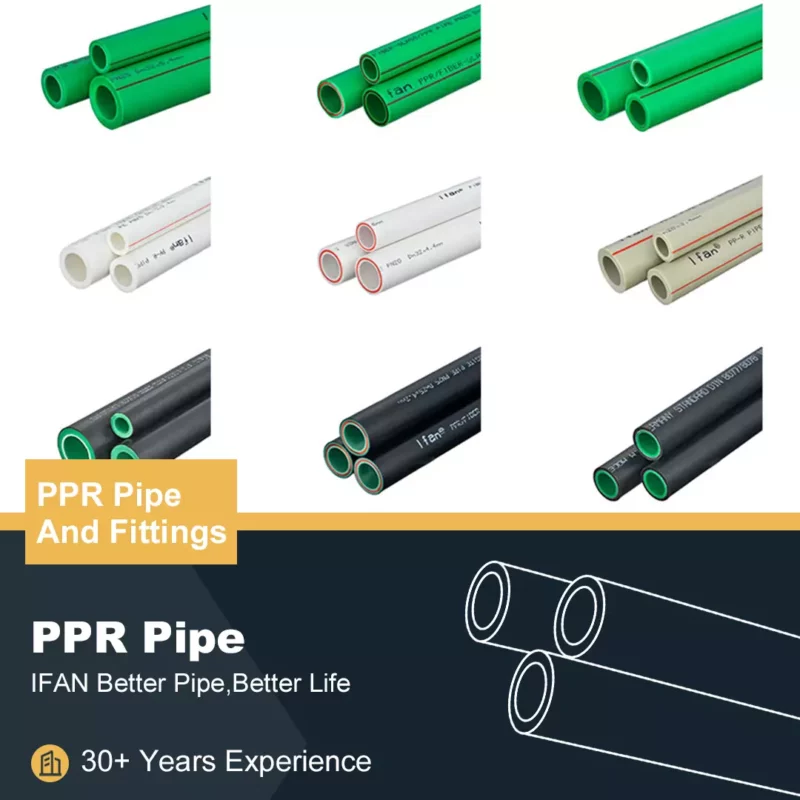
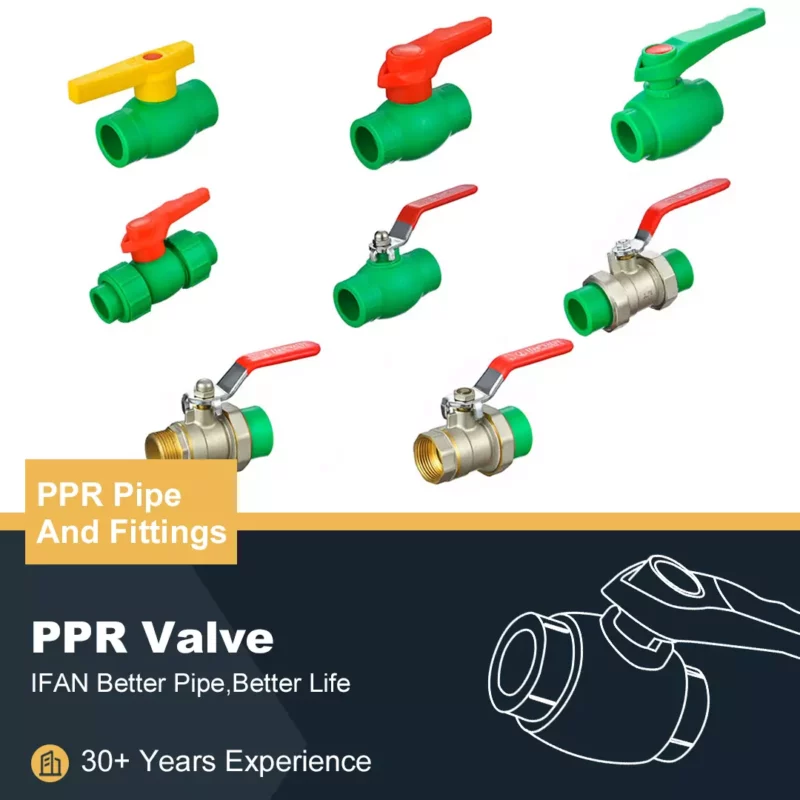
PPR is polypropylene random copolymer. It is a durable plastic piping material. It handles hot and cold water efficiently. The material is corrosion resistant. It is widely used globally. PPR has a smooth interior surface.
Hot Fusion Welding Process
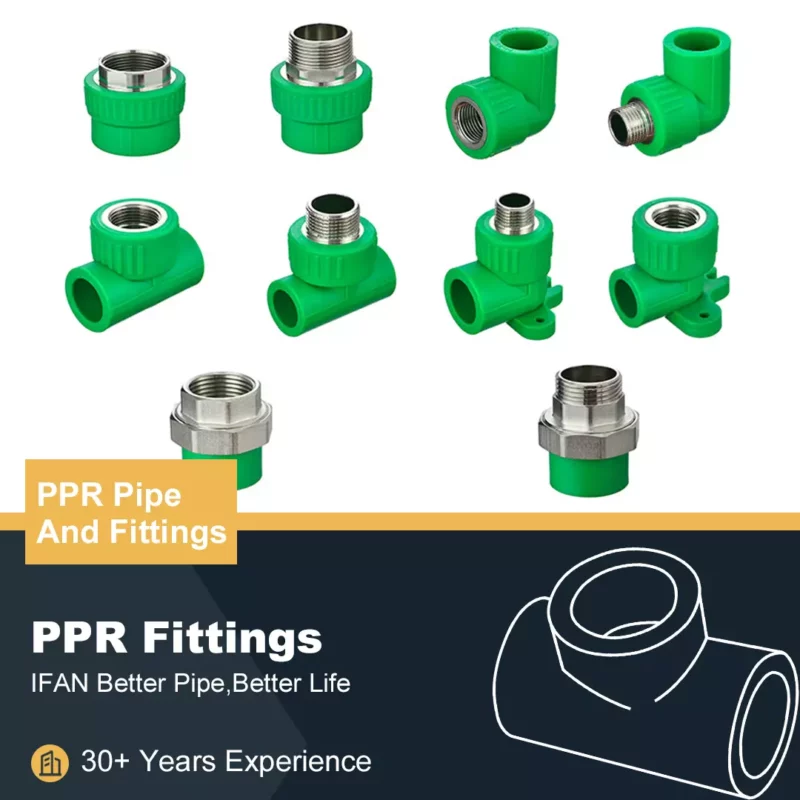
Welding uses heat to fuse pieces. A heating tool melts pipe and fitting ends. The pieces are joined quickly under pressure. The melted materials mix together. They cool into a single homogeneous piece. This creates a leak-proof connection.
Required Welding Equipment
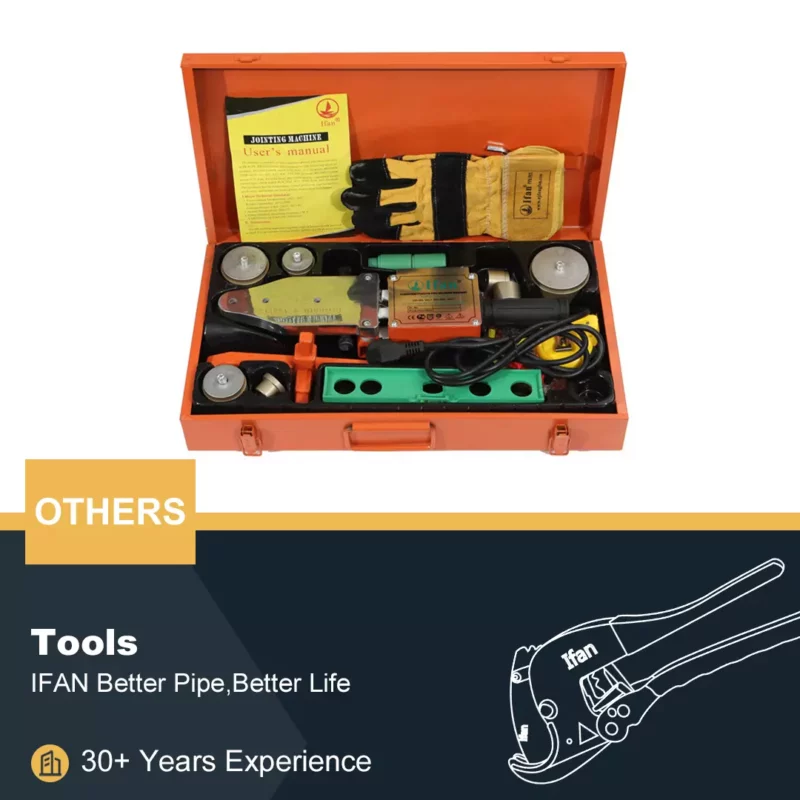
You need a welding machine. Appropriate heating dies are essential. Pipe cutters ensure square ends. A facing tool removes the outer skin. Clamps hold pipes during welding. Temperature control is critical.
Step-by-Step Welding Procedure
Cut the pipe squarely first. Remove the outer oxidized layer. Mark the insertion depth clearly. Heat both pipe and fitting ends. Join them quickly without twisting. Hold firmly during cooling time.
Temperature and Time Control
Welding temperature is typically 260°C. Heating time depends on pipe size. Refer to the manufacturer’s chart. Underheating causes weak joints. Overheating degrades the material. Use a calibrated welding machine.
Cooling and Handling Period
Allow sufficient cooling time. Do not stress the joint during cooling. Cooling time depends on pipe size. Larger diameters need more time. Never pressure test during cooling. Respect the full cooling period.
Visual Inspection Criteria
A proper weld has a small bead. The bead should be uniform all around. No gaps or voids should appear. The joint should look neat and clean. Check for proper insertion depth. Ensure no burn marks exist.
Pressure Testing Protocol
Test after complete cooling. Use clean water for testing. Pressure should be 1.5 times working pressure. Test duration is typically 30 minutes. Check all joints carefully. Document test results properly.
Advantages of Fusion Welding
Welded joints are as strong as the pipe. They form a continuous homogeneous connection. No additional sealants are required. The system is exceptionally reliable. It resists corrosion completely. Long service life is achieved.
Common Welding Mistakes
Incorrect temperature setting is common. Insufficient heating time causes failure. Moving joints during cooling is bad. Not removing the oxidized layer is wrong. Using dirty heating dies causes problems. Rushing the process leads to leaks.
If you have read this article and have any questions, please feel free to contact IFAN. Below is our contact information:
Whatsapp:+86 13373827623
Email:[email protected]