

Product Positioning
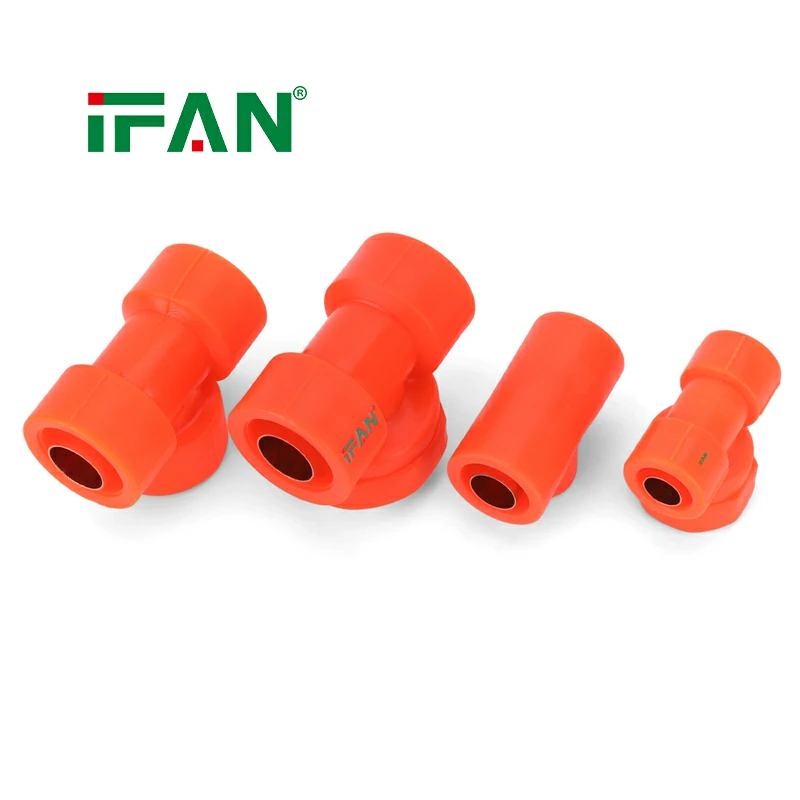
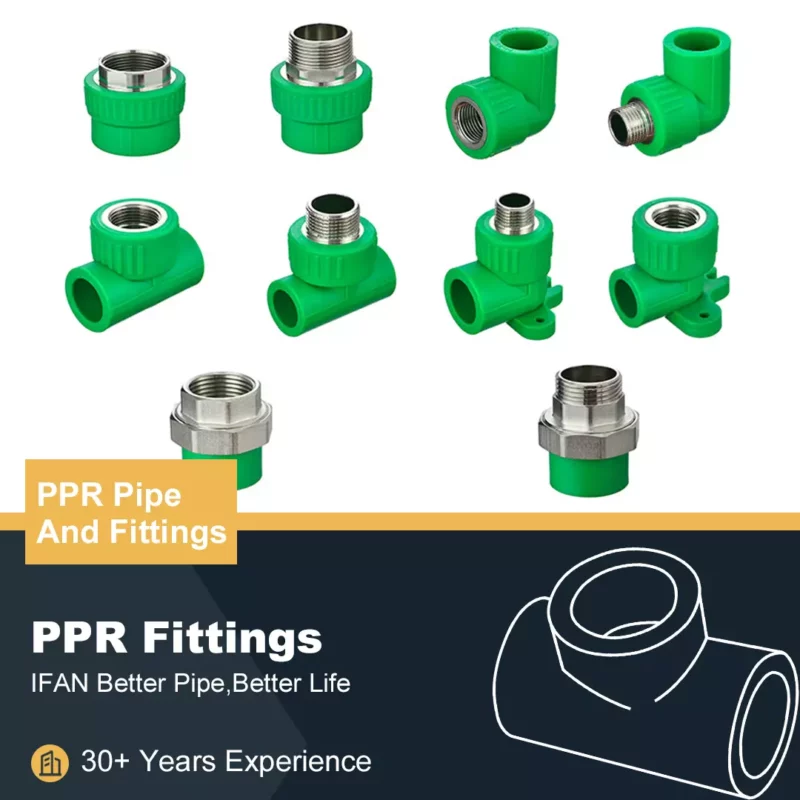
PPR pipe fittings are core components in pressurized water systems.
They are widely used in commercial and engineering projects.
Buyers value stability, consistency, and installation reliability.
Material Classification
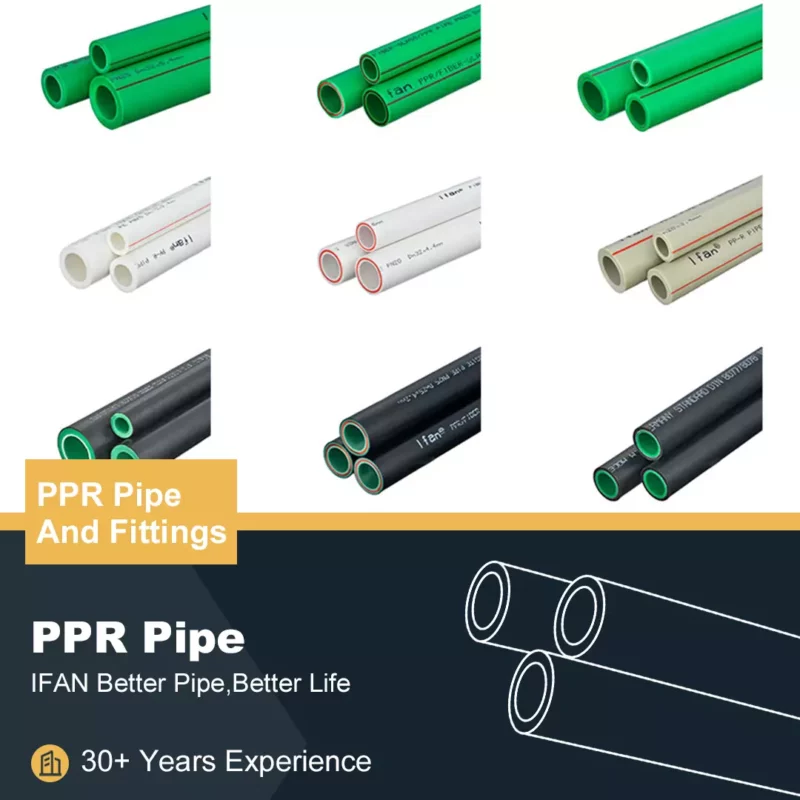
PPR fittings are produced from polypropylene random copolymer.
This material offers balanced strength and flexibility.
Consistent raw material quality is critical for bulk procurement.
Typical B2B Application Scenarios
PPR fittings are used in residential developments.
They are common in hotels, hospitals, and office buildings.
Industrial facilities also adopt PPR systems.
Hot and Cold Water System Use
PPR fittings support both hot and cold water networks.
They perform well under continuous hot water circulation.
Cold water performance remains unchanged.
Pressure Rating Standards
PPR fittings are designed for specific pressure classes.
PN20 and PN25 are commonly used in projects.
Correct pressure selection ensures long-term safety.
Temperature Resistance Performance
PPR fittings operate safely under high temperatures.
They tolerate short-term temperature peaks.
This suits centralized hot water systems.
Connection Method Explanation
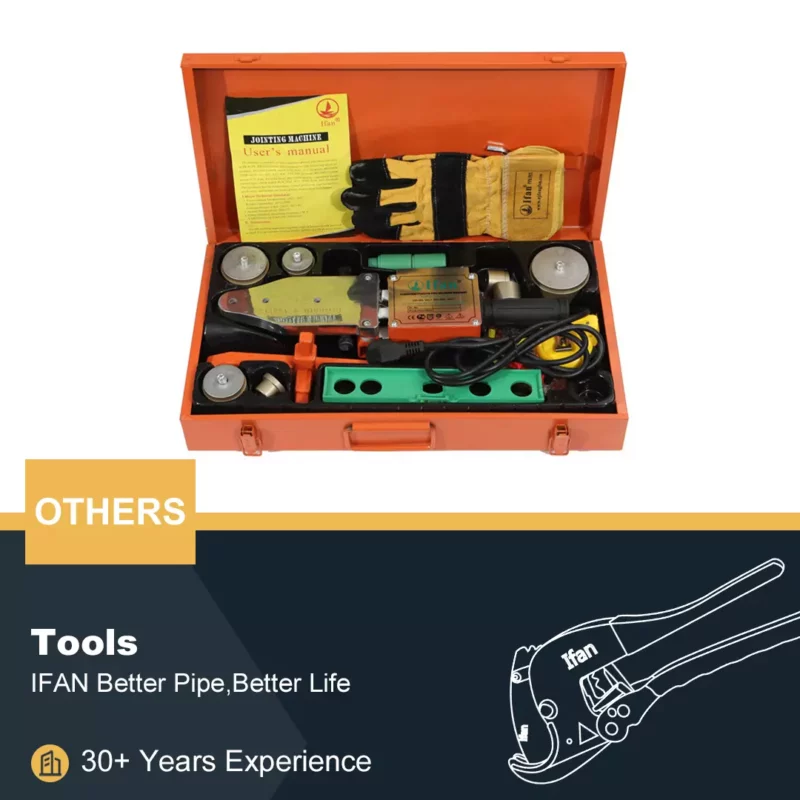
PPR fittings use heat fusion welding.
Pipe and fitting materials melt together.
The joint becomes a single integrated structure.
Fusion Welding Reliability
Fusion joints eliminate rubber seals.
No mechanical gaps remain after welding.
Leak risks are significantly reduced.
Installation Skill Requirements
Installers must control heating temperature precisely.
Incorrect heating weakens joint strength.
Standardized training improves installation quality.
Inner Surface Characteristics
The inner wall remains smooth after welding.
Flow resistance stays low.
Pressure loss across the system is minimized.
Flow Performance Stability
Smooth surfaces reduce turbulence.
Water flow remains consistent across branches.
System efficiency improves.
Chemical Resistance Properties
PPR fittings resist most acids and alkalis.
They do not corrode in aggressive water conditions.
This suits variable regional water qualities.
Scaling Resistance
PPR material limits mineral deposit adhesion.
Internal diameter remains stable over time.
Maintenance frequency is reduced.
Dimensional Accuracy
Standardized molds ensure accurate dimensions.
Consistent sizing improves installation speed.
Compatibility issues are minimized.
Common Fitting Types
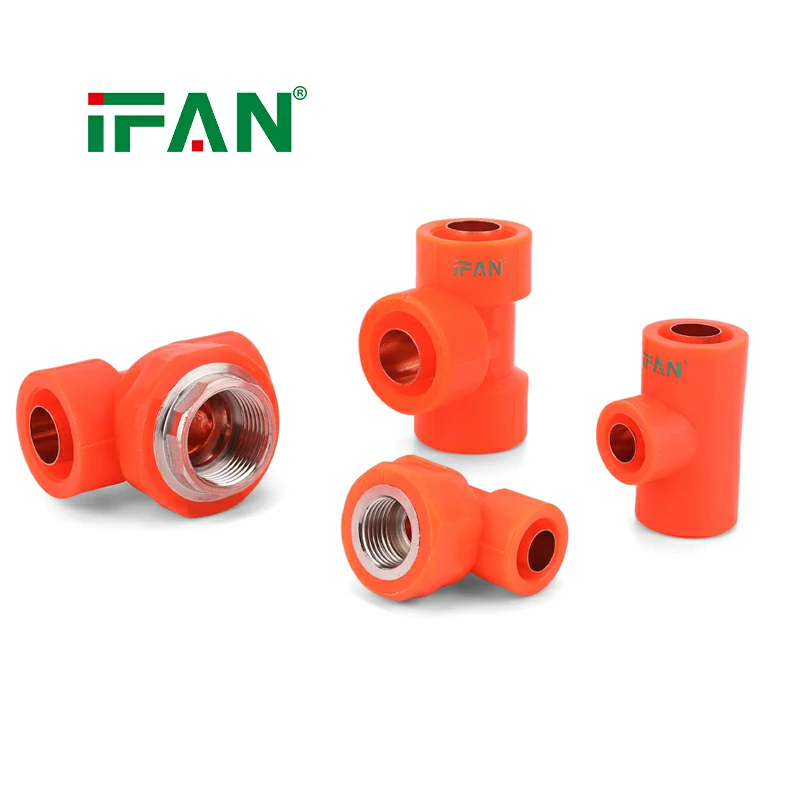
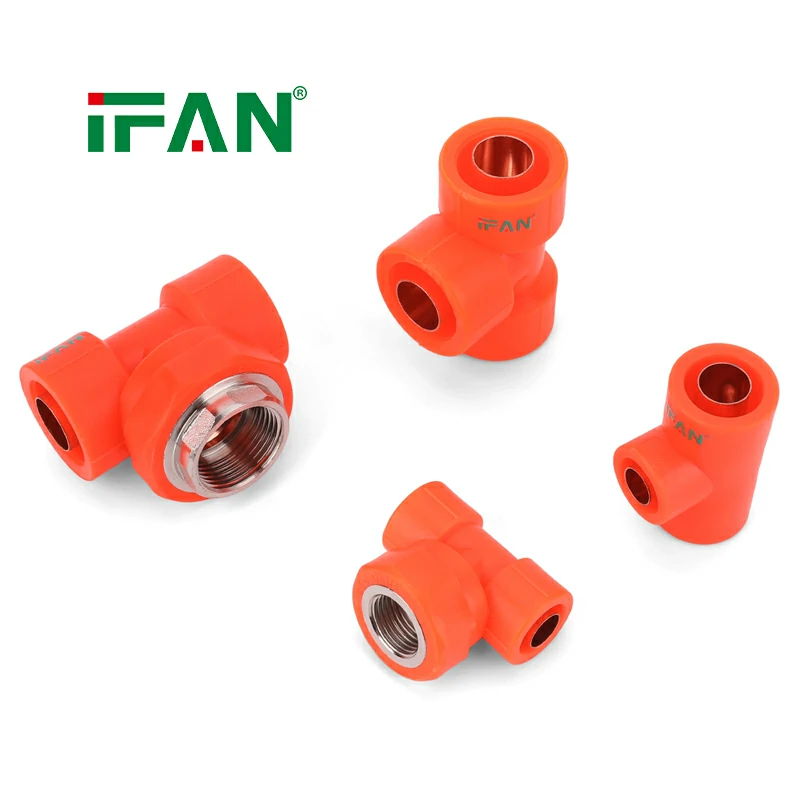
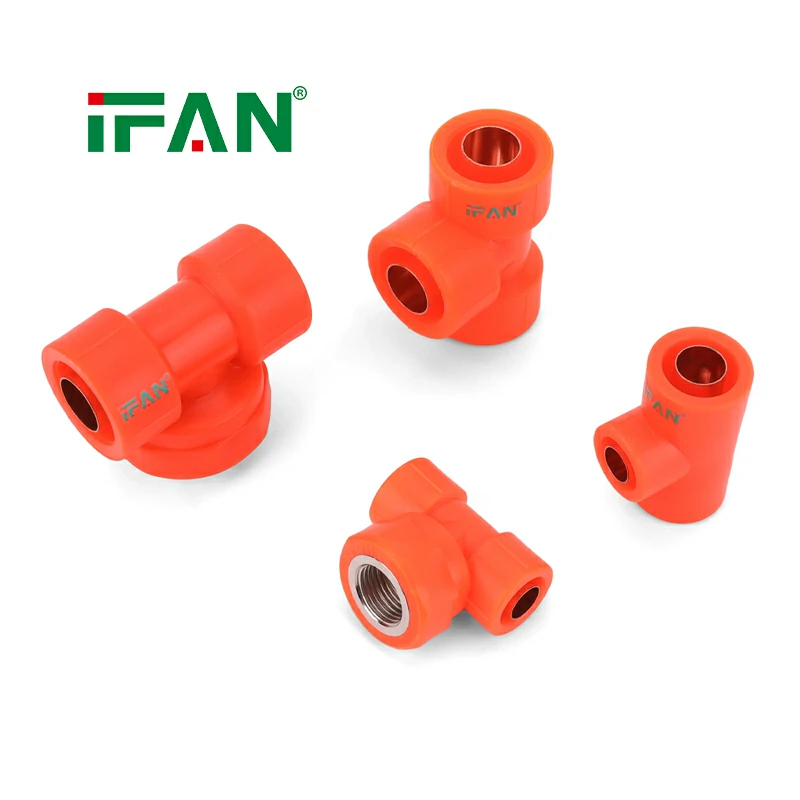
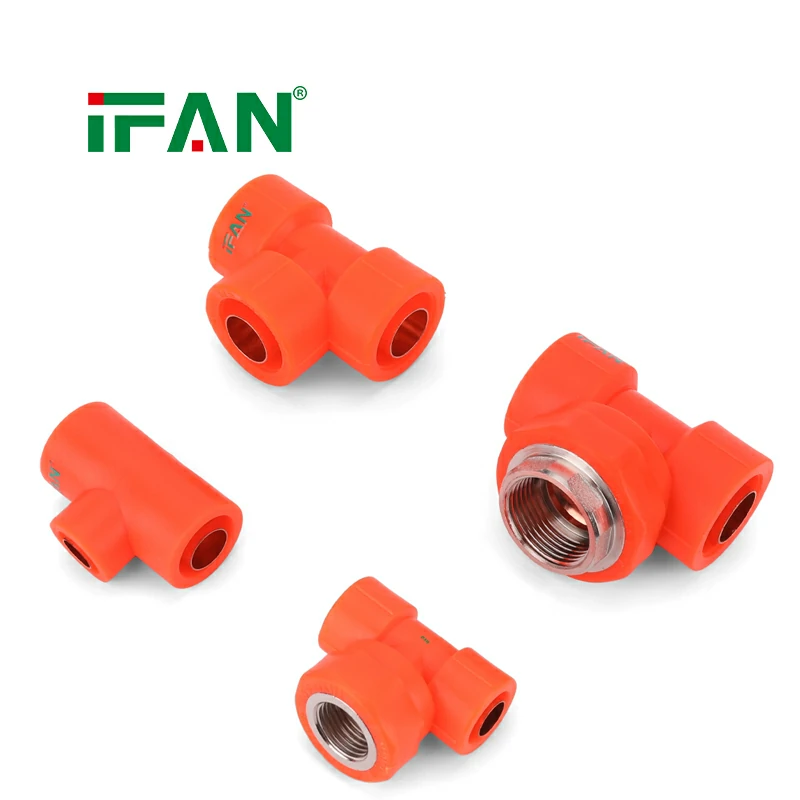
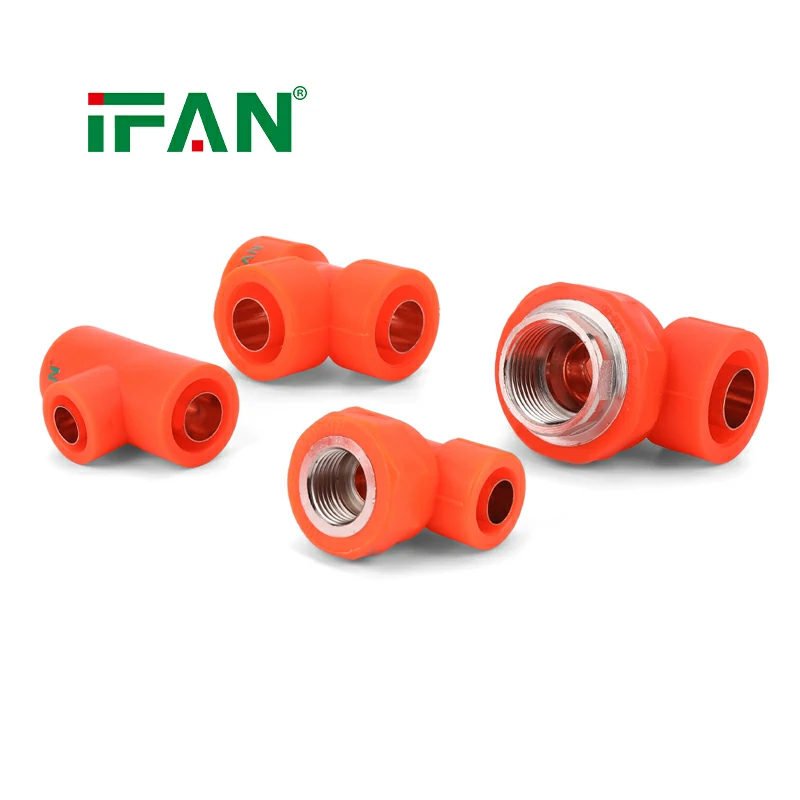
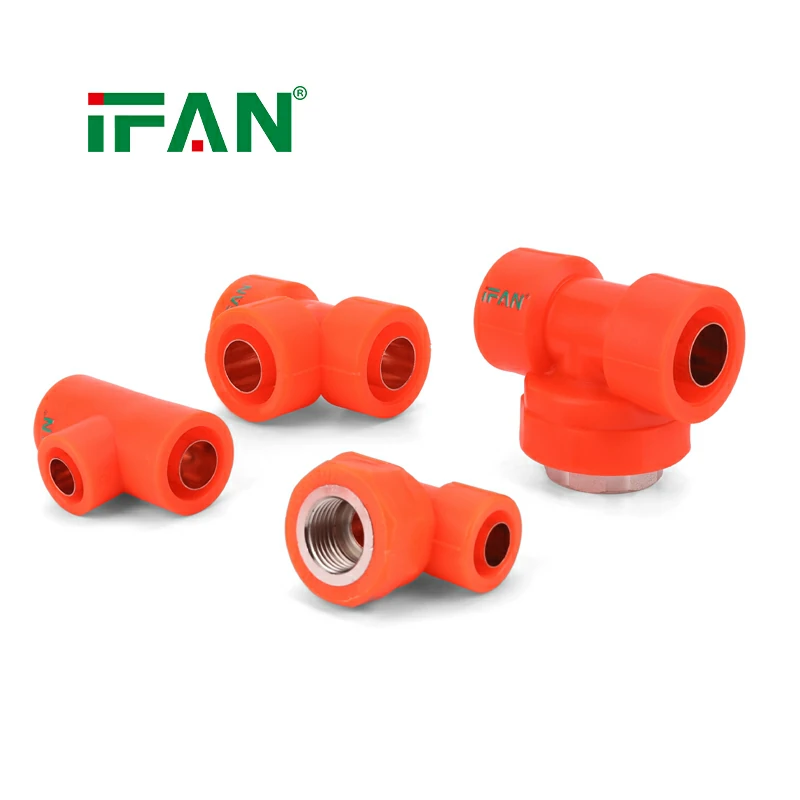
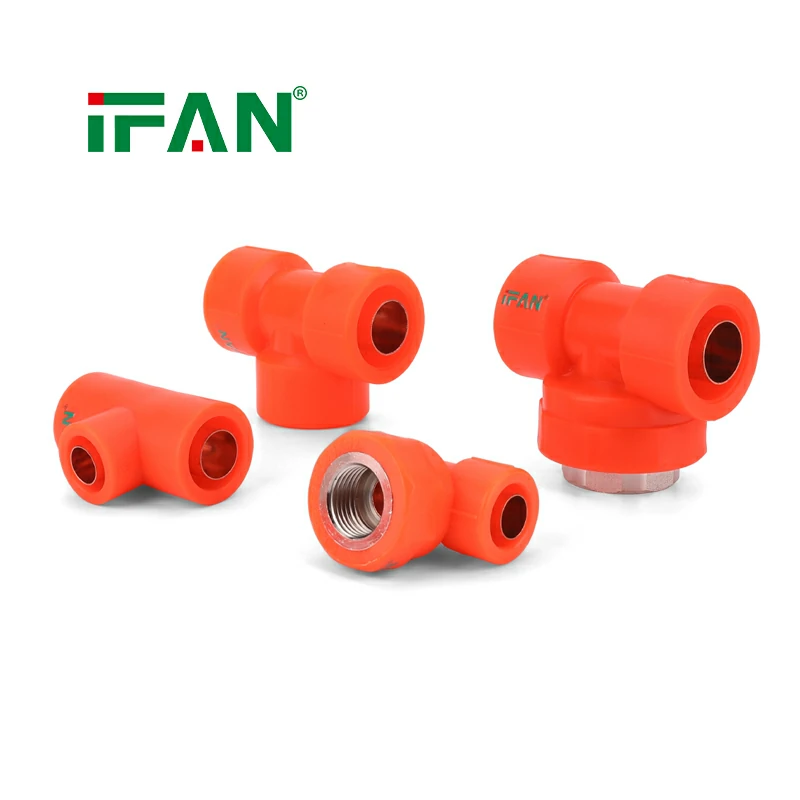
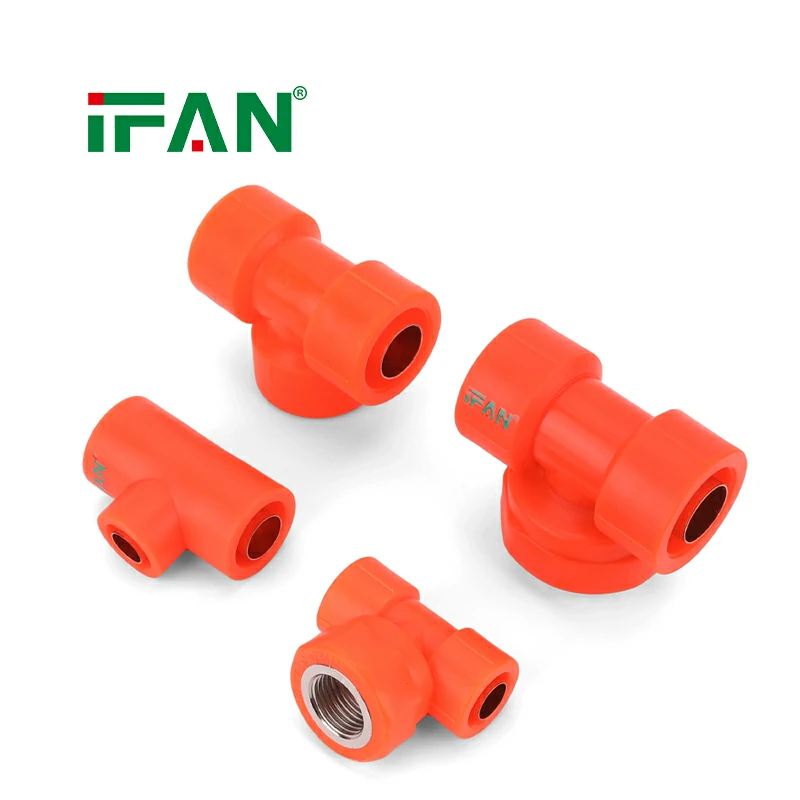
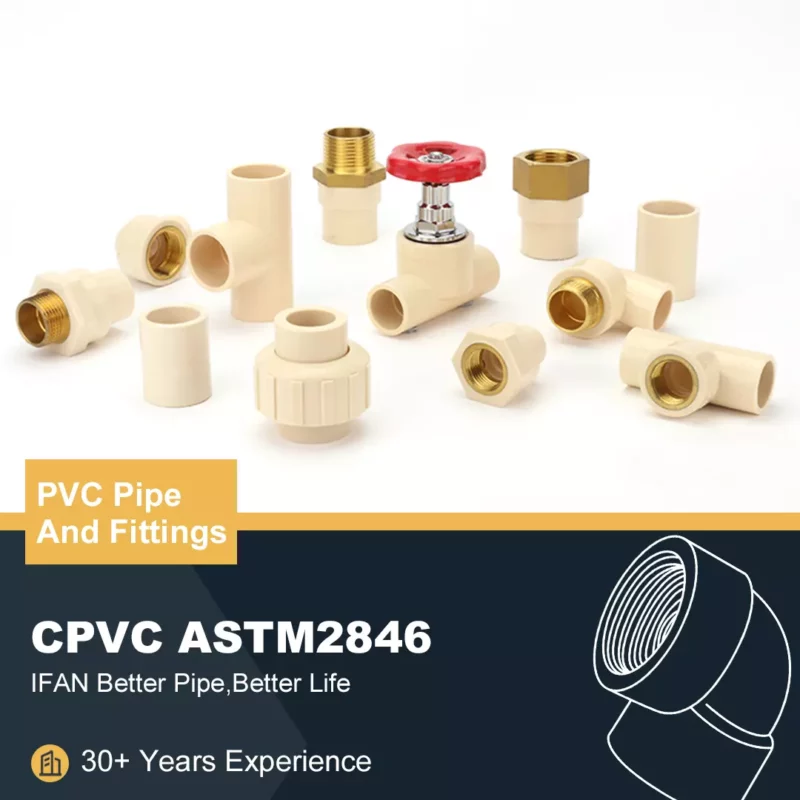
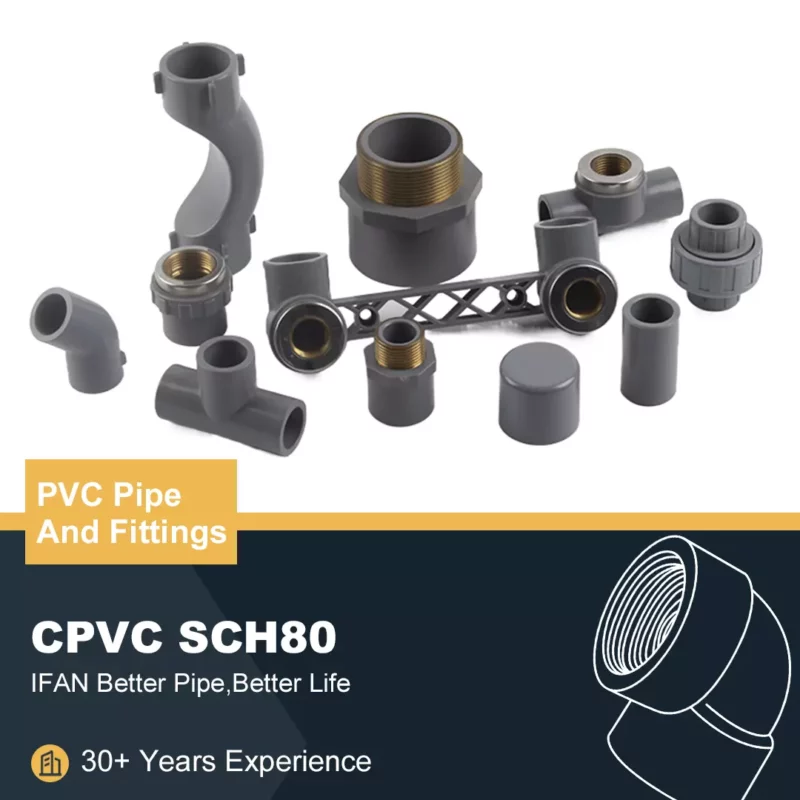
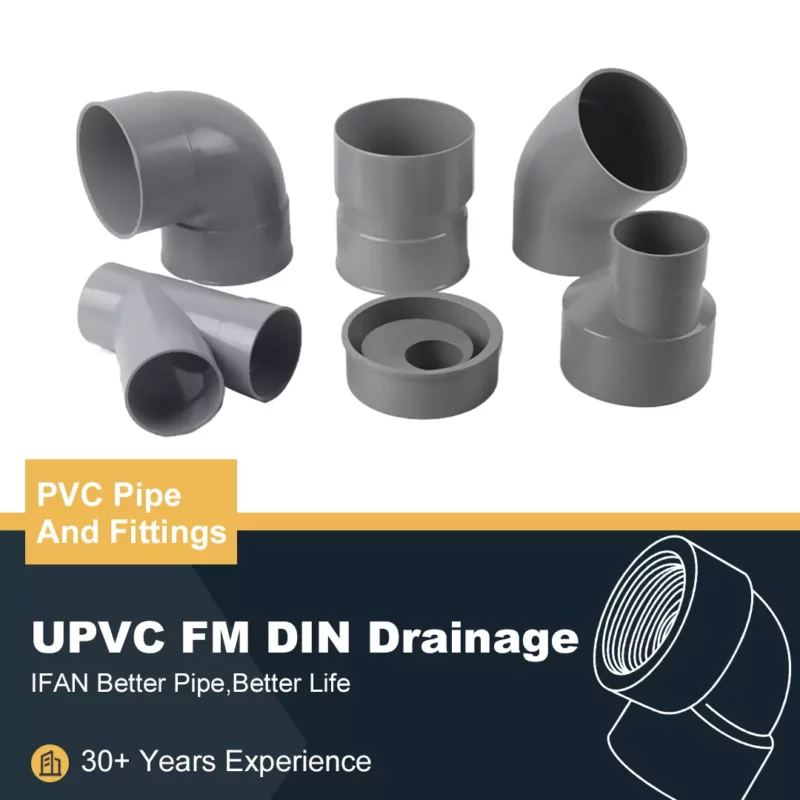
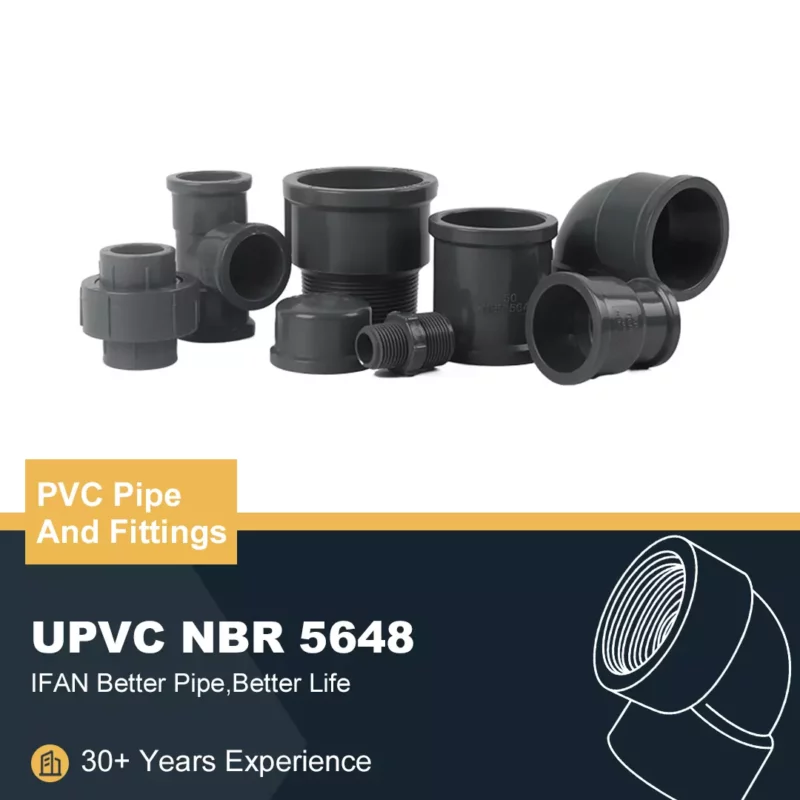
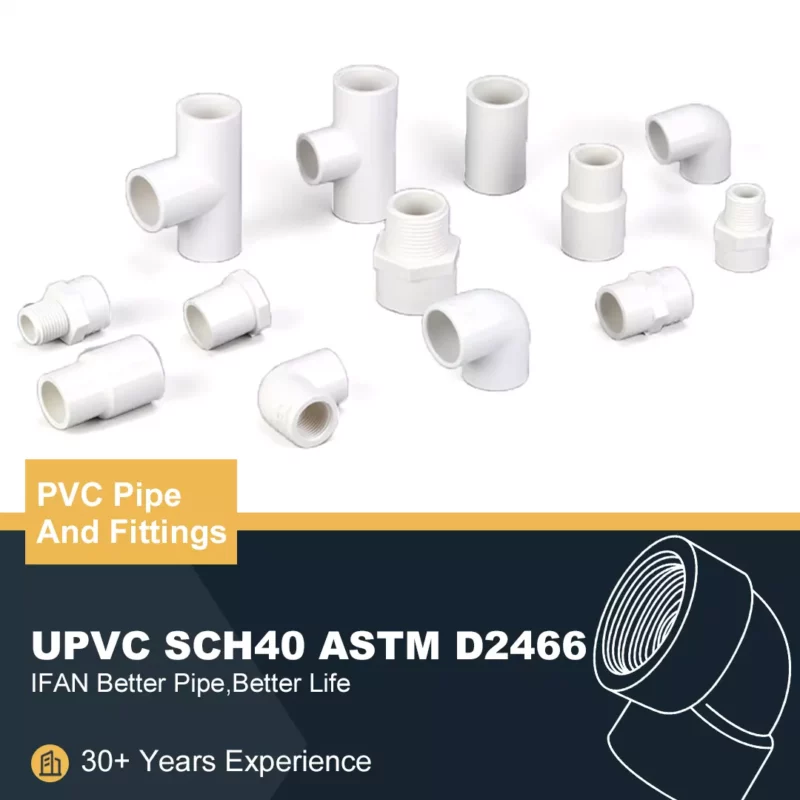
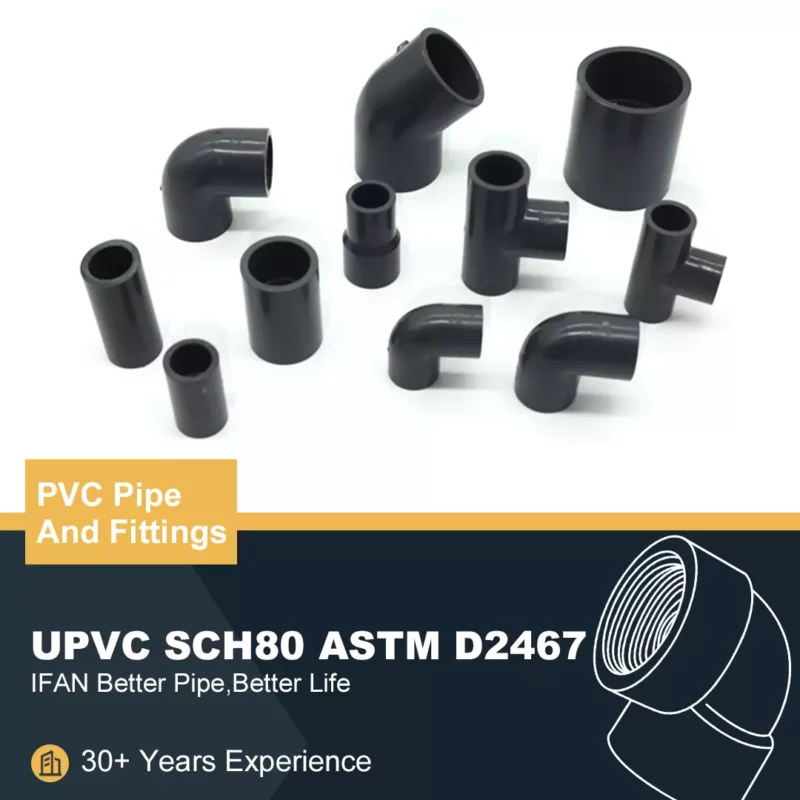
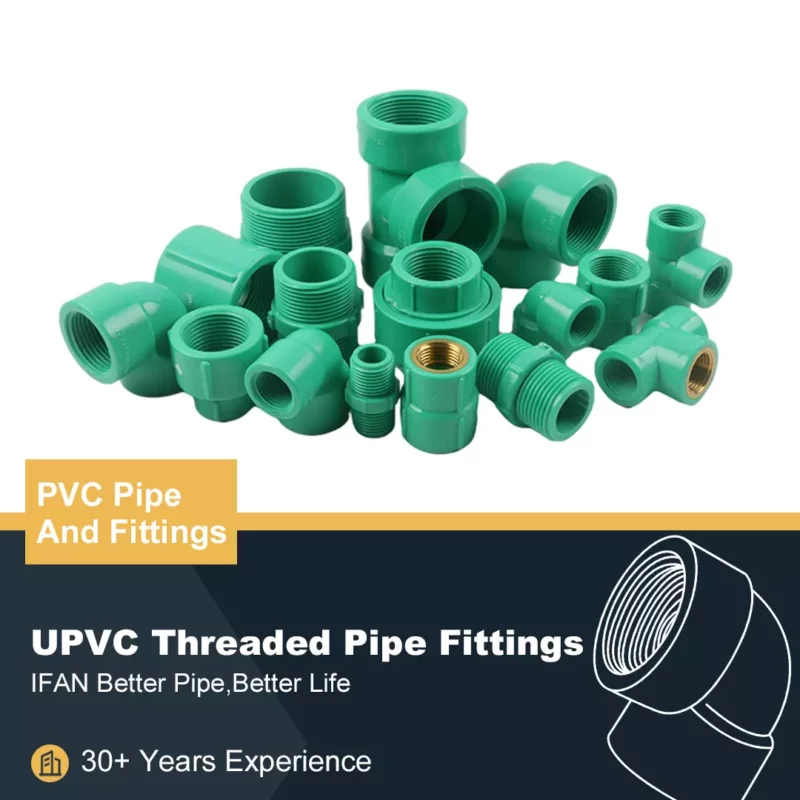
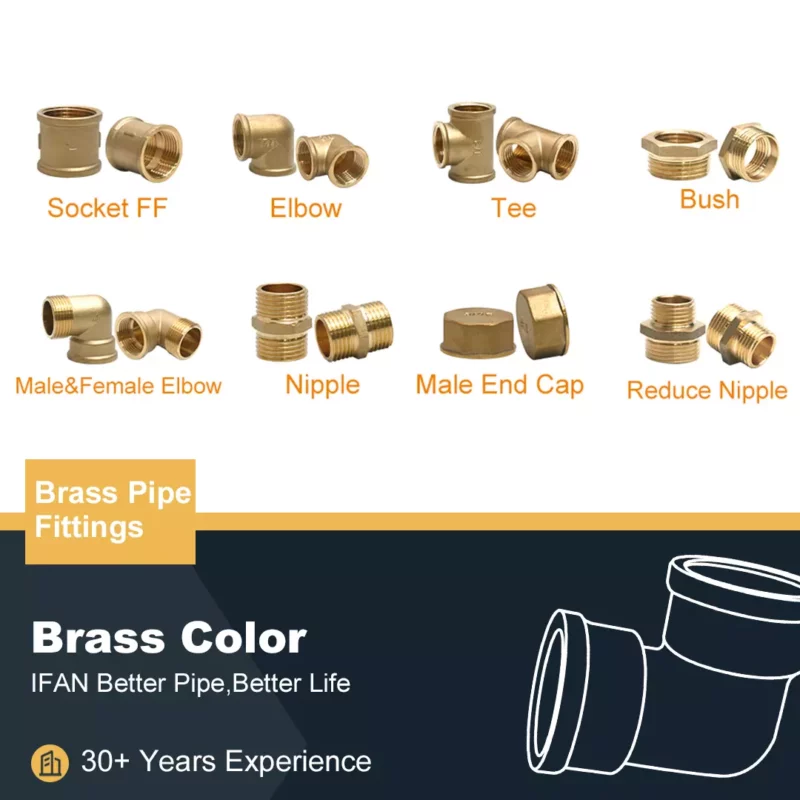
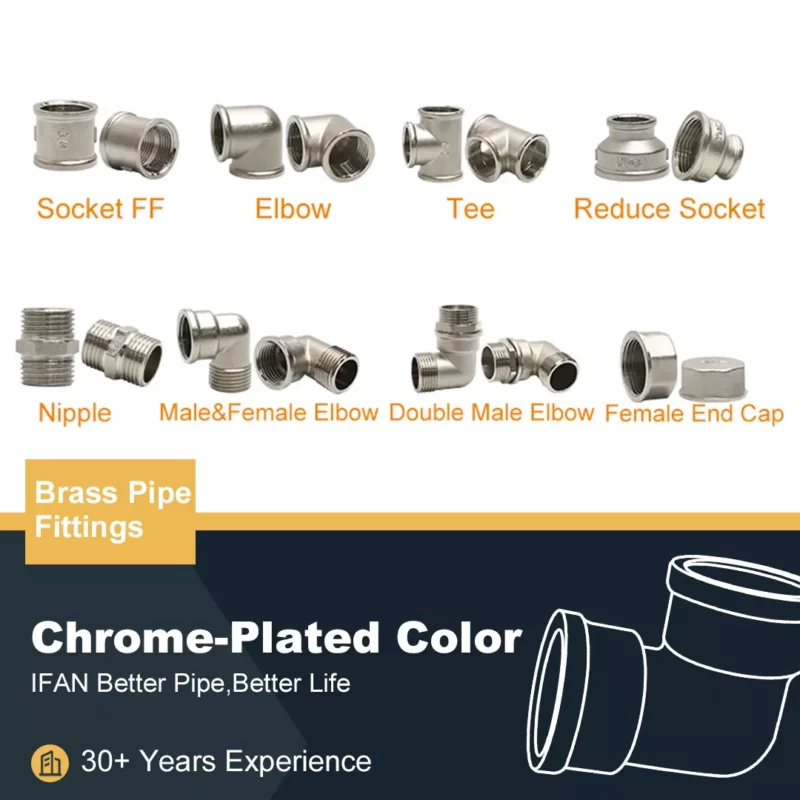
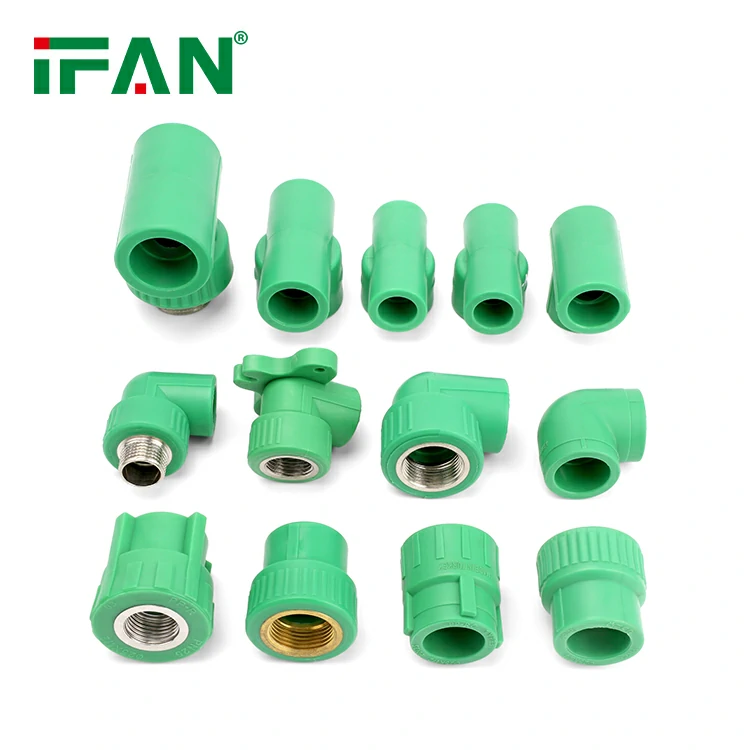
Elbows, tees, couplings, and reducers are standard.
Each fitting serves a defined pipeline function.
Correct combination improves layout efficiency.
Size Range for Projects
Common sizes range from 20mm to 110mm.
Larger diameters serve main supply lines.
Smaller sizes distribute branch flows.
Concealed and Exposed Installation
PPR fittings suit concealed installation in walls.
They are also used in exposed pipe layouts.
UV protection is recommended outdoors.
Expansion and Support Considerations
PPR expands slightly under heat.
Proper pipe support spacing is required.
This prevents long-term stress.
System Compatibility
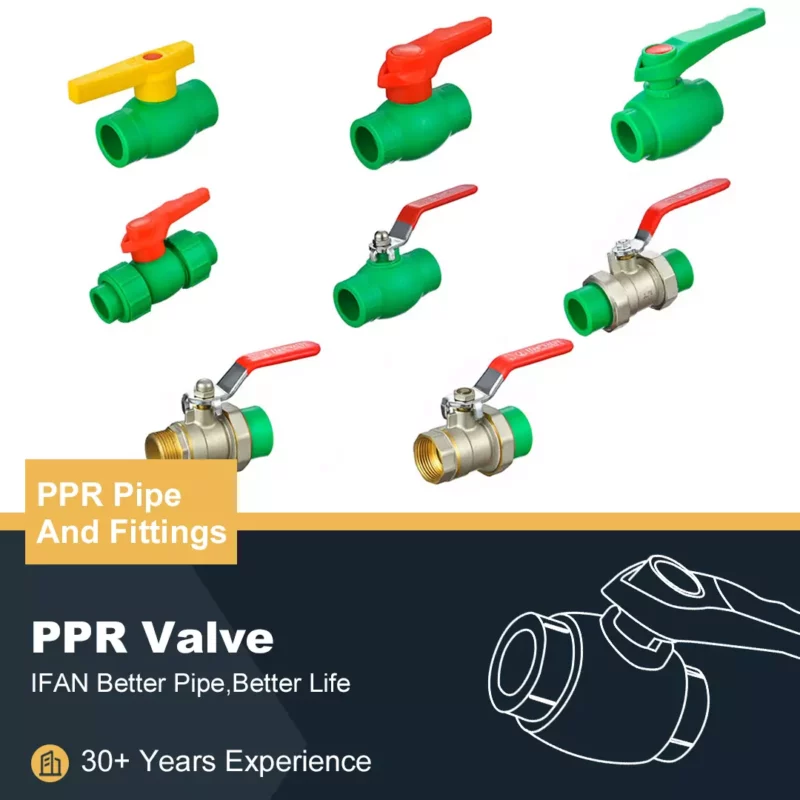
PPR fittings integrate with PPR valves.
They also connect with metal transition fittings.
Hybrid systems remain reliable.
Quality Control Focus
Buyers should inspect wall thickness uniformity.
Socket depth consistency is critical.
Surface defects indicate poor manufacturing.
Certification and Compliance
Reliable suppliers provide material certifications.
Compliance with international standards is essential.
This supports project approval processes.
Packaging for Bulk Supply
Fittings are usually packed in cartons.
Bulk packaging reduces transport costs.
Clear labeling supports warehouse management.
Storage Recommendations
Store fittings away from direct sunlight.
Avoid excessive stacking pressure.
Proper storage preserves material integrity.
Cost Control Factors
Material quality affects welding efficiency.
Poor fittings increase labor costs.
Stable quality reduces overall project expense.
Procurement Decision Points
Buyers should evaluate supplier consistency.
Long-term supply capability matters.
Technical support adds procurement value.
If you have read this article and have any questions, please feel free to contact IFAN. Below is our contact information:
Whatsapp:+86 13373827623
Email:[email protected]