


Serpentine Pattern Basics
Serpentine layout runs tubes back and forth. It’s simple to design and install. This pattern works well in rectangular rooms. Heat distribution is generally even. Pressure drop remains manageable. It uses single continuous loops.
Double Serpentine Advantages
This pattern has two parallel loops. It improves heat distribution significantly. Warmer areas get less tubing. Cooler areas receive more tubing. Temperature becomes more uniform. Design requires careful planning.
Spiral Layout Pattern
Tubes spiral from outside inward. Return line runs back through center. This creates very even heating. Hot water cools gradually. Temperature differentials minimize. Installation is more complex.
Slab Edge Heating Focus
Outer room areas lose more heat. Concentrate tubing near exterior walls. Increase tubing density in these zones. Interior areas need less heating. This optimizes system efficiency. Balance heat output properly.
Room Zoning Strategies
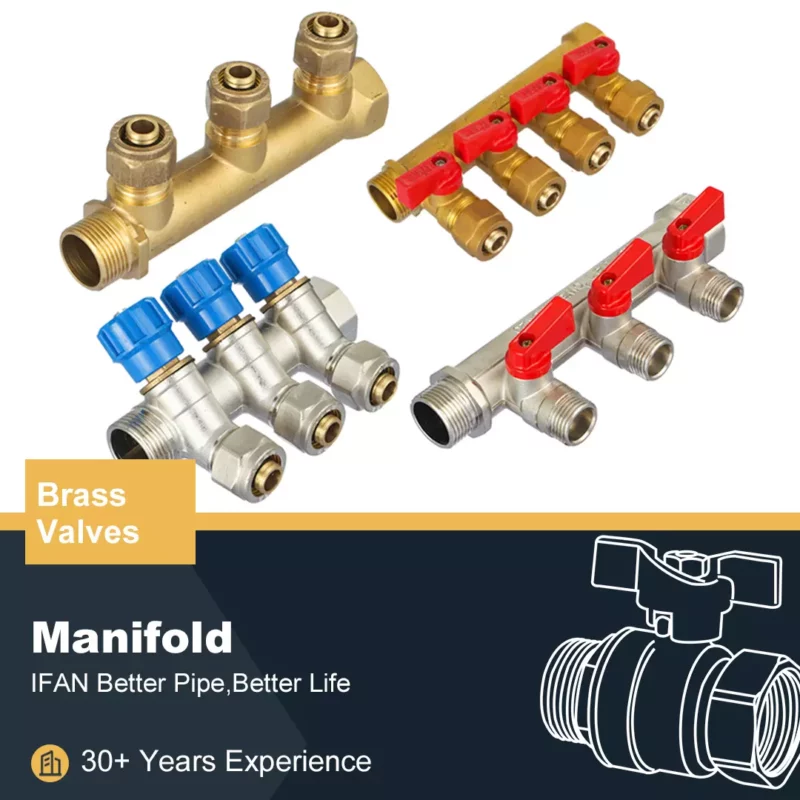
Each room needs separate loops. Control temperatures independently. Use manifold with zone valves. Consider room usage patterns. Bedrooms need different temperatures. Bathrooms often need extra heat.
Tubing Spacing Calculations
Standard spacing is often 12 inches. Use 6-8 inches in bathrooms. Increase to 18 inches in some areas. Consider floor coverings carefully. Tile needs closer spacing. Carpet may need adjustment.
Loop Length Limitations
Maximum loop length varies by tube size. 1/2″ tubes limit to 300 feet. 5/8″ tubes allow 400 feet. Longer loops reduce flow rate. Pressure drop increases significantly. Balance all loop lengths.
Manifold Placement Considerations
Central location minimizes tube lengths. Balance loop lengths from manifold. Allow access for servicing. Consider wall space needed. Include drain valves conveniently. Plan for future expansion.
Floor Covering Effects
Different materials affect heat transfer. Tile conducts heat very well. Wood reduces heat output slightly. Carpet acts as insulation. Adjust tubing spacing accordingly. Calculate output carefully.
Installation Best Practices
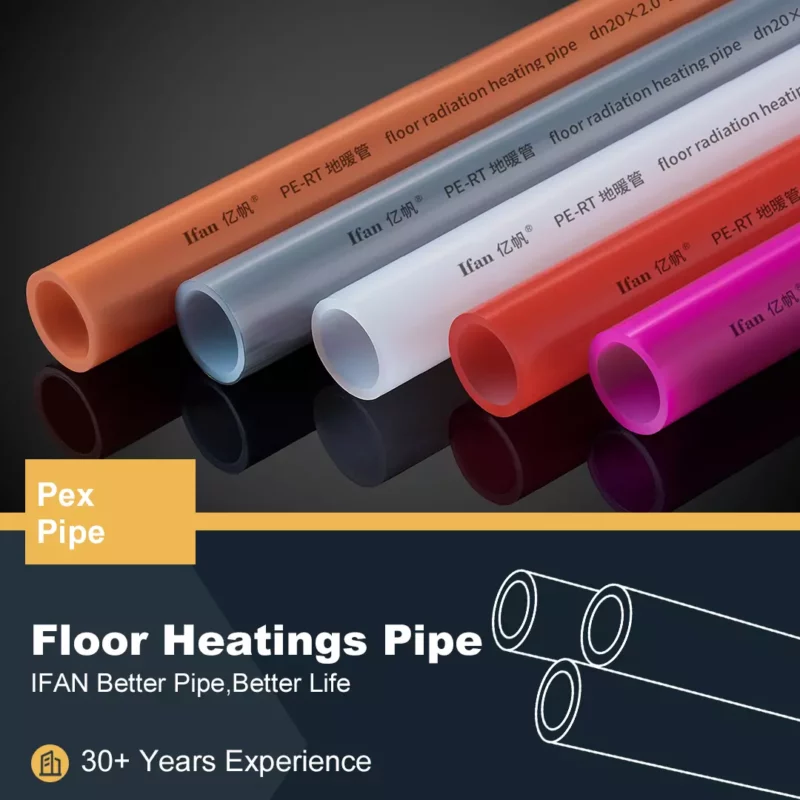
Secure tubes properly to insulation. Use staples designed for PEX. Maintain even spacing throughout. Pressure test before pouring concrete. Document layout for future reference. Follow all local codes.
If you have read this article and have any questions, please feel free to contact IFAN. Below is our contact information:
Whatsapp:+86 13373827623
Email:[email protected]