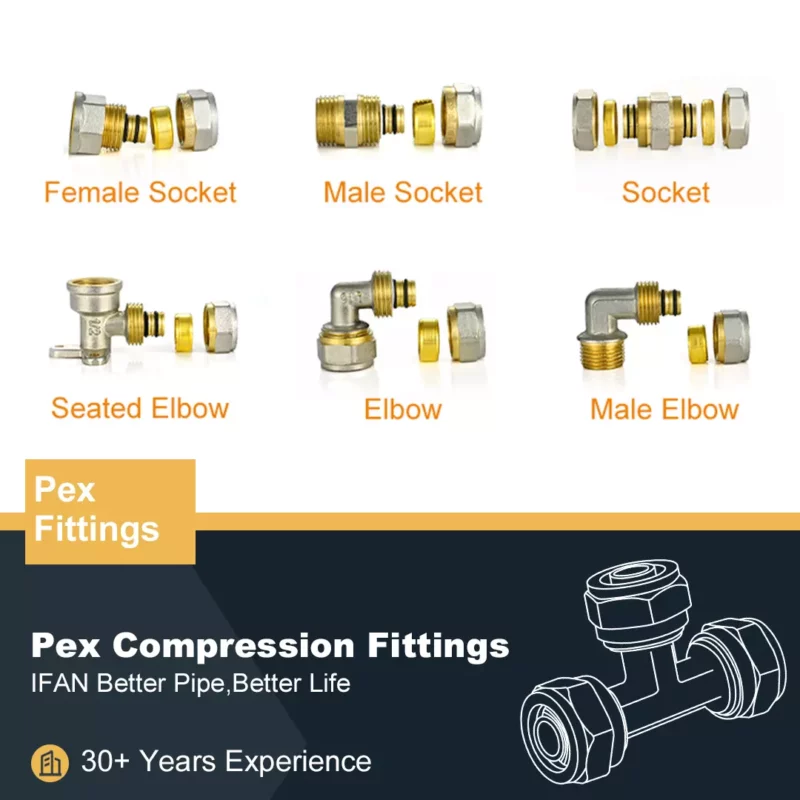
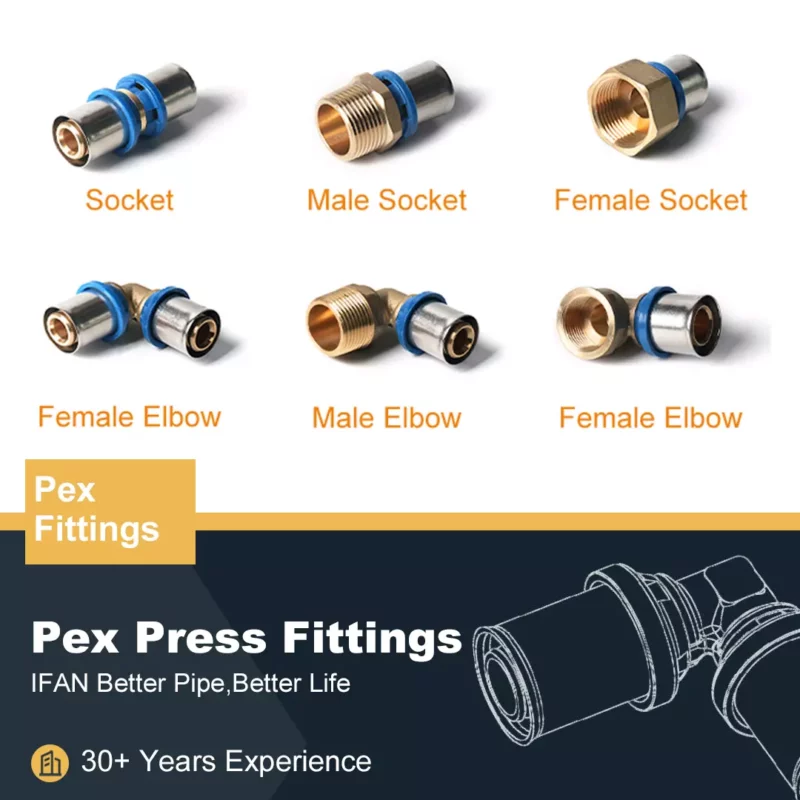
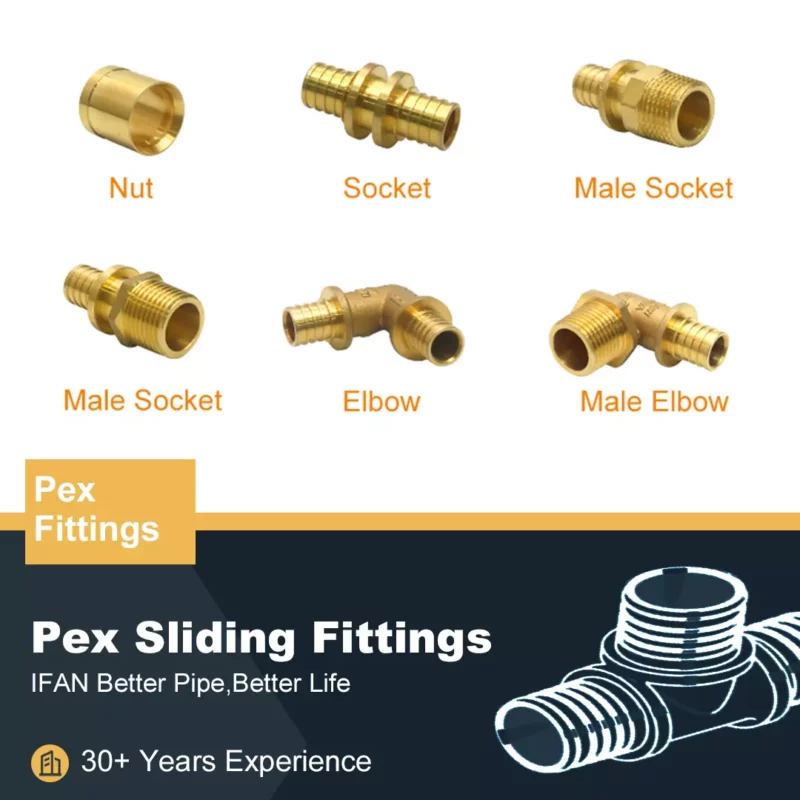
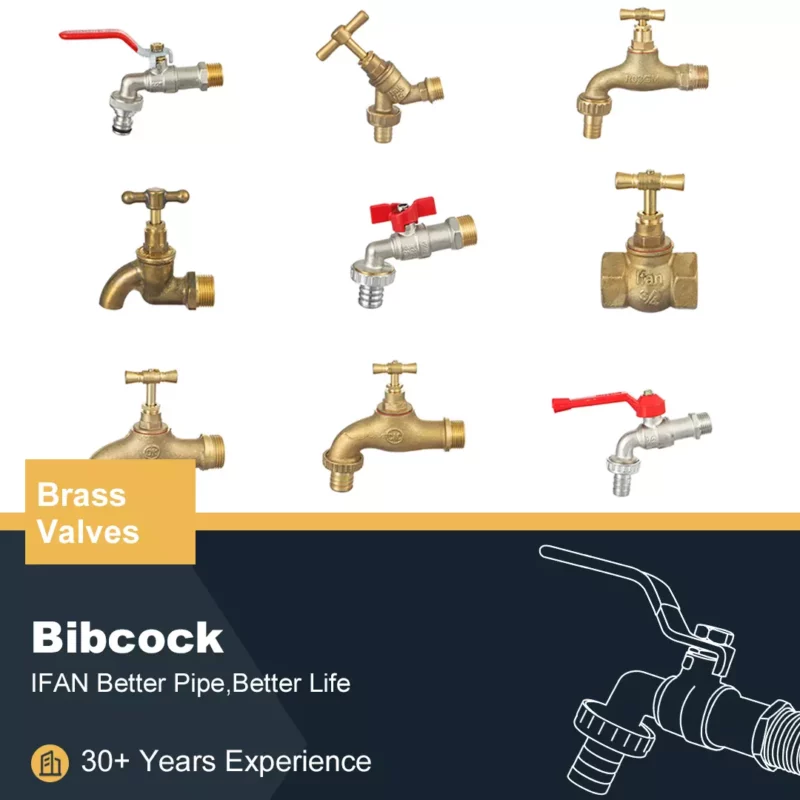
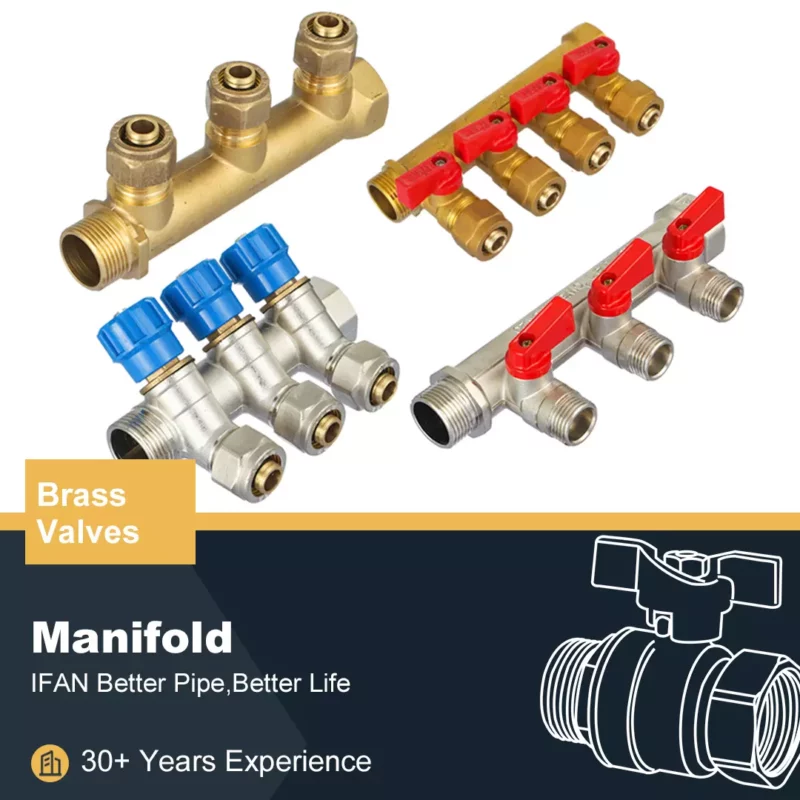
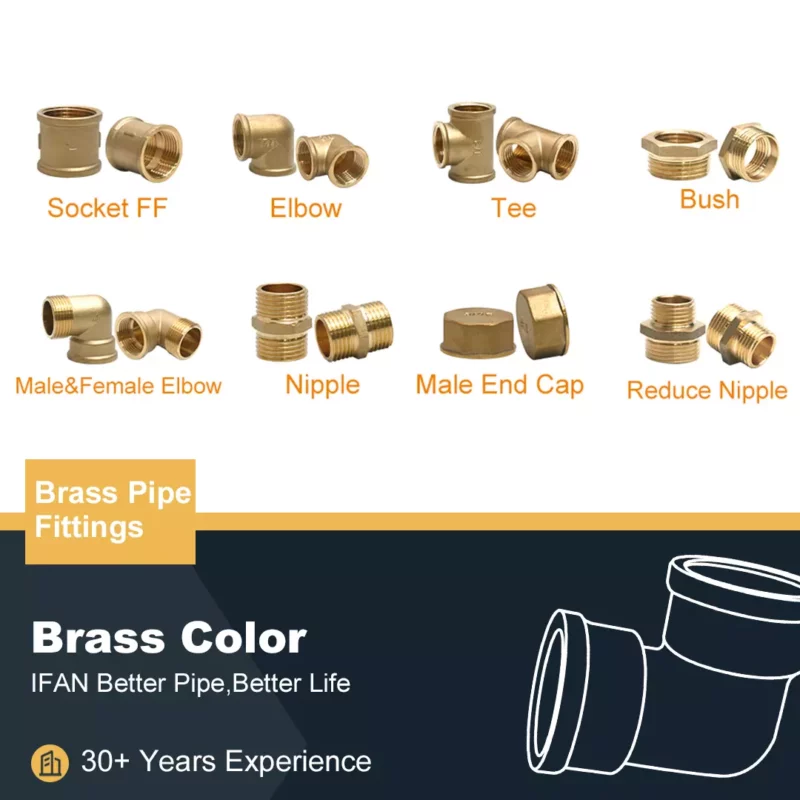
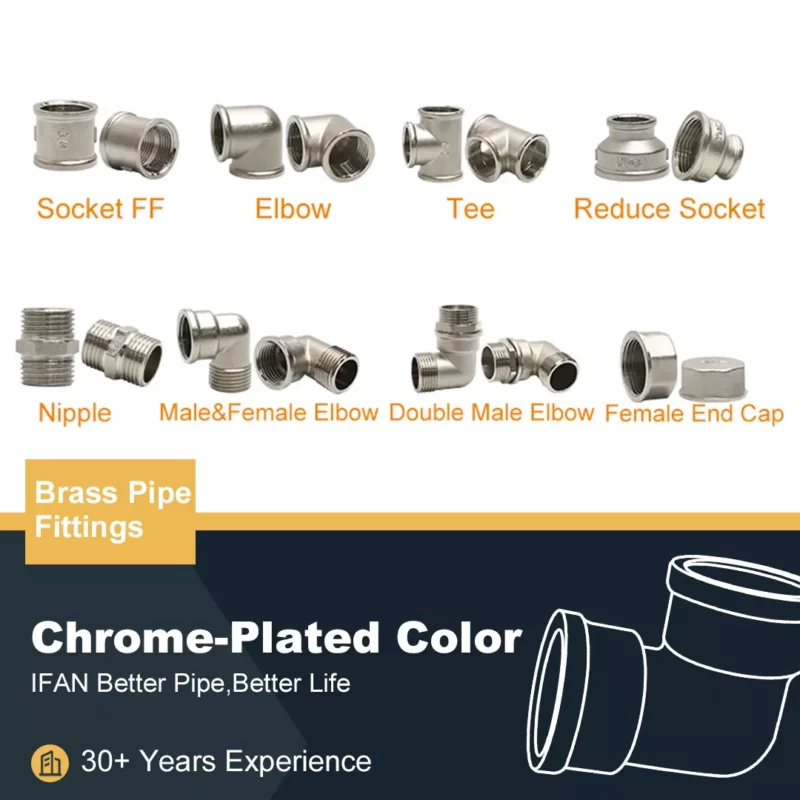

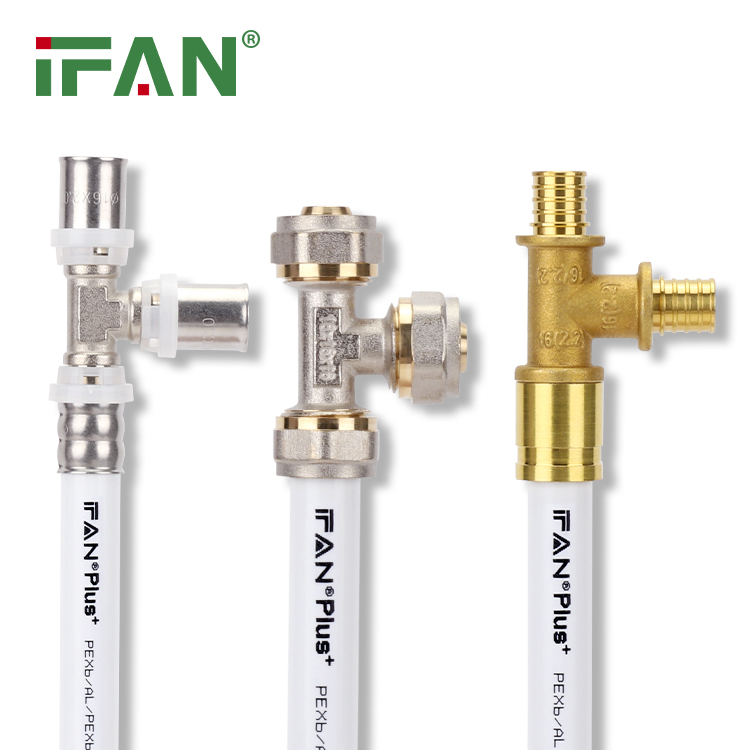
Direct Comparison: Installation Speed
Press fittings are the fastest. The tool makes a joint in seconds. Sliding fittings are second fastest. They often need just hand-tightening. Compression fittings are the slowest. They require careful wrench work.
Comparison: Tool Requirements
Press fittings need the most expensive tool. A dedicated pressing tool is mandatory. Compression fittings need simple wrenches. Most toolboxes already have these. Sliding fittings may need no tools. Sometimes a small wrench helps.
Skill Level and Training Needed
Press fittings require tool training. But the tool minimizes skill variation. Compression fittings need more manual skill. Proper tightening technique is crucial. Sliding fittings are the most intuitive. Almost anyone can install them correctly.
Permanence and Serviceability
Press fittings are permanent. They cannot be disassembled non-destructively. Compression fittings are semi-permanent. They can be taken apart and reused. Sliding fittings are fully serviceable. They are designed for easy disconnection.
Cost Analysis: Fitting vs. Total Cost
Compression fittings have moderate fitting cost. No tool cost for most users. Press fittings have moderate fitting cost. But the tool investment is very high. Sliding fittings have a higher per-fitting cost. But they eliminate tool costs.
Reliability and Leak Resistance
All types are highly reliable when installed properly. Press fittings offer consistent, tool-controlled quality. Compression fittings rely on installer skill. Sliding fittings provide visual confirmation of a proper seal.
Space and Accessibility Considerations
Compression fittings need wrench swing space. Press tools also need some clearance. Sliding fittings work in the tightest spaces. Often just finger access is enough. Choose based on your installation environment.
Approval and Code Compliance
All three types are widely approved. Check your local plumbing code specifically. Press systems often have universal approval. Compression is accepted almost everywhere. Sliding is newer but gaining fast approval.
Best Applications for Each Type
Use Press for large, fast-track projects. Use Compression for repairs and DIY jobs. Use Sliding for modular and serviceable systems. Match the fitting to the job’s specific needs. Consider future access requirements.
Making the Final Decision
Evaluate your project size first. Consider your available budget for tools. Think about the skill of the installers. Assess the need for future modifications. Choose the system that best balances all factors. Often, a mix of types is optimal.
If you have read this article and have any questions, please feel free to contact IFAN. Below is our contact information:
Whatsapp:+86 13373827623
Email:[email protected]