

Chemical Resistance Properties of HDPE
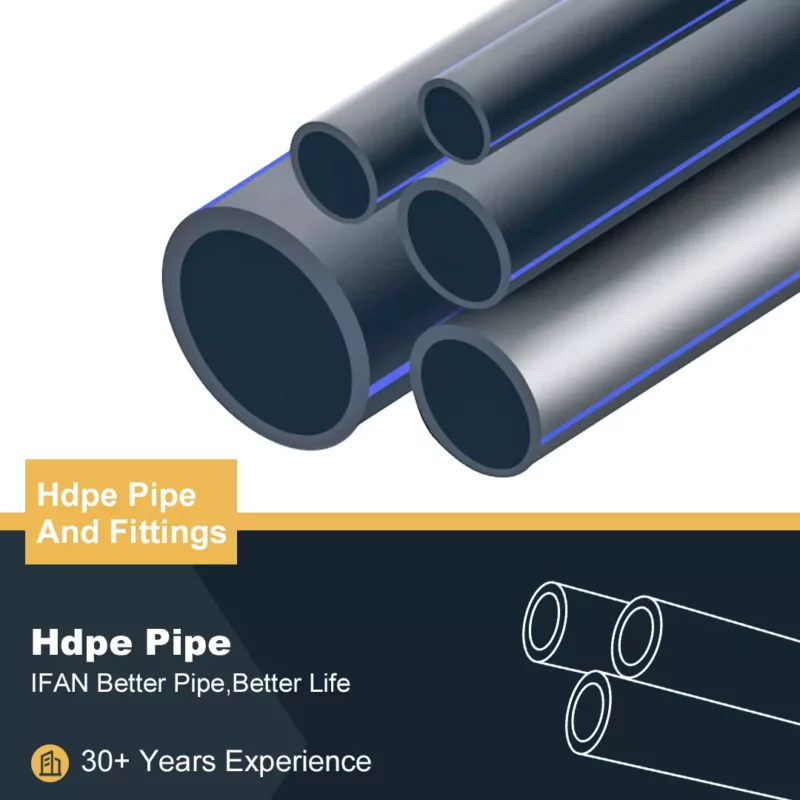
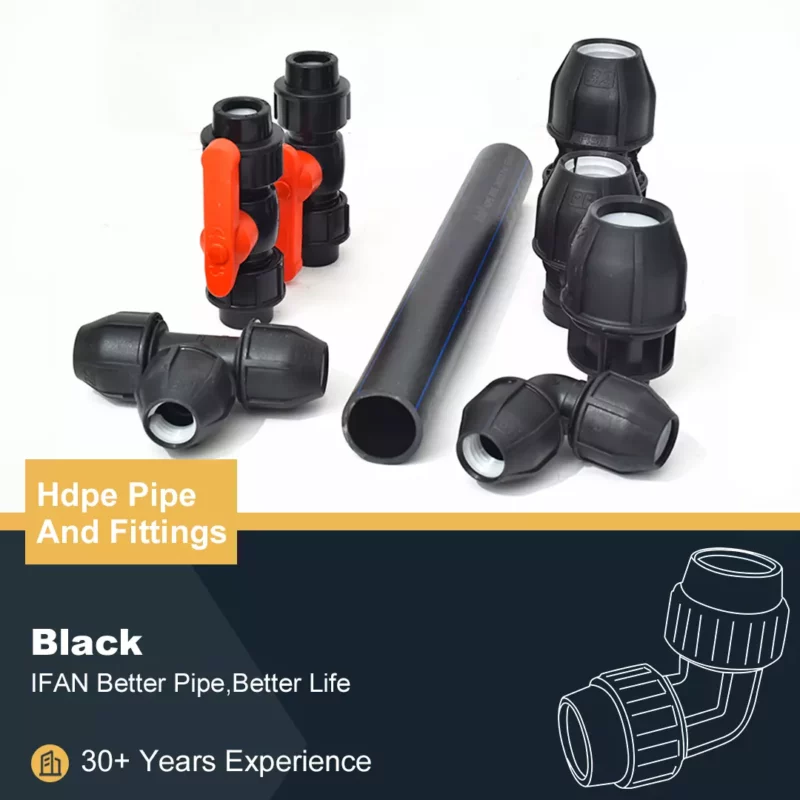
The exceptional chemical resistance of HDPE fittings stems from the material’s non-polar molecular structure and high molecular weight. This chemical inertness makes HDPE fittings suitable for handling a wide spectrum of aggressive media including strong acids, bases, and salts that would rapidly degrade metallic alternatives. The material’s resistance to environmental stress cracking further enhances its suitability for chemical service applications. Unlike metals, HDPE remains unaffected by galvanic corrosion or electrolytic processes, eliminating the need for cathodic protection systems. This comprehensive corrosion resistance translates directly to reduced maintenance requirements and extended service life in chemically challenging environments.
Utilizing Chemical Resistance Charts
Chemical resistance charts provided by reputable HDPE fitting manufacturers serve as essential tools for material selection in corrosive service applications. These comprehensive charts typically categorize chemical resistance into classifications such as “Recommended,” “Limited Service,” or “Not Recommended” based on standardized testing protocols. The ratings consider multiple factors including chemical concentration, temperature exposure, and mechanical stress conditions. Engineers must consult these references for each chemical component in the process stream, recognizing that resistance can vary significantly between different chemical families and operating conditions. This diligent review process prevents material incompatibility issues that could compromise system integrity.
Superior Abrasion Resistance Characteristics
HDPE fittings demonstrate remarkable abrasion resistance that frequently exceeds the performance of steel in slurry transport applications. This property derives from the material’s viscoelastic nature, which allows it to absorb impact energy rather than undergoing brittle erosion. As abrasive particles impinge on the HDPE surface, the material yields slightly and rebounds, creating a polishing effect that maintains smooth flow characteristics over time. For severely abrasive applications. specialized HDPE compounds with enhanced molecular weight distribution or the incorporation of ultra-high molecular weight polyethylene (UHMW-PE) liners provide additional wear resistance. significantly extending service life in demanding mining and dredging operations.
Performance in Chemically Aggressive Soils
The complete corrosion immunity of HDPE fittings makes them ideally suited for direct burial in chemically aggressive soil conditions. Unlike metallic systems that require protective wrappings or cathodic protection, HDPE fittings maintain their structural integrity in acidic, alkaline, or saline soils without additional protection measures. This inherent resistance extends to microbial activity and stray electrical currents that accelerate the degradation of alternative materials. The combination of corrosion resistance and joint integrity through fusion welding creates a continuously protected system that performs reliably across diverse geological conditions. from coastal marshlands to industrial brownfield sites.
Joint Integrity in Corrosive Environments
The fusion joining methods employed with HDPE fittings create monolithic connections that maintain the material’s full corrosion resistance throughout the system. Unlike mechanical joints that incorporate different materials or elastomeric seals. Fused HDPE joints eliminate potential failure points where corrosive attack could initiate. The homogeneous nature of properly executed butt fusion or electrofusion joints ensures. that the connection possesses chemical resistance identical to the base pipe and fitting material. This seamless integration is particularly valuable in chemical processing applications. where joint failure could result in hazardous material releases or system contamination.
Temperature Considerations in Chemical Service
The chemical resistance of HDPE fittings exhibits temperature dependence that must be carefully considered during system design. While HDPE maintains excellent chemical resistance at ambient temperatures, elevated temperatures can accelerate chemical permeation and degradation processes. Manufacturer chemical resistance charts typically include temperature limitations for various chemicals, and these guidelines should be strictly followed. Additionally, the pressure derating requirements for temperature must be applied in conjunction with chemical compatibility assessments. This dual consideration ensures that fittings maintain both structural integrity and chemical resistance throughout the intended service life.
If you have read this article and have any questions, please feel free to contact IFAN. Below is our contact information:
Whatsapp:+86 13373827623
Email:[email protected]