

Introduction to HDPE Fittings
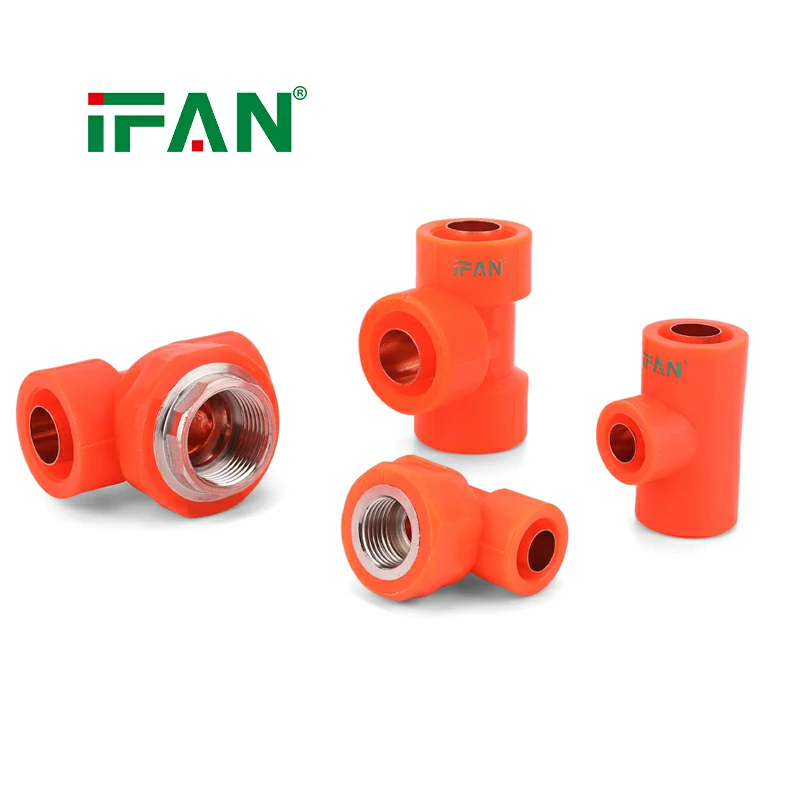
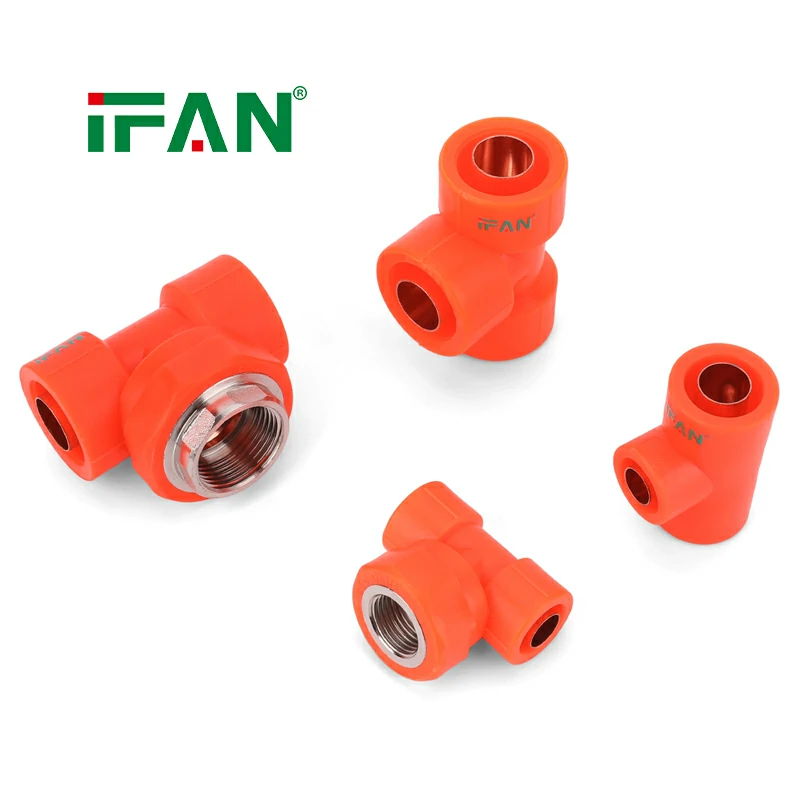
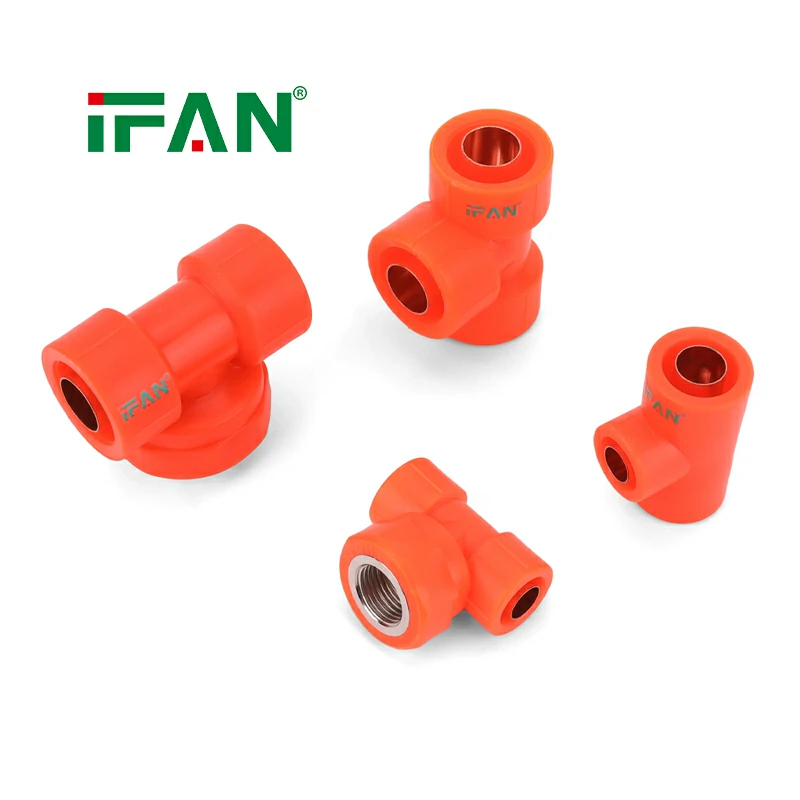
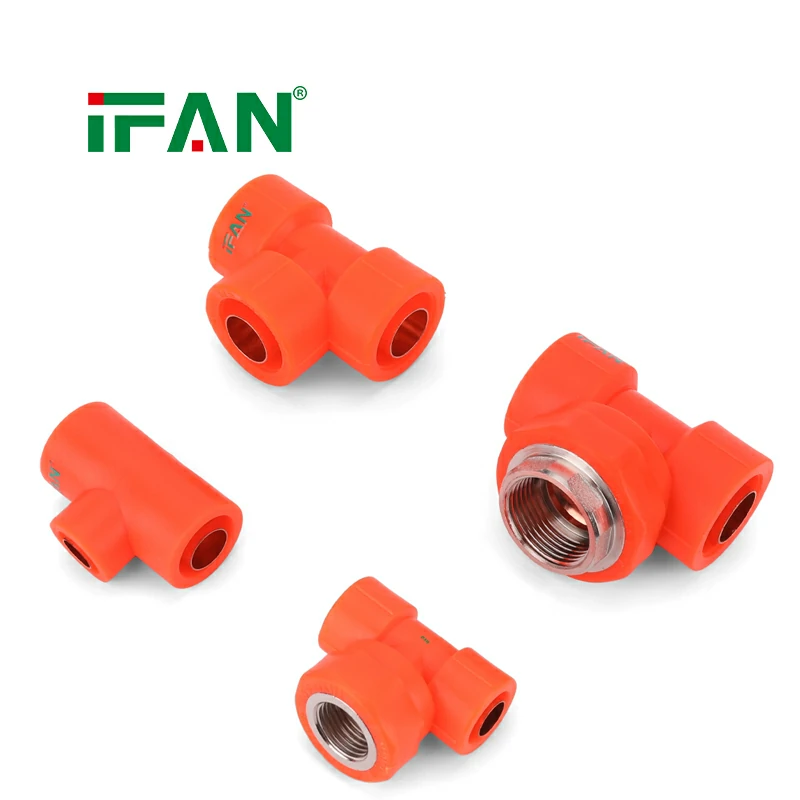
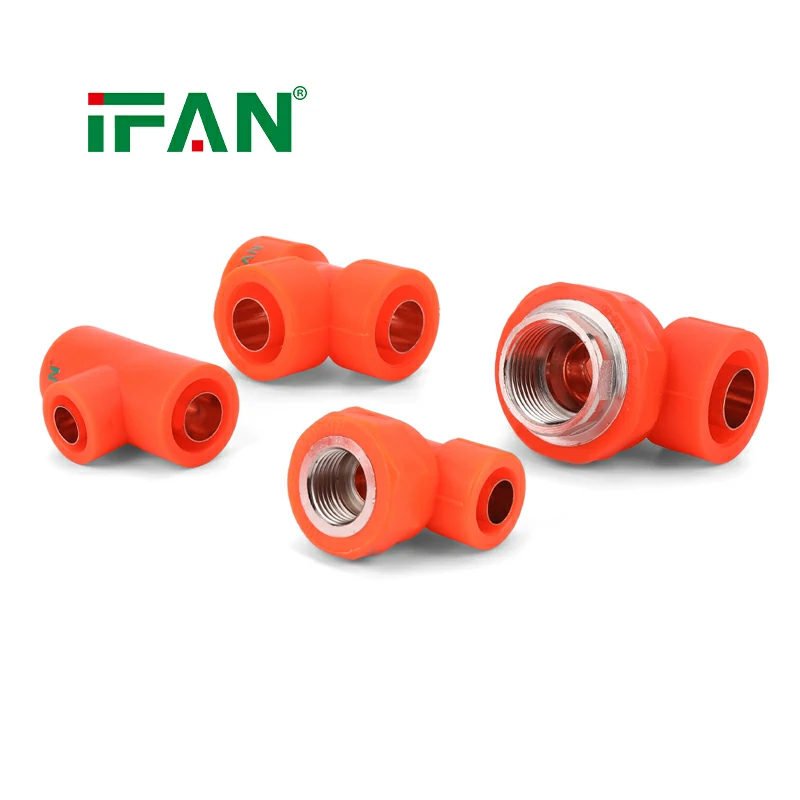
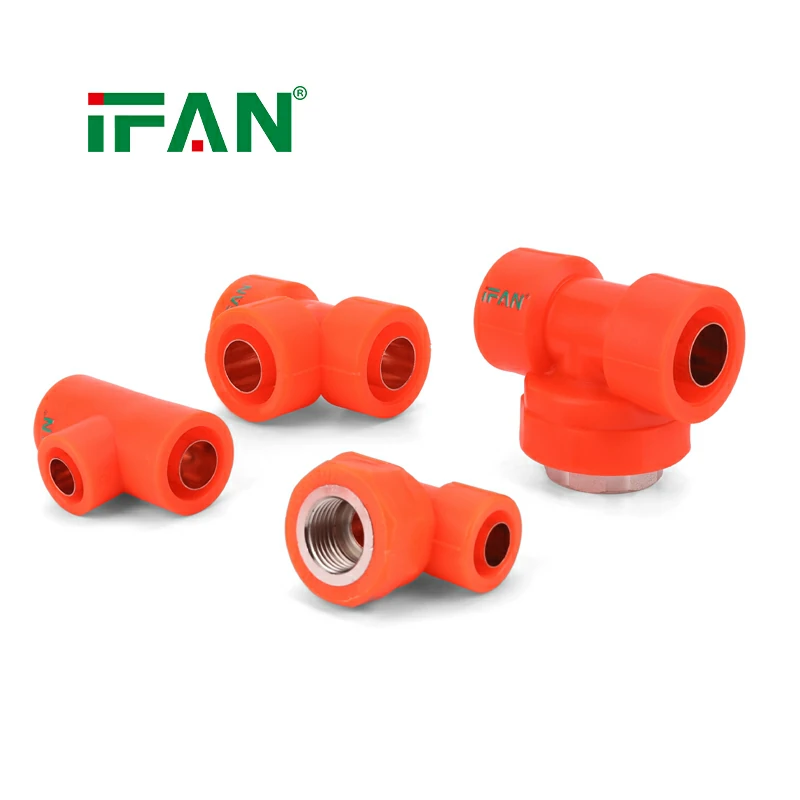
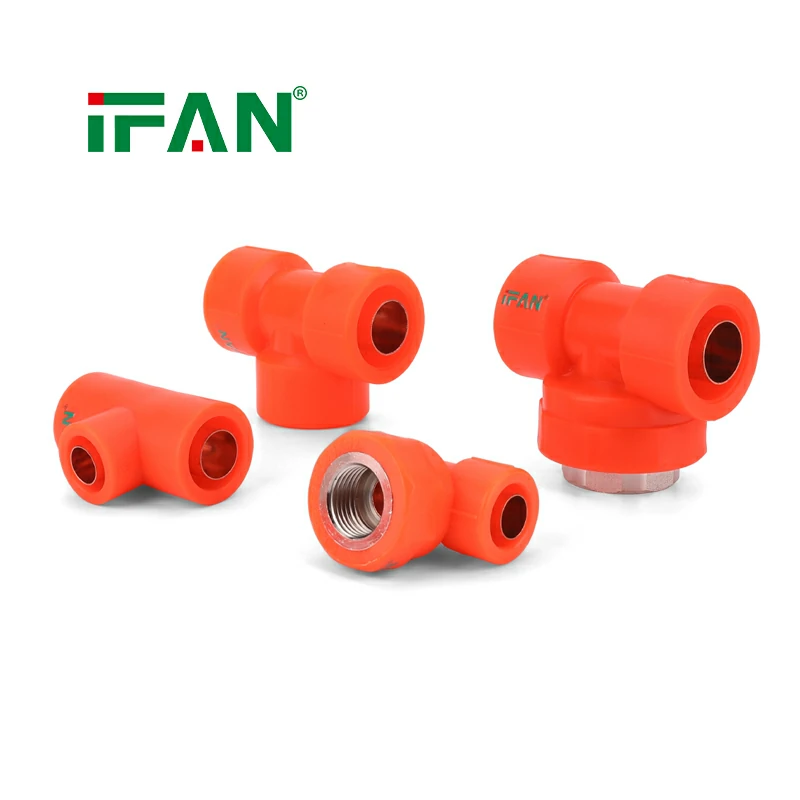
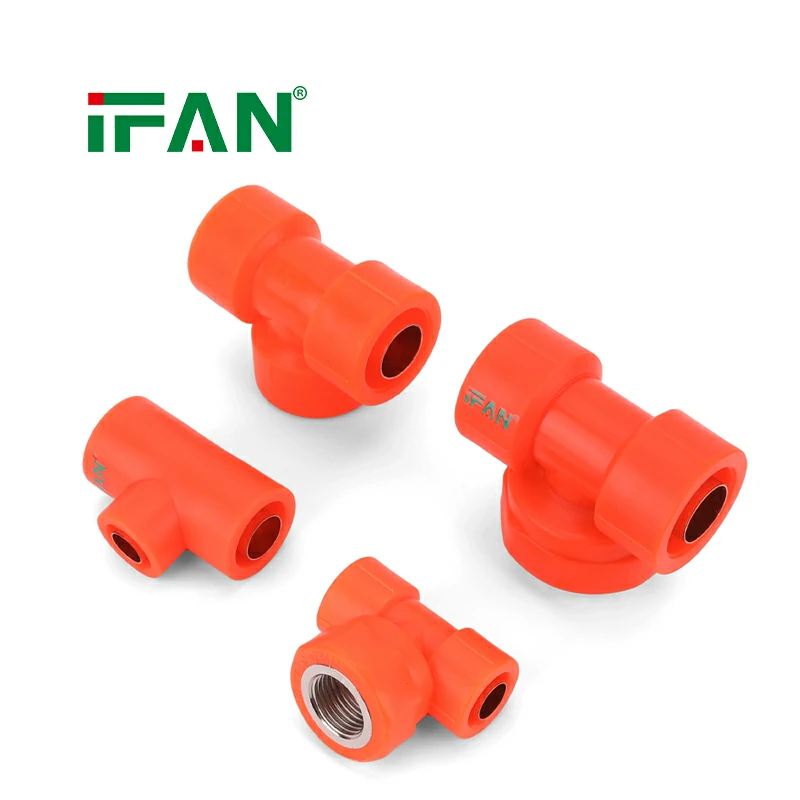
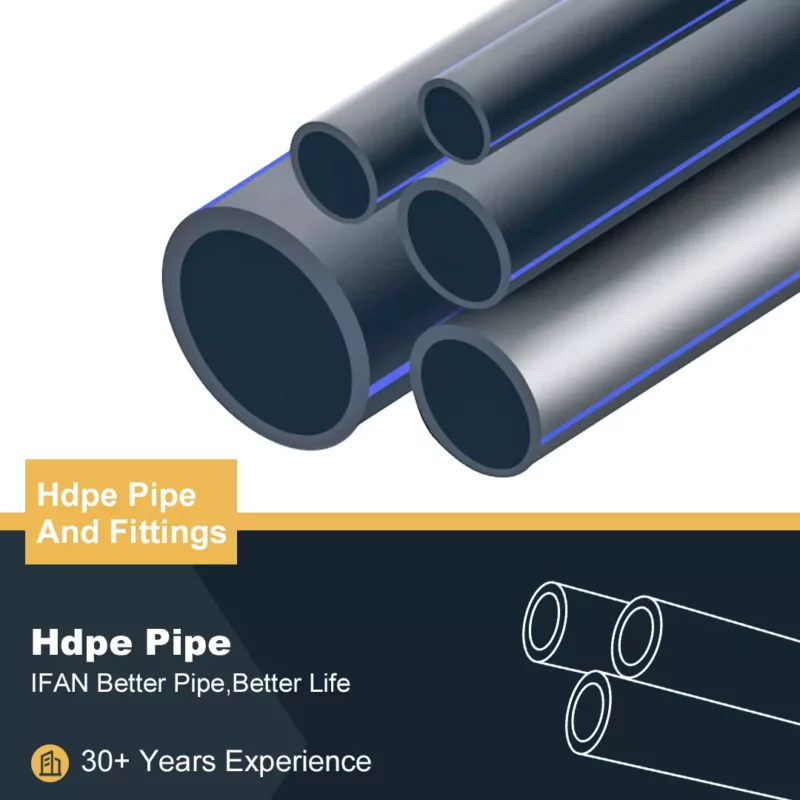
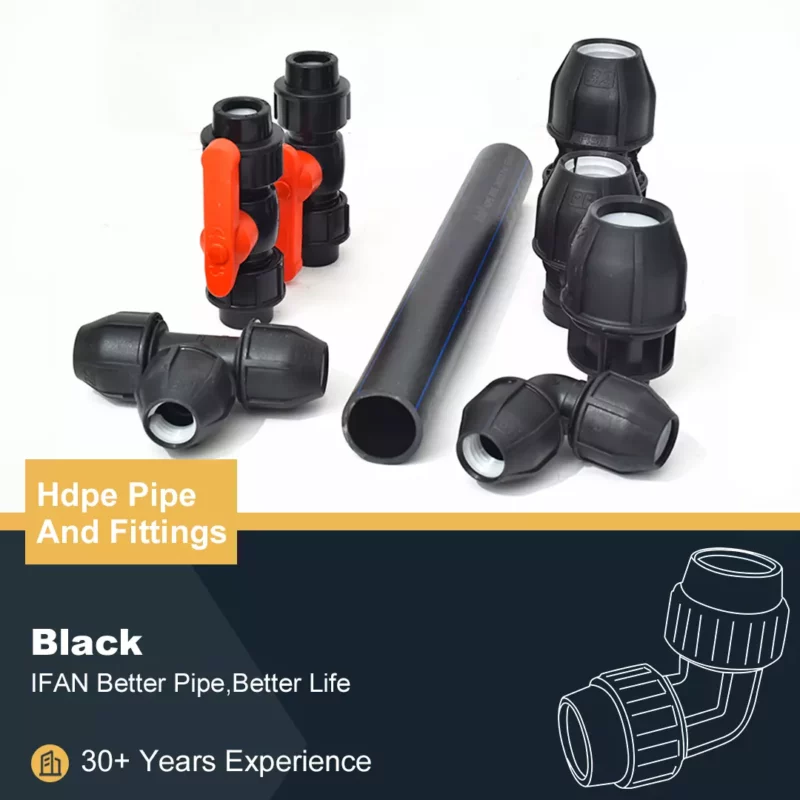
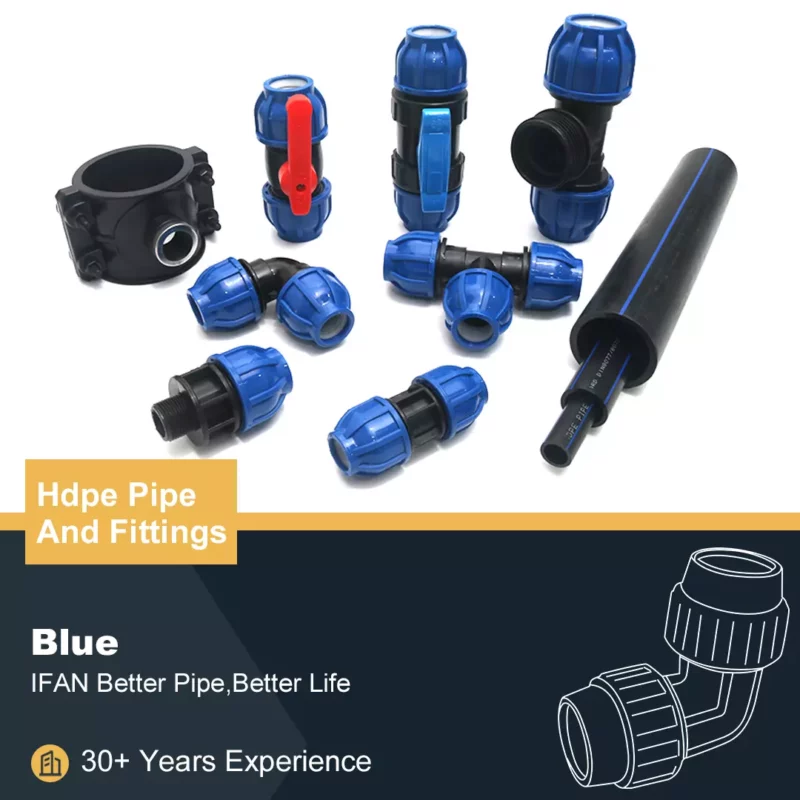
High-Density Polyethylene (HDPE) pipe fittings are the critical components that bring a piping system to life. They direct, connect, reduce, and terminate the flow within a network, providing the functionality and flexibility required for complex installations. For engineers, project managers, and procurement specialists, a deep understanding of these fittings is fundamental to designing and maintaining a durable, leak-free system. This guide delves into the essential knowledge every buyer needs.
The Core Material: PE100 vs. PE100 RC
The performance of an HDPE fitting begins with its raw material. PE100 is the current industry benchmark, offering high resistance to internal pressure and crack propagation. However, for demanding applications, PE100 RC (Resistant to Crack) is superior. PE100 RC material undergoes stringent testing to demonstrate enhanced resistance to slow crack growth (SCG) and rapid crack propagation (RCP). This makes it the preferred choice for projects involving frequent pressure surges, directional drilling, or in rocky trench conditions where point loading is a concern.
Deciphering Pressure Ratings (PN) and SDR
A fitting’s pressure capability is defined by its PN (Pressure Nominal) rating and its relation to the Standard Dimension Ratio (SDR). SDR is the ratio of the outside diameter to the wall thickness. A lower SDR number indicates a thicker wall and a higher pressure rating (e.g., SDR11 is stronger than SDR17). It is a non-negotiable rule that the PN rating and SDR of the fitting must match that of the HDPE pipe it is being connected to. Mismatching these values will create a weak point in the system, leading to potential failure.
Comprehensive Guide to Fitting Types and Functions
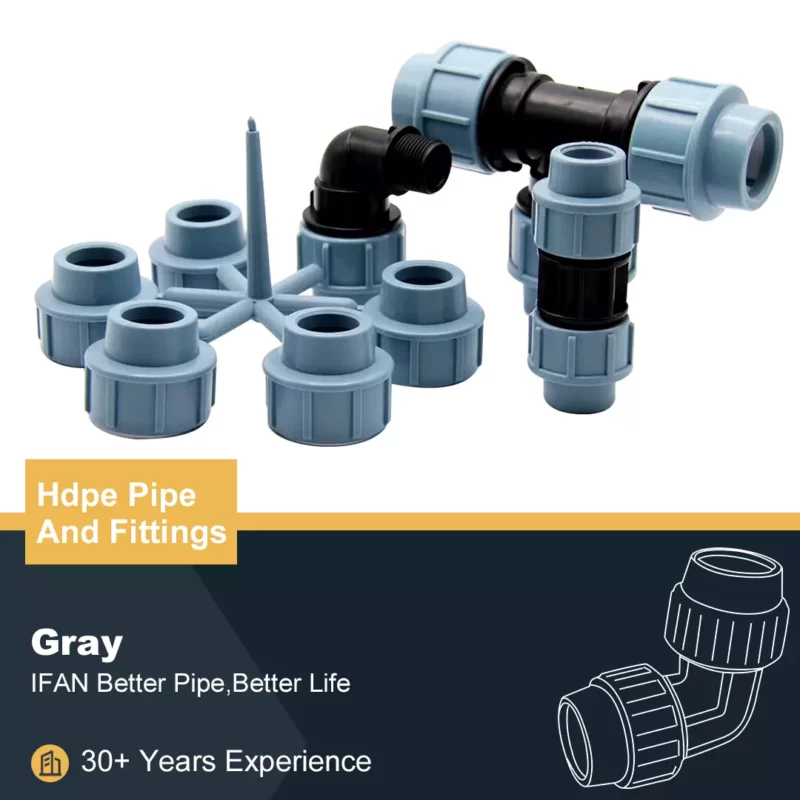
HDPE fittings are manufactured for every conceivable purpose.
Butt Fusion Fittings: Including elbows (45°, 90°), tees, reducers, and caps. These are fused to the pipe, creating a joint as strong as the pipe itself.
Electrofusion Fittings: Such as couplers, saddle tees, and service fittings. These contain integrated heating elements for a controlled, reliable fusion in tight spaces.
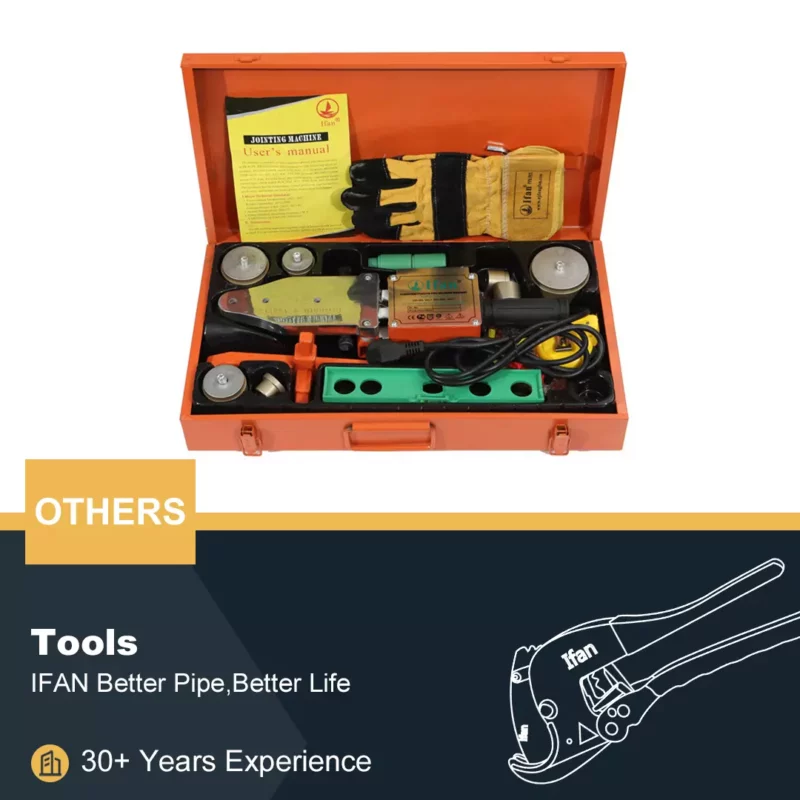
Socket Fusion Fittings: Typically for smaller diameters, where the pipe is inserted into a heated socket.
Flange Adapters: Used to create a bolted connection between the HDPE system and valves, pumps, or existing metal pipelines.
Key Specifications for Your Procurement Checklist
When sourcing HDPE fittings, your checklist must include:
Material Grade: Confirm it is PE100 or PE100 RC.
PN Rating & SDR: Must be compatible with your pipe.
Manufacturing Standard: Ensure it meets relevant standards like ISO 4427 or ASTM D3350.
Third-Party Certification: Look for marks from NSF/ANSI 61 for potable water or other relevant certifying bodies for your industry.
Color: Standard black is common, but blue for potable water and yellow for gas are industry-specific identifiers.
If you have read this article and have any questions, please feel free to contact IFAN. Below is our contact information:
Whatsapp:+86 13373827623
Email:[email protected]