

Introduction
HDPE Pipe Fittings are critical components in modern piping systems, known for their durability and versatility. This article delves into the core aspects of these fittings, providing buyers with practical knowledge to make informed decisions. We cover key functions, material properties, and selection tips without overlooking essential details.
What Are HDPE Pipe Fittings?
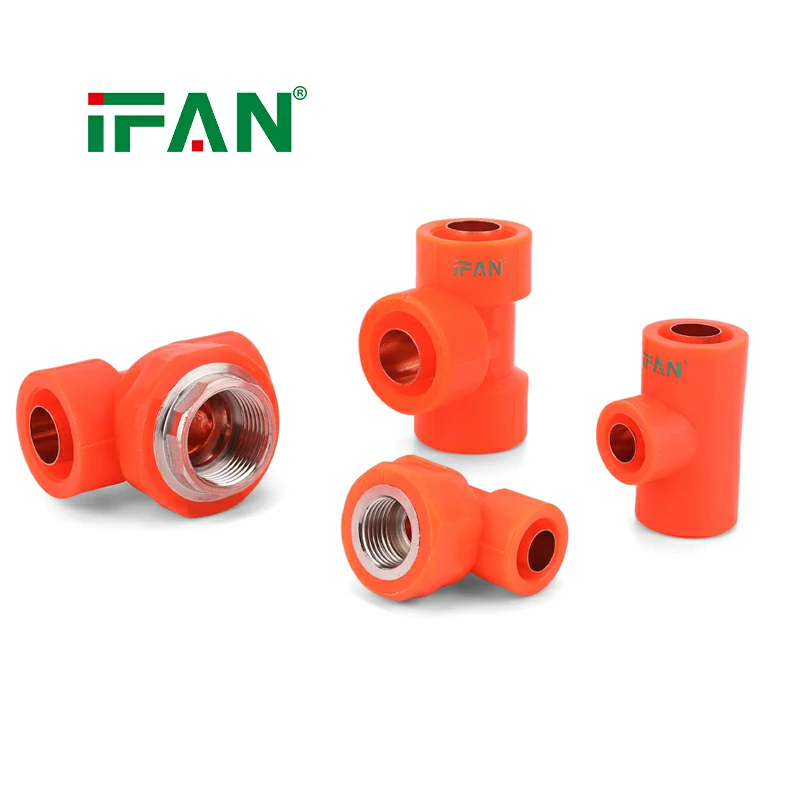
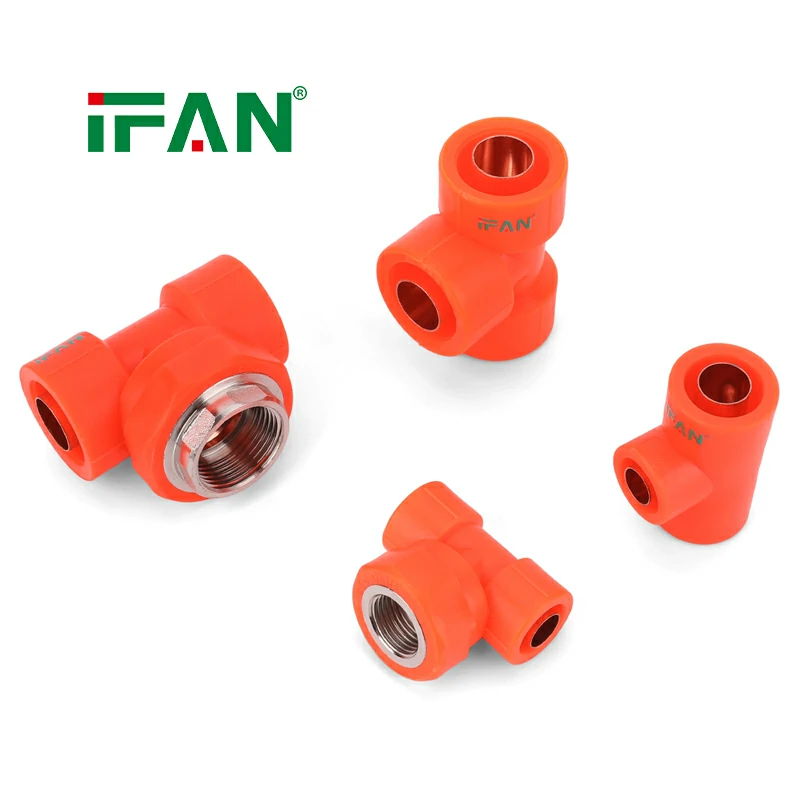
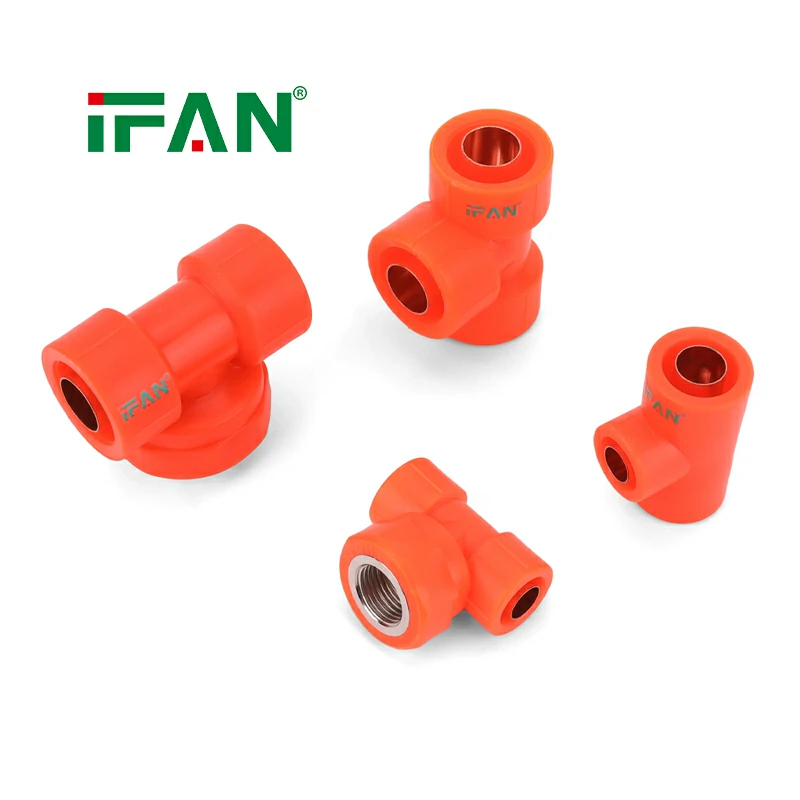
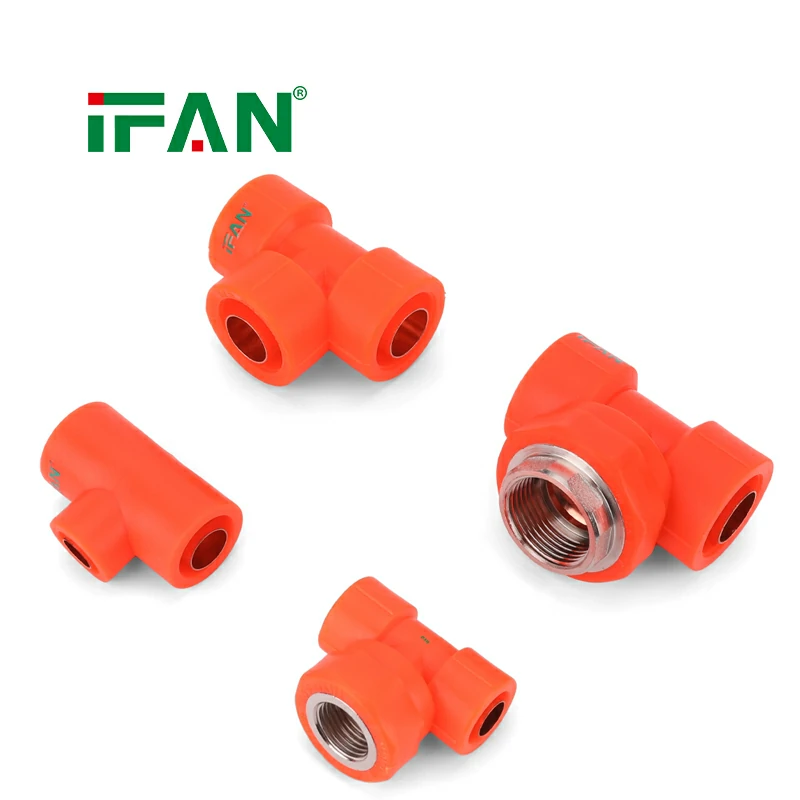
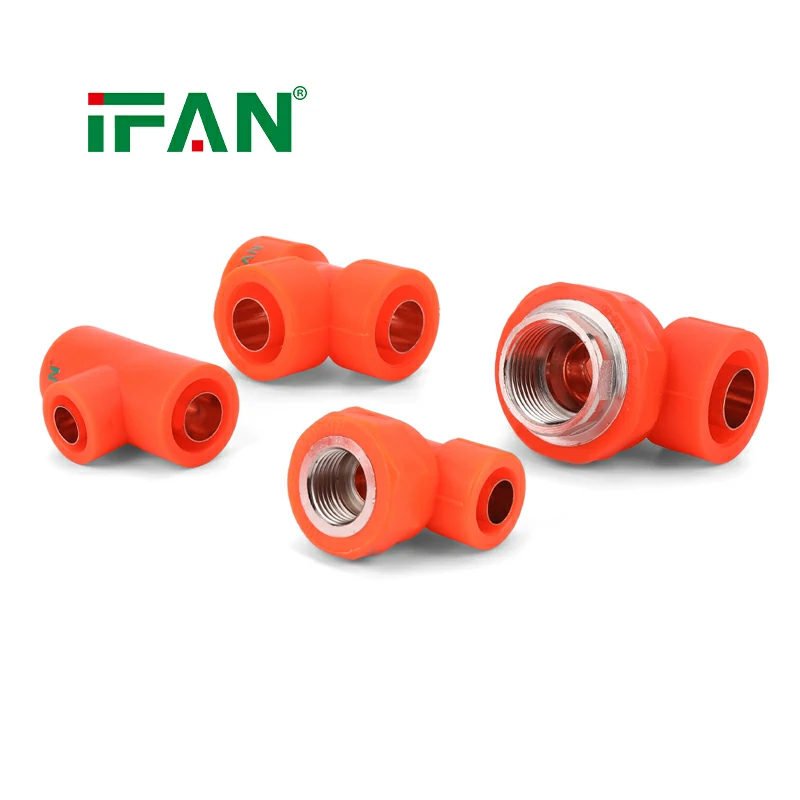
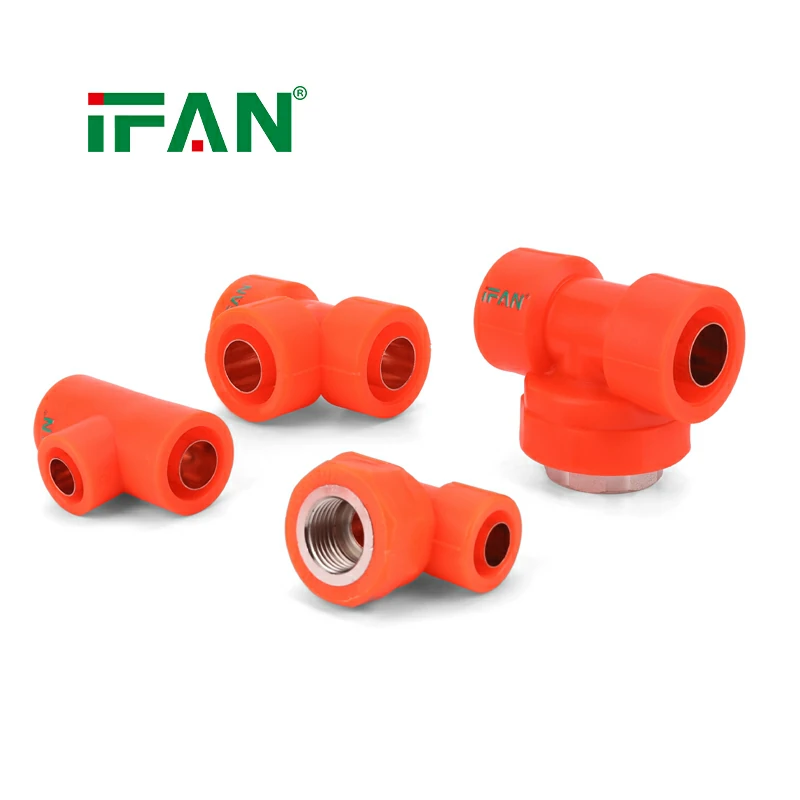
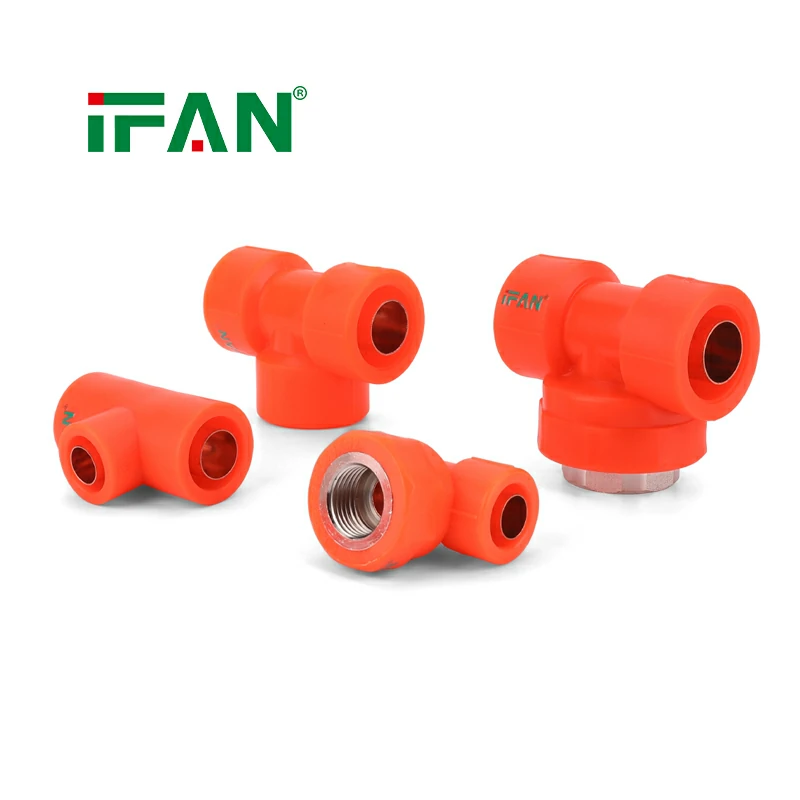
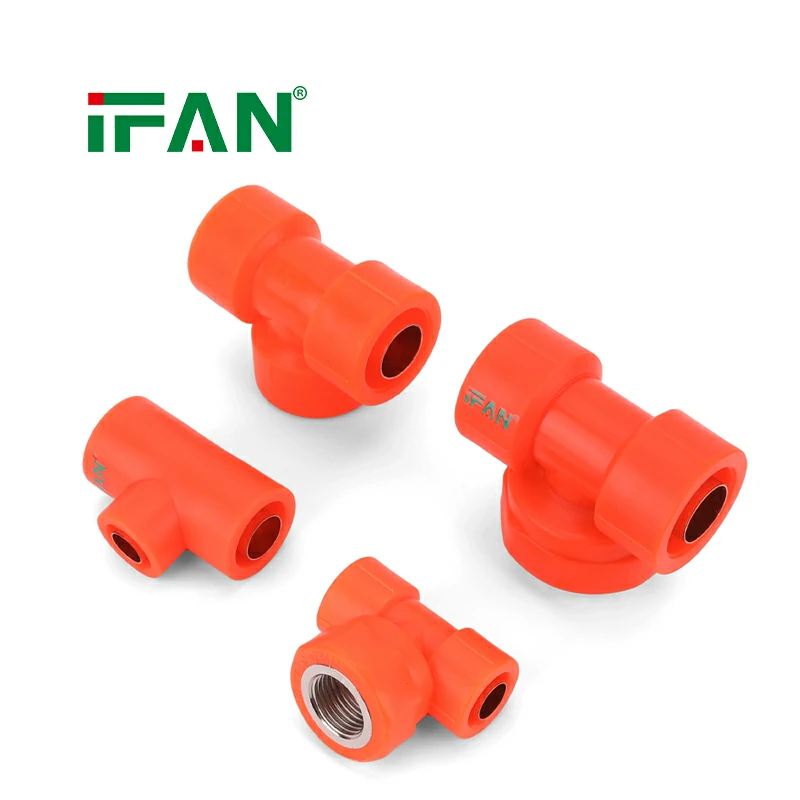
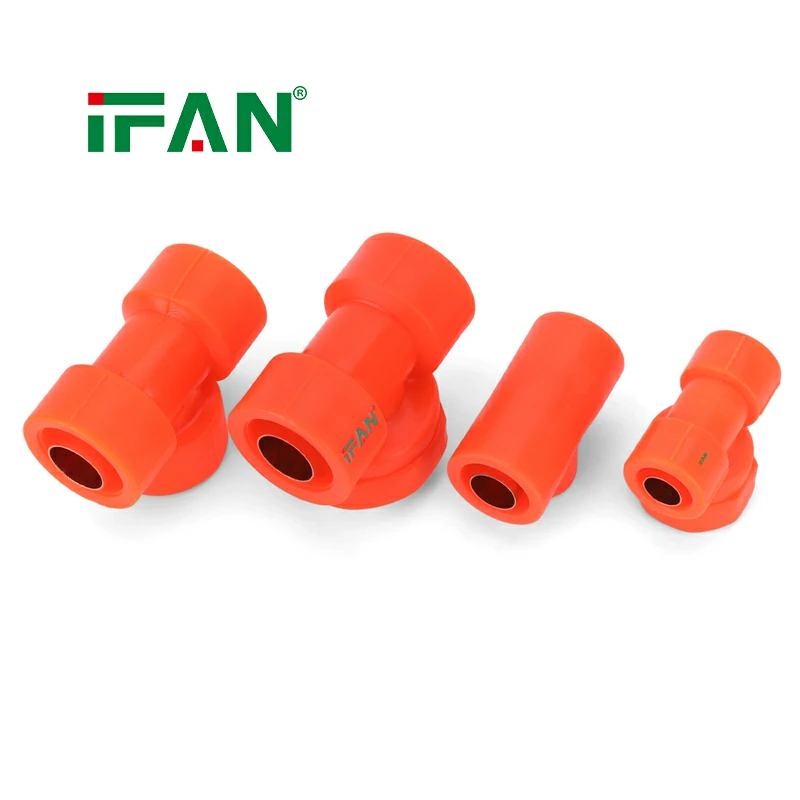
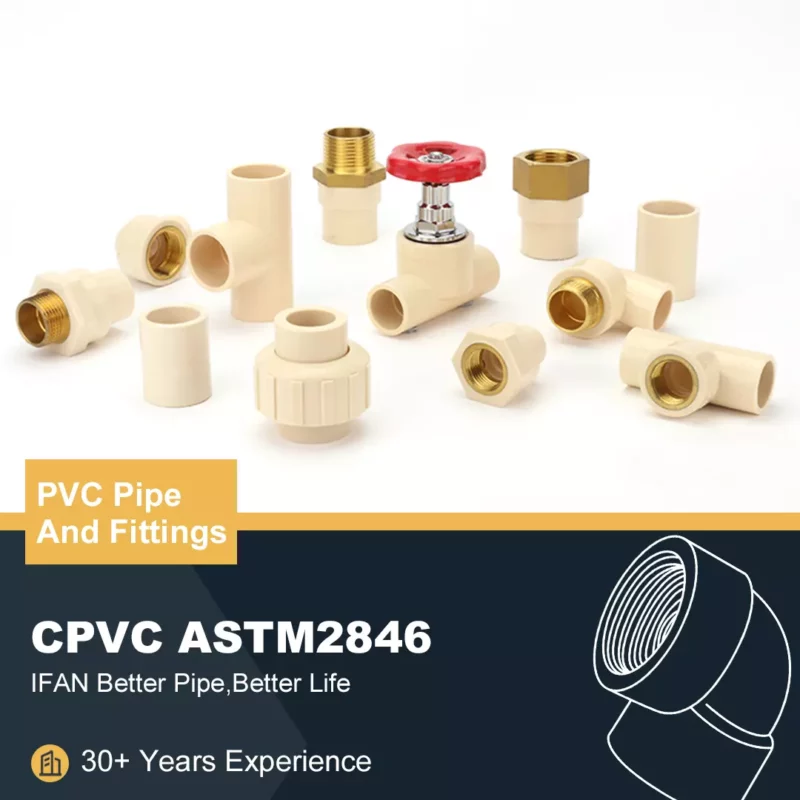
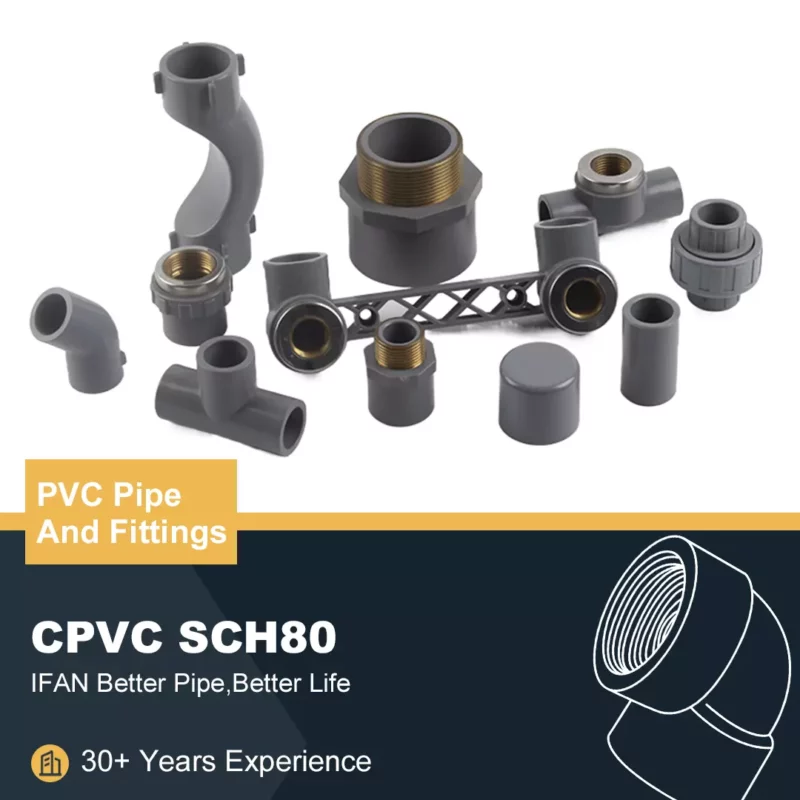
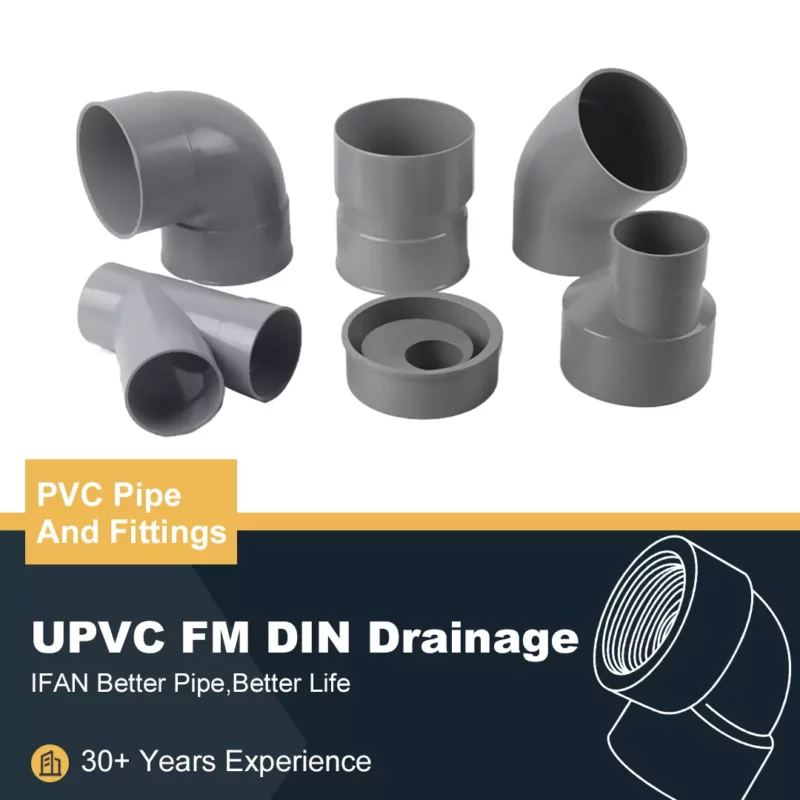
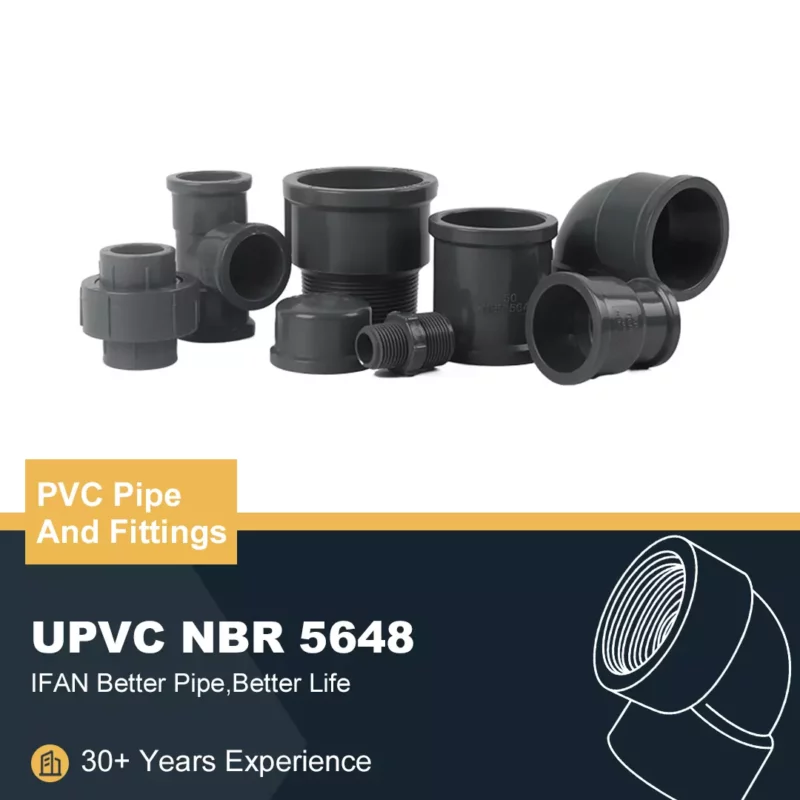
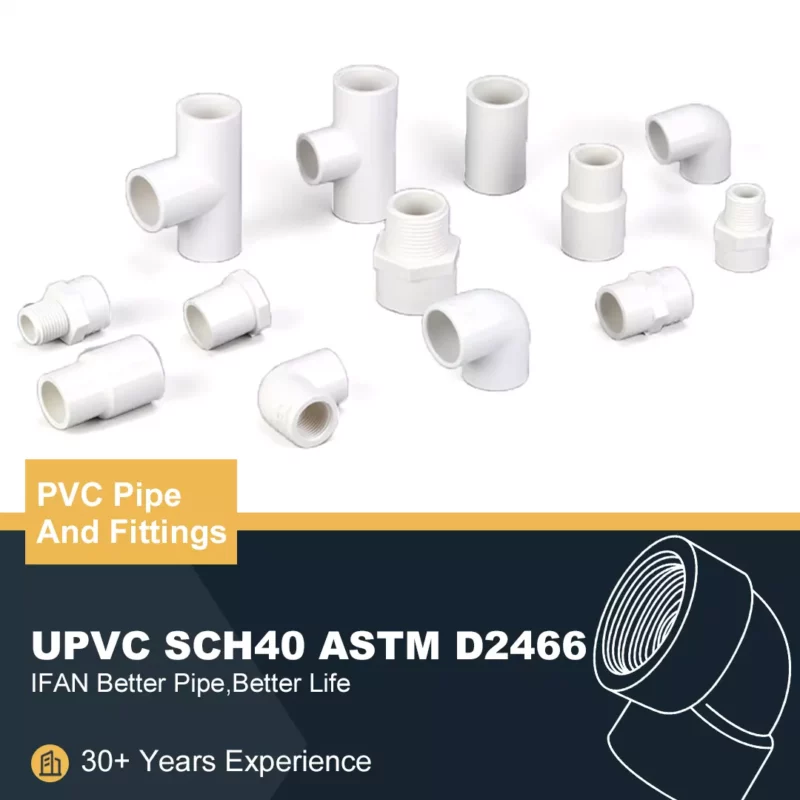
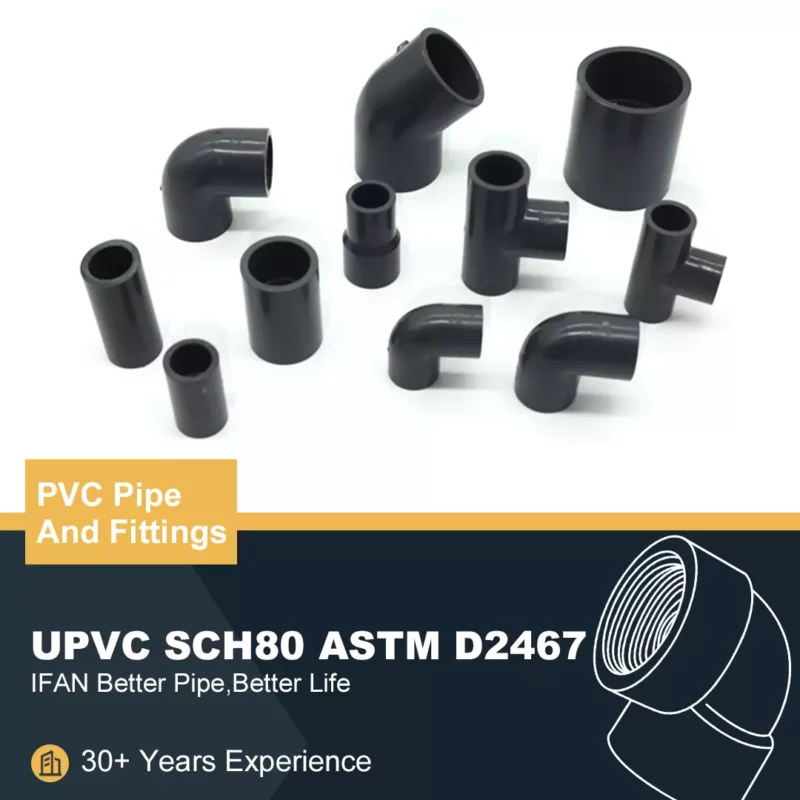
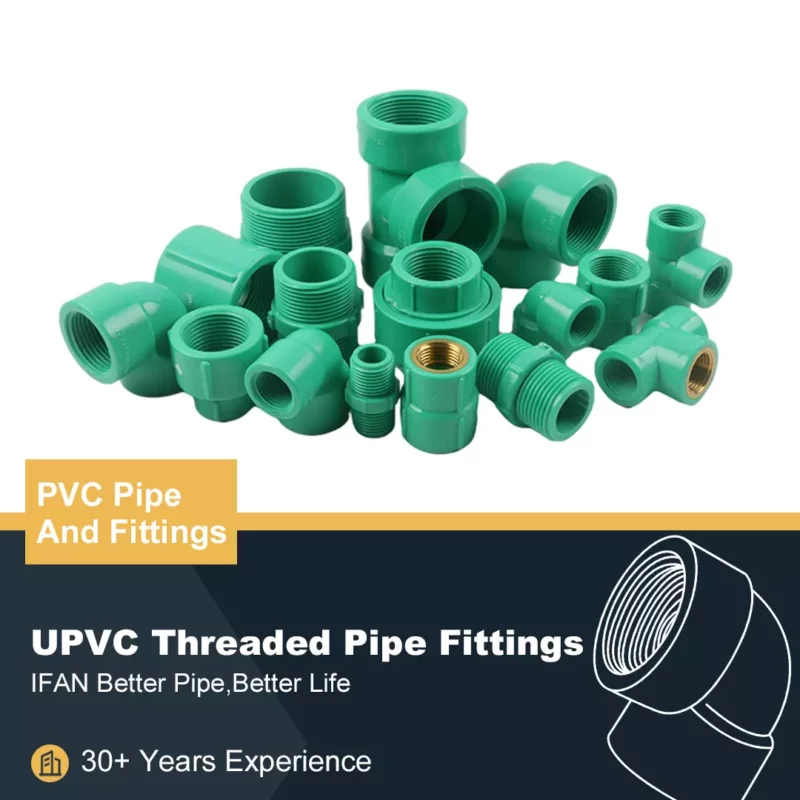
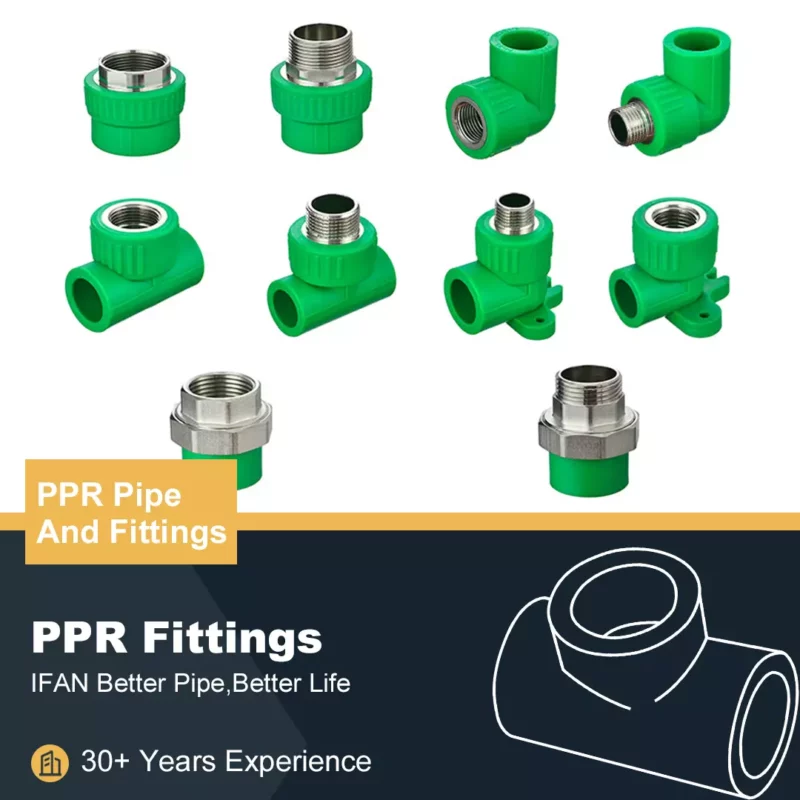
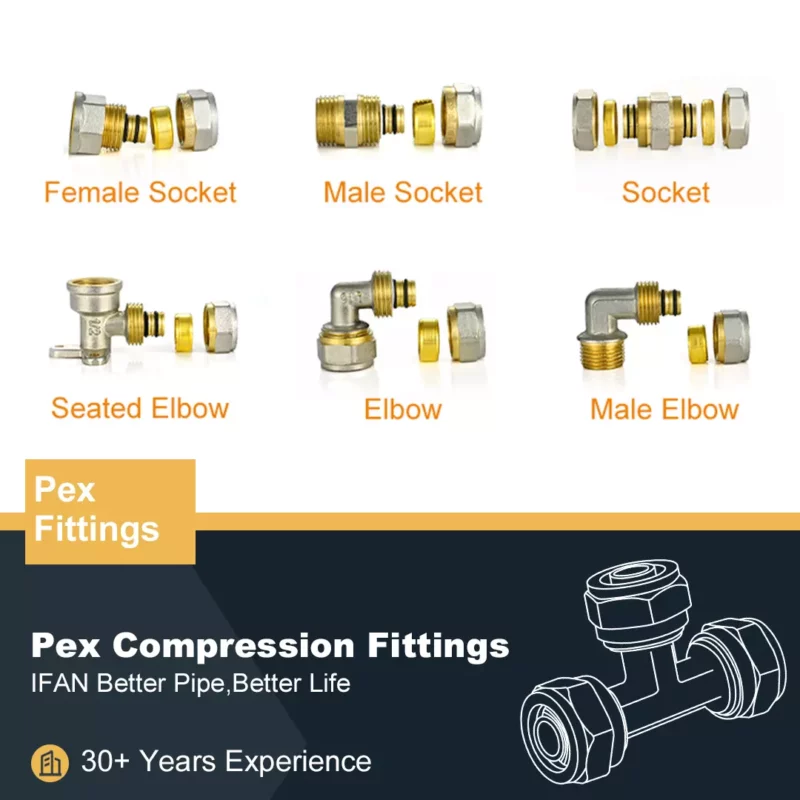
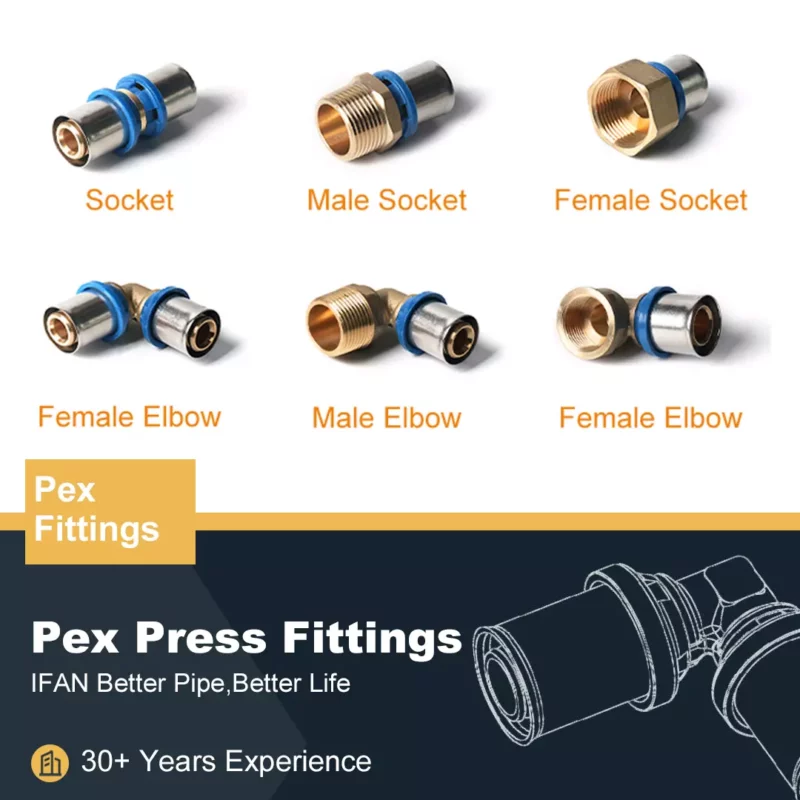
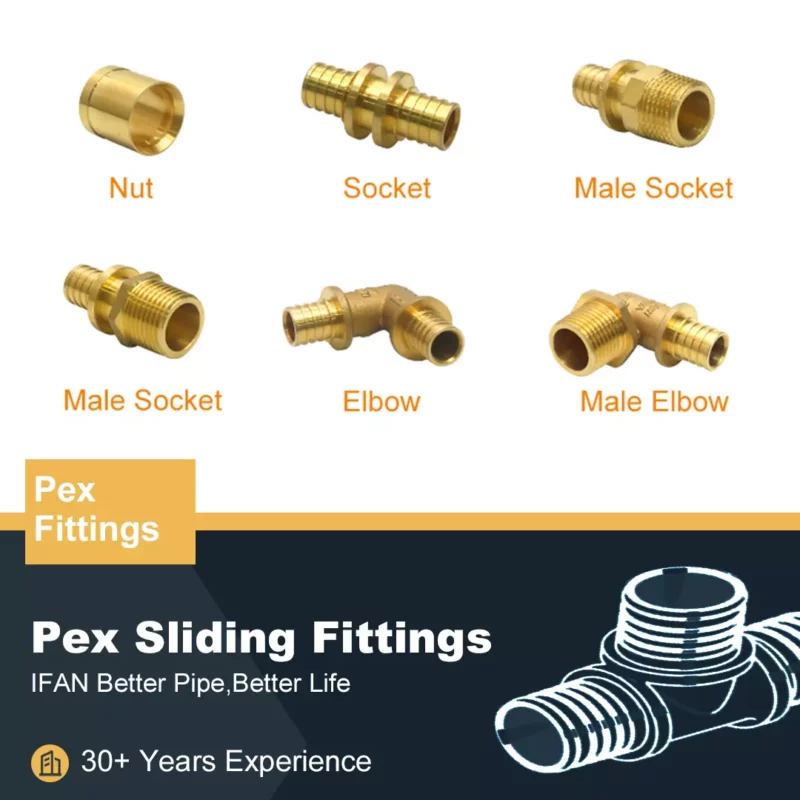
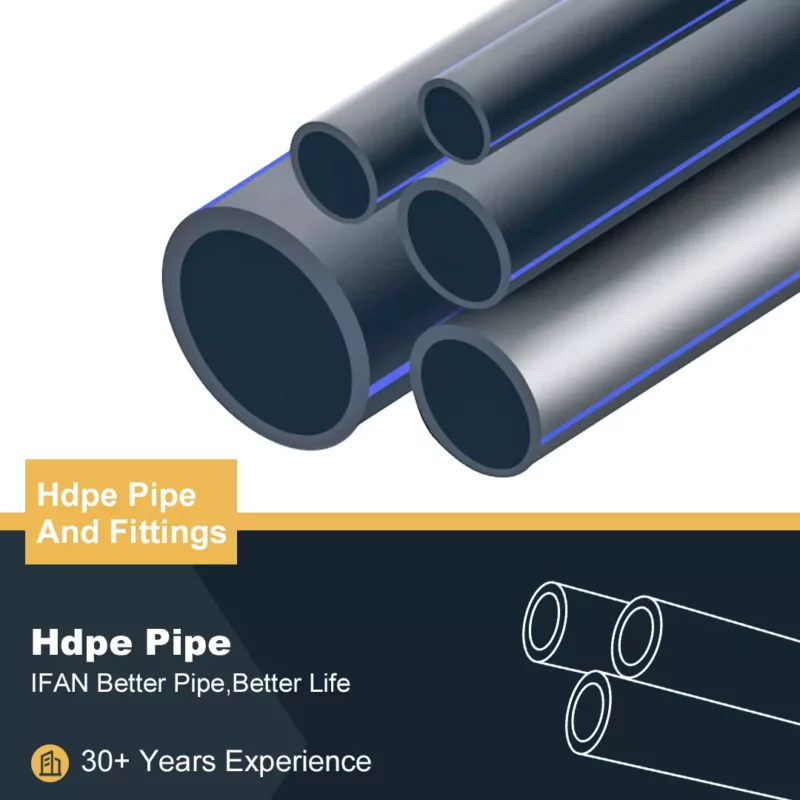
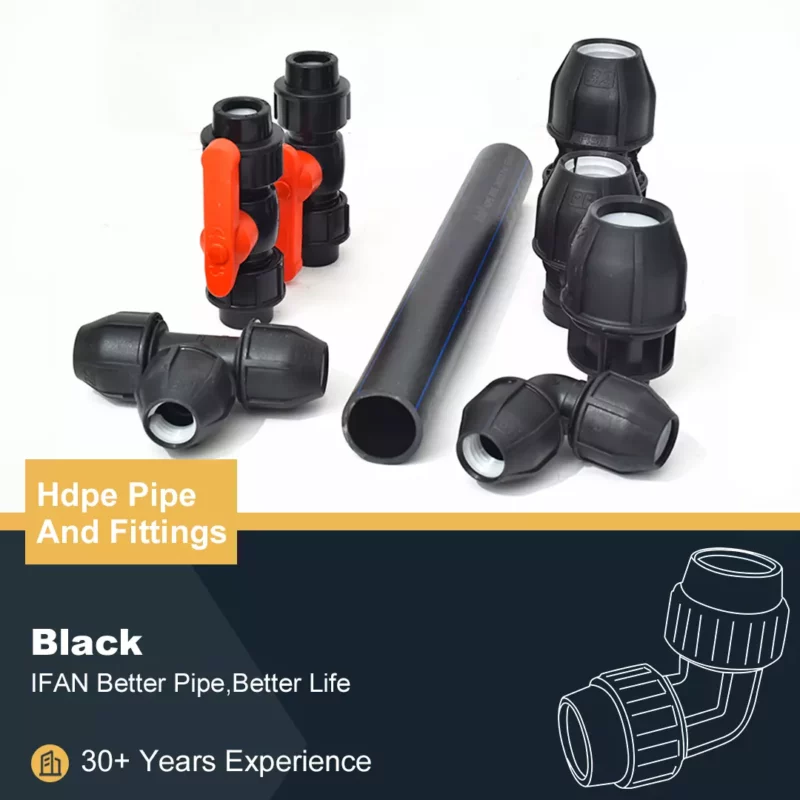
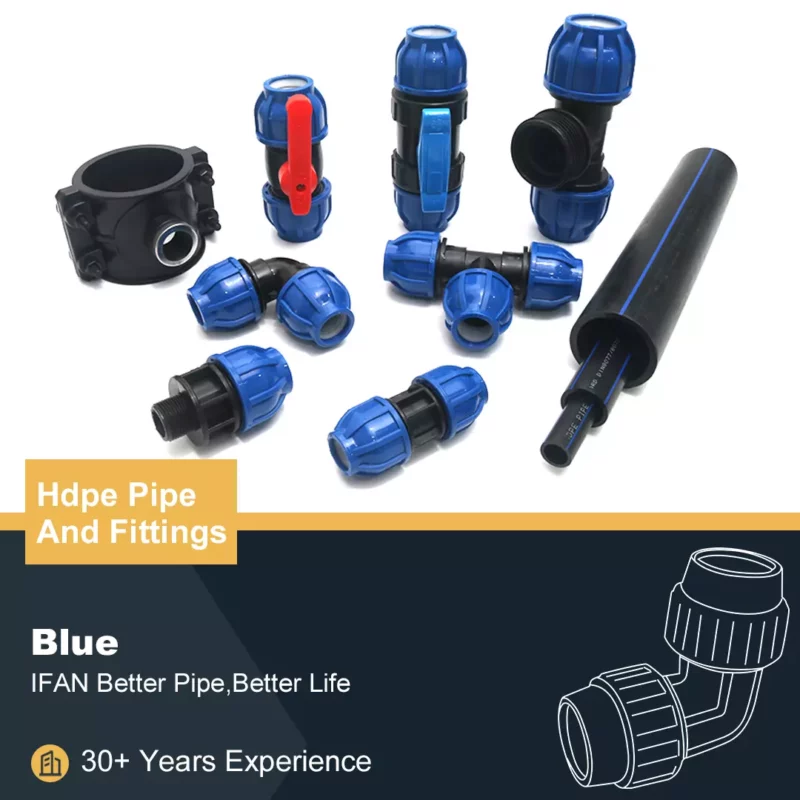
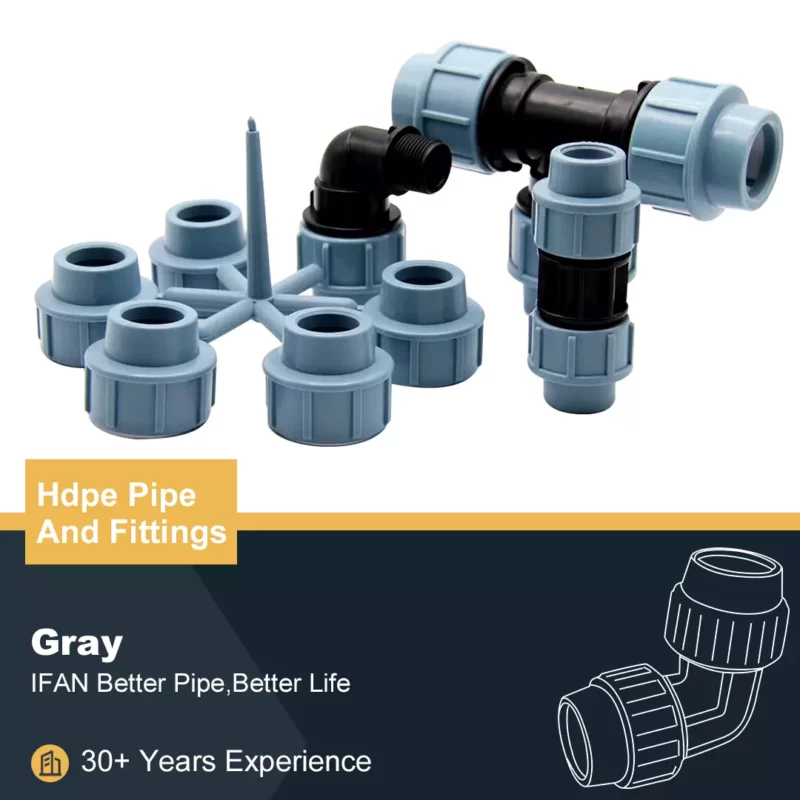
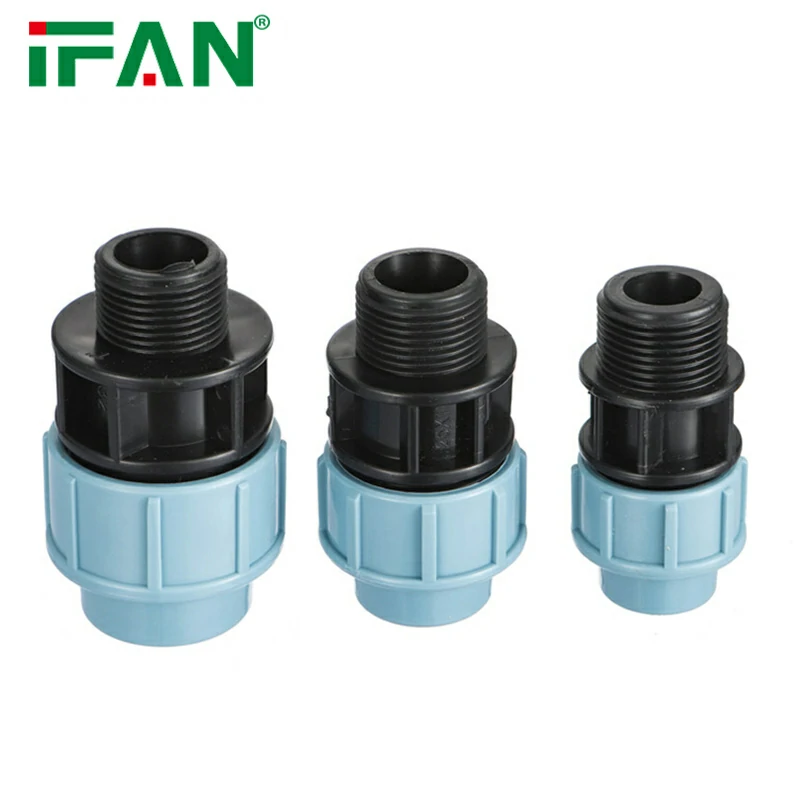
HDPE Pipe Fittings refer to connectors made from High-Density Polyethylene, used to join, redirect, or control flow in piping networks. These include elbows, tees, couplings, and flanges designed for various industrial and residential applications. HDPE material is a thermoplastic polymer renowned for its high strength-to-density ratio, making it ideal for demanding environments. Buyers should note that these fittings are manufactured through extrusion or injection molding processes, ensuring consistent quality and performance. Understanding the basic composition helps in evaluating their suitability for specific projects.
Core Functions and Key Advantages
HDPE Fittings offer multiple functions such as creating leak-proof connections, providing exceptional corrosion resistance, and allowing for system flexibility. They excel in preventing chemical degradation from acids, alkalis, and other aggressive substances, which is crucial in water supply, mining, and agricultural systems. Additionally, their lightweight nature reduces installation costs and time compared to metal alternatives. Key advantages include an exceptionally long service life (often exceeding Long-term durability according to standards), very low maintenance requirements, and inherent resistance to UV radiation and extreme temperatures. For buyers, this translates to significantly reduced operational costs and enhanced system reliability, especially in harsh conditions.
Material Properties and Technical Specifications
The material properties of HDPE Pipe Fittings include high impact strength, which prevents brittle cracking under pressure, and a smooth inner surface that minimizes fluid friction loss. Technically, these fittings have a density range of 0.941 to 0.965 g/cm³, which contributes to their durability. Buyers should pay close attention to pressure ratings (e.g., PN10 or PN16 for pressure classes) and dimensional standards like ISO 4427 or ASTM D3035 to ensure compatibility. Furthermore, HDPE is a fully recyclable material, aligning with modern eco-friendly initiatives. A deep understanding of these specifications is essential for preventing performance issues in the field.
Common Applications and Use Cases
HDPE Fittings are widely used in potable water systems, sewage networks, gas distribution, and industrial slurry pipelines. For instance, in agricultural irrigation projects, they provide highly efficient water management due to their superior resistance to clogging and abrasion from suspended particles. In mining applications, they expertly handle abrasive slurry transport without significant wear. Buyers can benefit from real-world examples, such as a municipal water project using HDPE elbows to reduce joint failures, or a chemical plant employing HDPE tees for safe and reliable chemical handling. These diverse applications highlight the fittings’ remarkable adaptability.
Key Considerations for Buyers
When selecting HDPE Pipe Fittings, buyers must consider several critical factors. These include size compatibility (focusing on metrics like outer diameter and Standard Dimension Ratio, or SDR), the appropriate connection method (butt fusion, electrofusion, or mechanical joints), and necessary certifications from international bodies like NSF or WRAS. It is also vital to evaluate the supplier’s credibility and request product testing reports to avoid substandard goods. Remember, true cost-effectiveness is not just about the initial purchase price; long-term benefits like reduced downtime and minimal repair costs are paramount. By focusing on these aspects, buyers can source reliable fittings that meet exact project specifications and stringent regulatory standards.
Conclusion
In summary, HDPE Pipe Fittings are indispensable for constructing robust and long-lasting piping solutions. By grasping their fundamental functions, detailed material properties, and practical applications, buyers can significantly optimize their procurement strategies. Always verify technical data and choose products that align precisely with specific operational needs to ensure decades of trouble-free performance.
If you have read this article and have any questions, please feel free to contact IFAN. Below is our contact information:
Whatsapp:+86 13373827623
Email:[email protected]