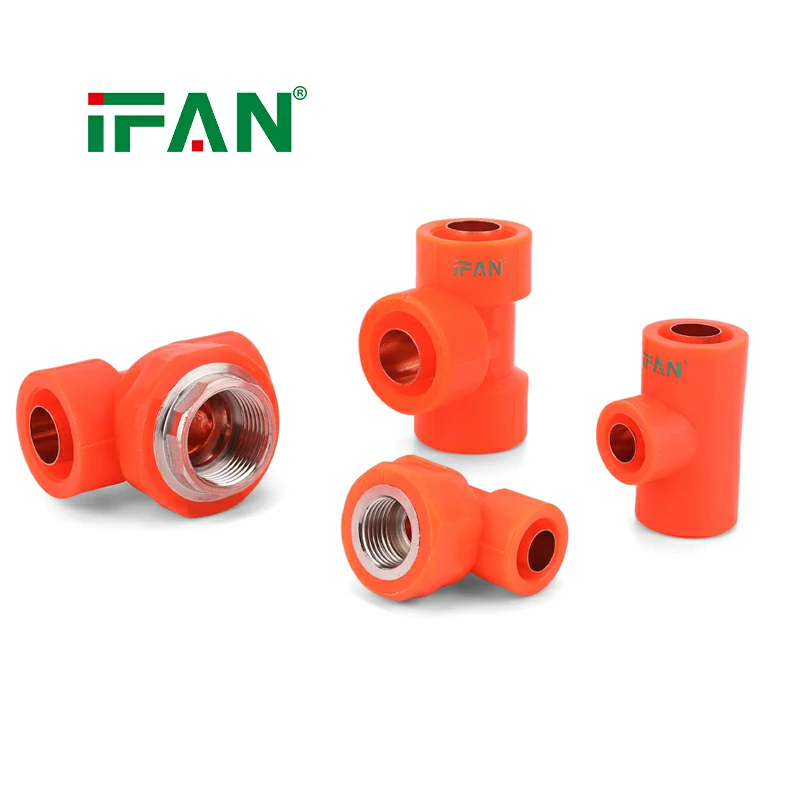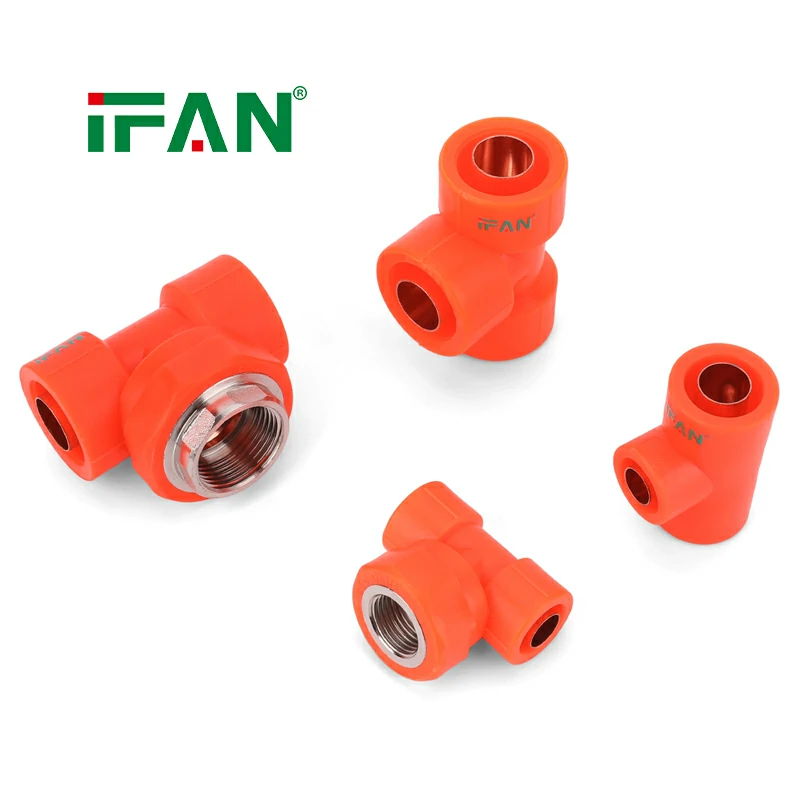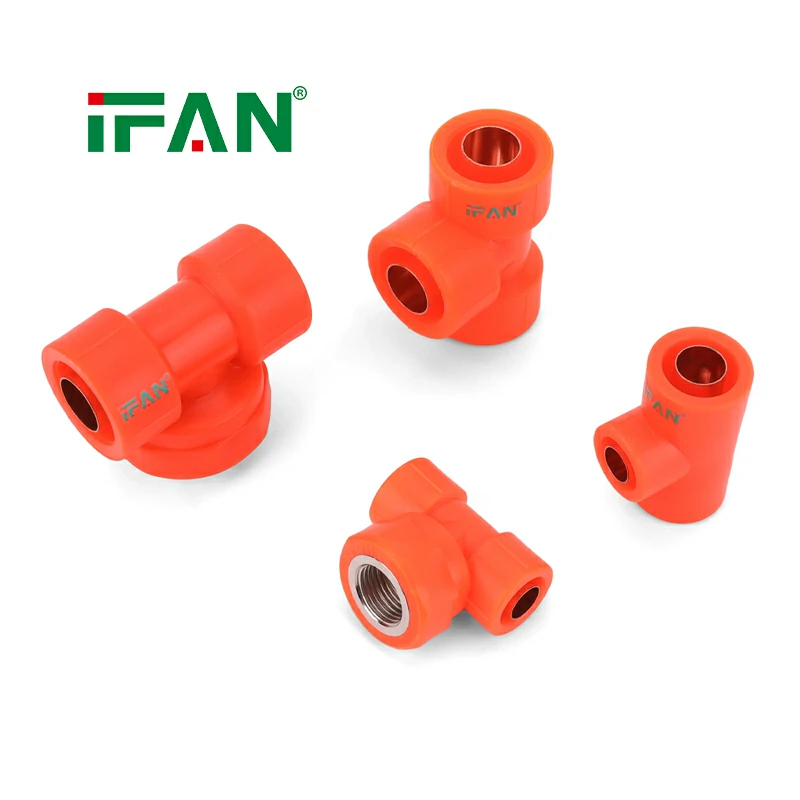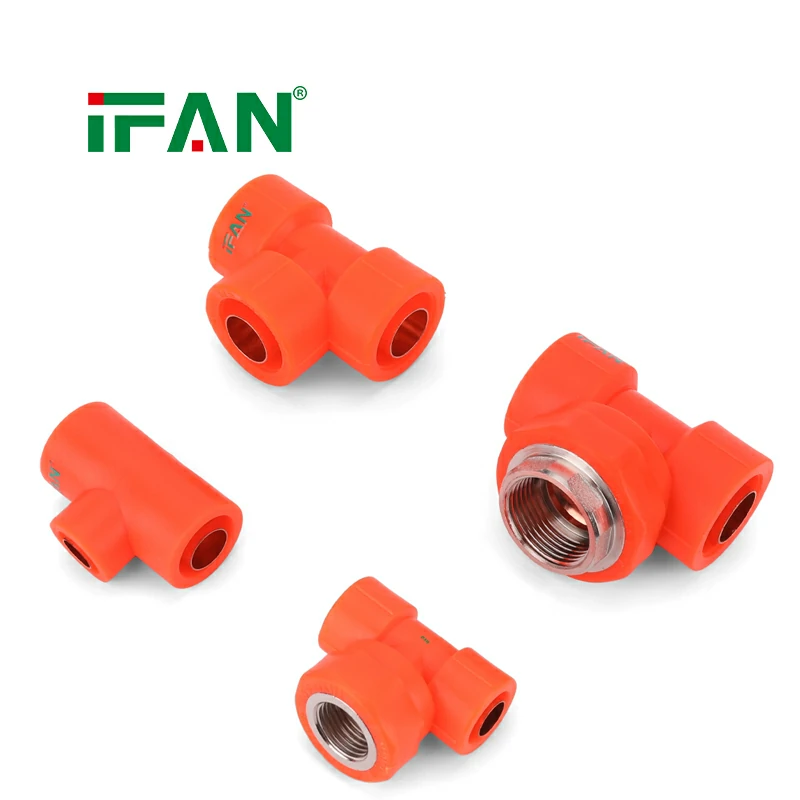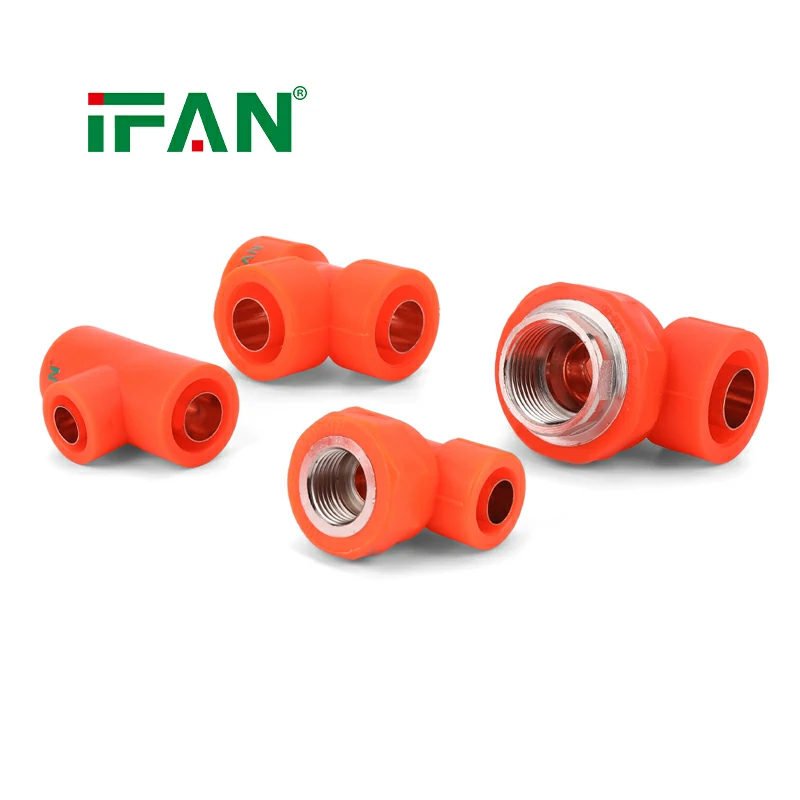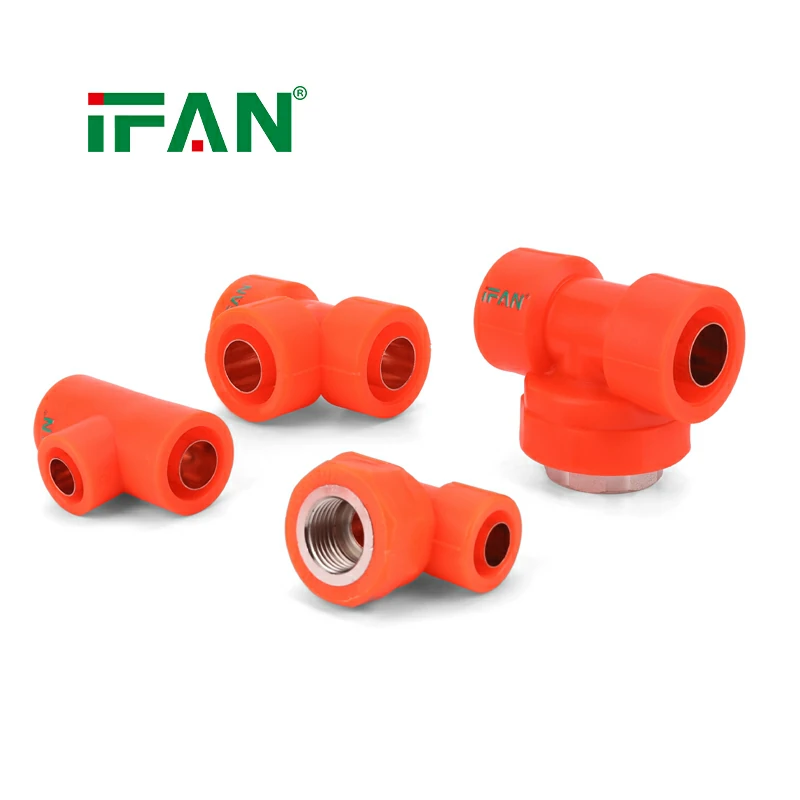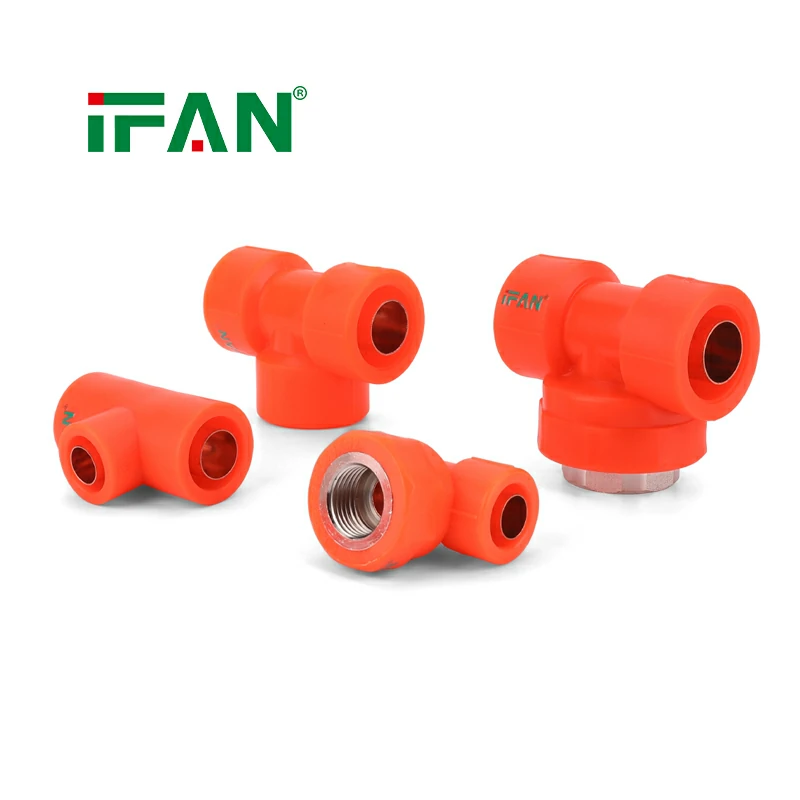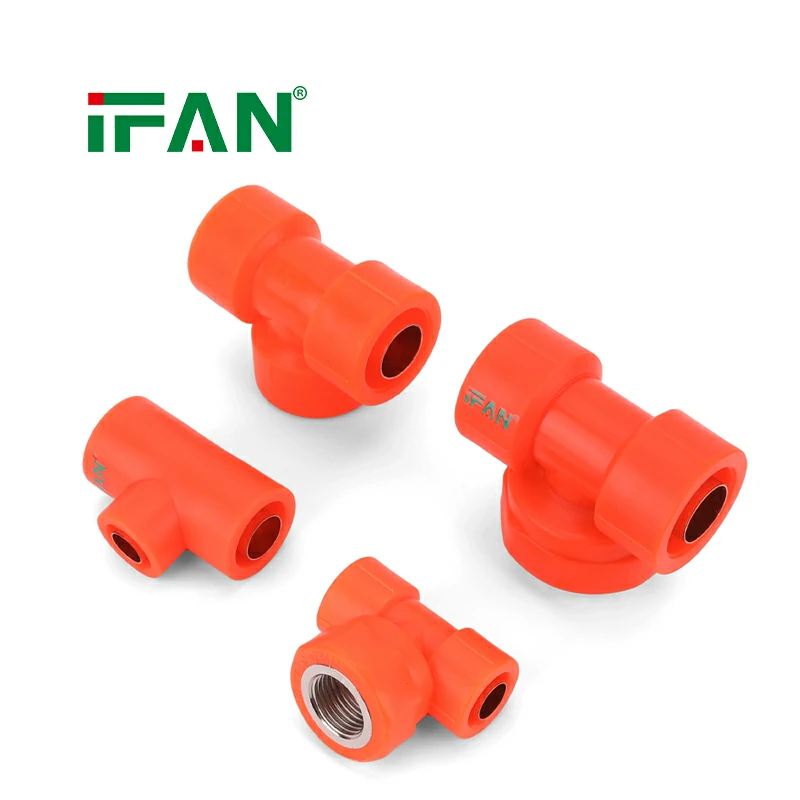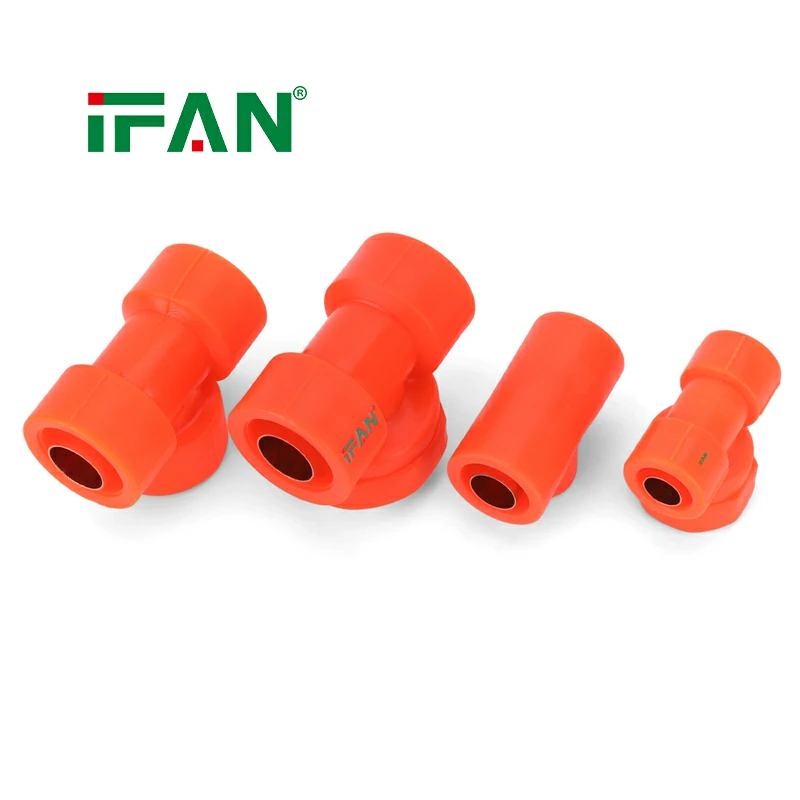


The Ministry of Water Resources has officially endorsed the adoption of new-generation PPR pipe fittings as a strategic solution to combat the country’s persistent water loss problem. This endorsement comes as municipalities nationwide grapple with aging water infrastructure that contributes to significant non-revenue water losses annually.
PPR Fitting The Growing Water Crisis
Statistics from the ministry reveal alarming figures: approximately 25-30% of treated water never reaches consumers due to leaks and pipe failures in distribution systems. In some older urban areas, this loss rate escalates to nearly 40%. “We’re literally watching our most precious resource disappear through cracks in our infrastructure,” says a senior ministry official who requested anonymity.
The economic impact is staggering. A medium-sized city with 500,000 residents can lose up to $2 million annually through water leakage. Multiply this across hundreds of cities, and the national economic burden becomes enormous.
Why PPR Fitting Make a Difference
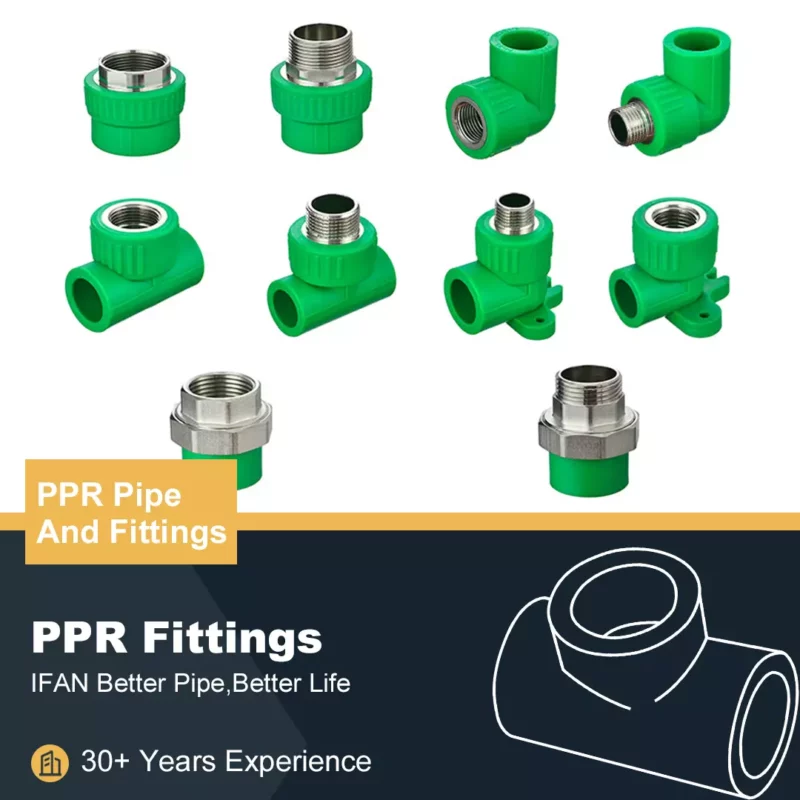
Traditional plumbing systems using metallic pipes and threaded connections have inherent weaknesses that PPR fittings address directly. “The fundamental problem with threaded connections is they create natural failure points,” explains engineer Michael Chen, who has overseen multiple municipal upgrade projects. “PPR fittings eliminate this through heat fusion technology that creates seamless, monolithic joints.”
Field tests conducted in three pilot cities demonstrated remarkable results. Areas converted to PPR systems showed leakage reductions of 18-22% within the first year. Maintenance costs dropped by approximately 35% as emergency repair calls diminished significantly.
Real-World Implementation
The city of Bristol provides a compelling case study. Facing a 32% water loss rate in its older districts, the municipal water authority initiated a phased replacement program using PPR fittings. “We started with our most problematic areas – neighborhoods where we were dispatching repair crews weekly,” recalls project manager Sarah Williamson.
Two years into the program, results have exceeded expectations. “We’ve reduced our non-revenue water by 26% in upgraded areas. More importantly, resident complaints about water pressure issues have virtually disappeared,” Williamson notes.
The transition hasn’t been without challenges. Retraining plumbing crews accustomed to working with metal pipes required significant investment. “There was initial resistance,” admits veteran plumber James Robertson. “But once we saw how much faster we could work and how much cleaner the installations were, we became believers.”
Economic and Environmental Benefits
Beyond water conservation, PPR fittings offer substantial economic advantages. While initial material costs are comparable to quality metal fittings, the long-term savings are compelling. “We’re seeing 50-60% reductions in maintenance costs in PPR-equipped systems,” reports financial analyst David Chen. “The absence of corrosion and the durability of the joints translate to massive savings over the system’s lifespan.”
Environmental benefits extend beyond water preservation. The manufacturing process for PPR fittings consumes less energy than metal pipe production, and the material is fully recyclable. Additionally, the smooth interior surface reduces pumping energy requirements by maintaining consistent flow rates.
Looking Ahead
The ministry’s endorsement includes updated building codes that prioritize PPR systems in new construction and major renovations. Training programs for installers are being expanded at technical schools nationwide. “We’re not just changing pipes; we’re changing mindsets about water infrastructure,” says the ministry official.
As climate change intensifies water scarcity concerns, technologies like PPR fittings represent practical solutions with immediate impact. For municipalities struggling with aging infrastructure and shrinking water resources, this endorsement offers a clear path forward – one where every drop of treated water actually reaches its intended destination.
If you have read this article and have any questions, please feel free to contact IFAN. Below is our contact information:
Whatsapp:+86 13373827623
Email:[email protected]