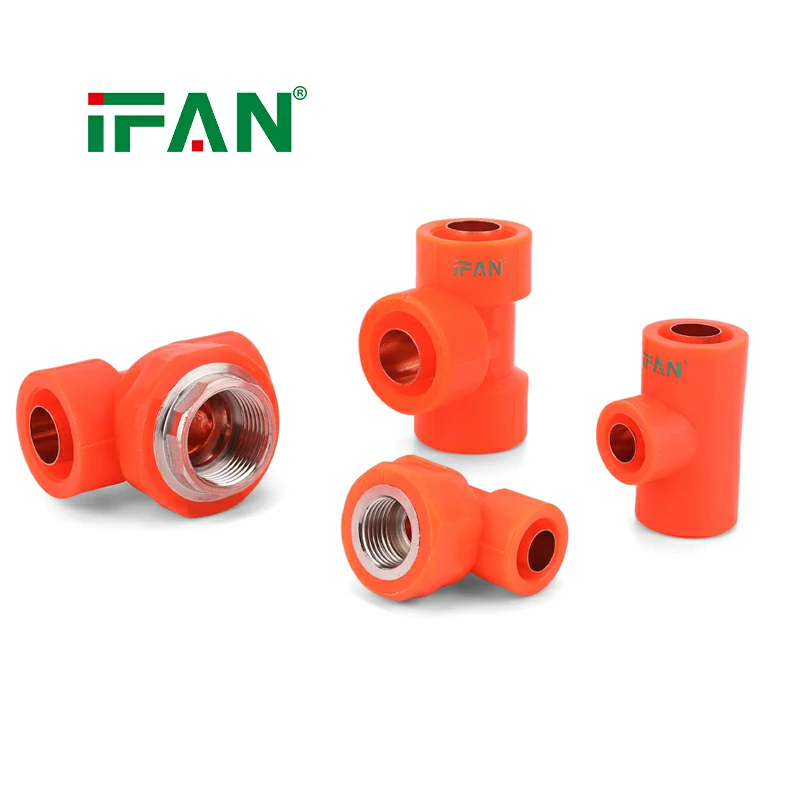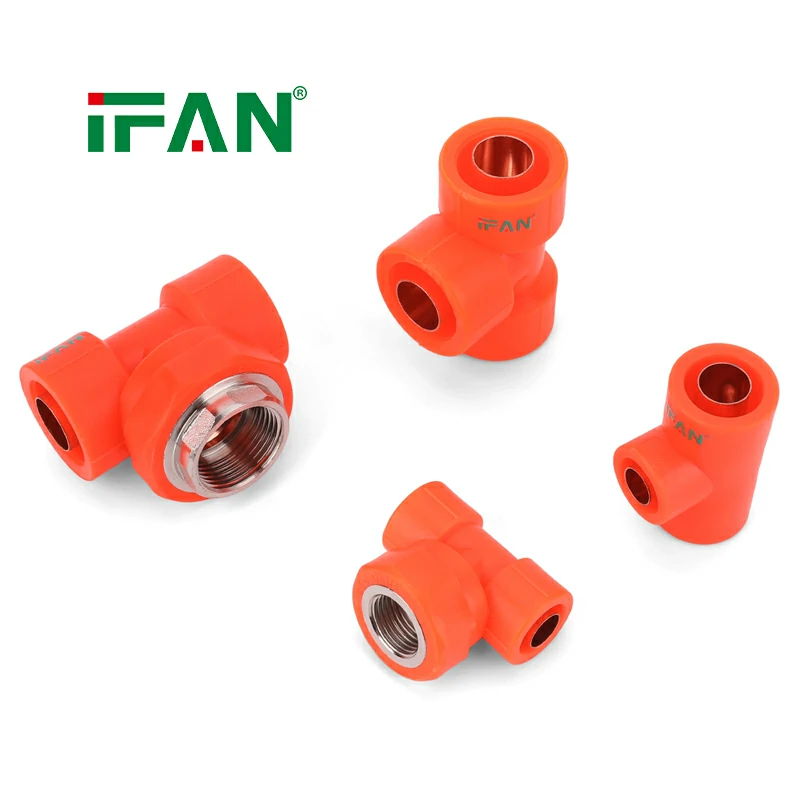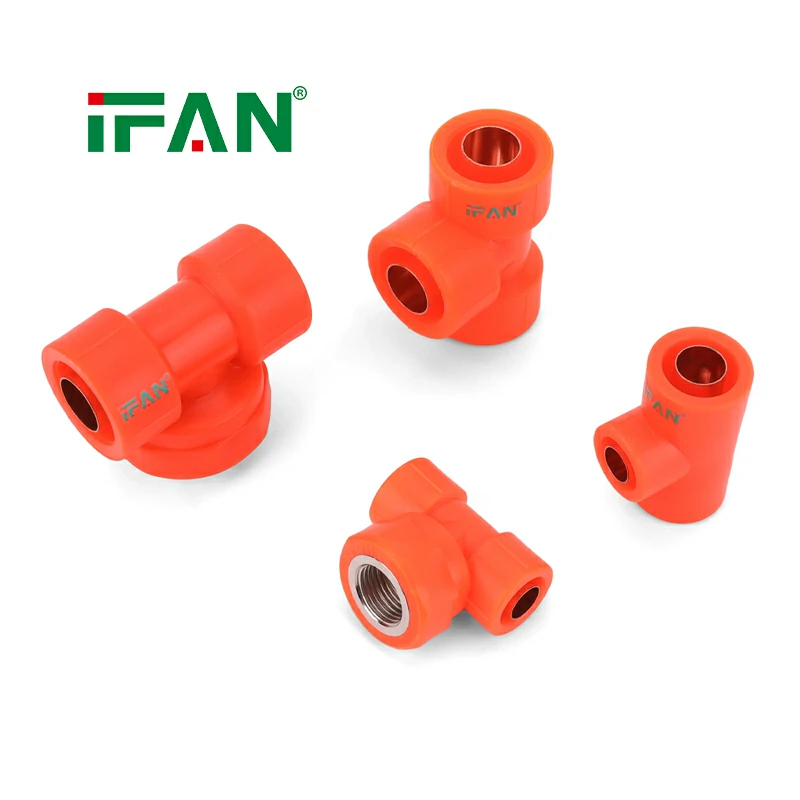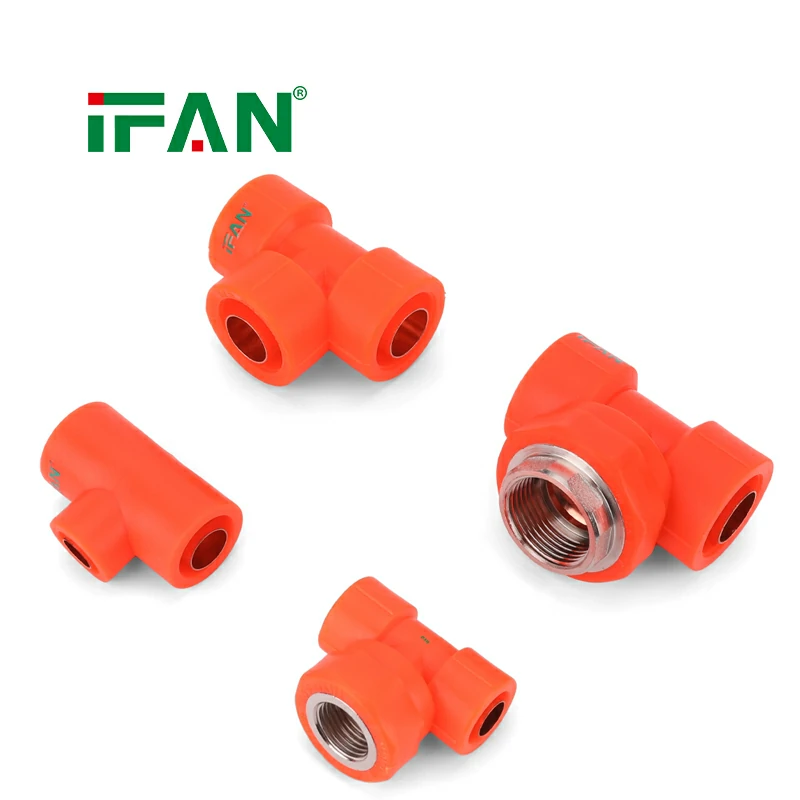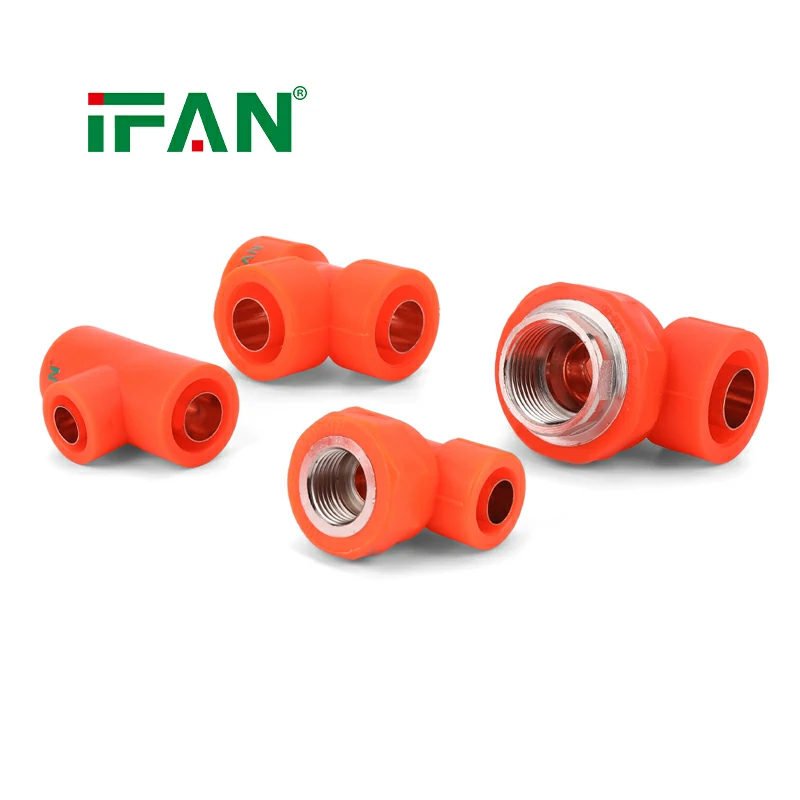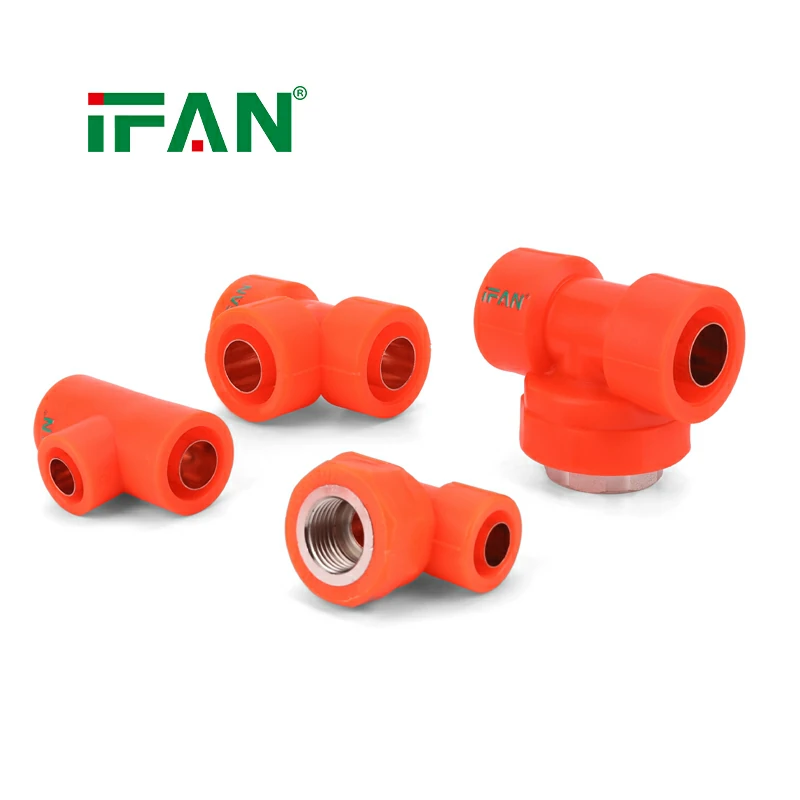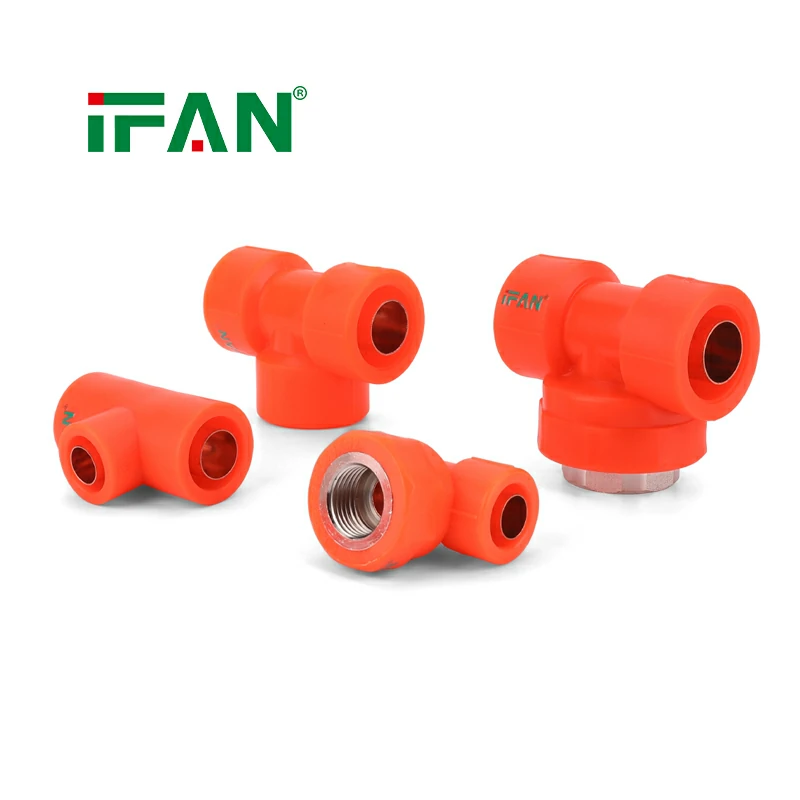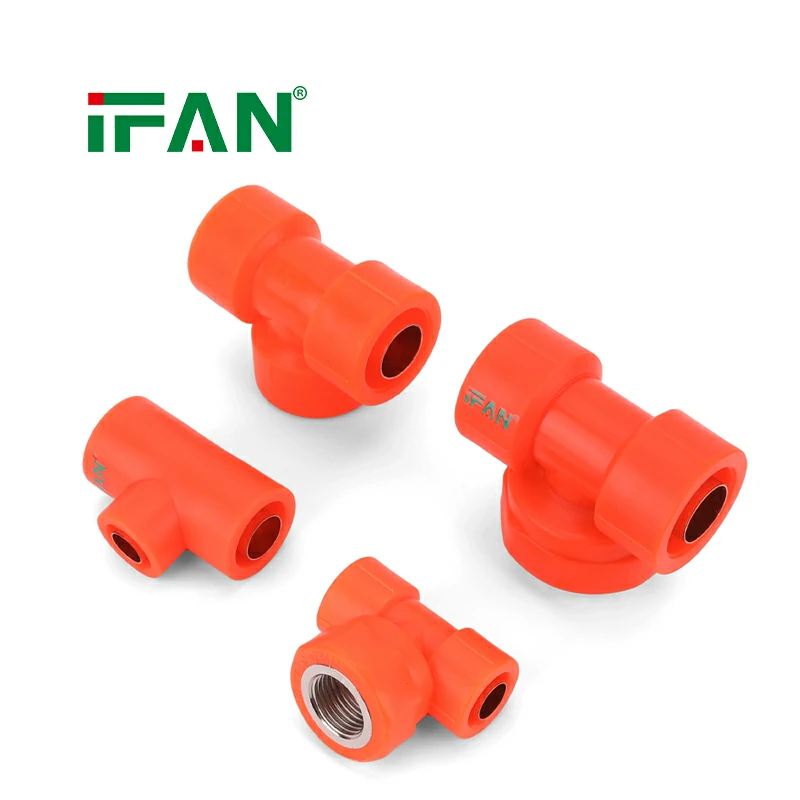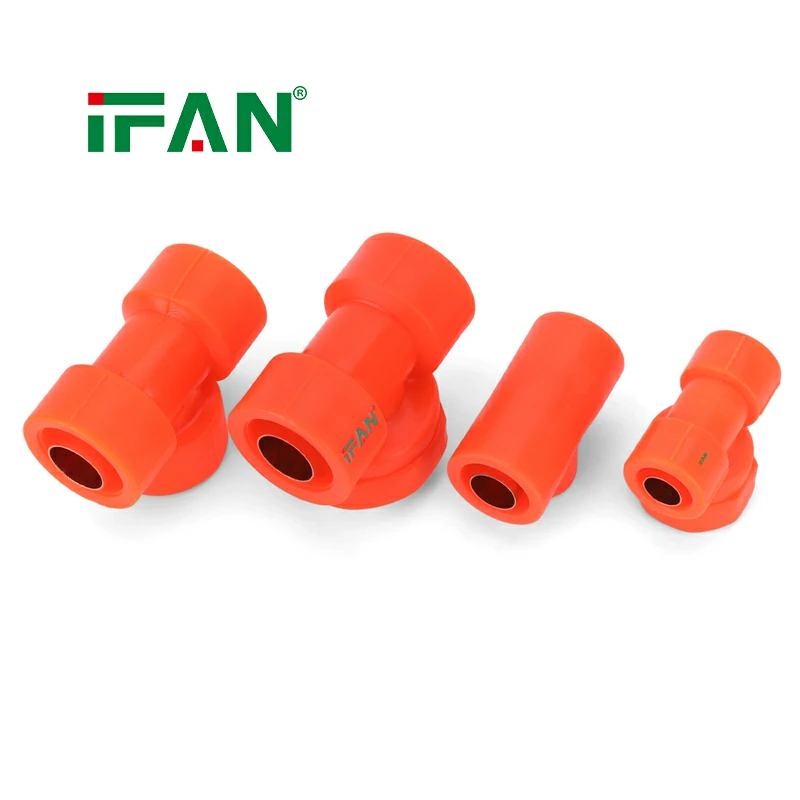
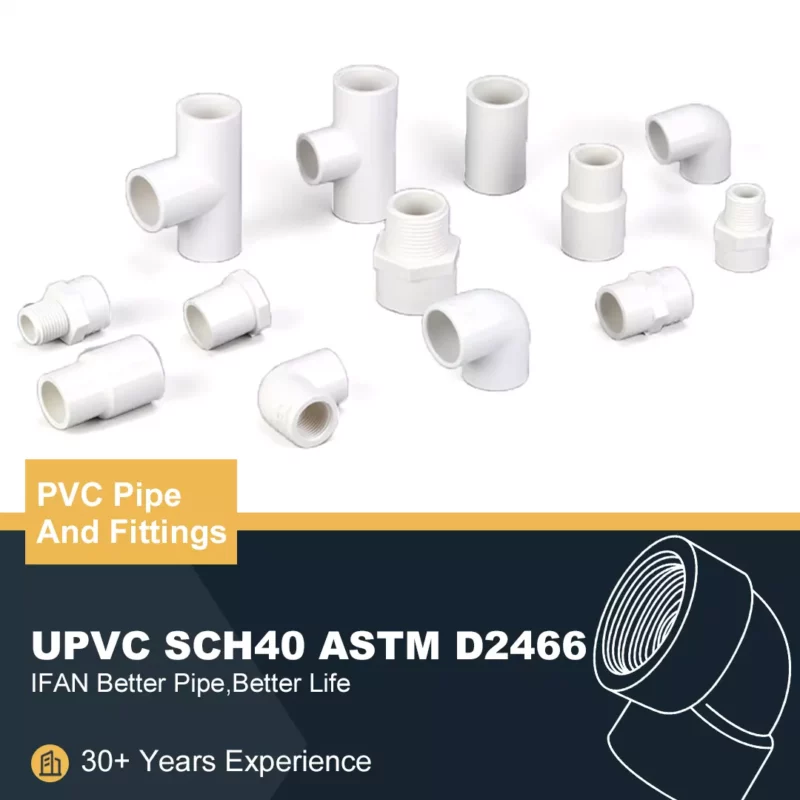
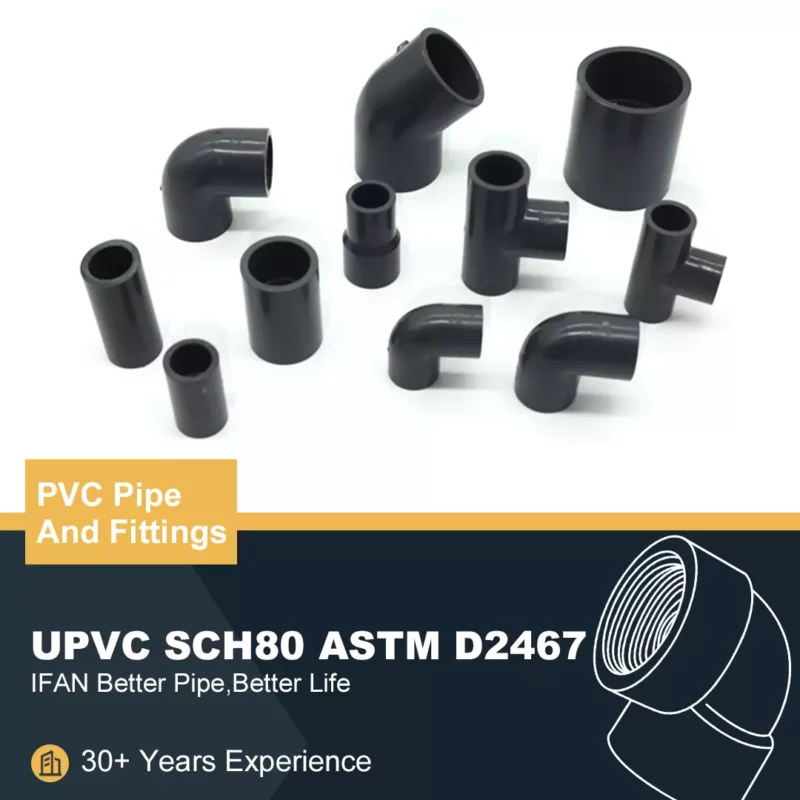
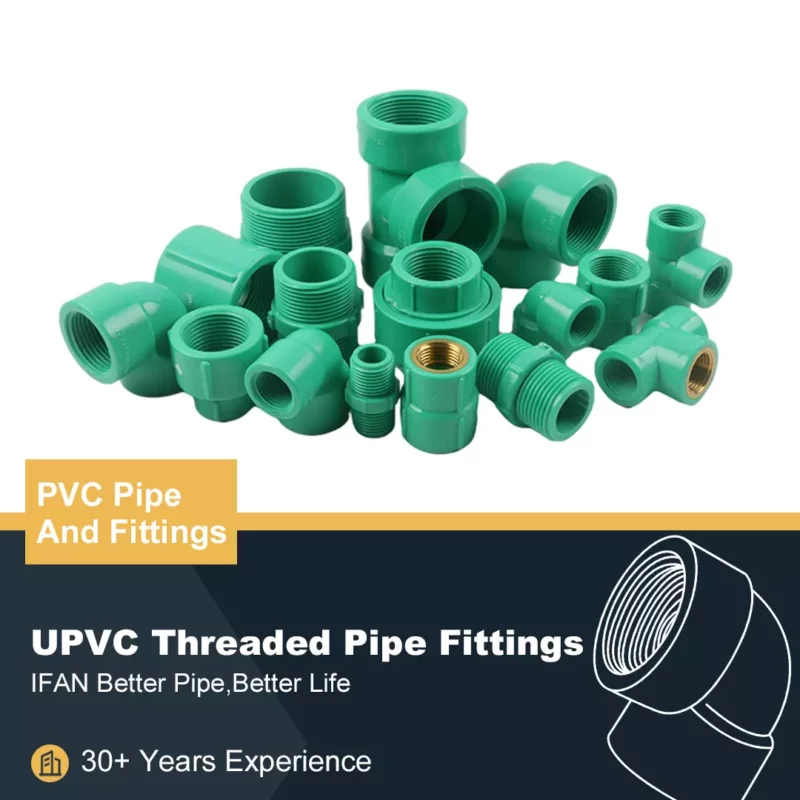
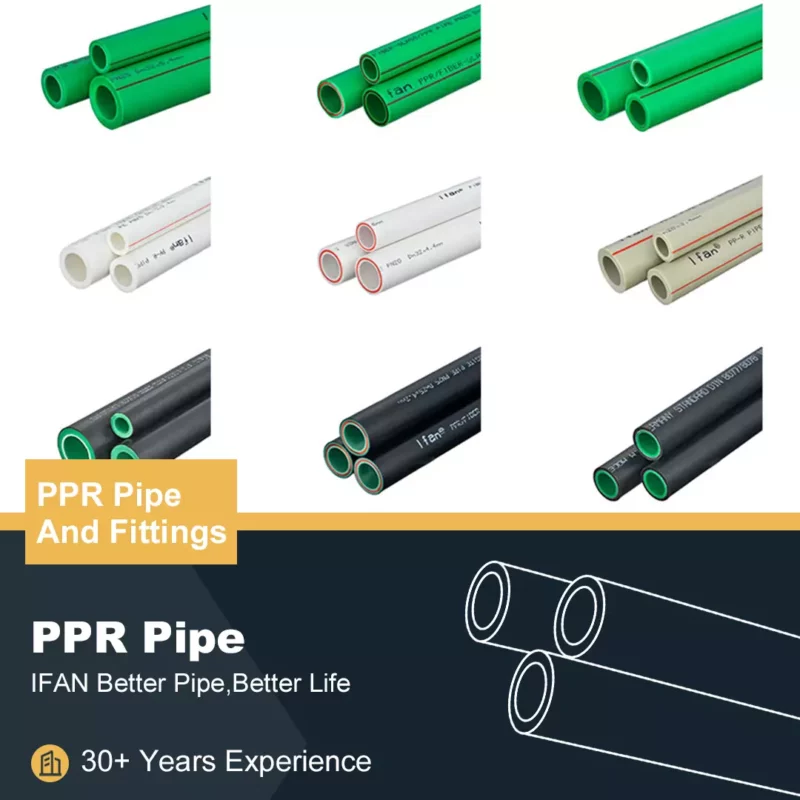
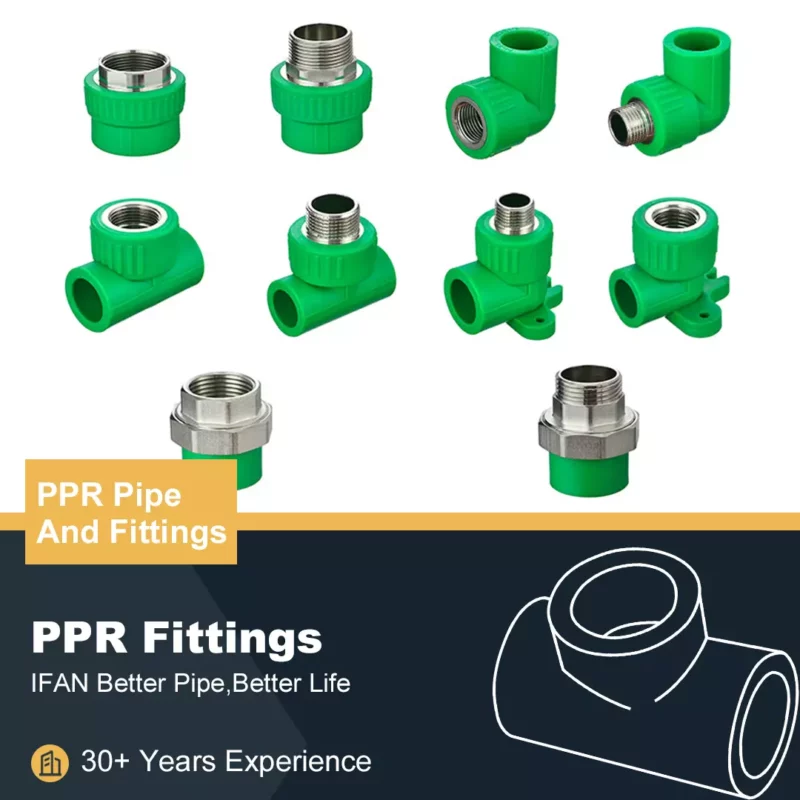



The global water crisis represents one of the most pressing challenges of our time, with non-revenue water (NRW) – water that is produced but lost before reaching consumers – accounting for staggering losses in municipal systems worldwide. In this critical context, PPR fittings and piping systems are emerging as a revolutionary technological solution, offering municipalities, property owners, and water authorities an effective weapon in the battle against water leakage. The unique properties of Polypropylene Random Copolymer (PPR) systems present a compelling case for their widespread adoption as the new standard for water distribution networks seeking to minimize losses and maximize efficiency.
Understanding the Water Loss Crisis
Water loss through leaking pipes represents both an environmental tragedy and an economic disaster. Current statistics reveal alarming realities:
Global Impact:
- According to World Bank estimates, many cities lose between 25-50% of treated water through distribution system leaks
- This represents billions of dollars in lost revenue annually for water utilities worldwide
- Significant energy waste from treating and pumping water that never reaches consumers
- Environmental damage through unnecessary water extraction from natural sources
Traditional System Failures:
Conventional plumbing materials, particularly metallic systems, contribute significantly to water loss through:
- Corrosion-induced failures in iron and steel pipes
- Joint deterioration in threaded connections over time
- Mineral buildup that weakens pipe walls and restricts flow
- Thermal expansion issues leading to connection failures
The Science Behind PPR’s Leak-Resistant Properties
PPR fittings achieve their remarkable leak-resistant characteristics through advanced material science and innovative joining technology:
Material Superiority:
- Complete Corrosion Immunity: Unlike metal pipes, PPR fittings are entirely resistant to electrochemical corrosion, rust, and scaling
- Chemical Inertness: The inert nature of polypropylene makes PPR fittings resistant to aggressive water conditions and disinfectants
- Thermal Stability: PPR fittings maintain dimensional stability across temperature fluctuations from -10°C to 95°C
- Hydrostatic Strength: Exceptional pressure resistance maintaining integrity under variable system pressures
Revolutionary Fusion Technology:
The core innovation of PPR fittings lies in their heat fusion joining method:
- Creates homogeneous molecular bonds between fitting and pipe
- Eliminates the joint as a potential failure point in the system
- Produces connections stronger than the pipe material itself
- Ensures permanent leak-proof seals throughout the system lifespan
Comparative Performance Analysis
Versus Galvanized Iron Systems:
- GI systems typically develop pinhole leaks within 10-15 years due to internal corrosion
- PPR fittings maintain zero corrosion throughout their 50+ year service life
- Installation time reduced by approximately 60% with PPR systems
- Water loss prevention significantly higher with PPR fittings
Versus Copper Plumbing:
- Copper systems suffer from pitting corrosion and joint failures over time
- PPR fittings eliminate the environmental impact of soldering materials
- Material costs for PPR systems average 30-40% less than copper equivalents
- Superior thermal characteristics reduce stress on PPR fittings systems
Versus CPVC Alternatives:
- CPVC becomes brittle over time and requires chemical solvents for joining
- PPR fittings maintain flexibility and use heat fusion for more reliable connections
- Demonstrated superior impact resistance and durability
- Better environmental profile without chemical solvents
Implementation Strategies for Maximum Impact
Municipal Water Systems:
Water authorities can achieve significant conservation through strategic PPR fittings implementation:
Priority Replacement Programs:
- Target districts with highest historical water loss rates
- Replace aging metallic systems in critical pressure zones
- Focus on infrastructure serving high-density populations
- Implement systematic replacement schedules based on leak data
New Construction Standards:
- Mandate PPR fittings in building codes for all new developments
- Require certified installation crews for quality assurance
- Implement inspection protocols for fusion joint integrity
- Establish performance standards for PPR fittings systems
Economic Analysis and Return on Investment
Direct Financial Benefits:
- Reduction in water loss by 15-25% in implemented systems
- Decreased maintenance costs by 40-60% compared to metallic systems
- Extended system lifespan reducing replacement frequency
- Lower energy consumption through maintained flow efficiency
Comprehensive Cost-Benefit Analysis:
While initial material costs may be competitive, the true value emerges in total cost of ownership:
- Payback period of 2-4 years through reduced water loss
- 30-50% cost savings over a 20-year lifecycle
- Significant reduction in emergency repair expenses
- Improved return on infrastructure investment
Technical Implementation Excellence
Quality Assurance Protocols:
- Source PPR fittings from certified manufacturers meeting international standards
- Implement material traceability systems from production to installation
- Conduct regular material testing and certification
- Verify compliance with relevant quality standards
Professional Installation Standards:
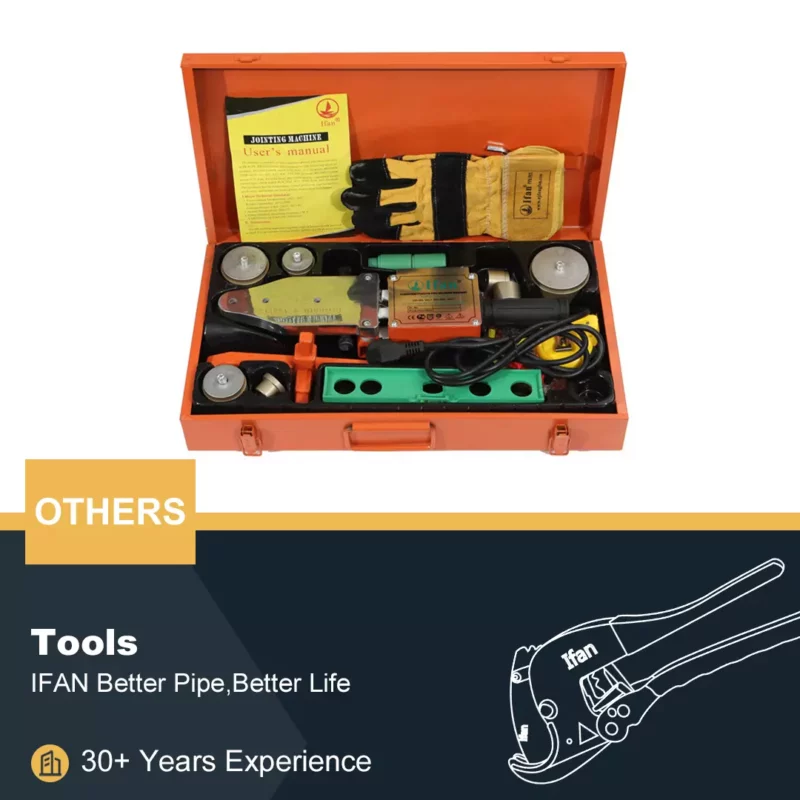
- Employ certified fusion welders with proper training
- Maintain calibrated welding equipment with temperature verification
- Follow manufacturer specifications for heating and cooling times
- Implement quality control checks at each installation stage
Global Success Stories
European Municipal Experience:
- German municipalities report 18-22% reduction in NRW after PPR implementation
- System lifespan projections exceeding Long-term durability according to standards with minimal maintenance
- Significant reduction in emergency repair call-outs
- Improved water quality metrics post-implementation
Asian Urban Applications:
- Major Chinese cities document 25-30% water loss reduction
- Installation speed increases of 50-70% compared to traditional methods
- Enhanced system reliability in seismic zones
- Successful implementation in high-rise building applications
North American Commercial Projects:
- Large-scale developments report near-zero leakage rates
- Maintenance cost reductions of 45-60% annually
- Enhanced sustainability certification scores
- Improved water pressure consistency throughout buildings
Environmental Impact and Sustainability
Water Conservation Benefits:
- Direct reduction in treated water waste
- Lower energy requirements for water treatment and distribution
- Reduced chemical usage in water treatment processes
- Preservation of natural water sources through efficient utilization
Sustainable Manufacturing:
- Lower embodied energy compared to metal pipe production
- Recyclable material at end of service life
- Reduced transportation energy due to lighter weight
- Energy savings through maintained flow efficiency
Future Developments and Innovations
Technological Advancements:
- Smart PPR fittings with embedded monitoring sensors
- Automated fusion welding equipment for improved consistency
- Enhanced material formulations for increased performance
- Integrated leak detection systems
Industry Evolution:
- Strengthened quality certification requirements
- Improved installation training and certification programs
- Enhanced sustainability metrics and reporting
- Global standardization of performance requirements
Conclusion: Transforming Water Infrastructure
The implementation of PPR fittings represents a fundamental shift toward sustainable water management. By addressing the root causes of water loss through material excellence and fusion joint technology, PPR fittings offer a proven solution for:
- Dramatically reducing non-revenue water losses
- Extending system lifespan while reducing maintenance costs
- Improving water quality and system reliability
- Supporting environmental sustainability goals
- Providing compelling economic returns through reduced operating costs
As water scarcity becomes increasingly urgent globally, the role of PPR fittings in creating efficient, leak-resistant water infrastructure will only grow in importance. The technology represents not just an engineering improvement, but a necessary evolution in how we manage our most precious resource.
The widespread adoption of PPR fittings could potentially save billions of liters of water annually, making a significant contribution to global water conservation efforts while providing economic benefits through reduced operational costs and infrastructure longevity. This technology stands as a testament to how innovation in material science and joining technology can create sustainable solutions to one of humanity’s most critical challenges.
If you have read this article and have any questions, please feel free to contact IFAN. Below is our contact information:
Whatsapp:+86 13373827623
Email:[email protected]