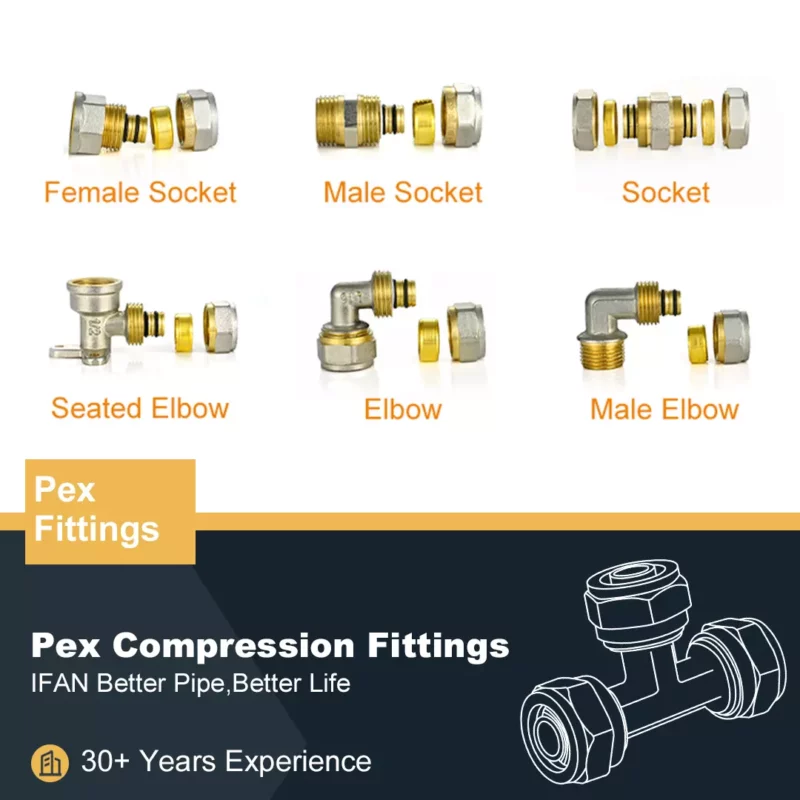
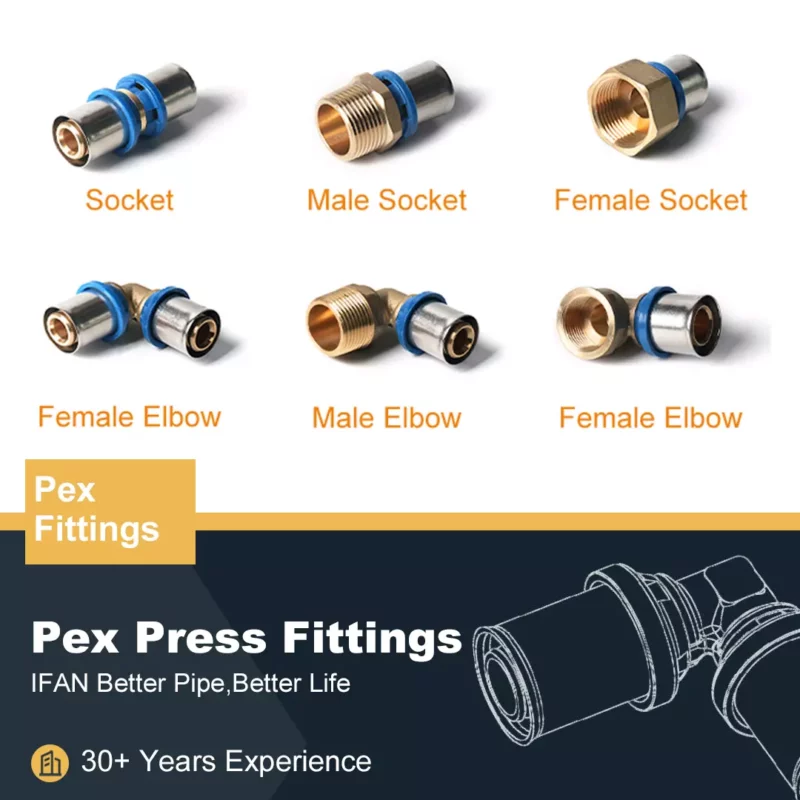
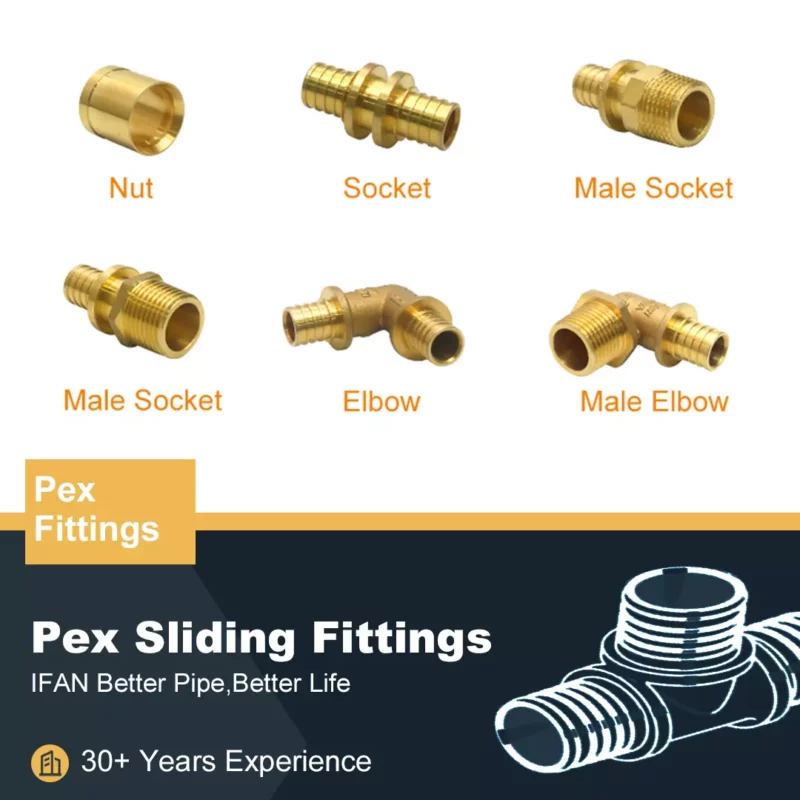
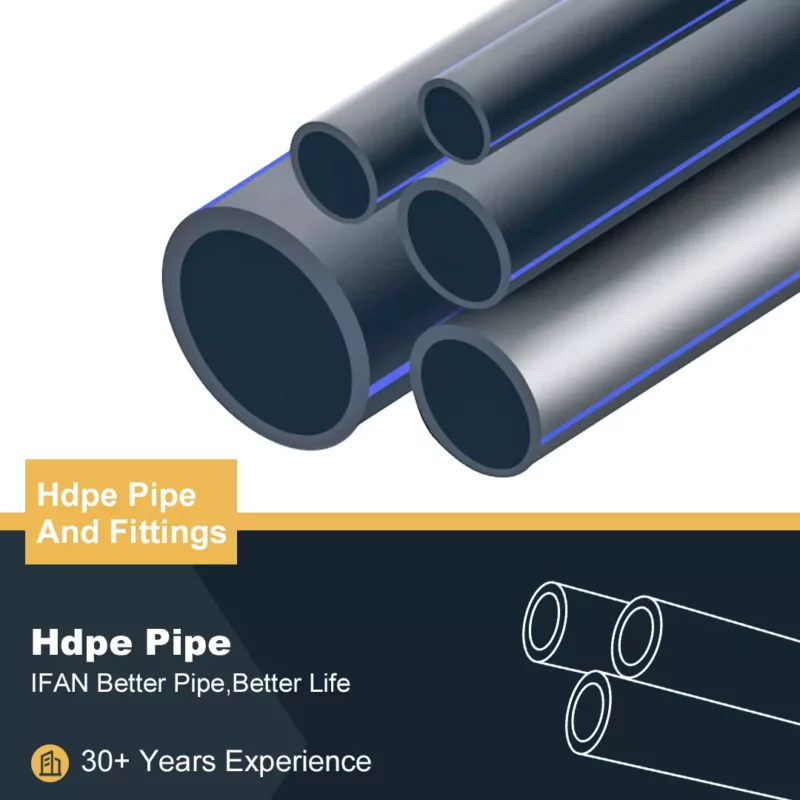
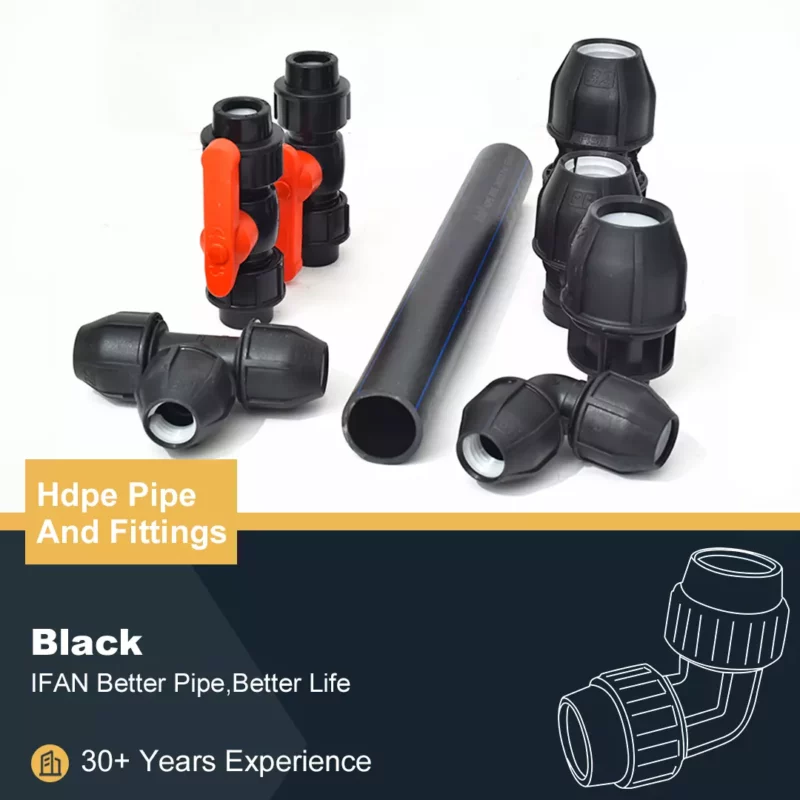
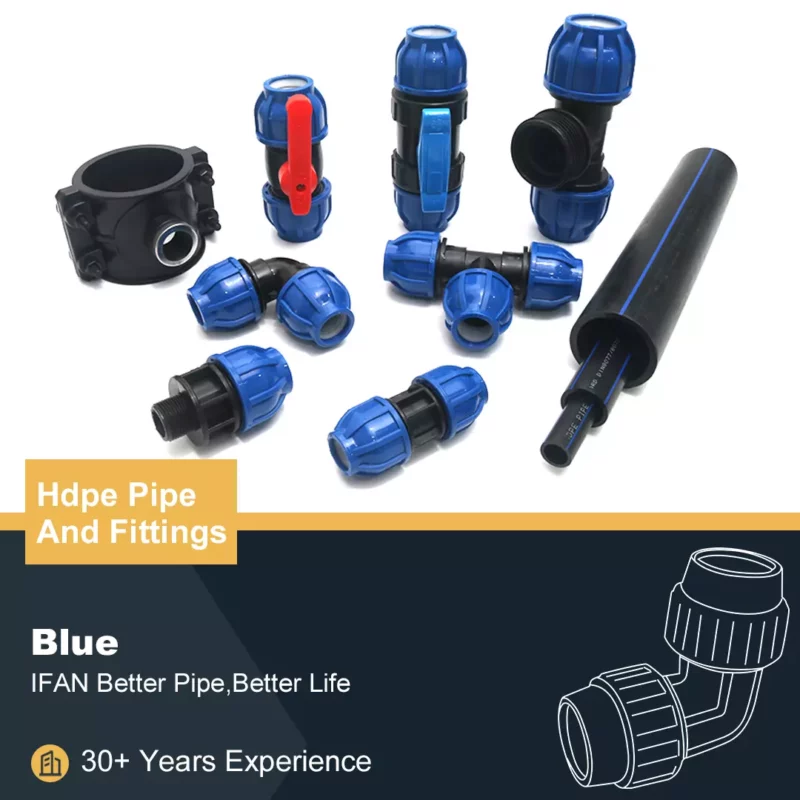
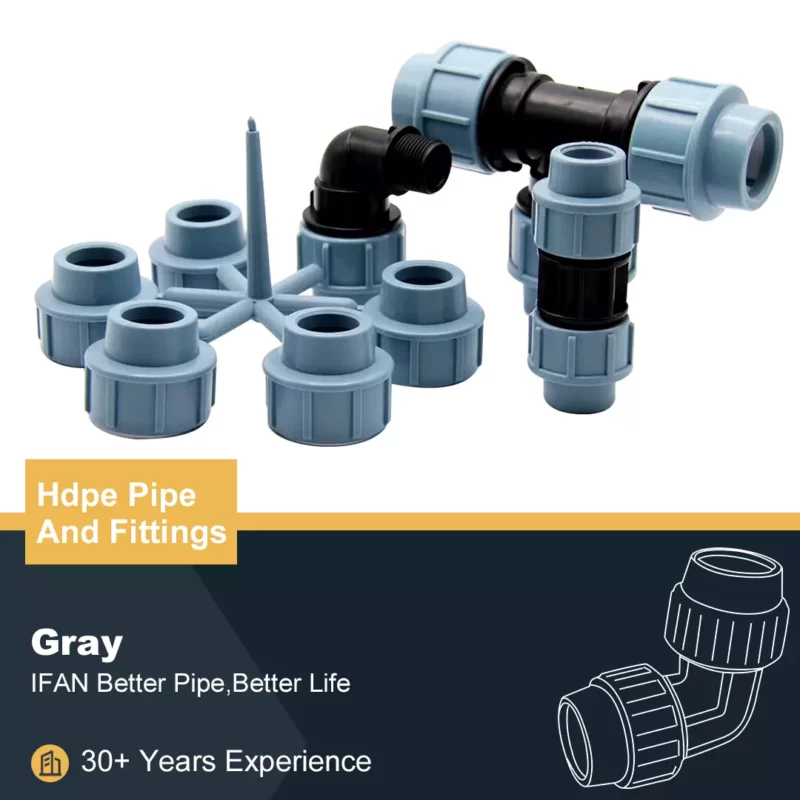



In a strategic move that signals Ethiopia’s commitment to industrial self-sufficiency and economic sovereignty, a state-of-the-art manufacturing facility dedicated to producing PPR fittings has commenced operations in the heart of Ethiopia’s emerging industrial corridor. This landmark development represents a crucial step in the nation’s ambitious import substitution agenda, positioning Ethiopia to capture significant value in the building materials sector while reducing dependency on foreign suppliers for essential plumbing components.
The Strategic Imperative for Local PPR Fittings Production
Ethiopia’s construction industry has experienced exponential growth over the past decade, with the demand for quality plumbing materials far outstripping domestic manufacturing capacity. The establishment of a dedicated PPR fittings factory addresses several critical national priorities:
Foreign Exchange Conservation:
Prior to the factory’s establishment, Ethiopia imported approximately 85% of its PPR fittings requirements, resulting in an annual outflow of an estimated $25-30 million in foreign currency. The new manufacturing facility is projected to reverse this trend, initially targeting 45% import substitution and gradually increasing to 70% within three years of operation.
Employment Generation and Skills Development:
The factory represents more than just a production facility—it serves as a center for industrial skills development. The operation has created direct employment for 350 Ethiopian workers, with an additional 200 indirect jobs in logistics, distribution, and support services. More significantly, the facility includes a technical training center focused on developing specialized skills in polymer processing and PPR fittings manufacturing.
Technical Capabilities and Production Excellence
The factory incorporates world-class manufacturing technology specifically engineered for PPR fittings production:
Advanced Manufacturing Infrastructure:
- Computer-controlled injection molding systems from European manufacturers
- Automated quality control stations with laser measurement technology
- Robotic material handling and packaging systems
- Integrated production planning and inventory management software
Quality Assurance Protocols:
The facility has implemented rigorous quality management systems to ensure its PPR fittings meet international standards:
- On-site materials testing laboratory with spectrometric analysis capabilities
- Continuous monitoring of production parameters and product dimensions
- Pressure testing and thermal cycling validation for all PPR fittings products
- Compliance with ISO 15874 international standards for polypropylene piping systems
Production Capacity and Range:
The factory’s initial operational phase focuses on producing a comprehensive range of PPR fittings:
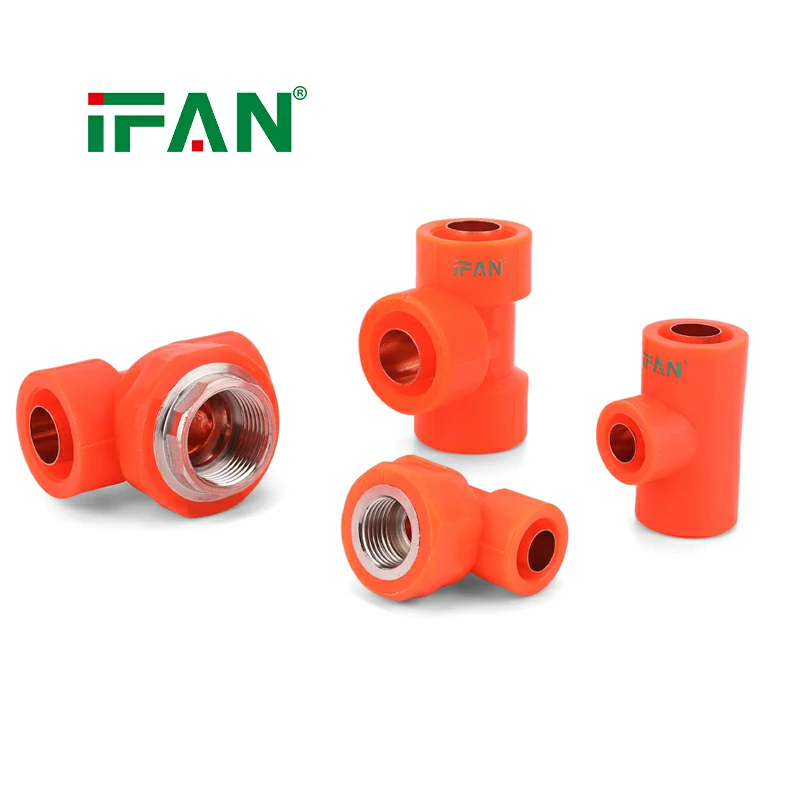
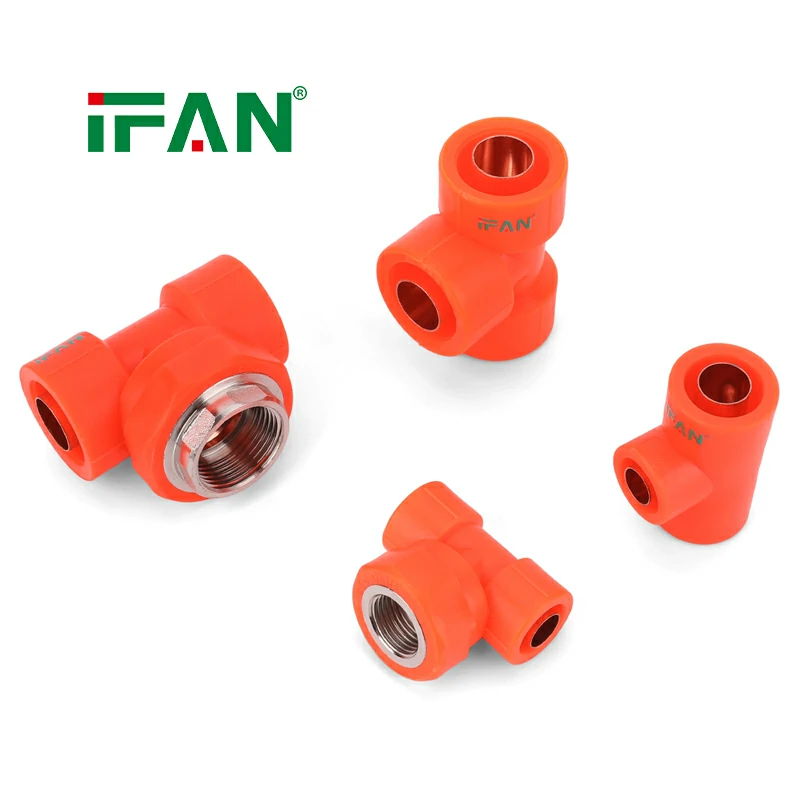
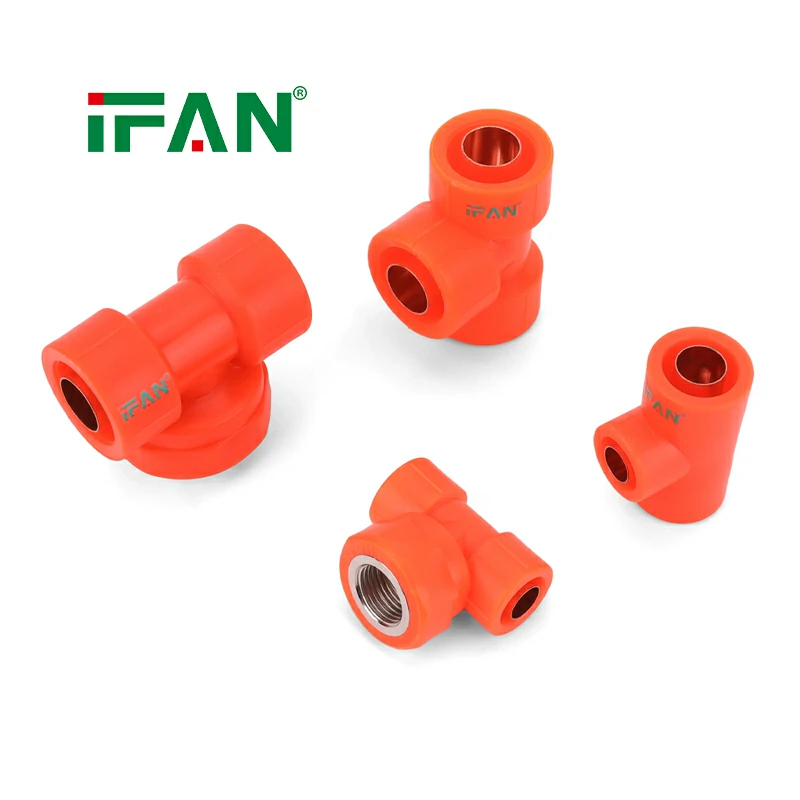
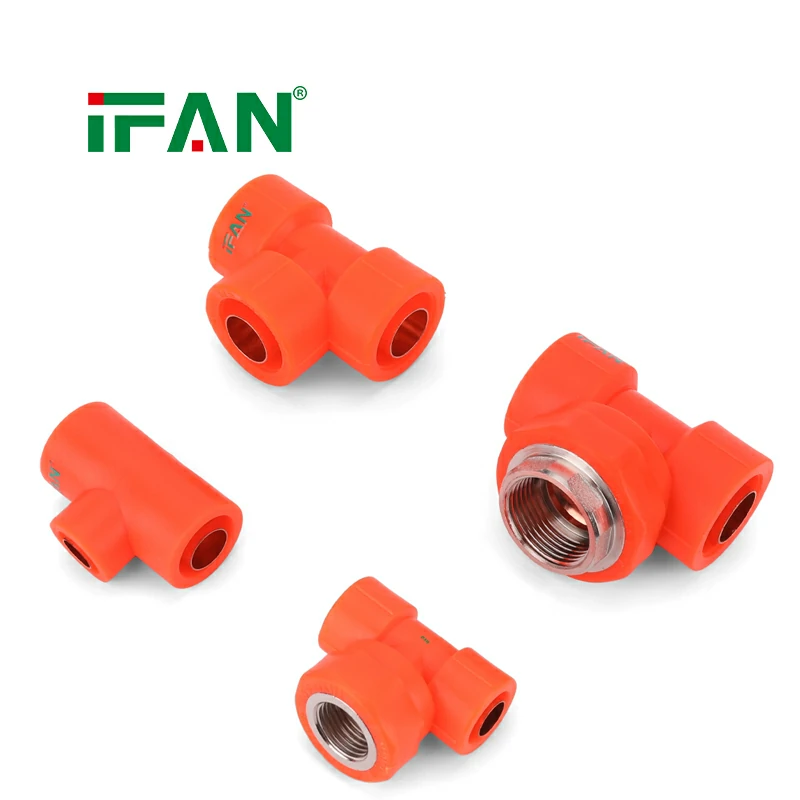
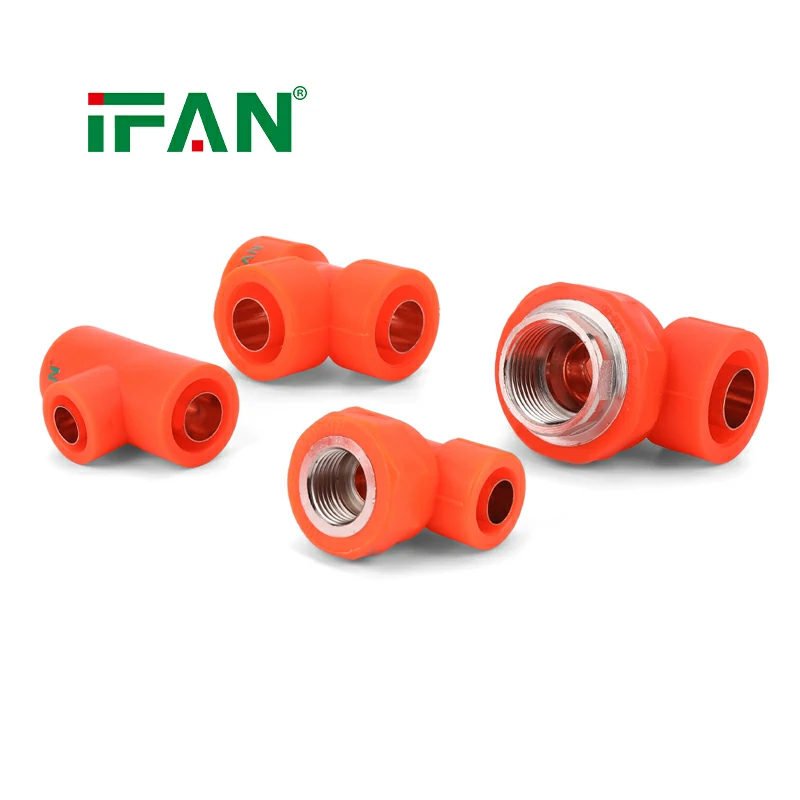
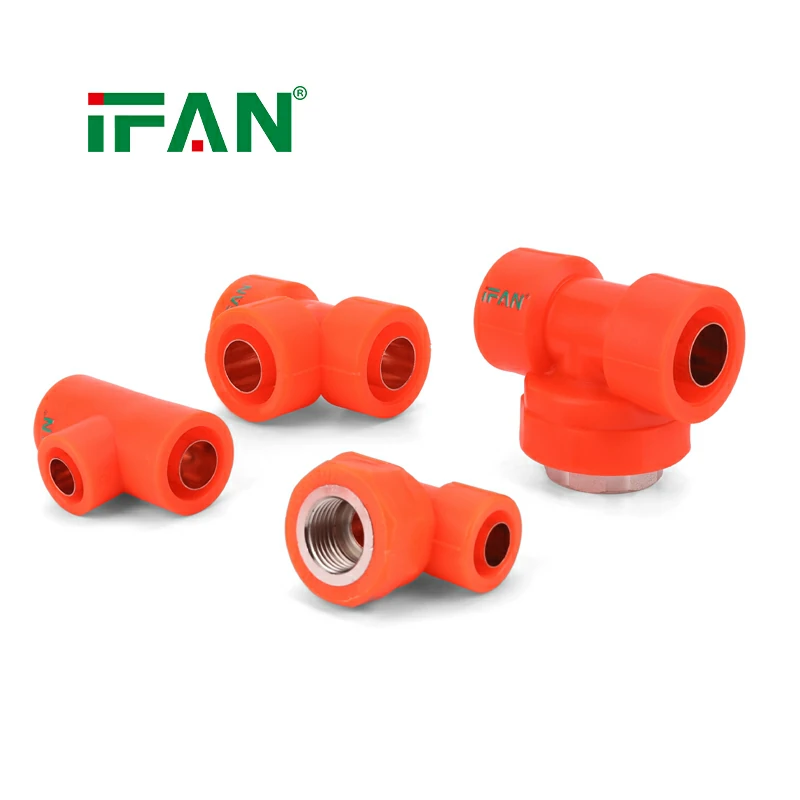
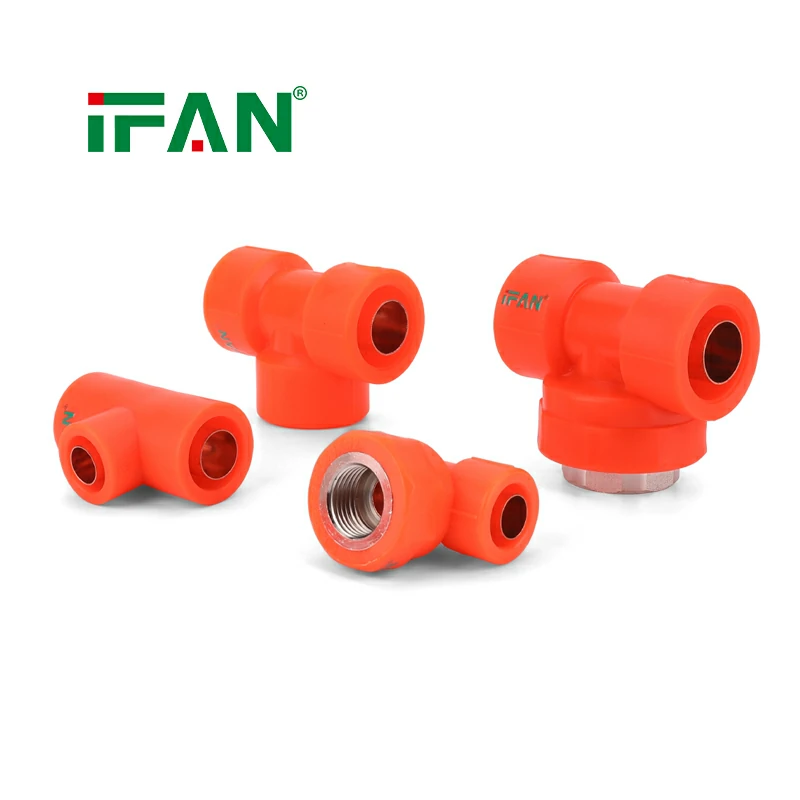
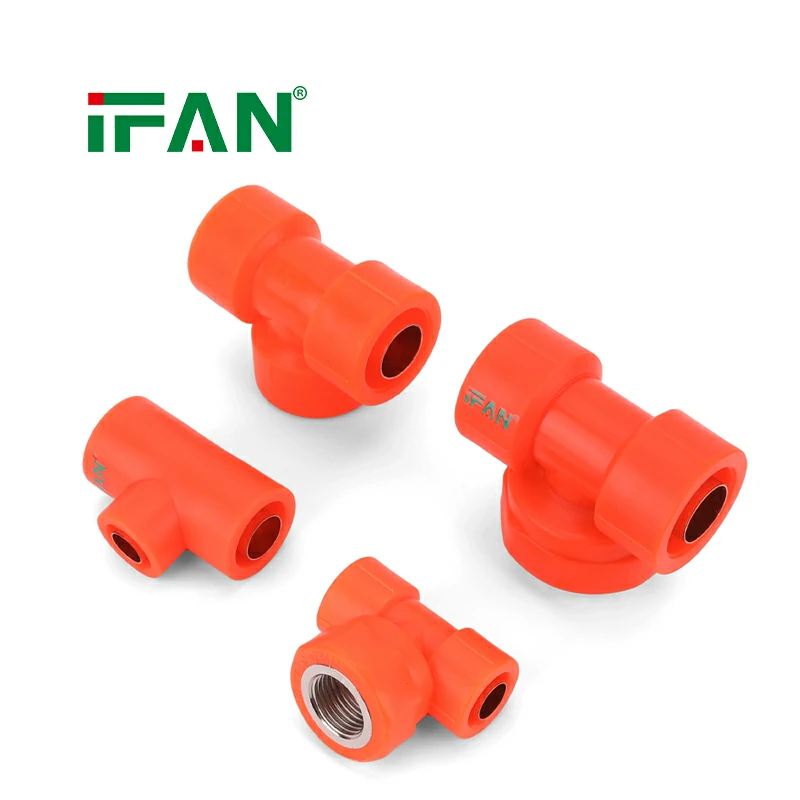
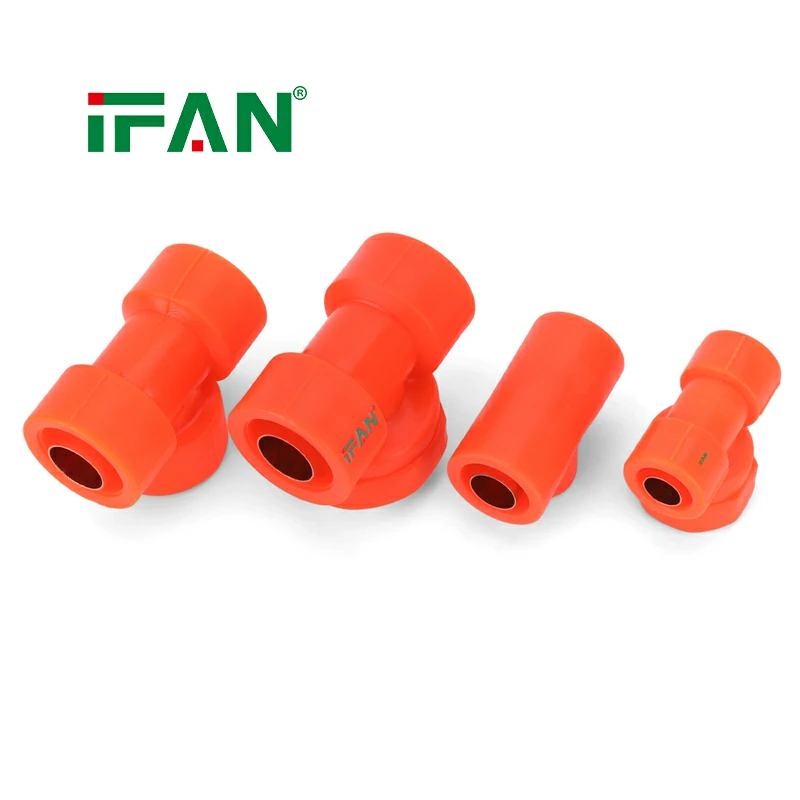
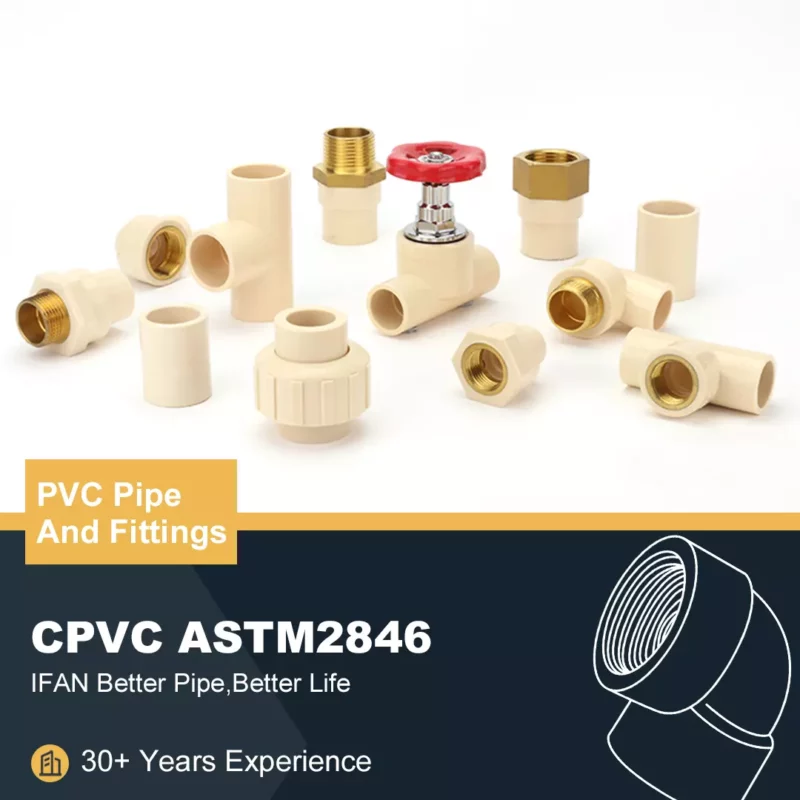
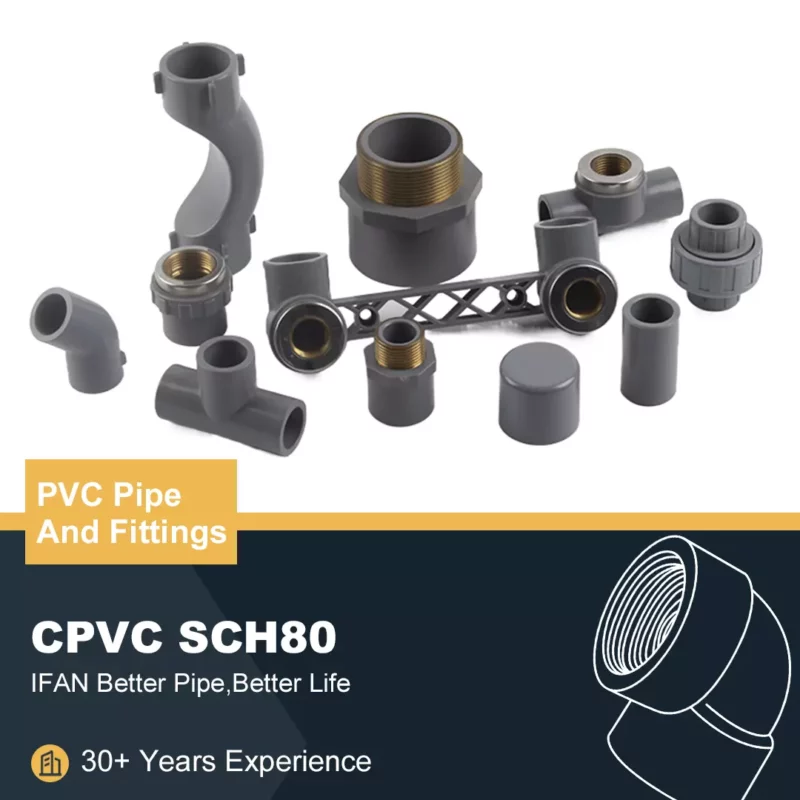
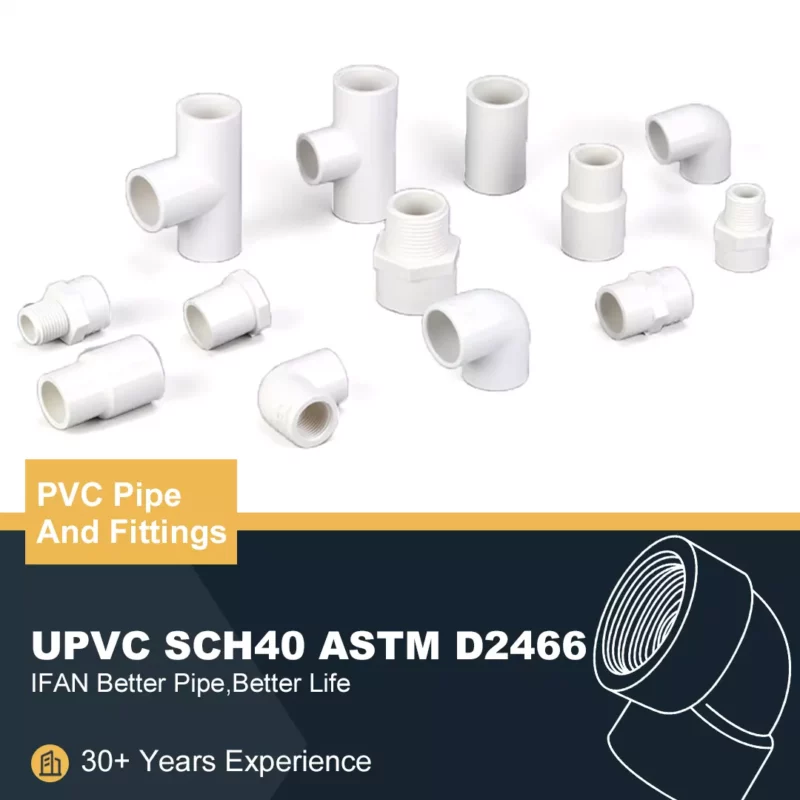
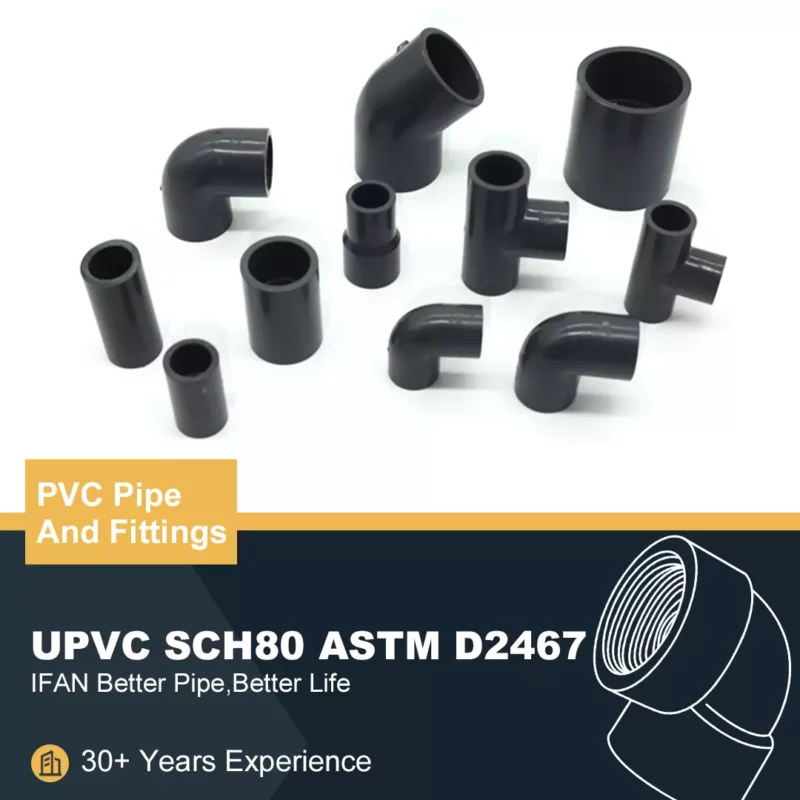
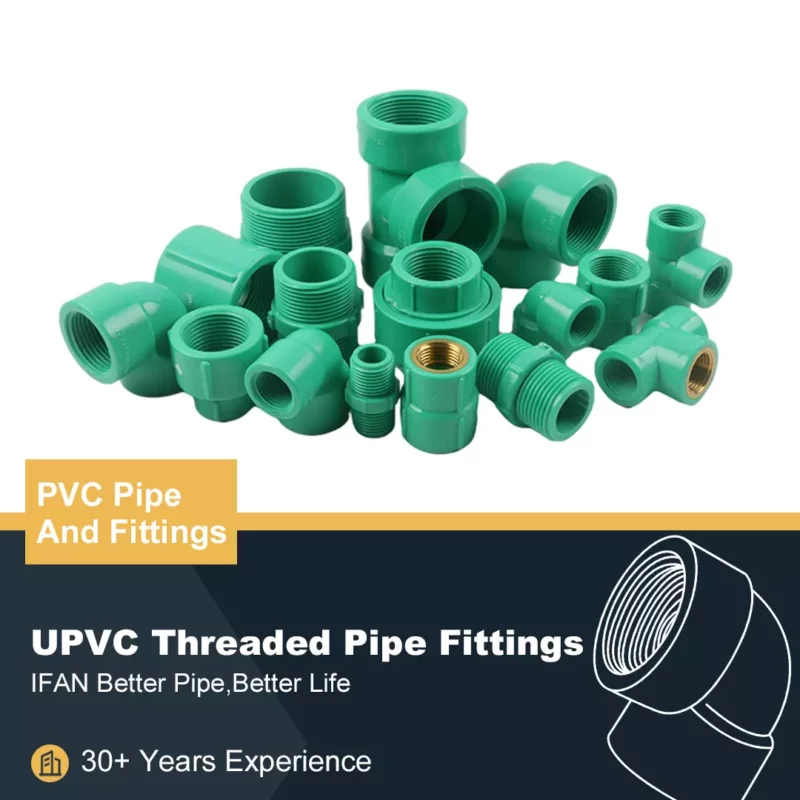
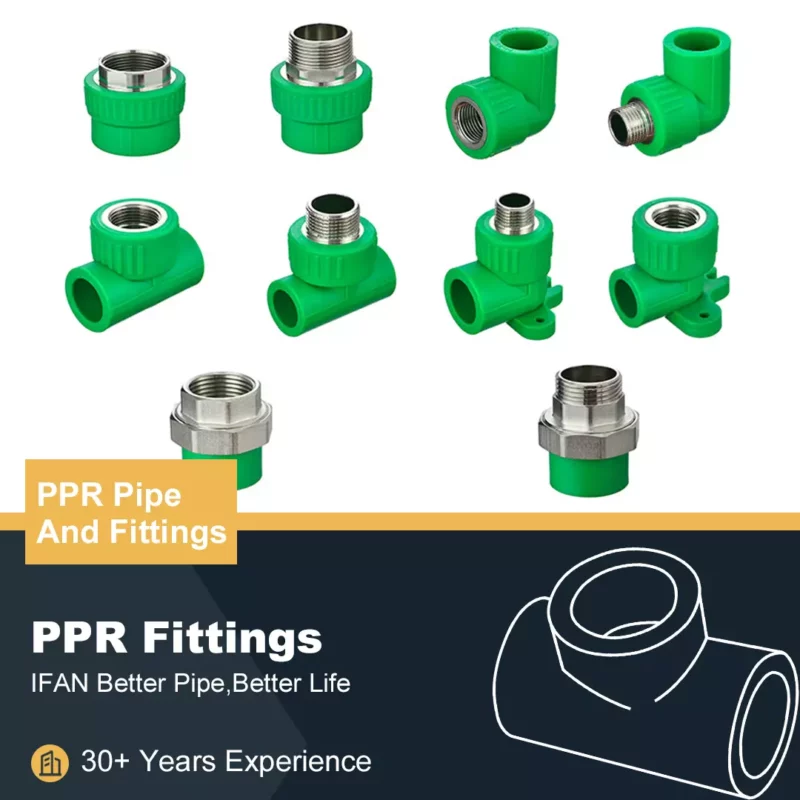
- Standard plumbing components including elbows, tees, reducers, and couplings
- Specialized fittings for industrial and agricultural applications
- Full diameter spectrum from 20mm to 110mm
- Initial annual production capacity of 2,500 metric tons, scalable to 4,000 tons
Economic Impact and Market Transformation
The local production of PPR fittings is already demonstrating significant economic benefits:
Price Stabilization:
The availability of locally manufactured PPR fittings has begun to stabilize market prices, reducing the extreme volatility previously caused by currency fluctuations and international shipping disruptions. Early market data indicates a 15-20% reduction in average PPR fittings prices since the factory began commercial operations.
Supply Chain Reliability:
Ethiopian contractors and plumbing professionals now benefit from significantly reduced lead times for PPR fittings procurement. Where previously projects faced delays of 8-12 weeks for imported materials, local availability has compressed this timeline to 3-5 days, dramatically improving project planning and execution.
Quality Standardization:
The factory’s adherence to international quality standards is raising the benchmark for PPR fittings in the Ethiopian market. By providing consistently high-quality products with proper certification, the facility is helping to eliminate the substandard PPR fittings that previously compromised plumbing system reliability.
Alignment with National Development Strategies
The PPR fittings factory exemplifies Ethiopia’s broader industrial development vision:
Industrial Park Strategy:
Located within one of Ethiopia’s flagship industrial parks, the facility benefits from developed infrastructure, reliable utilities, and streamlined administrative processes. This strategic positioning demonstrates the effectiveness of Ethiopia’s industrial park approach in attracting manufacturing investment.
Construction Sector Transformation:
The factory directly supports Ethiopia’s massive infrastructure development program, including the ongoing construction of affordable housing, commercial facilities, and industrial plants. Reliable access to quality PPR fittings is essential for maintaining construction schedules and ensuring plumbing system longevity.
Export Potential:
While initially focused on import substitution, the factory’s strategic plan includes developing export capabilities for PPR fittings to neighboring markets in East Africa. This export orientation aligns with Ethiopia’s goal of becoming a manufacturing hub for the region.
Technical Training and Knowledge Transfer
A cornerstone of the factory’s mission involves developing local expertise in advanced manufacturing:
Vocational Training Programs:
- Certified technical training for injection molding machine operators
- Quality control and laboratory technician development programs
- Maintenance engineering skills for advanced manufacturing equipment
- Supervisory and production management training
Industry-Academia Collaboration:
The factory has established partnerships with Ethiopian technical universities to:
- Develop specialized curriculum for polymer technology and PPR fittings manufacturing
- Provide internship opportunities for engineering students
- Collaborate on research and development projects
- Create career pathways for technical graduates
Environmental Sustainability Commitments
The factory incorporates environmentally responsible manufacturing practices:
Energy Efficiency:
- Solar power generation for auxiliary operations
- Heat recovery systems in injection molding processes
- Energy-efficient motor systems and automated power management
- Optimized production scheduling to minimize energy consumption
Waste Management:
- Closed-loop water cooling systems
- Comprehensive recycling of production scrap and rejected PPR fittings
- Responsible handling of manufacturing byproducts
- Compliance with Ethiopian environmental regulations
Sustainable Material Sourcing:
- Use of certified virgin polypropylene raw materials
- Implementation of material efficiency programs
- Supplier environmental compliance requirements
- Lifecycle assessment of PPR fittings products
Challenges and Strategic Responses
The factory’s development has involved overcoming significant challenges:
Infrastructure Limitations:
- Implementation of robust backup power systems to address grid instability
- Development of water management systems for consistent production
- Investment in logistics infrastructure to ensure reliable material supply
- Building redundancy into critical manufacturing systems
Market Development:
- Educational initiatives about PPR fittings advantages over traditional materials
- Training programs for plumbing professionals on proper installation techniques
- Demonstration projects showcasing system performance and reliability
- Technical support for engineers and construction professionals
Future Expansion and Development Plans
The factory’s strategic roadmap includes ambitious expansion plans:
Phase Two Development (2024-2026):
- Increased PPR fittings production capacity to 4,000 metric tons annually
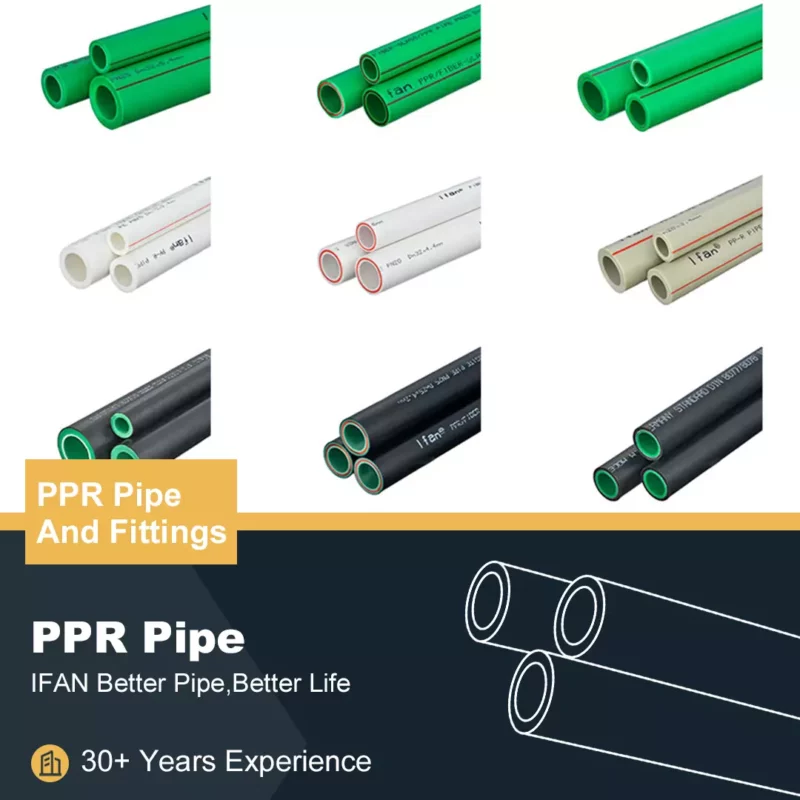
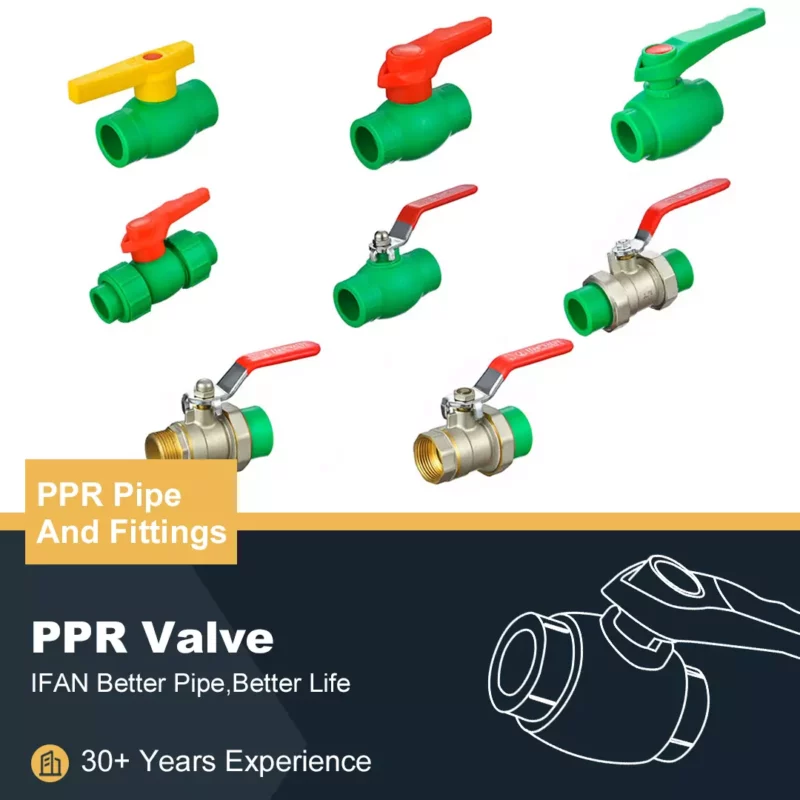
- Addition of complementary product lines including PPR pipes and valves
- Enhanced research and development capabilities
- Development of regional distribution hubs
Technology Advancement:
- Implementation of Industry 4.0 technologies and smart manufacturing
- Advanced material development programs
- Automation and robotics integration
- Digital twin technology for production optimization
Impact on Regional Development
The factory’s influence extends beyond its immediate economic contributions:
Supply Chain Development:
- Creation of opportunities for local raw material suppliers
- Development of specialized logistics and transportation services
- Growth of supporting industries and service providers
- Enhanced regional industrial ecosystem
Knowledge Spillover Effects:
- Transfer of advanced manufacturing expertise to other sectors
- Demonstration of successful industrial investment in Ethiopia
- Development of export management capabilities
- Enhancement of regional technical standards
Conclusion: A Model for Industrial Development
The establishment of Ethiopia’s premier PPR fittings manufacturing factory represents a transformative achievement in the nation’s industrial development journey. Beyond the immediate economic benefits of import substitution and job creation, the facility serves as a powerful demonstration of Ethiopia’s growing capability in sophisticated manufacturing and its commitment to building infrastructure with locally produced materials.
The successful operation of this PPR fittings production facility proves that Ethiopia can compete in quality-driven manufacturing sectors while addressing critical domestic needs. As the factory expands its production capabilities and market reach, it stands as a testament to Ethiopia’s industrial ambitions and its potential to become a manufacturing hub for East Africa.
The impact of locally produced PPR fittings extends from major infrastructure projects to individual households, contributing to better plumbing systems, improved water safety, and enhanced construction quality across Ethiopia. This factory not only manufactures plumbing components—it helps build the foundation for Ethiopia’s sustainable development and economic sovereignty.
If you have read this article and have any questions, please feel free to contact IFAN. Below is our contact information:
Whatsapp:+86 13373827623
Email:[email protected]